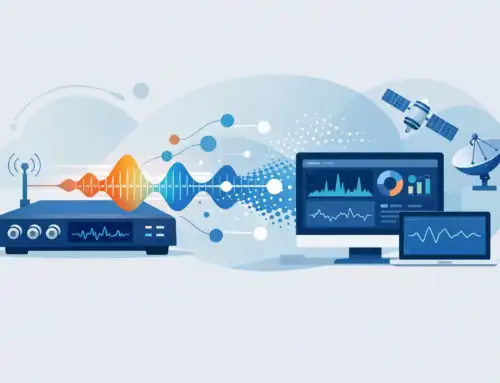
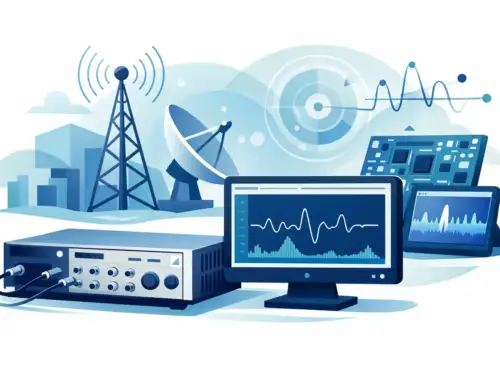
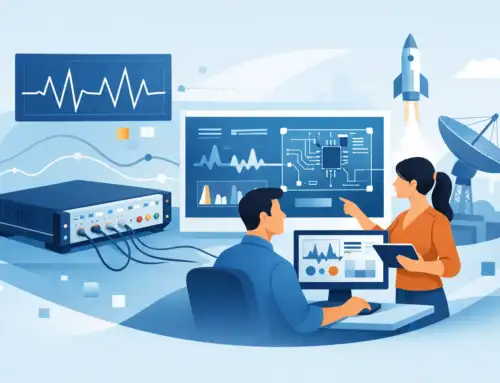
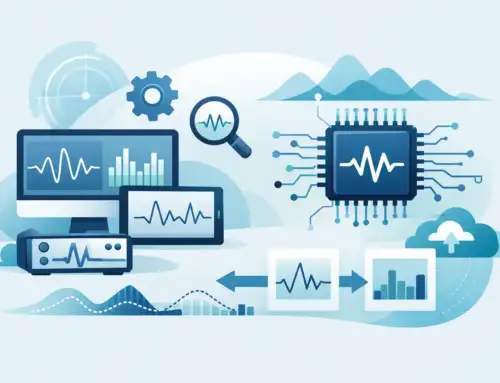
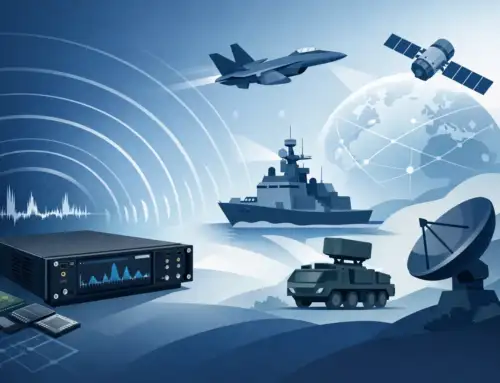
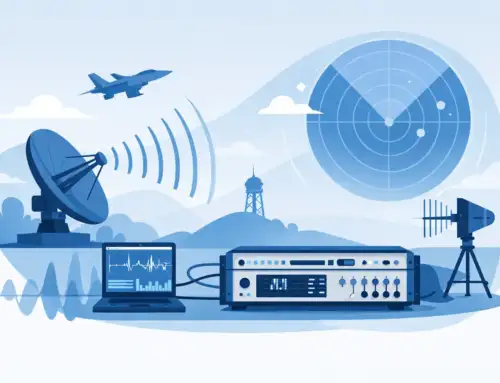
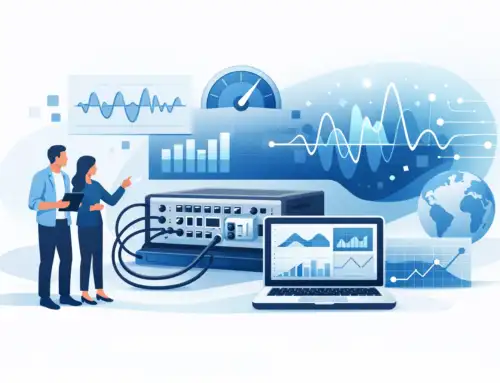
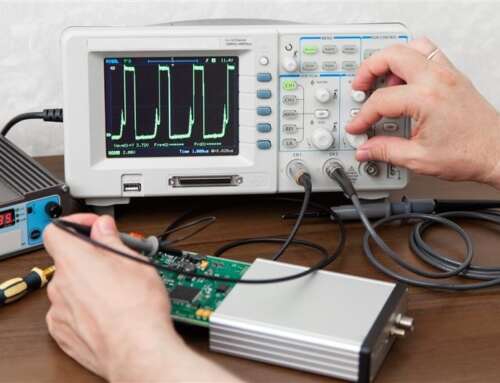
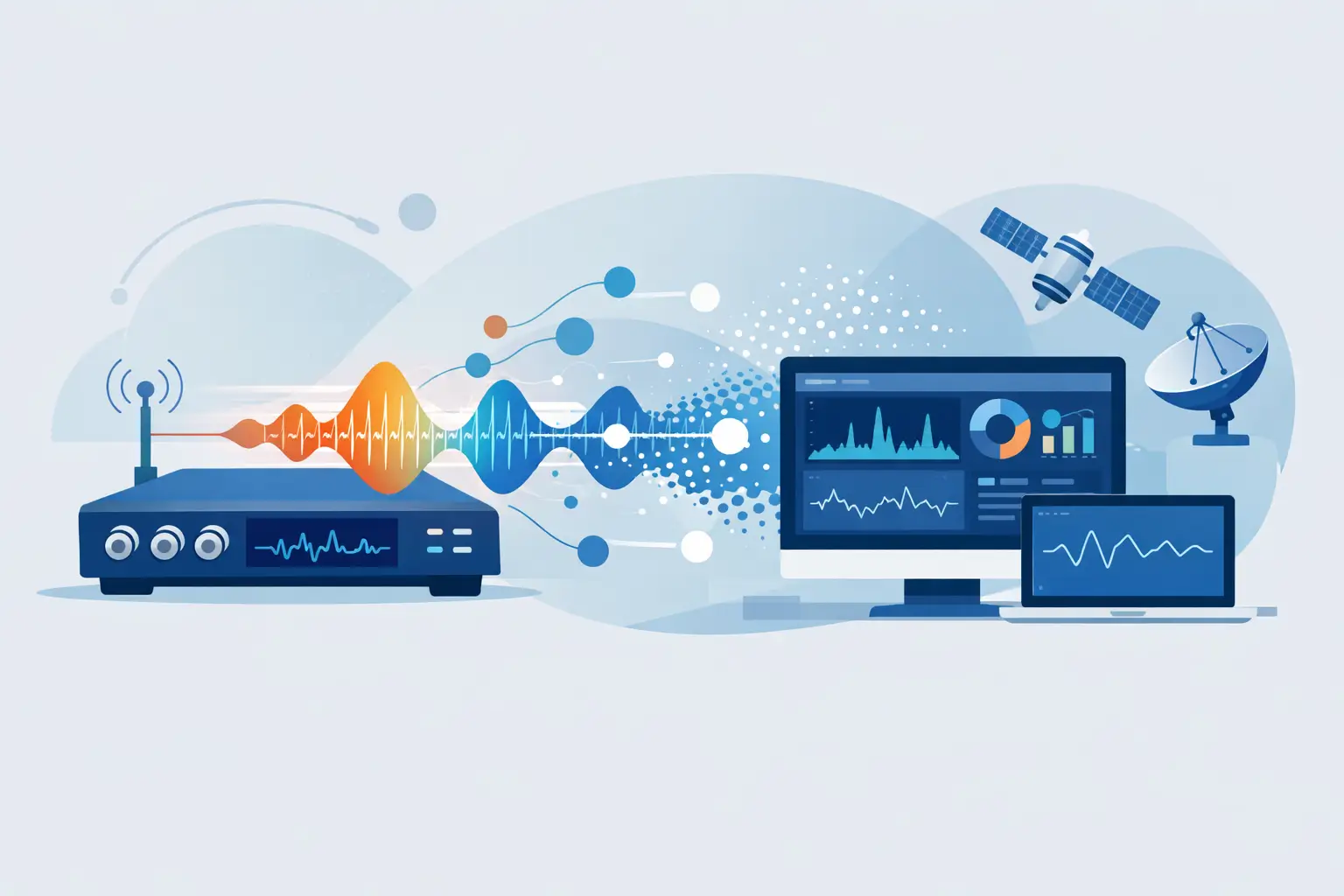
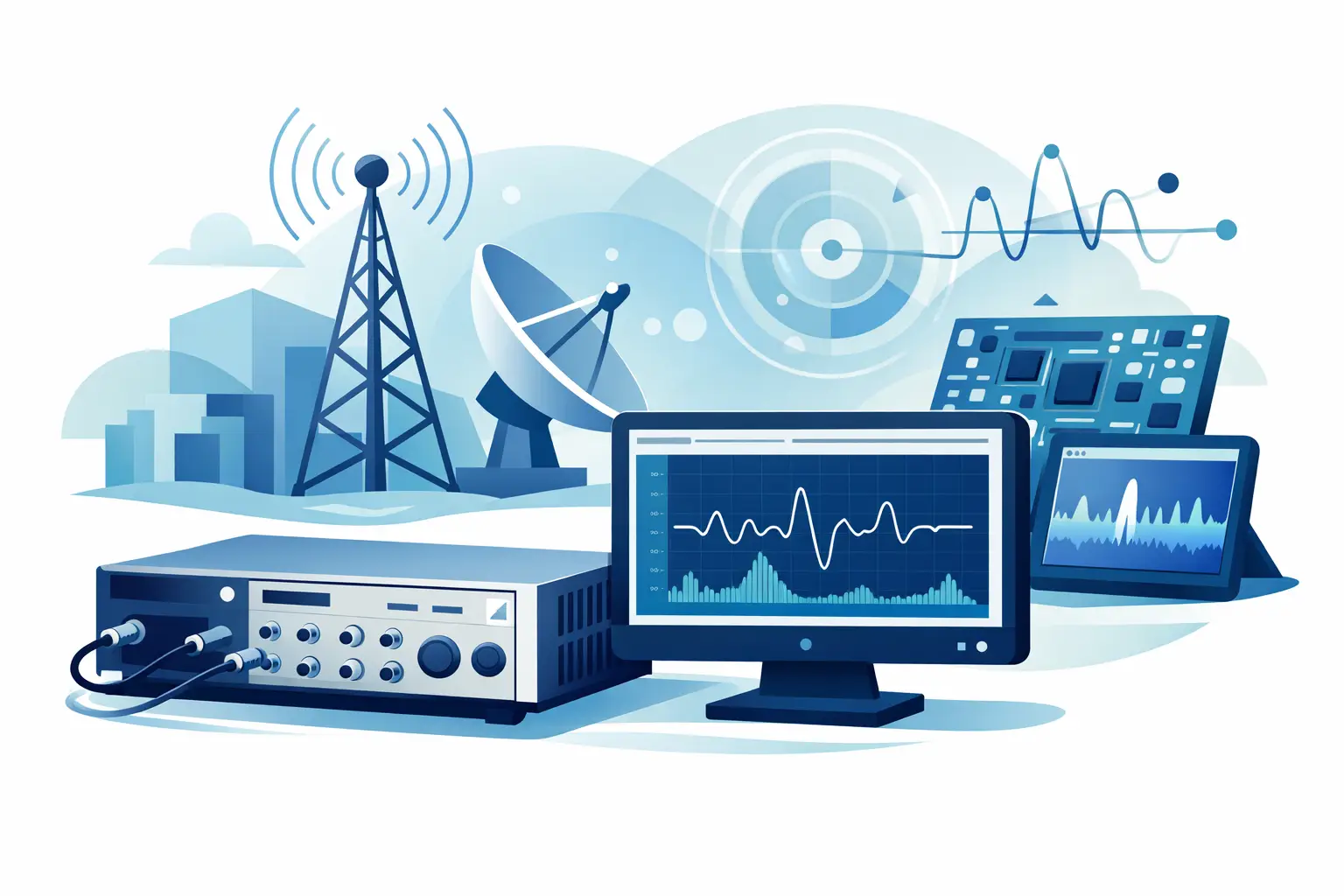
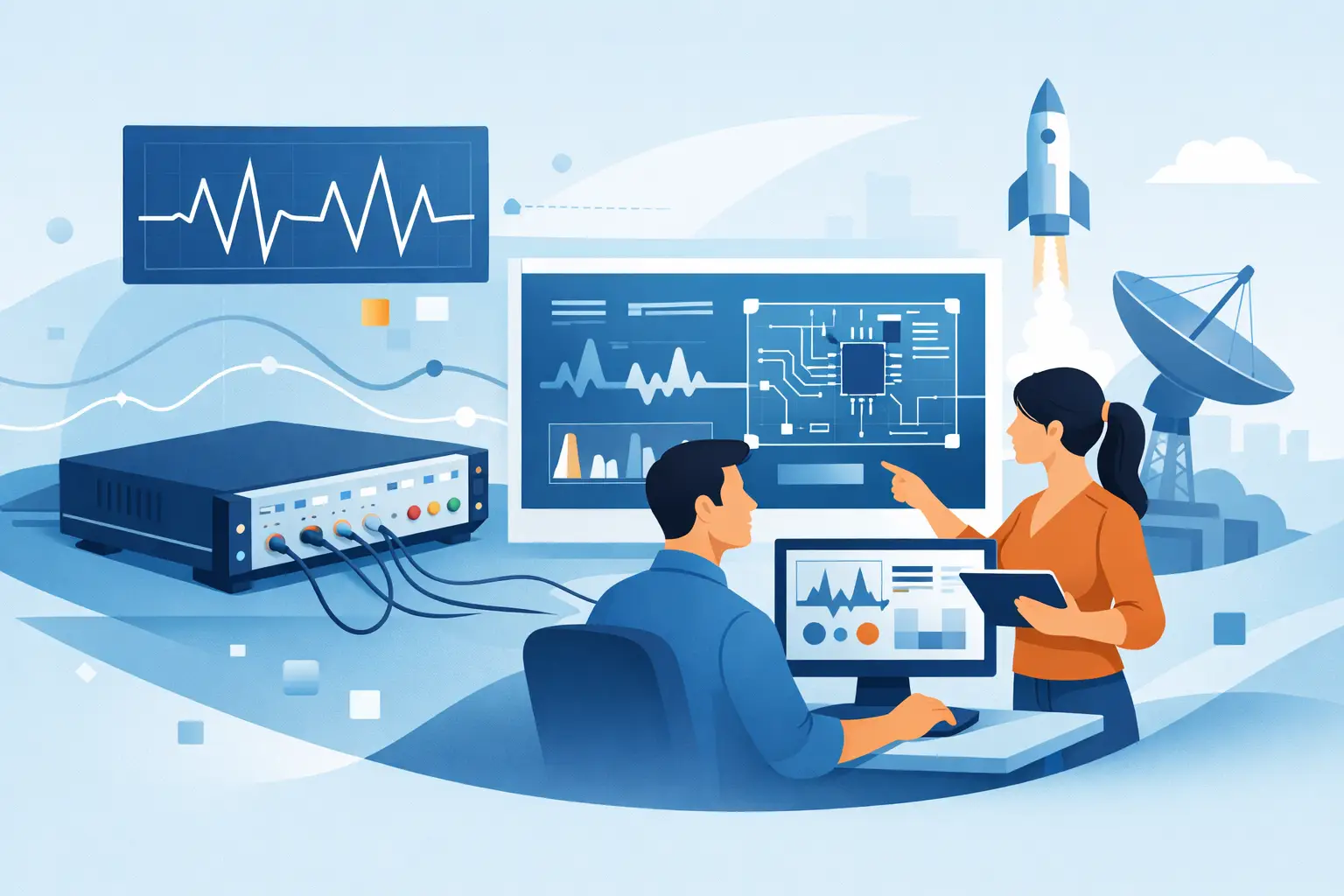
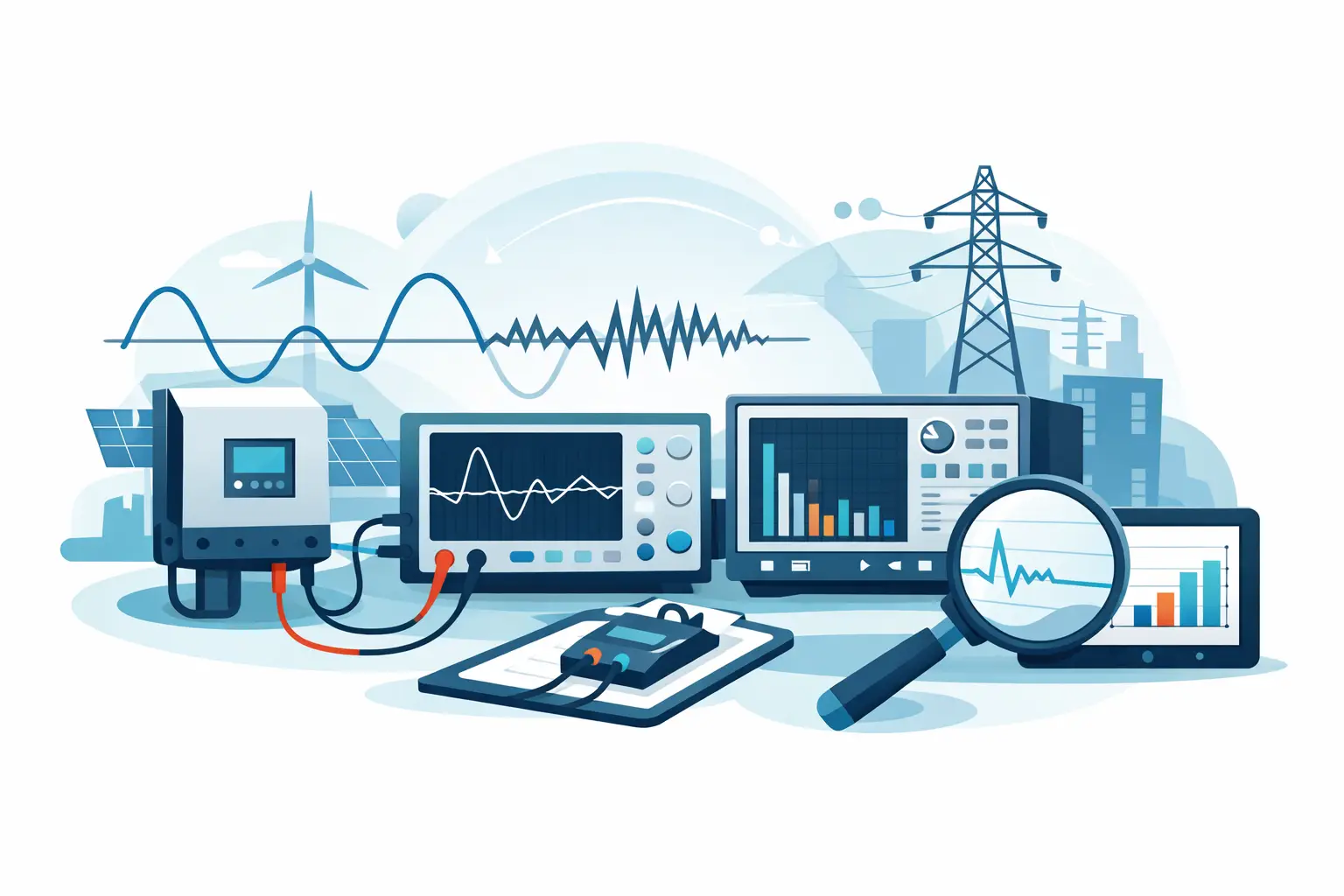
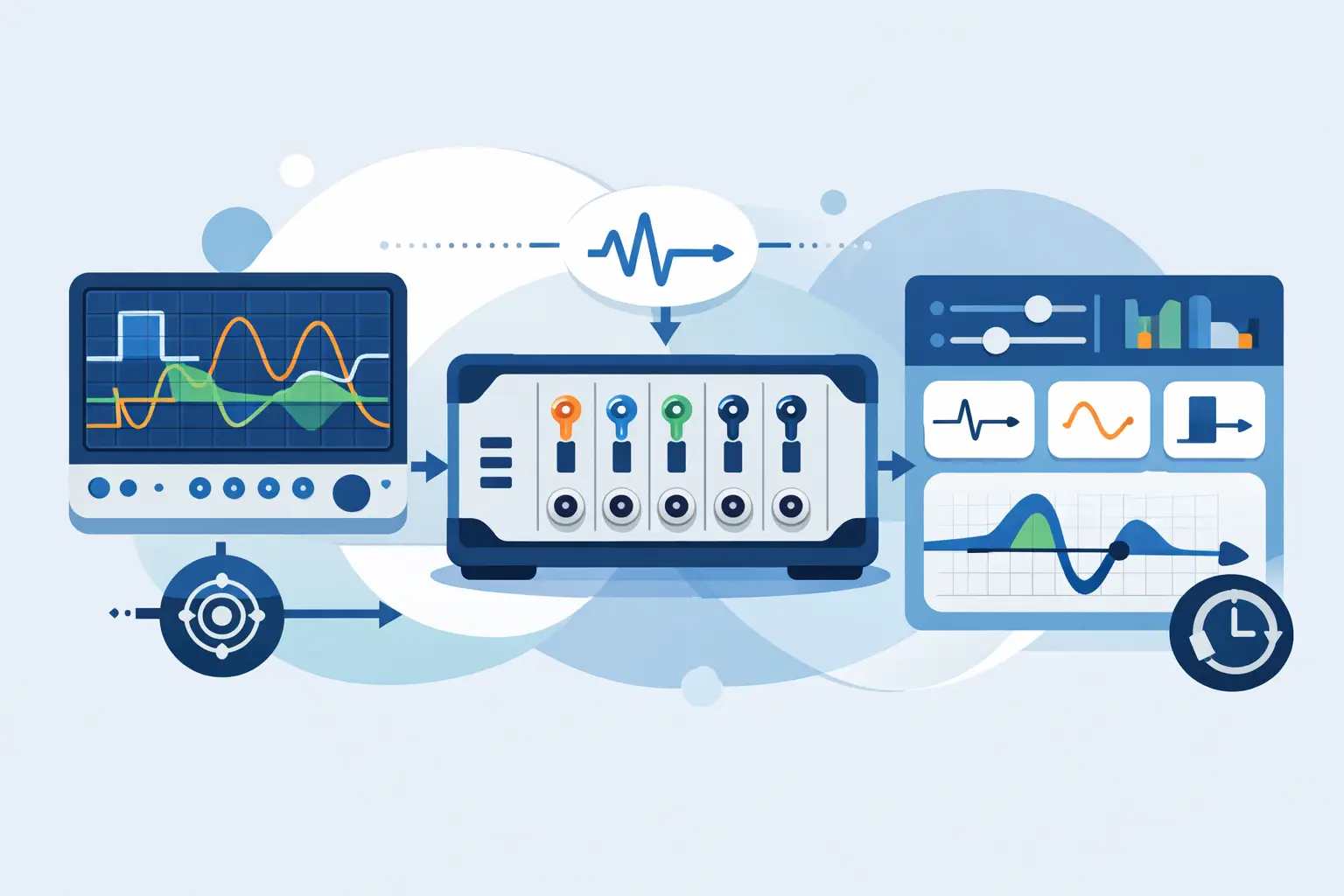
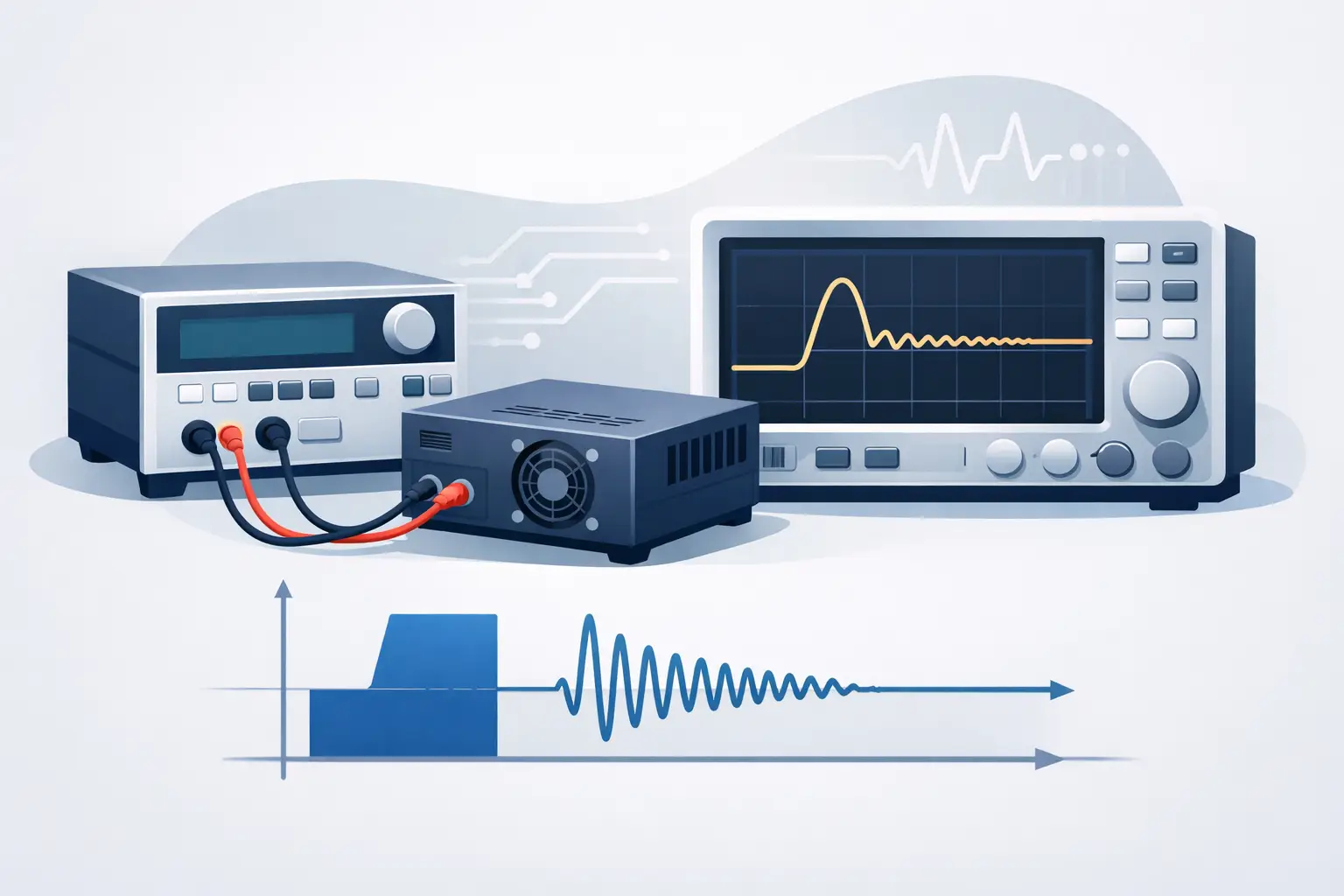
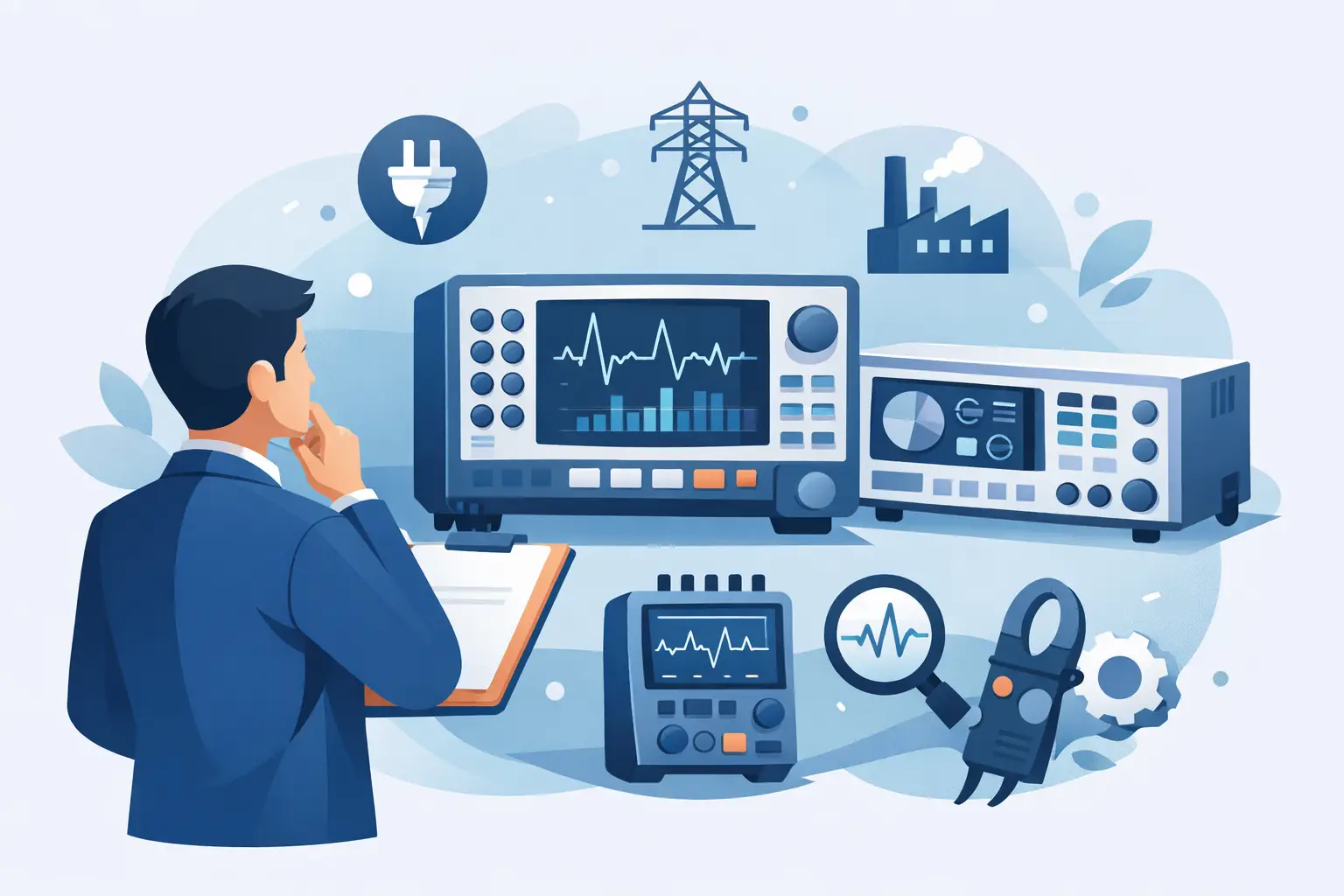
In high-speed test and measurement environments, a typical data acquisition (DAQ) workflow involves key stages, including signal capturing, digital format conversion, analysis, and deriving insights leading to better decision-making. There is a common misconception that the accuracy and performance of these systems is solely determined by the hardware. However, in reality, the software takes the raw data and turns it into high-precision analysis. This post explains how the data acquisition (DAQ) software works, especially Vitrek’s GaGe suite, which transforms raw waveforms into actionable data with precision.

What Is Data Acquisition Software?
DAQ software helps control the hardware, processes data, and provides the tools for analysis, and enables engineers to gain insight from complex data captured by devices like high-speed digitizers and oscilloscopes.
Core Functions of DAQ Software
- Device Control & Configuration: The software allows users to set up and control the hardware by setting sample rates, managing bandwidth, triggering modes, and channel parameters.
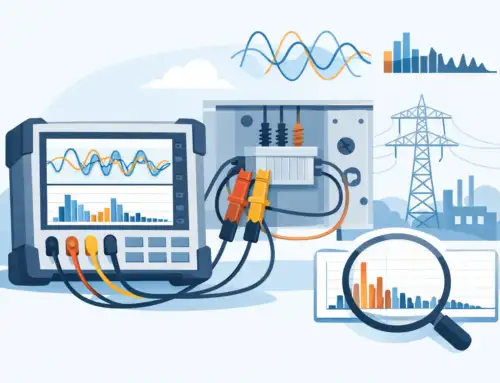
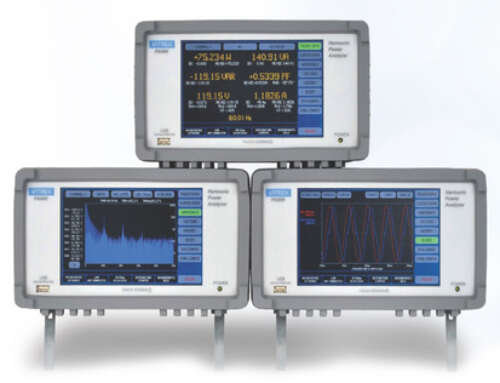
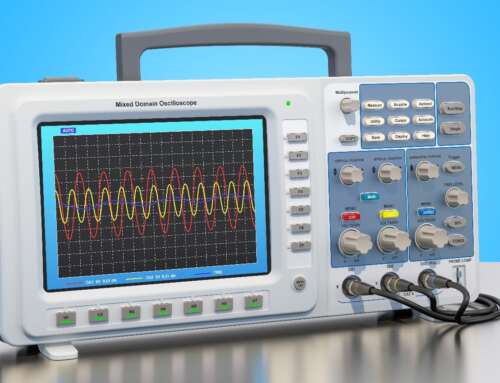
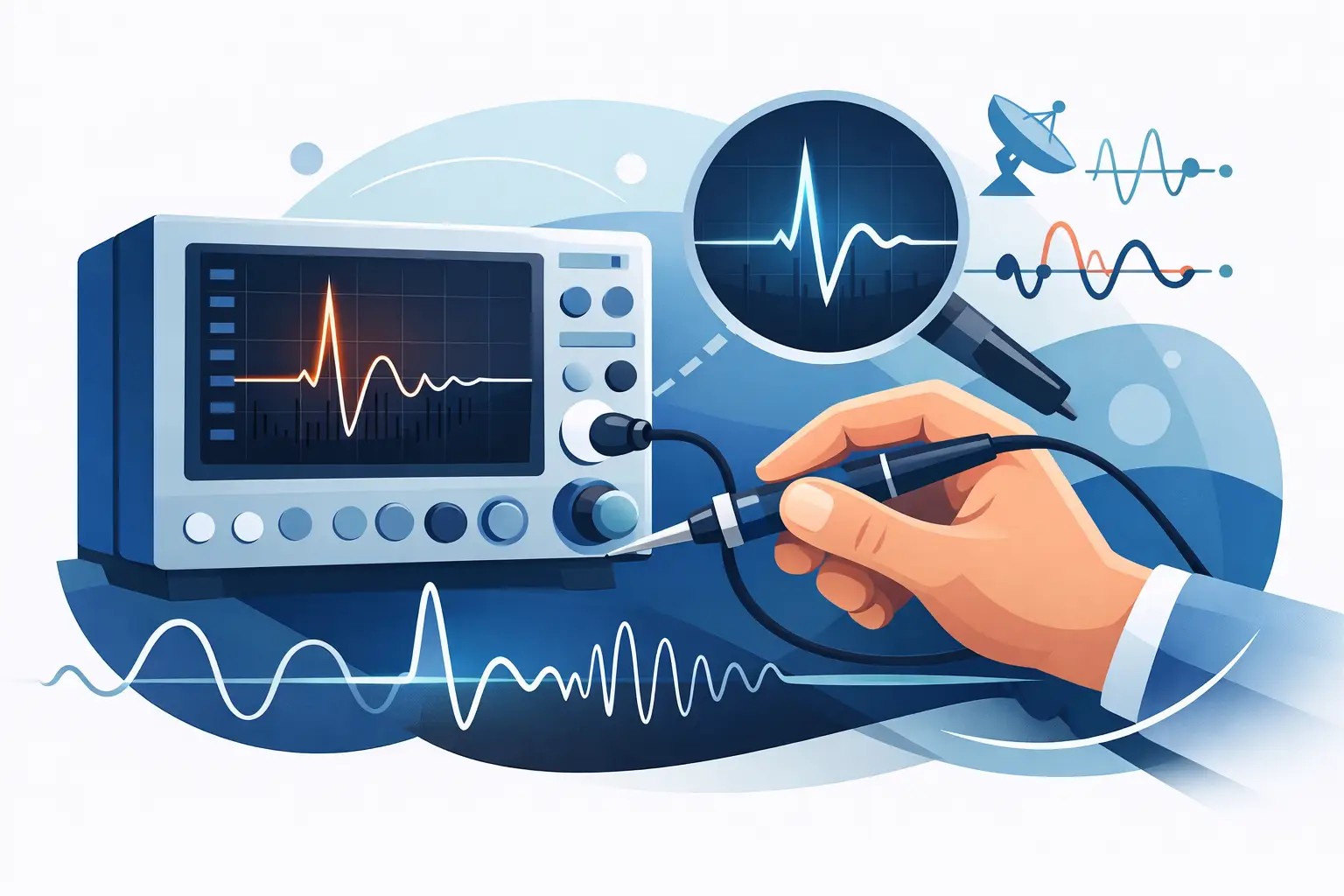
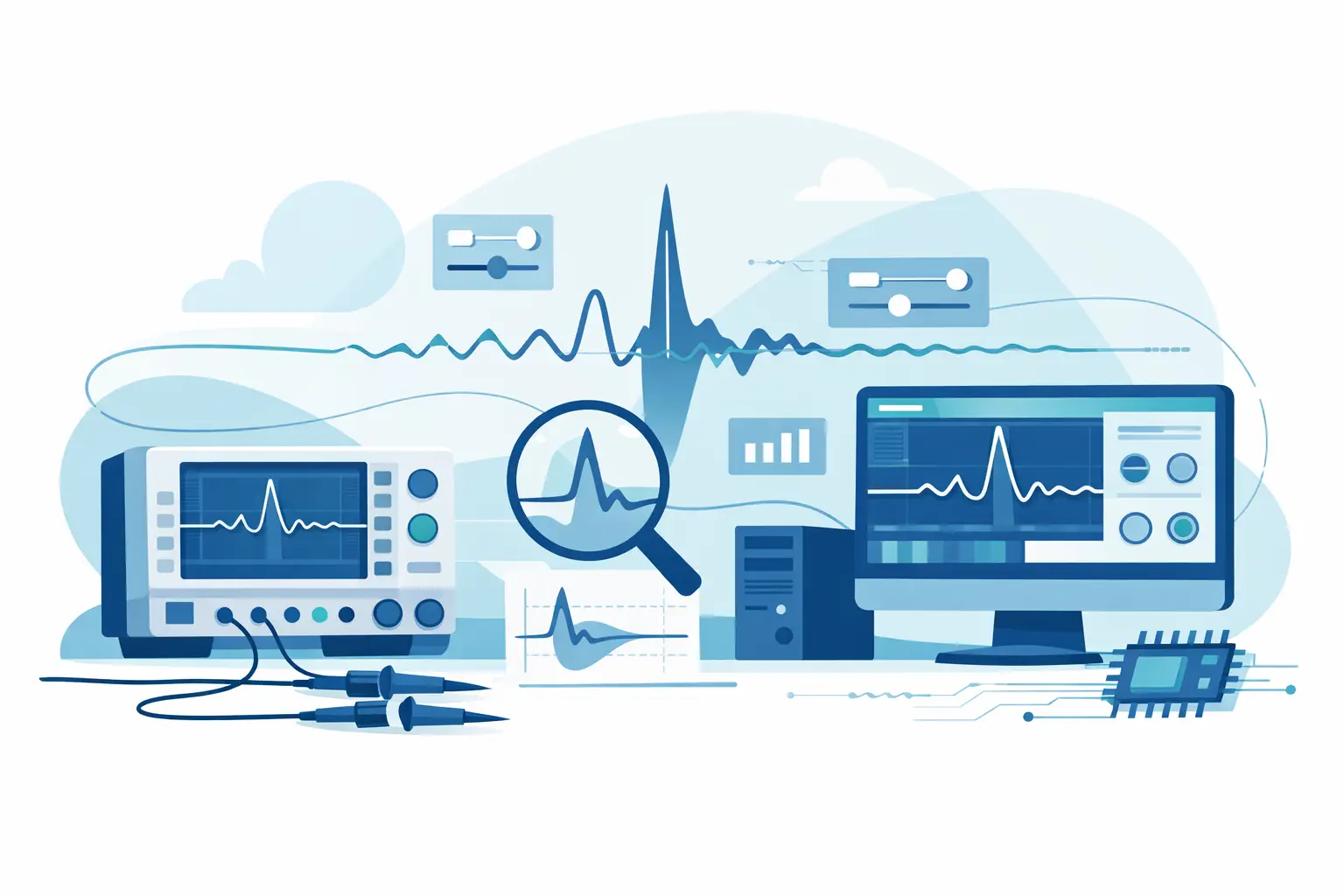
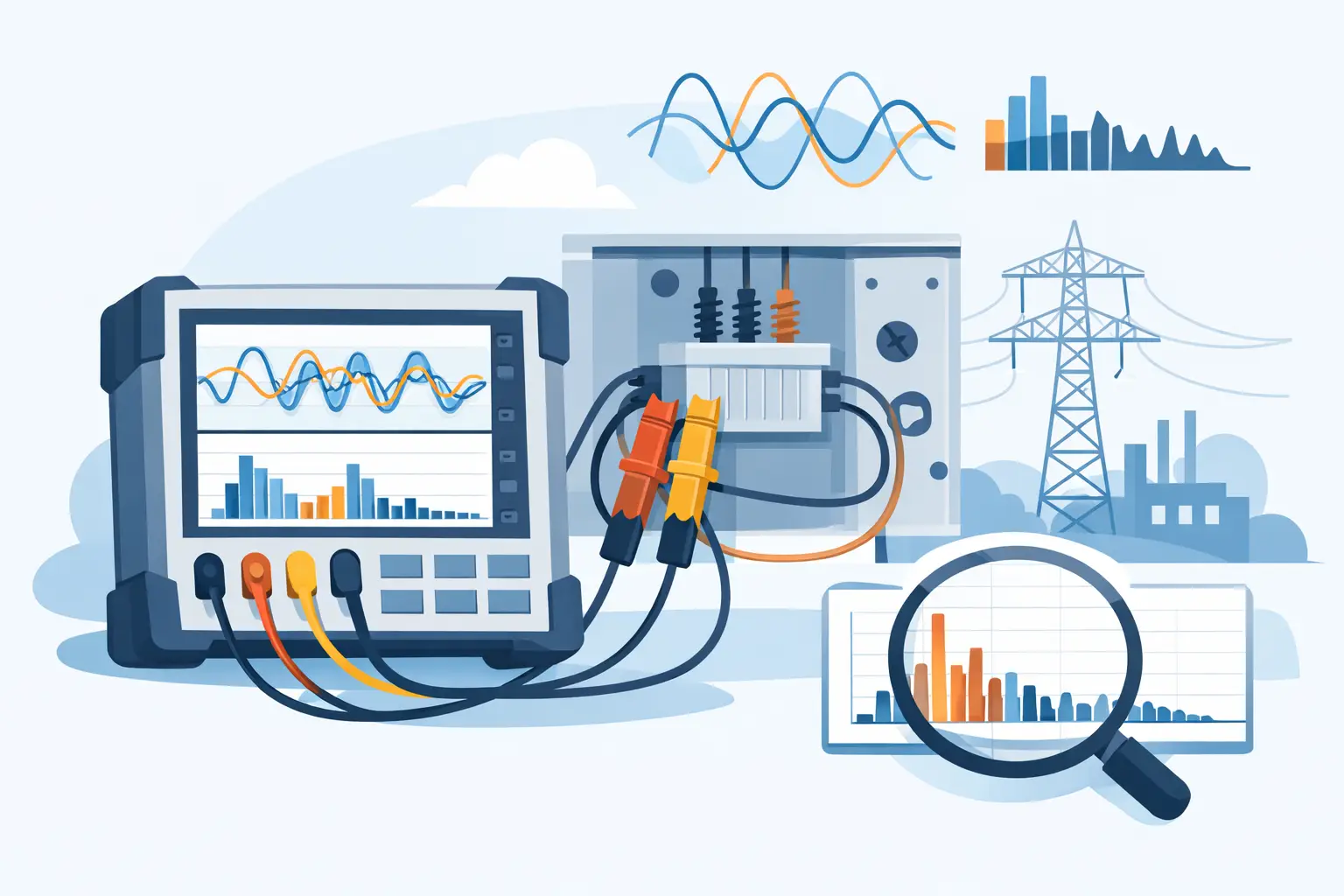
- Signal Visualization: The software enables users to view waveforms in real time with scope-like interfaces. The real-time signal visualization enables users to analyze trends, anomalies, and other key characteristics.
- Data Storage & Streaming: DAQ software enables users to save data locally or stream it to a host PC or disk for extended recording.
- Signal Processing & Analytics: DAQ software incorporates features like Fast Fourier Transform (FFT), RMS, peak detection, and other signal-processing techniques that extract insights from raw data.
Generic oscilloscope software may offer basic visualization and control. However, high-performance digitizer software like Vitrek’s GaGeScope or SpectraScopeRT goes much further, enabling advanced analysis, real-time streaming, and integration with common automation platforms.
The Signal Journey: From Capture to Insight
Let’s break down how DAQ software supports each stage of the signal workflow.
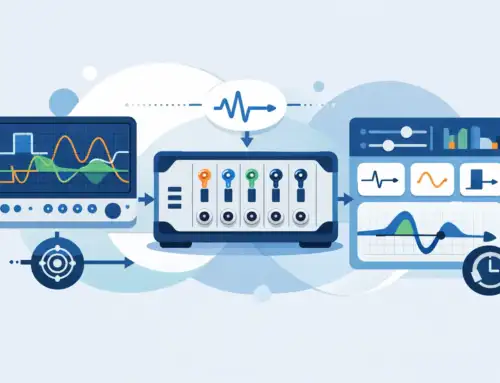
- Signal Configuration & Setup: System configuration is the first step of data capture using digitizers. Next, engineers need to select channels, define sample rates, set bandwidth limits, and choose triggering conditions. GaGeScope simplifies this process with intuitive menus and presets, especially for multi-channel, high-speed digitizers. This reduces setup time and ensures consistent results across tests.
- Waveform Capture & Streaming: After configuration and setup, the digitizers begin capturing signals. DAQ software manages real-time acquisition and memory buffering. For high-throughput applications, streaming data directly to a host PC or disk is essential. GaGe digitizers support sustained streaming rates up to 6 GB/s, making them ideal for radar, RF, and physics experiments where long-duration capture is critical.
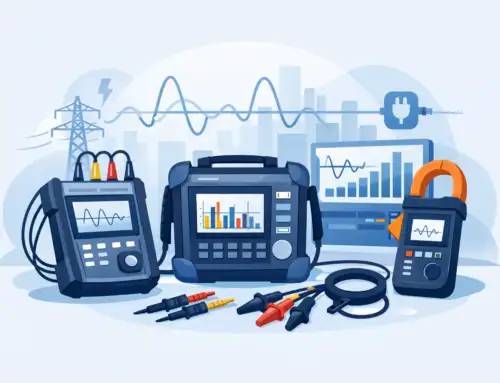
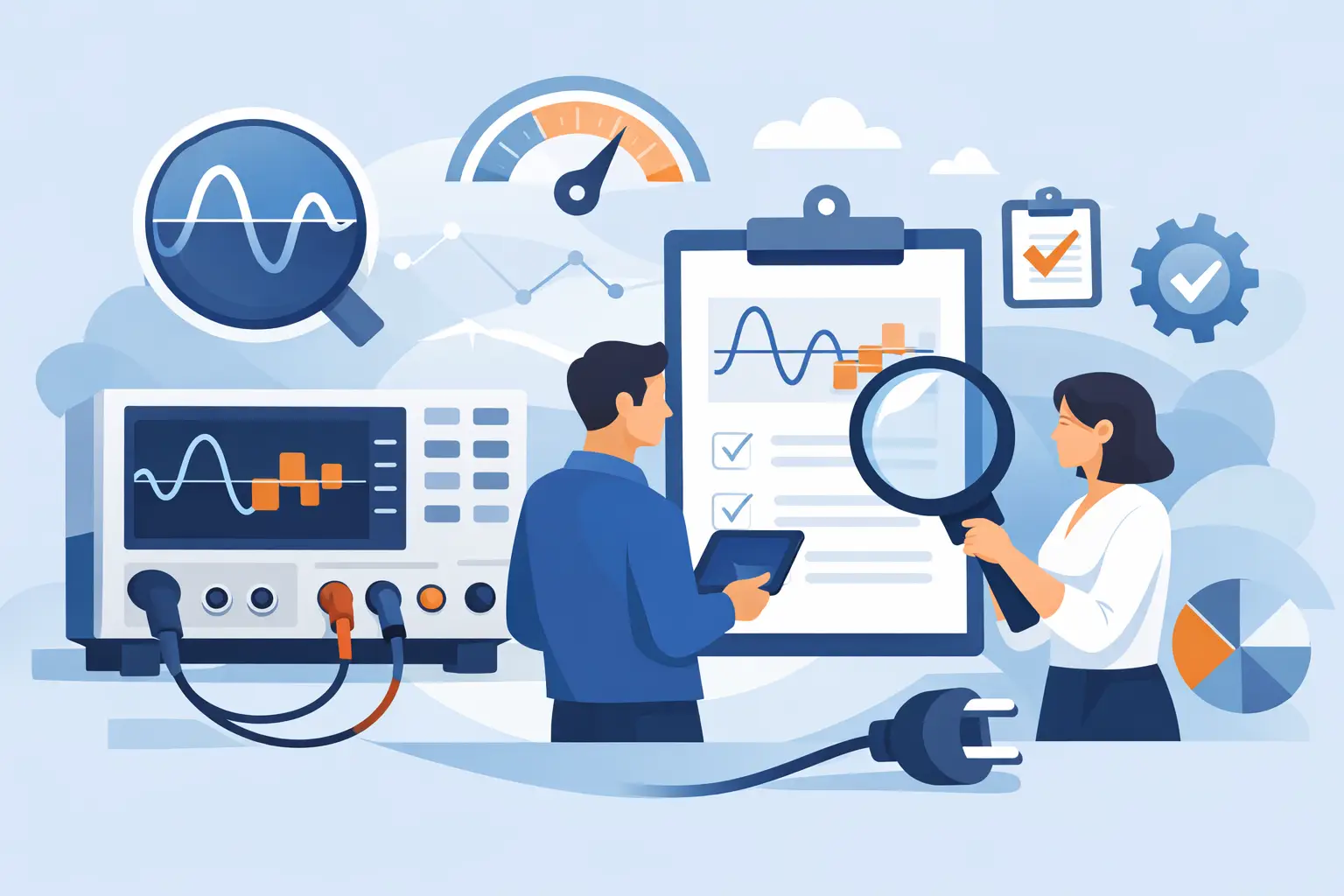
- Data Visualization: Seeing the waveform is often the first step in analysis. DAQ software provides a scope-like interface with zoom, pan, and cursor tools. Engineers can overlay traces, apply persistence views, and compare multiple channels simultaneously. This visual feedback helps identify anomalies and validate signal integrity.
- Precision Analysis & Processing: Raw waveforms are just the beginning. Engineers need tools to extract meaningful metrics. DAQ software includes built-in functions like FFTs, RMS calculations, peak detection, and histograms. For more demanding tasks, real-time digital signal processing (DSP) is handled via onboard FPGA or CUDA GPU acceleration. SpectraScopeRT, for example, enables real-time RF and spectral analysis with high resolution and speed.
- Data Storage & Export: Captured data must be stored in accessible formats. DAQ software supports batch recording, metadata tagging, and export to formats compatible with MATLAB, Python, or automation platforms. This ensures that data can be reviewed, shared, and reused efficiently.

Real-World Applications
The power of DAQ software becomes clear when you see it in action across various industries.
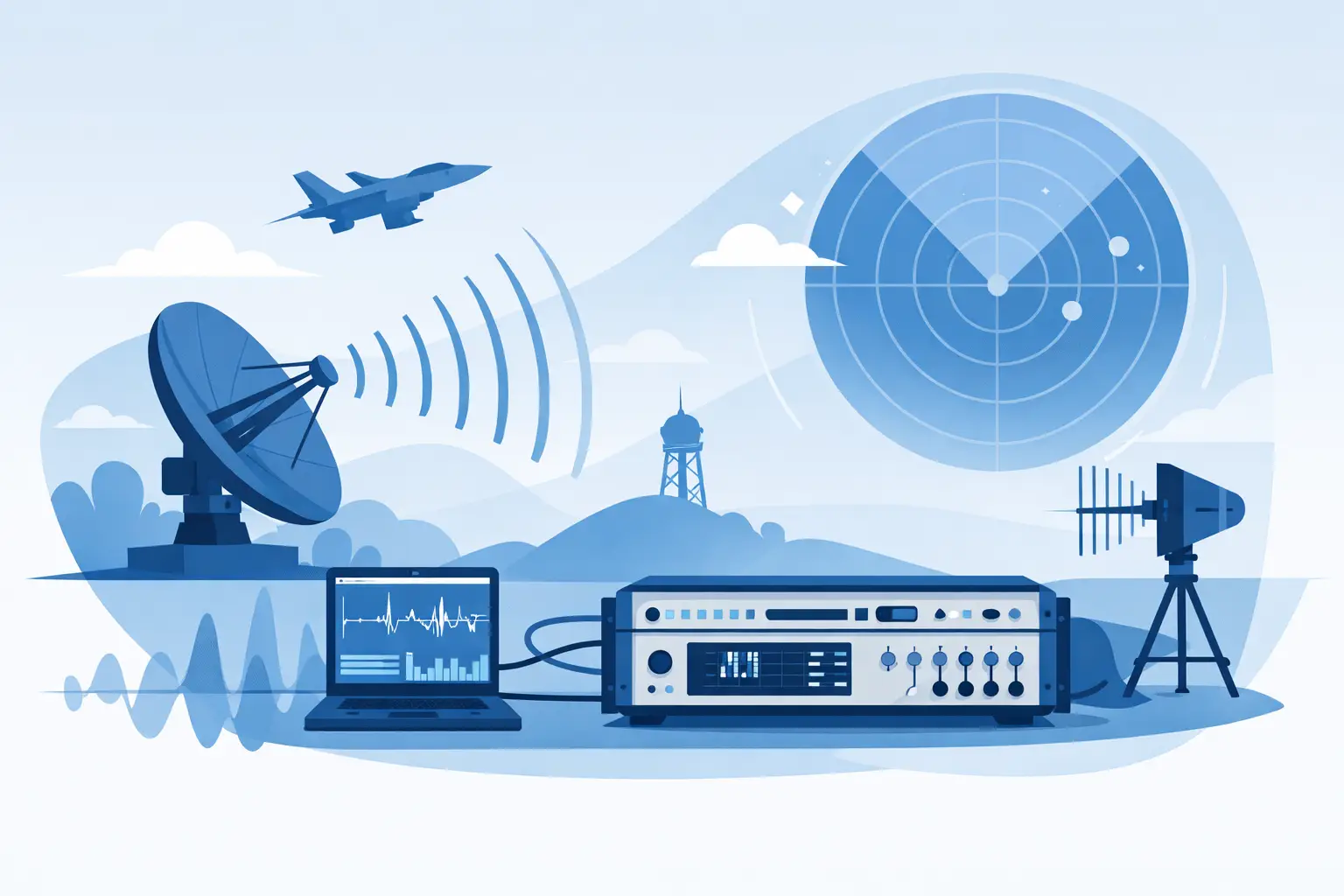
- Radar Signal Capture with Real-Time FFT: In radar systems, capturing and analyzing signals in real-time is essential. DAQ software with FPGA-based DSP capabilities enables radar engineers to perform real-time FFT analysis, identifying potential signal distortions or interference.
- Ultrasound Waveform Averaging: Precision timing is critical in ultrasound applications. DAQ software helps engineers average waveforms to improve signal clarity and reduce noise, resulting in more accurate diagnostics.
- RF Communications Analysis: For engineers working in RF communications, tools like GaGe’s SpectraScopeRT provide real-time analysis of RF and IF signals, helping to identify frequency, amplitude, and phase characteristics.
- Long-Duration Signal Acquisition: In physics labs, long-duration data acquisition is often necessary. DAQ software provides the tools for continuous, high-precision signal acquisition, ensuring that data integrity is maintained over extended periods.
Why Software Makes or Breaks the System
While hardware capabilities are undeniably important, it is the software that truly unlocks the full potential of a DAQ system. Without intelligent software, even the best hardware is limited. Real-time decisions, deep analysis, and high-speed workflows all depend on responsive, robust software that can handle the complexities of modern signal acquisition and processing.
Consider the difference between generic DAQ software and a specialized solution like GaGe’s purpose-built tools. Generic software might handle basic waveform capture, but it lacks the advanced processing, analysis, and customization options that advanced software, such as GaGescope and SpectraScopeRT RF spectrum analyzer software, offers. This makes all the difference when precision and speed are paramount.
GaGe Software Ecosystem Overview
Vitrek offers a comprehensive suite of DAQ software designed to maximize the potential of its hardware.
Key offerings include:
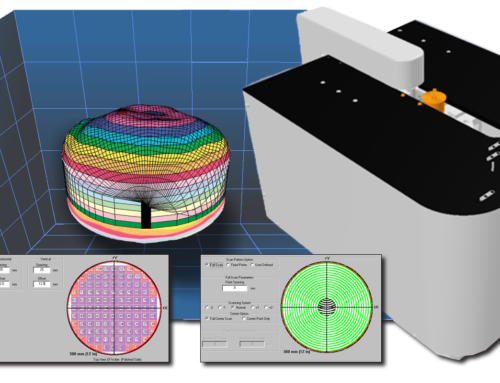
- GaGeScope: This is a solutions-oriented DAQ software tailored for GaGe’s CompuScope digitizers for waveform capture, view, analyze, and save waveform data across up to 60 channels. This software is offered in Lite, Standard, and Professional editions.
- GaGe’s Software Development Kits: GaGe provides powerful data acquisition software development kits supporting C/C#, Python, LabVIEW, and MATLAB support for custom workflows. These SDKs accelerate deployment time and simplify programming.
- DsScope: GaGe’s DsScope is a DAQ software for IF signal recording and playback, and offers insight into real-time performance and deep signals. This software is compatible with all GaGe signal digitizers. You can use it for post-recording analysis and monitoring in Windows environment.
- SpectraScopeRT: GaGe’s SpectraScopeRT is a DAQ software engineered for Real-time RF and IF signal capture, streaming, as well as post-analysis. It is compatible with GaGe’s RF downconverters and high-speed digitizers.
These tools work seamlessly with high-end digitizers, providing the modularity, speed, and flexibility needed to tackle a wide range of measurement challenges.
Experience Precision with GaGe Software Ecosystem: Request a Demo Today
Data acquisition software is the intelligence layer that transforms raw signal capture into high-precision analysis. It turns data into valuable insights that can inform decisions, improve system performance, and ensure reliable results across industries. By leveraging GaGe’s powerful DAQ software tools, engineers can unlock the full potential of their hardware, ensuring precision and efficiency in every test. Contact Vitrek for a live demo or software trial and see how our DAQ solutions can improve your workflow and testing capabilities.