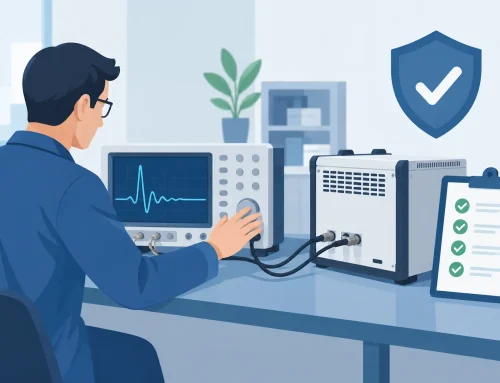
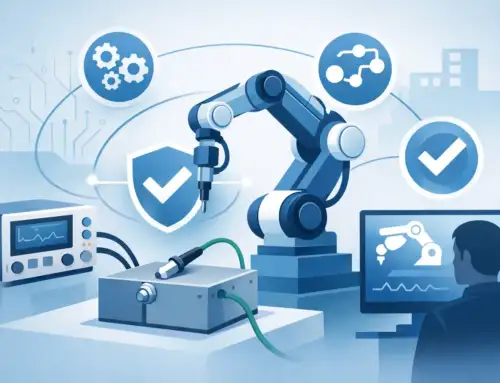
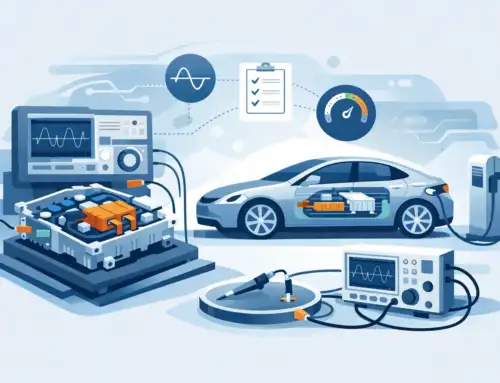
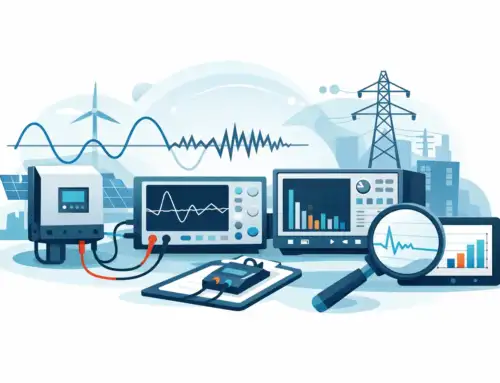
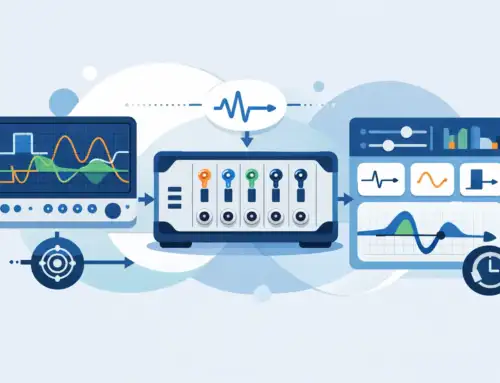
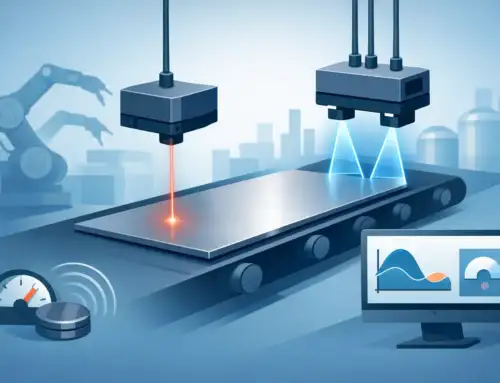
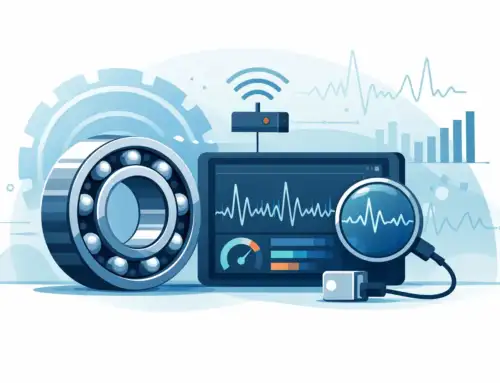
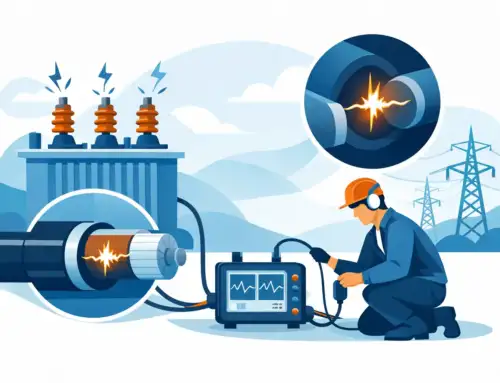
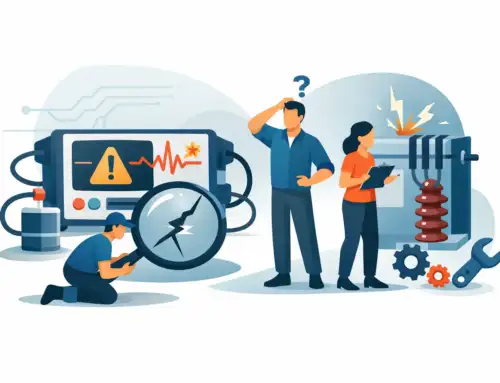
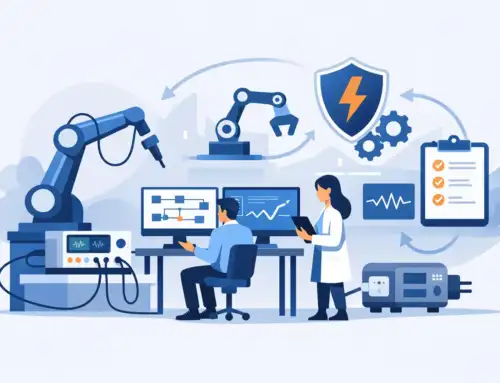
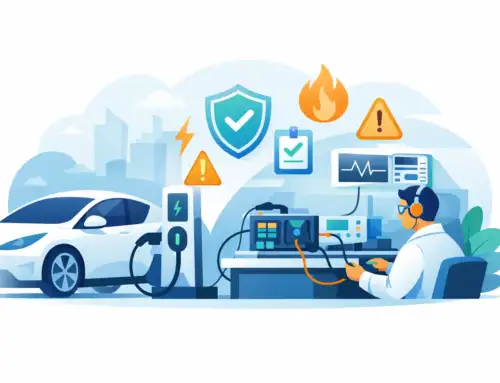
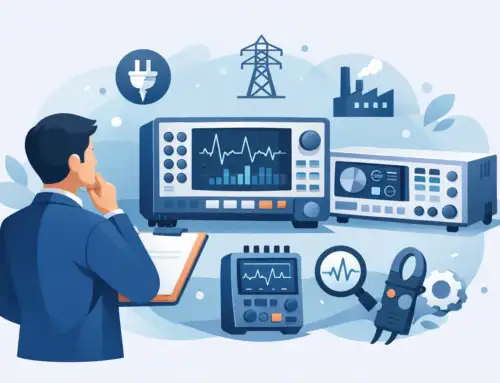
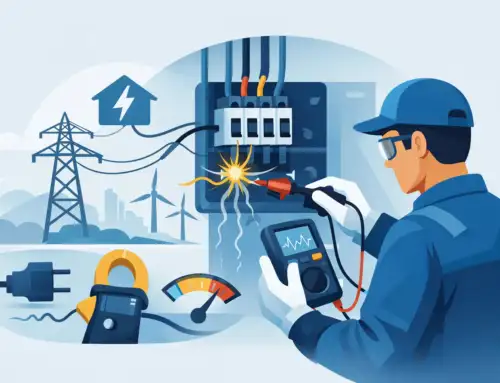
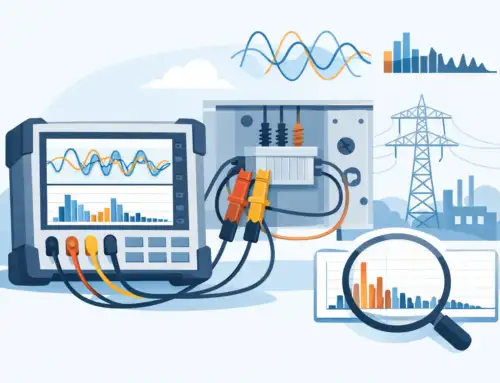
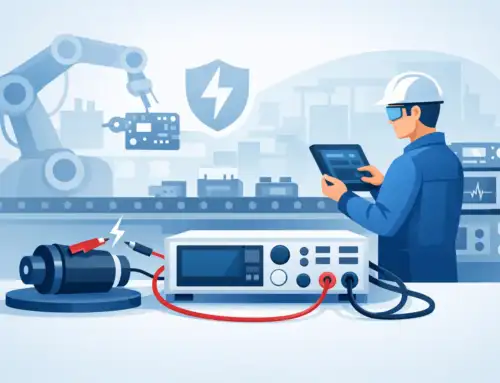
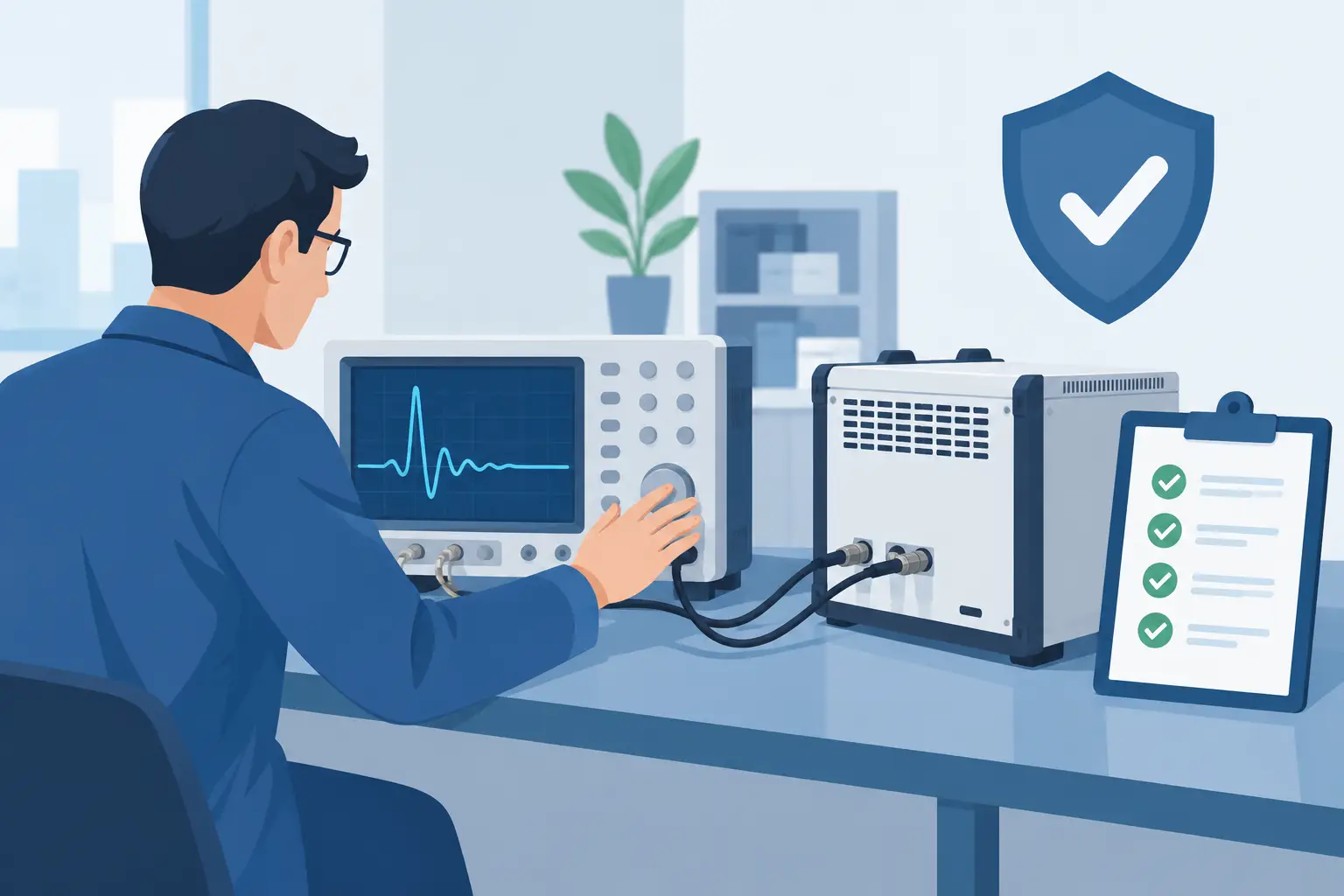
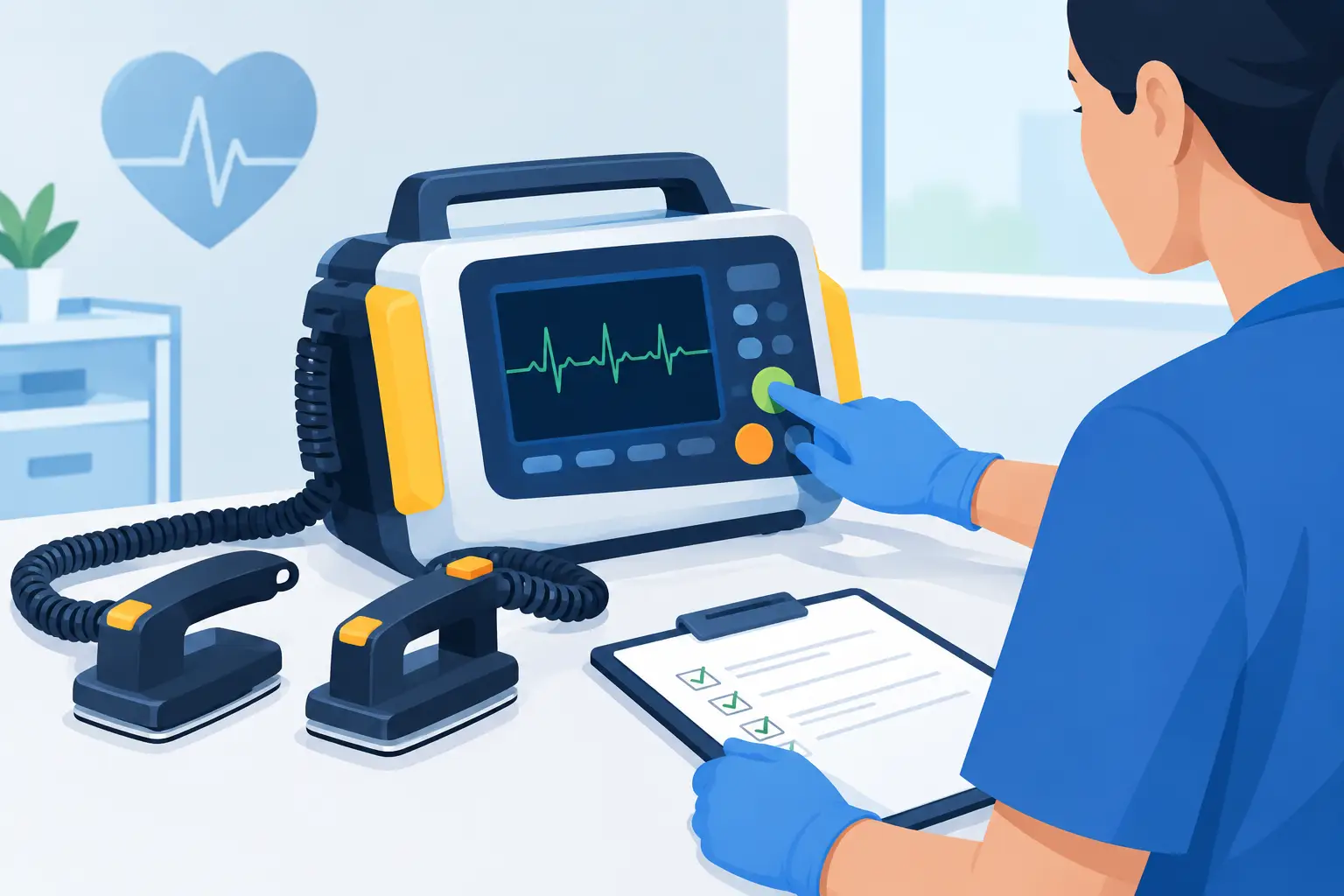
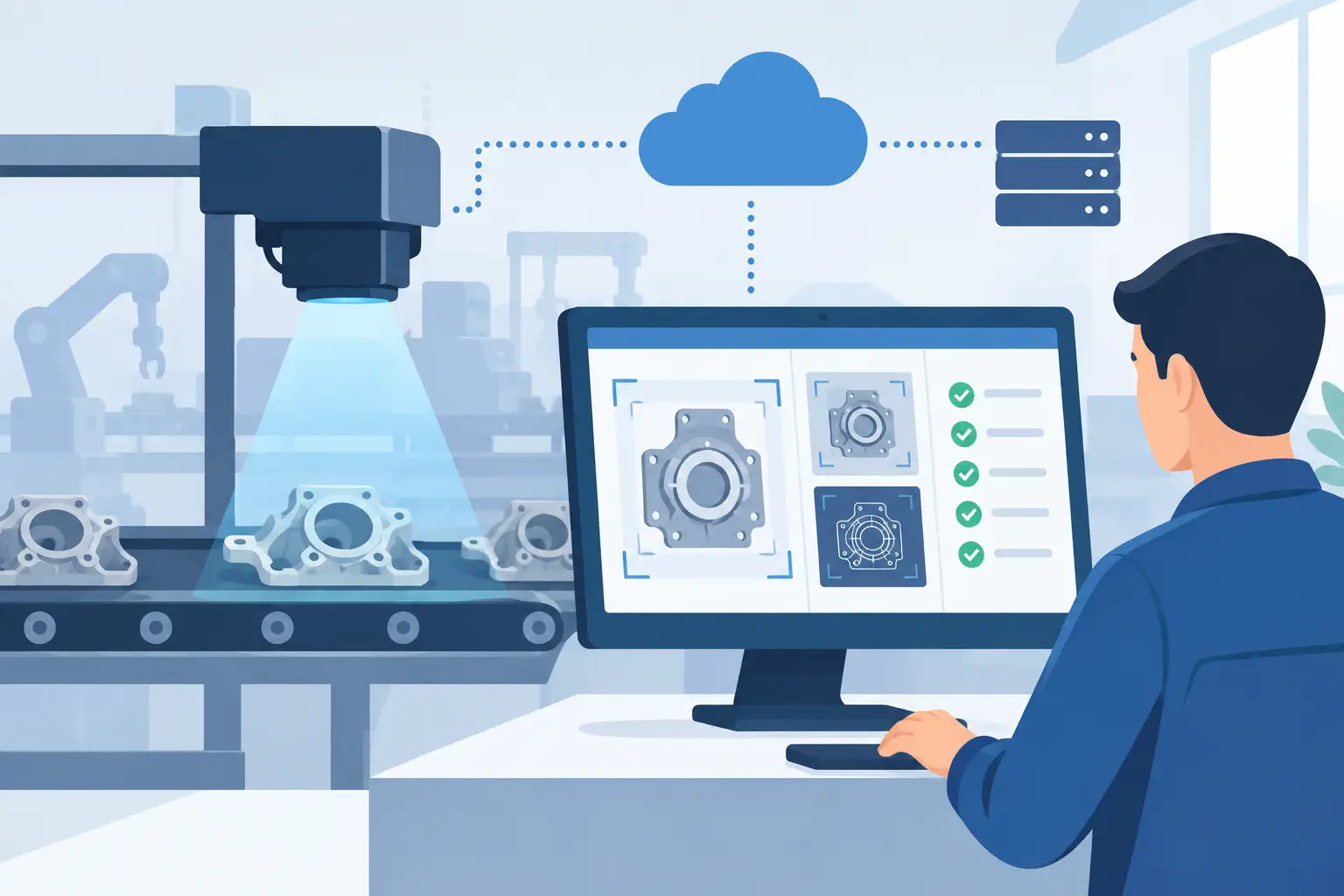
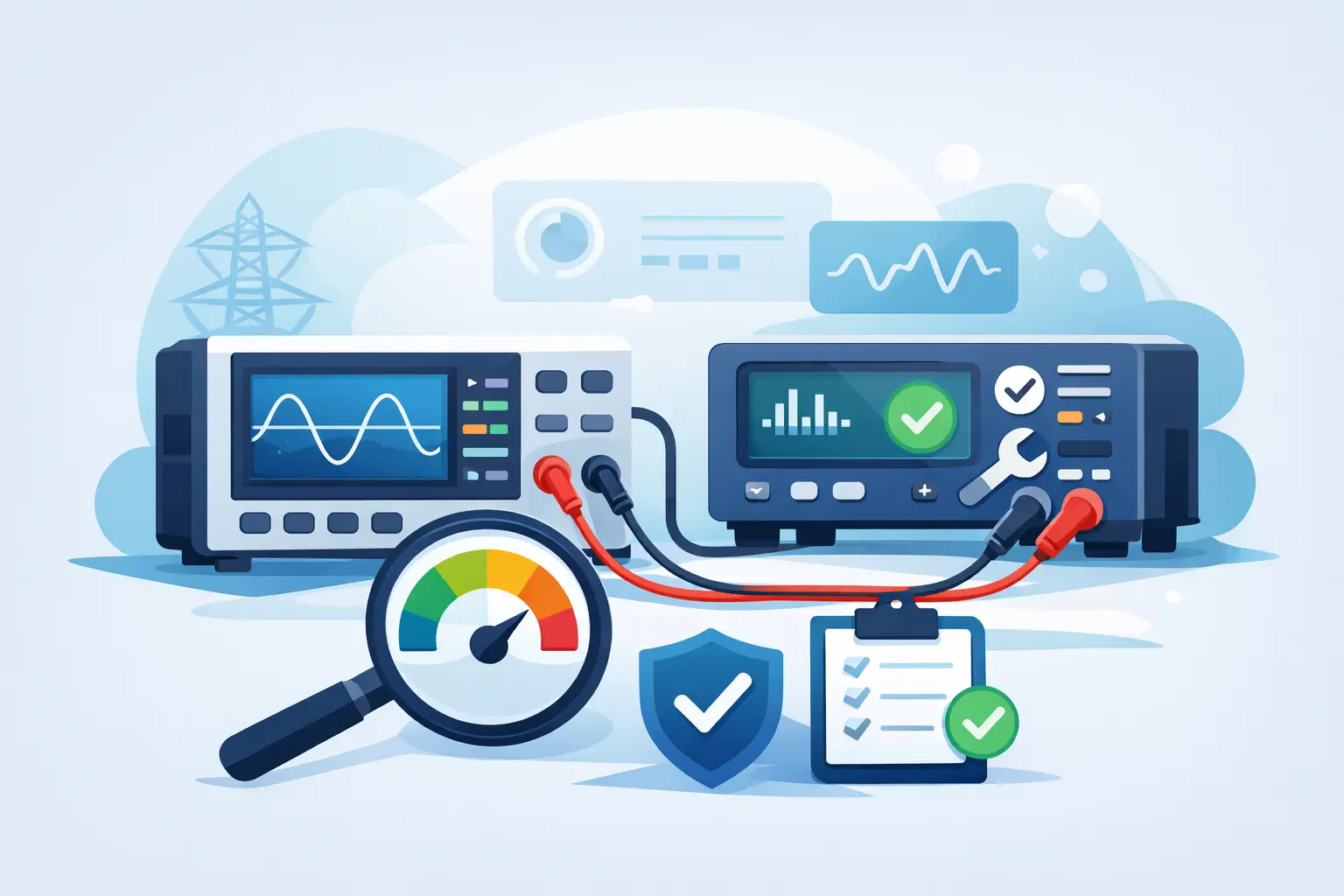
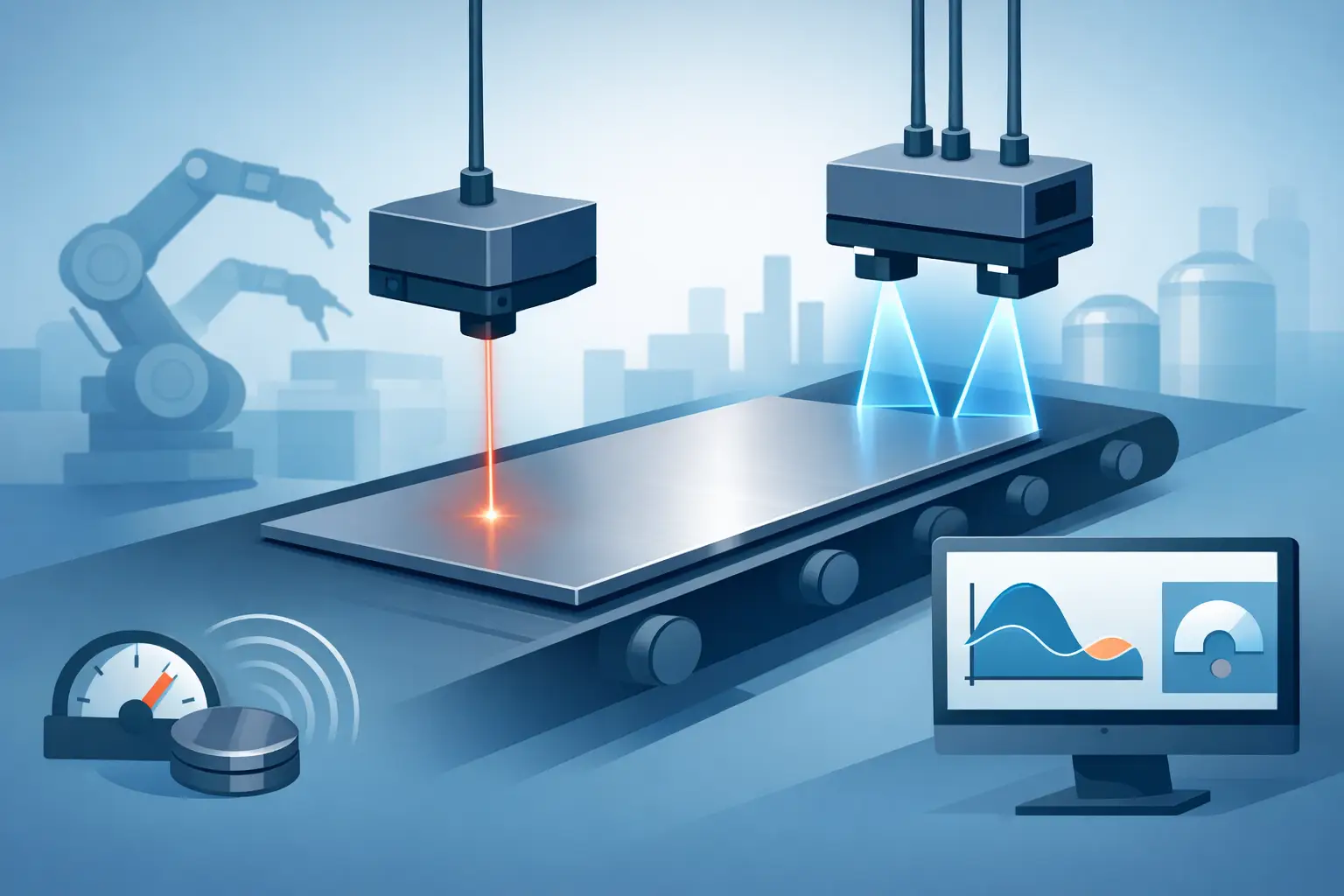
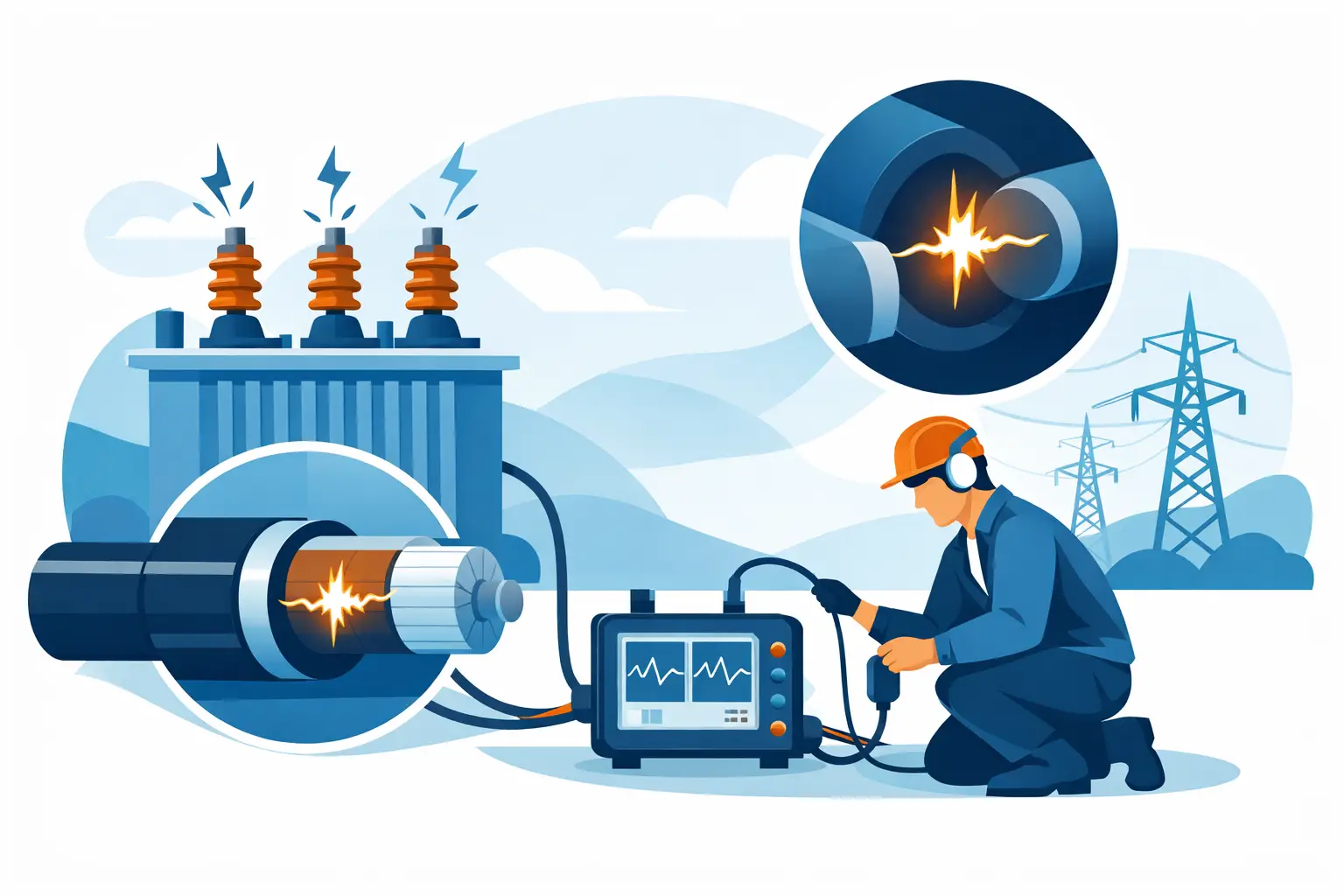
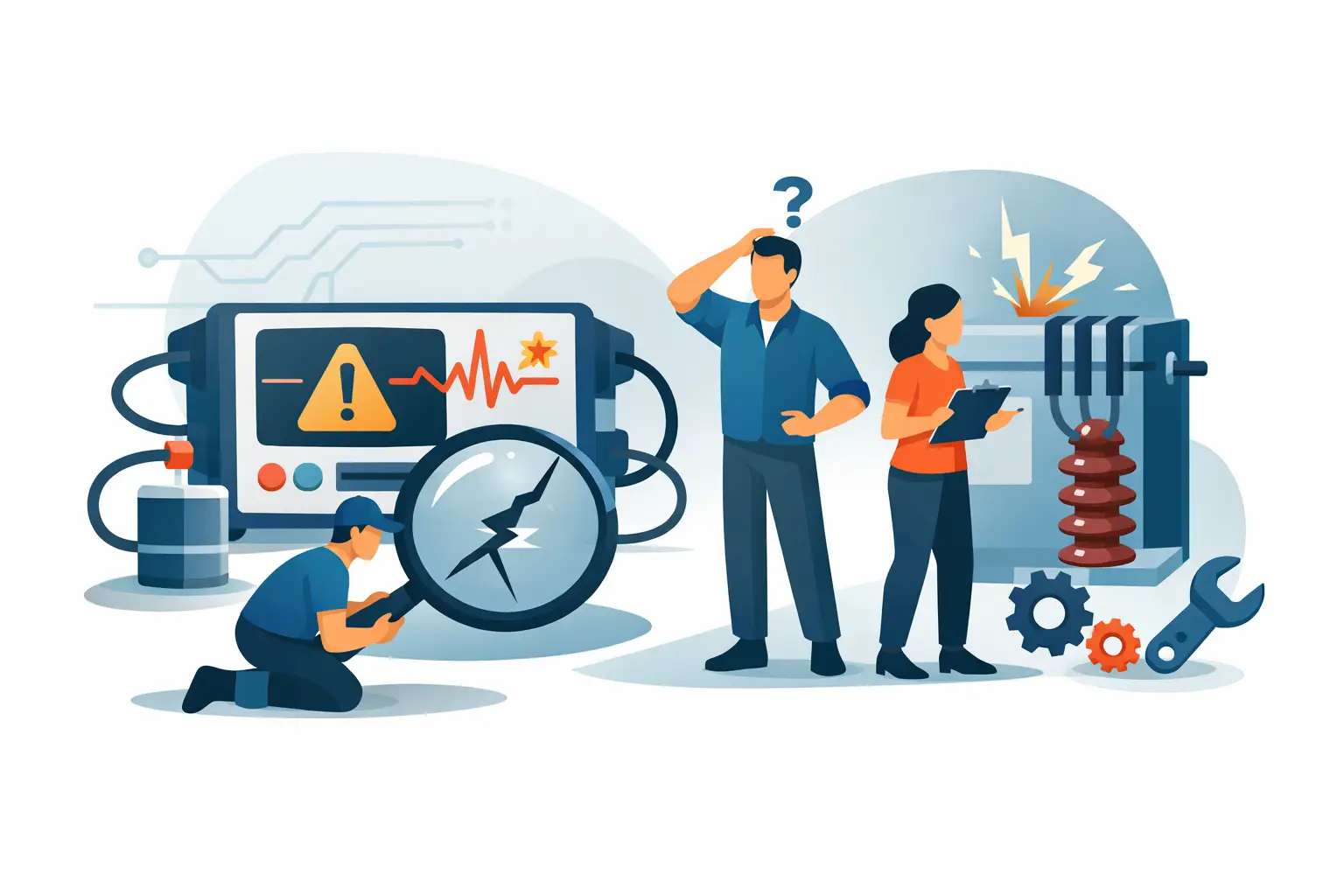
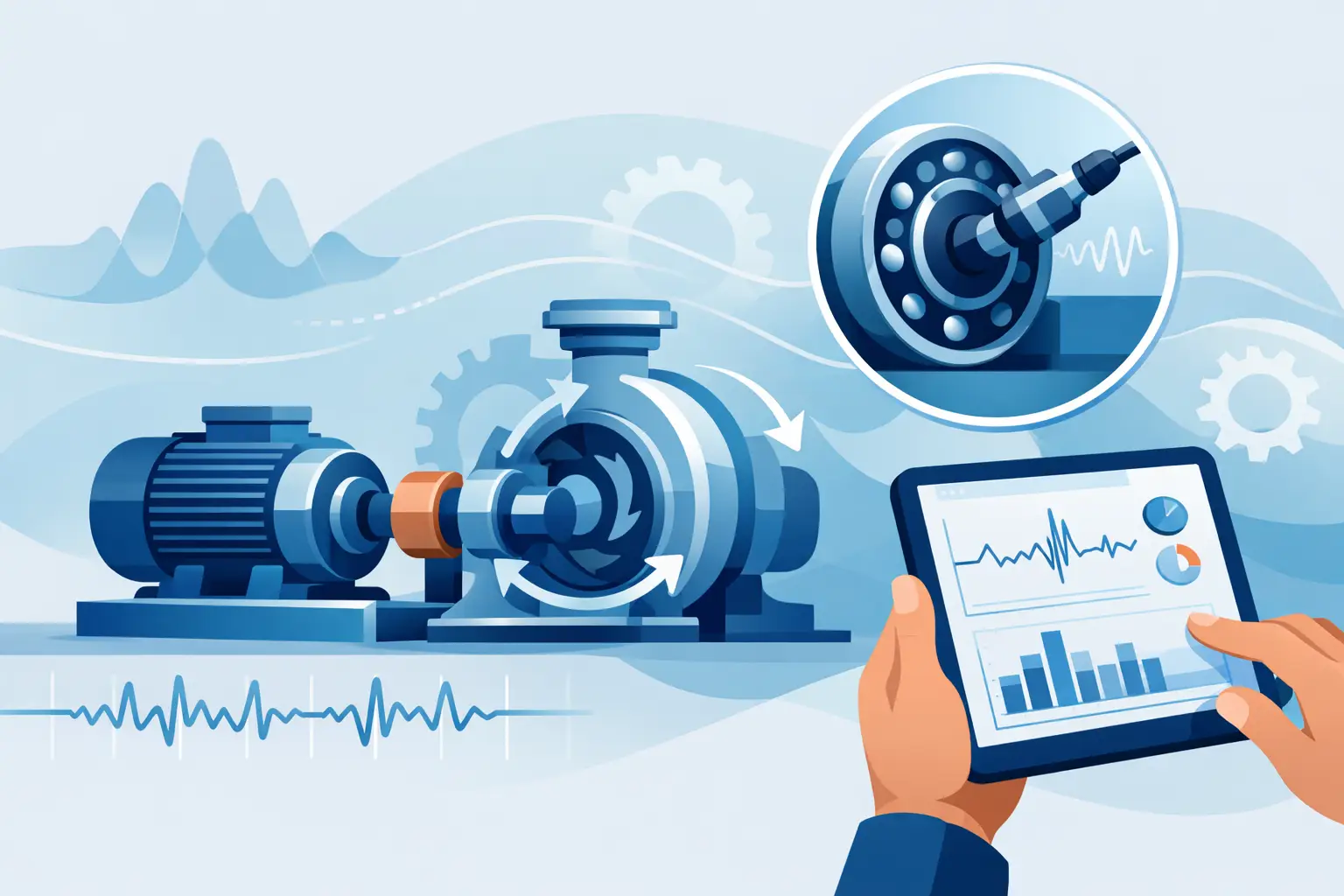
A failed safety test at the end of a production line rarely starts there. More often, the real issue is upstream – inconsistent fixturing, incomplete data capture, manual setup errors, or a test sequence that no longer matches the latest product variant. That is why electrical safety automation trends are getting attention well beyond the test bench. For manufacturers and labs working under compliance pressure, automation is becoming part of the safety strategy itself.
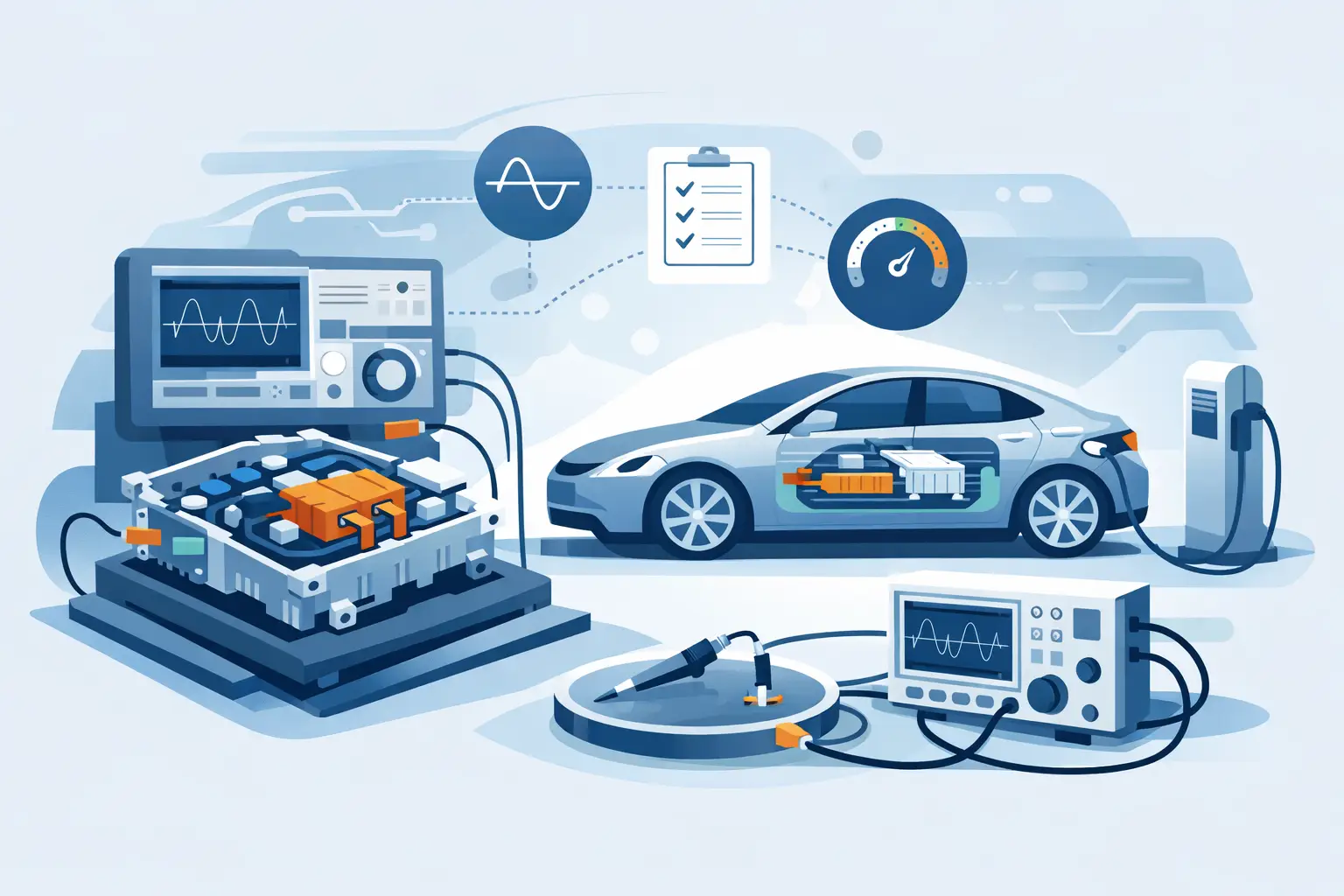
This shift is not about replacing engineering judgment with software. It is about making high-voltage and insulation testing more repeatable, better documented, and easier to scale across complex product lines. In sectors such as medical devices, EV components, aerospace electronics, and industrial equipment, those gains matter because safety testing is tied directly to certification, release decisions, and field risk.
Where electrical safety automation trends are moving
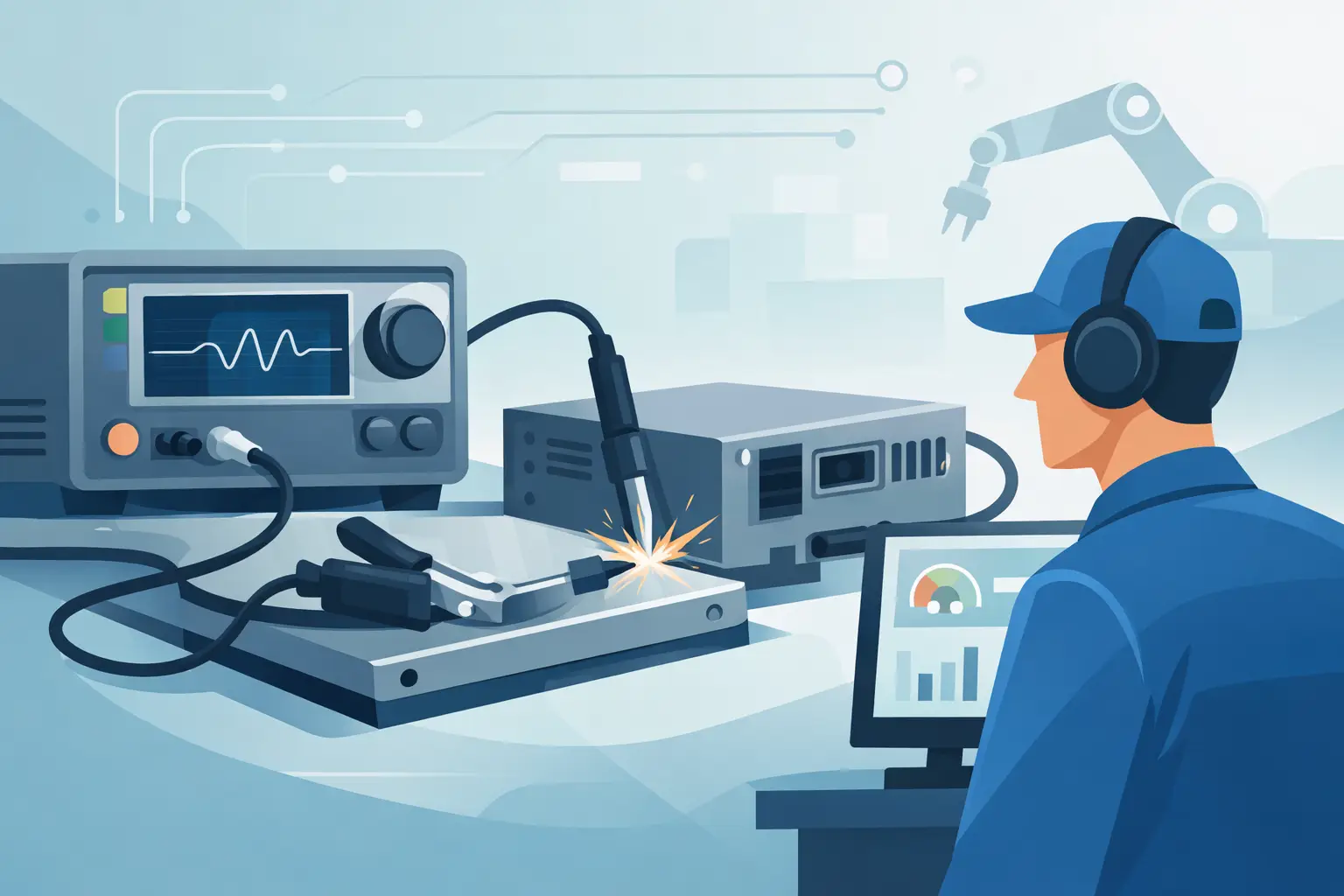
The most useful way to read current electrical safety automation trends is not as a list of new features, but as a change in priorities. Test organizations are asking for less operator dependence, tighter integration with manufacturing systems, and cleaner audit trails. They also want faster throughput without weakening the validity of the test.
That combination creates a technical balancing act. A line can be highly automated and still poorly controlled if measurement integrity, switching behavior, ramp timing, or data handling are not engineered correctly. The trend, then, is toward automation that preserves test fidelity rather than automation for its own sake.
1. Safety testing is moving closer to the production process
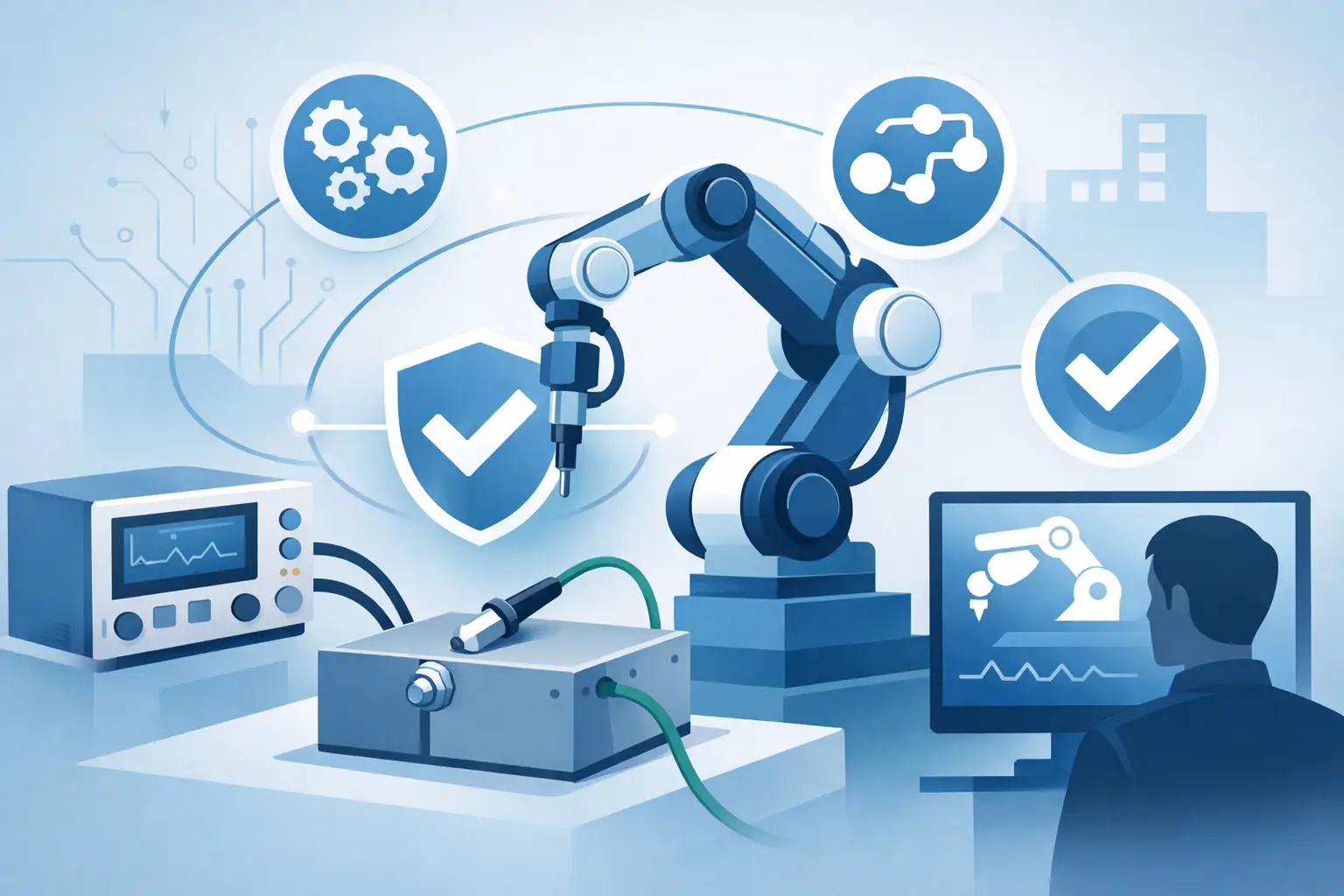
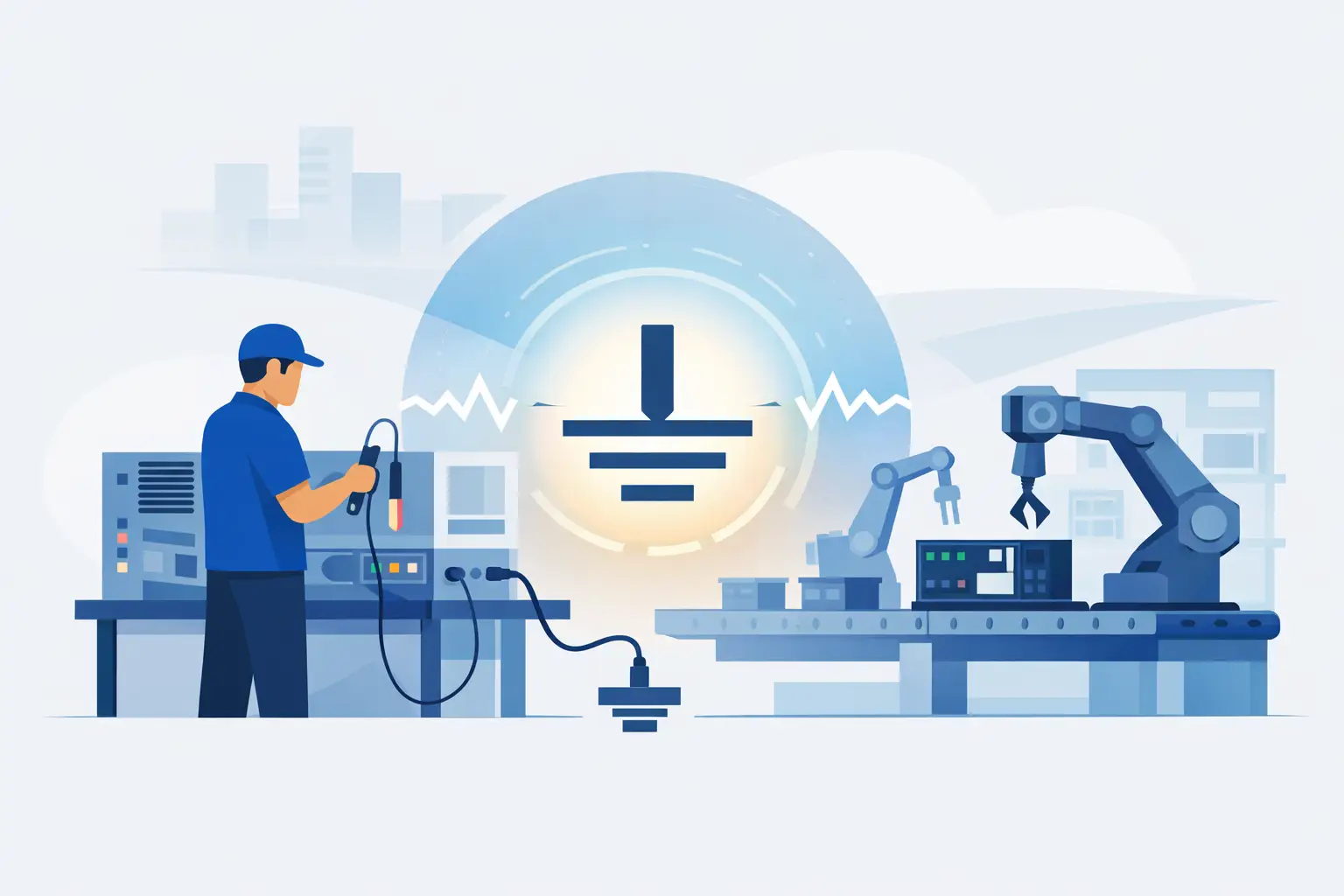
Electrical safety used to sit at a fairly isolated checkpoint in many environments. Today it is increasingly embedded into assembly and validation workflows. Instead of treating hipot, insulation resistance, and ground bond as stand-alone tasks, manufacturers are tying them to product recipes, serial number tracking, and pass-fail decisions within the broader manufacturing execution flow.
This matters because product variability is increasing. A single platform may have multiple regional configurations, firmware-dependent operating modes, or accessory combinations that change the correct test sequence. Automation helps by calling the right limits, dwell times, and test order for each unit automatically. The trade-off is that recipe control becomes critical. If configuration management is weak, automation can scale the wrong process just as efficiently as the right one.
2. Traceability is becoming a core requirement, not an add-on
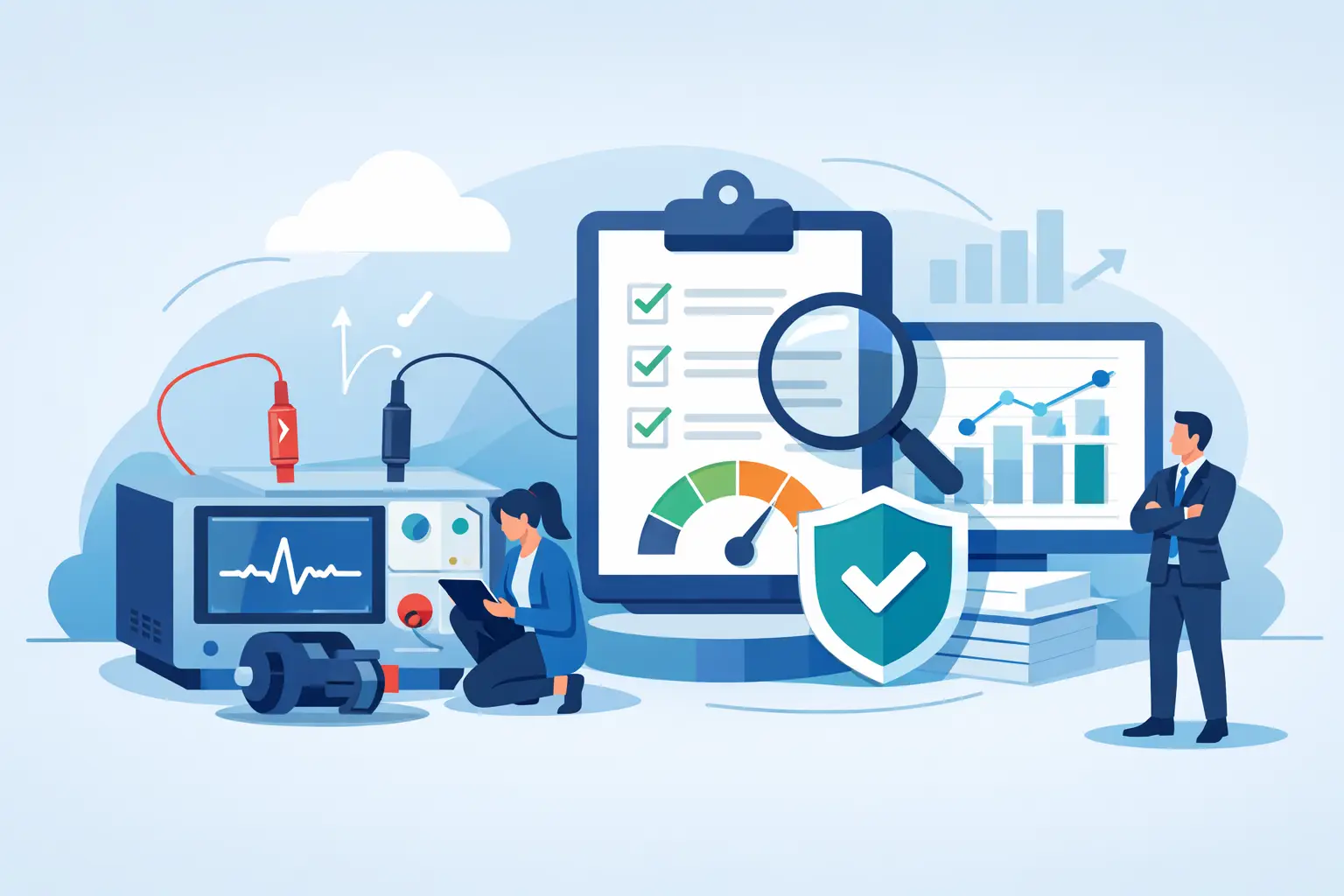
In regulated environments, the value of an electrical safety test is only partly in the measurement itself. The rest is in proving what was tested, with which limits, on what date, by which system revision, and against which standard or internal procedure. That is why modern automation architectures are placing more emphasis on structured data capture.
Basic pass-fail output is no longer enough for many organizations. Engineers want timestamped test records, operator and station identification, instrument status, and configurable result logs that can feed quality systems. Compliance teams want records that stand up during internal audits, customer reviews, and certification support activities. Automation makes this practical at scale, but only if data fields are defined carefully. More data is not always better. If records are bloated, inconsistent, or difficult to query, traceability becomes harder instead of easier.
3. Multi-test platforms are replacing isolated instruments in many cells
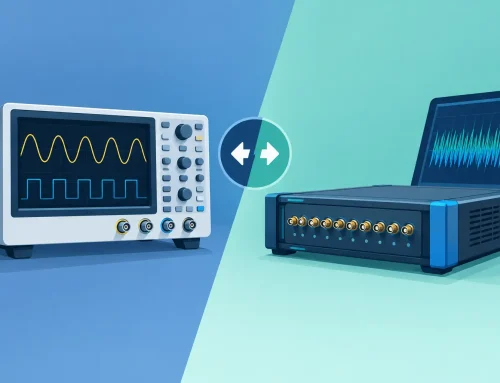
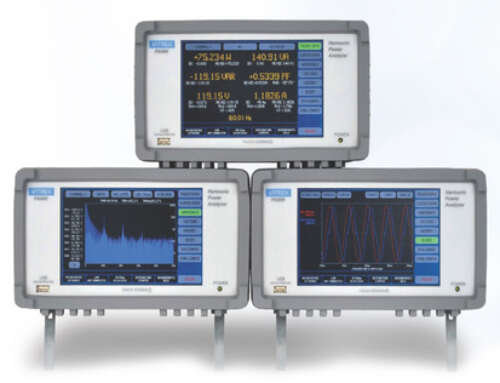
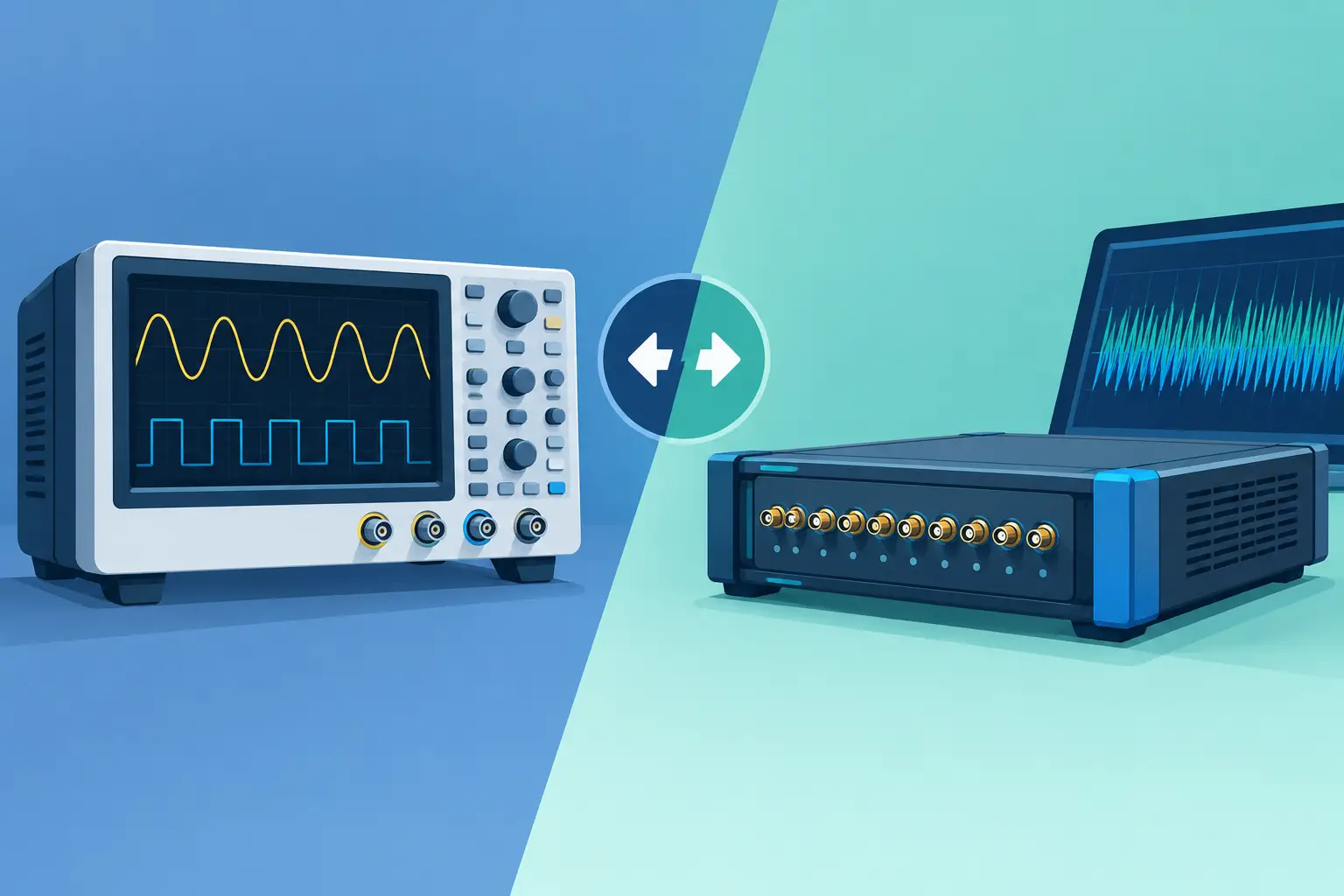
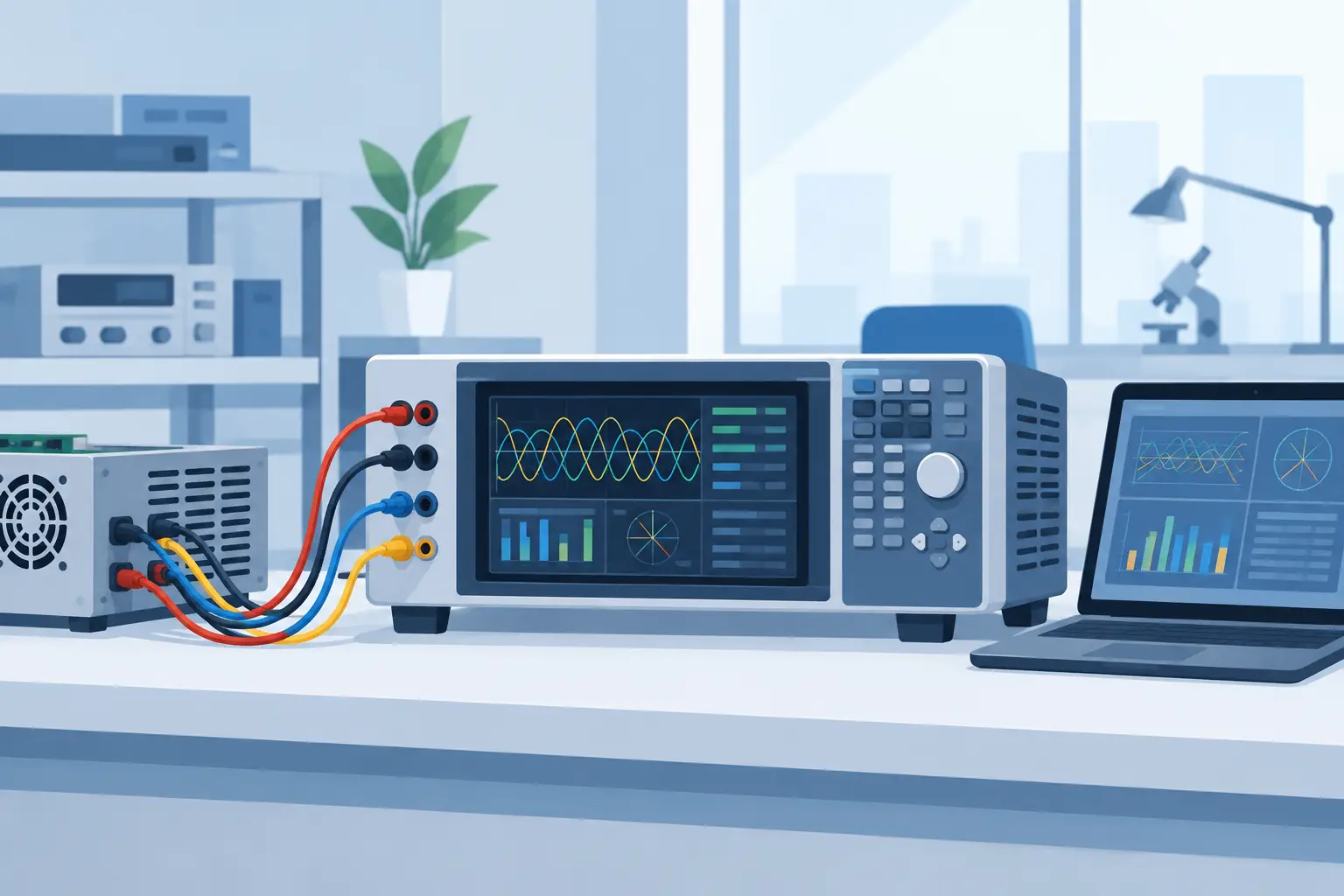
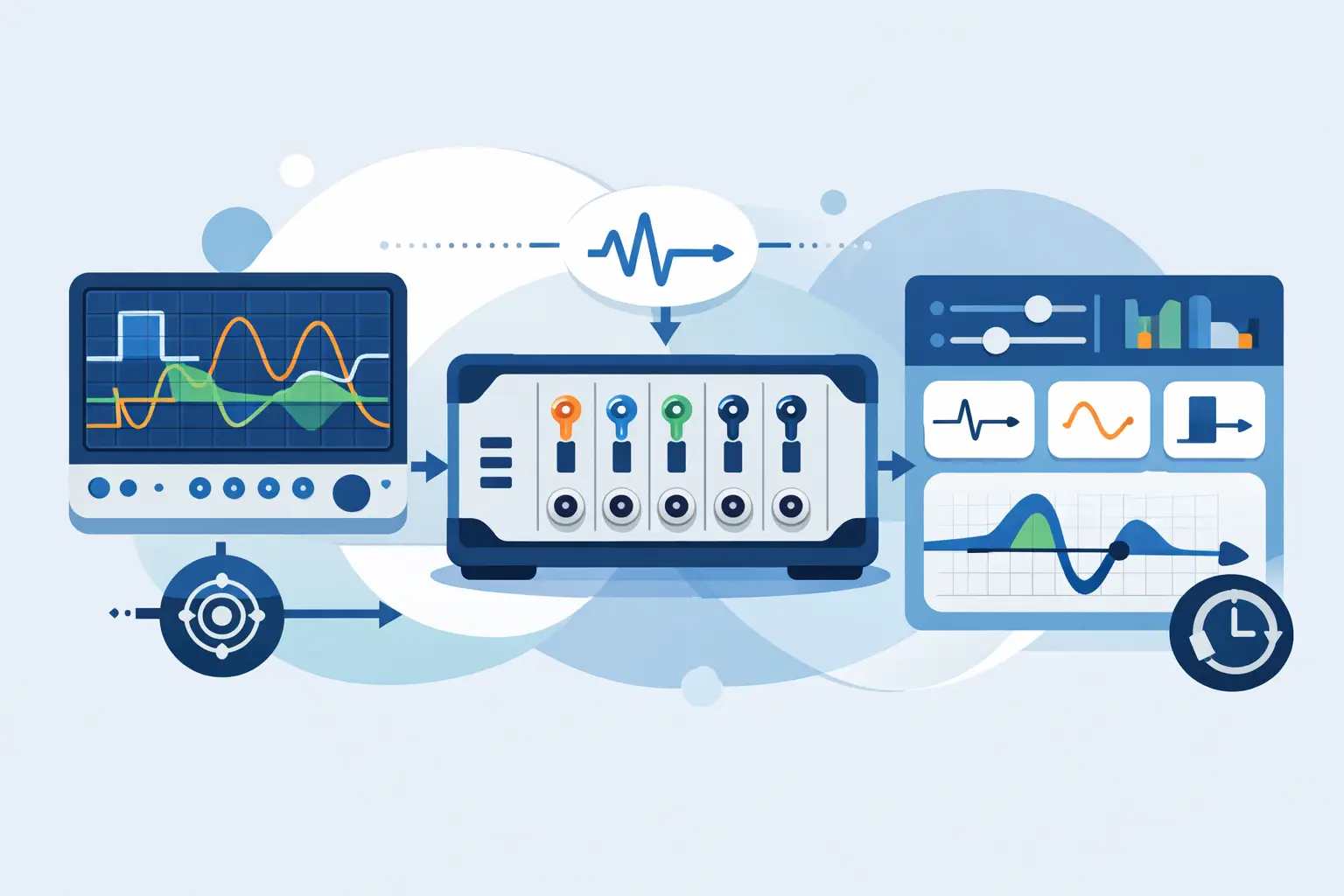
Another clear trend is consolidation. Rather than building a test cell around separate manually coordinated devices, many teams are moving toward integrated systems that combine safety tests with switching, control logic, or broader measurement functions. In some environments, this extends to linking electrical safety with power analysis, leakage measurement, or data acquisition for a more complete validation picture.
The advantage is straightforward. Fewer handoffs reduce setup variation and save cycle time. A unified platform can also simplify maintenance, operator training, and software development. The engineering caution is that integration should not blur measurement boundaries. High-voltage safety testing has different design constraints from lower-level functional measurements, and the system architecture must respect isolation, accuracy, and protection requirements across all channels.
4. Software control is getting more disciplined
Automation in safety testing used to mean custom scripts and local workarounds in many facilities. That approach still exists, but it is giving way to more controlled software environments with user permissions, version management, recipe locking, and clearer validation practices. The reason is simple: as automated testing becomes a release-critical process, undocumented software behavior becomes a quality risk.
For engineering teams, this trend has practical implications. The useful question is no longer just whether an instrument has remote control capability. It is whether the software layer supports disciplined deployment in production and lab settings. That may include API access, deterministic command behavior, secure result handling, and compatibility with plant or enterprise systems. In higher-consequence sectors, software maturity can matter as much as electrical performance.
Why standards pressure is accelerating automation
Compliance is one of the strongest drivers behind electrical safety automation trends, especially where products are subject to evolving safety requirements and tighter documentation expectations. As standards, customer requirements, and internal quality systems become more demanding, manual methods create more opportunities for inconsistency.
Automation does not eliminate standards interpretation. Engineers still need to choose appropriate test voltages, leakage limits, insulation thresholds, and sequence logic based on product class and applicable requirements. What automation can do is enforce those decisions consistently once they are approved. That is particularly useful when production spans multiple shifts, sites, or contract manufacturing partners.
There is also a calibration and verification dimension. Automated systems are only defensible when instrument performance is known and traceable. That makes calibration intervals, self-check routines, fixture verification, and documented maintenance part of the automation conversation, not separate housekeeping tasks.
5. High-mix manufacturing is driving smarter fixturing and switching
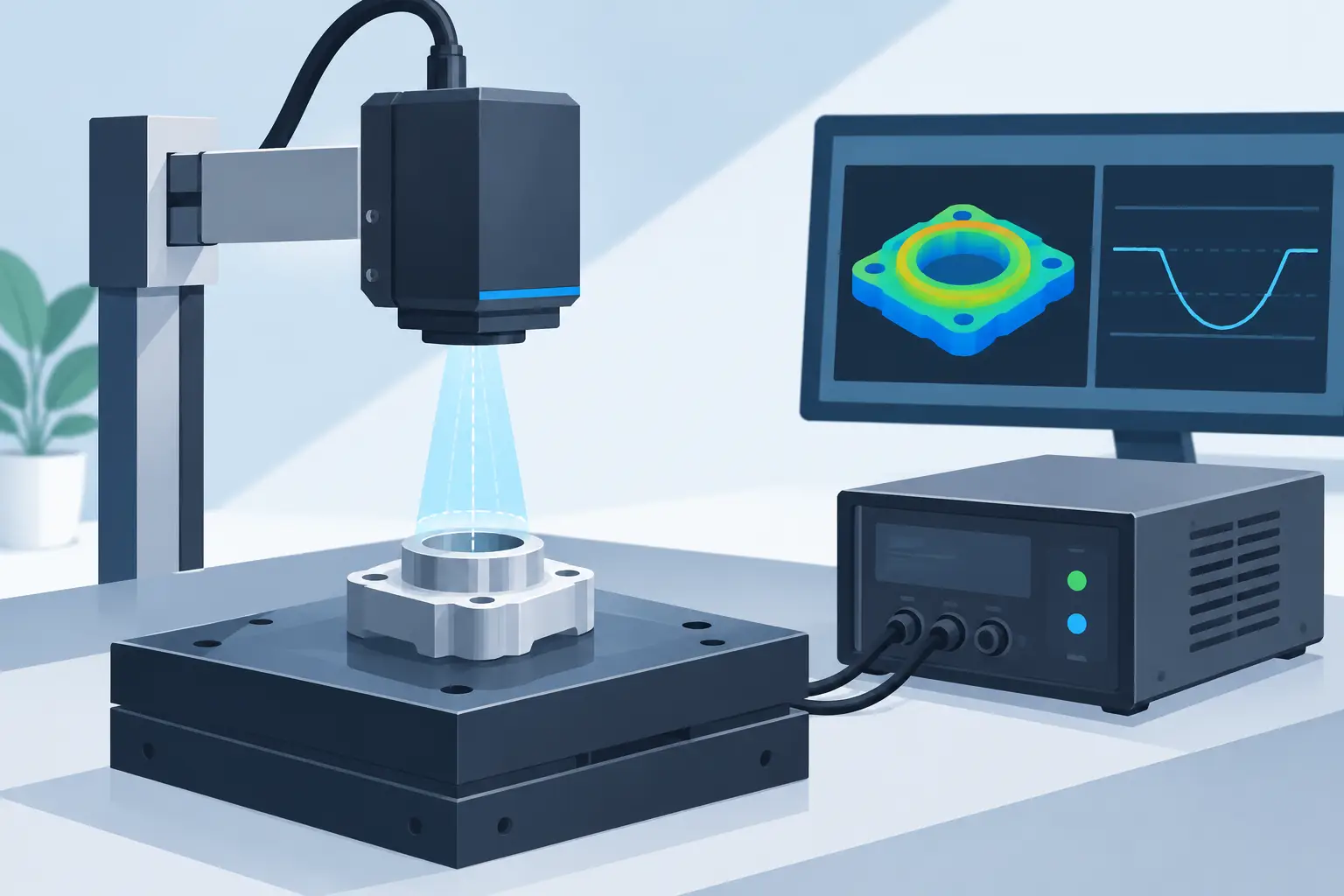
Many manufacturers no longer run long, stable batches of near-identical products. They run variants. Connectors change, pin counts change, harnesses change, and enclosure geometries change. In that context, the bottleneck is often not the test instrument but the interface between the product and the test system.
That is pushing automation toward modular fixturing, programmable switching, and quicker changeover strategies. The goal is to reduce manual reconnection and fixture ambiguity while maintaining operator safety and signal integrity. Good fixture design is not glamorous, but it has an outsized effect on repeatability. Poor contact quality or unclear loading procedures can undermine even a well-specified tester.
6. Remote visibility is expanding, but control stays local for good reason
A growing number of organizations want centralized visibility into safety test performance across lines or sites. They want to compare failure modes, watch utilization, identify drift in process capability, and support troubleshooting without standing at the station. That is a useful trend, especially for multi-site manufacturing and distributed engineering teams.
At the same time, direct remote control of high-voltage operations requires caution. Electrical safety testing is not a generic IT workflow. Interlocks, access controls, emergency stop behavior, and station-level safety design still need to be handled locally and deliberately. The practical direction is remote monitoring and managed data access, paired with carefully bounded control authority at the test cell.
7. Automation decisions are increasingly tied to total test economics
Throughput still matters, but buying decisions are becoming more nuanced. Teams are looking beyond raw cycle time and asking how automation affects false failures, retest rates, training burden, engineering support time, and audit readiness. A cheaper system that creates ambiguous results or constant integration work can cost more over its life than a higher-performance platform with better measurement stability and software support.
This is where an engineering-focused supplier has an advantage. Buyers are not just sourcing hardware. They are evaluating whether the instrumentation, control options, calibration support, and application knowledge fit the risk profile of the test process. In many cases, the right answer is not maximum automation. It is the level of automation that reduces operator variability while keeping the process understandable, maintainable, and compliant.
What to watch next
The next phase of electrical safety automation will likely be shaped by tighter connections between test data and process control. As manufacturers get better at correlating safety test outcomes with assembly conditions, component sources, and environmental factors, safety testing can become more predictive. That does not mean replacing formal compliance tests with analytics. It means using better data to catch instability earlier and refine the process around the required test.
It also means instrument quality will stay central. Faster communication, more software, and more connected workflows do not reduce the need for stable high-voltage generation, accurate measurement, reliable switching, and traceable calibration. If anything, they make weaknesses more visible. For organizations modernizing safety test infrastructure, that is the right place to stay disciplined: automate what improves control, document what matters, and keep the measurement chain worthy of the decisions built on it.
A well-automated electrical safety process should do something simple but valuable – make it easier to trust every result.