When a test setup needs to resolve motion in microns or below, the limiting factor is often not the actuator or fixture. It is the sensor. A capacitive displacement measurement system is often selected when contact cannot be tolerated, target mass is low, or the application demands very high resolution with minimal measuring force.
That makes it a strong fit for precision manufacturing, semiconductor metrology, vibration analysis, and laboratory measurement. It also makes system selection less forgiving. Capacitive sensing can deliver exceptional sensitivity, but only when the mechanical setup, target material, environment, and electronics are treated as part of one measurement chain.
What a capacitive displacement measurement system measures
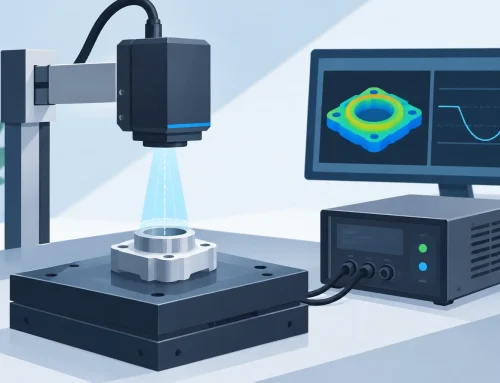
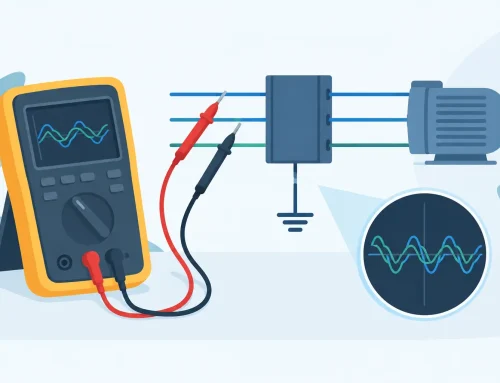
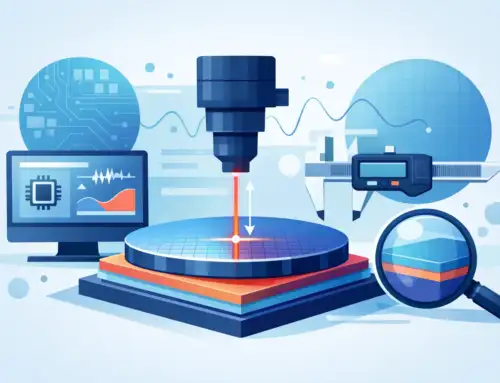
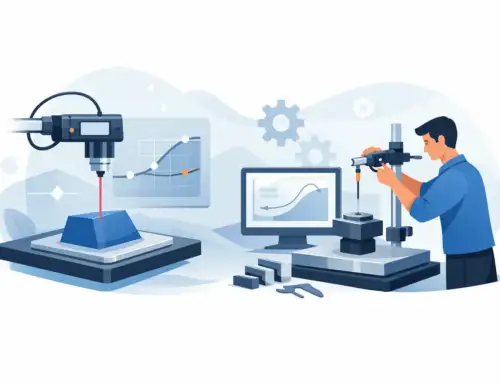
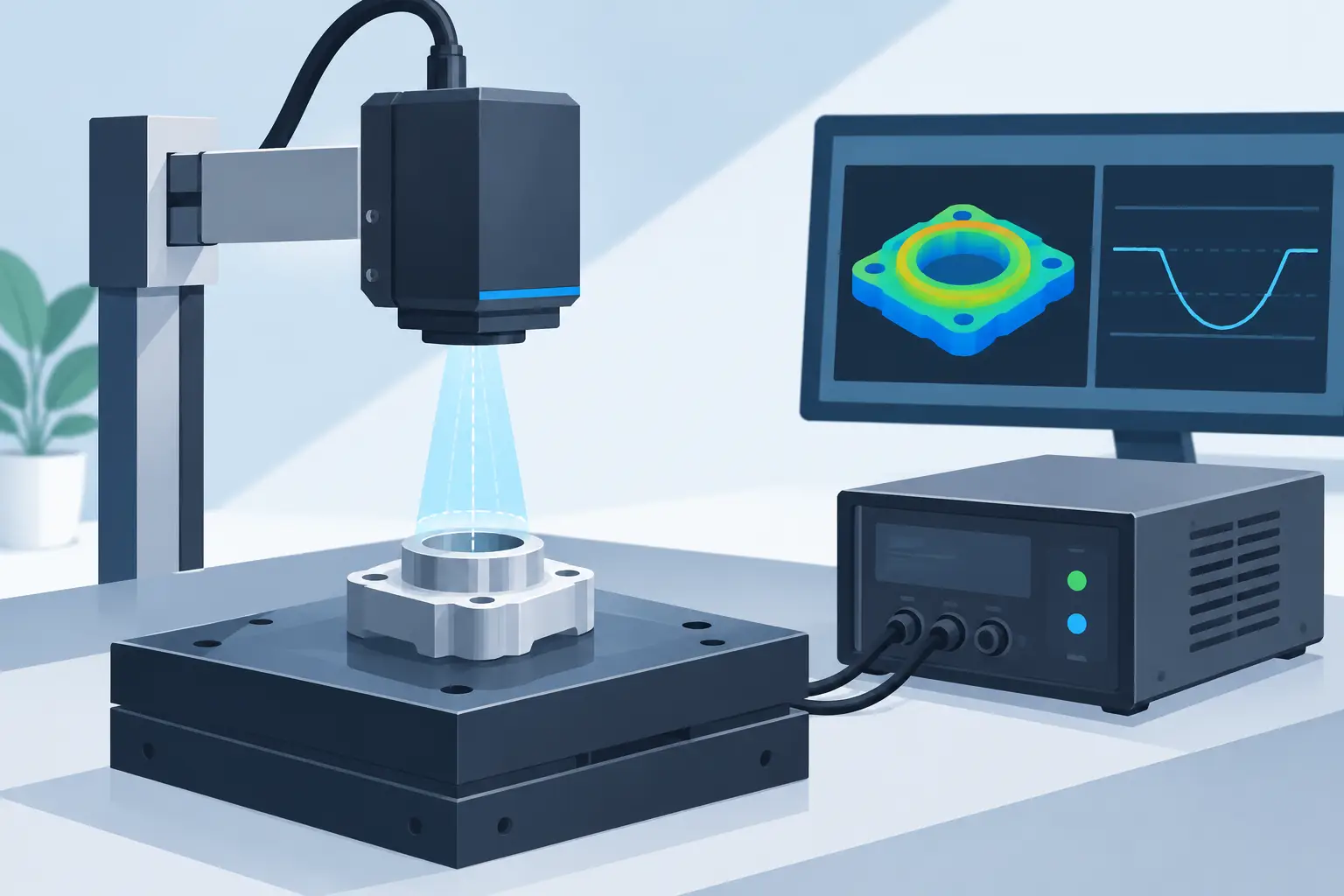
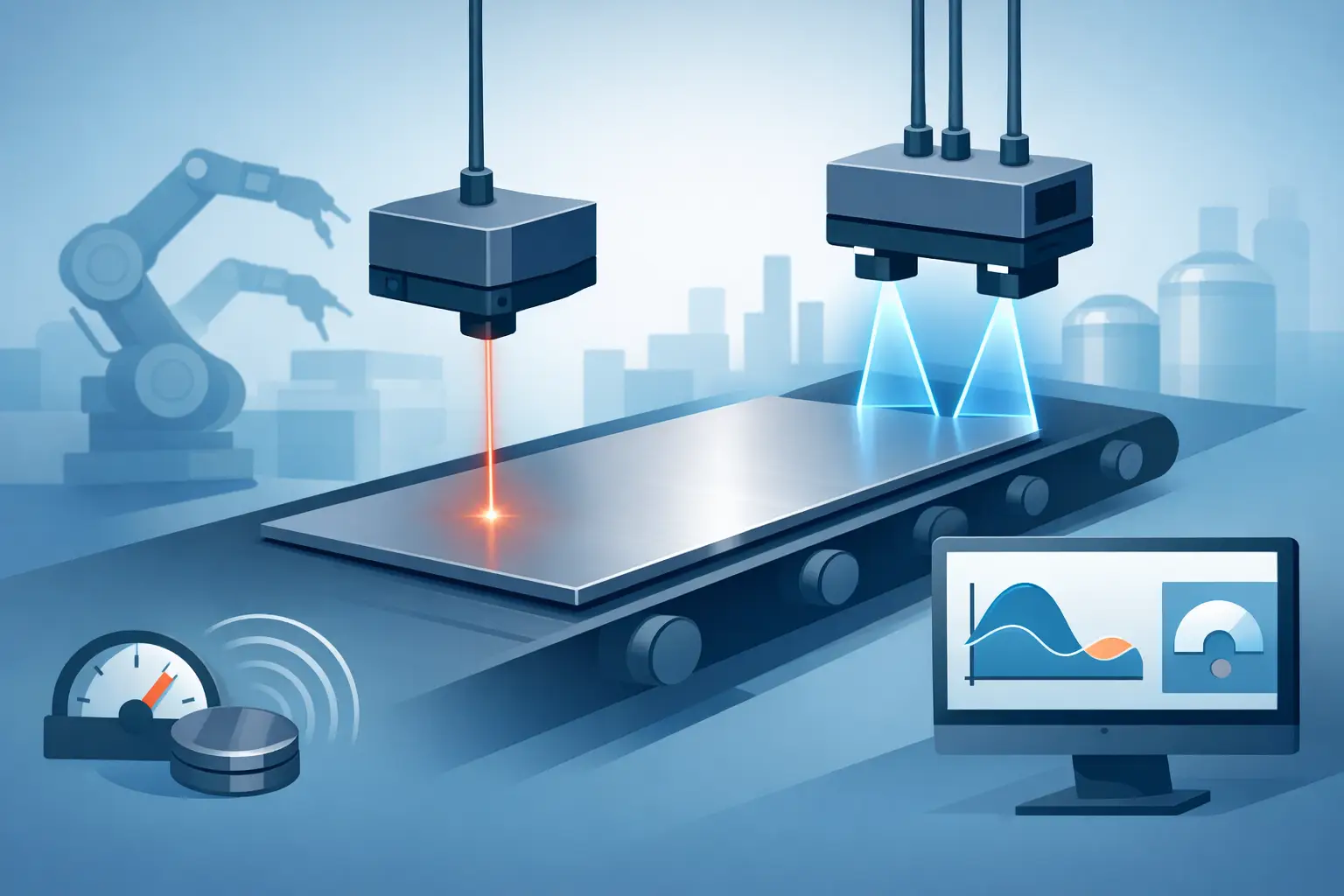
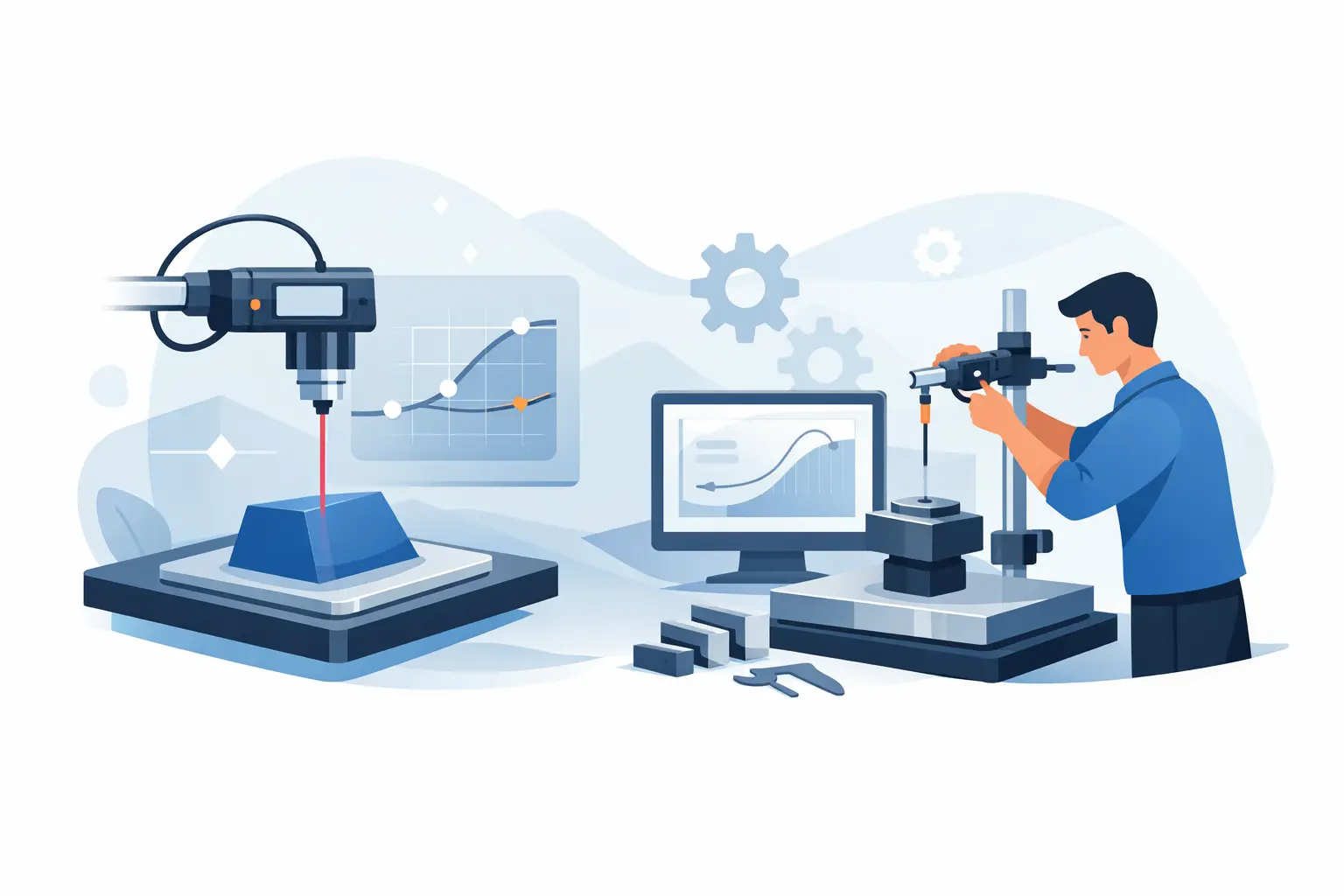
A capacitive displacement measurement system measures changes in position by tracking variations in capacitance between a sensor and a conductive target. As the gap changes, capacitance changes. The controller converts that electrical change into a displacement value.
The operating principle is straightforward, but real-world performance depends on geometry and field behavior. Sensor area, gap distance, target size, shielding, cable effects, and calibration all influence the result. That is why engineers should evaluate the complete system rather than focusing on a headline resolution number.
In practice, these systems are used for static displacement, dynamic motion, thickness variation, runout, vibration, flatness, and surface position control. The common thread is the need for non-contact, high-bandwidth measurement with very low noise.
Why engineers choose capacitive sensing
The main advantage is sensitivity at short measurement ranges. Capacitive technology is well suited to applications where nanometer- or sub-micron-level change matters and where probe contact would distort the result. Because the sensor does not physically load the target, it can measure delicate, compliant, or very light structures without changing their behavior.
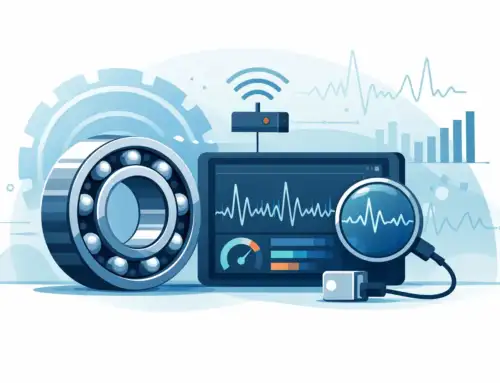
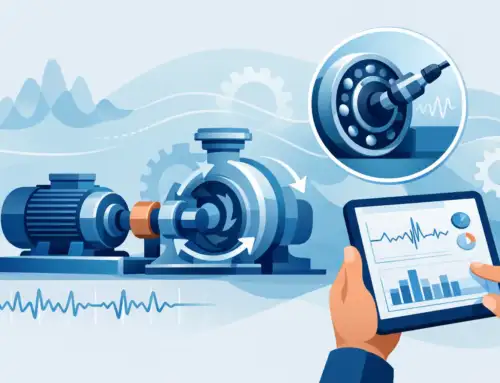
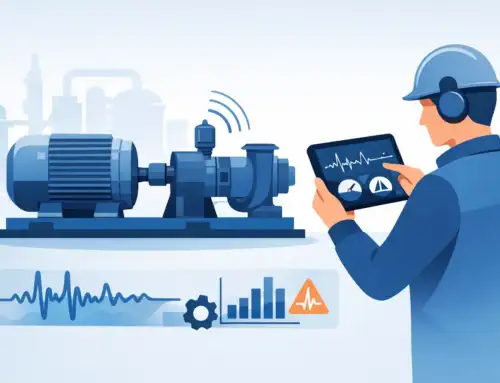
Bandwidth is another reason. In dynamic applications such as spindle error motion, membrane response, or vibration characterization, capacitive systems can capture fast events that slower metrology methods may miss. The output is also highly repeatable when the setup is stable and the target is appropriate.
There are trade-offs. Capacitive sensors generally require conductive targets or a known electrode arrangement. Measurement range is typically shorter than with some other non-contact methods. Sensitivity to contamination, humidity, stray capacitance, and cable routing can also become significant if the installation is not engineered carefully.
Where a capacitive displacement measurement system fits best
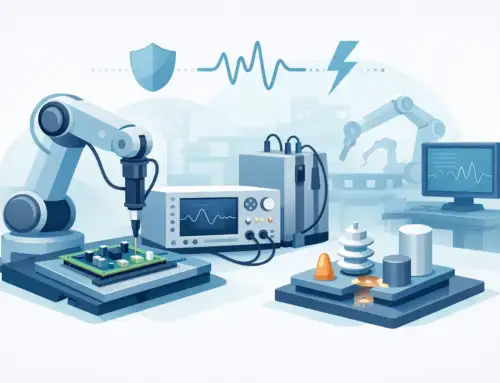
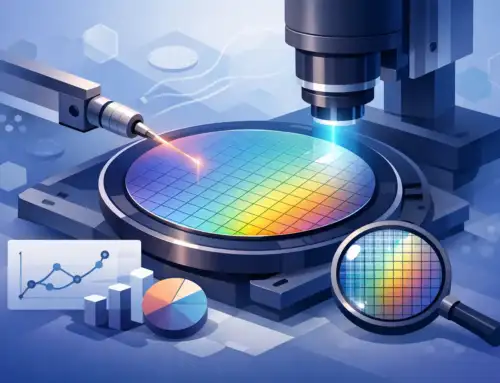
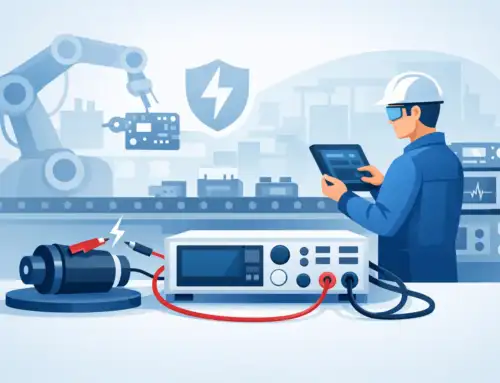
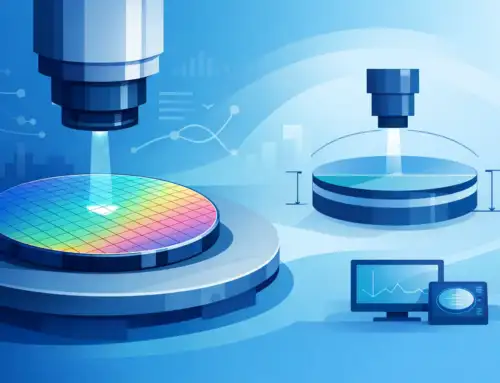
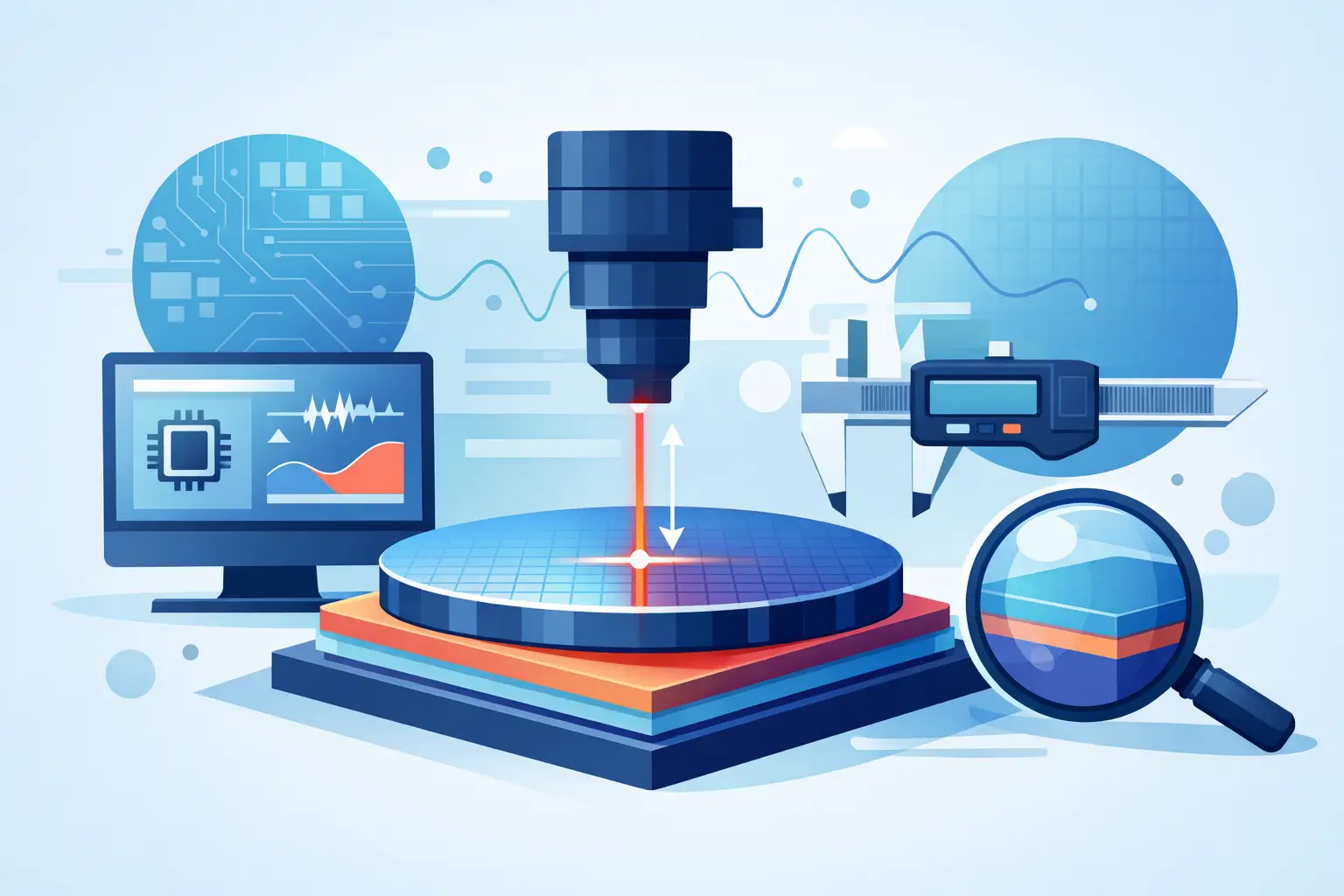
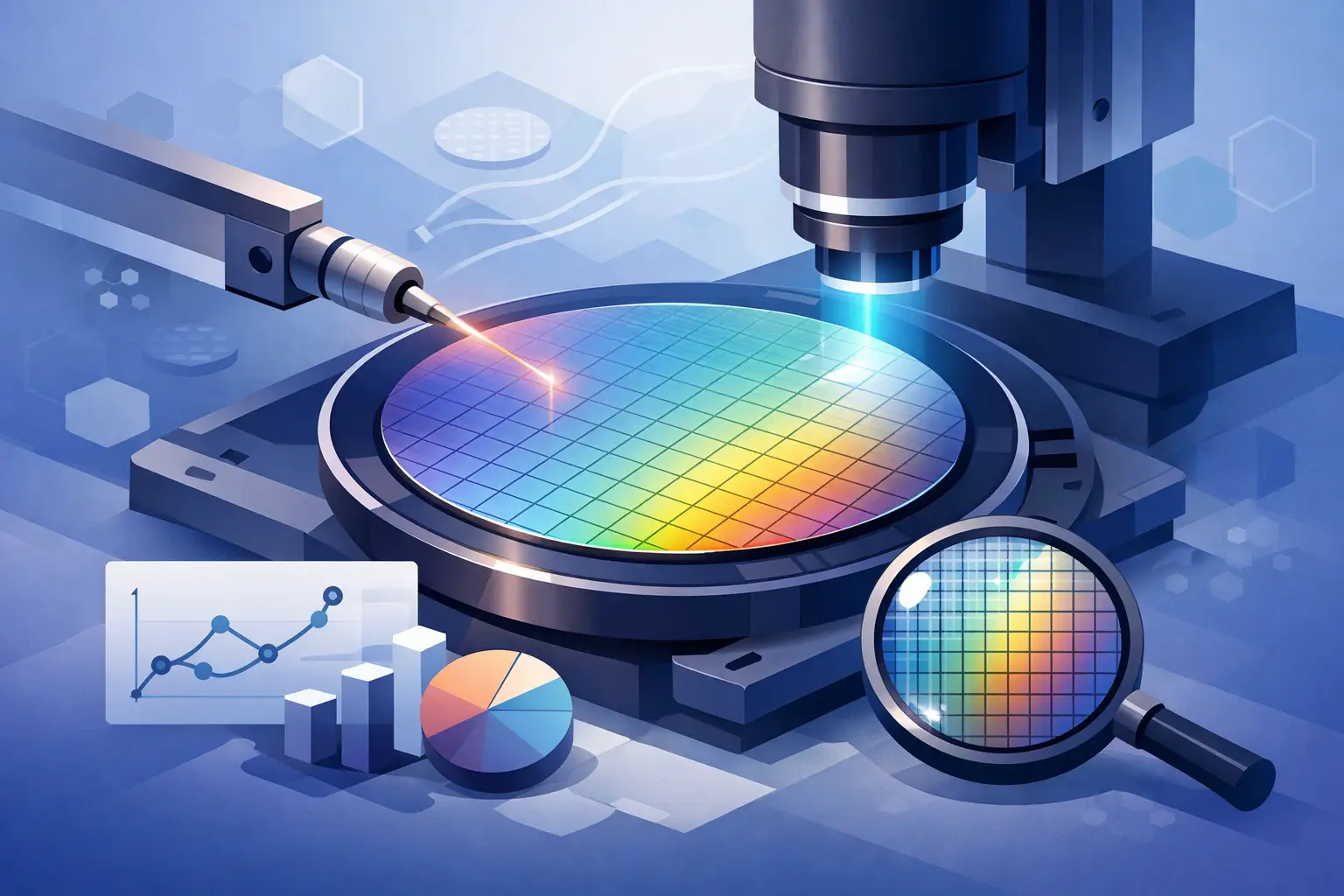
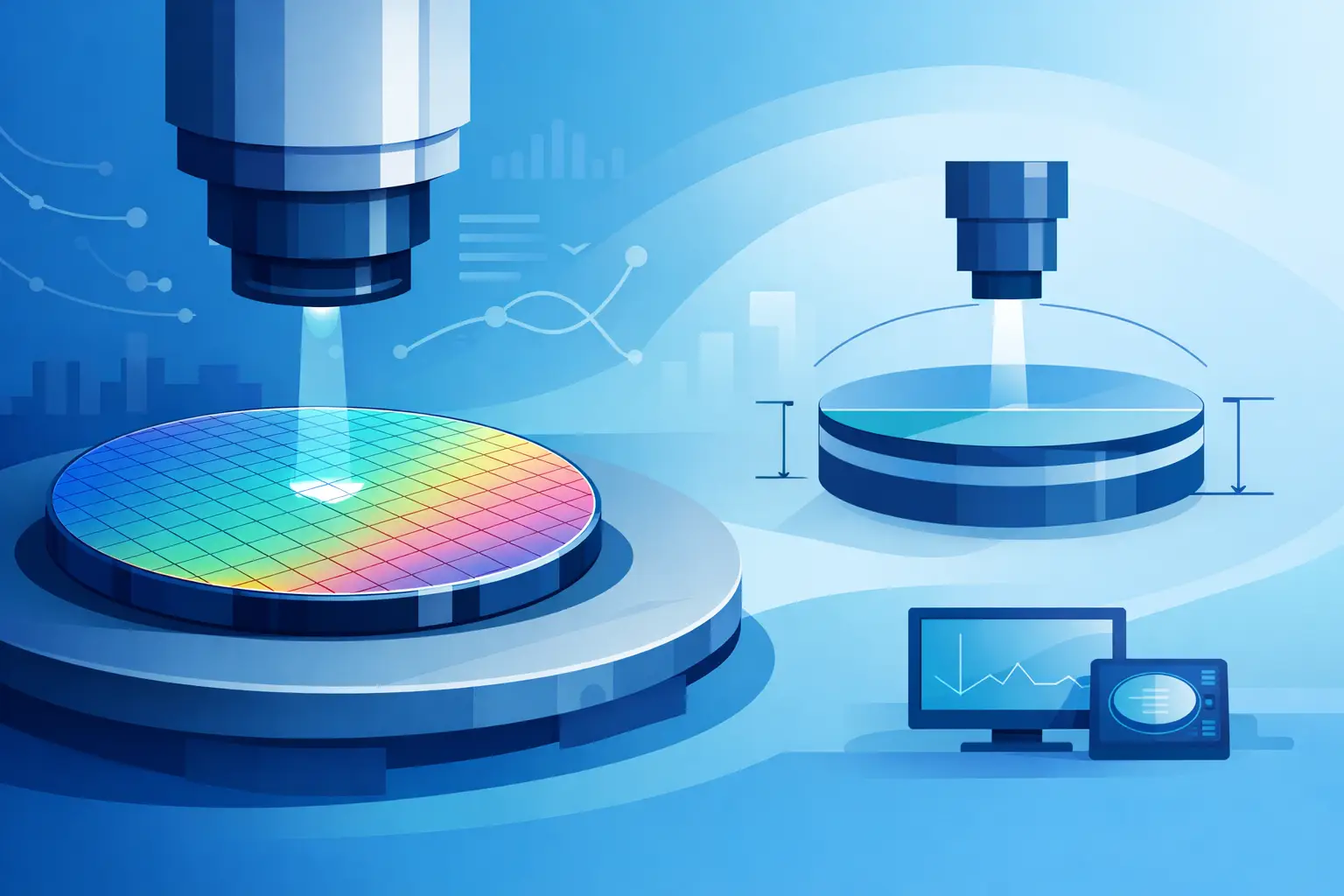
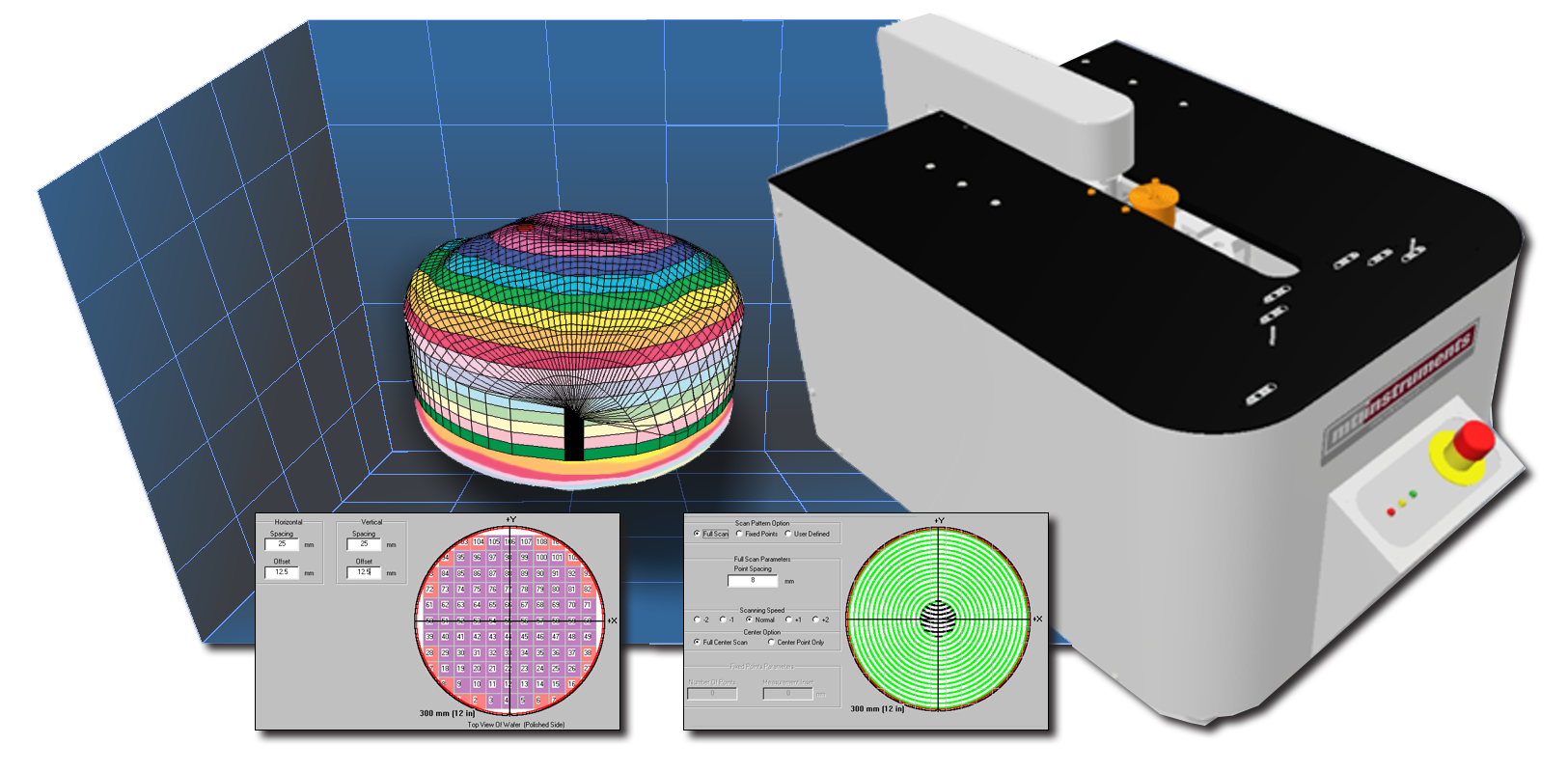
A capacitive displacement measurement system is usually the right choice when the target is conductive, the stand-off distance is relatively small, and the application places a premium on fine resolution. Semiconductor wafer positioning, precision stage feedback, disk and rotor runout, material deflection, and small-scale dimensional variation are typical examples.
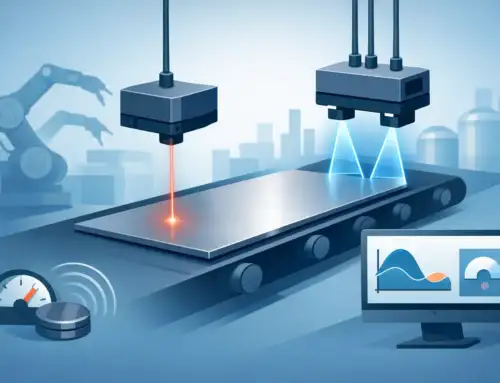
It is especially useful where optical methods struggle with surface reflectivity changes or where laser spot behavior introduces uncertainty. Capacitive sensing does not depend on optical contrast in the same way. That can simplify measurement of polished metals or surfaces where reflectance varies during the process.
Still, it is not universal. If the target is non-conductive, the stand-off must be large, or the environment is heavily contaminated by dust or fluid films, another sensing method may be more practical. Eddy current, laser triangulation, confocal, or LVDT-based methods may be better depending on the material, range, and environmental constraints.
Core elements of system performance
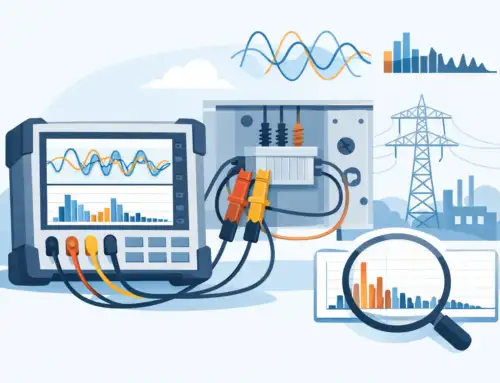
Resolution gets the most attention, but it is only one part of measurement quality. Linearity determines how closely the output follows actual displacement over the calibrated range. Stability affects whether the reading stays consistent over time and temperature. Bandwidth defines how quickly the system responds to motion. Noise floor sets the lower limit of usable signal.
Engineers should also look at scale factor accuracy, target size requirements, and edge sensitivity. A sensor may perform well on a large, centered target yet degrade near edges or on narrow geometries. In production environments, this matters because fixtures, part tolerances, and alignment rarely stay ideal.
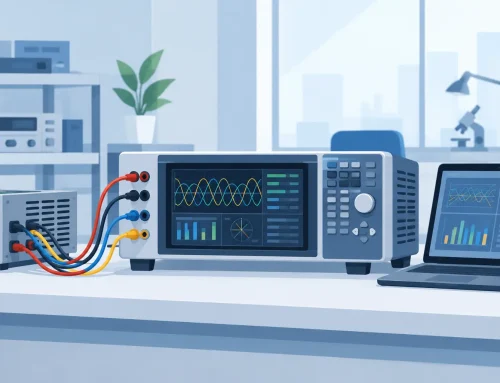
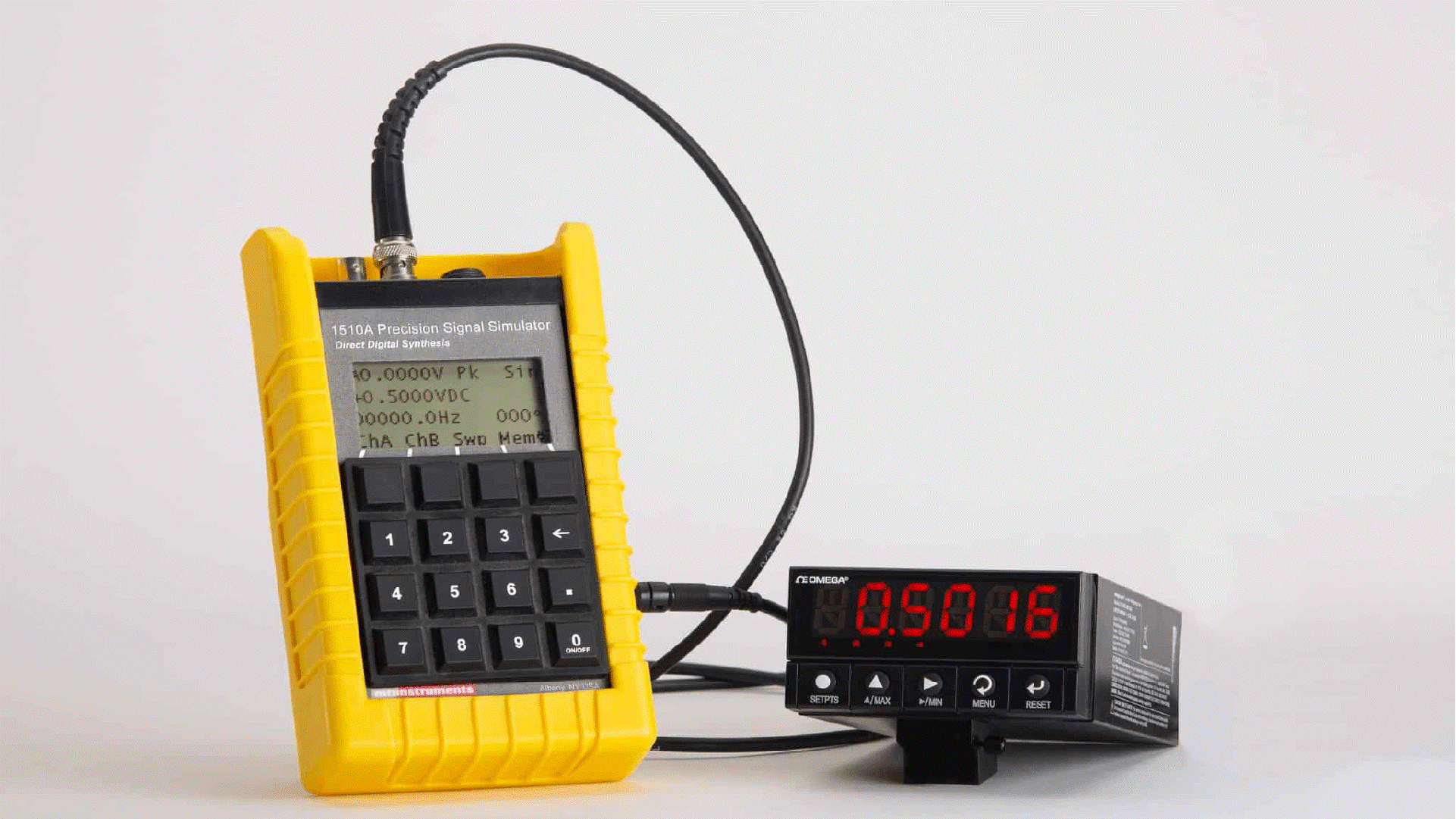
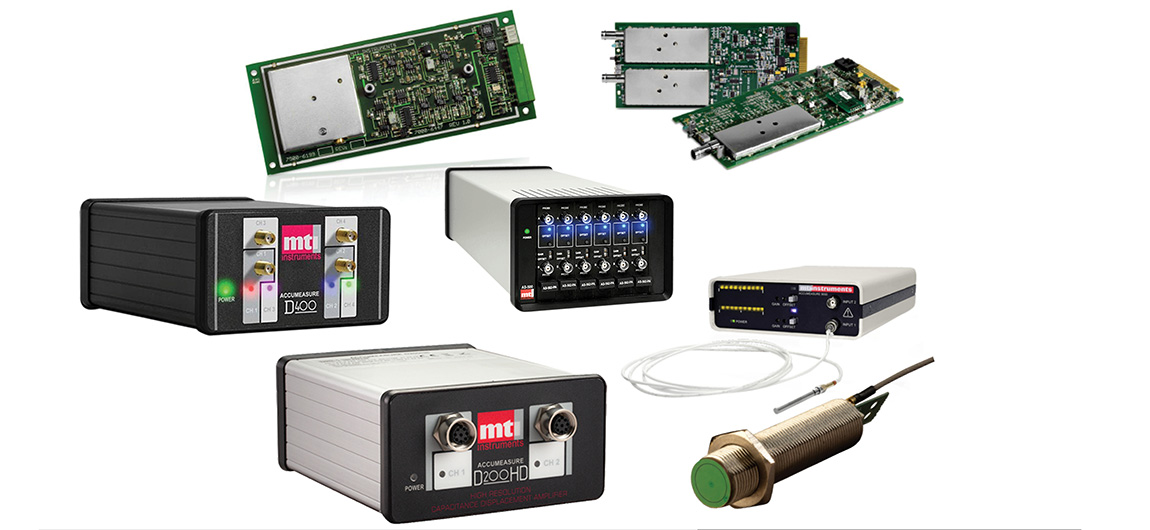
Controller design is equally important. Signal conditioning, shielding, excitation method, and calibration architecture all affect repeatability. A well-designed controller can reduce drift and improve usable performance under variable plant conditions. This is where an instrumentation-focused supplier adds value beyond the sensor head alone.
Common sources of error
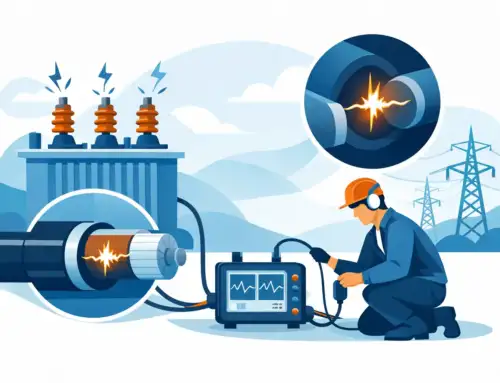
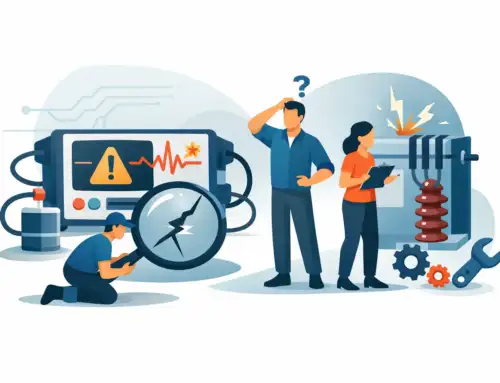
Most capacitive measurement problems are installation problems. Grounding errors, cable movement, target tilt, and nearby conductive structures can distort the electric field and shift the output. If the sensor sees more than the intended target, the reading may be stable but wrong.
Contamination is another common issue. Oil films, moisture, residue, and airborne particulates can change the dielectric properties in the gap. In tightly toleranced measurements, even small changes can matter. Thermal expansion in mounts and fixtures can also look like target motion unless the mechanical design is controlled.
Target material and finish should be verified early. While conductivity is essential, surface condition and geometry still influence how the field forms. Thin targets, curved targets, or composite assemblies may require application-specific validation rather than assuming catalog performance will transfer directly.
How to select the right system
Start with the measurement question, not the sensor family. Define the required range, resolution, accuracy, bandwidth, target material, motion profile, and environmental conditions. Then determine what level of uncertainty is acceptable in the final test or process.
If the application involves dynamic behavior, confirm the needed frequency response and data acquisition path. If it is a metrology task, focus more closely on calibration traceability, thermal stability, and fixture design. For production use, durability, ease of integration, and maintenance burden usually deserve as much attention as raw performance.
Sensor size should match the target geometry. Larger sensors can simplify alignment and average local variation, but they may reduce spatial specificity. Smaller sensors can resolve localized features better, though they often demand tighter positioning discipline. There is no universal best choice.
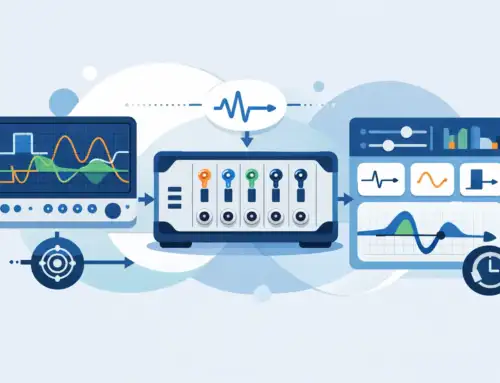
The controller and output interface should also fit the broader test architecture. Analog output may be sufficient for simple closed-loop control. Digital interfaces, software support, and SDK availability become more important when the system must feed automated inspection, synchronized DAQ, or custom analysis workflows.
Integration in regulated and performance-critical environments
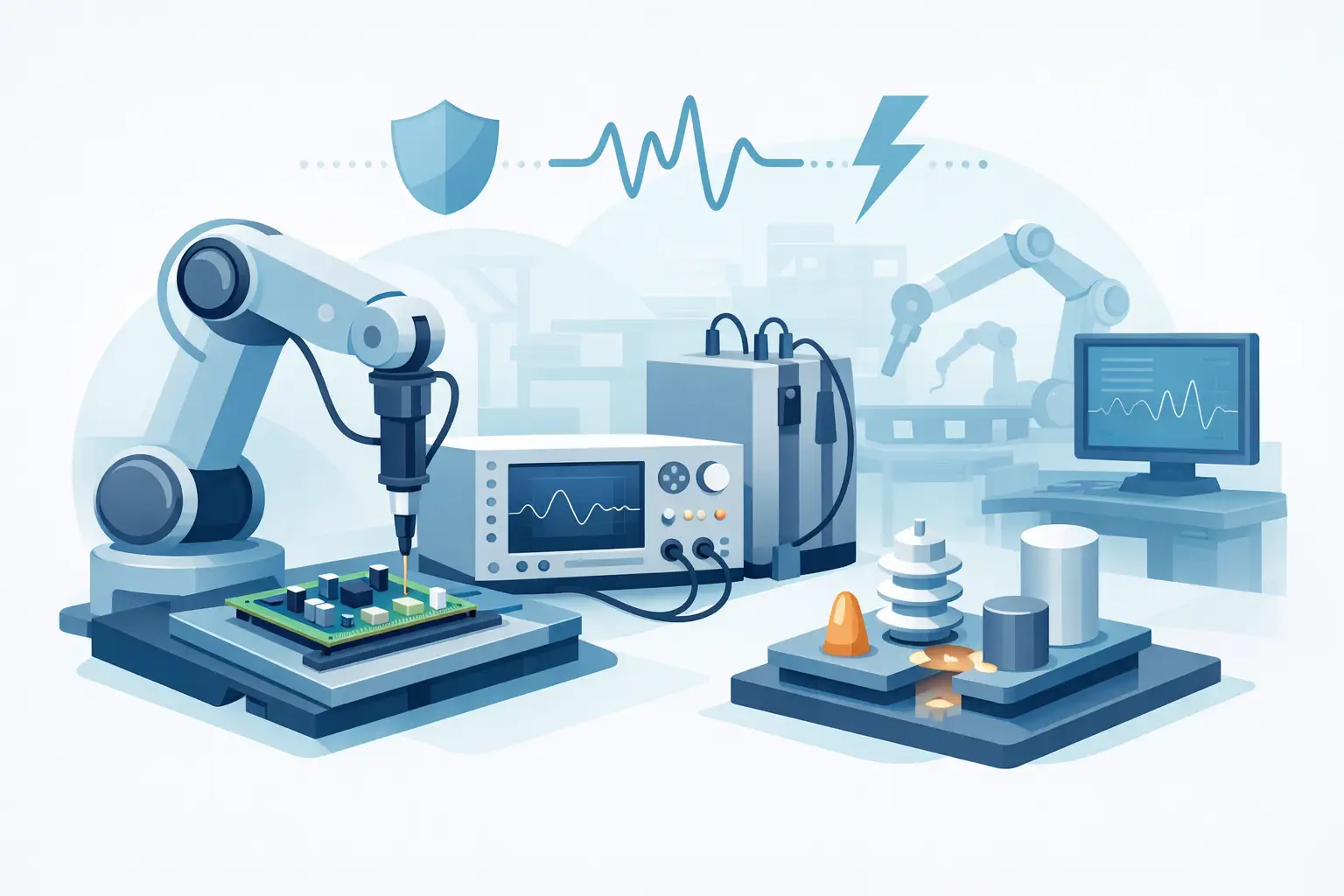
In aerospace, medical, EV, and semiconductor applications, the measurement system is rarely evaluated in isolation. Buyers need traceable calibration, documented specifications, and support for repeatable deployment across multiple stations or facilities. A sensor that performs well in a lab trial but lacks long-term support or serviceability can create downstream risk.
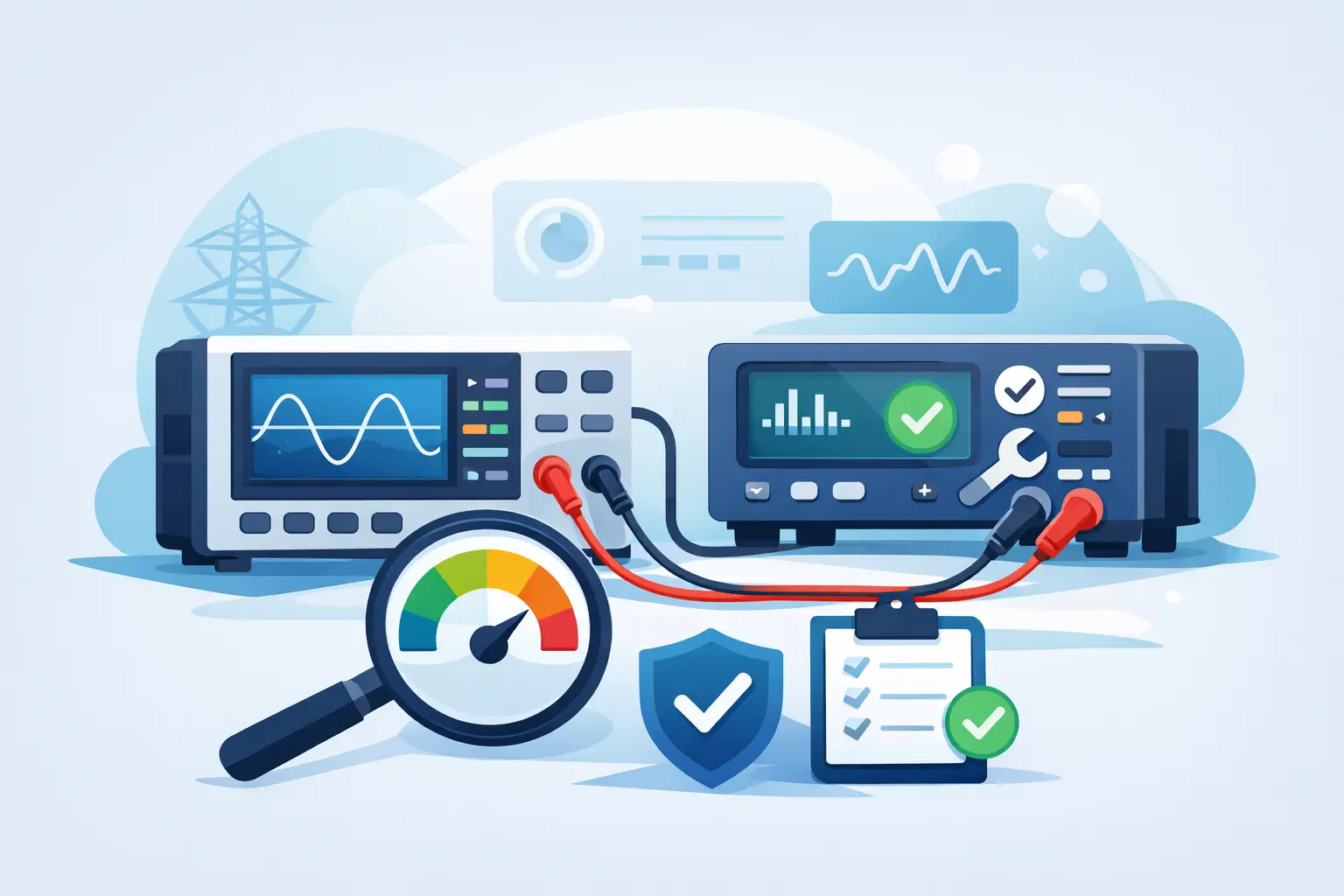
That is why procurement and engineering teams should consider calibration intervals, service access, and documentation quality before standardizing on a platform. Integration support matters as much as datasheet performance when the instrument must fit an existing quality system.
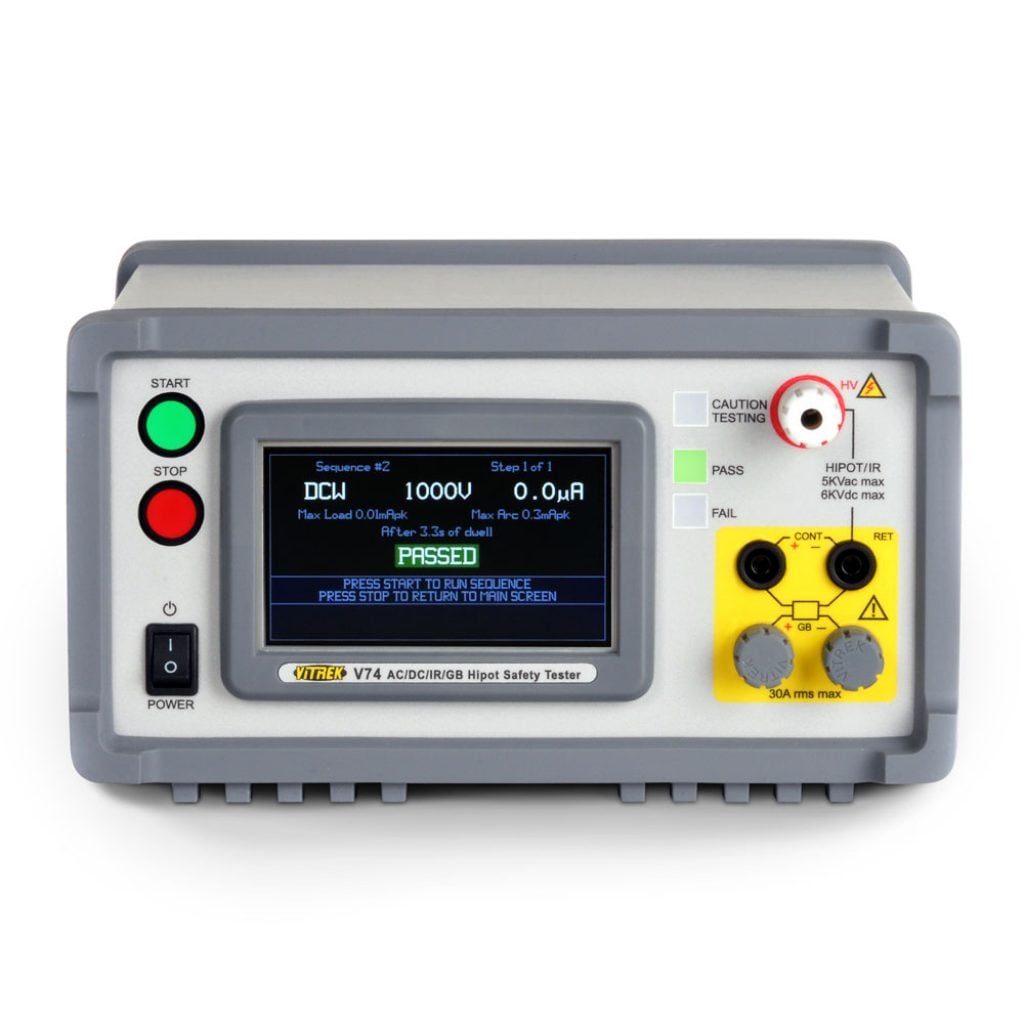
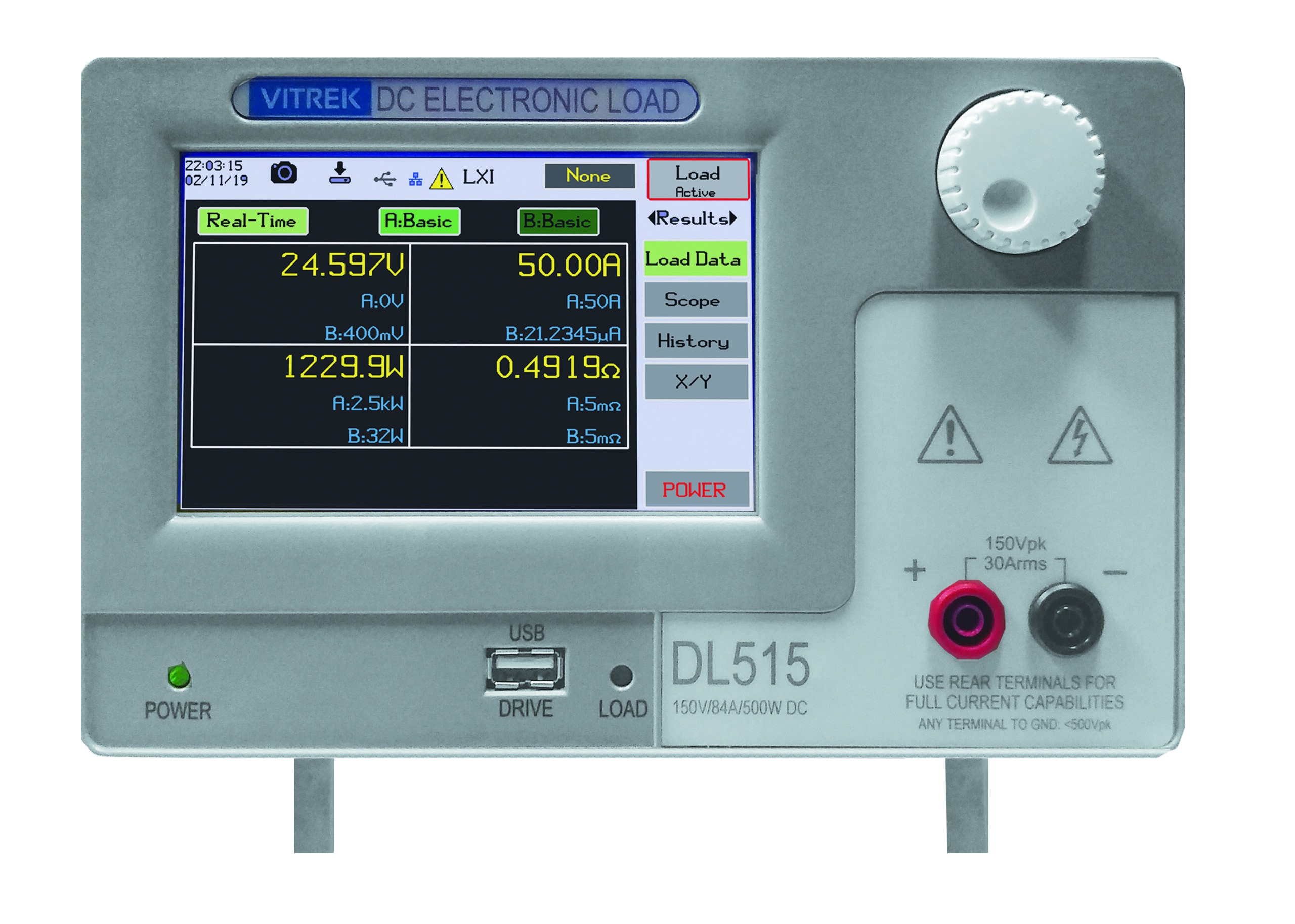
For organizations operating under strict validation or compliance requirements, consistency across hardware, software, and service becomes part of measurement integrity. Suppliers such as Vitrek are often evaluated on that broader capability set, not just on sensor specifications.
When another technology may be better
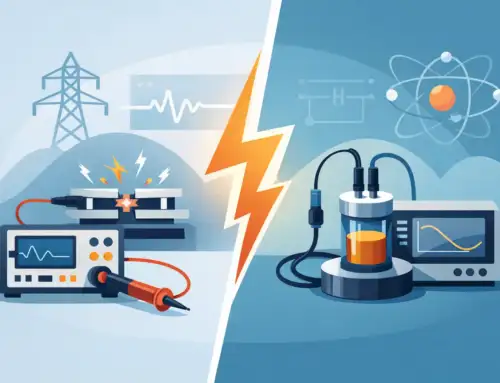
Capacitive sensing is strong, but not always the best answer. If the part surface is non-conductive and cannot be modified, optical methods may be easier. If the stand-off is long or the environment is dirty, eddy current or other industrial sensors may tolerate conditions better. If the application needs absolute position over a larger travel range, contact-based methods or alternate non-contact architectures may be more economical.
This is where disciplined requirements definition saves time. Teams sometimes choose capacitive sensors because they want the highest possible resolution, then discover that target constraints or fixturing realities limit performance more than the sensor itself. The better approach is to optimize the full measurement loop around the process need.
What good implementation looks like
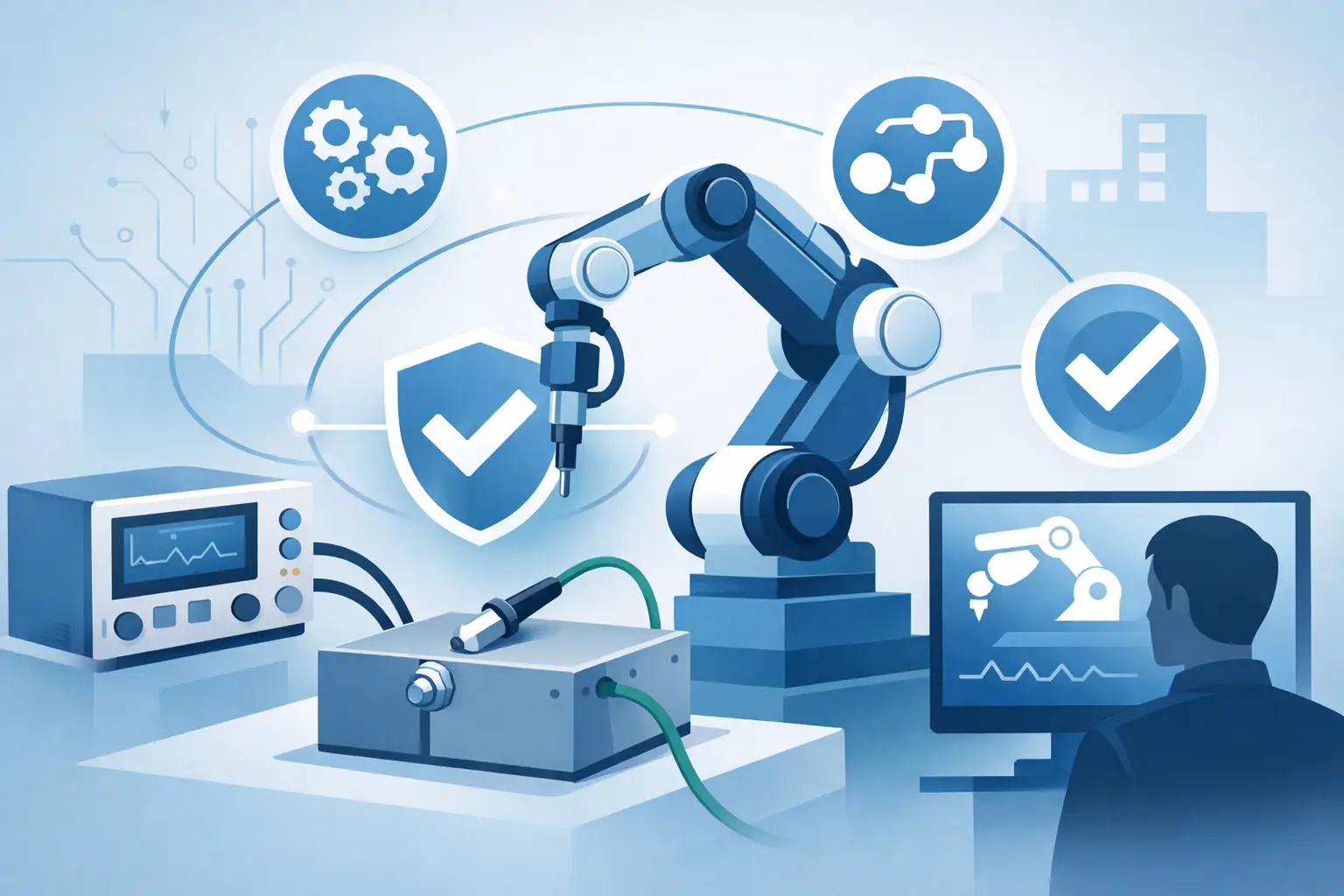
A well-implemented capacitive system has controlled grounding, stable mounting, appropriate shielding, and a target geometry validated for the intended range. Cables are routed to avoid movement-induced effects. Thermal behavior is understood. Calibration is tied to the actual use condition, not just a bench setup.
Good implementation also includes data review. If readings are cleaner than expected, that is not always a success. It may indicate filtering that hides real dynamics. If readings are noisier than expected, the source may be the fixture, electronics, or process itself rather than the sensor. Engineers get the best results when they treat the system as a metrology tool, not a plug-and-play accessory.
For teams working at the edge of tolerance, the real value of a capacitive displacement measurement system is not the specification sheet. It is the ability to produce defensible, repeatable data under actual operating conditions. That is what turns a high-resolution sensor into a reliable decision-making instrument.
The best next step is usually simple: define the target, the gap, the environment, and the uncertainty you can live with. Once those are clear, the right measurement architecture tends to reveal itself.