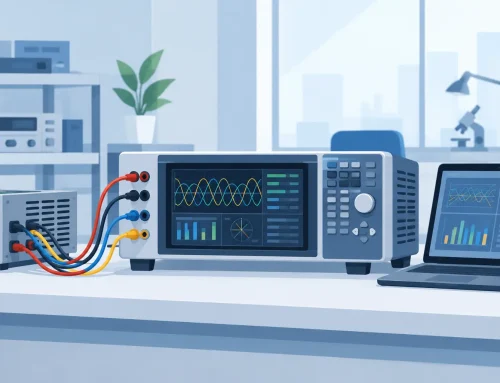
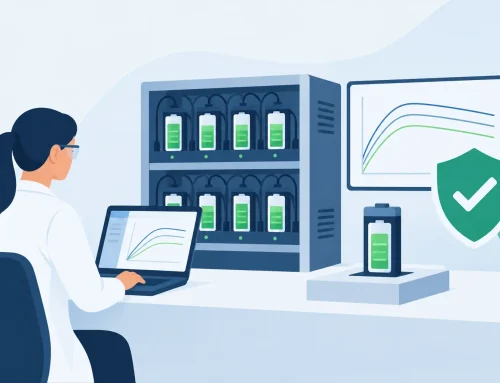
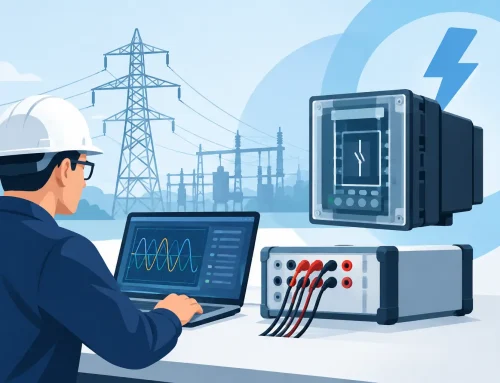
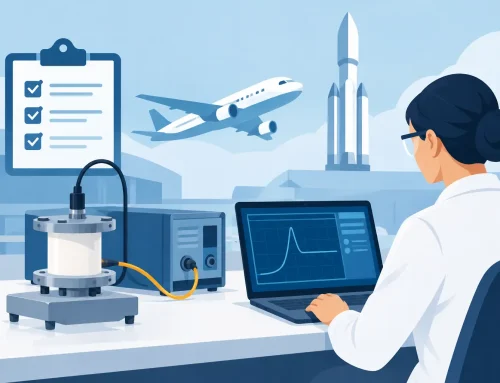
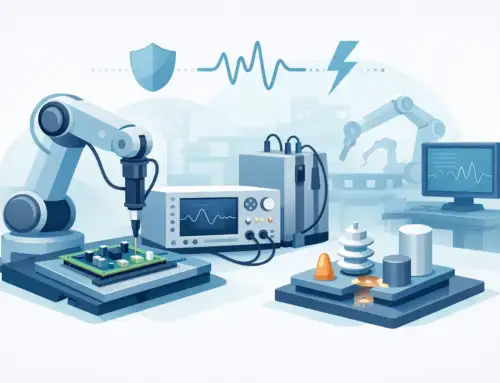
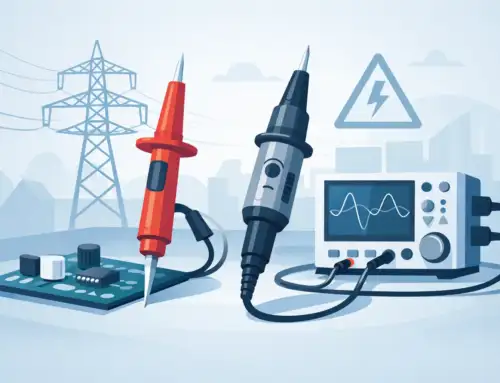
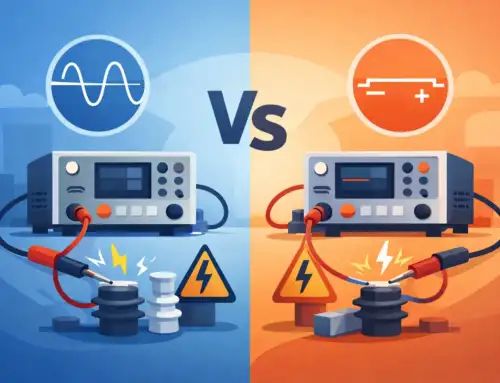
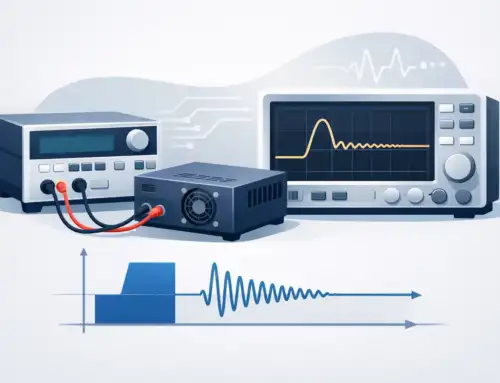
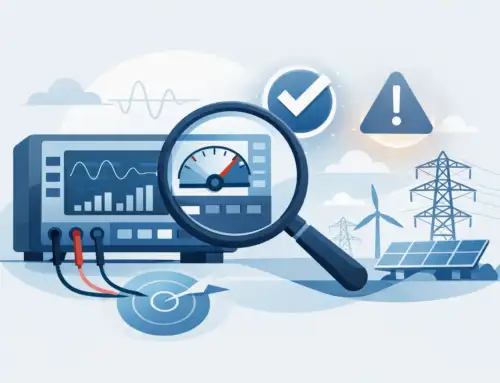
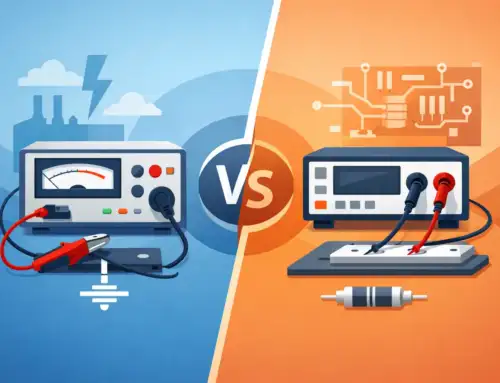
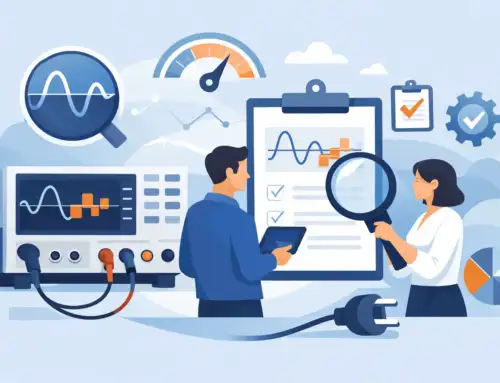
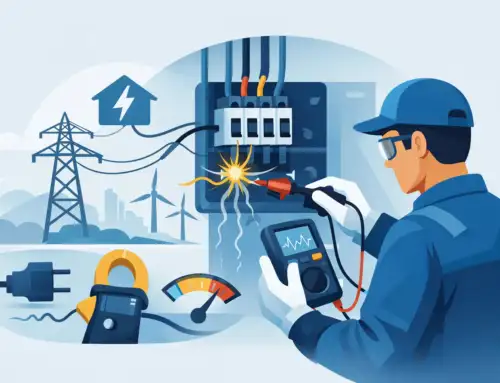
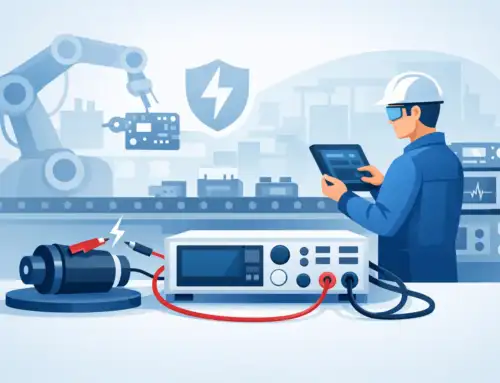
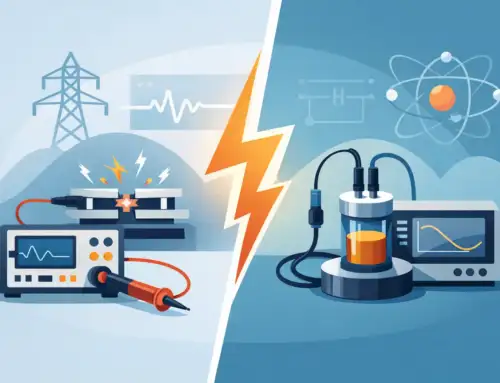
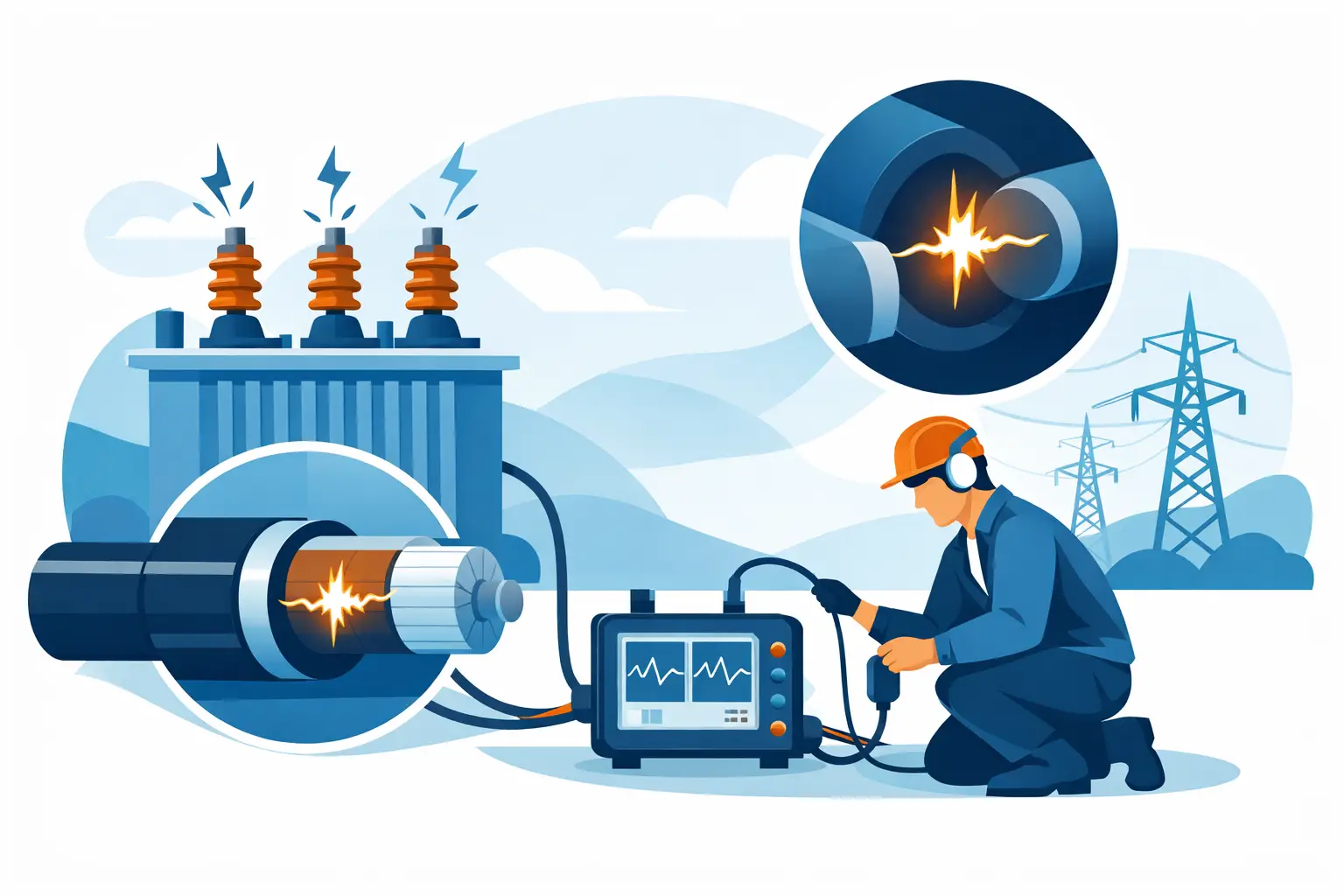
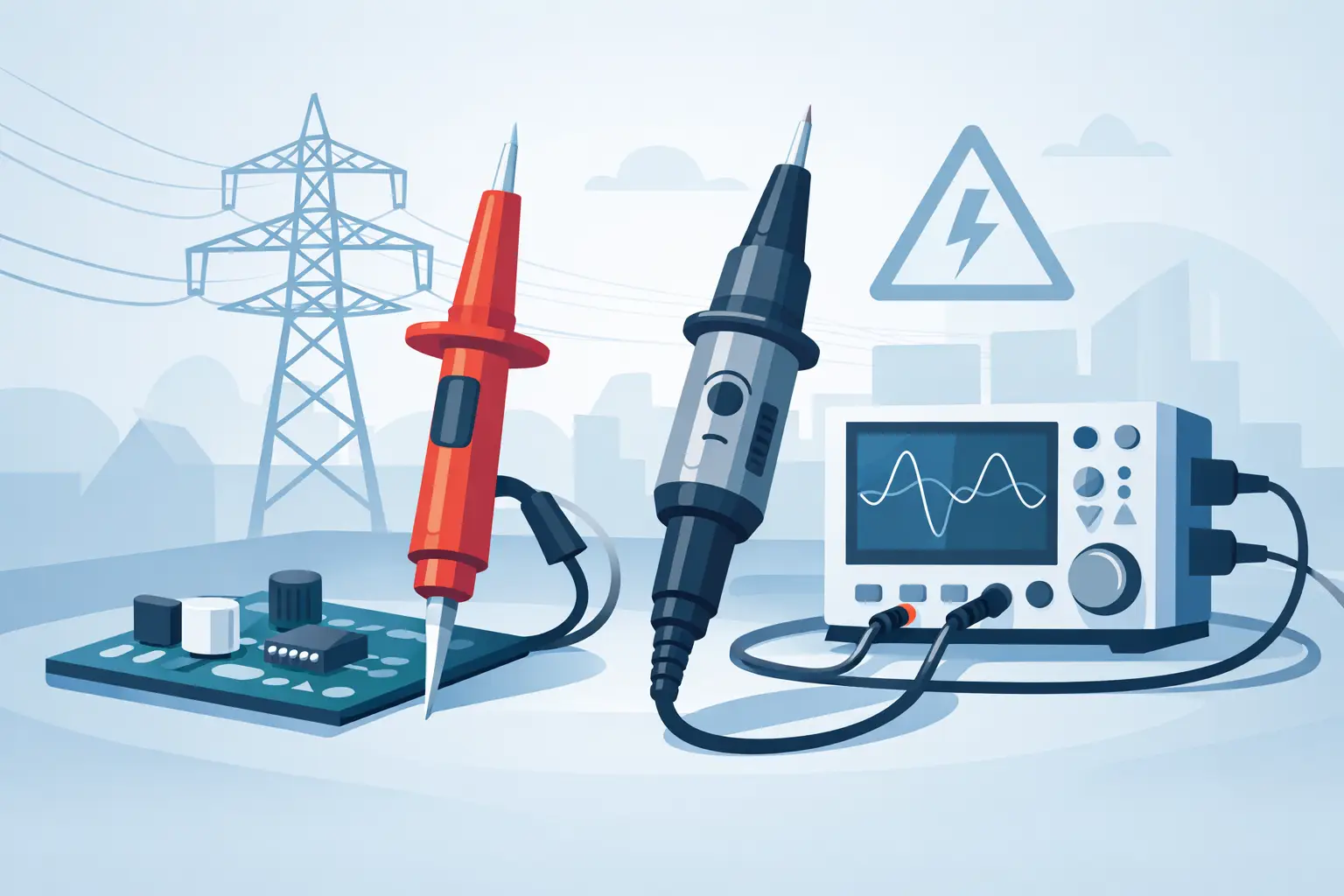
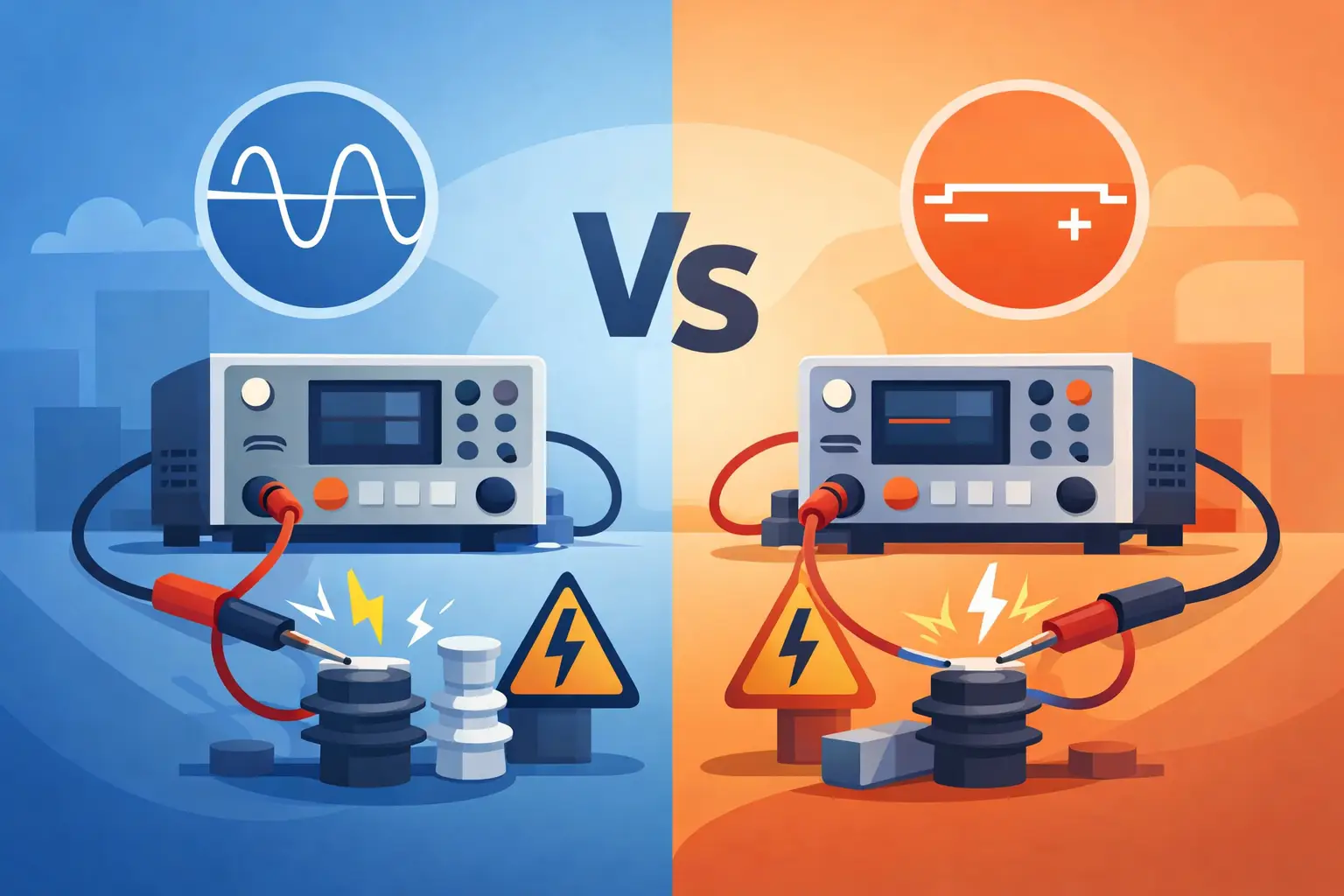
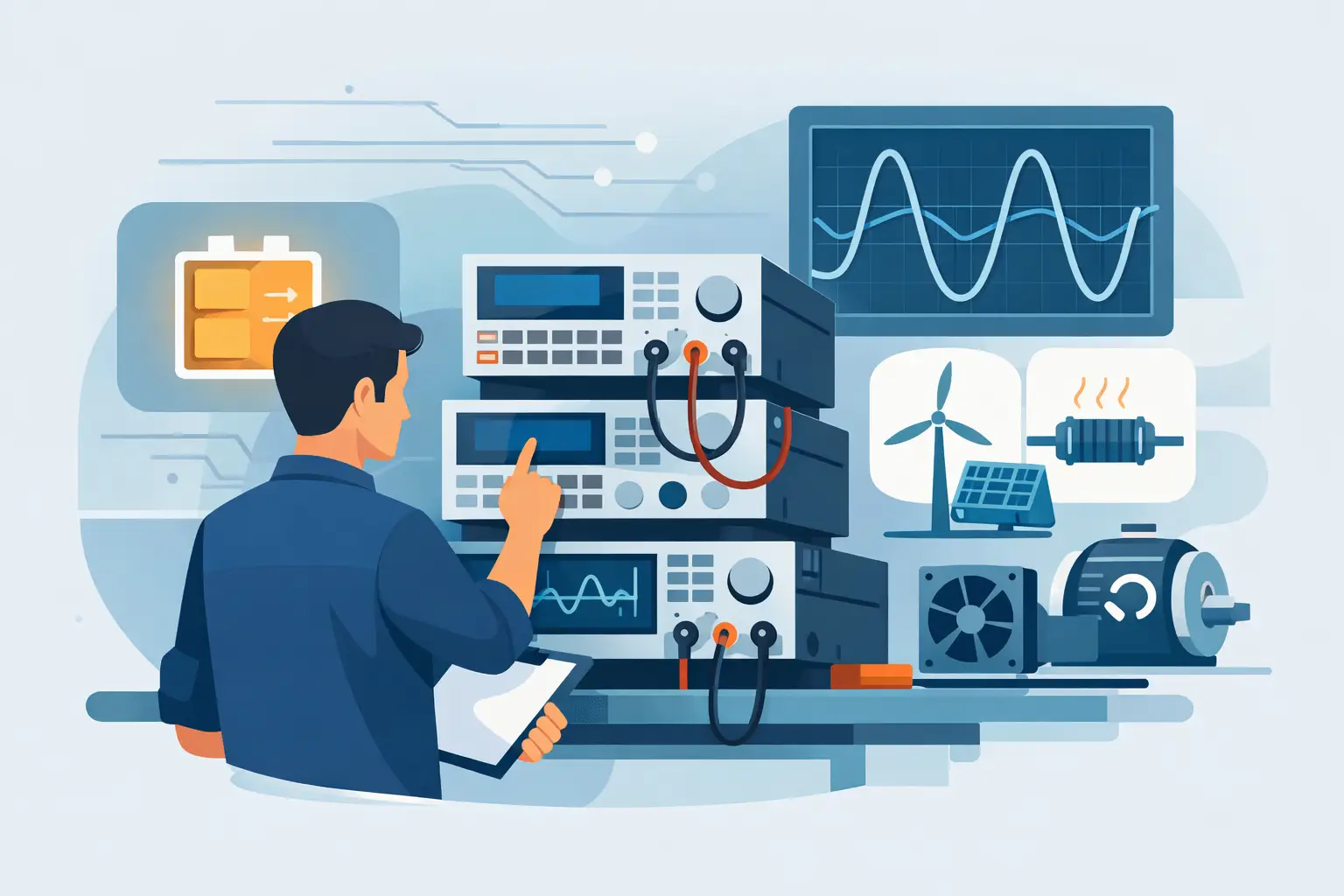
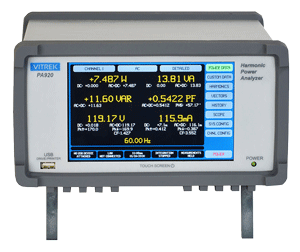
When a power measurement system is off by a fraction of a percent, the result is rarely a minor bookkeeping problem. In EV inverter validation, motor drive efficiency testing, power supply characterization, or compliance-focused appliance testing, that error can distort thermal models, mask losses, and create costly debate between engineering, quality, and certification teams. A precision power measurement buyer guide should start there – with the practical cost of measurement uncertainty.
Buying a power analyzer or related measurement platform is not just about finding the highest published accuracy. The right instrument depends on waveform content, frequency range, phase behavior, current sensing method, software integration, and the level of traceability your organization needs to defend results. For regulated and performance-critical environments, the buying process should be structured around application fit first and specifications second.
What this precision power measurement buyer guide should help you decide
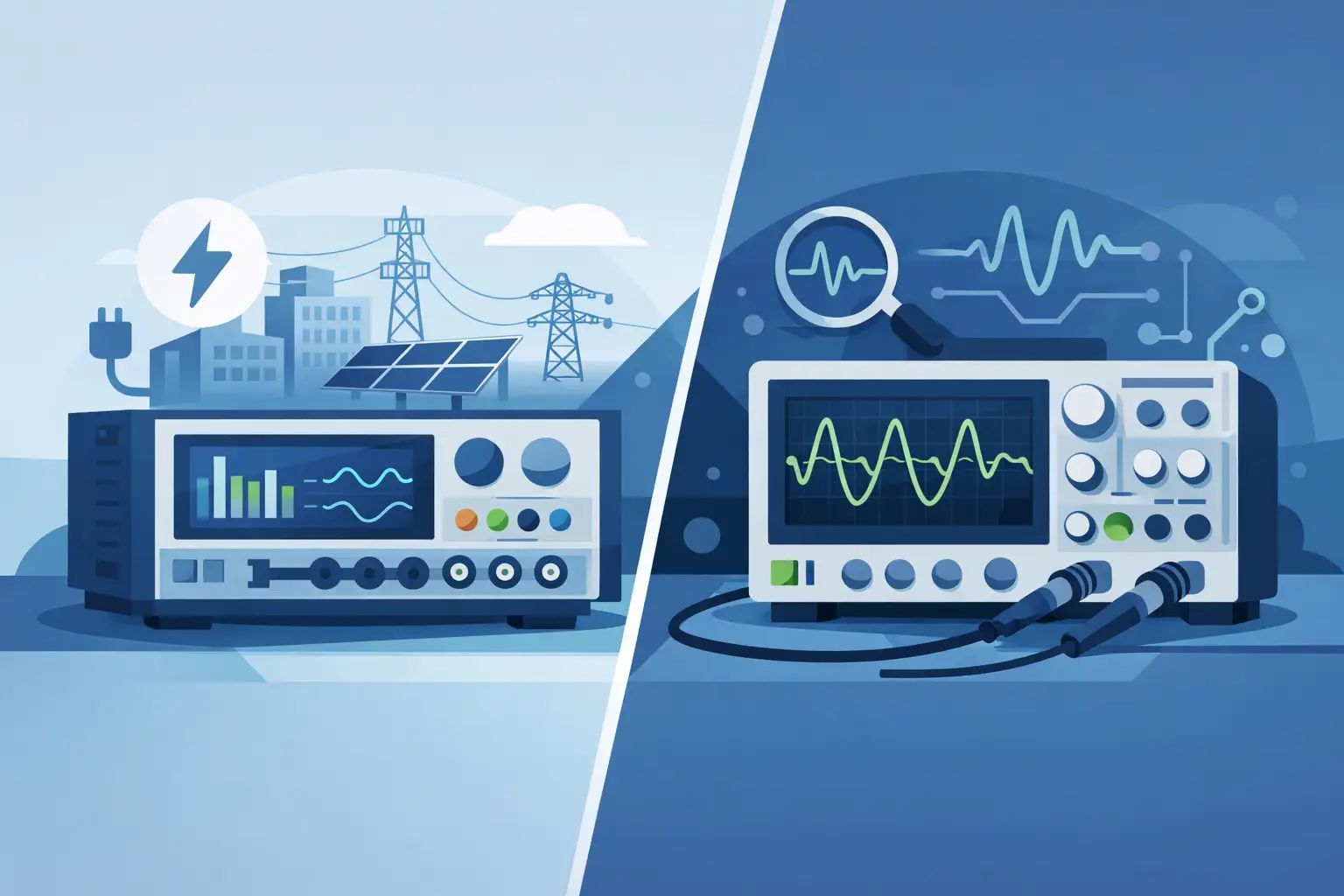
Most buyers already know their broad use case. The harder question is which performance details matter enough to affect system selection. A lab validating wide-bandgap power electronics needs a very different instrument profile than a production team checking line-powered appliances or a defense program characterizing dynamic loads.
Start by defining whether your measurement objective is design insight, pass-fail verification, energy accounting, standards compliance, or production throughput. Those goals can point to very different priorities. R&D groups usually need deeper waveform visibility, broader bandwidth, and stronger analysis capability. Production and QA teams often place more value on repeatability, operator simplicity, fixture integration, and audit-ready records.
If you do not separate those objectives at the beginning, it is easy to overbuy expensive features that never get used or underbuy the dynamic performance needed for credible data.
Accuracy is not one number
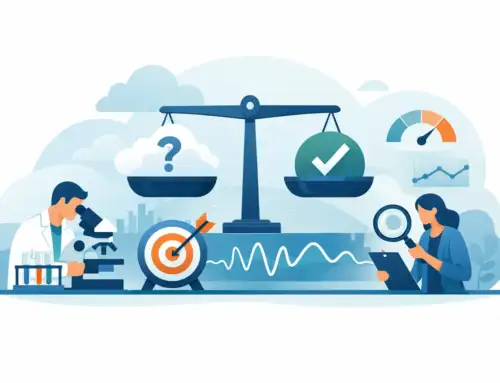
Published accuracy claims often receive too much attention in isolation. A power instrument may specify excellent basic accuracy at a narrow operating point, yet perform very differently across low power factor conditions, small current ranges, elevated frequencies, or distorted waveforms.
Look closely at how accuracy is stated. You want to understand the full error model, including reading term, range term, phase error, temperature effects, and any sensor-related contributions. In many real test setups, the current transducer, shunt, or probe can contribute more uncertainty than the analyzer itself.
Resolution also matters, but only when it is paired with low noise and stable measurement architecture. More digits on the screen do not guarantee more trustworthy results. Engineers should ask whether the system maintains specified performance under the exact conditions they expect to test, including harmonics, pulsed loading, low standby power, and rapidly changing load states.
Bandwidth, sampling, and waveform fidelity
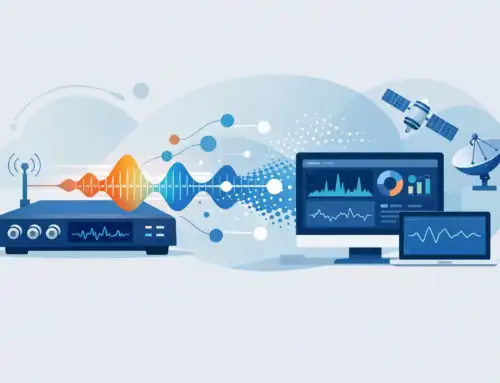
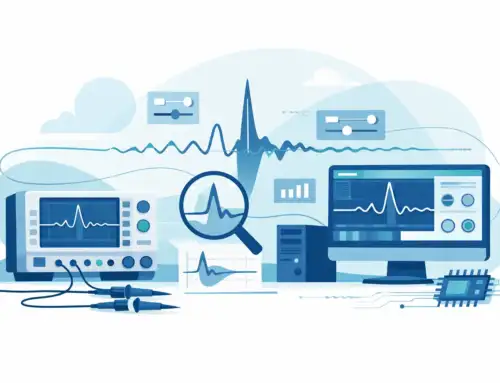
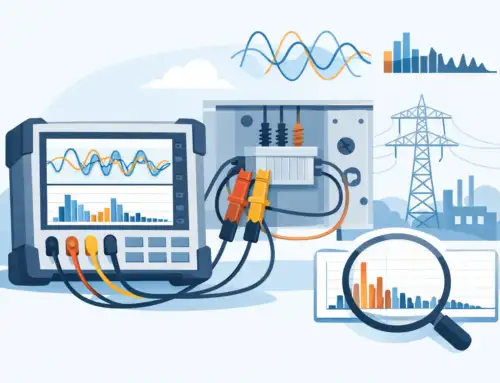
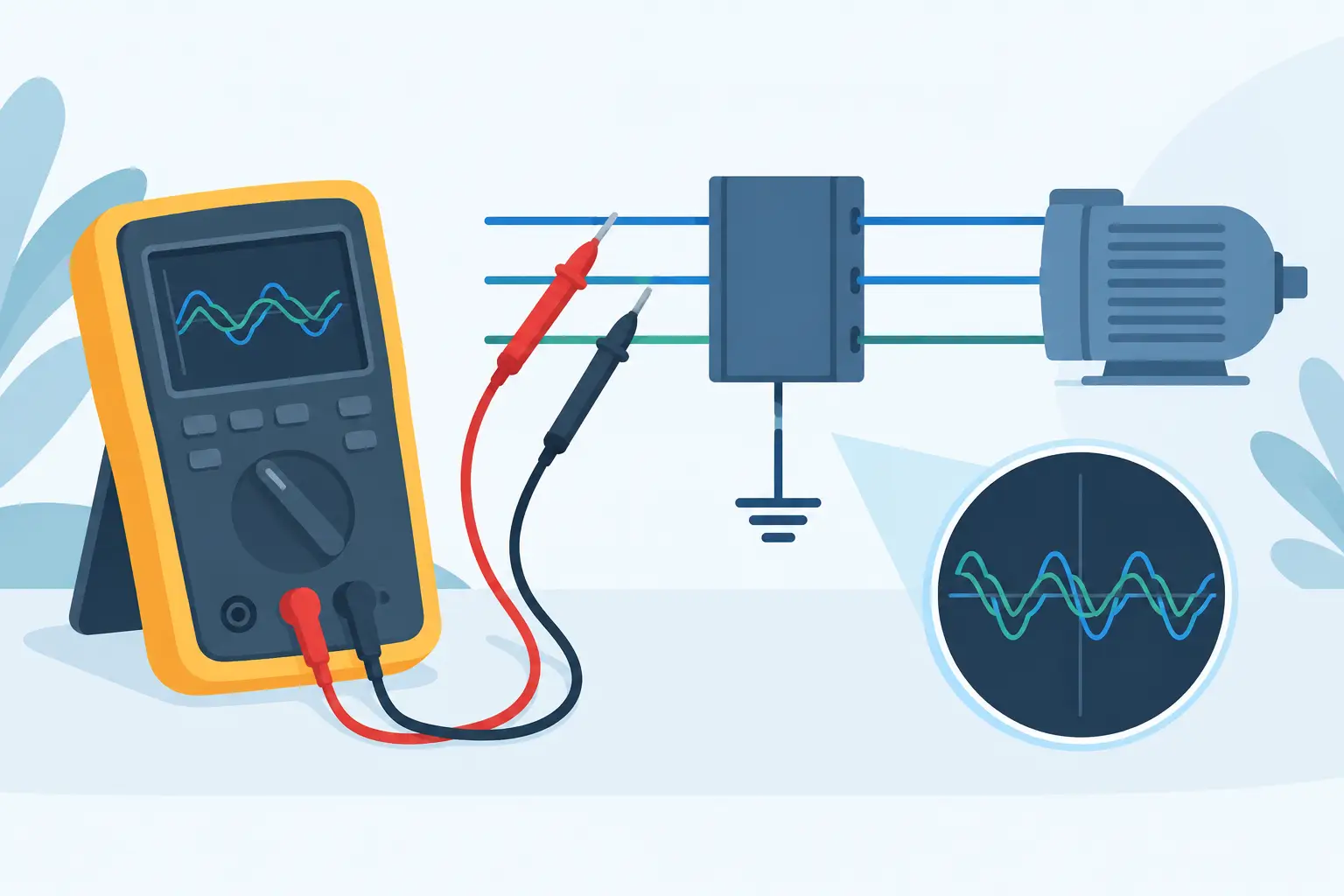
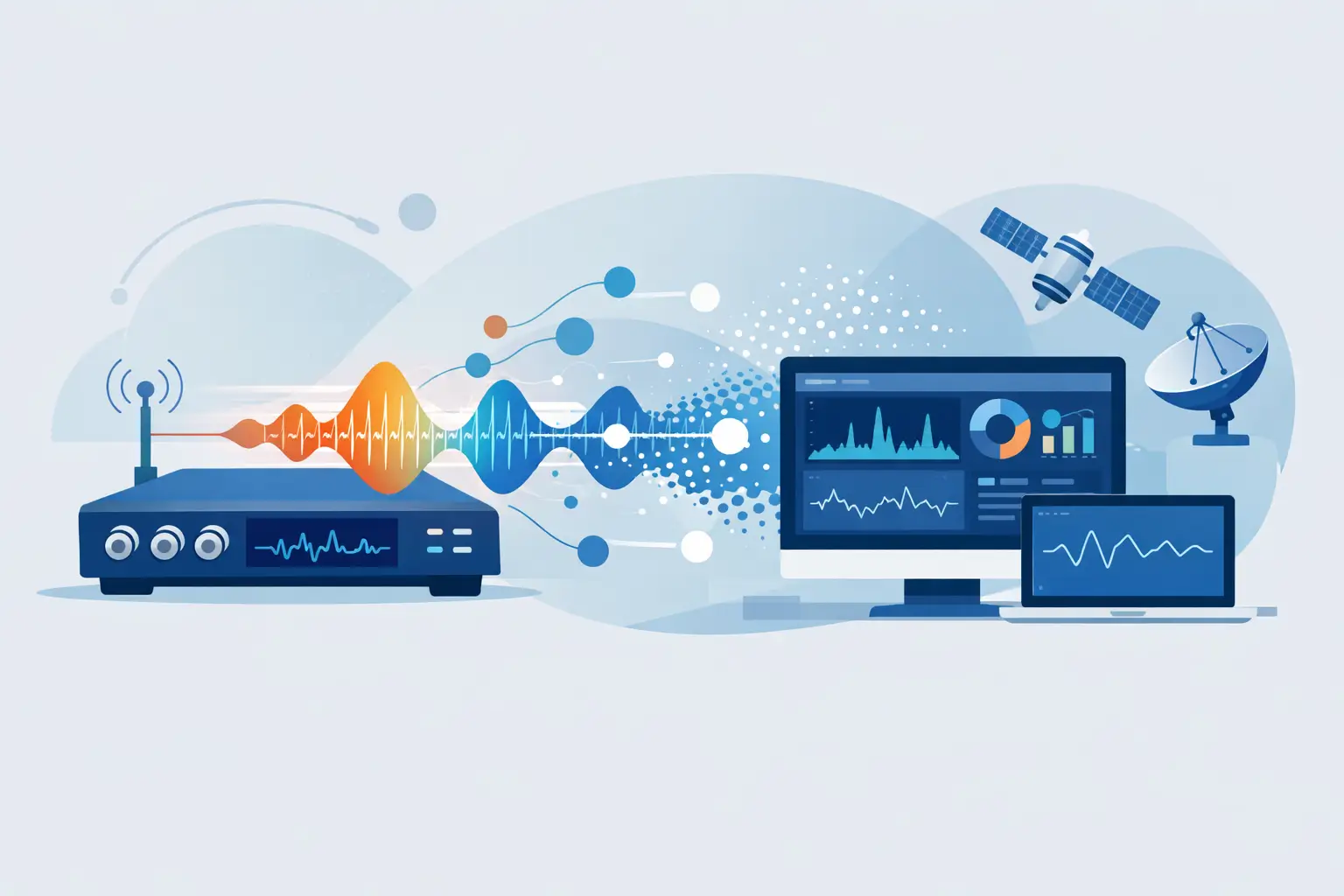
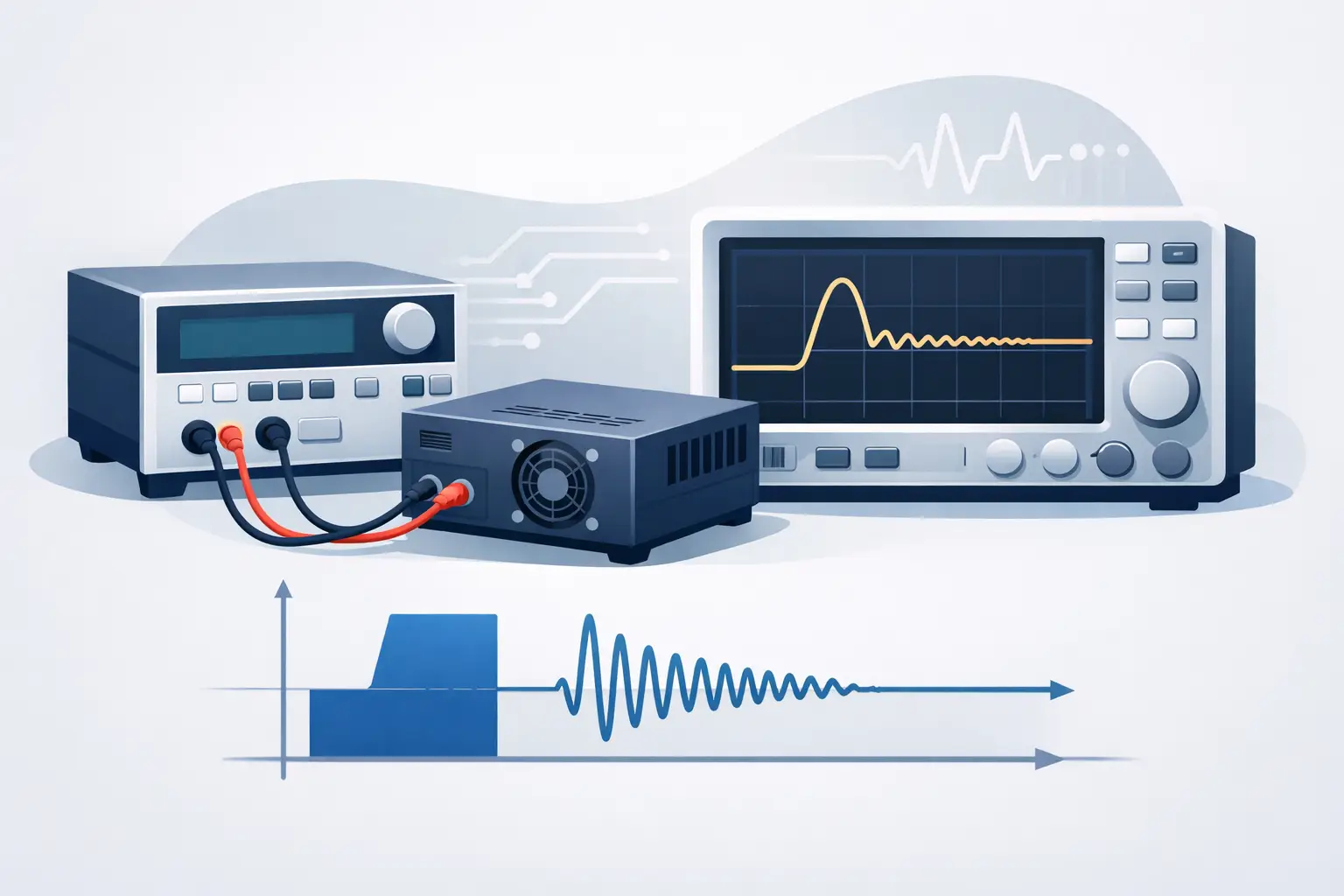
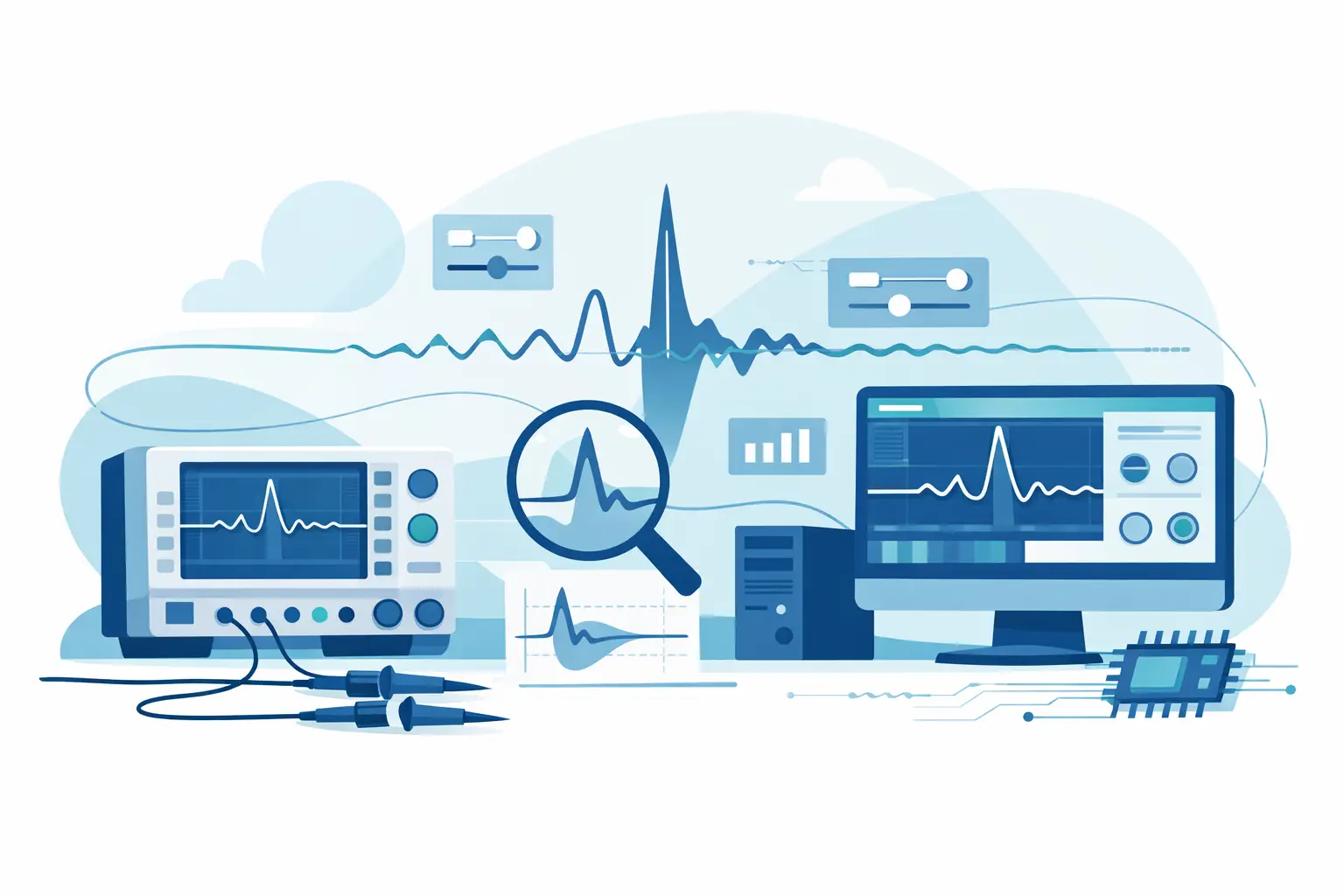
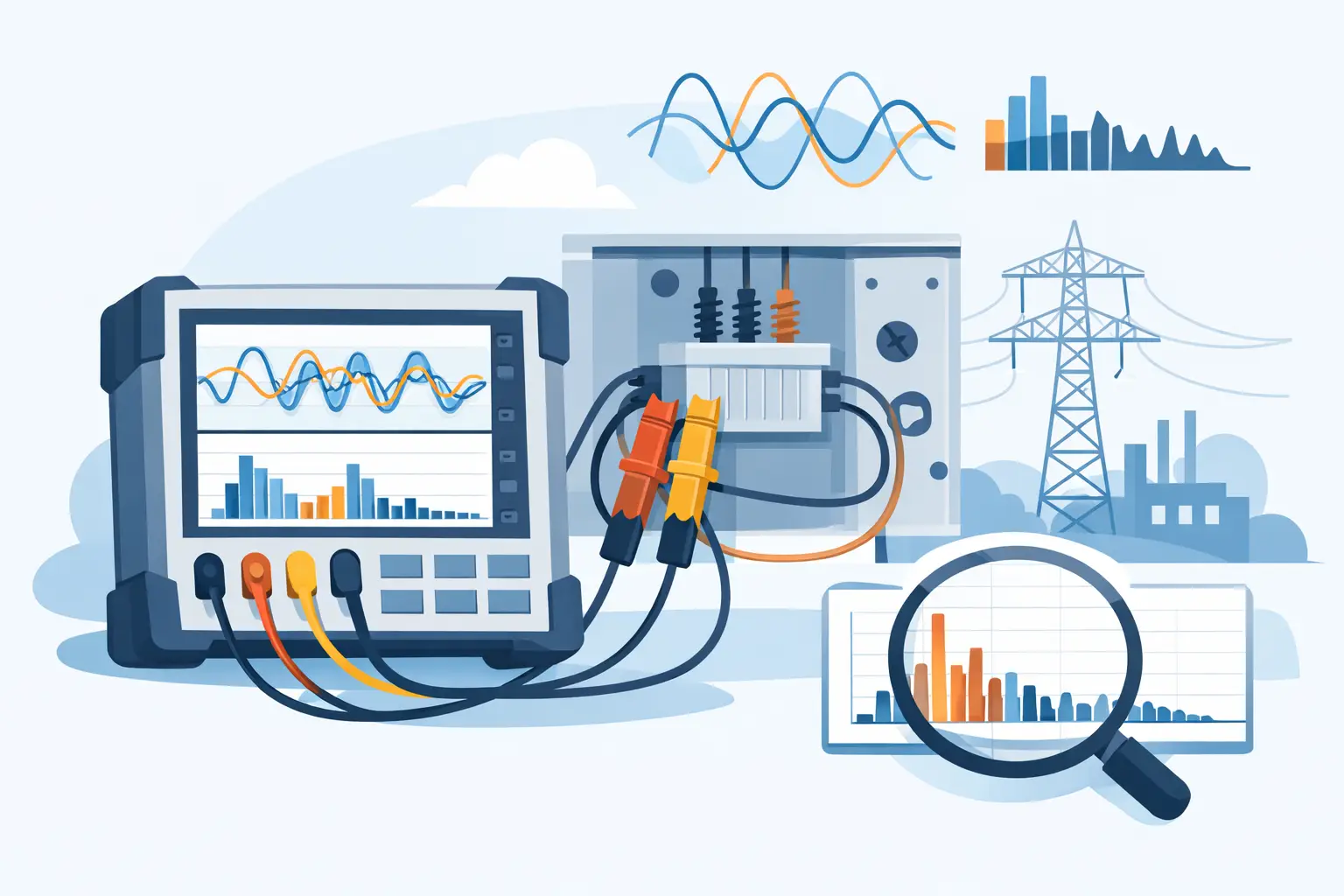
This is where many buying decisions succeed or fail. Modern power electronics rarely produce clean sinusoidal conditions. SiC and GaN switching, PWM motor drives, inverter outputs, and non-linear loads create complex waveforms that challenge conventional instruments.
If your application includes high-frequency content, do not treat bandwidth as a secondary consideration. Limited bandwidth can suppress significant components and produce misleading power, crest factor, or harmonic results. At the same time, wider bandwidth is not automatically better if it comes with more noise or less stability than your measurement task requires.
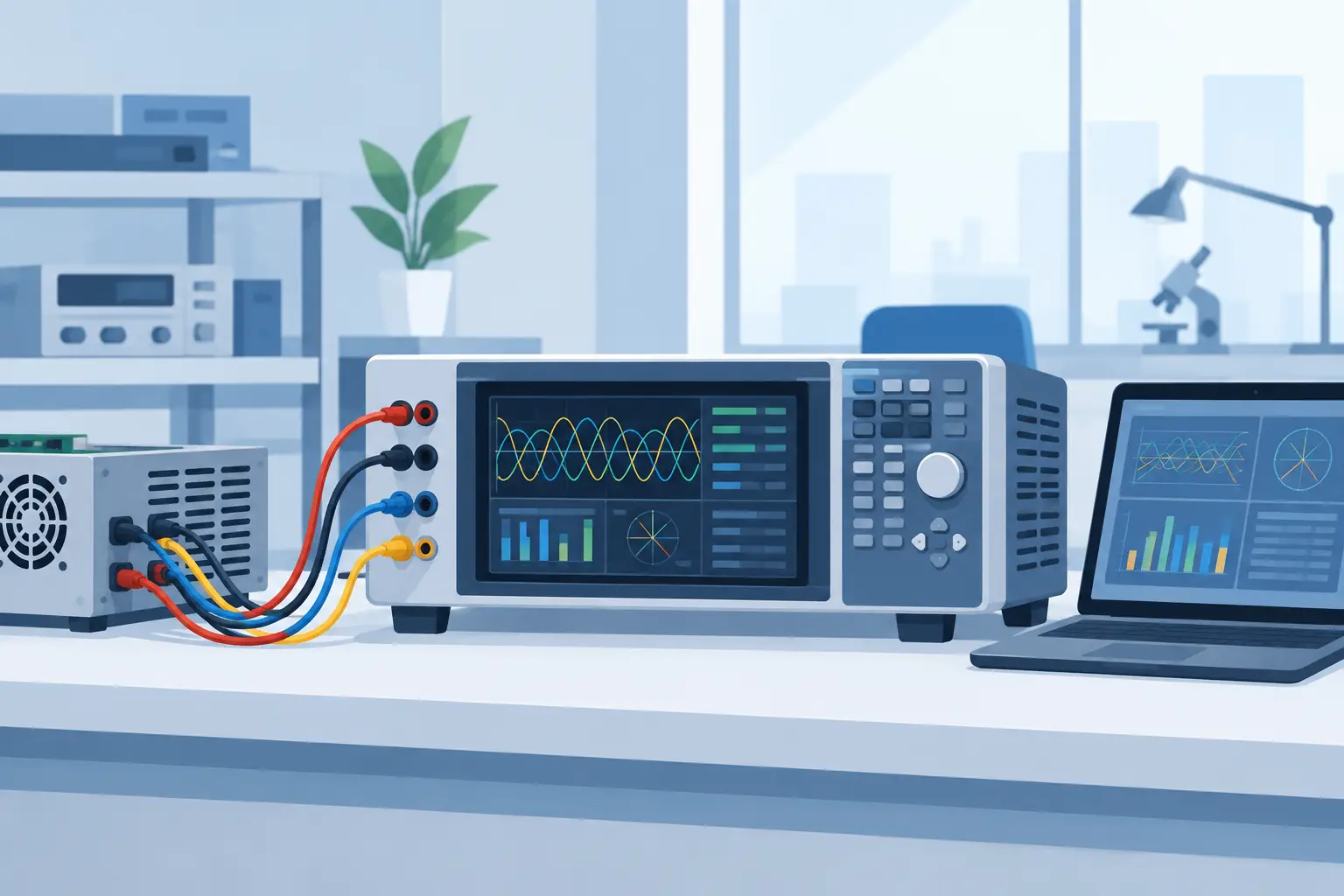
Sampling architecture deserves the same scrutiny. Ask how the instrument captures voltage and current synchronously, how it handles aliasing, and whether it computes derived values from true sampled waveforms or from simplified assumptions. In dynamic applications, update rate and transient response can matter as much as steady-state accuracy.
For switching power conversion work, the practical question is simple: can the system preserve the waveform details that drive your engineering decisions?
Channel count and system architecture
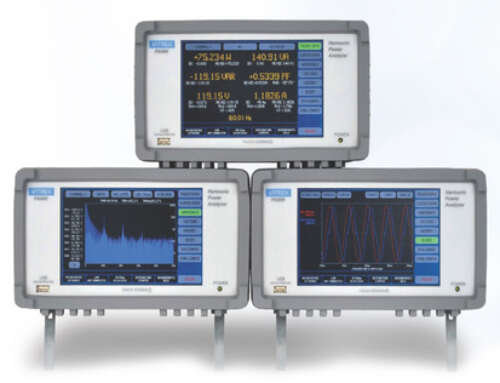
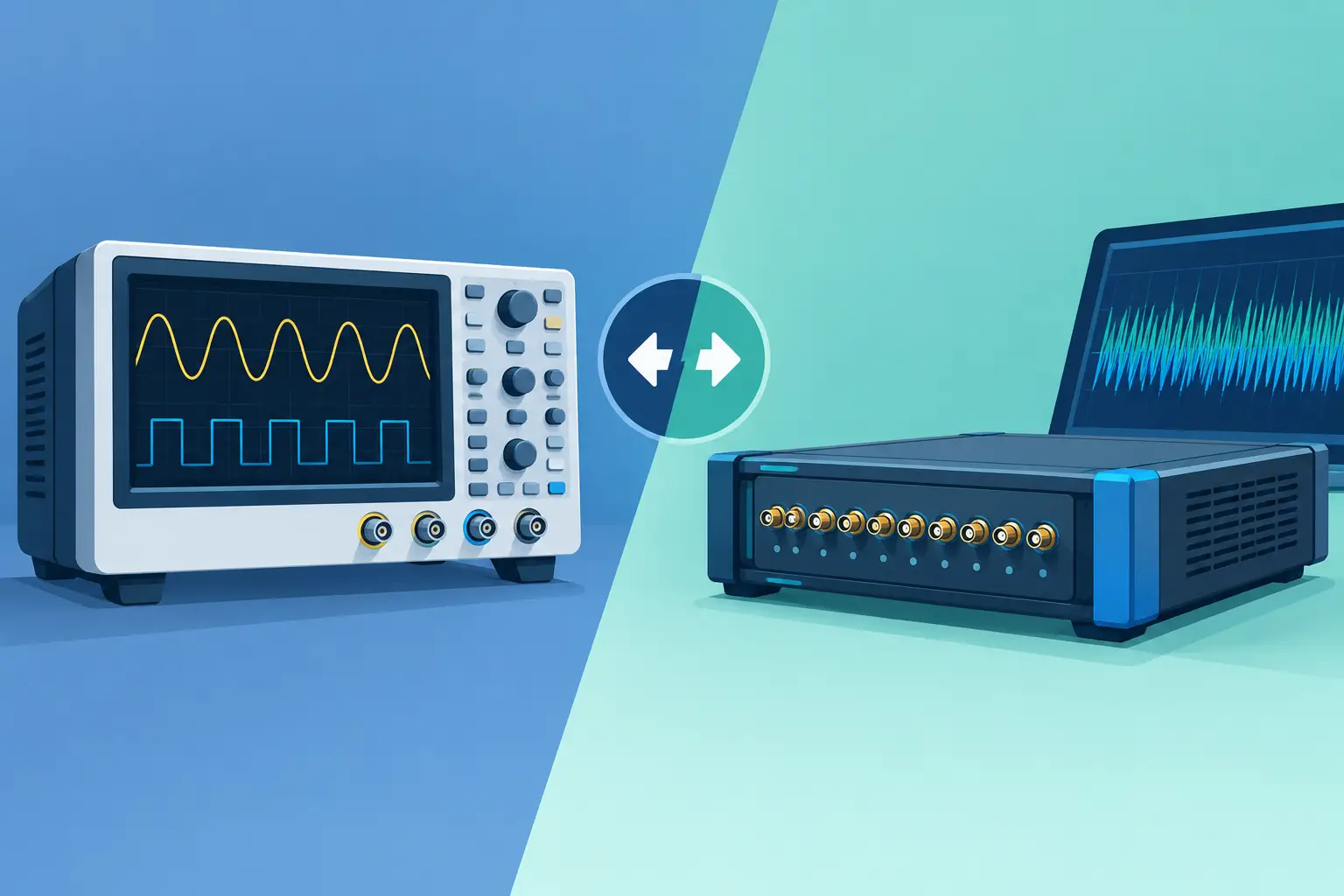
A single-channel bench instrument may be sufficient for isolated component testing. It is often inadequate for three-phase power, inverter and motor analysis, multi-input systems, or synchronized subsystem measurements.
Channel count should be chosen around both current needs and likely program growth. Engineers often start with a narrow test plan and discover later that they need to correlate DC bus input, three-phase output, auxiliary rails, and torque or speed data in one time-aligned record. Replacing the instrument after deployment is usually more expensive than selecting a scalable platform from the start.
Synchronization with external instruments is another buying factor that deserves attention. If you need to combine power data with temperature, vibration, control signals, switching node observation, or data acquisition systems, timing integrity becomes part of the measurement requirement.
Sensors, ranges, and the realities of current measurement
Current measurement is often the weak link in a precision power setup. The analyzer may be excellent, but poor sensor selection will degrade the result. Shunts, current transformers, and Hall-effect or fluxgate transducers each have advantages and limitations.
Shunts can provide strong accuracy and phase performance at lower currents, but they introduce insertion loss and thermal concerns. Current transformers work well in many AC applications, but they are not suitable for DC. Hall-effect devices offer flexibility, though their offset and temperature behavior may not support the tightest uncertainty budgets. Fluxgate technologies can be a better fit for high-accuracy DC and AC work, but cost and integration complexity increase.
Buyers should evaluate the full measurement chain, not just the analyzer input specification. That includes sensor bandwidth, linearity, phase shift, burden effects, conductor geometry, and calibration traceability.
Compliance and traceability are buying criteria, not paperwork
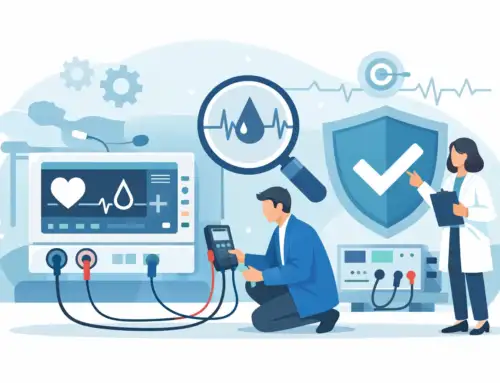
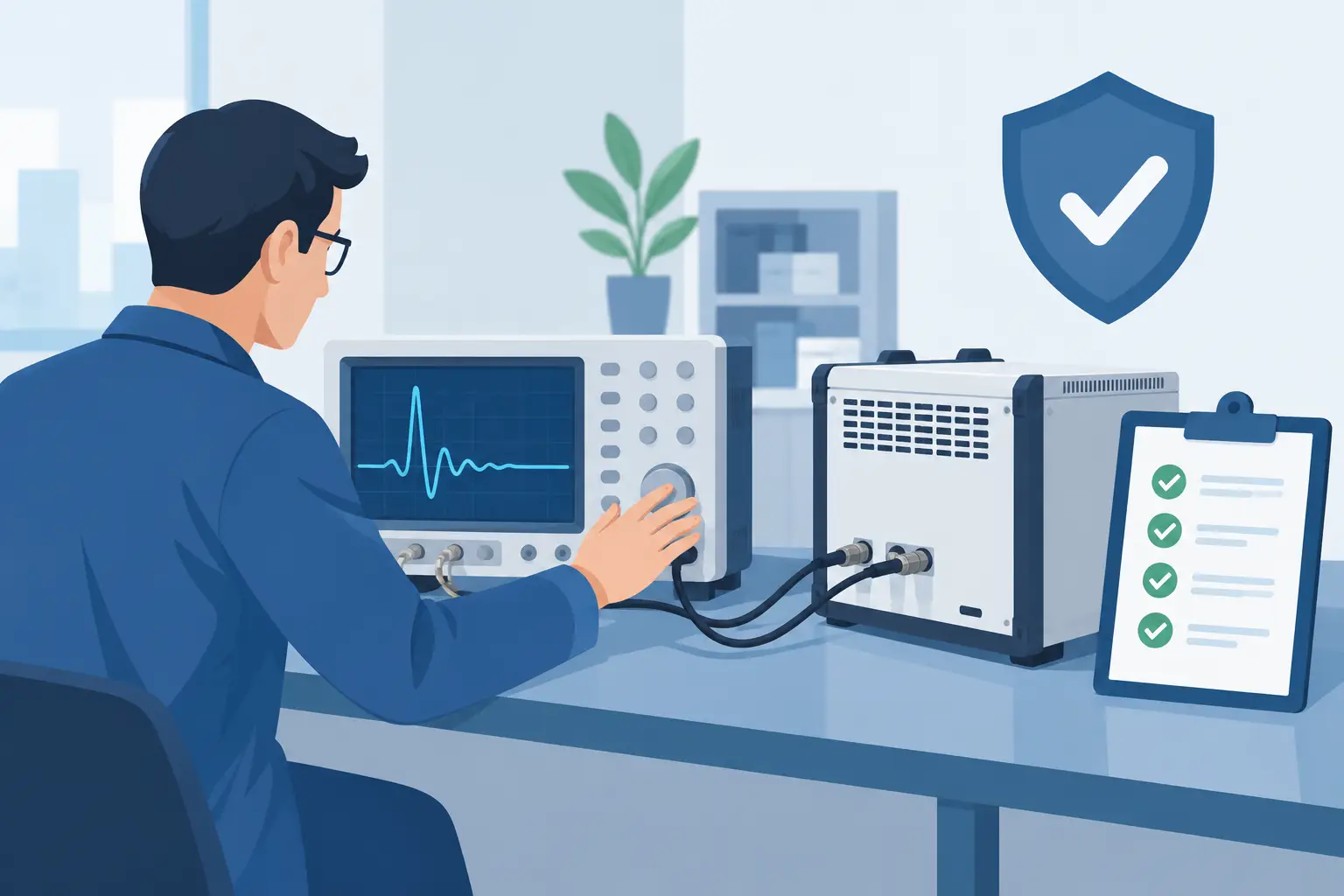
In aerospace, medical, automotive, defense, and appliance sectors, measurement data often needs to stand up to more than internal review. It may support formal validation, customer acceptance, certification, or root-cause investigation.
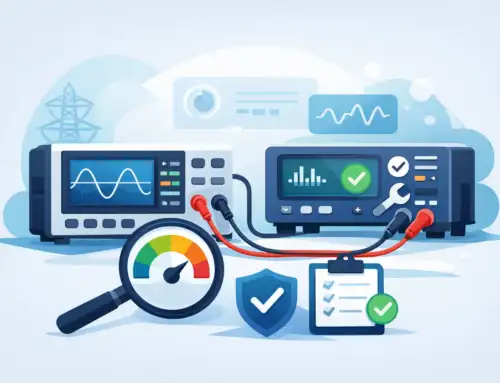
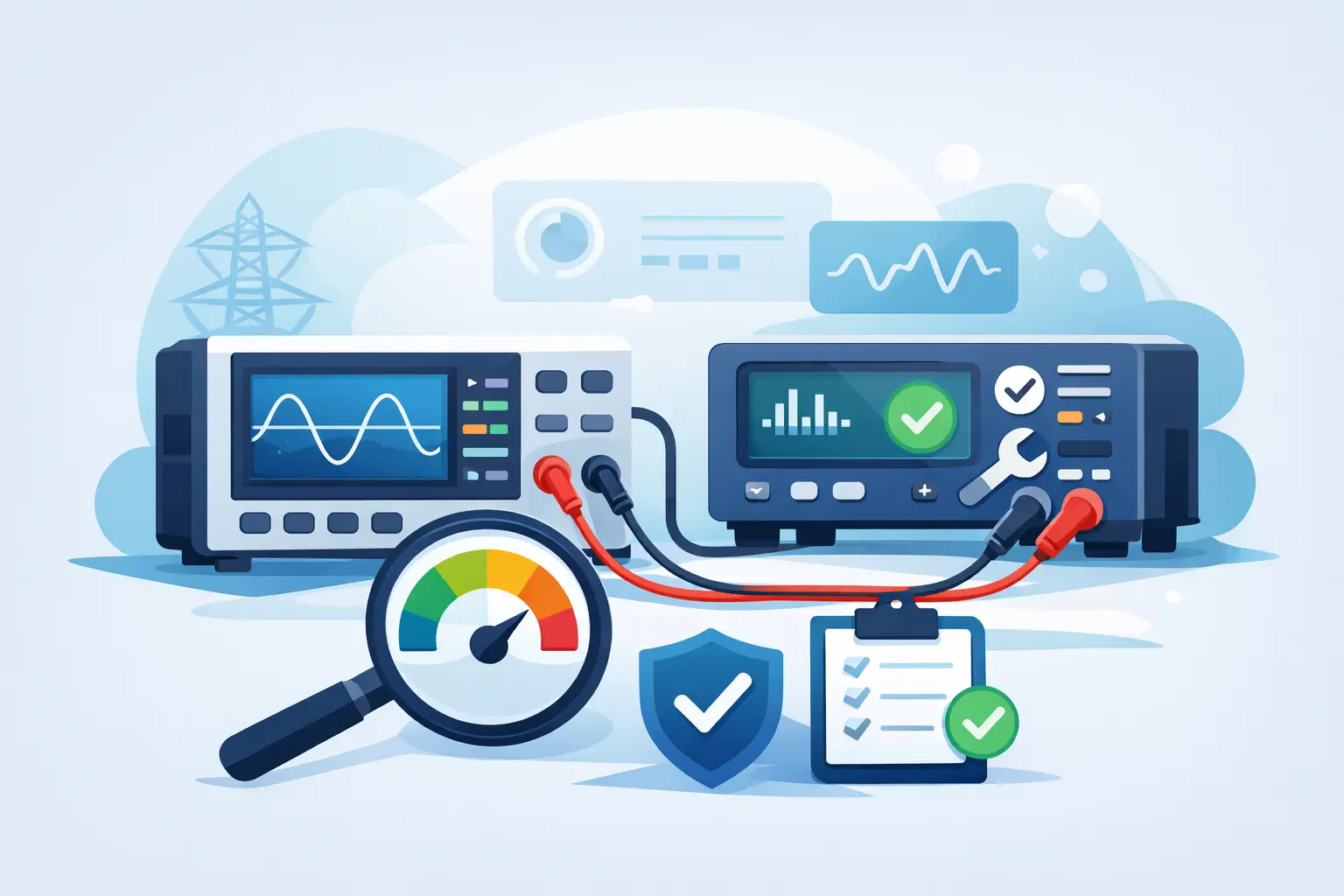
That means traceable calibration, documented uncertainty, and alignment with relevant standards should be considered during instrument selection. A lower-cost device with unclear calibration pedigree or limited documentation can become expensive once auditors, customers, or certification bodies ask how results were established.
The same applies to data retention and reporting. If your operation needs controlled procedures, user permissions, standardized test sequences, or consistent report output across sites, software capability is not optional. It is part of the compliance infrastructure.
Software, automation, and integration often decide total value
A power measurement instrument should fit the workflow around it. Bench usability matters, but for many organizations the larger value comes from automation, remote control, data export, APIs, and compatibility with existing test environments.
R&D teams may need scripting access and high-volume data capture for design iteration. Manufacturing groups may need operator-guided sequences and pass-fail logic. Quality teams may need repeatable report generation and secure result handling. Procurement teams should ask not only what the instrument measures, but how efficiently those measurements move into the organization’s broader validation process.
This is also where support quality matters. Documentation, application expertise, firmware maturity, and calibration service can affect uptime and adoption far more than a minor specification difference between competing models.
How to compare instruments in a precision power measurement buyer guide
A useful comparison should put each candidate through your actual application profile. Build a short list based on waveform type, voltage and current ranges, frequency content, required uncertainty, channel count, and integration needs. Then test the vendors’ claims against the operating conditions that matter most.
Ask for example data, not just datasheets. Review how accuracy changes over range, temperature, and power factor. Confirm whether the instrument supports your needed math functions, harmonic analysis, efficiency calculations, or transient capture modes. If the environment is production-facing, assess setup speed, user control, and fixture compatibility.
Cost should be evaluated over service life, not purchase price alone. Calibration intervals, downtime risk, application support, software licensing, and future expandability all affect real ownership cost. In many engineering environments, the cheapest instrument is the one most likely to create expensive uncertainty later.
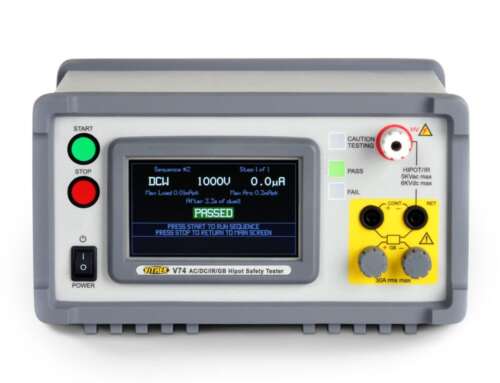
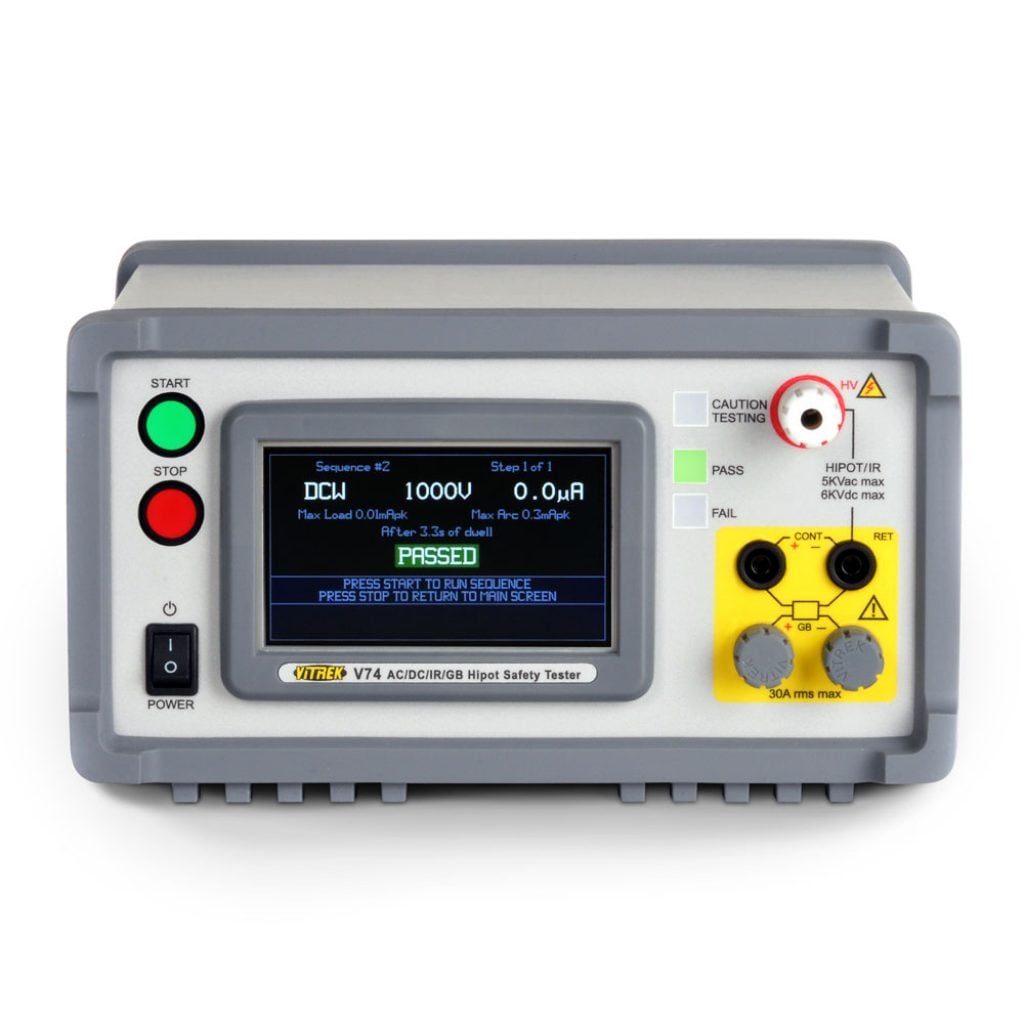
For buyers working across safety, power, and data acquisition requirements, a supplier with broad instrumentation depth can reduce integration effort and simplify support. That is particularly relevant when programs span R&D, validation, and manufacturing under one quality framework, as many Vitrek customers require.
Common buying mistakes
One common mistake is selecting by headline accuracy without examining dynamic performance. Another is underestimating the impact of current sensing and fixturing. A third is treating software as an afterthought until test volumes rise and manual workflows become the bottleneck.
There is also a tendency to buy for the present test only. If your roadmap includes higher switching frequencies, broader electrification work, tighter efficiency targets, or multi-site standardization, those future requirements should influence the choice now.
The best instrument is not the one with the longest feature list. It is the one that produces defensible data under your real operating conditions, integrates cleanly into your process, and keeps doing so through calibration cycles, audits, and design changes.
A careful purchase decision should leave your team with fewer arguments about data and more confidence in what the data is saying. That is usually the clearest sign you bought the right system.