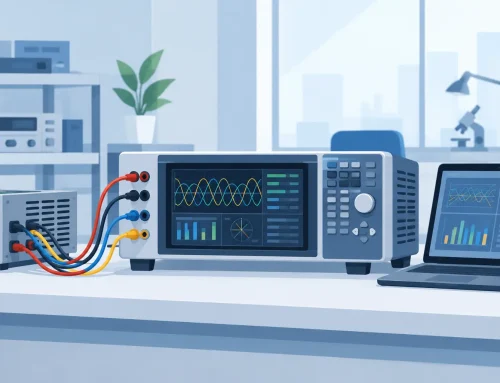
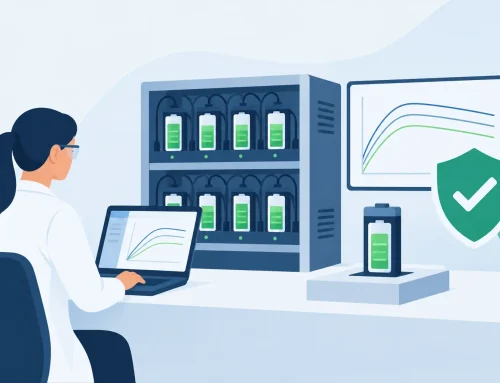
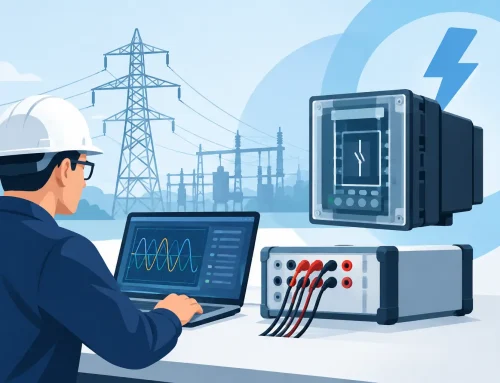
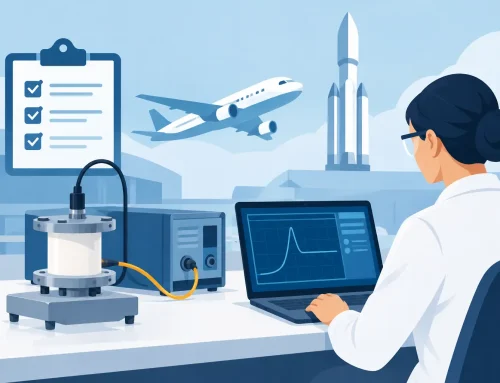
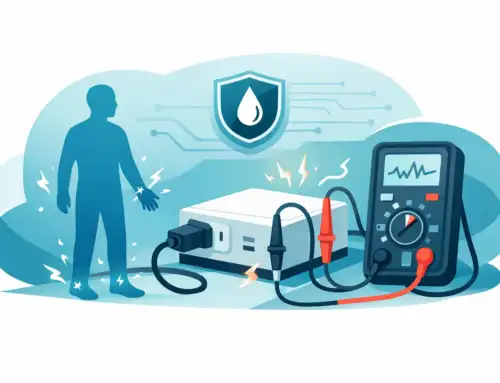
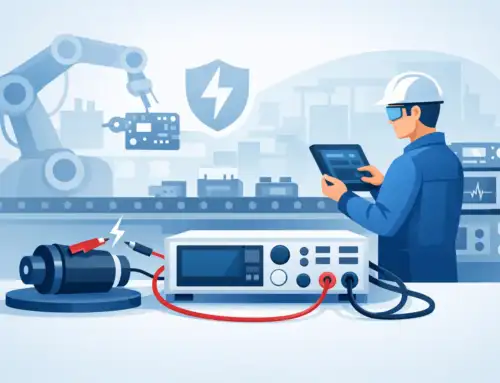
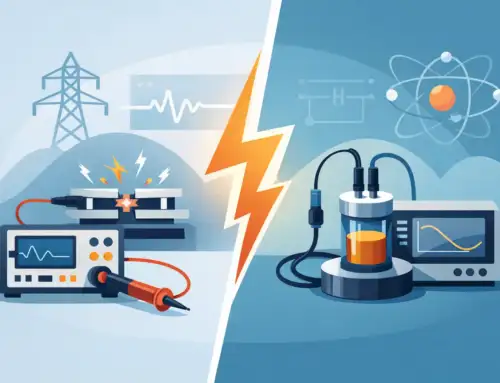
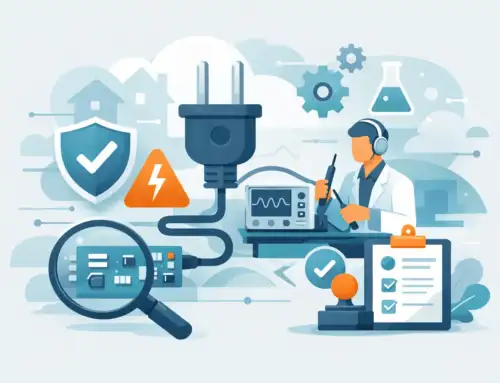
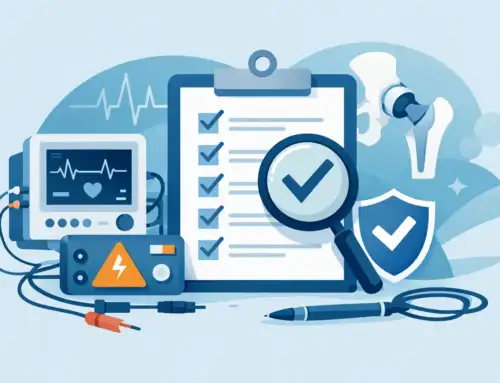
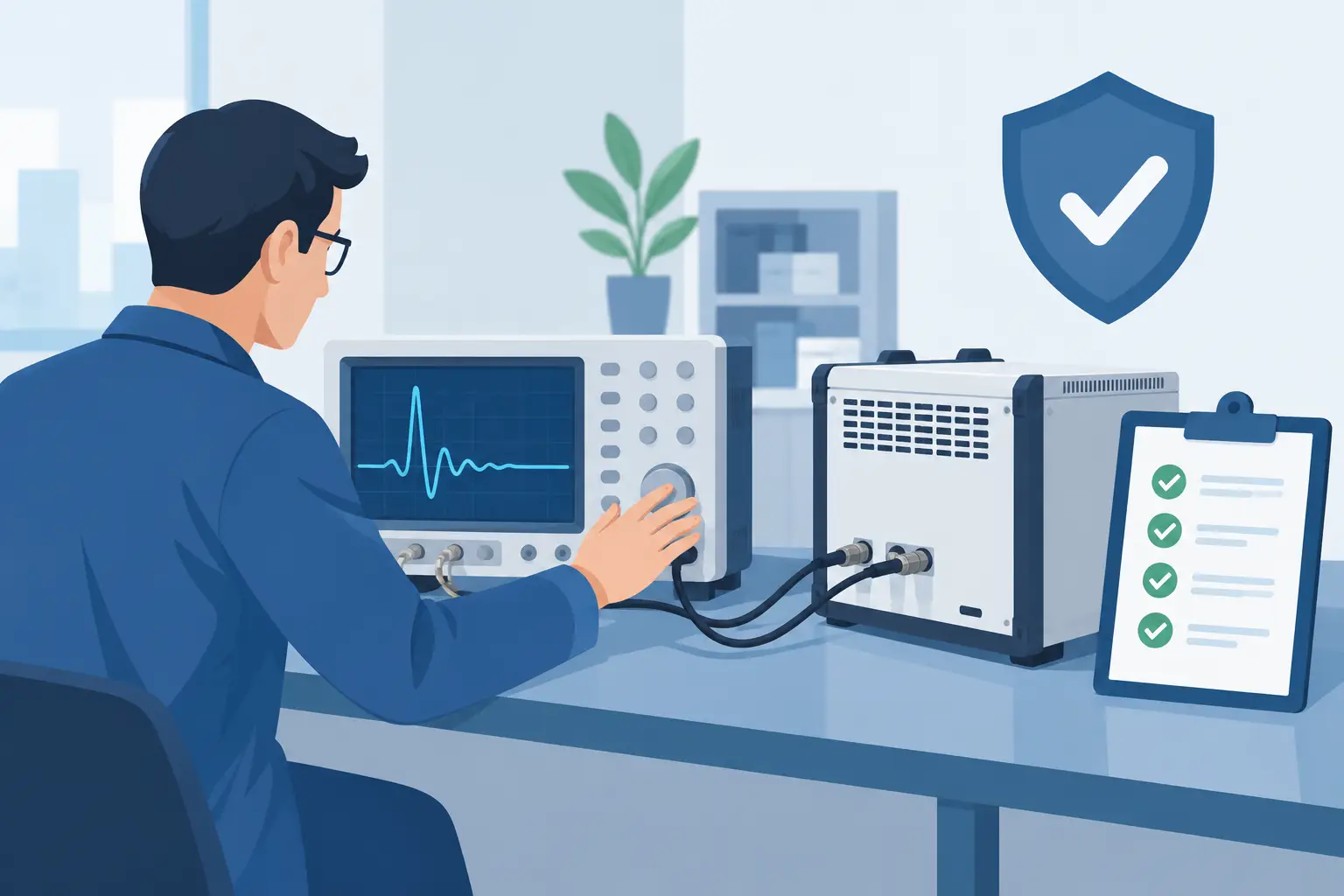
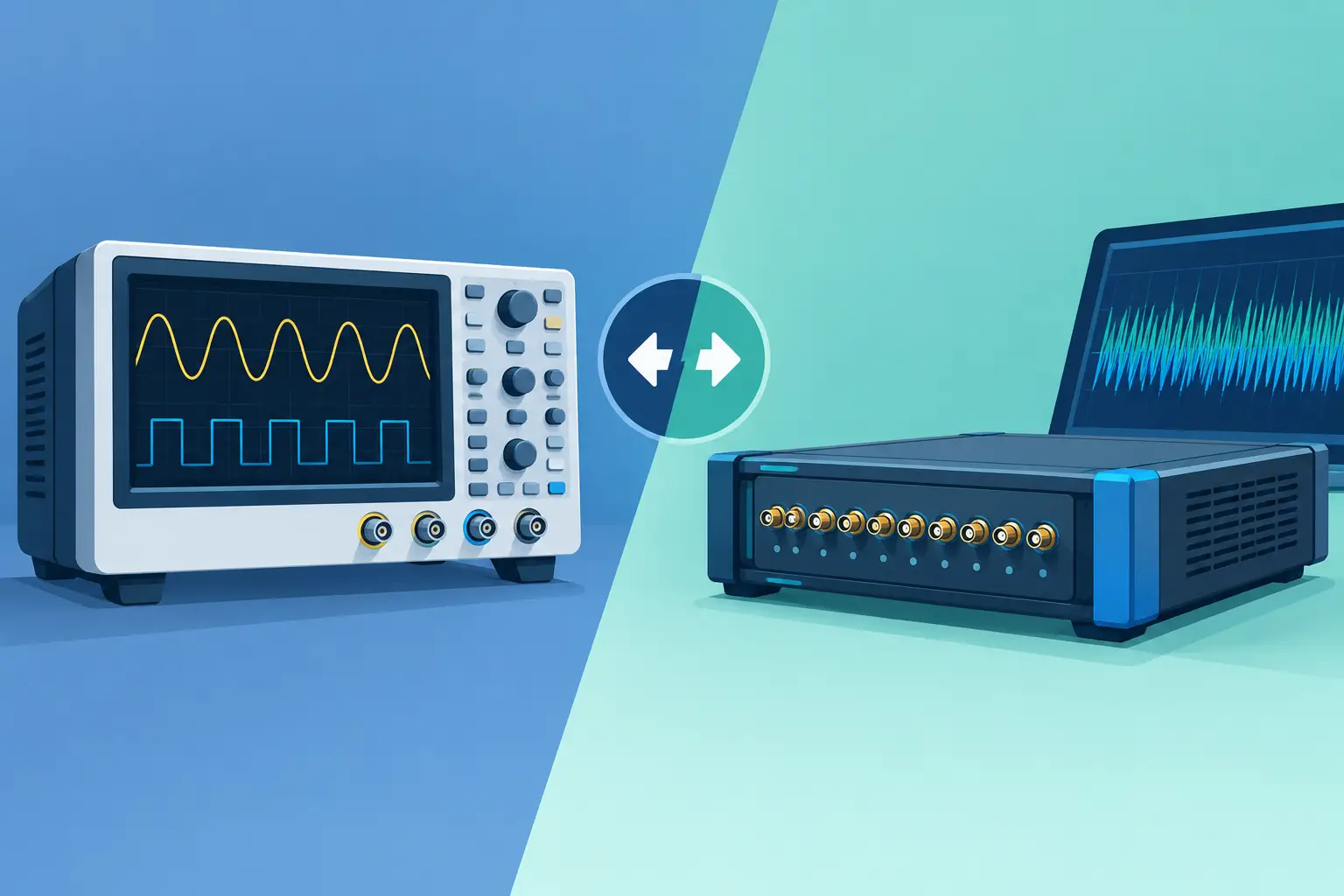
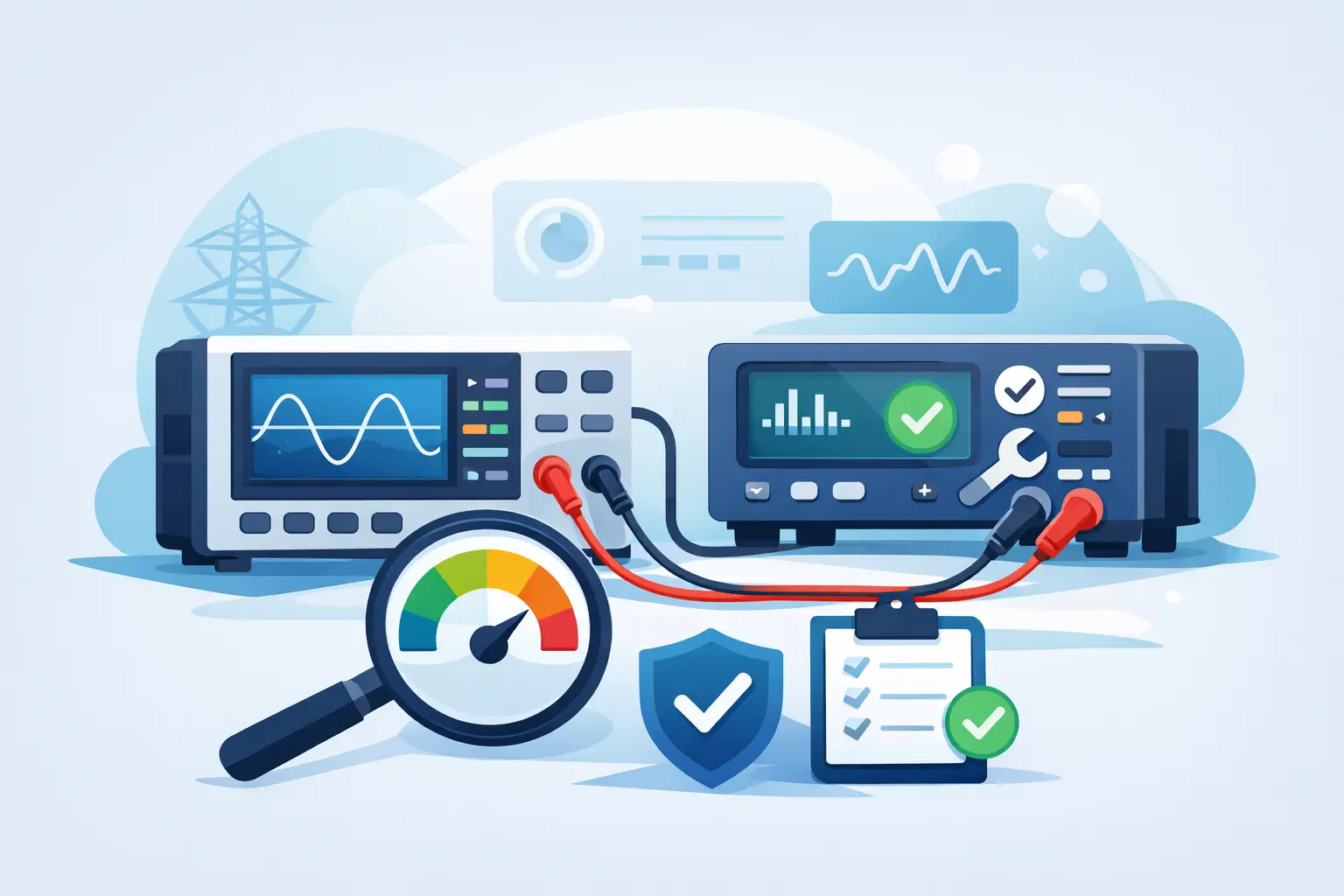
A failed power measurement rarely looks dramatic at first. More often, it shows up as a half-point efficiency discrepancy, an unstable harmonic reading, or a production test limit that keeps drifting between shifts. That is where a serious precision power analyzer review becomes useful – not as a feature checklist, but as a way to determine whether an instrument can hold up under real electrical test conditions.
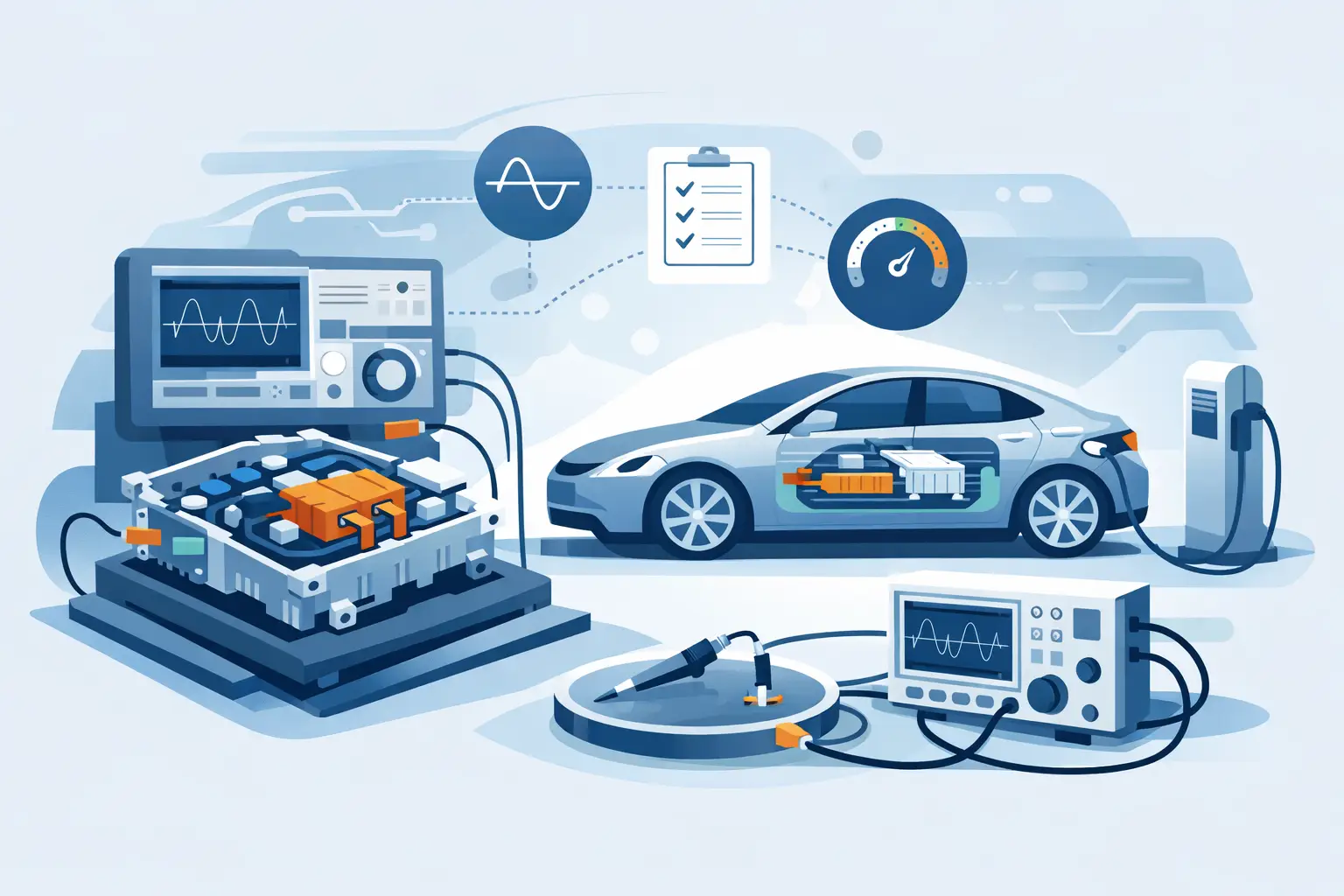
For engineering teams working in EV, aerospace, medical, industrial electronics, or power conversion, the wrong analyzer does more than slow down test. It introduces uncertainty into validation, certification, and manufacturing decisions. A credible review has to examine metrology, dynamic behavior, system integration, and long-term usability together.
What a precision power analyzer review should actually evaluate
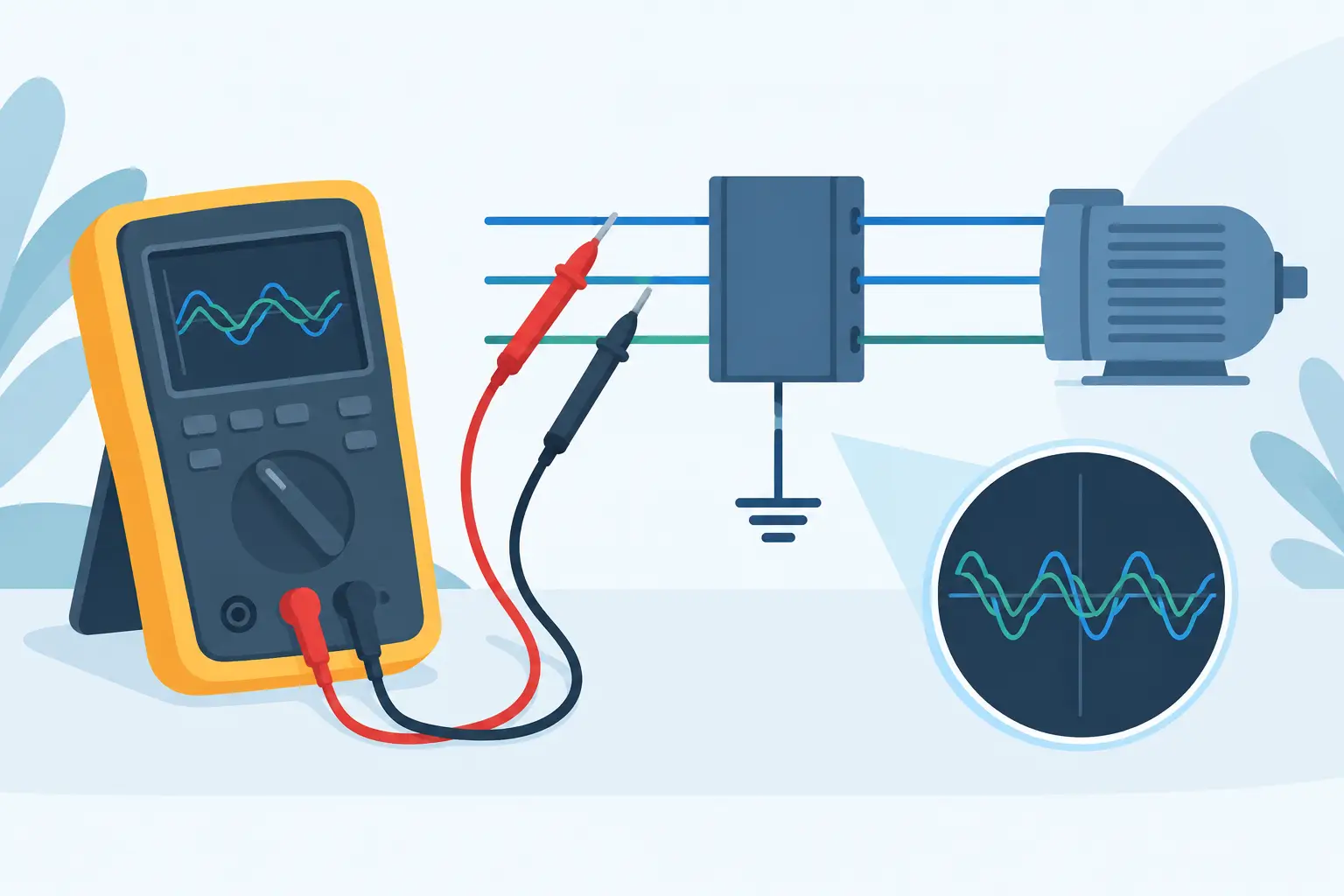
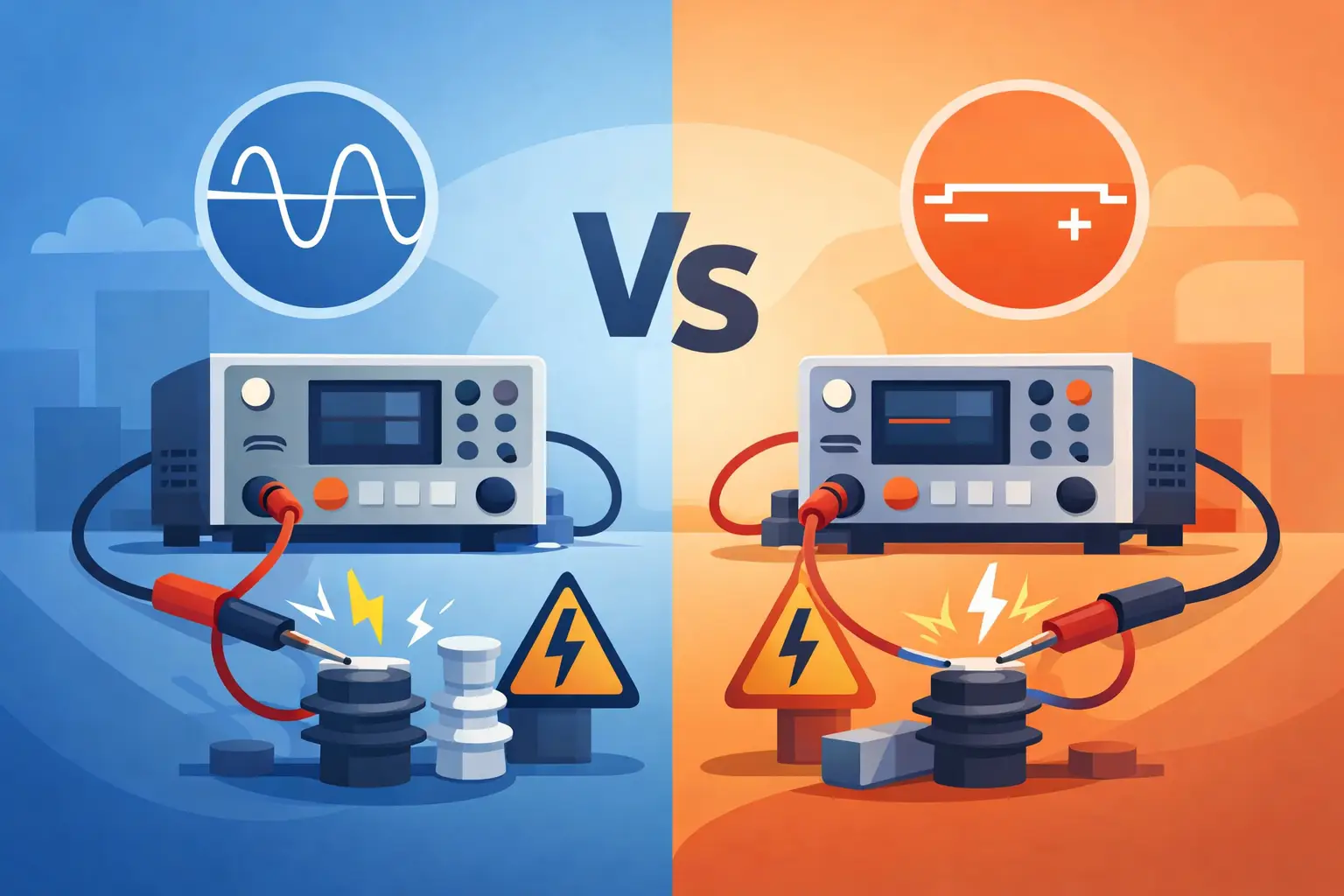
Many reviews overemphasize display features or basic measurement ranges. Those factors matter, but they are not the first place experienced users should look. In practice, analyzer quality is determined by how well it measures under non-ideal conditions: distorted waveforms, low power factor, wide frequency variation, transient loading, and mixed AC and DC environments.
A meaningful precision power analyzer review starts with base accuracy, but it cannot stop there. Accuracy specifications need context. Is the stated figure valid only at 23 C after a narrow warm-up period, or does it remain credible across the operating range your lab or production floor will actually see? Are voltage, current, power, phase, and frequency uncertainties specified clearly, or buried in separate notes that complicate comparison?
Phase accuracy deserves special attention. In inverter, motor drive, transformer, and switched-mode power applications, phase error can materially affect power calculations, especially at low power factor. An analyzer with excellent voltage and current accuracy can still produce misleading power data if phase performance is weak.
Accuracy is only part of the story
When engineers compare instruments, the headline ppm or percentage figure often gets the most attention. That is understandable, but incomplete. Precision power measurement depends on the full measurement chain: input conditioning, sampling architecture, timing integrity, current transducer compatibility, and computational methods.
For example, the analyzer may be paired with shunts, current transformers, or sensors that affect total uncertainty. If the instrument supports external transducers, the review should consider whether scaling, phase compensation, and calibration workflows are well implemented. If they are not, nominal analyzer performance may never translate into usable system performance.
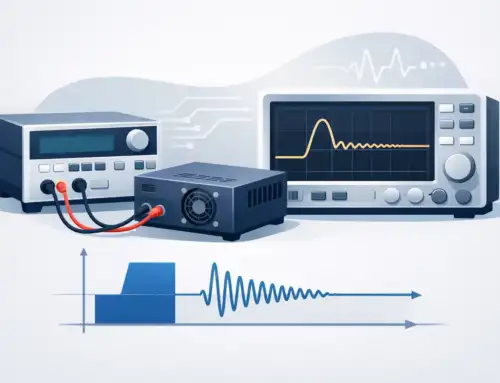
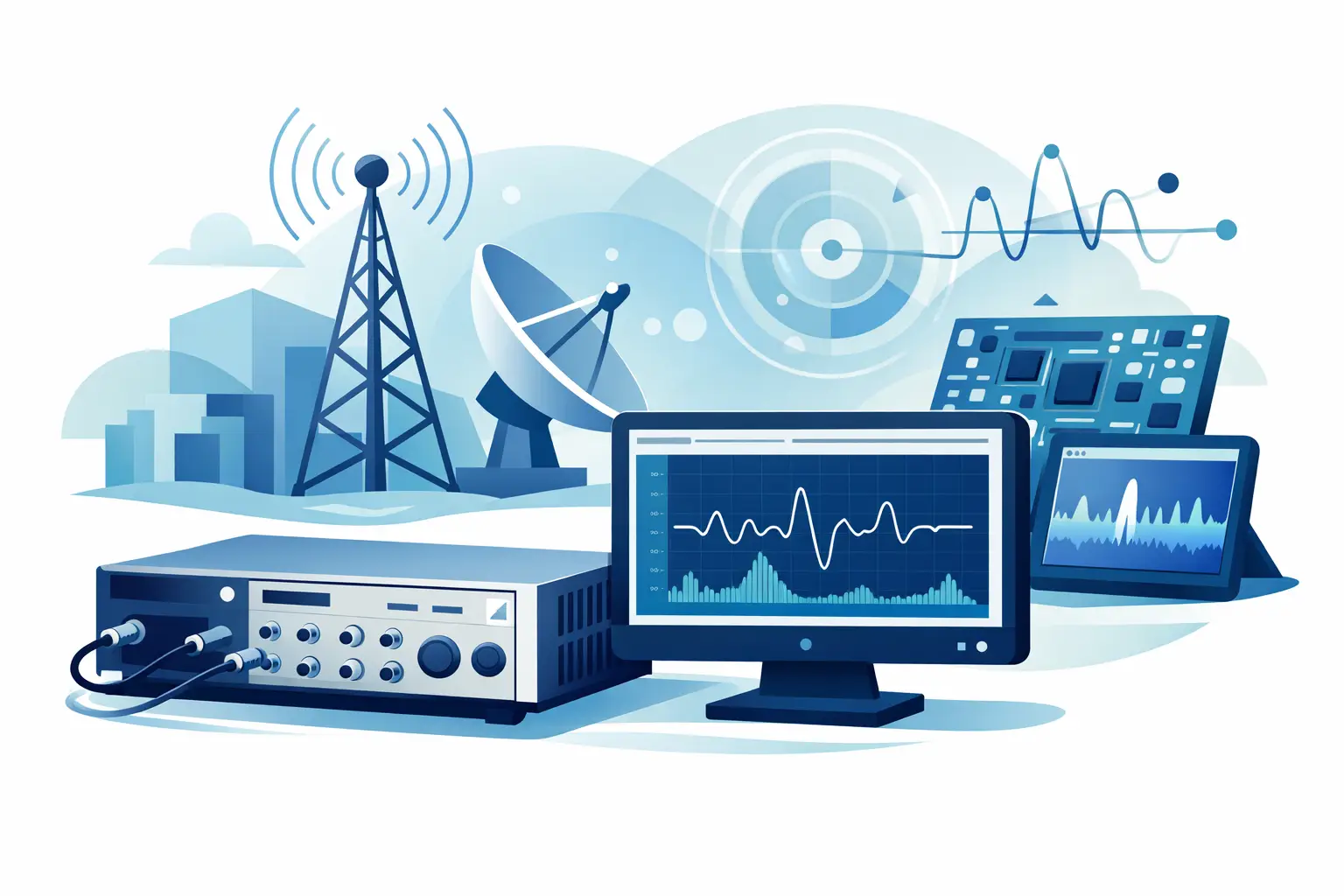
Bandwidth is another area where specifications can look better on paper than they perform in application. If your work involves PWM motor drives, high-frequency switching power supplies, or harmonic-rich waveforms, the useful question is not simply maximum bandwidth. It is whether the analyzer captures and processes that content accurately enough for the metrics you care about, whether that is total power, harmonics, ripple, or conversion efficiency.
Dynamic response and waveform behavior
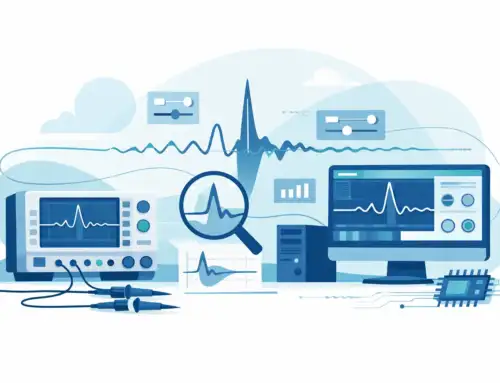
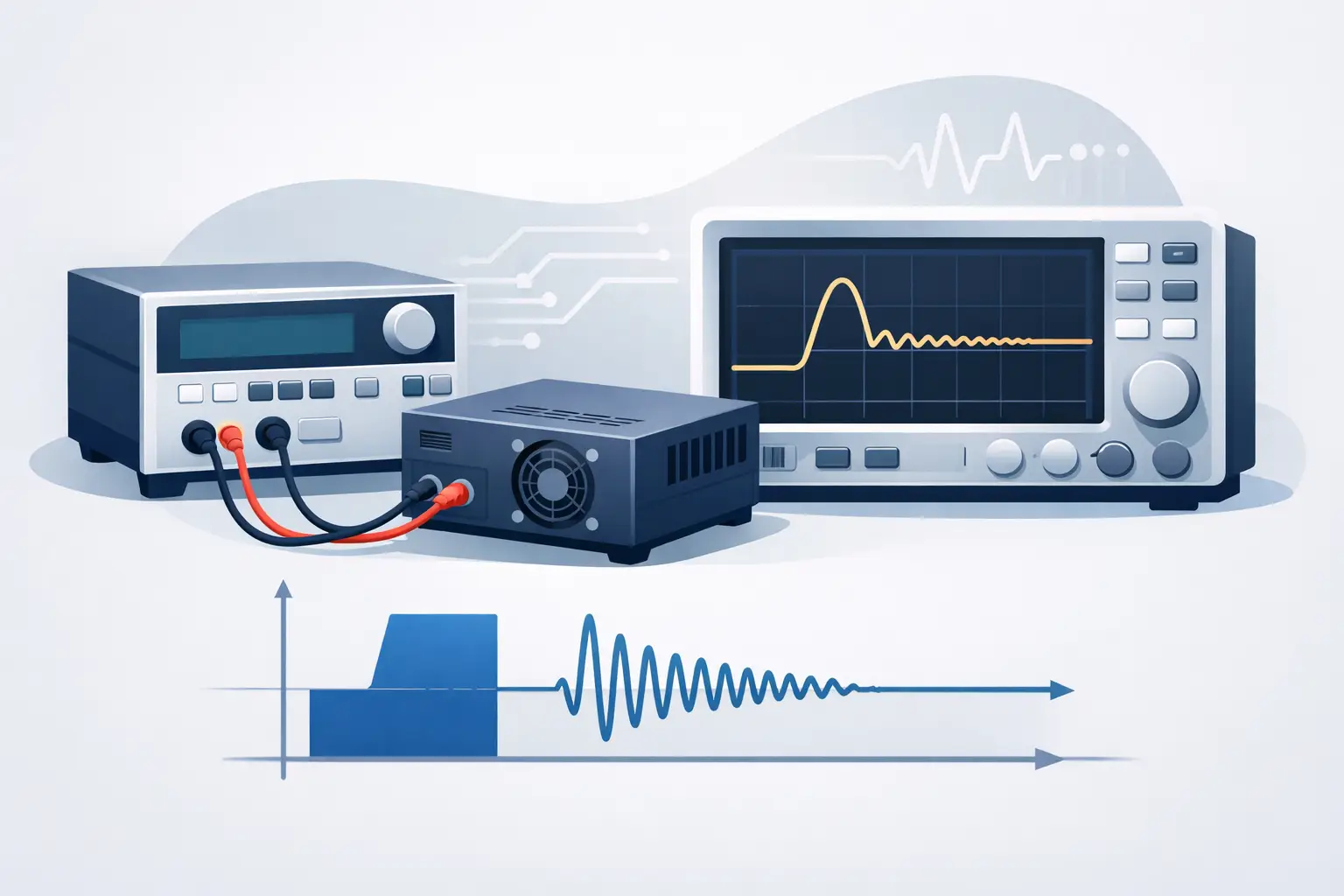
Static loads are easy. Real test environments are not. Loads step, drives switch, and control loops hunt. An analyzer review should ask how quickly the instrument settles after change, how it handles crest factor, and whether averaging settings hide events that matter.
In R&D, high-speed updates can help engineers diagnose control instability or switching loss behavior. In production, too much sensitivity can create noise in pass-fail decisions. The right balance depends on the use case. That is why dynamic response should be evaluated against the intended workflow rather than in isolation.
Harmonics, power factor, and compliance relevance
Power analyzers are often selected because a program needs more than volts and amps. Harmonic analysis, standby power testing, inverter efficiency, and regulatory verification all place different demands on the instrument.
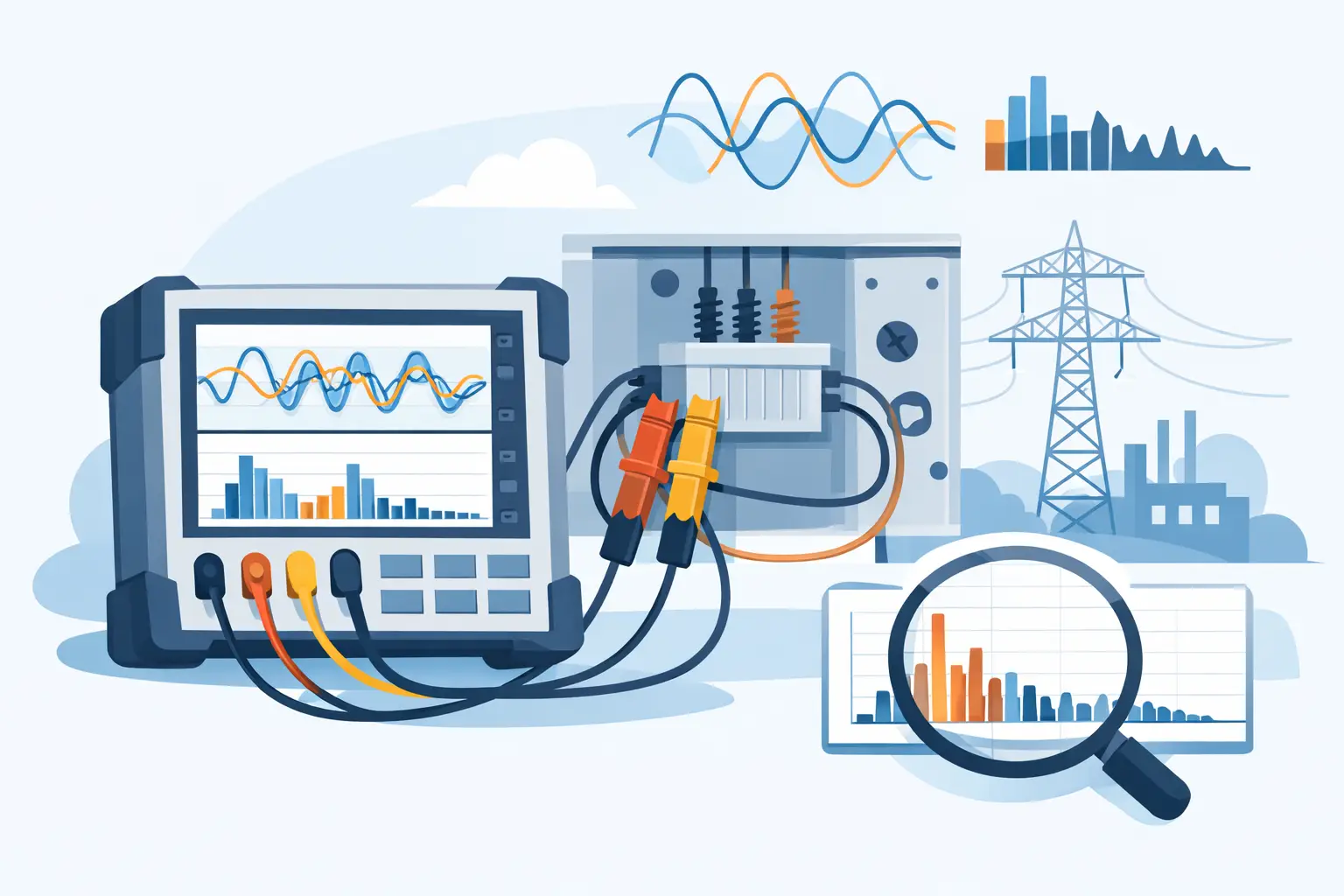
A strong precision power analyzer review should examine harmonic measurement depth, frequency tracking, and computation transparency. Can the analyzer maintain accuracy when the fundamental shifts? Does it support the harmonic order and analysis mode required by the applicable standard or engineering method? Are power factor and related values stable under distorted conditions, or do they become unreliable when waveforms depart from ideal sinusoidal behavior?
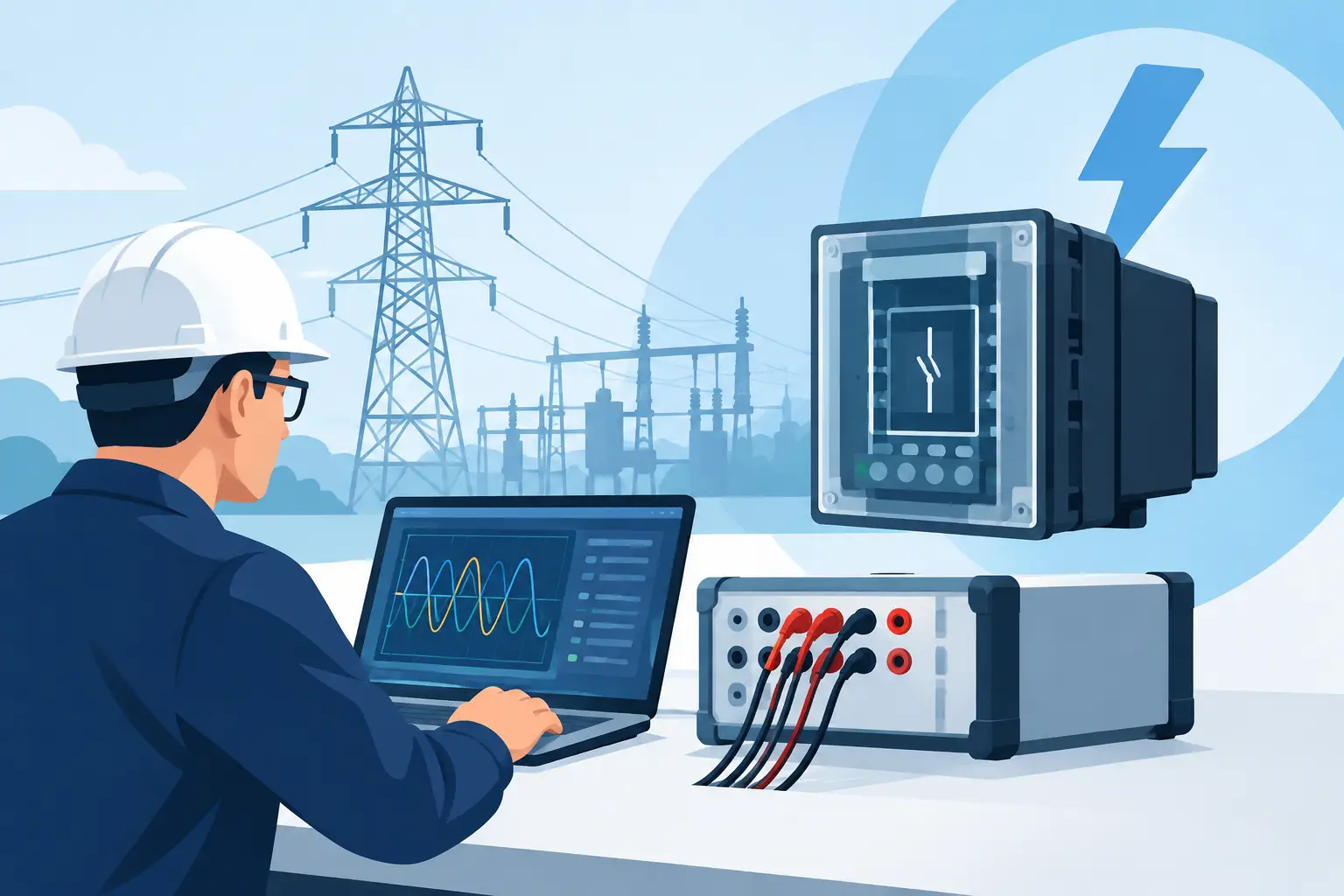
This is especially relevant in pre-compliance and standards-oriented environments. If a lab is working toward energy efficiency validation, appliance testing, or power quality assessment, the analyzer should align with the test method in more than a general sense. Resolution, integration timing, filtering behavior, and reporting format can all affect whether data is usable for formal documentation.
Channel count and system fit
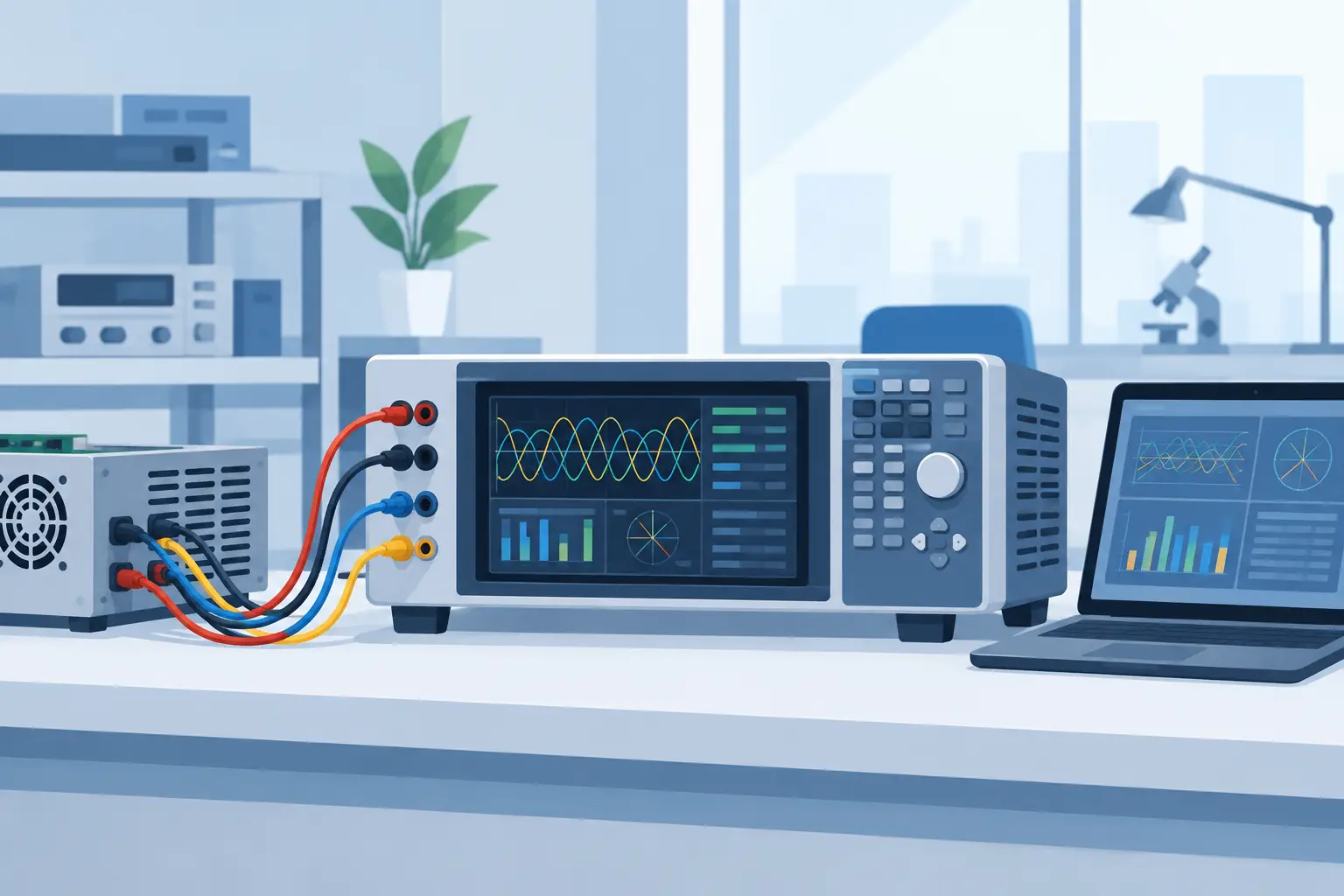
A single-channel analyzer may be sufficient for basic bench work. It is not sufficient for many modern power applications. Three-phase systems, inverter input-output studies, motor testing, and multi-node power distribution analysis quickly require more channels and tighter synchronization.
The best review questions whether the analyzer architecture matches the DUT. Can it support one-phase, three-phase, and mixed AC/DC measurements without forcing awkward workarounds? Are channels truly synchronized? Can users compare input and output power in one instrument with confidence, or do they need multiple devices and post-processing to complete the picture?
For development teams, this affects speed and confidence. For production teams, it affects fixture design, cycle time, and traceability. Buying more capability than needed can waste budget, but buying too little usually shows up later as a process limitation.
Software, automation, and data handling
An analyzer that performs well on the bench may still be a poor fit for automated test. Software support matters because measurement value increasingly depends on how data is captured, controlled, and exported.
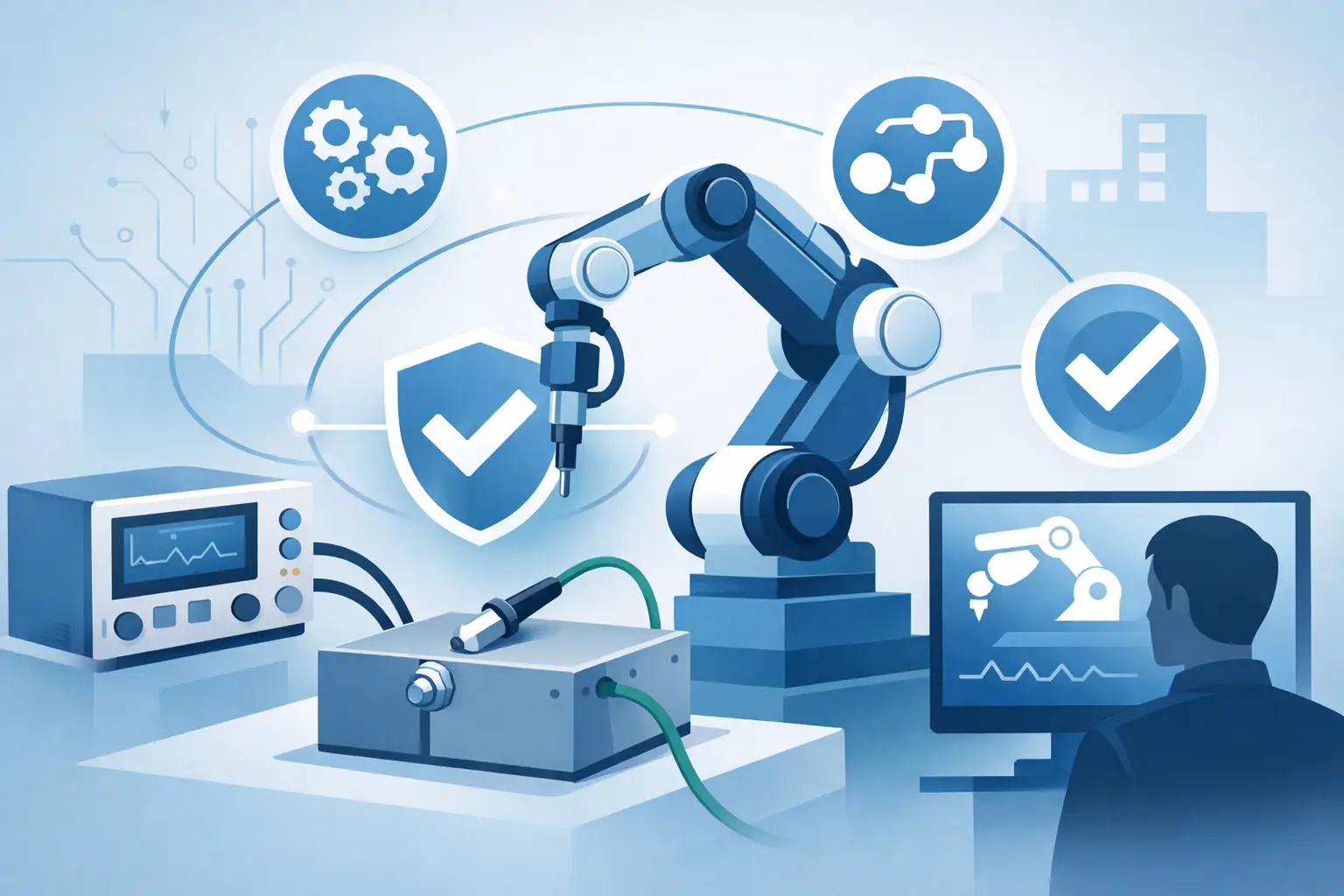
A serious review should examine command set maturity, driver availability, SDK support, and integration with lab and production environments. If the instrument will be used in automated validation or end-of-line systems, remote control behavior, trigger options, logging stability, and timestamp integrity become just as important as front-panel usability.
Data export is another practical checkpoint. Engineers often need both raw waveform insight and summarized power metrics. If the analyzer restricts access to one or the other, troubleshooting becomes slower. If the software environment is unstable or overly proprietary, the total cost of ownership rises even if the instrument itself is technically capable.
Mechanical quality and serviceability matter more than expected
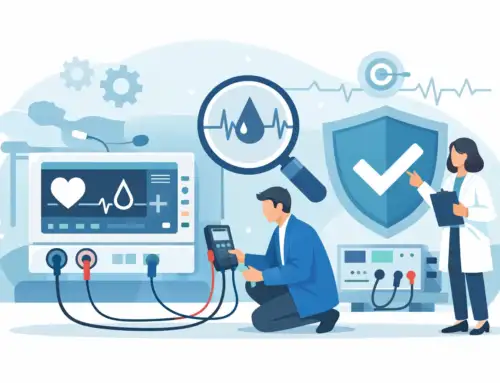
Industrial buyers do not purchase analyzers for occasional hobby use. They purchase them for repeated operation in laboratories, validation bays, and manufacturing cells where uptime and consistency matter. That shifts the review criteria toward mechanical design, calibration support, and vendor responsiveness.
Front-end protection, connector quality, thermal behavior, and enclosure durability all affect service life. So does calibration interval stability. If an analyzer requires frequent adjustment or has limited support infrastructure, the downstream cost can exceed any initial savings.
This is where established instrumentation manufacturers tend to separate from lower-cost alternatives. Documentation quality, application support, standards familiarity, and calibration traceability are not secondary benefits. In regulated or performance-critical environments, they are part of the instrument.
How to compare analyzers without oversimplifying the decision
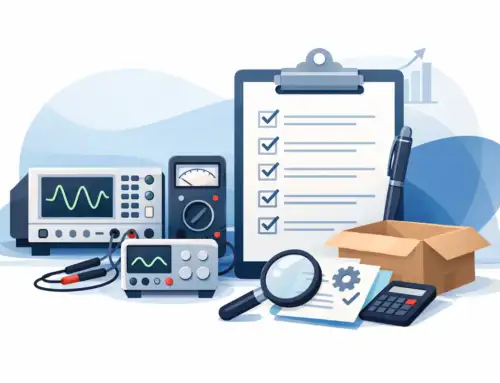
The most reliable buying process starts with the test requirement, not the product brochure. Define waveform type, frequency range, expected uncertainty, channel needs, compliance obligations, and automation requirements first. Then compare instruments against that framework.
A useful evaluation usually includes bench verification with representative loads. If the application involves inverter outputs, test with inverter outputs. If low standby power matters, evaluate at the bottom end of the range where noise and offset become significant. If production deployment is the goal, verify remote operation and throughput before making a decision.
It also helps to separate must-have requirements from future-proofing preferences. A lab may want maximum bandwidth, but if the current program is centered on line-frequency efficiency and harmonics, channel synchronization and low power factor accuracy may deserve greater weight. The right analyzer is the one that reduces uncertainty in the measurements that actually drive decisions.
Precision power analyzer review: what experienced buyers notice
Experienced users usually spot the same patterns quickly. Strong analyzers provide clear uncertainty statements, stable results across varied conditions, credible harmonic and phase performance, and software that supports real test workflows. Weak analyzers rely on attractive headline specifications while leaving too much ambiguity in transducer handling, dynamic behavior, or standards alignment.
That does not mean there is one best instrument for every environment. A research lab, a compliance team, and a high-volume manufacturing line can all arrive at different purchasing decisions for valid reasons. The better question is whether the analyzer supports repeatable, traceable, application-relevant measurement without forcing users to compensate for its limitations.
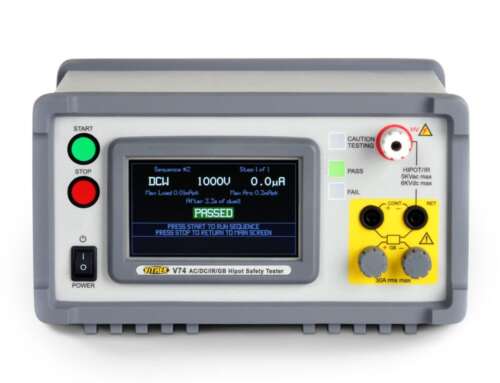
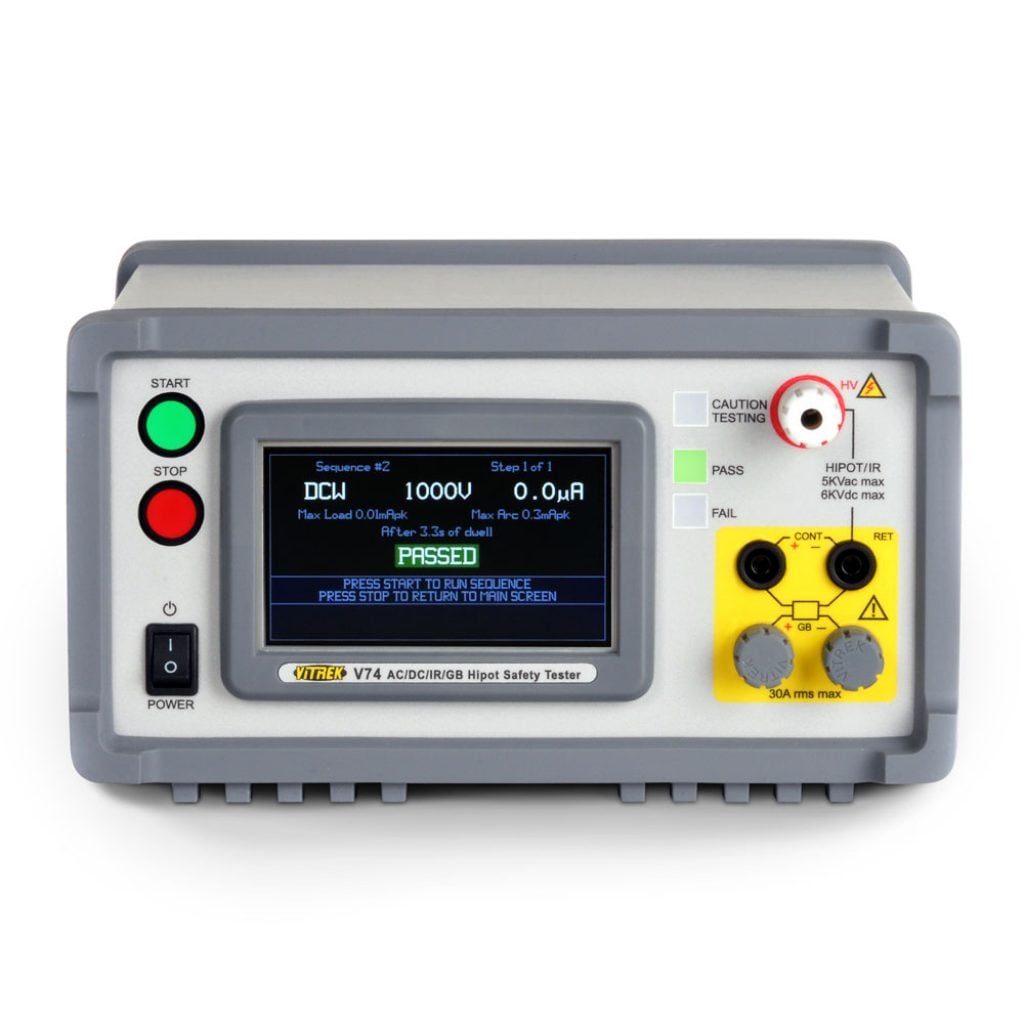
For organizations evaluating platforms from companies such as Vitrek, that is often the deciding factor. The instrument has to perform not only as a measurement device, but as part of a larger quality and test infrastructure.
A good review should leave you with fewer assumptions, not more excitement. If the analyzer can hold accuracy under your waveform conditions, fit your compliance method, integrate into your workflow, and stay supportable over time, it is worth serious consideration. If not, no amount of interface polish will fix the measurement risk you inherit later.