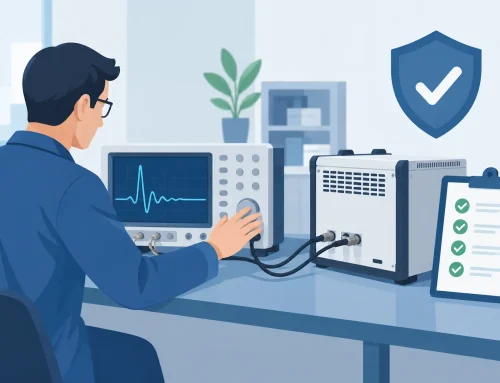
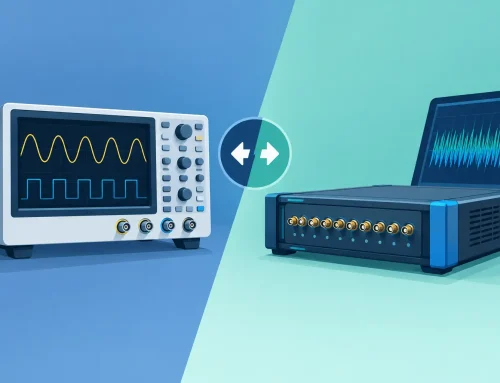
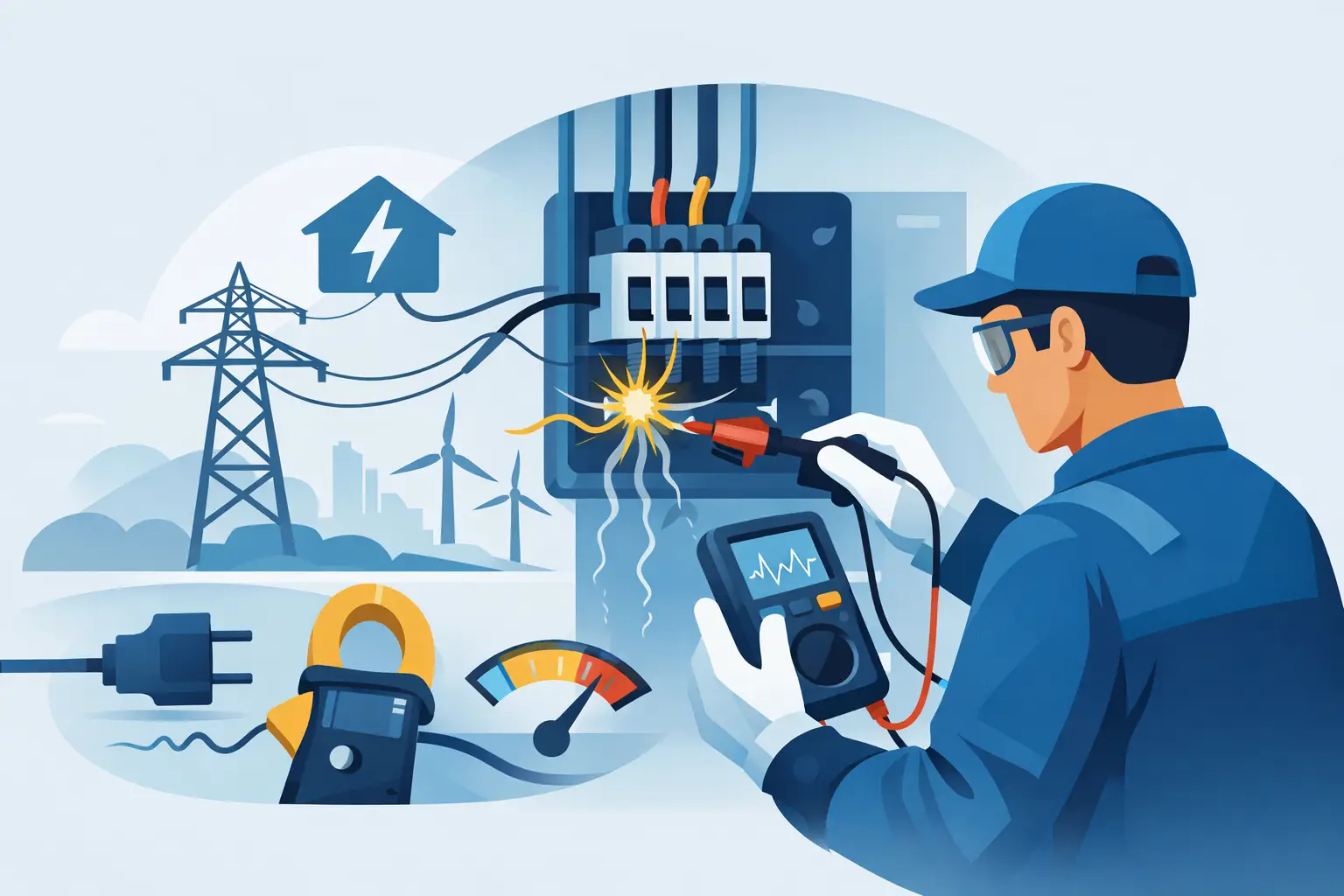
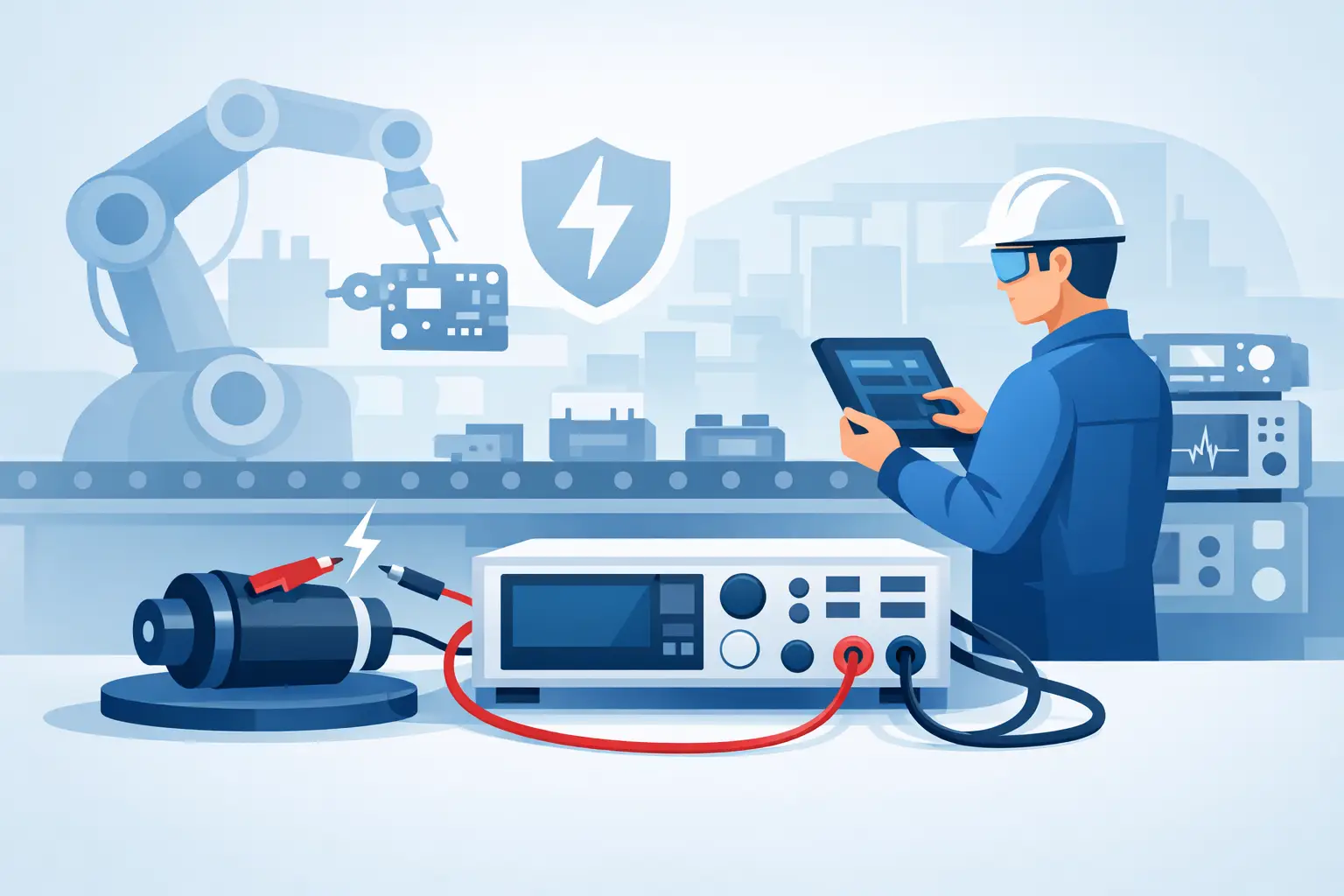
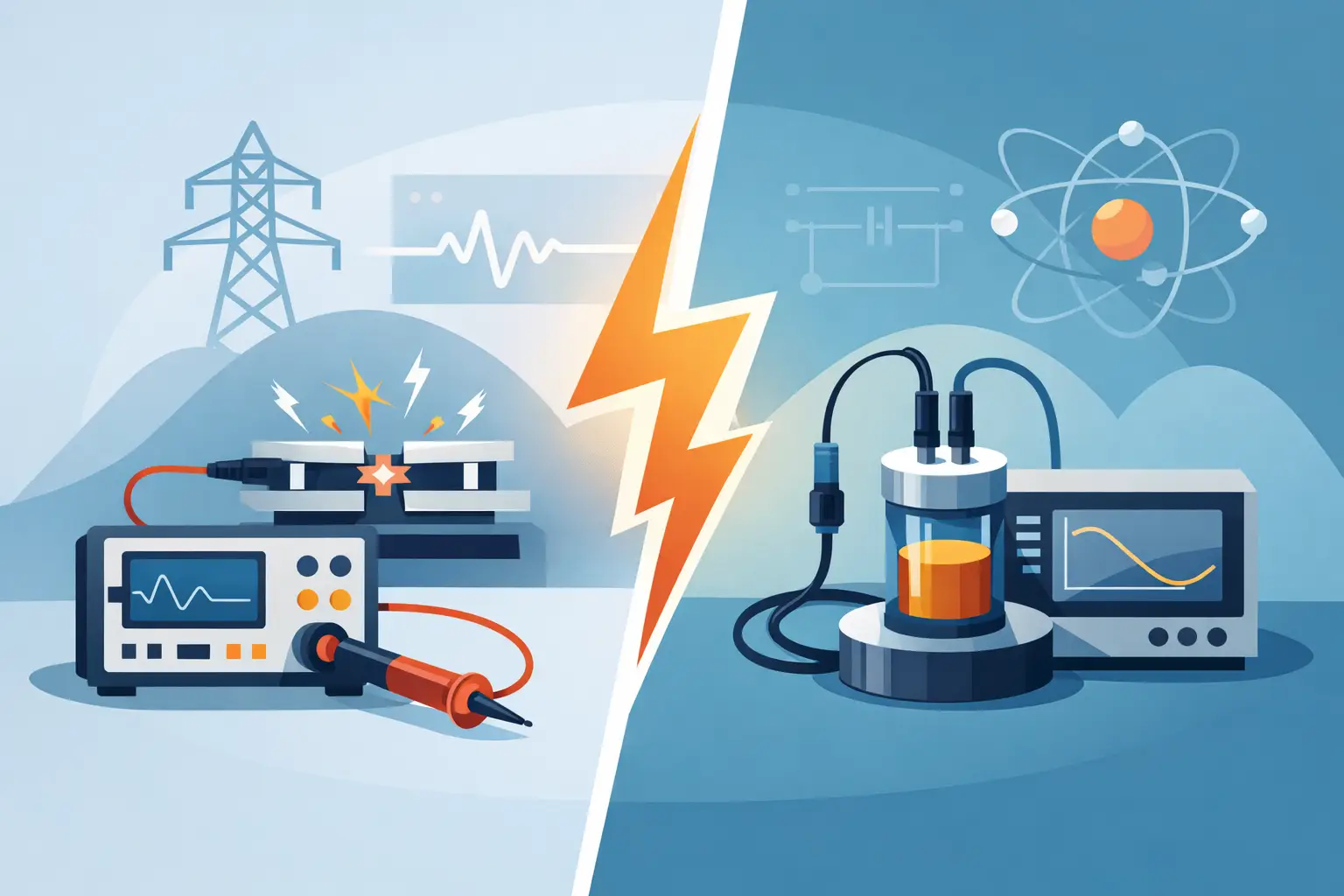
If you are evaluating a ground bond tester vs micro ohmmeter, the first question is not which instrument is better. It is what you need to prove. In regulated manufacturing and product validation, that distinction matters because these tools may both measure low resistance, but they do not answer the same engineering or compliance question.
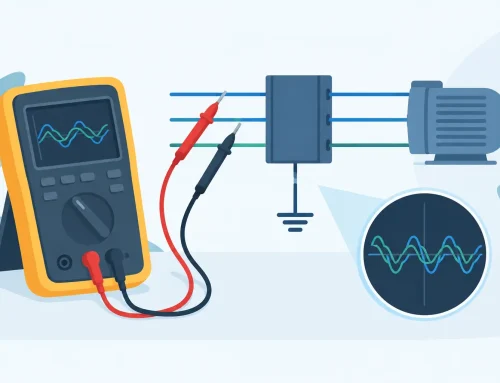
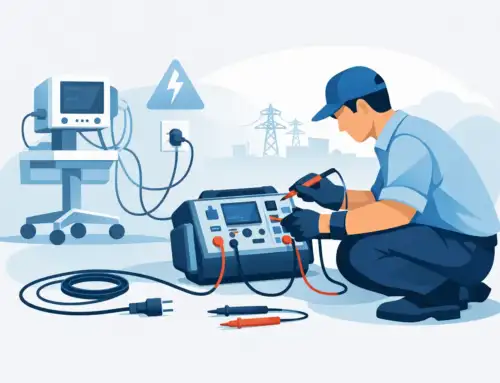
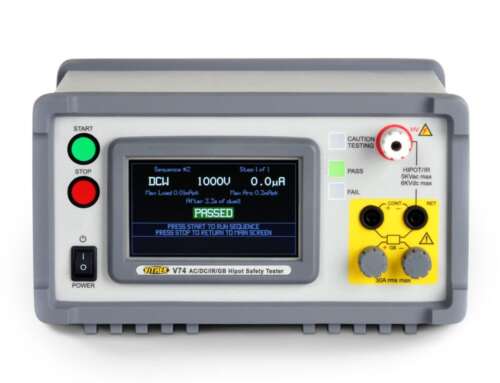
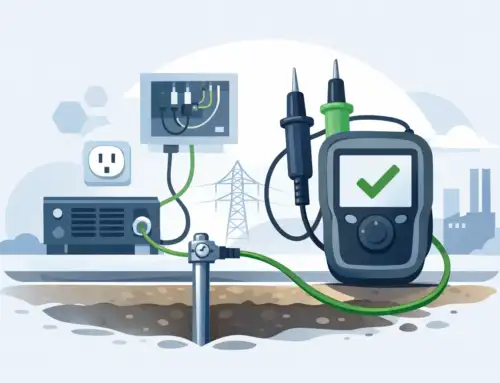
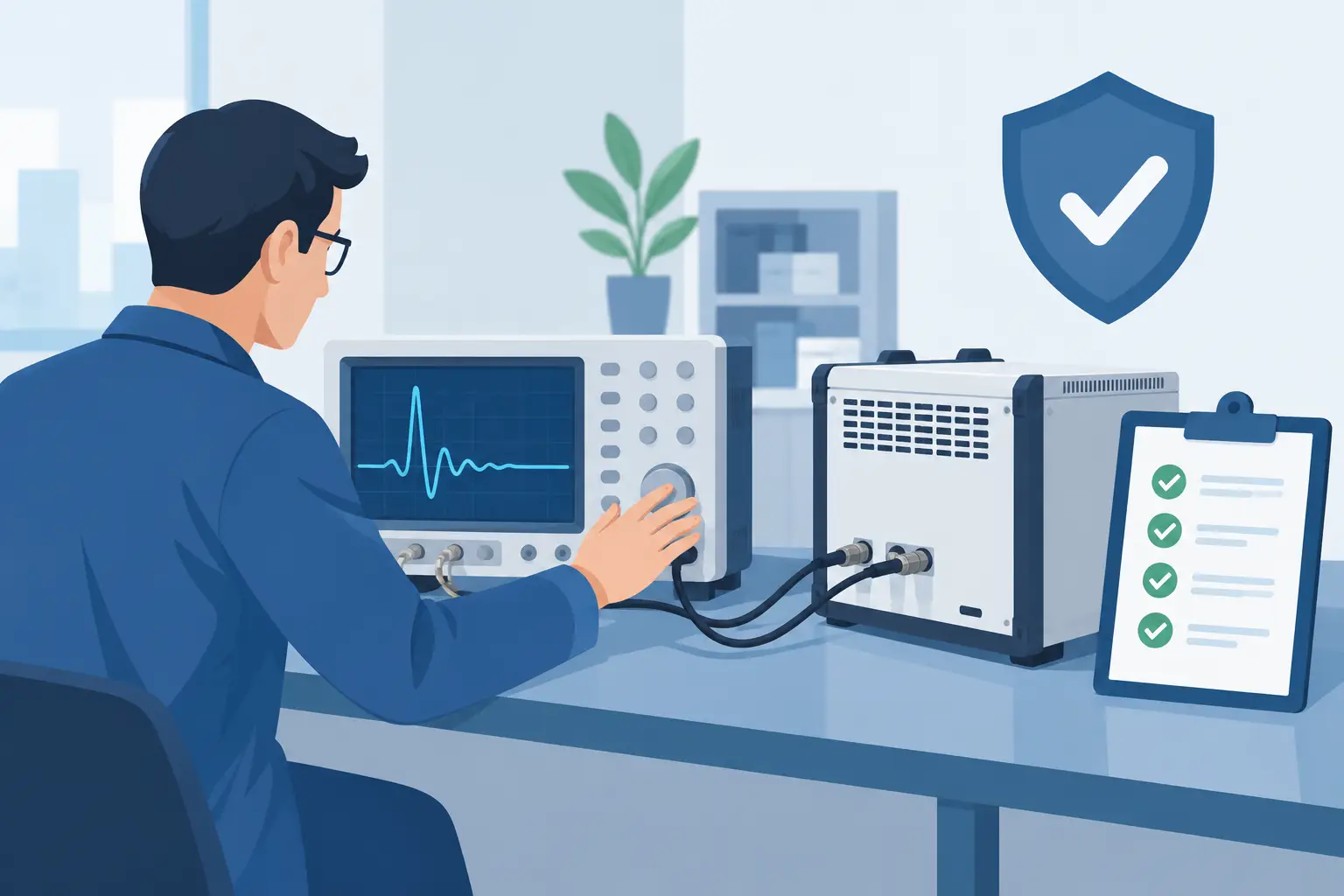
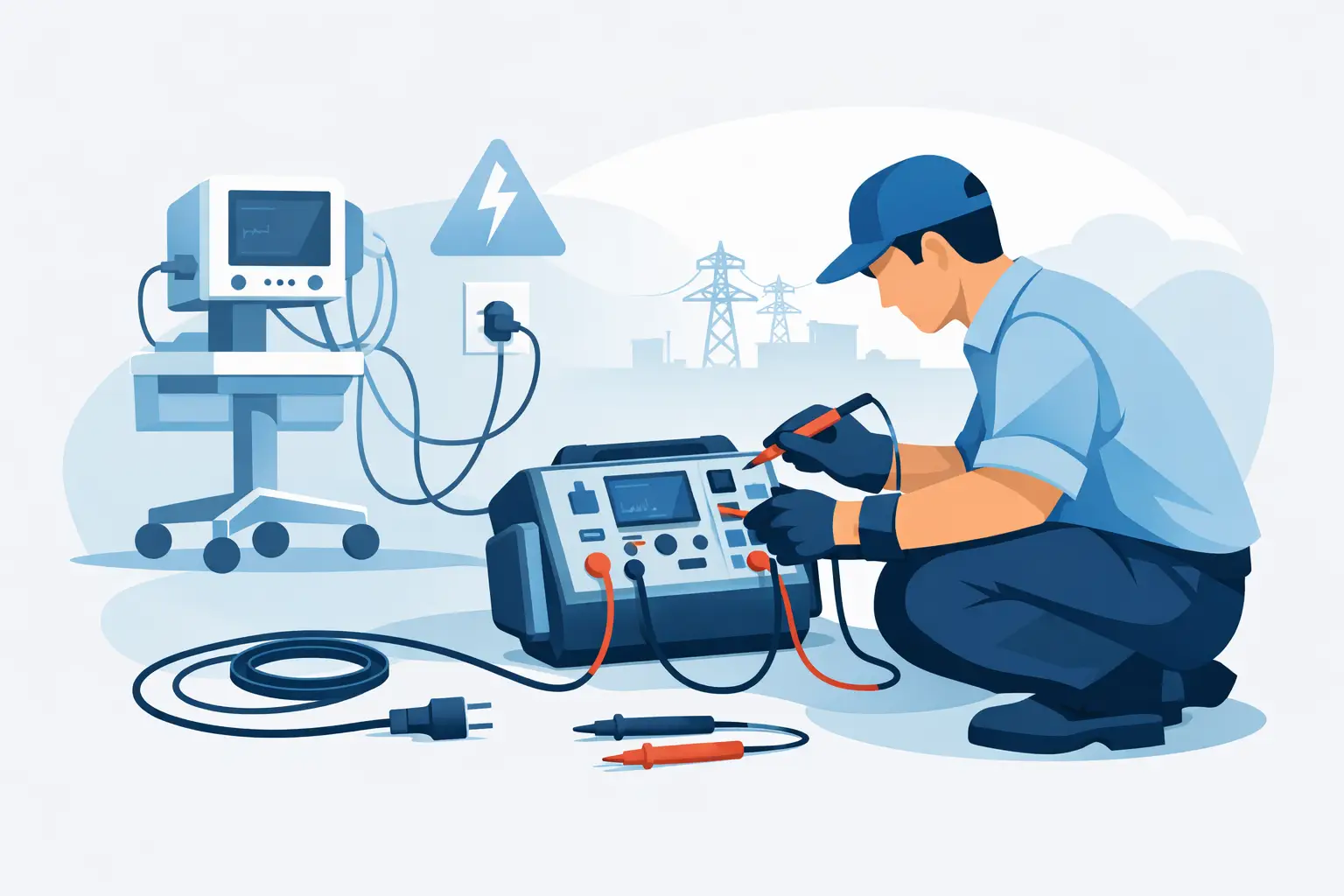
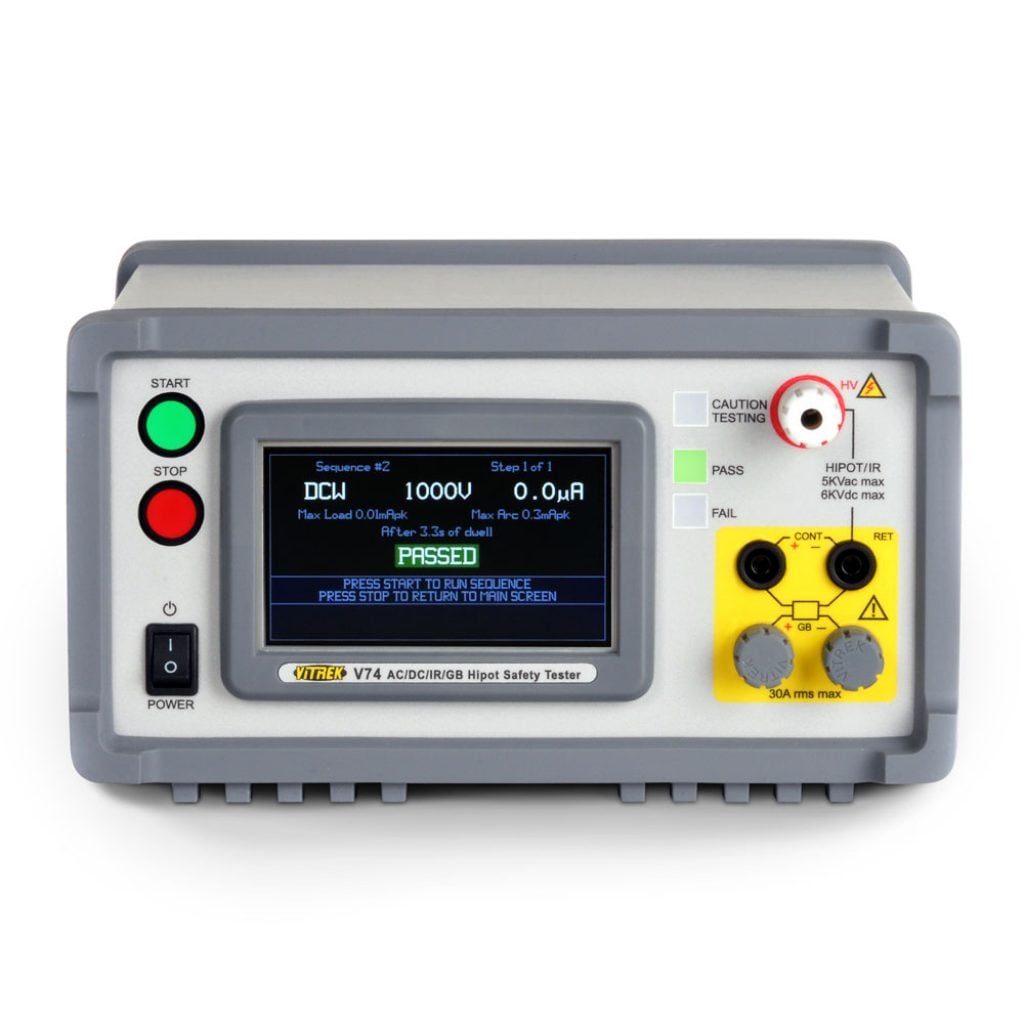
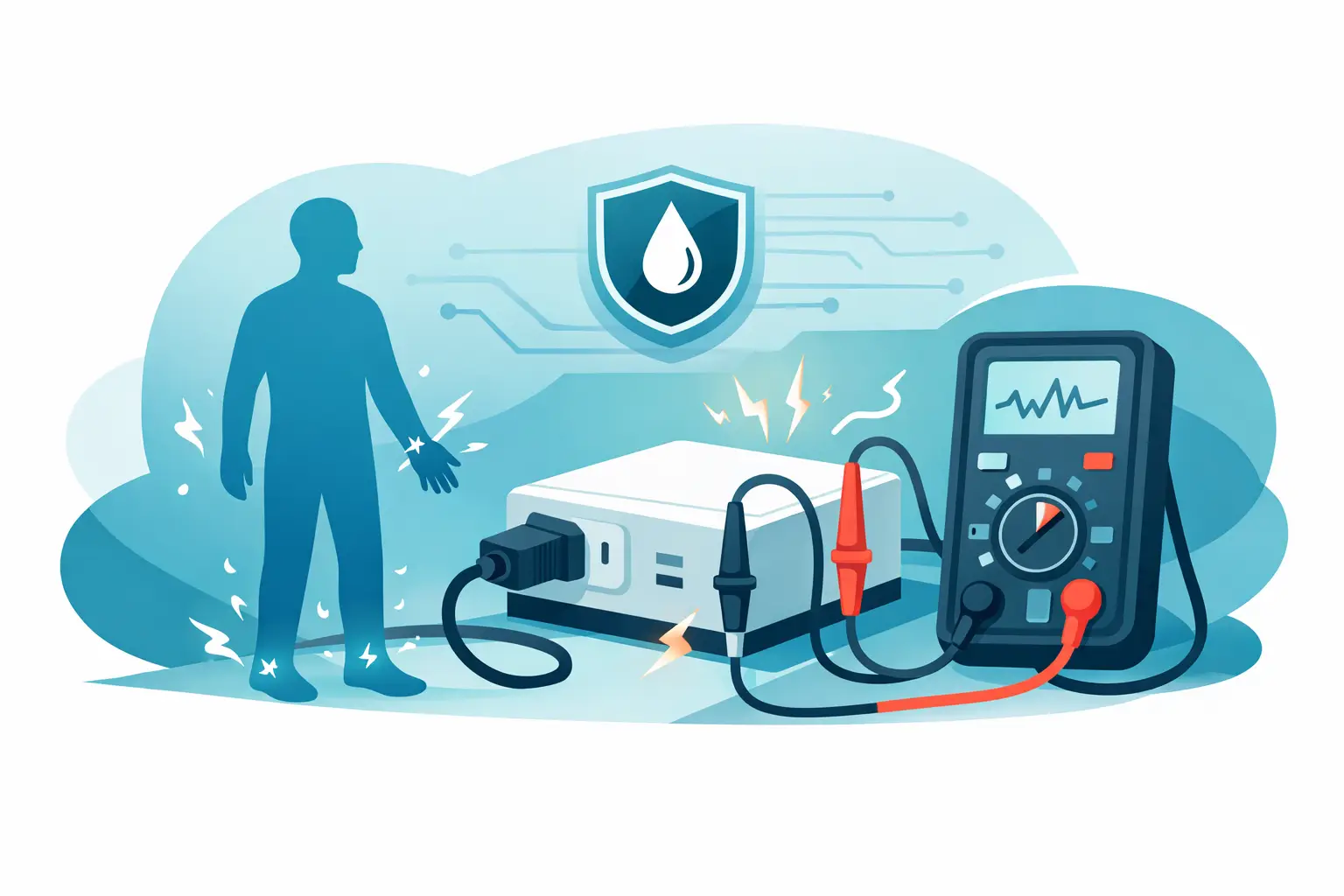
A ground bond tester is primarily an electrical safety instrument. Its job is to verify the integrity of the protective earth path under relatively high test current, often as part of production line safety testing for appliances, medical equipment, industrial products, or other powered devices. A micro ohmmeter, by contrast, is a precision low-resistance measurement instrument used to quantify very small resistances in conductors, joints, windings, bus bars, switch contacts, and bonded connections. The overlap is real, but the intent is different.
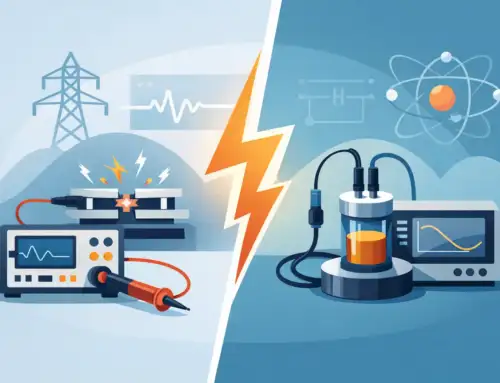
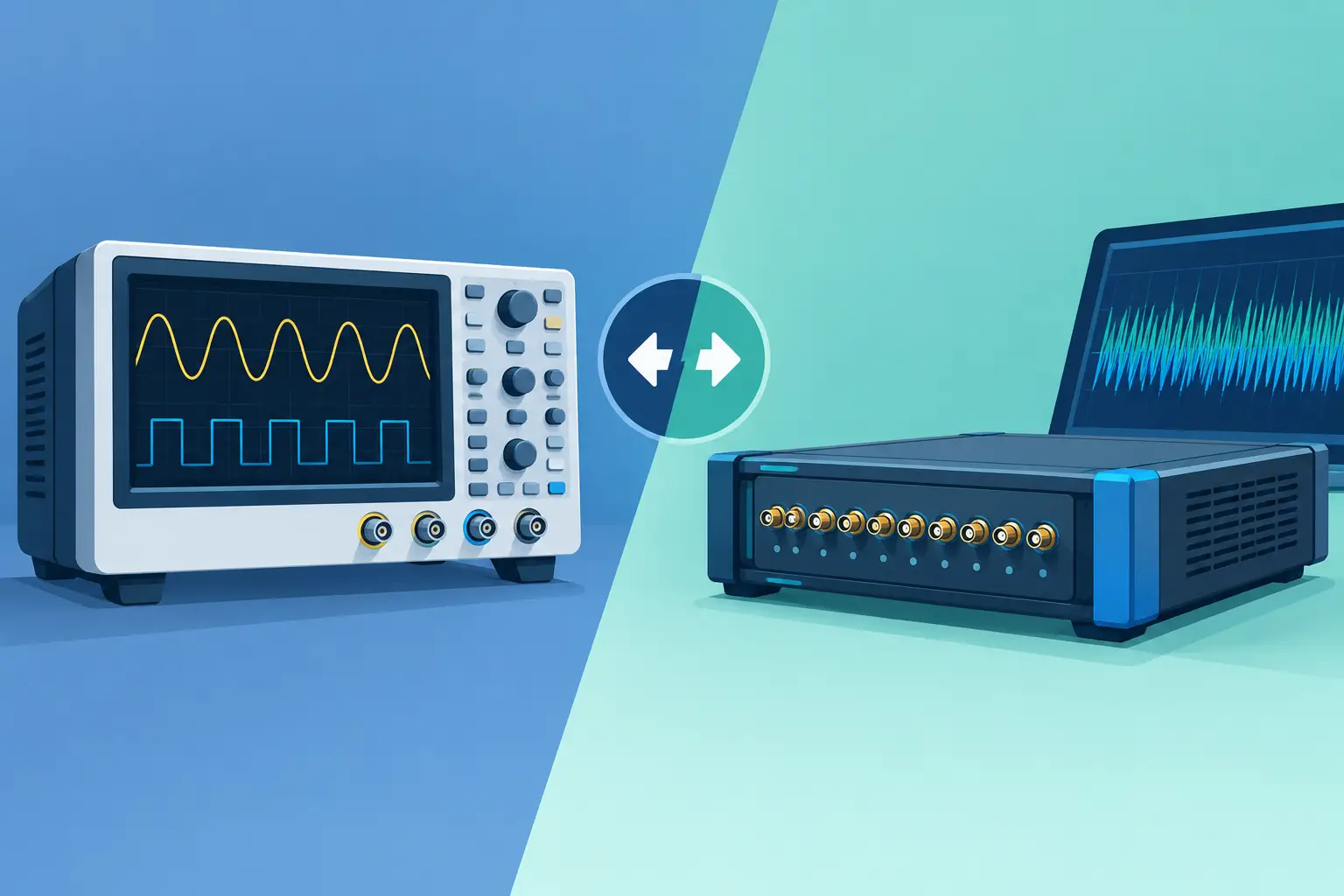
Ground bond tester vs micro ohmmeter: the core difference
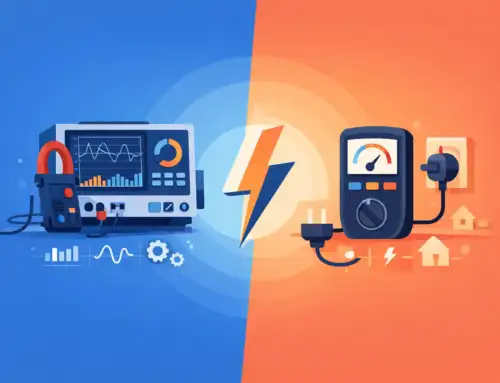
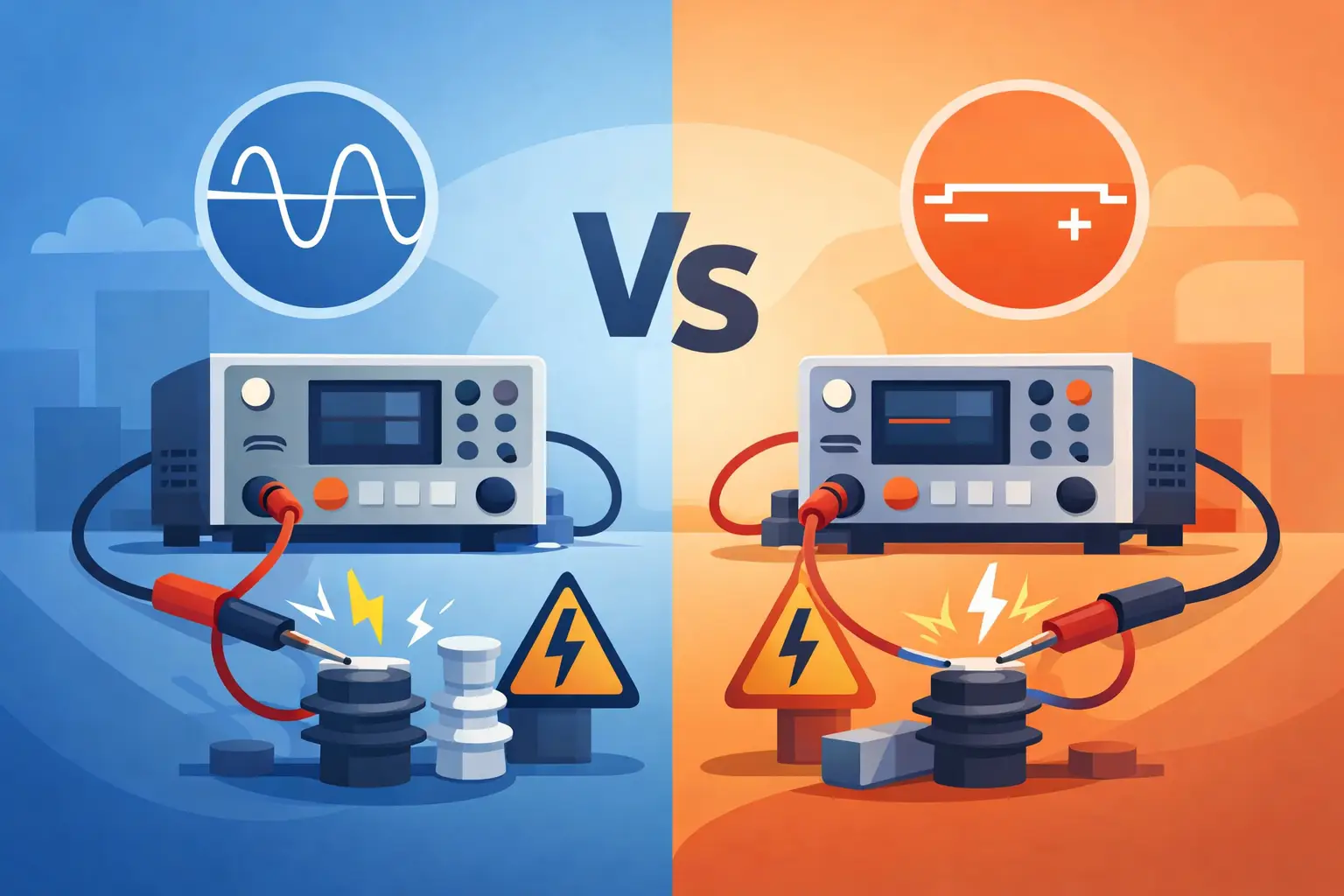
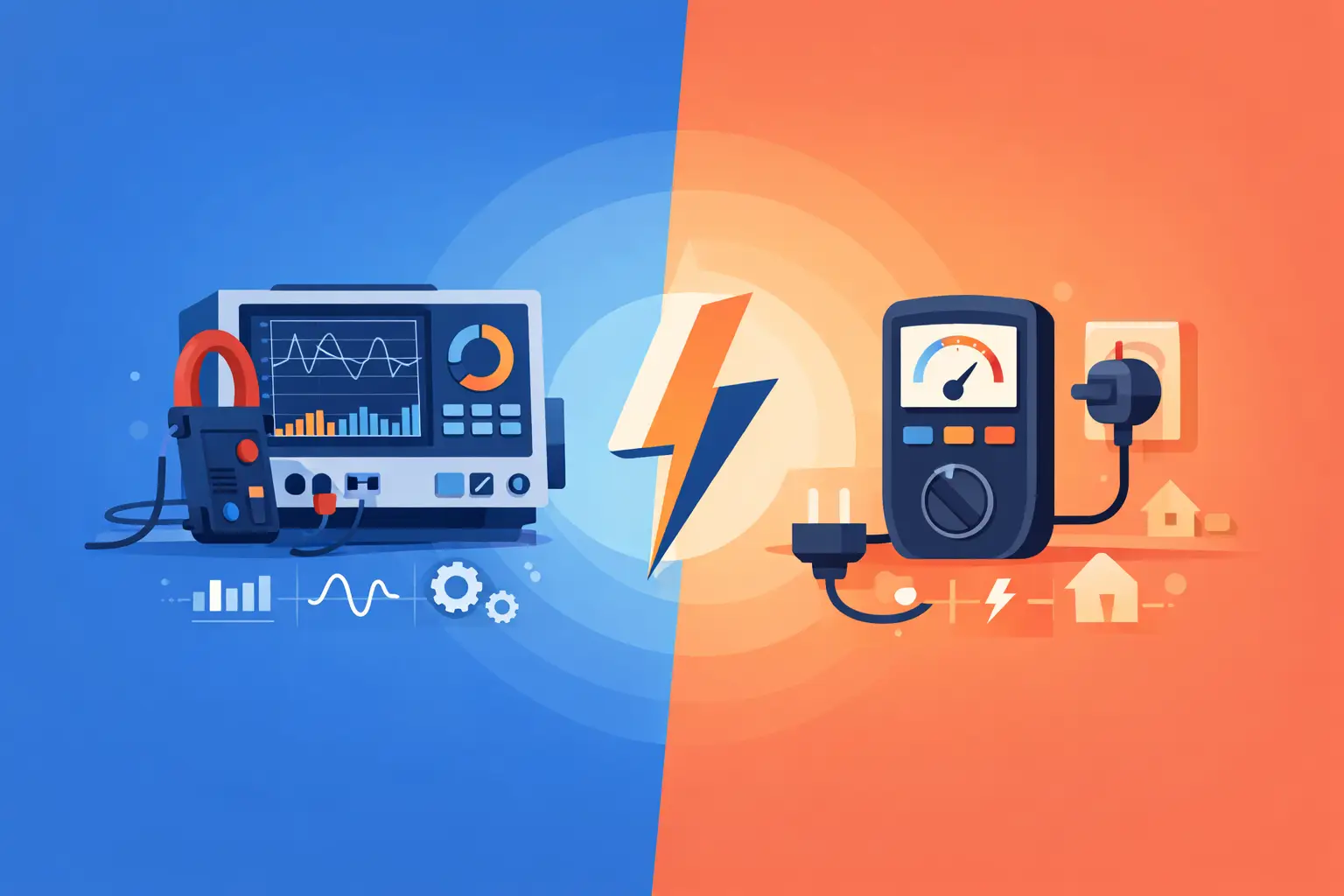
The simplest way to separate the two is this: a ground bond tester asks whether the earth continuity path can safely carry fault current, while a micro ohmmeter asks what the resistance actually is with high measurement resolution.
That difference affects current level, measurement method, compliance relevance, and even fixture design. Ground bond testing typically uses significantly higher current to stress the protective conductor path and expose weak terminations, undersized conductors, or marginal bonds that may not appear problematic at low current. A micro ohmmeter usually emphasizes measurement sensitivity and repeatability, often using Kelvin techniques to remove lead resistance and resolve values down into the micro-ohm range.
For an engineer selecting instrumentation, this is where confusion often begins. Both instruments can produce a resistance value. Only one is generally intended to support a formal ground continuity or protective earth test within a safety test sequence.
What a ground bond tester is designed to do
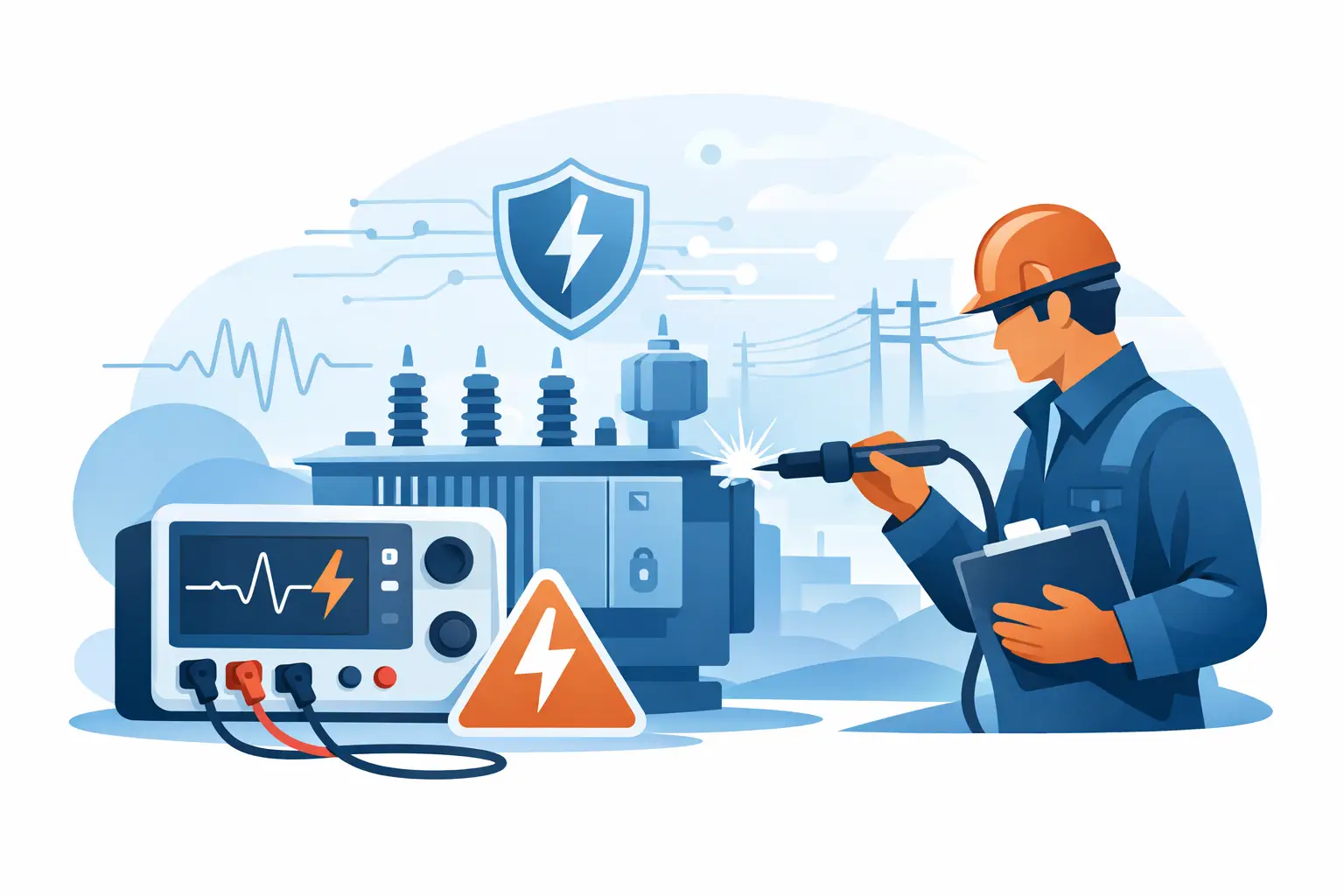
A ground bond tester is built around compliance-driven electrical safety testing. In production, it is commonly used after assembly to verify that accessible conductive parts are bonded to protective earth with sufficiently low resistance. The instrument applies a specified current through the ground path and measures the resulting voltage drop to calculate resistance.
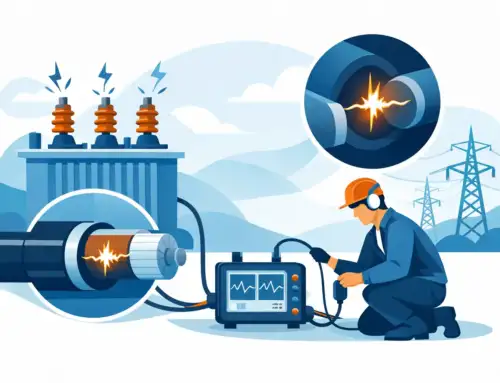
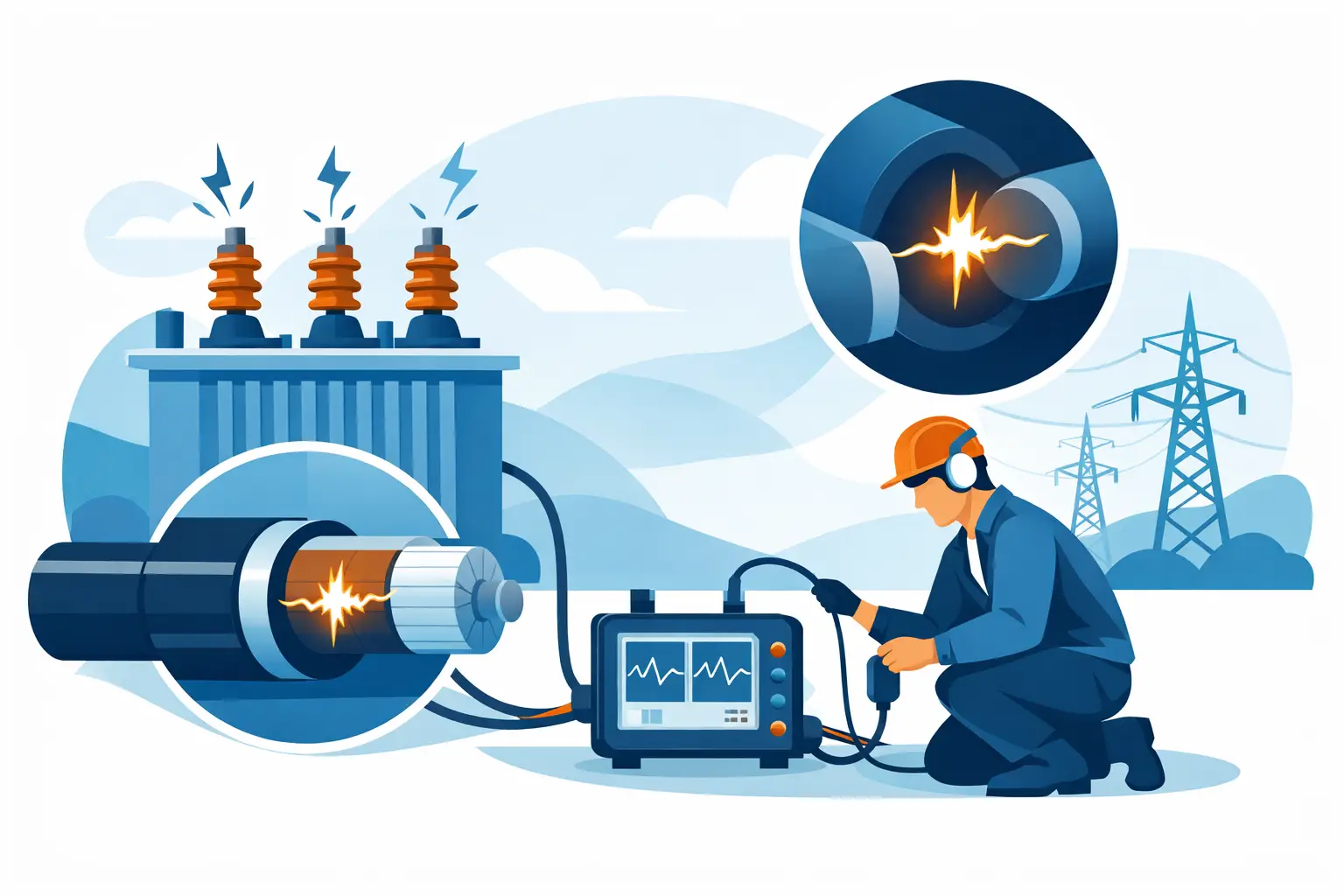
The high-current aspect is not incidental. It is central to the test. Safety standards and internal quality procedures often require a meaningful current level because a low-current continuity check can miss issues that only appear when the connection is stressed. A loose fastener, oxidation at a bond point, thin plating, or an inadequate crimp may pass a light continuity test yet fail under higher current.
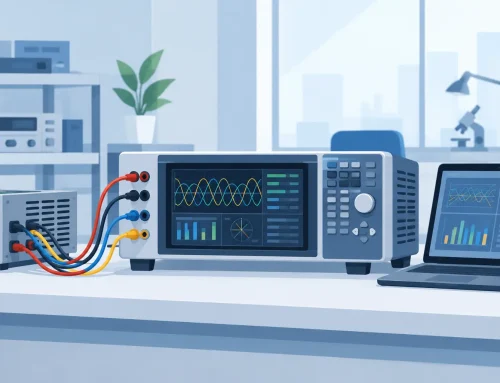
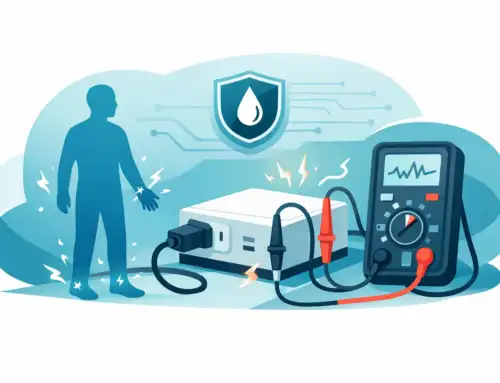
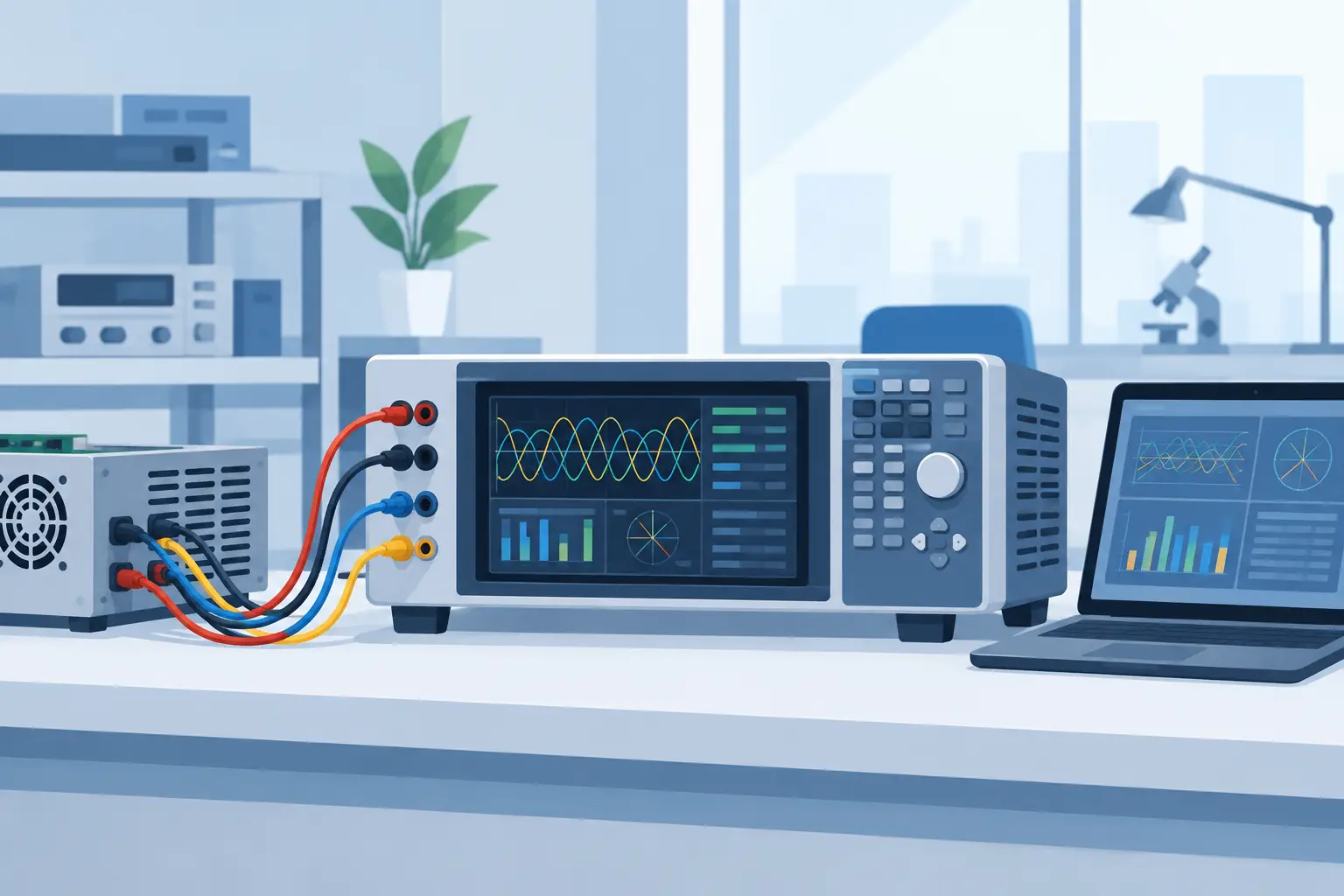
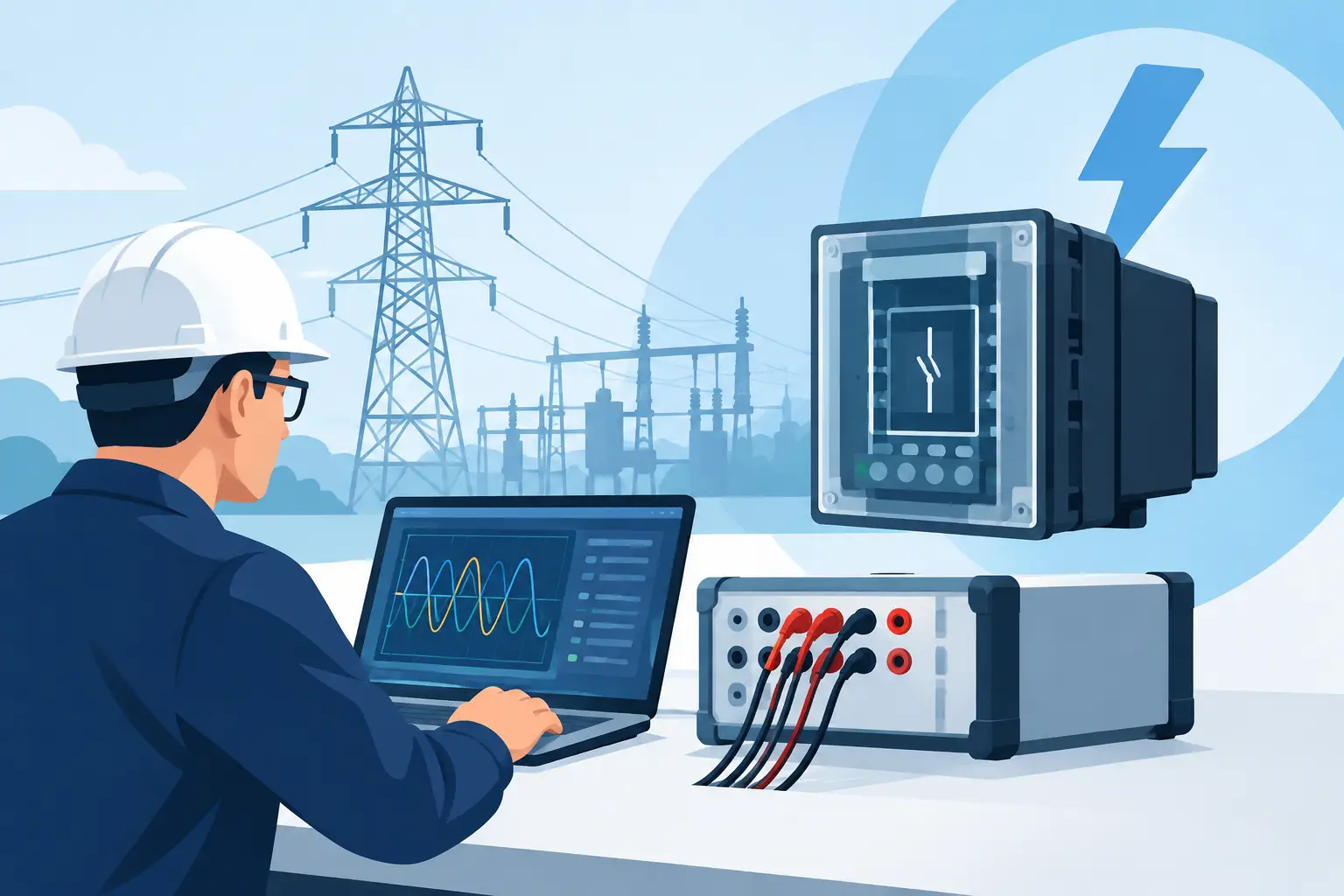
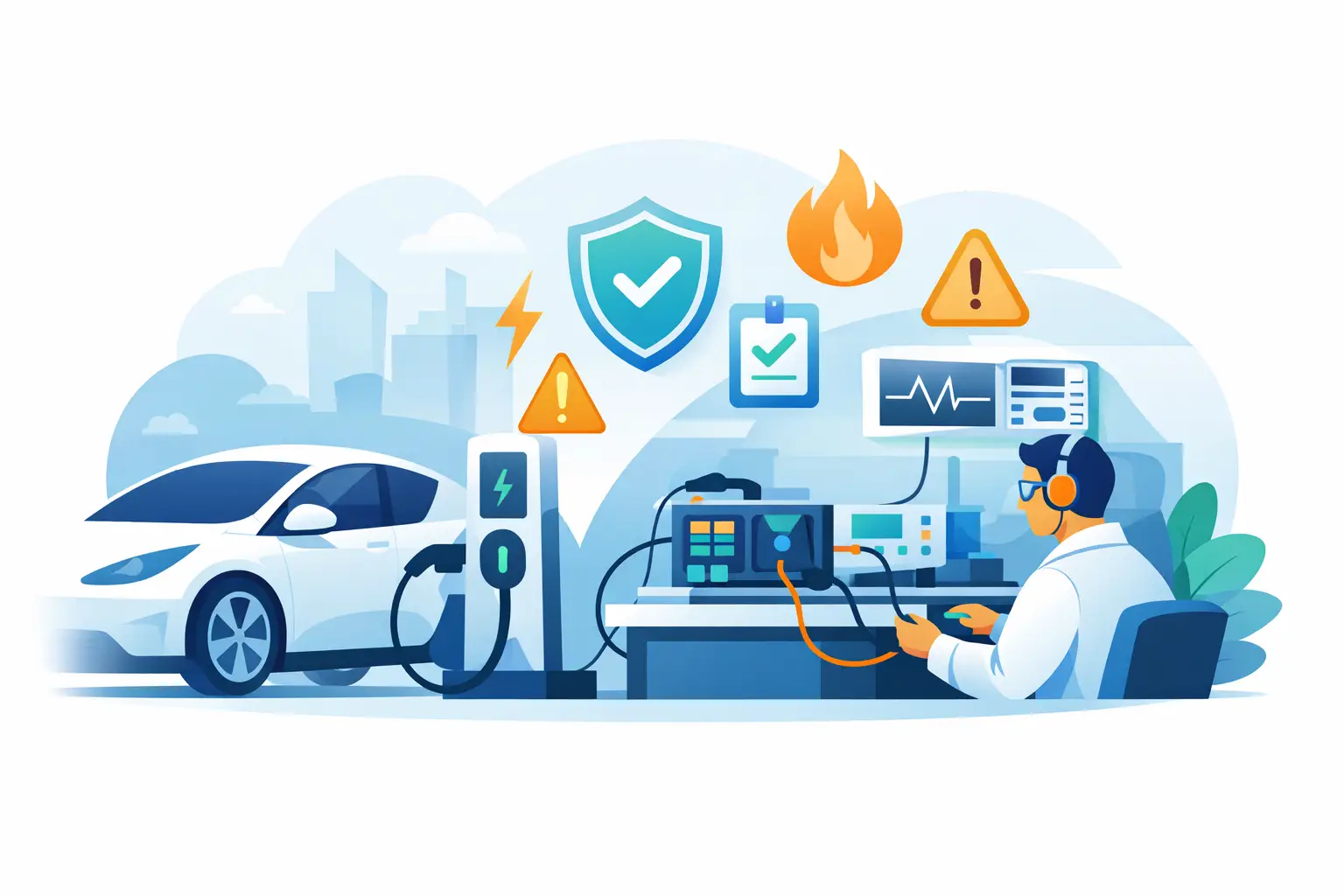
Ground bond testers also tend to fit into broader safety workflows. They are often paired with hipot, insulation resistance, or functional test stations in manufacturing environments where throughput, operator control, pass-fail limits, and traceable results matter as much as the raw measurement.
What a micro ohmmeter is designed to do
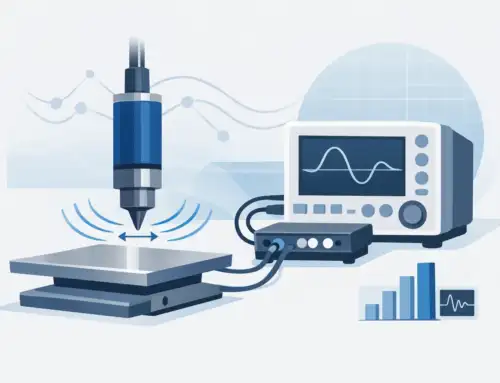
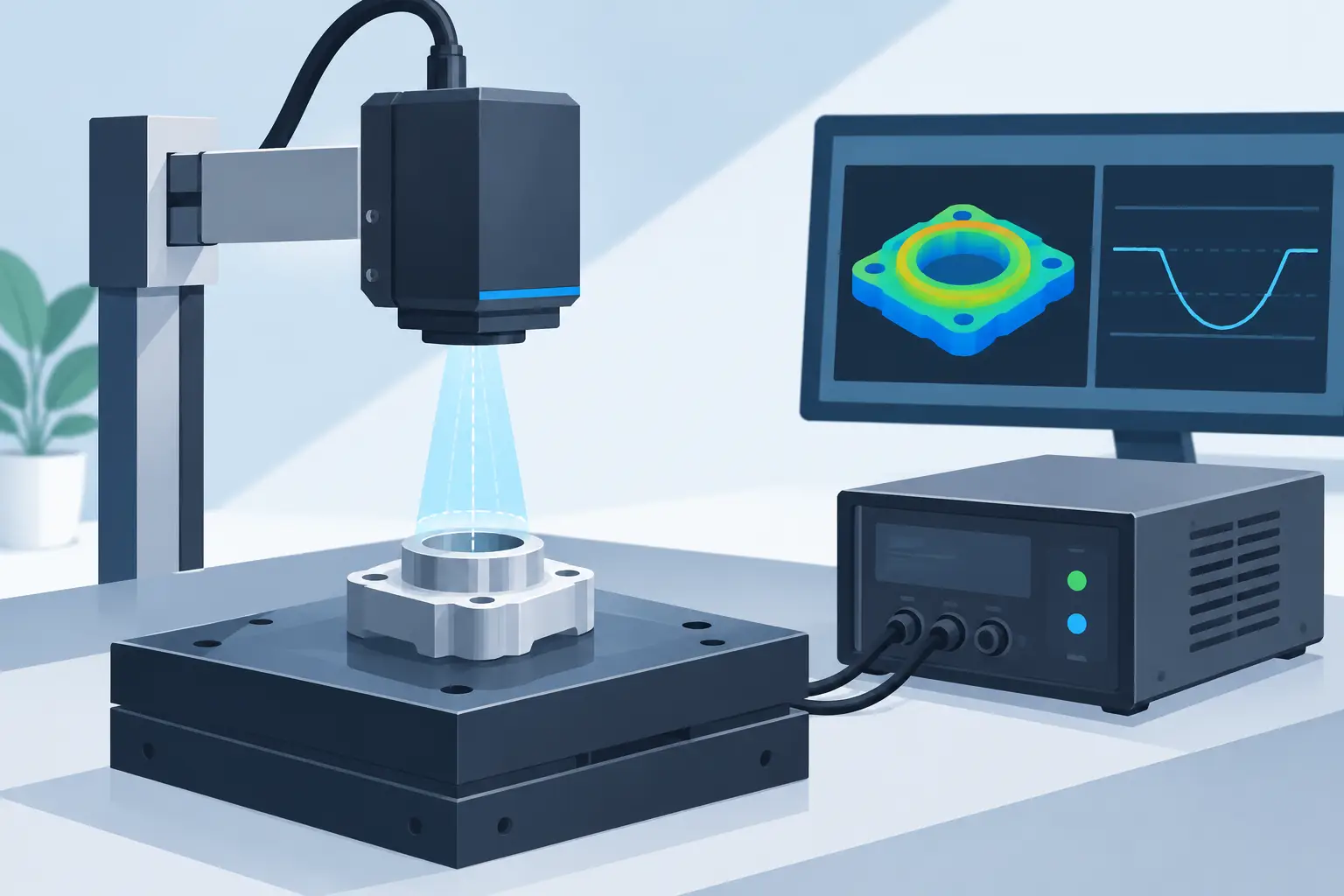
A micro ohmmeter is optimized for precise low-resistance characterization. This is the instrument you reach for when the actual value matters at fine resolution, when trending small changes over time is important, or when the device under test is not a protective earth path at all.
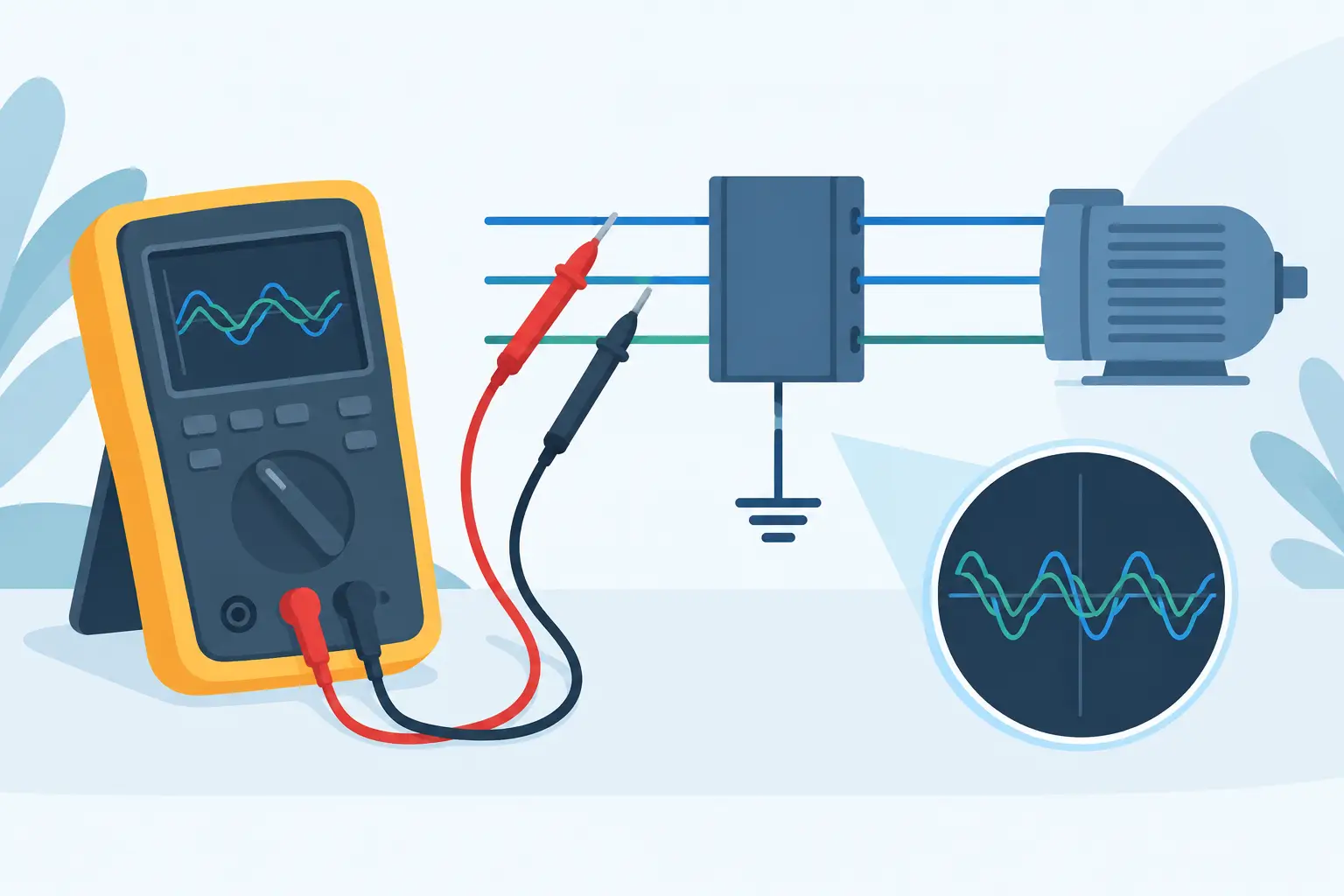
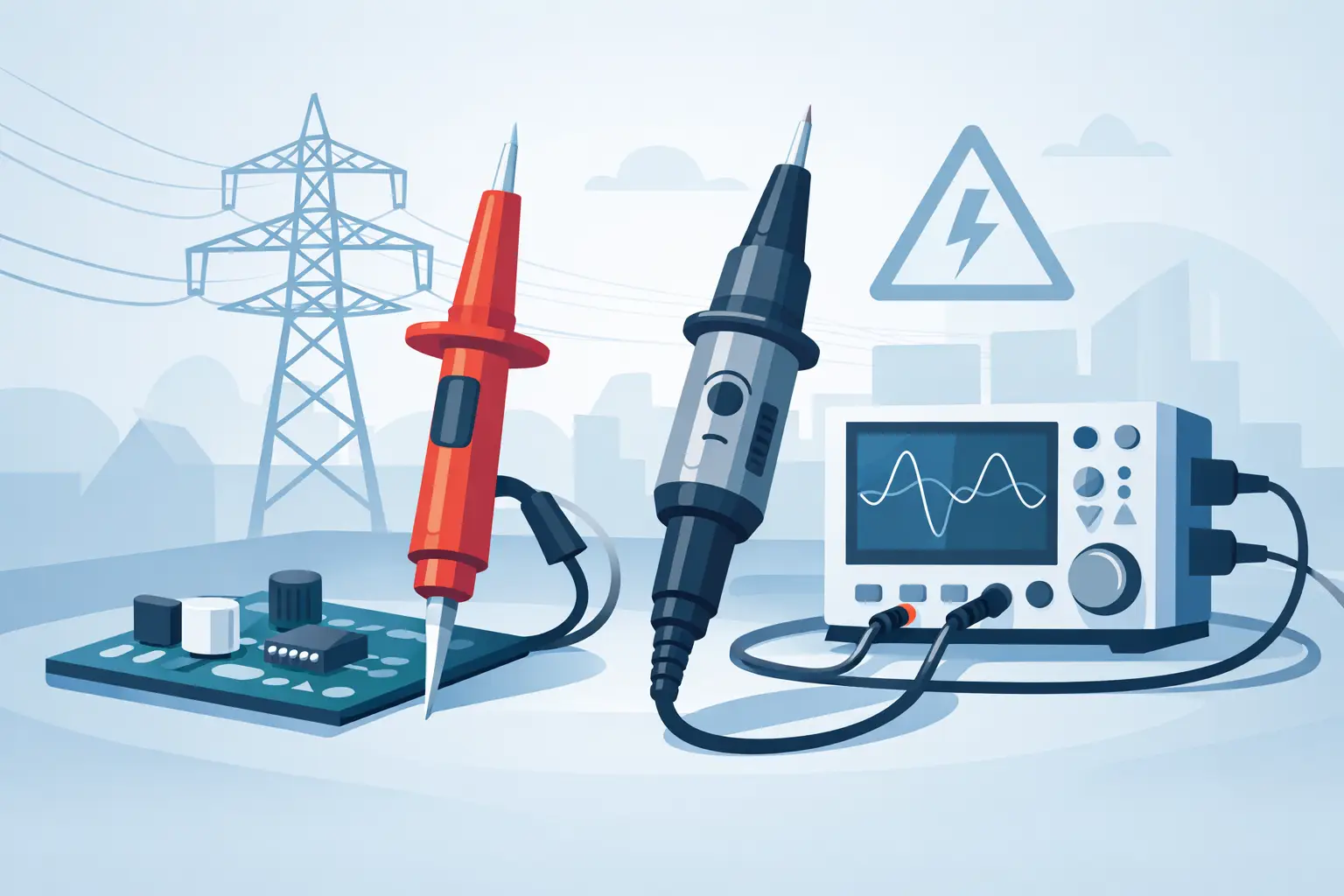
Typical applications include contact resistance on breakers and relays, resistance across bus bar joints, transformer winding checks, motor winding comparisons, cable resistance, weld evaluation, and material or assembly studies in R&D and quality analysis. The instrument is meant to resolve subtle differences, often using four-wire measurement to separate source and sense leads and reduce error from test lead and contact resistance.
That measurement architecture is why micro ohmmeters are so useful in the lab and in maintenance. They are designed to tell you whether a connection changed from 180 micro-ohms to 260 micro-ohms, not just whether it stayed below a production-line pass limit.
Test current changes the meaning of the result
One of the most practical differences in the ground bond tester vs micro ohmmeter comparison is test current. Engineers sometimes treat resistance as a single fixed property, but in real assemblies the measured result can depend on how the current interacts with interfaces, films, pressure points, and thermal effects.
A ground bond tester applies higher current because it is trying to validate the integrity of a safety-critical path under conditions closer to actual fault stress. This can reveal weak bonds that a lower-current instrument may not expose. If your requirement is tied to UL, IEC, or internal protective earth verification criteria, that matters.
A micro ohmmeter may use lower or selectable current, depending on the model and application. That is appropriate for sensitive components and precision measurement, but it can make the reading less representative of how a protective earth path behaves under a true safety test condition. The result may be accurate as a low-resistance measurement and still be insufficient as a compliance-oriented ground bond test.
This is the point where substitution creates risk. A micro ohmmeter is not automatically a replacement for a ground bond tester just because both report milliohms or micro-ohms.
Accuracy, resolution, and pass-fail logic are not the same thing
Micro ohmmeters generally win on resolution. If you need granular measurement of very low resistance, that is their purpose. They are the better fit for engineering analysis, incoming inspection of conductive assemblies, and predictive maintenance where resistance drift is part of the failure story.
Ground bond testers are built around a different priority set. They still need reliable resistance measurement, but they are also designed for repeatable high-current safety testing, operator protection, configurable limits, fast cycle times, and integration into controlled manufacturing processes. In many environments, the instrument must do more than measure. It must support a documented test method.
For that reason, the better instrument depends on whether you are looking for absolute low-ohm precision or a standards-aligned production safety result. Some organizations need both because product development, quality engineering, and end-of-line compliance do not ask the same question.
When to use a ground bond tester
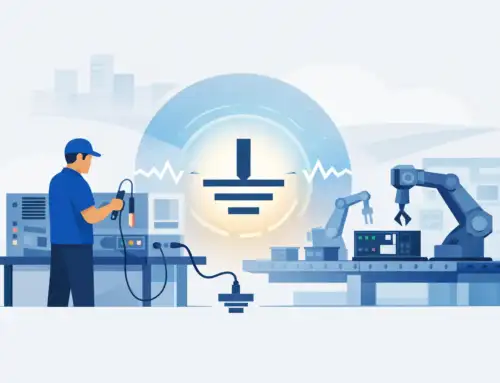
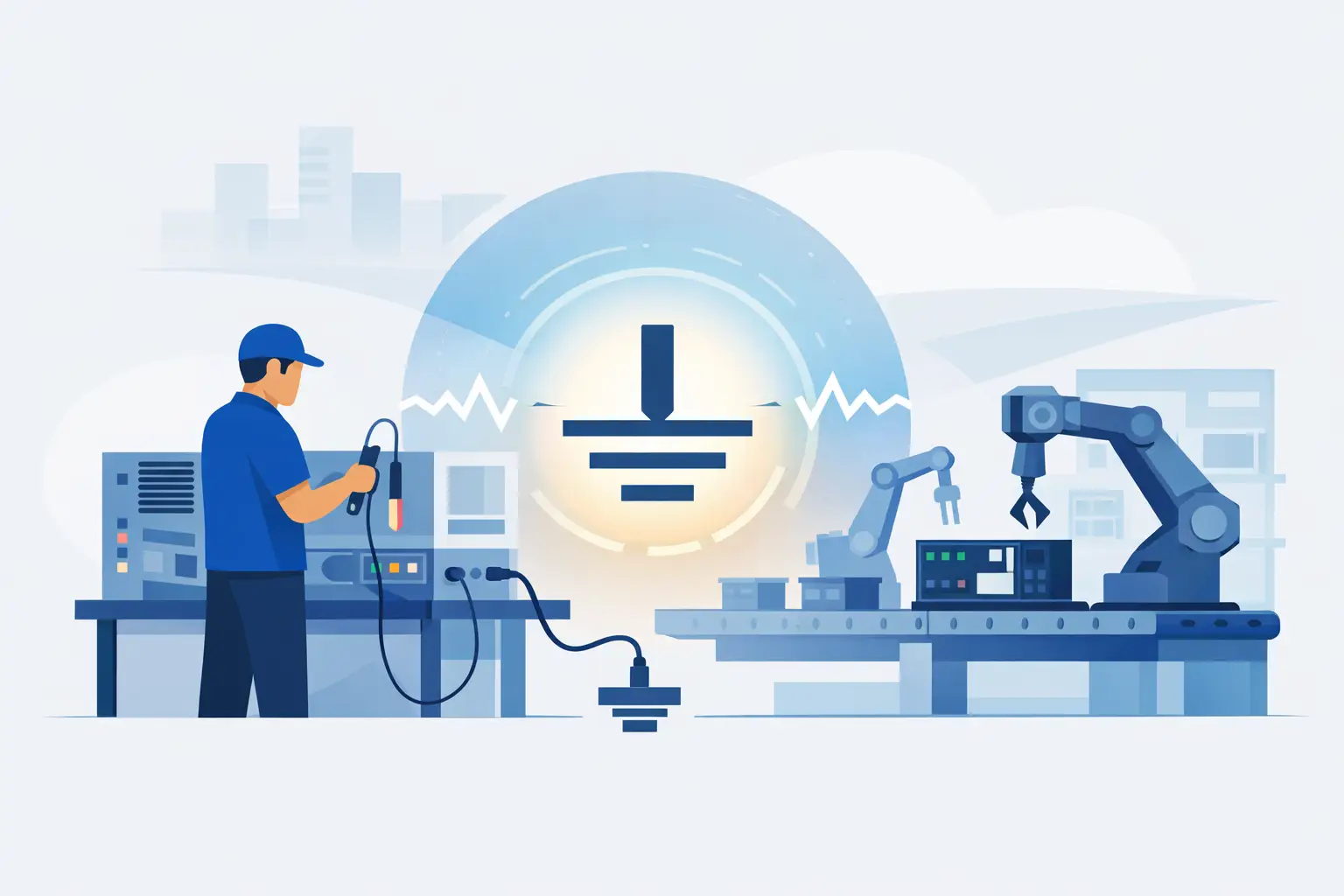
Use a ground bond tester when the goal is to verify protective earth continuity on finished products or assemblies that must meet electrical safety requirements. It is the right choice for production lines, compliance verification, and final test cells where the bond must withstand specified current and where pass-fail thresholds need to be enforced consistently.
It is also the better choice when you need a safety tester that fits a larger validation sequence. In appliance, industrial equipment, EV charging, and medical manufacturing environments, ground bond is rarely an isolated measurement. It is part of a broader electrical safety regime.
When to use a micro ohmmeter
Use a micro ohmmeter when you need high-resolution low-resistance measurement for diagnostics, characterization, or condition monitoring. It is especially useful in R&D, service, maintenance, and quality investigations where understanding small resistance differences is more valuable than applying a compliance-style high-current earth test.
It is also the better instrument when the test object is not a protective earth path. Switchgear contacts, bus connections, cable assemblies, shunts, coils, and conductive joints often need precision resistance data rather than a ground bond determination.
Can one instrument replace the other?
Sometimes, but not cleanly.
If your task is purely diagnostic and no safety standard or internal test specification calls for a formal ground bond test, a micro ohmmeter may provide all the information you need. If your task is a required protective earth verification on a manufactured product, a ground bond tester is typically the correct tool.
The gray area appears in engineering labs and failure analysis. A team may use a ground bond tester to validate that an assembly passes the intended safety test, then use a micro ohmmeter to investigate why one unit trends close to the limit. That is not redundancy. It is using each instrument for what it was designed to reveal.
For organizations standardizing test infrastructure, it helps to separate three needs: compliance testing, precision characterization, and troubleshooting. Once those are defined, instrument selection becomes much more straightforward.
Selection criteria that actually matter
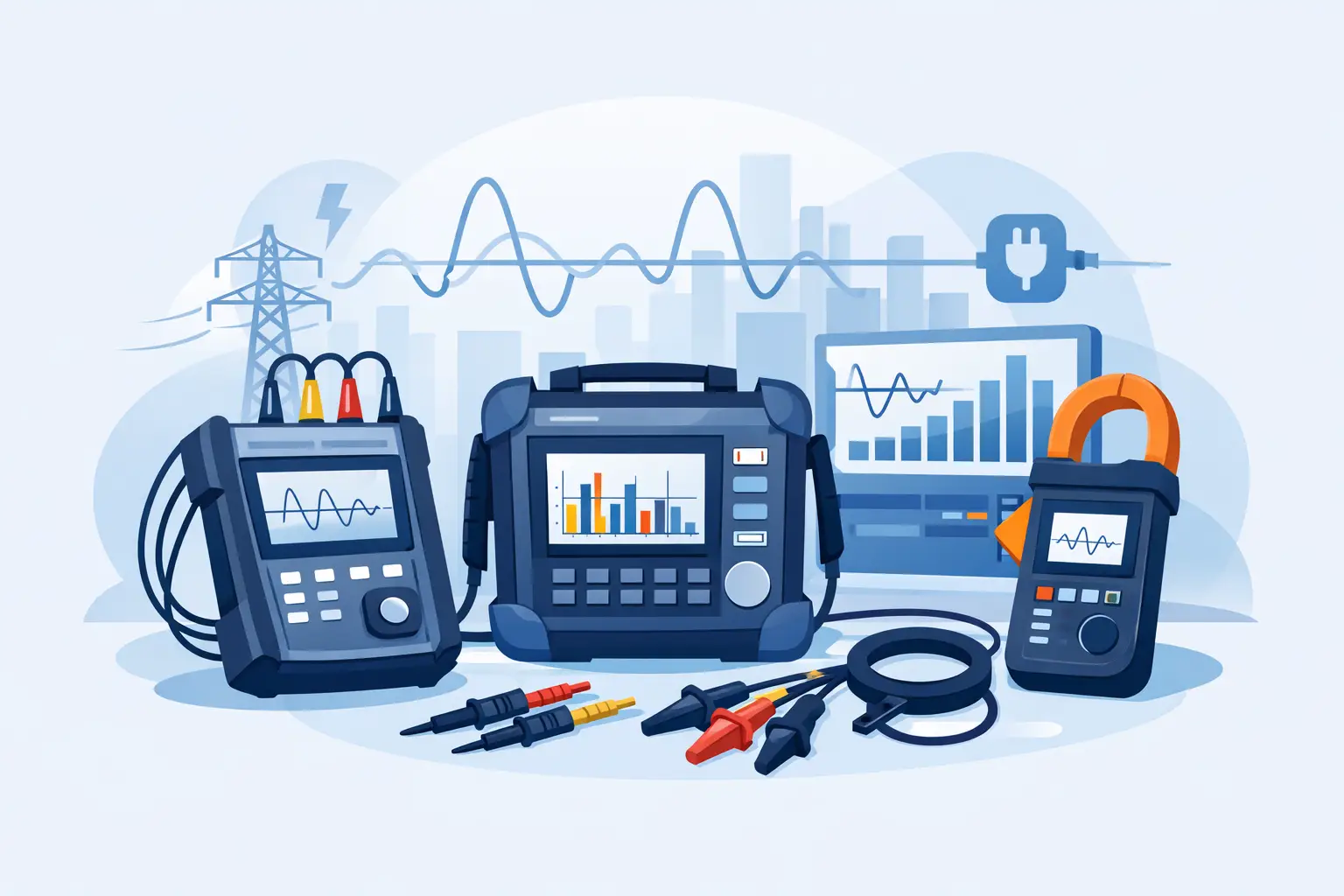
When comparing instruments, focus on the parameters that affect your use case. Current range matters because it defines whether the test is meaningful for protective earth validation. Measurement range and resolution matter because they determine whether small resistance changes are visible. Four-wire capability matters when lead resistance or fixture resistance could distort the result. Throughput, automation interfaces, data logging, and operator controls matter in production. Calibration traceability and standards alignment matter anywhere results may be audited or used for product release.
This is also where vendor expertise has value. In high-stakes environments, the instrument is only part of the solution. Test method definition, fixturing, limit selection, and repeatability under real operating conditions are what separate a nominal reading from a defensible measurement process.
Vitrek serves organizations that need that level of measurement discipline across safety test, precision instrumentation, and integrated validation workflows. For teams balancing compliance and engineering performance, choosing the right instrument up front usually saves far more time than trying to force one tool to cover every low-resistance test.
The practical answer to ground bond tester vs micro ohmmeter is simple: use the instrument that matches the claim you need to make. If you need to prove protective earth integrity under a safety test, use a ground bond tester. If you need to quantify very low resistance with fine resolution, use a micro ohmmeter. When the distinction is clear, your data becomes easier to trust and easier to defend.