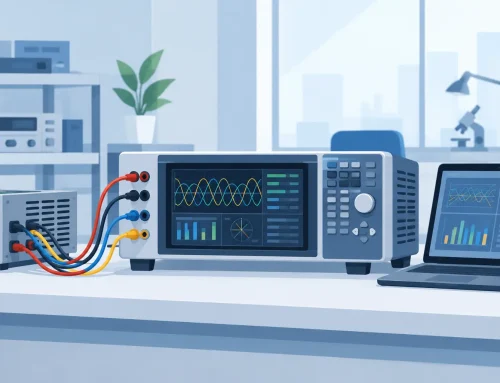
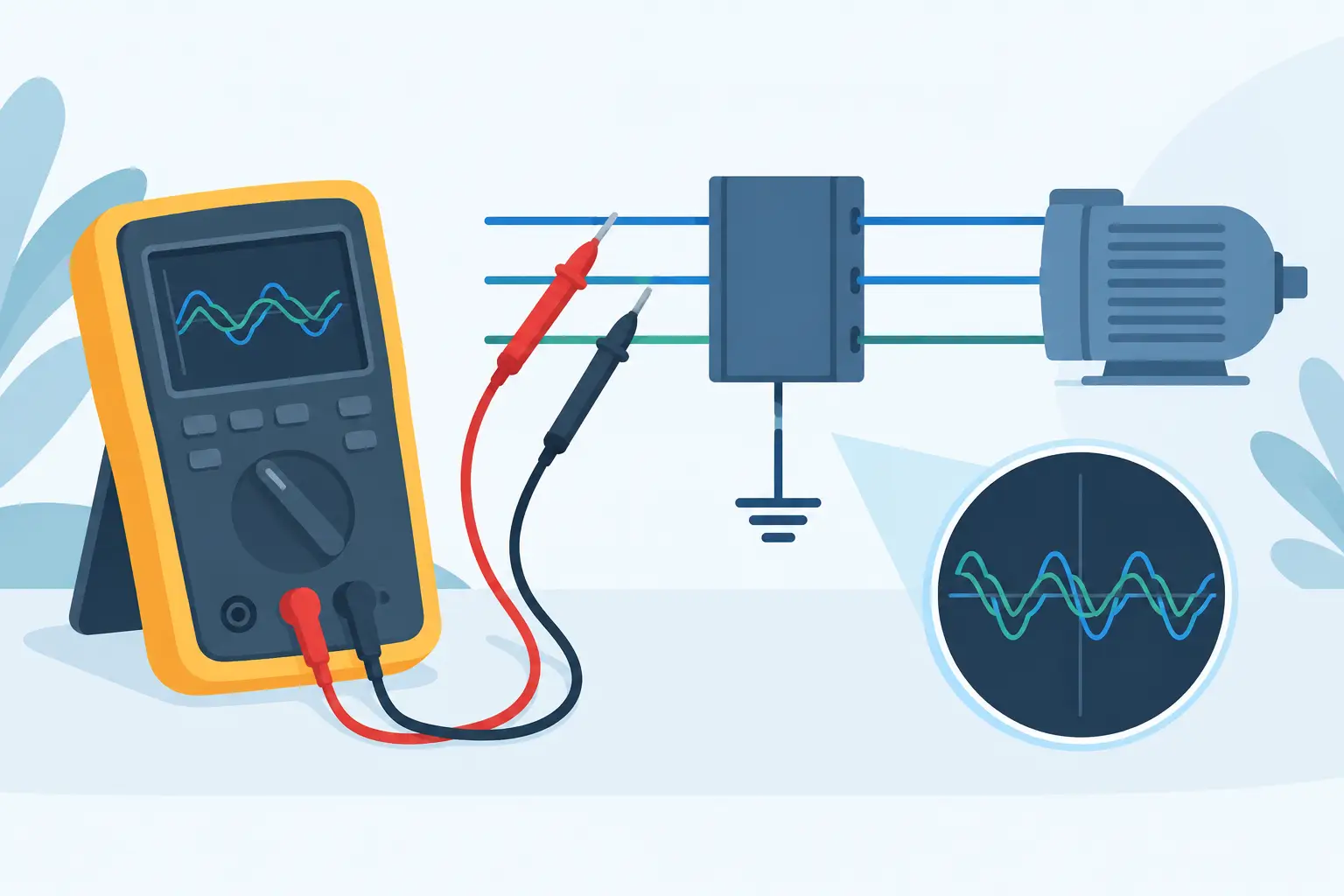
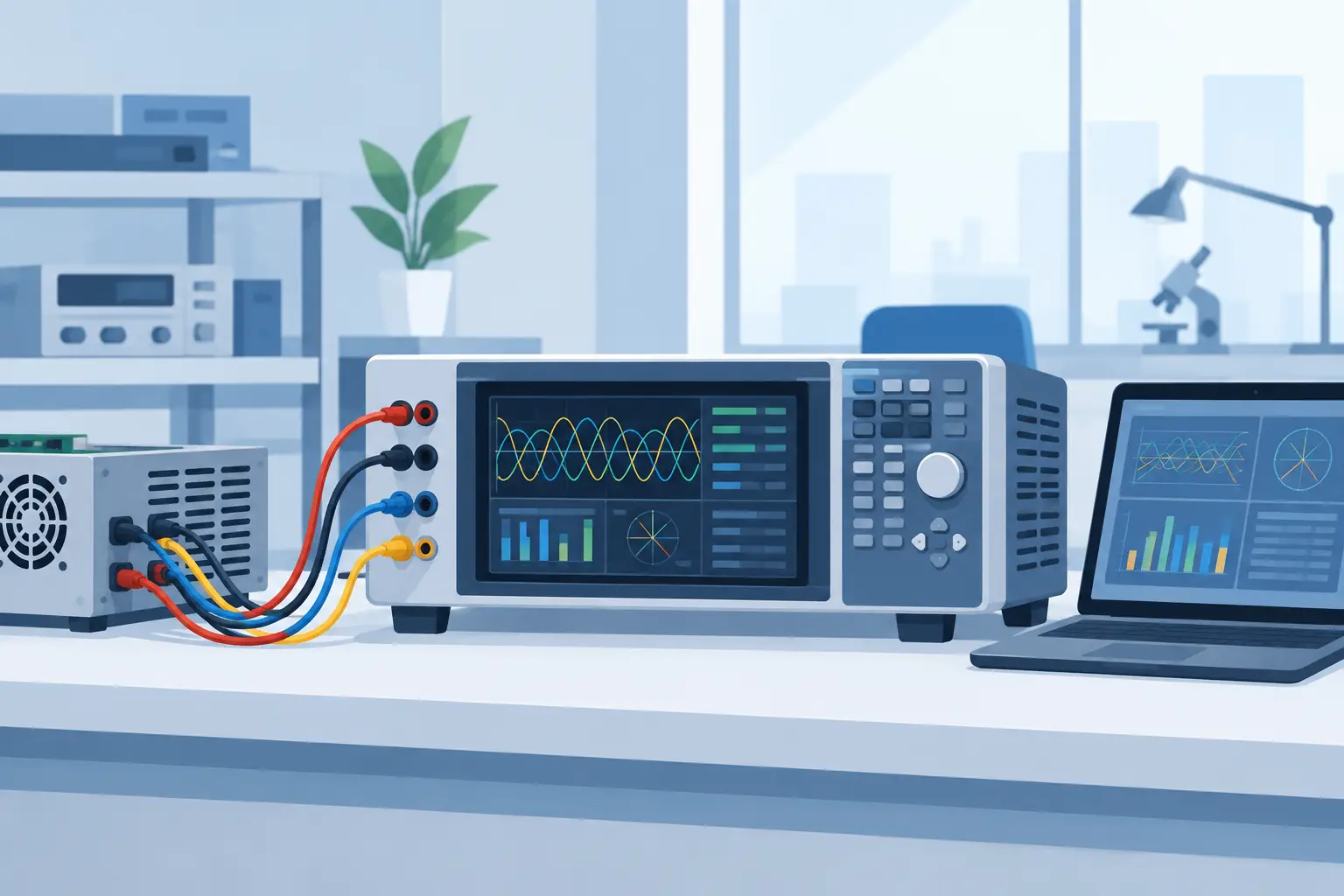
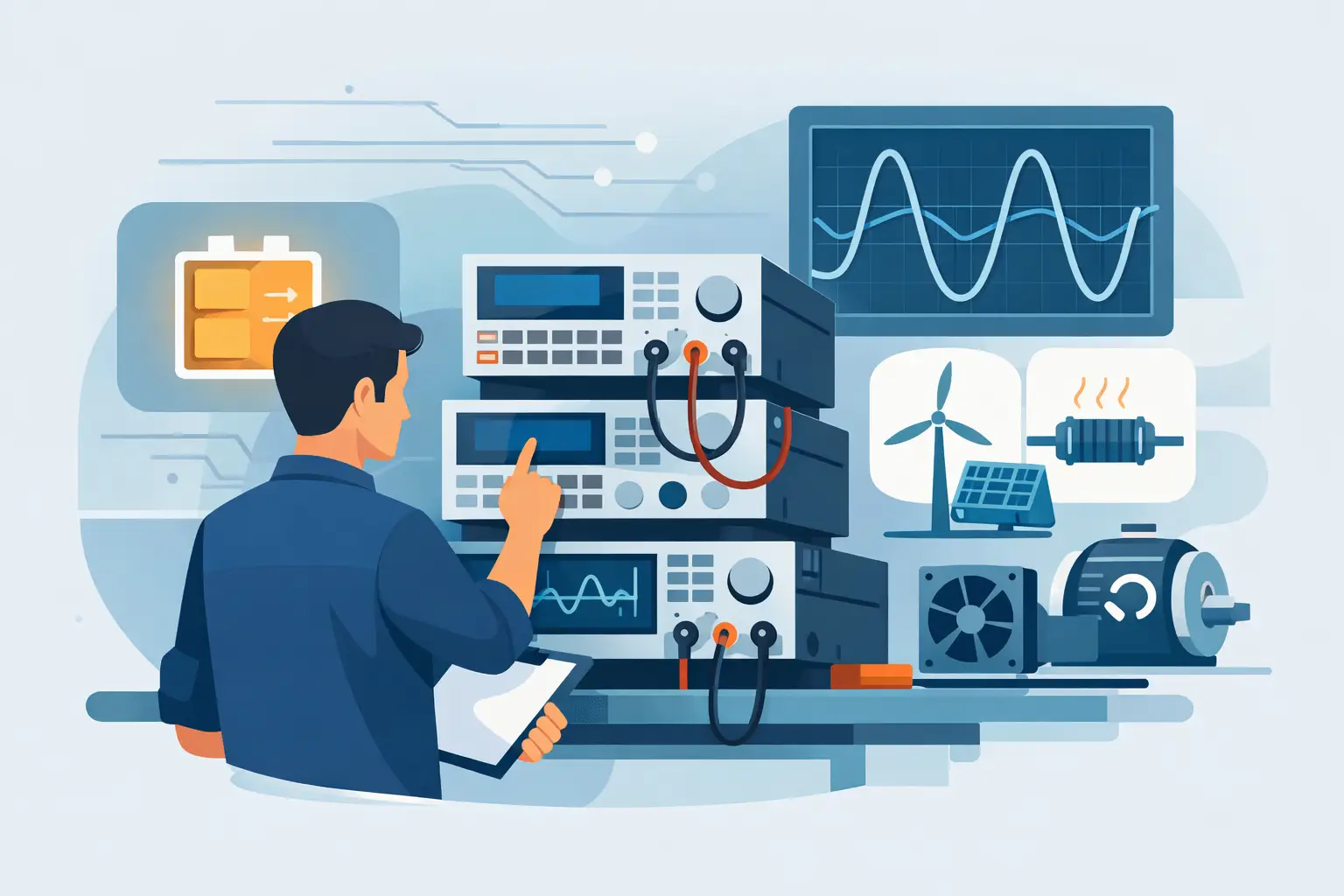
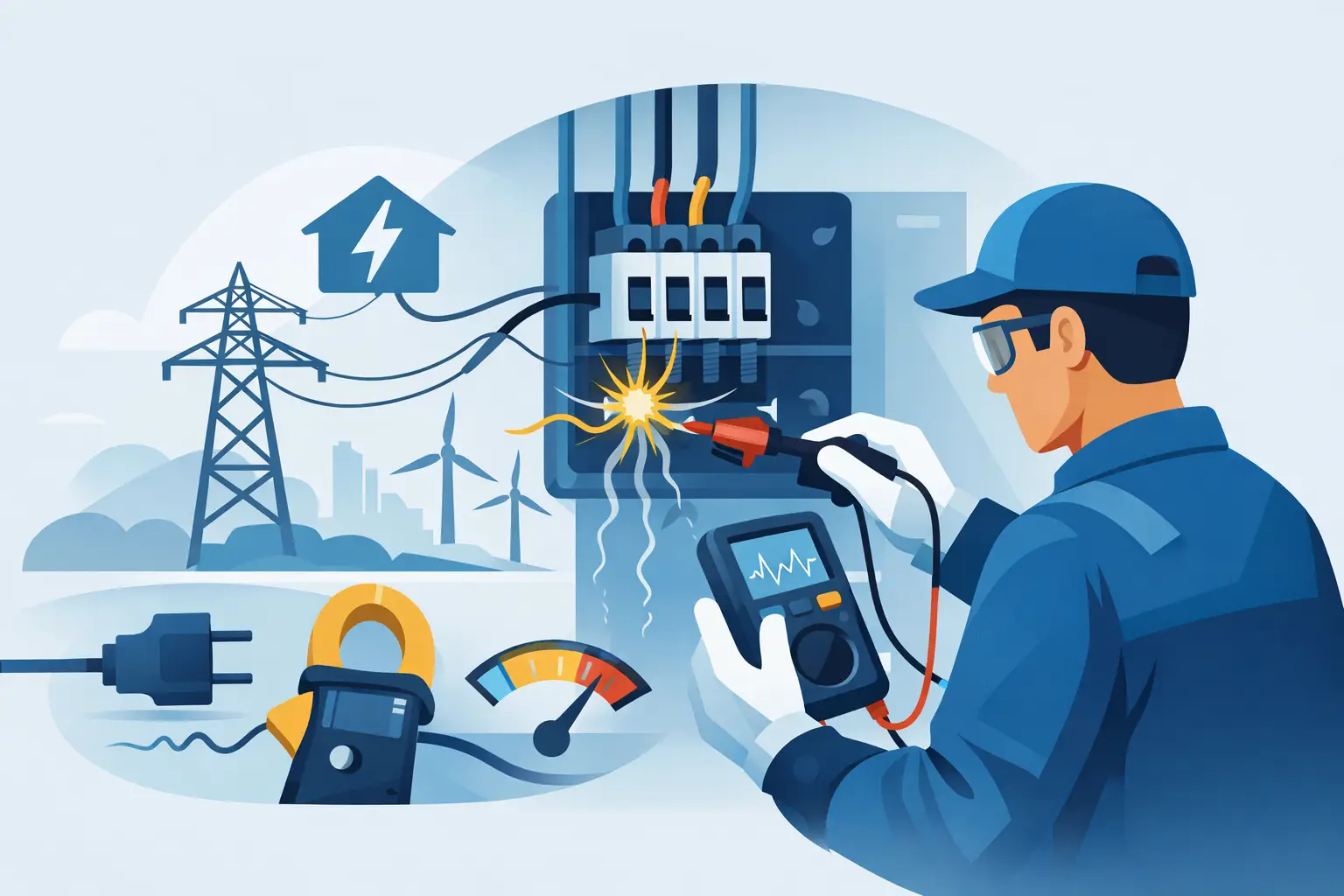
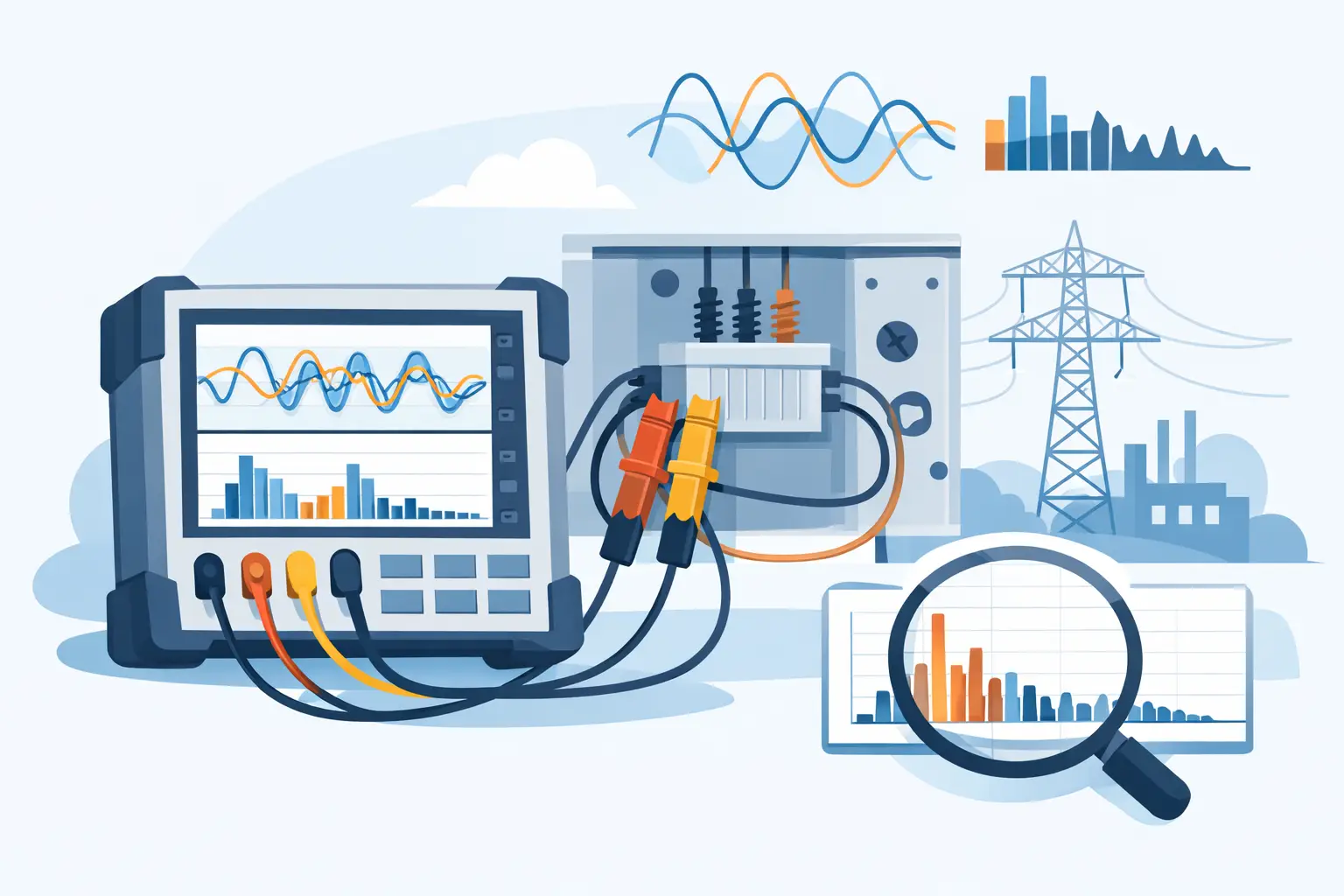
A 0.1% error in voltage rarely stays a 0.1% error by the time you calculate true power, efficiency, or standby consumption. Once voltage, current, phase angle, bandwidth, and harmonic content all enter the measurement chain, small instrument errors can stack into a large decision error. That is why asking how accurate should power analyzers be is not a matter of picking the tightest spec on a datasheet. It is a matter of matching measurement uncertainty to the engineering risk, compliance requirement, and operating conditions of the test.
How accurate should power analyzers be for real applications?
The short answer is that a power analyzer should be accurate enough that the instrument does not materially affect the pass-fail decision, design conclusion, or efficiency claim. In practice, that threshold changes by application.
If you are checking broad production trends on a stable line, moderate accuracy may be enough. If you are validating inverter efficiency, comparing motor drive topologies, measuring very low power factor loads, or documenting compliance to a regulatory limit, the analyzer needs significantly tighter performance. In those cases, the question is less about the headline percentage and more about total measurement uncertainty across the actual test conditions.
A common mistake is to specify accuracy in isolation, such as demanding 0.01% basic power accuracy without asking whether the test setup, transducers, lead routing, thermal drift, and signal content support that level of performance. Another common mistake is the opposite one: selecting a general-purpose meter with nominal watt measurements for work that depends on phase accuracy, crest factor handling, and harmonic fidelity.
For most engineering teams, the right answer starts with this principle: instrument uncertainty should be comfortably smaller than the tolerance band or performance difference you need to detect. If your efficiency target differs by 0.2%, an analyzer uncertainty near that same level is not good enough. If your standby power limit is measured in fractions of a watt, low-level resolution and phase performance become central, not optional.
Accuracy is more than one number
A datasheet often leads with a single basic accuracy value, but that figure can be misleading if it is read without context. Power analyzer performance is usually shaped by several interacting terms: voltage accuracy, current accuracy, phase accuracy, power calculation accuracy, range dependence, frequency response, temperature coefficient, and time stability.
That matters because true power is derived, not directly sensed in isolation. Real power depends on simultaneous voltage and current sampling and the precise calculation of the phase relationship between them. When waveforms are distorted or the power factor is low, errors that look minor on paper can become significant in use.
For example, measuring a nearly resistive heater at line frequency is a very different task from measuring a PWM motor drive, a high-frequency converter, or a low-power standby load with non-sinusoidal current draw. In the first case, a broader class of analyzers may perform adequately. In the latter cases, bandwidth, sampling architecture, and phase integrity often matter as much as nominal base accuracy.
This is why experienced users look past a single specification and evaluate the uncertainty model over the ranges and waveform conditions they actually expect to test.
Why phase accuracy changes the answer
Phase error is one of the fastest ways to corrupt a power reading, especially at low power factor. Even a small angular error can create a disproportionate wattage error when current lags or leads voltage significantly. That makes phase performance critical in motor drives, transformers, inductive loads, and many power electronics systems.
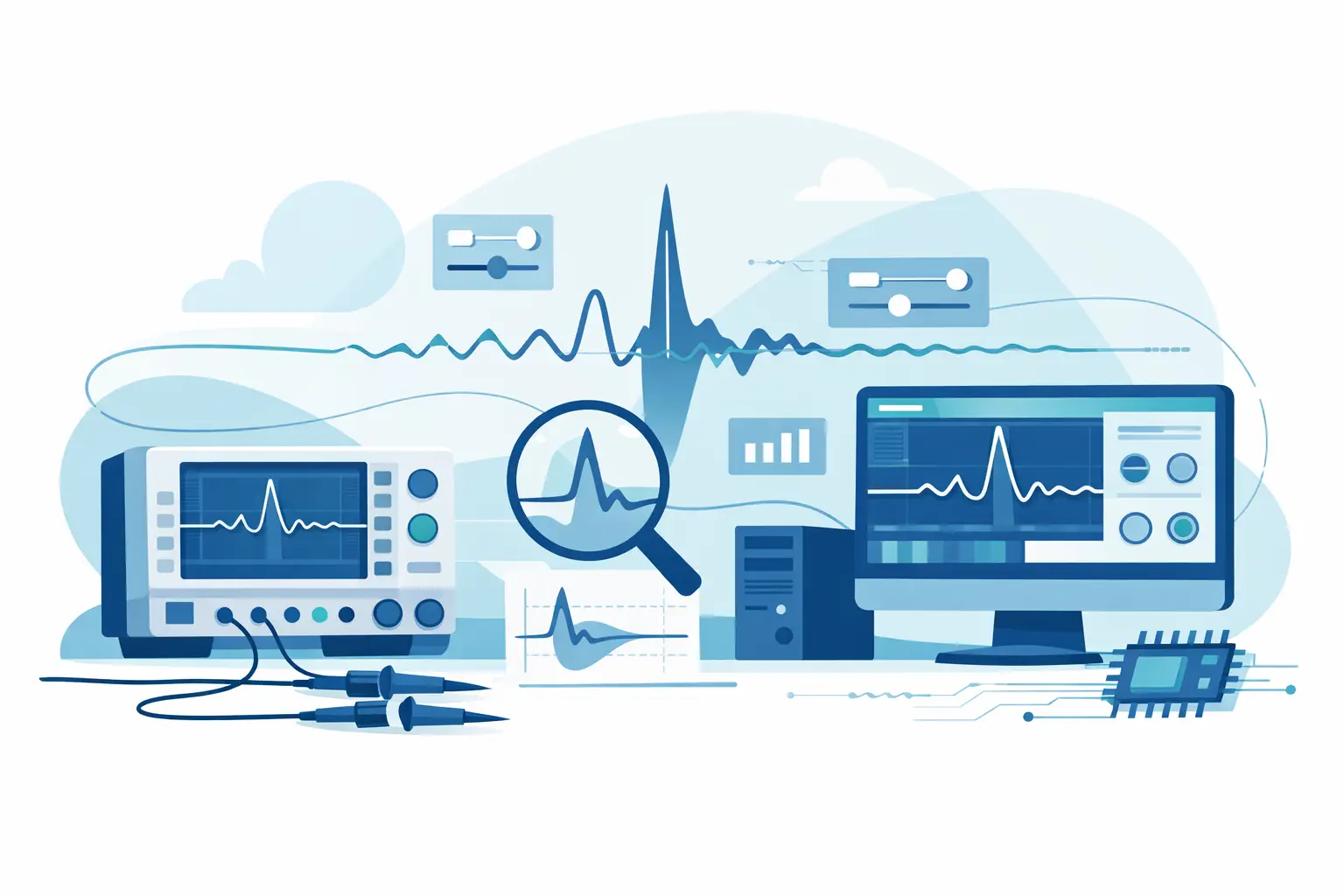
If your work involves distorted waveforms or switching devices, harmonic phase behavior also matters. The analyzer must preserve timing fidelity across the relevant frequency content, not just at 50 or 60 Hz. Otherwise, the computed power components may look stable while still being wrong.
Why range and loading matter
Power analyzers are never equally accurate on every range. The same instrument that performs well near the center of a range may degrade near the bottom end, where offset and noise become more influential, or near the top end, where thermal effects and overload margin come into play.
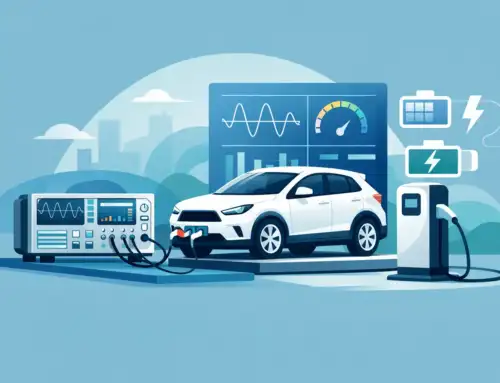
That is especially important for products with wide operating envelopes, such as EV subsystems, variable-speed drives, appliances with standby and peak modes, and aerospace power systems. If one analyzer must cover microamp-level standby current and high-load transients, the range architecture and current sensing approach deserve close attention.
A practical way to decide how accurate power analyzers should be
Start with the decision you need the data to support. Are you comparing design iterations, qualifying to a specification, documenting compliance, or controlling a production process? The tighter the decision threshold, the tighter the analyzer uncertainty must be relative to that threshold.
Next, define the full operating window. Include voltage, current, frequency, waveform shape, crest factor, power factor, and ambient conditions. Accuracy claims only matter if they hold under your real signal conditions.
Then build an uncertainty budget. This should include the analyzer itself, any external current shunts or transducers, wiring effects, fixture repeatability, environmental drift, and calibration status. In many labs, the analyzer is only one part of the total uncertainty.
A useful engineering rule is to keep total measurement uncertainty meaningfully below the limit or difference you care about. There is no universal ratio, but many teams want at least a 4:1 margin between the tolerance band and the uncertainty of the measurement system. If your margin is tighter than that, the data may still be usable, but decision confidence drops and disputes become more likely.
Application-specific expectations
R&D efficiency work usually demands higher analyzer performance than routine go-no-go production checks. When engineers are trying to quantify whether a topology change improved conversion efficiency by a few tenths of a percent, they need low uncertainty, stable phase measurement, and repeatable results across ranges and test days.
Compliance testing can be even less forgiving. Standards-based work often requires traceability, documented calibration, and confidence that the instrument behavior aligns with the method prescribed for the test. If a regulation sets a narrow limit on standby power, harmonics, or energy consumption, the analyzer should not consume most of the allowable error budget.
Production environments are different. Speed, ruggedness, and repeatability may matter as much as absolute best-case accuracy. But even here, under-specifying the analyzer can create hidden cost through false failures, false passes, and poor correlation with validation lab data.
In power electronics, EV, aerospace, and defense applications, waveform complexity tends to push requirements upward. Fast switching edges, non-sinusoidal currents, multiple channels, and dynamic loading all increase the importance of bandwidth, synchronization, and stable measurement architecture. For these use cases, a premium analyzer is often justified not by marketing claims but by reduced uncertainty in difficult signal conditions.
When very high accuracy is worth paying for
Not every test station needs top-tier metrology performance. There is a point where higher specification adds cost without changing outcomes. If your process tolerance is wide and your load conditions are simple, an ultra-high-accuracy analyzer may not deliver practical value.
But there are clear cases where it does. One is when the measured performance differences are small, such as incremental efficiency gains. Another is when standards or customer contracts require traceable, defensible measurements. A third is when waveform conditions make ordinary wattmeters unreliable even if their headline specs appear acceptable.
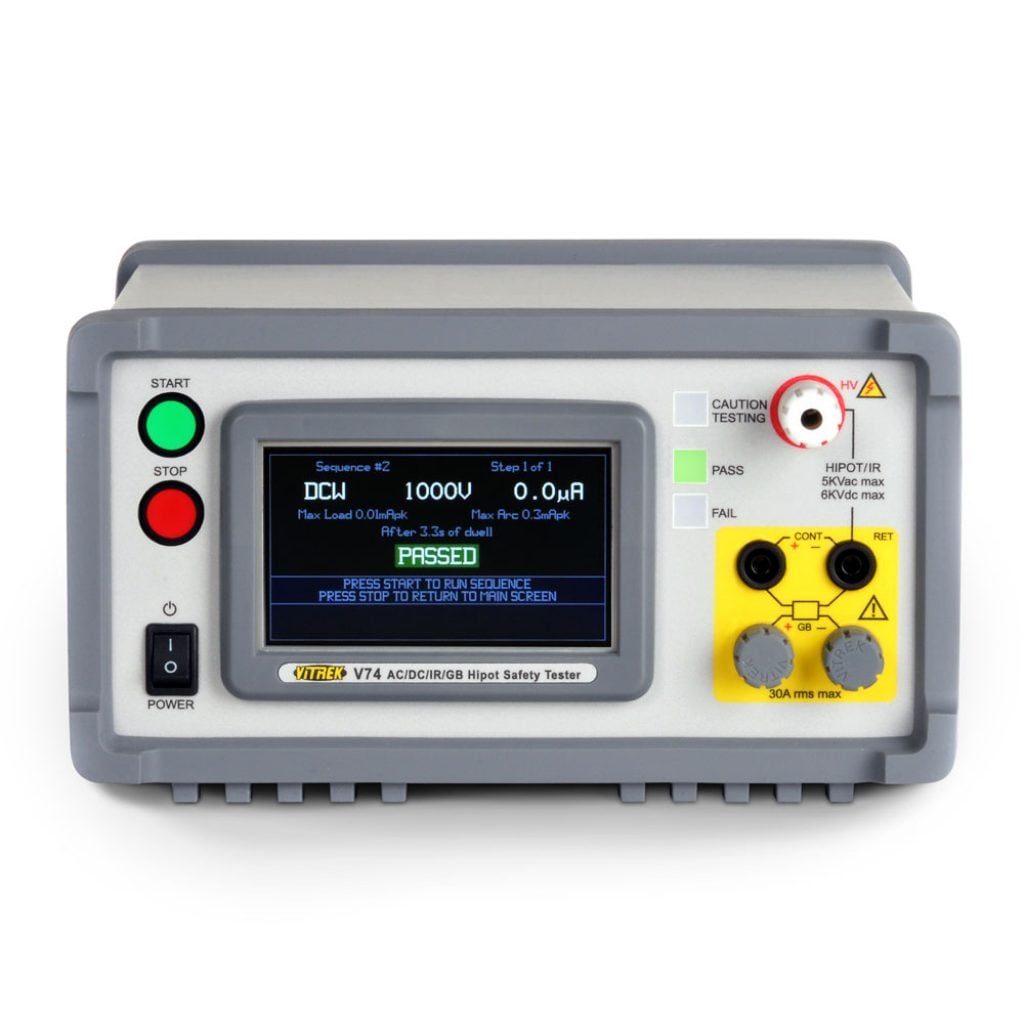
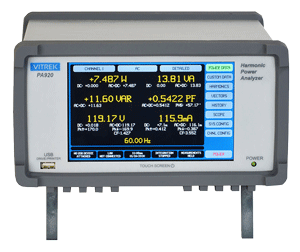
This is where an engineering-focused supplier can help. Companies such as Vitrek design power measurement systems for users who need more than nominal readings. The goal is not just a smaller percentage on paper. It is confidence that the number remains valid when the application becomes difficult.
What to ask before you select an analyzer
Instead of asking only for the best accuracy number, ask how the instrument performs at your expected voltage and current levels, at your power factor, across your frequency content, and over your ambient temperature range. Ask whether the stated specification applies to true power, apparent power, and harmonics under the conditions you care about. Ask how calibration traceability is maintained and how often performance should be verified in your environment.
Also ask how the instrument integrates into the test system. Triggering, data logging, synchronization, software control, and channel isolation can all affect whether the analyzer is useful in the real workflow. A technically strong analyzer that is difficult to automate or correlate with other instruments may still create expensive friction.
The best answer to how accurate should power analyzers be is usually this: accurate enough that the instrument is not the limiting factor in a critical measurement, and specified in a way that reflects the real electrical behavior of the device under test. Once you frame the question that way, selection becomes less about chasing the smallest headline number and more about building a measurement system you can trust when the results matter most.