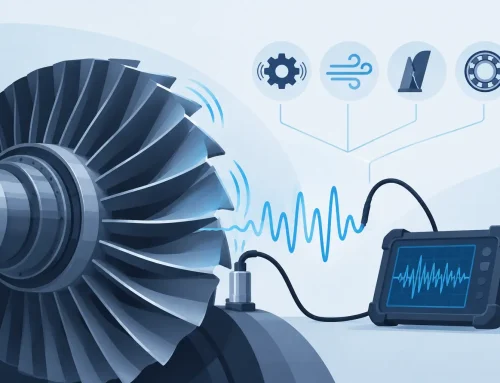
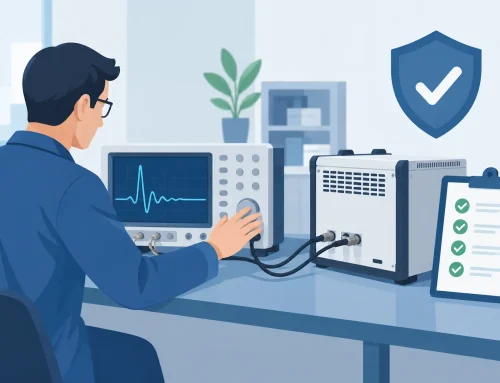
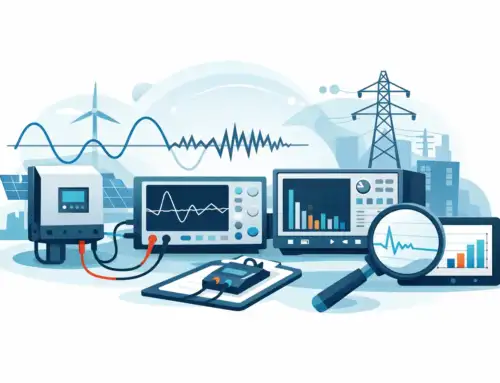
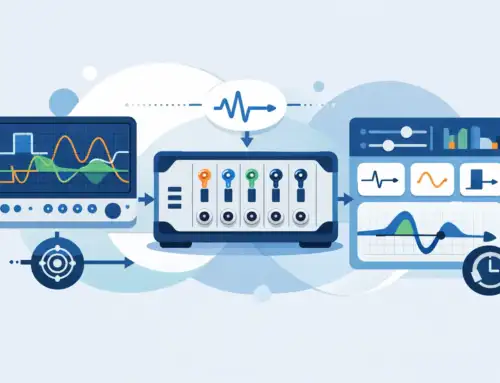
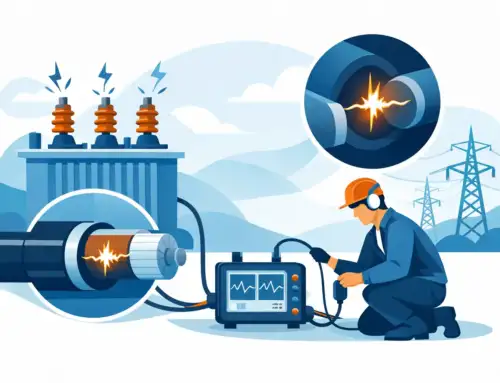
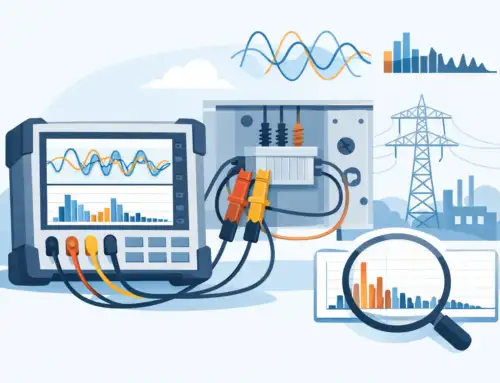
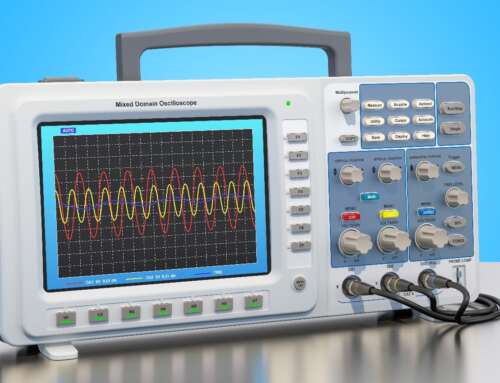
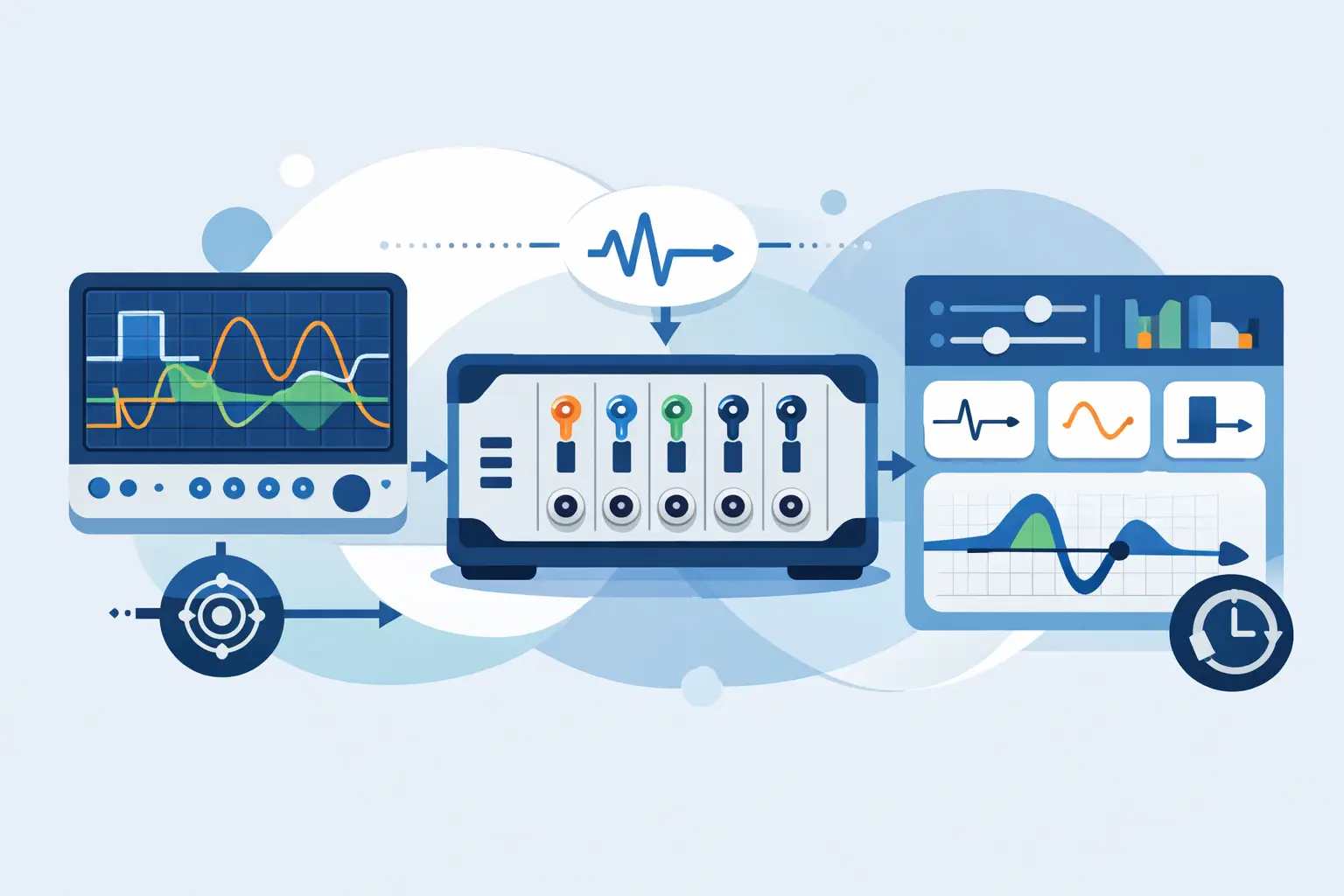
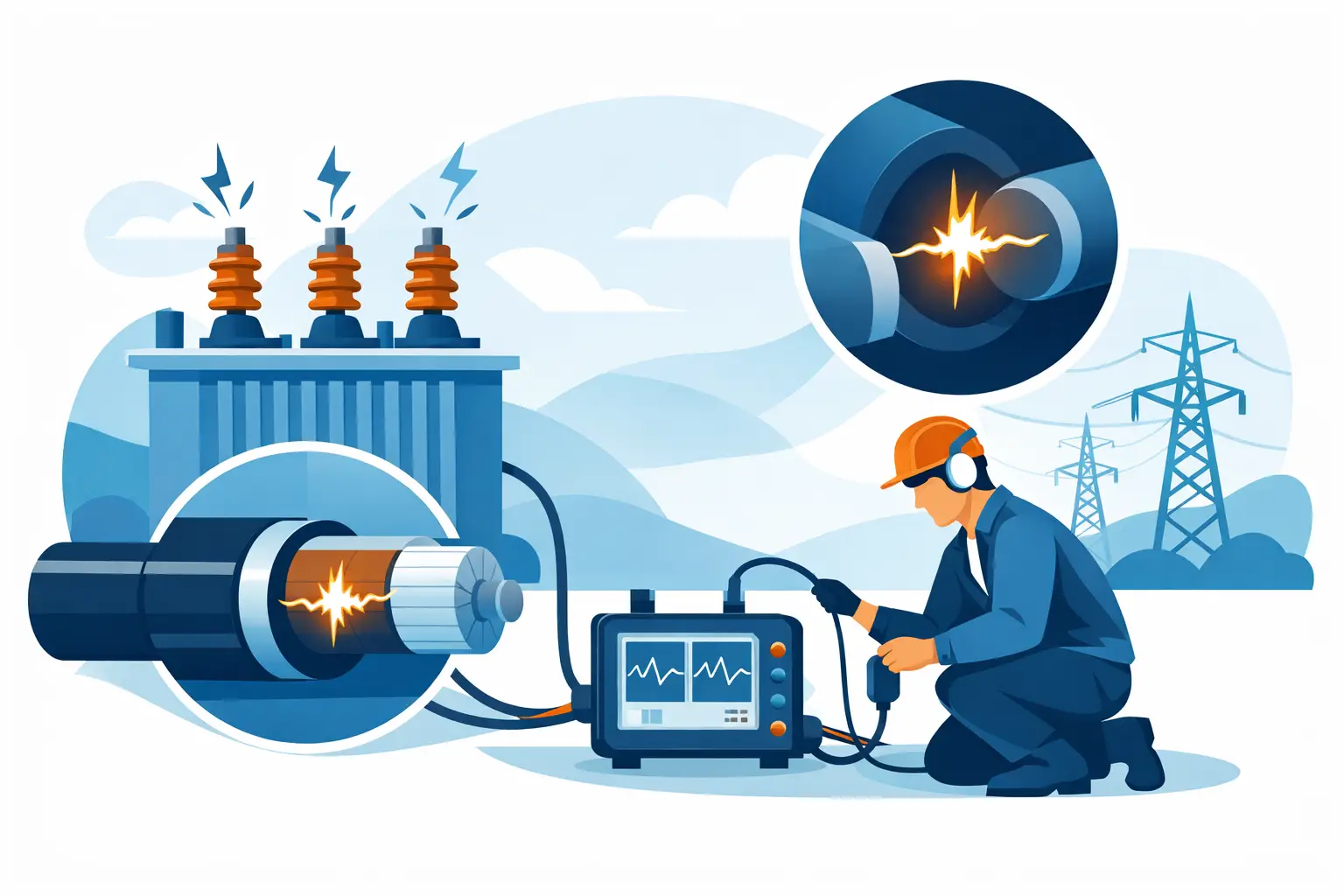
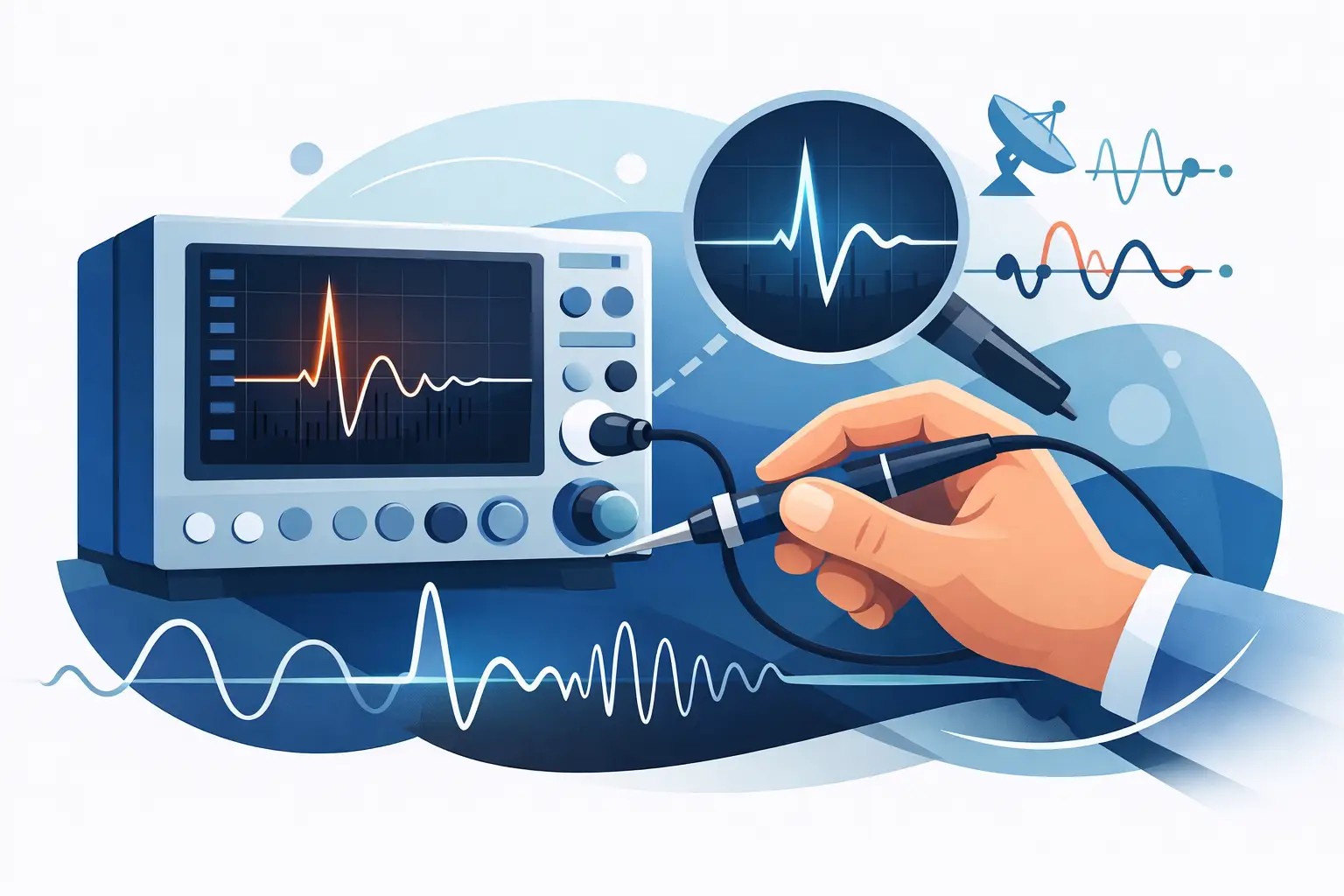
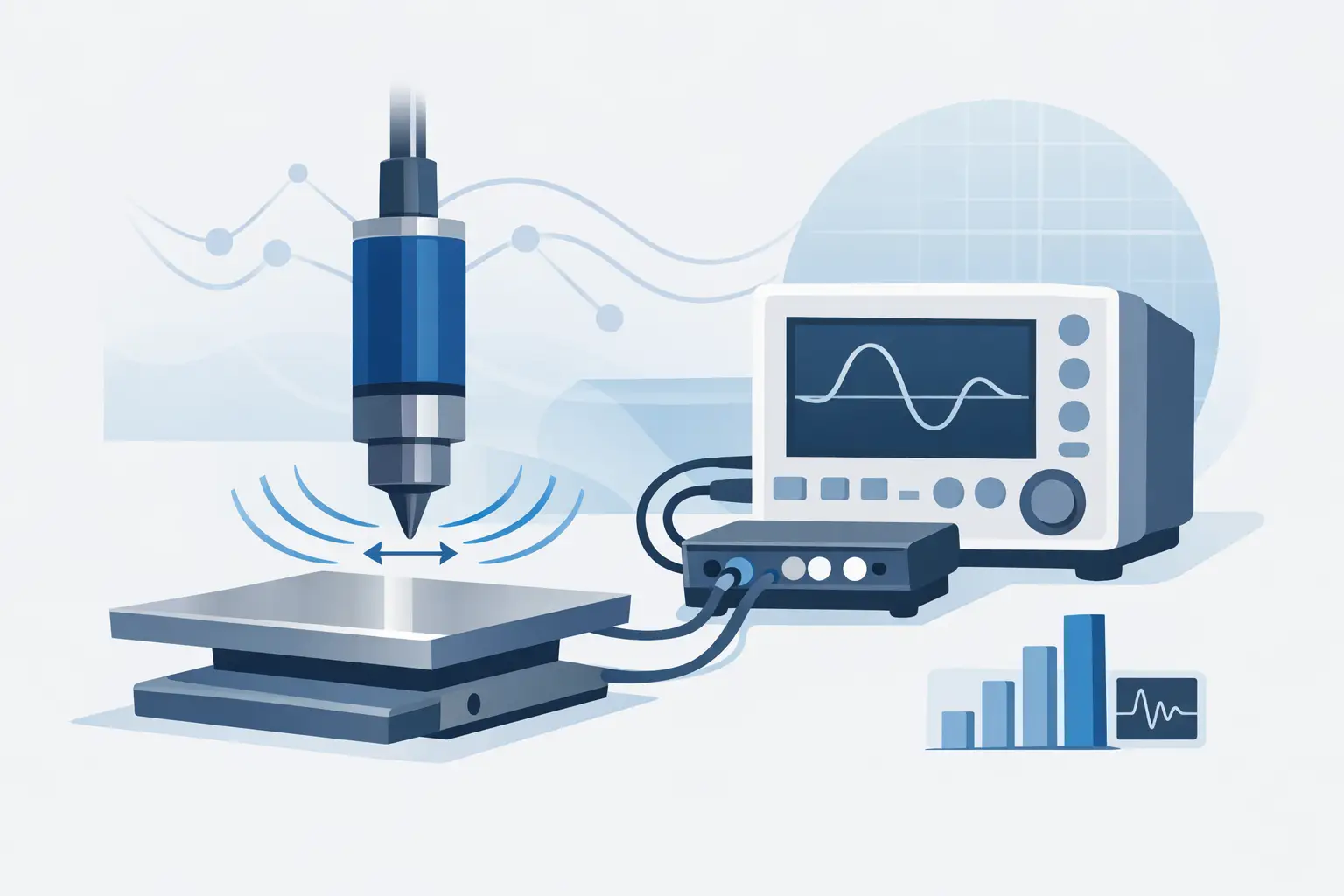
A transient event rarely gives you a second chance. Whether you are capturing a switching spike in a power stage, a pulsed RF response, an intermittent fault on a bus, or a discharge event in a high-voltage test setup, the way you configure digitizer for transient capture determines whether you get usable evidence or an incomplete waveform.
Transient acquisition is not mainly about selecting the highest sample rate and pressing run. In regulated and performance-critical environments, configuration choices affect timing accuracy, amplitude fidelity, repeatability, and the ability to defend test data later. The right setup starts with the event itself – how fast it is, how often it occurs, what amplitude range it occupies, and what part of the record matters most.
What transient capture demands from the instrument
A transient has three defining traits: it is brief, often unpredictable, and easy to distort. That means the digitizer must be configured as a system, not as a collection of isolated settings. Sample rate, analog bandwidth, input range, trigger strategy, memory allocation, and clock stability all interact.
If one setting is wrong, the waveform may still look plausible while being quantitatively wrong. A clipped pulse can be mistaken for saturation in the device under test. Too little bandwidth can smooth a fast edge and hide ringing. Too much range can bury a low-level event in quantization noise. This is why transient work demands engineering discipline rather than default settings.
Start with the transient, not the digitizer
Before changing any acquisition parameter, define the event in measurement terms. Estimate its rise time, pulse width, repetition behavior, expected amplitude, source impedance, and the amount of pre-trigger and post-trigger data you need. That information drives every major setup choice.
For example, a one-time ESD-like event and a repetitive switching transient should not be configured the same way. A repetitive event may allow equivalent-time strategies or repeated optimization. A rare intermittent failure usually requires conservative triggering, deep onboard memory, and continuous monitoring modes that preserve context before and after the trigger.
This step also clarifies the measurement objective. If you only need to know peak amplitude, the setup may prioritize dynamic range and overload margin. If you need edge timing, overshoot, settling, or frequency content, then bandwidth, clock integrity, and record length become more critical.
Configure digitizer for transient capture with the right sample rate
Sample rate is the first setting most users reach for, but it should be chosen with intent. The minimum rate must satisfy the analog content of the transient, not just its duration. As a practical rule, engineers often start with at least five to ten samples across the fastest feature they need to characterize. For precision edge analysis, that may still be too low.
A very high sample rate is not automatically better. Higher rates reduce total capture time for a fixed memory depth, and they can increase data volume and downstream processing load. If the event includes a long settling period or if pre-trigger history matters, excessive sample rate can waste memory on detail that does not improve the result.
The best approach is to estimate the highest significant frequency component or the shortest edge of interest, then choose a rate that preserves that content with margin. If you expect to compare captures across tests or stations, standardizing the sample rate can also improve repeatability and simplify analysis.
Match analog bandwidth to the physics of the event
Bandwidth and sample rate are related, but they are not interchangeable. The analog front end determines what energy reaches the ADC. If the bandwidth is too low, the digitizer cannot recover edge details no matter how fast it samples.
At the same time, opening bandwidth as wide as possible is not always the right choice. Wider bandwidth admits more noise, which can reduce effective resolution and destabilize triggering for small transients. In noisy industrial environments, limiting bandwidth to what the measurement actually needs often improves waveform quality.
A useful method is to align analog bandwidth with the fastest meaningful content of the transient, then verify whether the reduced noise floor improves interpretation. This matters in power electronics, motor drive diagnostics, and high-voltage switching, where broad-spectrum interference can mask the event of interest.
Set the input range for dynamic range without clipping
Input range is one of the most consequential settings in transient work. If the range is too narrow, the event clips and the capture is compromised. If it is too wide, the ADC uses only a small portion of its available codes, reducing effective amplitude resolution.
The trade-off is straightforward but application-dependent. In fault capture, some engineers intentionally leave more headroom because the cost of clipping is higher than the cost of lower resolution. In controlled R&D pulse measurements, where amplitude is bounded, a tighter range often produces better detail.
Also confirm termination, coupling, and probe or sensor scaling. A mismatch between source impedance and digitizer input can alter pulse shape. AC coupling can remove baseline offset but distort low-frequency content and long droop behavior. For many transient applications, DC coupling with a well-understood offset is the safer starting point.
Trigger strategy is where many captures fail
To configure digitizer for transient capture successfully, trigger setup needs as much attention as the acquisition path. A good trigger should respond to the event of interest while rejecting ordinary noise, ringing, and unrelated activity.
Simple edge triggering is often adequate for clean pulses, but complex environments may require slope qualification, level hysteresis, external trigger sources, or software-assisted event logic. If the transient is tied to a known system state, an external hardware trigger often improves repeatability by reducing ambiguity.
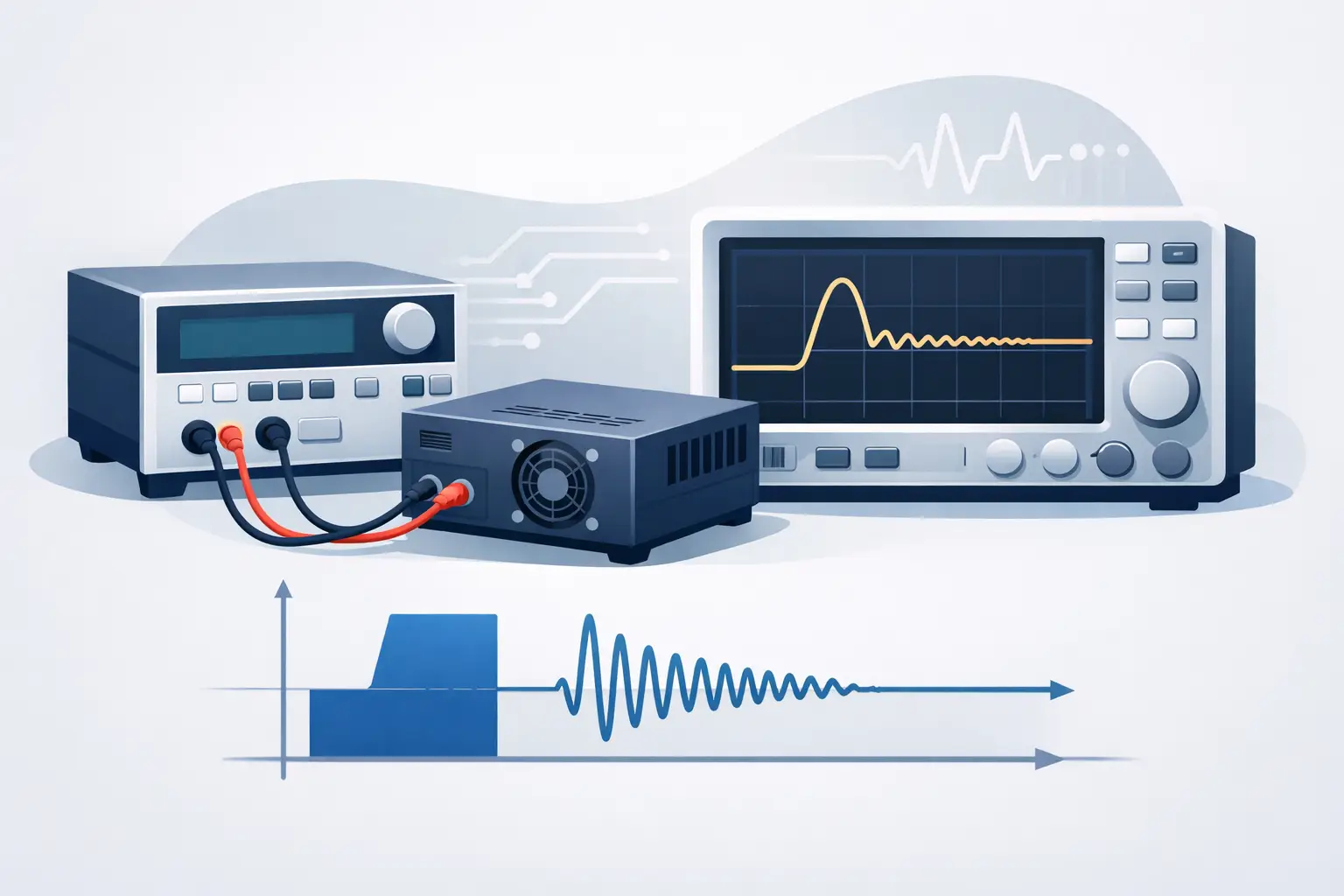
Pre-trigger memory is especially valuable. It lets you see what happened before the event, which is often where the root cause appears. For intermittent faults, the lead-up can matter more than the spike itself. Post-trigger allocation matters too, particularly when you need to observe recovery, settling, or secondary oscillations.
Trigger holdoff is another underused control. In repetitive systems, holdoff can prevent the digitizer from retriggering on the wrong part of a burst or on reflections after the main event.
Memory depth defines how much story you can keep
Transient capture is usually a balance between time resolution and observation window. Memory depth sets that balance. Deep memory allows long records at high sample rates, which is useful when the event is rare or when system behavior before and after the transient matters.
But large records are not free. They increase transfer time, analysis overhead, and storage requirements. In production or automated validation, record size should be large enough to preserve the event context without slowing the test cell unnecessarily.
Segmented memory can be a better answer when capturing multiple short transients separated by idle time. Instead of storing long dead periods, the digitizer records only the event windows. This approach is particularly effective for burst activity, repetitive faults, and qualification tests that need many statistically relevant captures.
Validate timing, noise, and measurement integrity
Once the first waveform appears, configuration is not finished. Verify that the capture is trustworthy. Check whether the baseline is stable, whether the pulse top is flat or unexpectedly rounded, whether ringing is physical or caused by probing, and whether repeated acquisitions align in time and amplitude.
It is also worth comparing captures at two different ranges or bandwidth settings. If the waveform shape changes significantly, the current configuration may be influencing the result. In compliance-sensitive environments, this validation step supports defensible measurement practice.
Clock quality matters as well, especially when correlating channels or comparing events across systems. For multi-channel transient analysis, timing skew, synchronization method, and reference clock stability can materially affect conclusions.
Practical mistakes to avoid
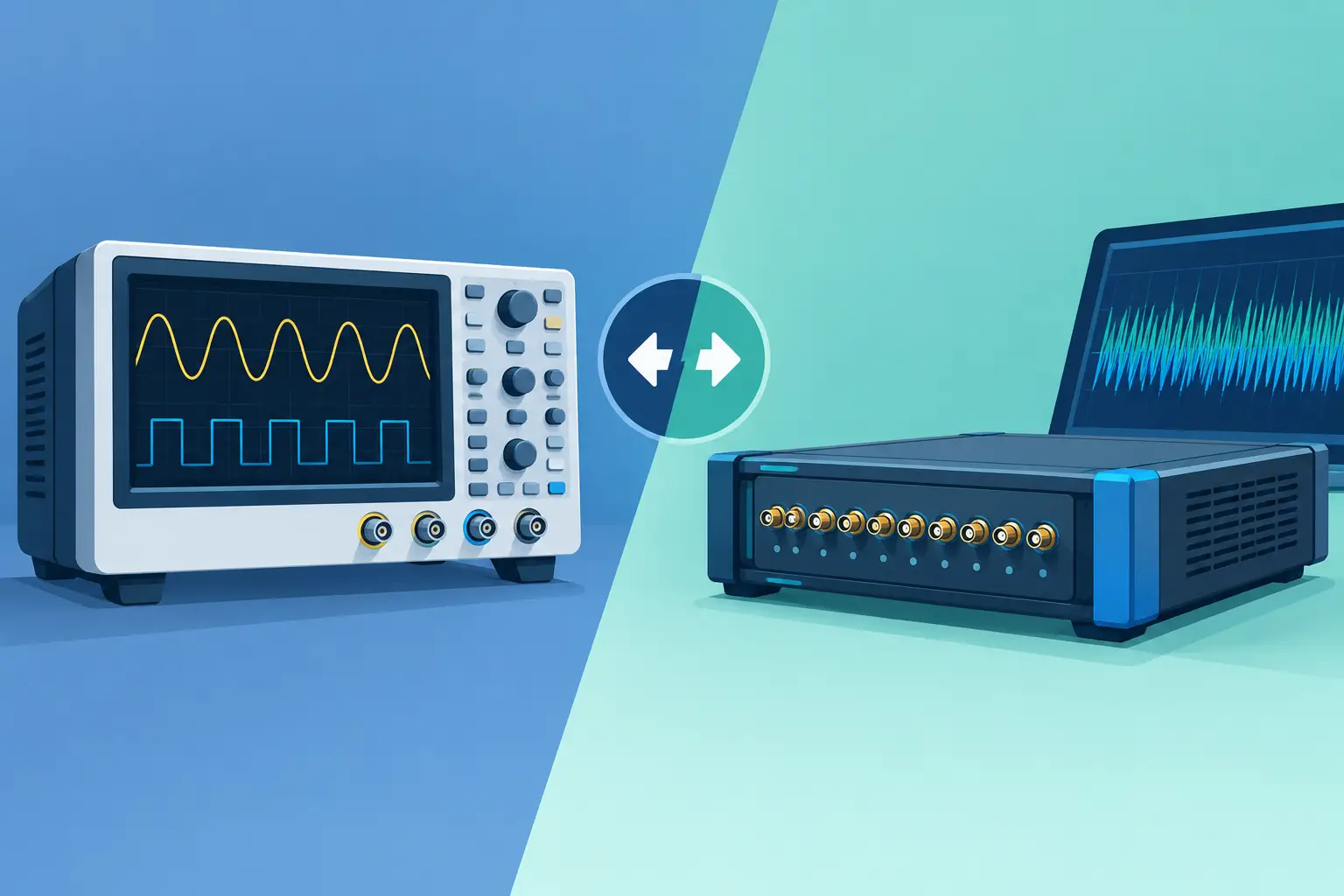
Most transient capture problems come from predictable setup errors. Users oversample without enough memory, use more bandwidth than the signal requires, trigger too close to the noise floor, or leave too little pre-trigger history to diagnose the event. Another common issue is treating the digitizer like a general-purpose oscilloscope rather than a precision acquisition instrument with configurable trade-offs.
The better workflow is iterative. Start from the expected event physics, choose conservative settings, capture several examples, and then tighten the configuration around the actual waveform behavior. That process usually produces better data than choosing maximum settings across the board.
In advanced applications, a high-speed digitizer platform with flexible triggering, deep acquisition memory, and software control can make that iteration far more efficient, particularly when the capture needs to move from bench investigation into repeatable automated test.
The useful question is not whether the digitizer captured something. It is whether the captured record preserves enough amplitude, timing, and context to support the engineering decision that comes next.