Wire Bonding
Description
Introduction
What is Wire Bonding?
Wire bonding is a critical semiconductor manufacturing process that creates electrical connections between integrated circuits (ICs) and their packaging substrates. This wire bonding technique uses ultra-thin bond wires, typically made of gold or aluminum, to establish reliable electrical pathways in microelectronics applications.
Understanding Wire Bond Fundamentals
A typical wire bond consists of bonded wire connecting a die pad to a substrate pad on a PC board. The bond wire diameter varies between 18 and 50 microns, with 25 microns being the industry standard for most semiconductor wire bonding applications. Bond wires must maintain precise positioning, as pad sizes typically measure 75-100 microns wide with 100-micron spacing between adjacent pads.
Types of Wire Bonding
Ball Bonding
The most common wirebond method, ball bonding creates spherical connections using gold wire. This technique offers excellent reliability for IC wire bonding applications.
Wedge Bonding
Wedge bonding creates wedge-shaped connections and works well with both gold and aluminum bonding wires. This method is preferred for certain die wire bonding configurations.
Ribbon Bonding
Used for high-power applications, ribbon bonding employs flat bonding wire to handle higher current densities in specialized semiconductor applications.
Wire Bonding Technology and Equipment
Wire Bonding Machines
Modern wire bonding machines, including manual wire bonding machines and automated systems, provide precise control over the bonding process. These wirebonding machines incorporate advanced positioning systems and real-time monitoring capabilities.
Wire Bonding Equipment Components
• Bonding tools and capillaries for accurate wire placement
• Ultrasonic transducers for energy application
• Vision systems for wire bonding inspection
• Precision stages for substrate positioning
Wire Bonding Process Requirements
Precision Movement Control
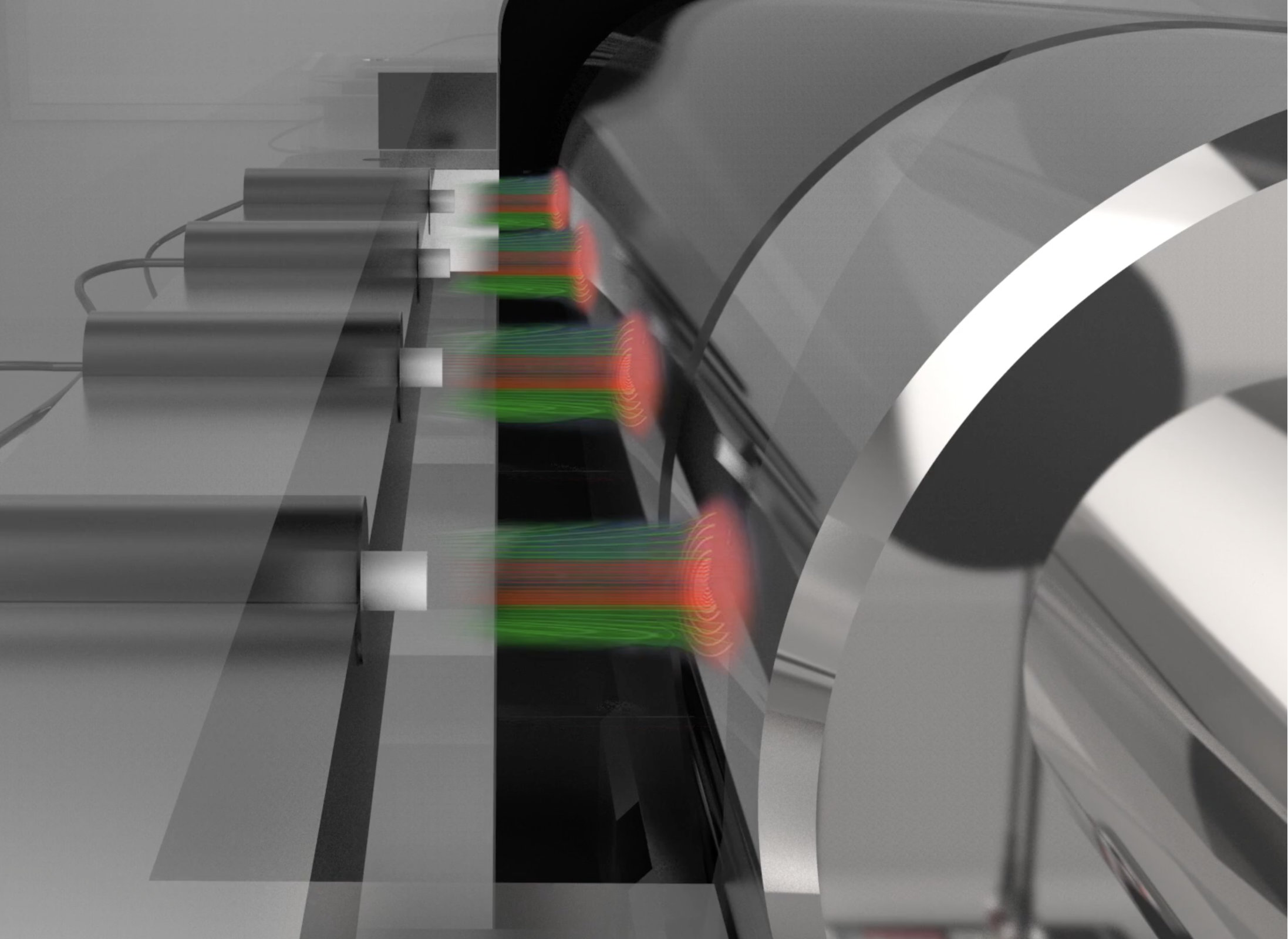
Machine automation in wire bonding requires measuring small distances with extreme accuracy. The actual bond width typically measures 1.2 to 2.5 times the wire diameter, demanding precise stage movement monitoring to ensure proper bonded wire placement.
Coplanar Wire Bond Structures
Wire bonds are designed to maintain consistent center-to-center pitch when passing from die-to-die. This coplanar configuration keeps bond wires parallel and on the same plane across all cross-sections. Using the center wire as signal and outer wires as ground creates a controlled impedance structure.
“The wire bonds are designed to be adjacent to each other and maintain the same center-to-center pitch as they pass from die-to-die. We call this a coplanar wire bond structure because the wire bonds are always parallel to each other and on the same plane along all cross-sections of the structure. By always using the center wire as the signal and the two outer wires as the grounds (or return), a controlled impedance structure is created.” -¬†Samuel Harkness, Jeffrey Meirhofer, and Brock J. LaMeres — Department of Electrical and Computer Engineering Montana State University, Bozeman, MT¬†
Wire Bonding Inspection and Quality Control
Wire Bonding Detection Methods
Proper wire bonding inspection ensures reliable connections through various detection techniques:
• Visual inspection using high-resolution cameras
• Electrical testing for continuity verification
• Pull testing for mechanical strength assessment
• Wirebond inspection systems for automated quality control
Common Wire Bonding Challenges
• Temperature control during the bonding process
• Surface coplanarity requirements (within microns)
• Wire bonding detection of defective bonds
• Contamination prevention on bonding surfaces
Specialized Wire Bonding Applications
High-Temperature Wire Bonding
Some applications require bonding at elevated temperatures (300°C+), necessitating specialized equipment and techniques. Custom probes with high-temperature capabilities ensure proper surface preparation and coplanarity verification.
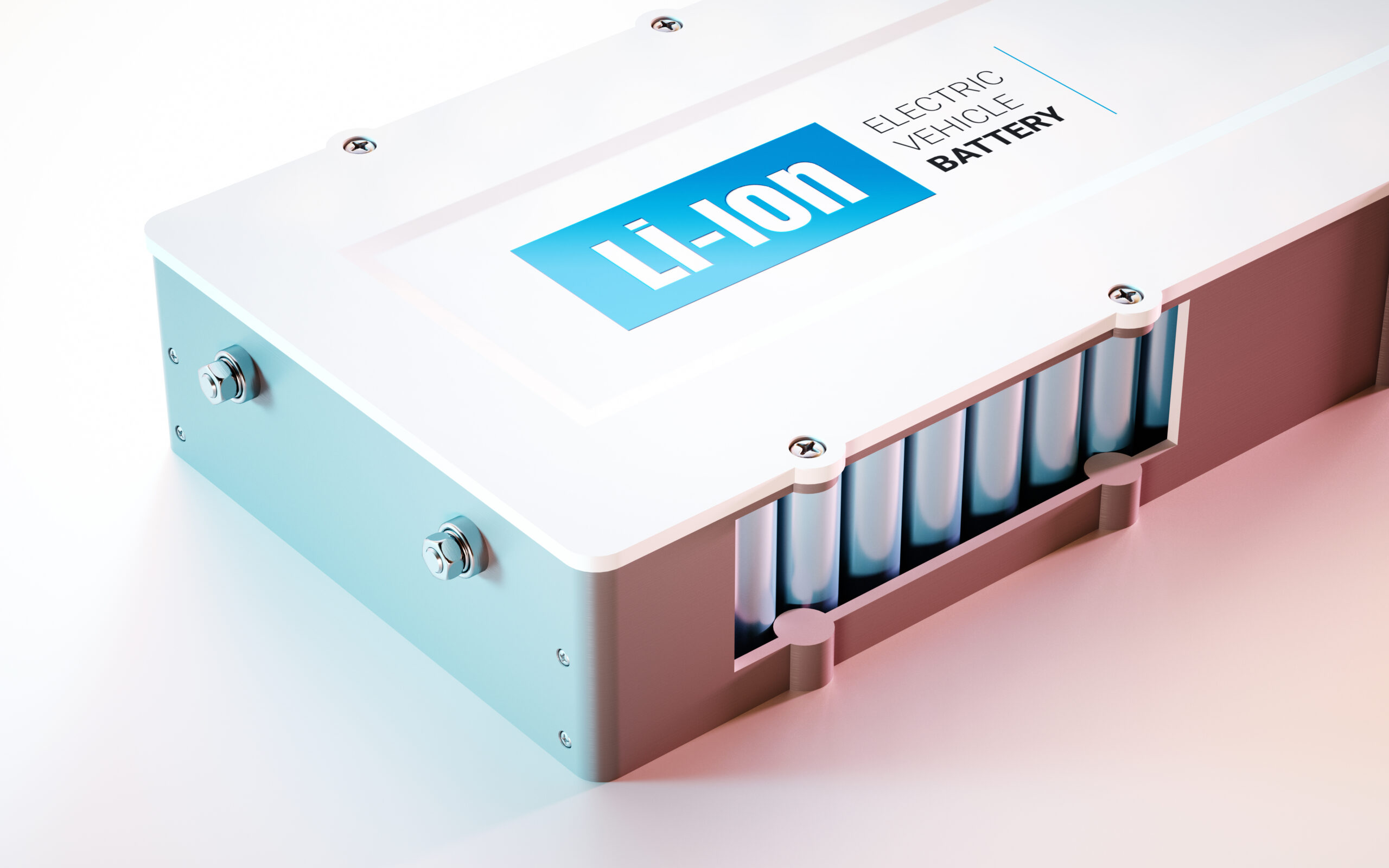
Battery Wire Bonding
Battery applications demand specific wire bonding techniques to handle power delivery requirements while maintaining reliability in automotive and energy storage systems.
Wire Bonding in Microelectronics
Modern microelectronics rely heavily on precise wire bonding for everything from consumer electronics to aerospace applications, requiring consistent quality and reliability.
Issue: Two hot (300C) surfaces needed to be checked and confirmed to be coplanar to within a few microns prior to bonding.
MTI Instruments Wire Bonding Solutions
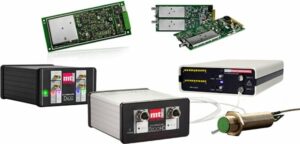
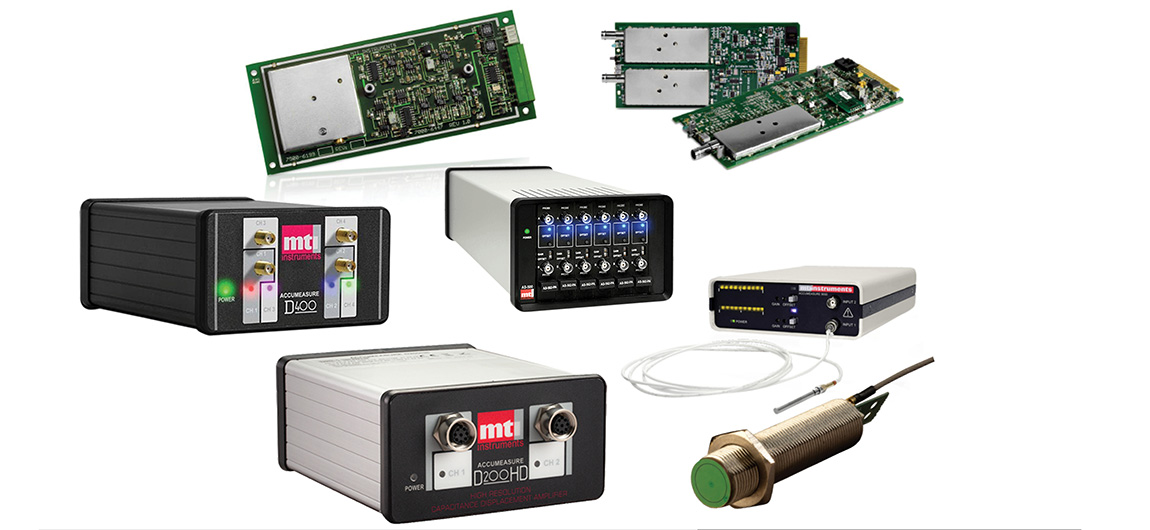
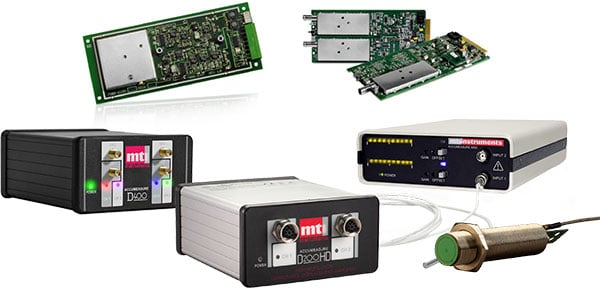
MTI Instruments High Temperature Capacitance Probes work in hot environments and have accuracies rivaling that of laser interferometers. A special custom probe was designed with approximately 0.5 mm range that could withstand 300C. The probe was mated to a MTI AS-563-PA probe amplifier board which was integrated into their wire bonder. The accuracy achieved in the hot environment was greater than required and the program was very successful.
MTI Instruments is always happy to work on your hottest projects and deliver surprisingly cool results.
MTI Instruments specializes in precision measurement solutions for wire bonding applications, delivering accurate results in challenging environments.