Introduction
Calibration laboratories rarely support a single instrument type or voltage requirement. Their workload may include hipot testers, high-voltage power supplies, and insulation testers, each with its own measurement points, operating conditions, and acceptance limits.
For commercial calibration providers and internal metrology departments, selecting high-voltage measurement equipment therefore requires more than comparing maximum voltage ratings.
The practical question is how much of the recurring workload a measurement system can support—and what it takes to configure, perform, and document that work consistently.
This paper presents a workload-based approach to evaluating high-voltage measurement capability. It examines four considerations: measurement coverage, suitability for the required uncertainty, day-to-day workflow, and the boundaries of a common measurement platform.
Maximum Voltage Defines One Limit of a Measurement System. The Calibration Workoad Determines its Practical Value.
1. Start with the Workload
A maximum voltage rating is an easy specification to compare. It does not, by itself, reveal whether a measurement system fits the work arriving at the laboratory.
Two laboratories with the same highest voltage requirement may need substantially different capabilities. One may perform frequent DC measurements on a small number of power-supply models. Another may handle a changing mix of AC hipot testers, insulation testers, and other sources.
Even within one instrument family, differences in frequency, source output capability, required loading, and acceptance limits can affect the measurement approach.
Begin with a representative sample of completed jobs and expected demand. Group the work by instrument family, then identify the voltage-measurement requirements within each procedure.
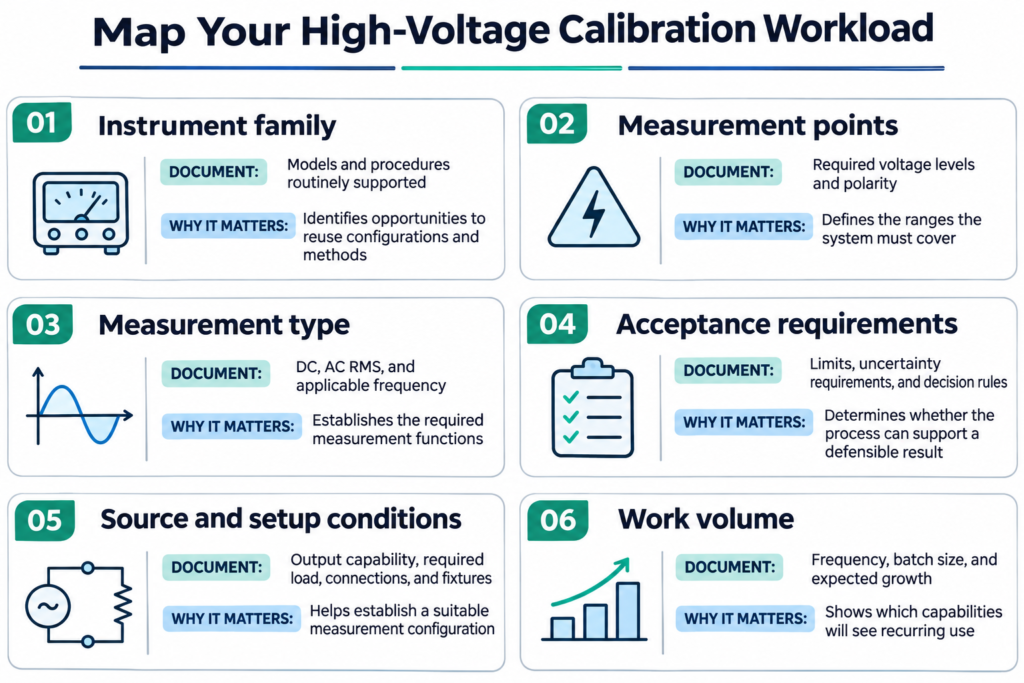
The result should be a workload map, rather than a list of instrument names.
That distinction matters because instruments in different categories may share voltage-measurement requirements, while instruments within the same category may require different configurations.
2. Distinguish Range Coverage from Usable Coverage
A system may reach the required voltage and still be unsuitable for a particular measurement.
Usable coverage means the complete configuration can support the required measurement under the conditions specified by the procedure. That includes the meter, any probe or divider, connections, fixtures, and relevant environmental conditions.
Four questions help establish that coverage.
Does the configuration support the required measurement type?
DC and AC measurements impose different requirements. For AC work, evaluate the applicable frequency and waveform conditions alongside voltage. A maximum voltage rating should not be assumed to apply equally across every measurement mode and operating condition.
Can the measurement process support the acceptance limits?
Compare the required limits with the uncertainty of the complete measurement process. The meter’s accuracy specification is one input to that evaluation; it does not represent the entire uncertainty budget. Depending on the method, other contributions may include probe characteristics, reference calibration uncertainty, resolution, repeatability, and environmental effects.
How does the measurement configuration affect the source?
The measuring system becomes part of the source’s load. Its input characteristics can influence the voltage being measured, particularly when the source has limited output capability. Review the source requirements and the measurement configuration together. Where a procedure specifies a load, confirm how the measuring system and any additional load satisfy that requirement.
Are the connections and operating conditions appropriate?
Probe selection, connectors, cables, fixtures, clearances, and the working environment must support the intended measurement. These details belong in the capability review before a job reaches the bench. A useful coverage assessment therefore goes beyond “within range.” It identifies which configurations support which procedures, and under what conditions.
3. Evaluate the Work Between Measurements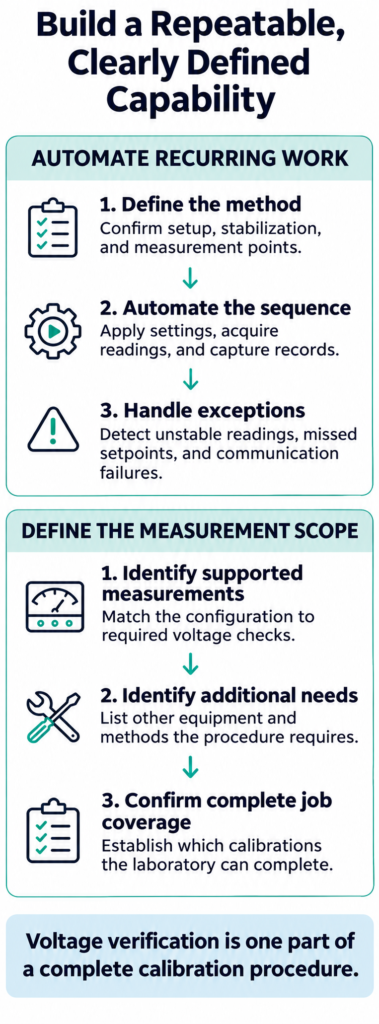
Instrument specifications describe measurement performance. Laboratory productivity also depends on the work required to obtain and document each result.
A typical job can involve selecting the reference configuration, making connections, entering settings, allowing the source to stabilize, recording readings, reviewing results, and preparing the final record.
Across a varied workload, repeated configuration changes can become a significant part of the process. They also create opportunities for inconsistent settings or incomplete records.
When comparing measurement approaches, examine the full sequence:
- Configuration: How does the technician select & identify the correct meter, probe, accessories, and settings?
- Execution: How are measurement points, stabilization requirements, and reading acquisition defined?
- Documentation: How are readings, equipment identities, conditions, and acceptance decisions recorded?
- Review: Can another qualified person reconstruct the setup and assess the result from the record?
A common platform may simplify parts of this sequence by providing a familiar interface and shared acquisition methods across several instrument families.
The benefit should be evaluated against actual procedures. Different sources may still require different fixtures, loads, settings, and handling methods.
The goal is a repeatable process that accommodates necessary differences without making every job a fresh setup exercise.
4. Match Automation to Recurring Work
Automation can support consistent settings, reading acquisition, and documentation for recurring calibration sequences. Begin with an established method that defines the setup, stabilization criteria, measurement points, and acceptance process.
The workflow should also detect and record exceptions, including unstable readings, missed setpoints, and communication failures. Validate the complete sequence for its intended use before applying it routinely.
5. Define What the Platform Supports
A common high-voltage platform can support voltage measurements across several instrument families. Complete calibration may require additional equipment and methods.
For example, hipot testers may also require leakage-current, trip-response, and timing checks. Insulation testers require separate evaluation of resistance measurement, while power-supply procedures may specify loads and additional performance checks.
Identify the measurements the platform supports, the additional resources required, and which complete jobs the laboratory can perform.
6. Applying the Approach to the Vitrek 4700
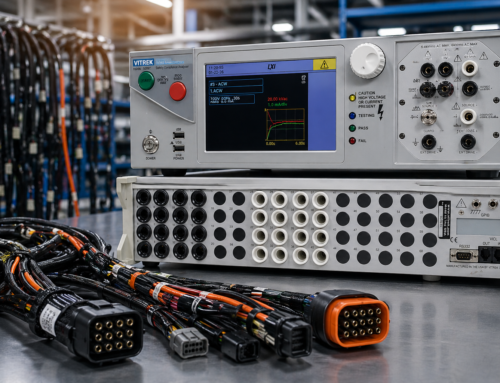
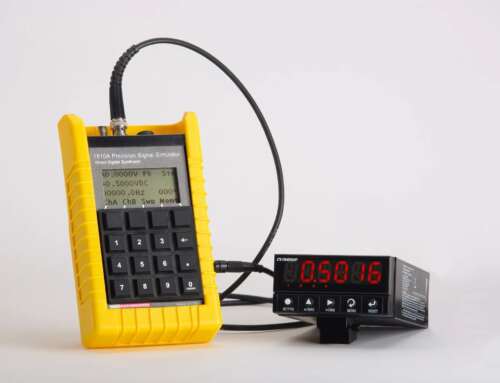
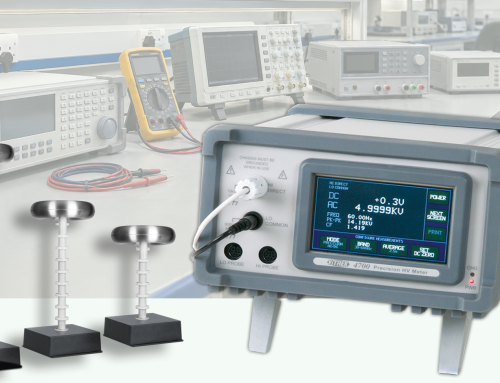
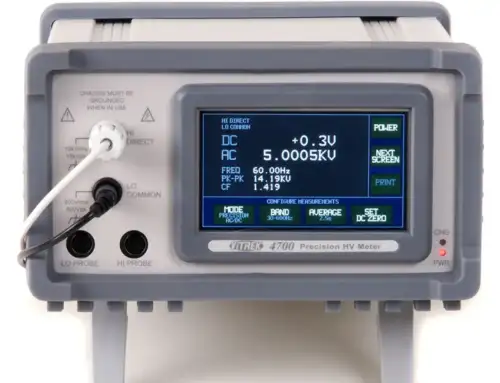
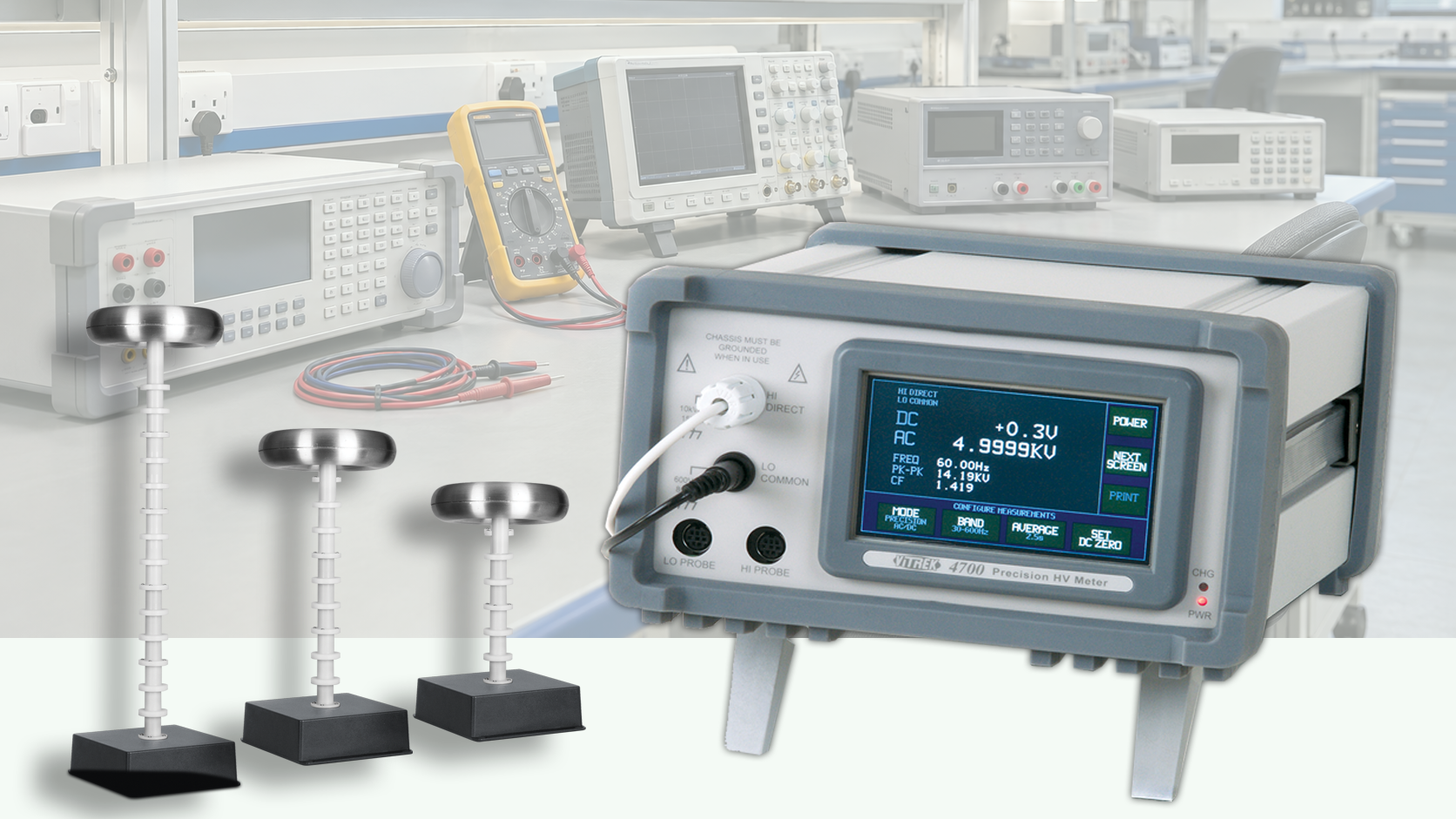
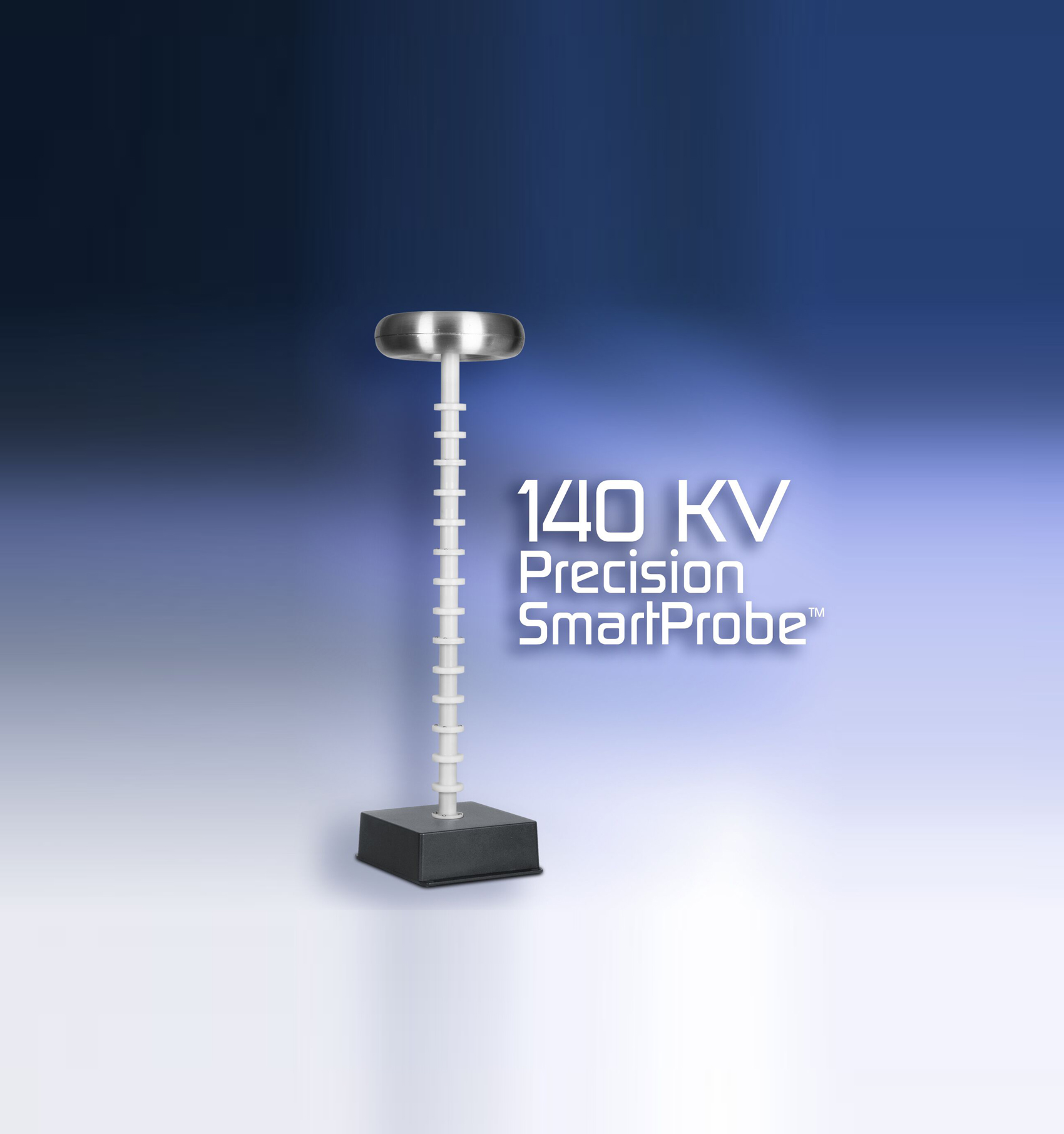
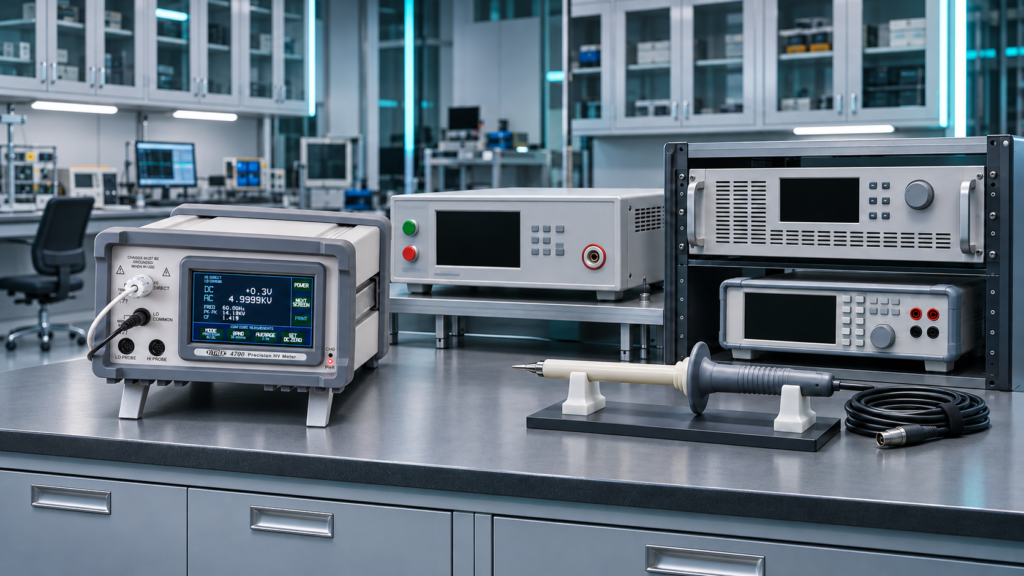
The Vitrek 4700 Precision High Voltage Meter supports the voltage-measurement portion of a varied calibration workload. It provides direct measurement up to 10 kV DC or AC RMS, with compatible SmartProbes for higher-voltage applications. Each SmartProbe stores its own calibration data, which transfers to the meter when connected.
For laboratory workflows, the 4700 also provides:
- Simultaneous AC/DC display to view both components of the measured voltage.
- Programmable Ethernet and serial interfaces, with optional GPIB, for integration into laboratory-developed procedures.
- Chart Mode to examine voltage behavior over time, including drift, ramp behavior, overshoot, and sag.
Evaluate these capabilities against your workload map. Direct input may support some recurring procedures, while other jobs require a compatible probe or different input characteristics. Programmable acquisition can support repeated sequences, and Chart Mode can help investigate source behavior within its response capabilities.
Suitability depends on the selected configuration, required uncertainty, source characteristics, and approved procedure.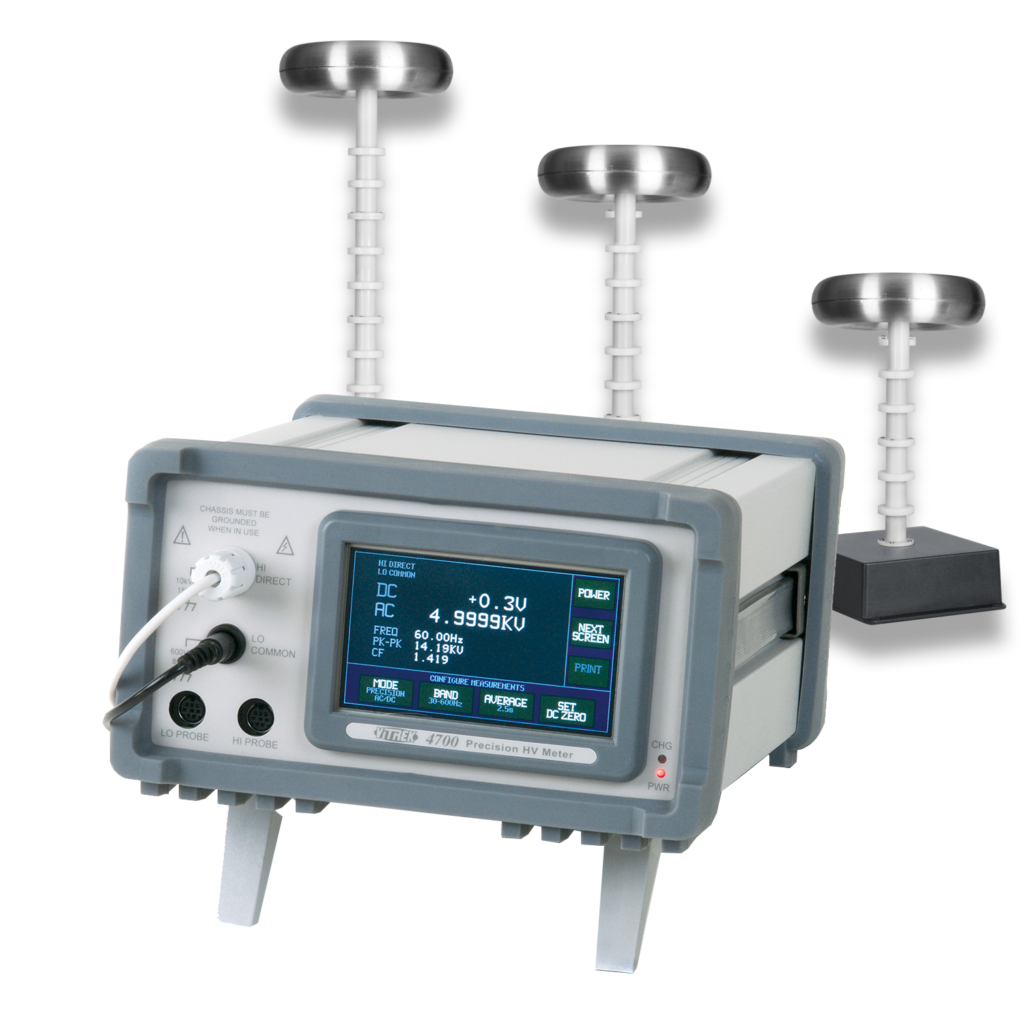
7. Validate the Fit with Representative Jobs
- Evaluate the proposed system on jobs that reflect your typical voltage levels, measurement types, and setup requirements.
- Confirm measurement coverage, uncertainty, consistent execution, and complete records. Track setup time and documentation effort to assess the workflow.
- Use the results to define the instrument families, procedures, and configurations your laboratory is qualified to support.
Conclusion
High-voltage measurement capability should be planned around the work the laboratory needs to perform. Maximum voltage is a necessary selection criterion, but it does not establish measurement suitability, procedural coverage, or an efficient workflow.
A workload-based evaluation connects instrument requirements with usable measurement coverage, uncertainty, configuration needs, and repeatable documentation. It also makes the boundaries of the proposed capability clear.
For laboratories supporting a changing mix of hipot testers, high-voltage power supplies, and insulation testers, this approach provides a practical basis for evaluating a common measurement platform—and for deciding where additional equipment or methods are needed.
Plan around your calibration workload. Review your instrument families, required voltage points, and measurement conditions with Vitrek to evaluate where a 4700 configuration can support your laboratory’s procedures.