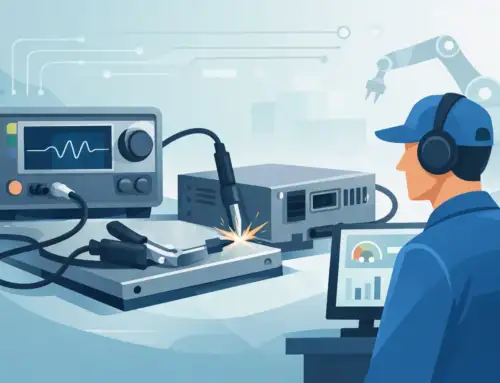
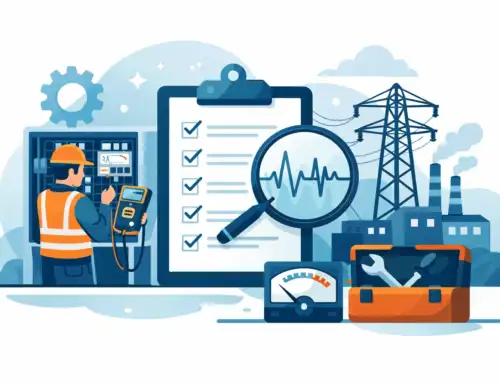
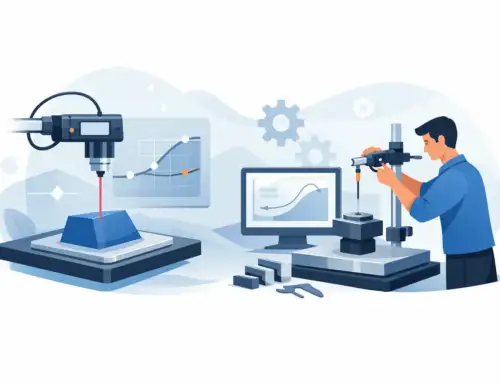
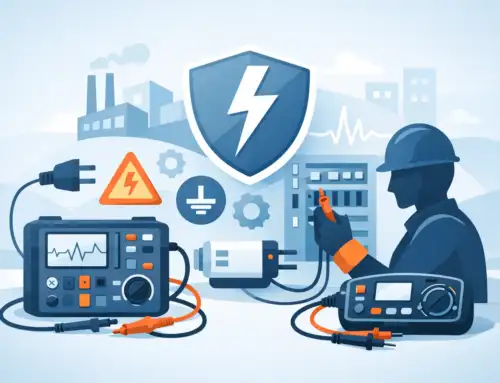
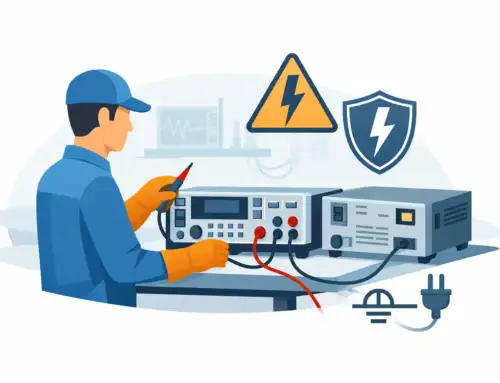
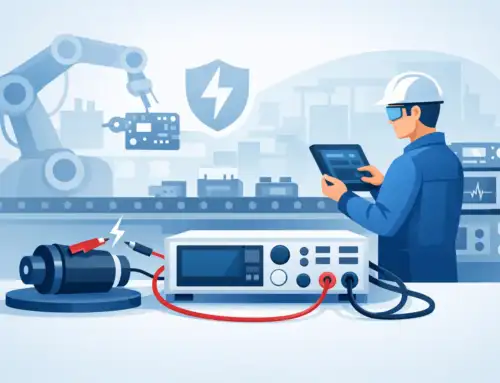
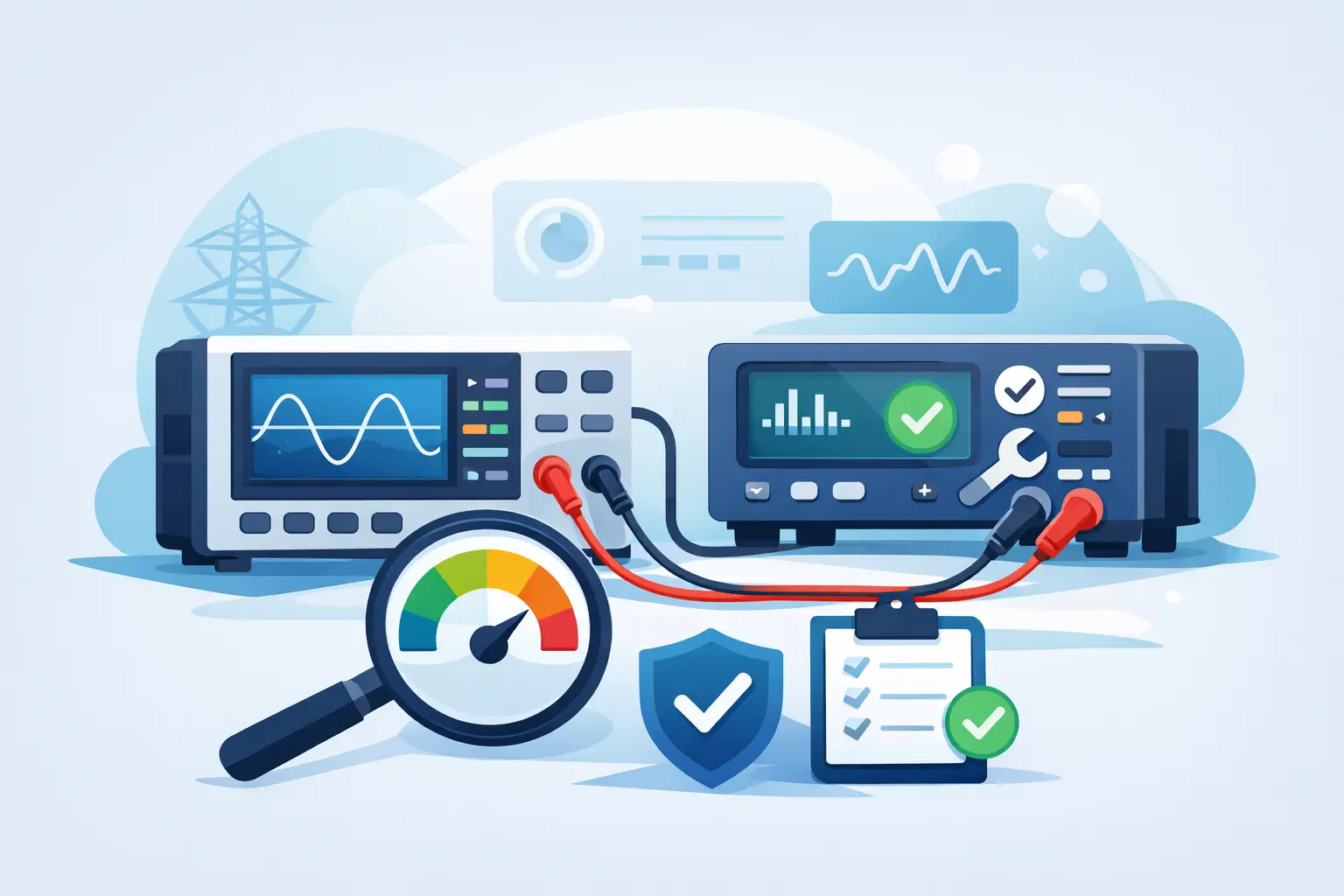
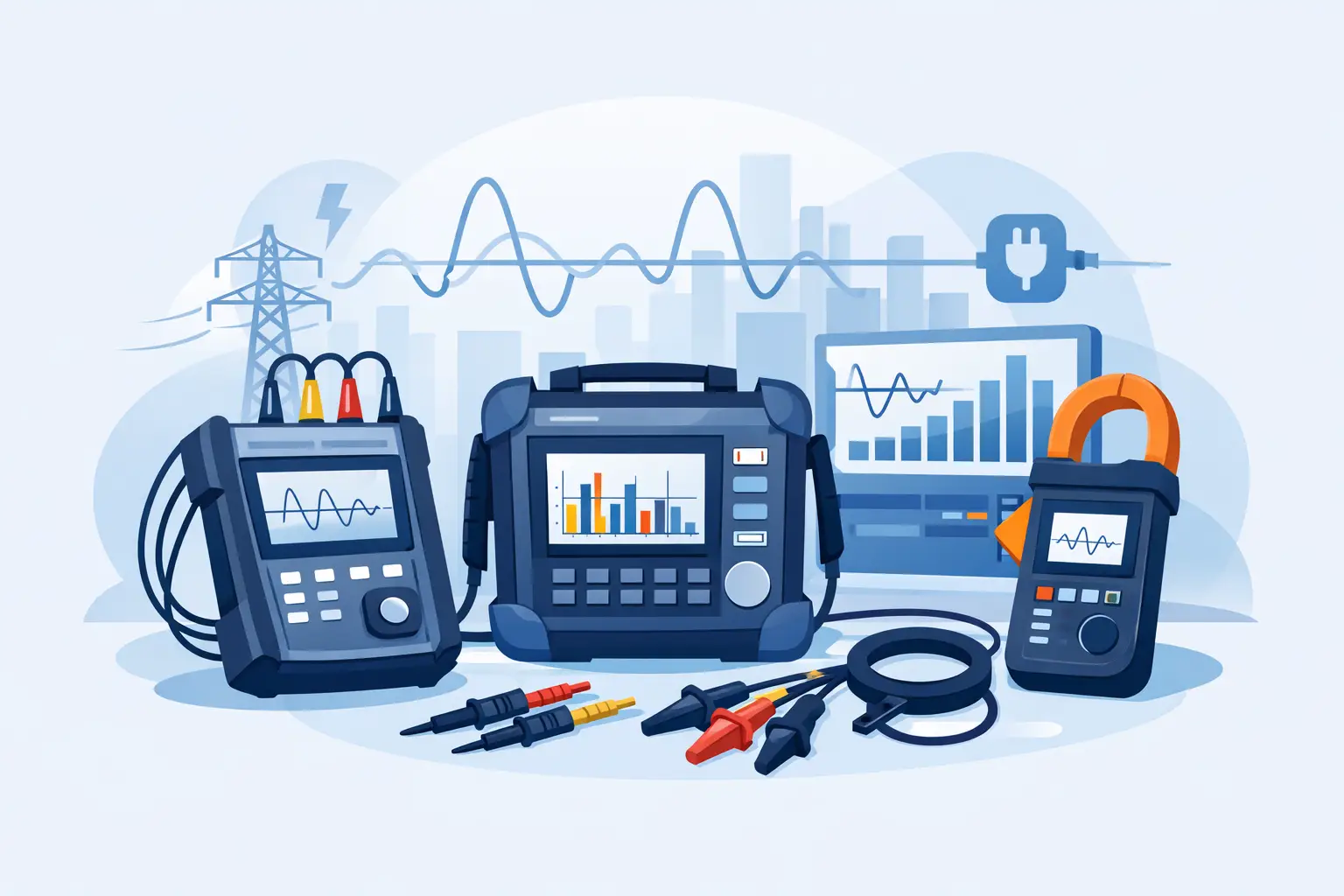
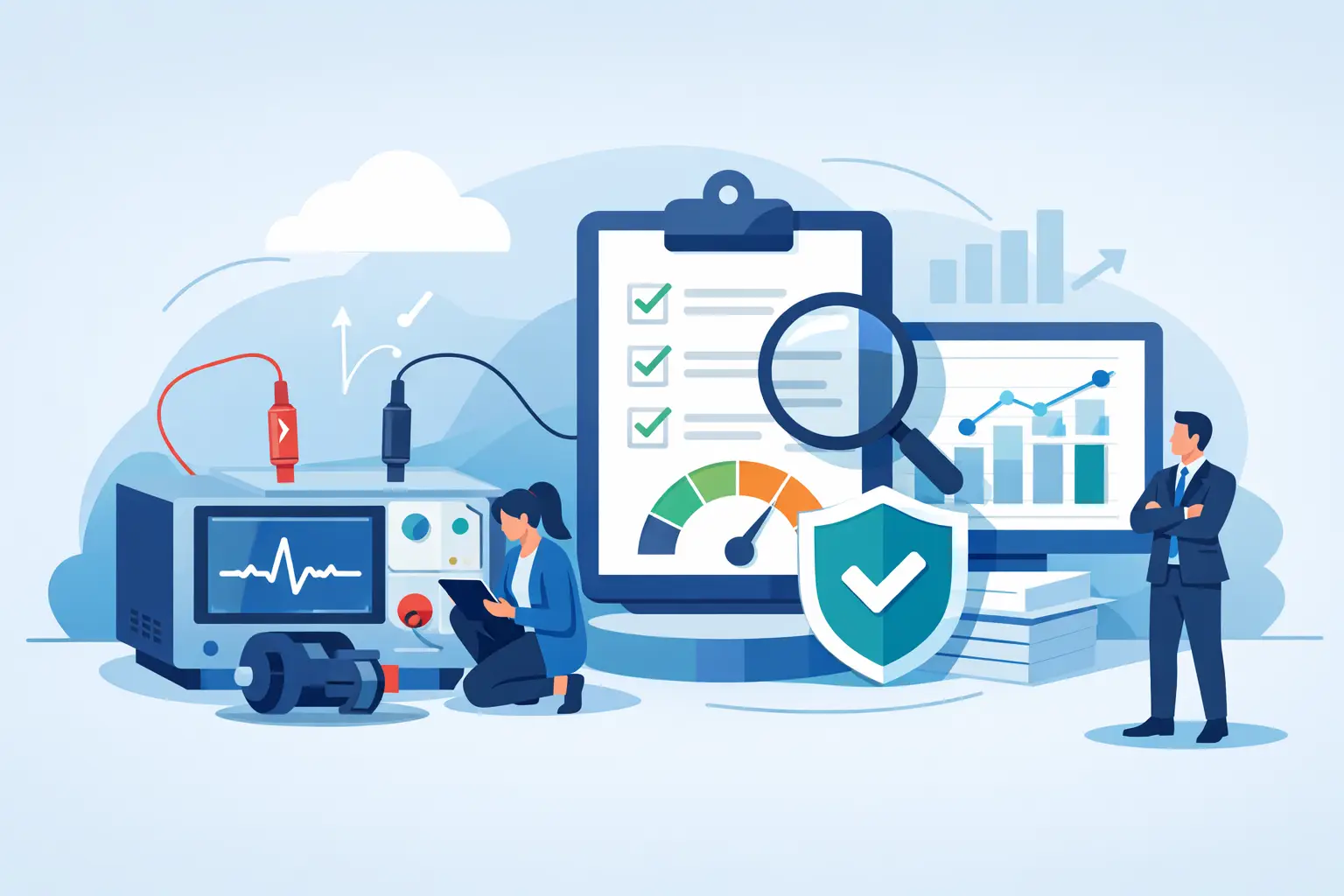
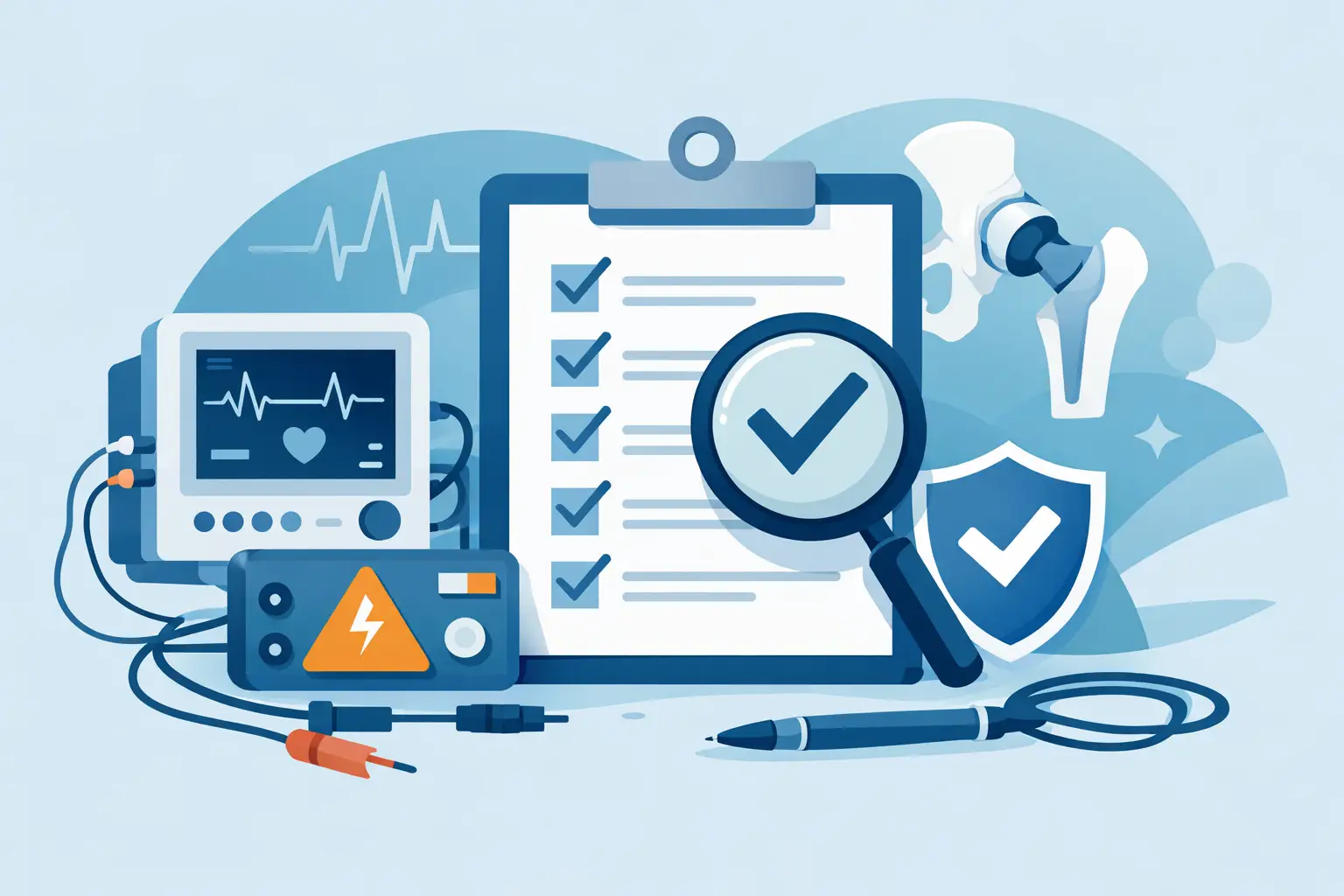
A production line can complete thousands of electrical safety tests in a shift, yet a passing result is only useful if it can be tied to the correct unit, test configuration, instrument status, operator authorization, and applicable requirement. That is the central issue shaping the future of automated compliance testing. The objective is no longer simply to run more tests faster. It is to produce defensible evidence that each result was measured correctly, under controlled conditions, and retained in a form that can withstand audit, investigation, or field-return analysis.
For manufacturers in aerospace, EV, medical devices, industrial electronics, and defense, automation is becoming part of the compliance infrastructure itself. It connects test instruments, fixtures, production systems, calibration records, and quality data. Done well, it reduces manual variation while improving the visibility of test risk. Done poorly, it can repeat a configuration error at production speed.
Compliance Automation Is Moving Beyond Pass/Fail
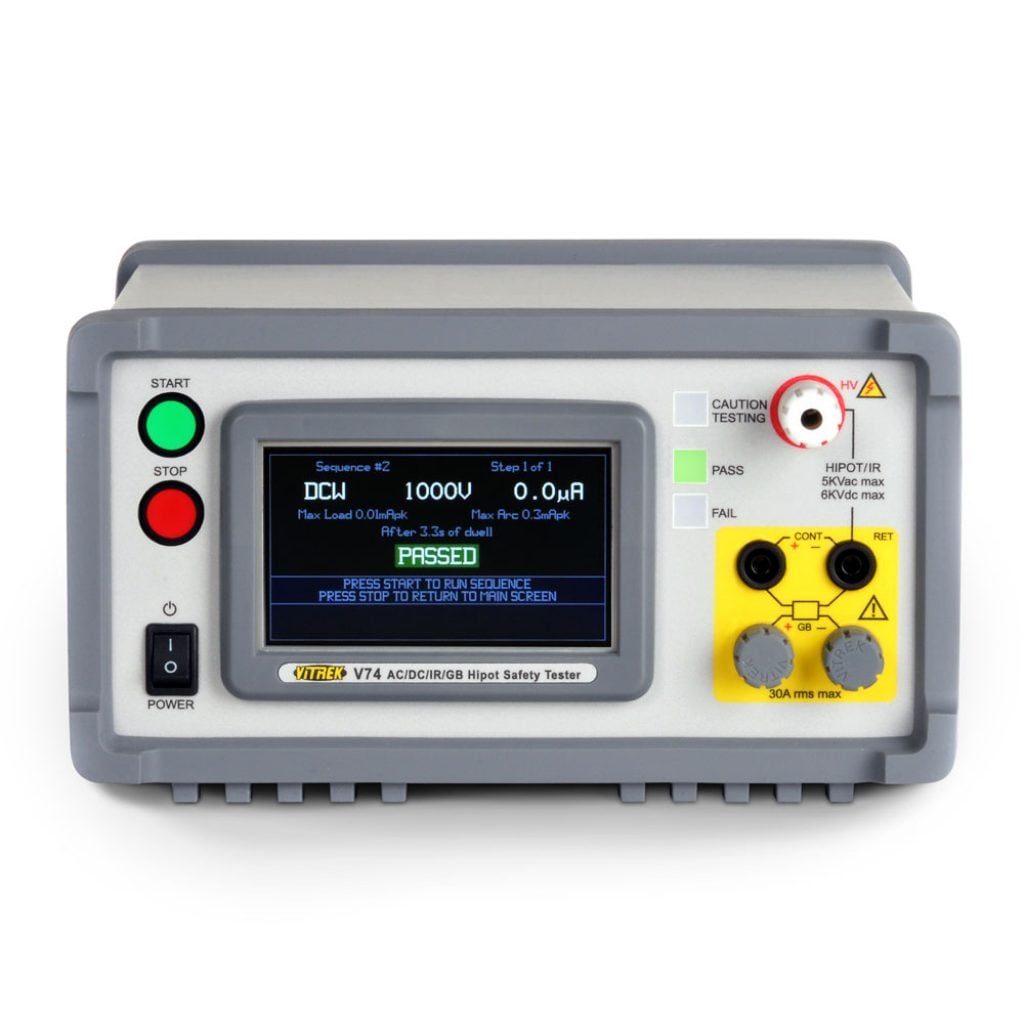
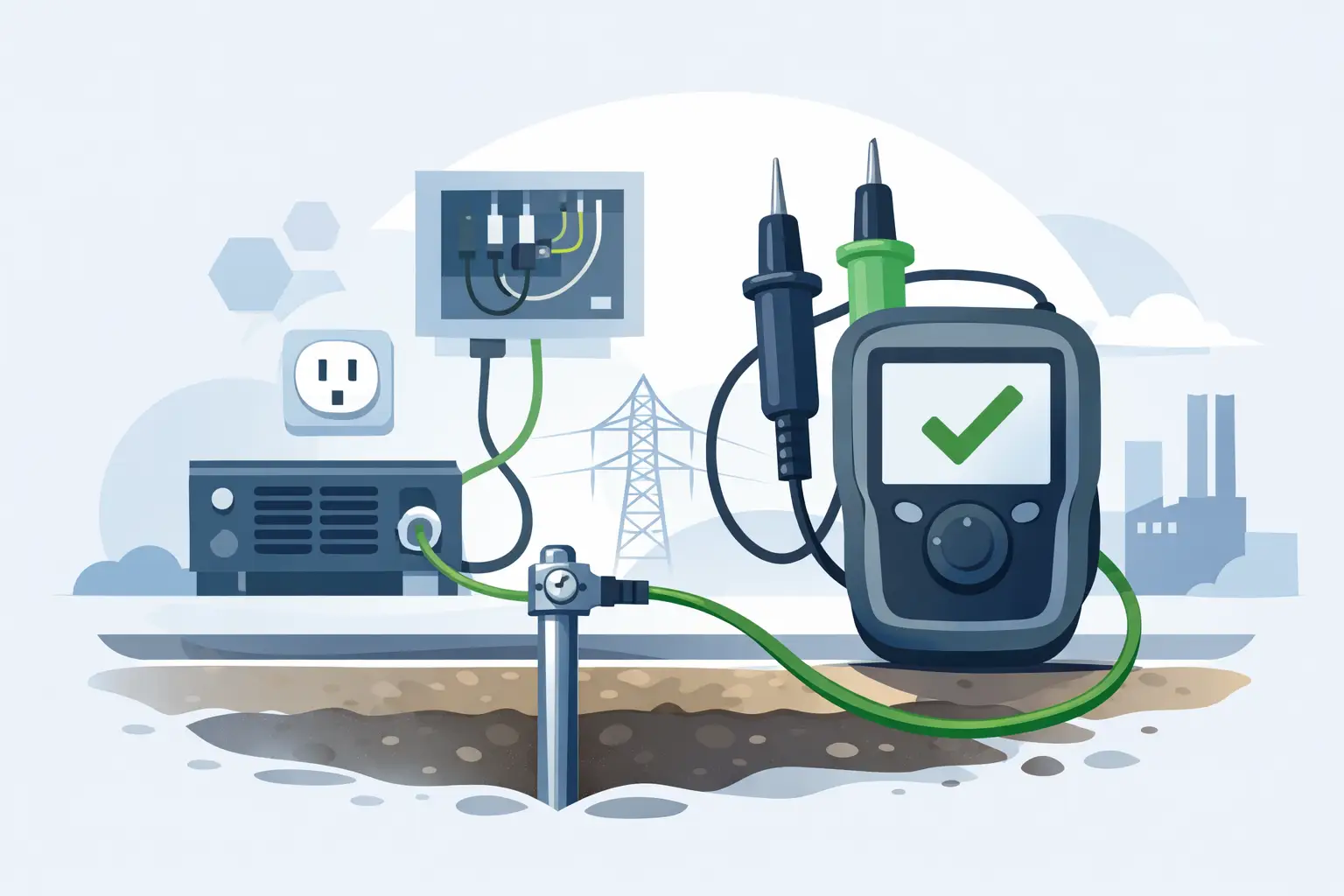
Traditional automated test systems are often designed around a fixed sequence: apply voltage, measure leakage current, record the result, and indicate pass or fail. That model remains valuable for repetitive production testing, particularly where hipot, insulation resistance, ground bond, power, or functional measurements must be performed consistently.
The next generation of systems will add context to those measurements. Rather than treating a test result as an isolated data point, the system will associate it with a controlled test definition. This includes the product revision, serial number, fixture identity, instrument firmware, programmed limits, environmental conditions when relevant, and calibration state.
This distinction matters when an engineering team must answer a difficult question months later: Was the unit actually tested to the requirement in effect at the time of manufacture? A database entry showing “PASS” is insufficient if the organization cannot establish which test limits were used or whether a fixture connection had been verified.
Automation will increasingly support a complete evidence chain. The raw measurement, pass/fail decision, test program revision, operator actions, and exceptions will need to be available without reconstructing events from disconnected spreadsheets and local files.
The Future of Automated Compliance Testing Will Be Configuration-Controlled
As products become more configurable, test programs cannot remain static documents copied between stations. A battery pack, medical power supply, avionics assembly, or semiconductor test fixture may have multiple hardware variants and market-specific requirements. Sending the wrong sequence to the wrong unit can create false confidence or unnecessary failures.
Future systems will use stronger configuration control to select and lock the approved test sequence based on product identity and manufacturing route. This does not require every test station to be complex. It requires a disciplined relationship between the manufacturing execution system, the test executive, and the instrument configuration.
For example, a station may read a serialized barcode or digital traveler, retrieve the approved test program, verify that connected instruments and fixtures match the required configuration, and prevent execution when a required condition is not met. If an approved limit changes, the revised program should move through formal review and release rather than being edited at the station by convenience.
This approach has a practical trade-off. More control can slow engineering changes if the approval workflow is cumbersome. The solution is not to weaken control. It is to build an efficient release process with clear ownership, versioning, and a controlled path for temporary deviations. In regulated manufacturing, controlled flexibility is more valuable than uncontrolled speed.
Measurement Uncertainty Will Matter More
Automation does not eliminate measurement uncertainty. In some cases, it makes uncertainty easier to overlook because the software presents a clean numerical result and a clear pass/fail indicator.
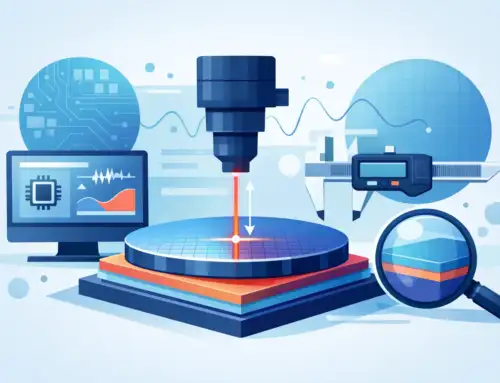
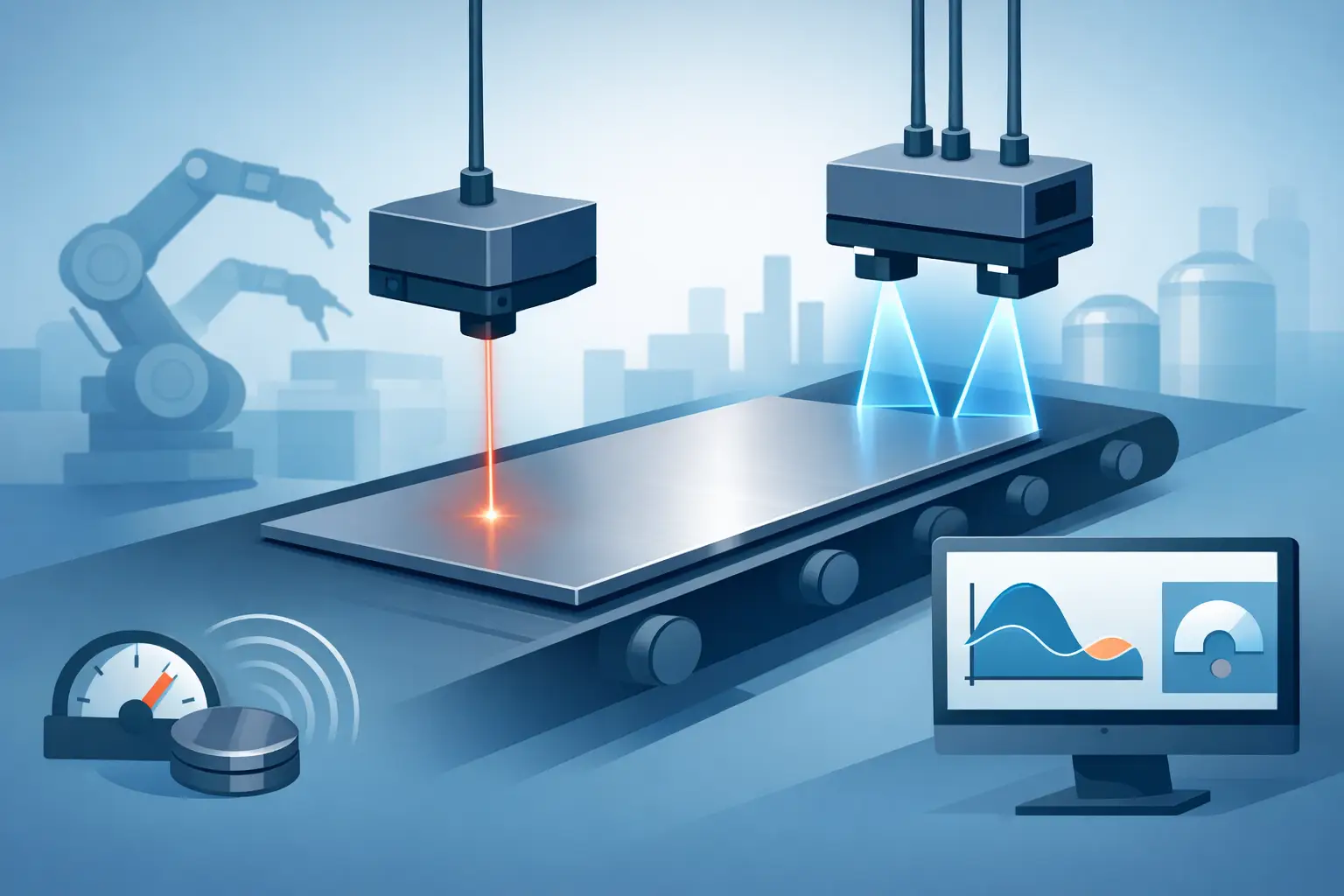
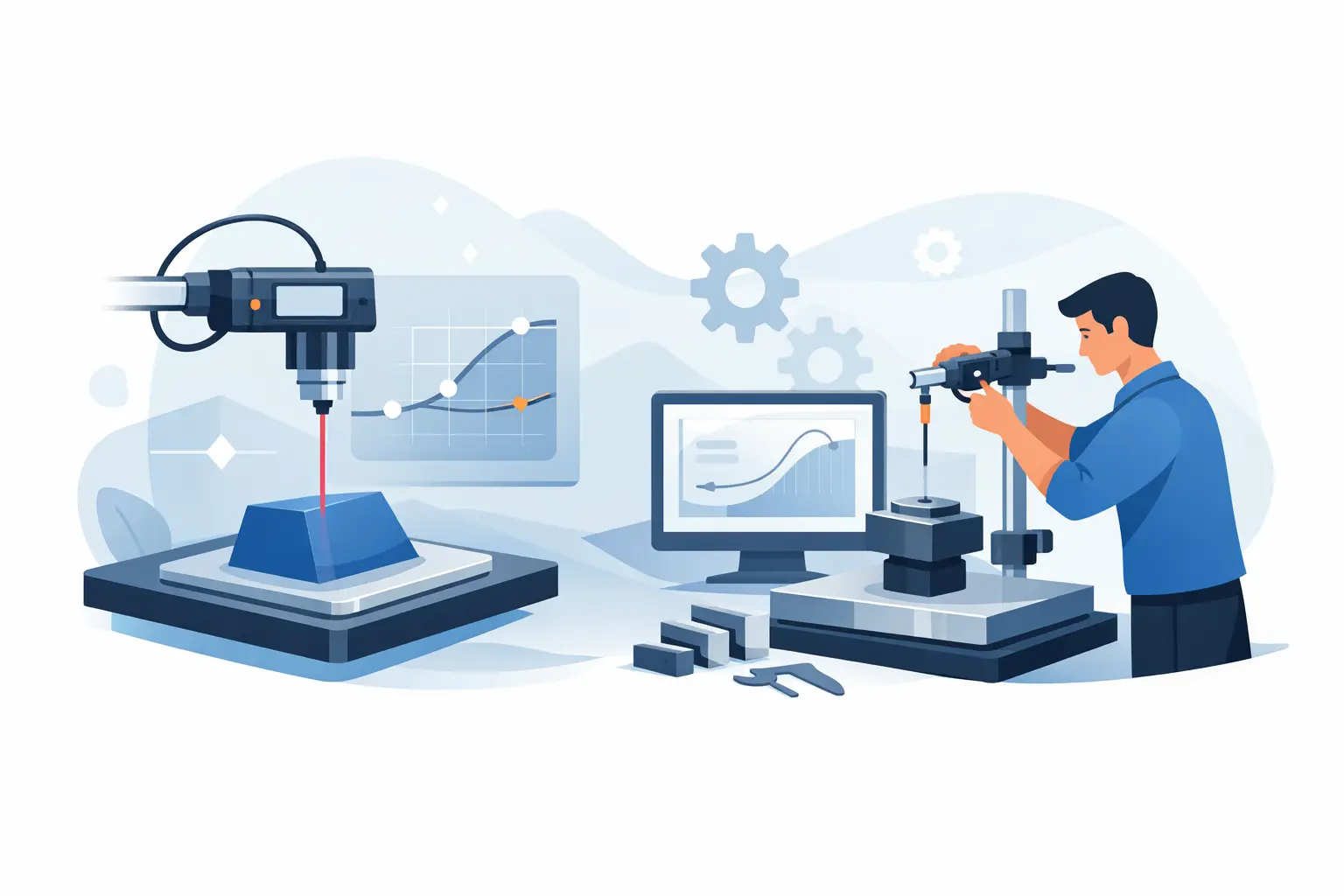
A meaningful automated compliance strategy accounts for instrument accuracy, resolution, fixture effects, lead resistance, switching behavior, environmental influence, and the relationship between those factors and the specification limit. This is especially important for measurements near a decision threshold. A unit that repeatedly falls near a leakage-current limit or insulation-resistance minimum may require more than an automated retest.
Guard bands can help manufacturers manage this risk by establishing acceptance limits that account for measurement capability. The proper guard band depends on the product requirement, measurement uncertainty, risk tolerance, and applicable standard or customer contract. It should be determined by qualified engineering and quality personnel, not selected as a generic software setting.
Adaptive Testing Will Focus Engineering Attention
Adaptive test logic is likely to become a more common feature of compliance systems. The term does not mean that software should independently change a certified requirement. Compliance limits, safety conditions, and approved test methods must remain controlled.
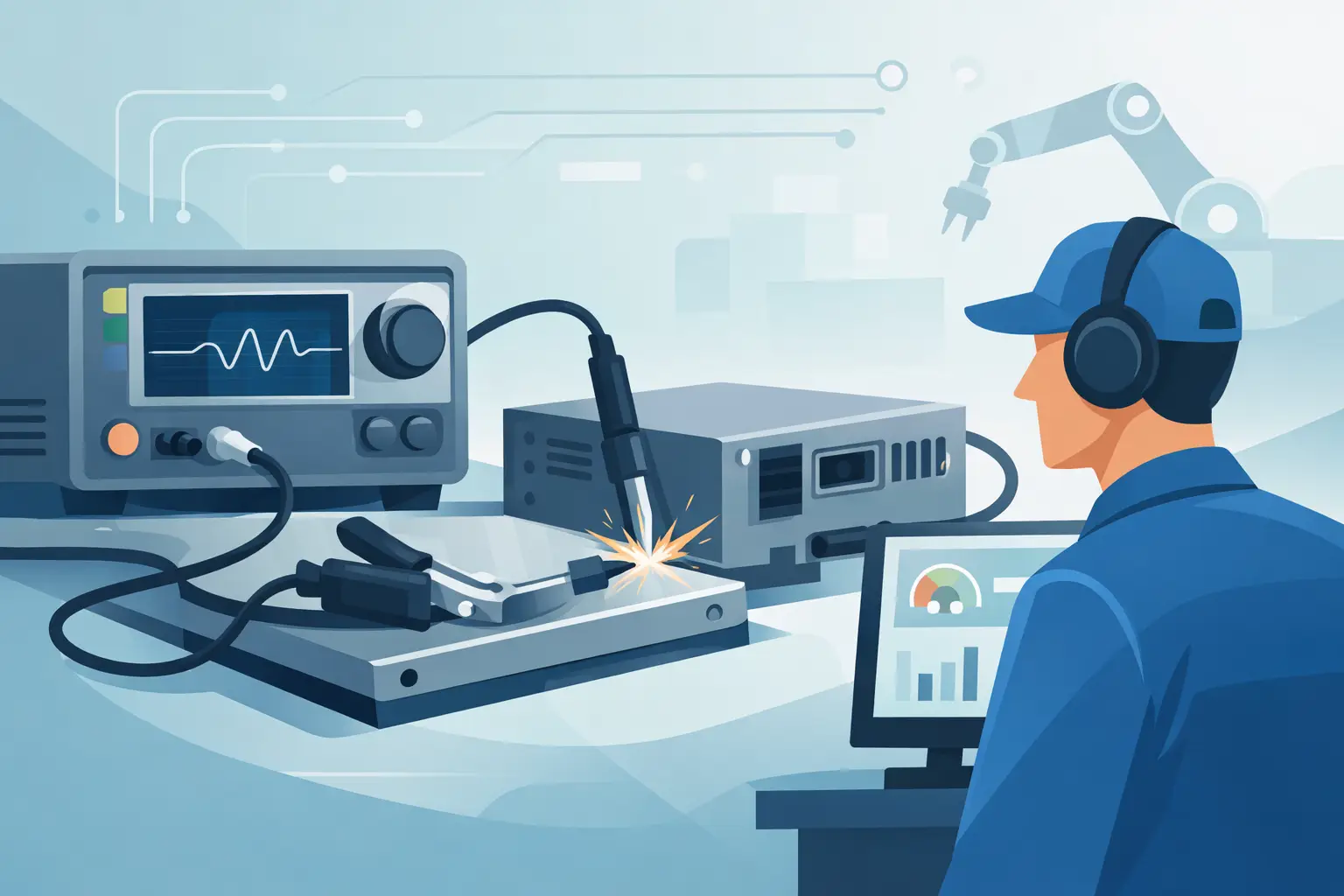
Instead, adaptive logic can use results to route units intelligently within an approved process. If an electrical safety test passes but shows drift toward a warning threshold, the system might request a repeat measurement, initiate a fixture check, capture additional waveform data, or route the unit for engineering review. If contact resistance indicates an incomplete fixture engagement, the station can stop before applying high voltage.
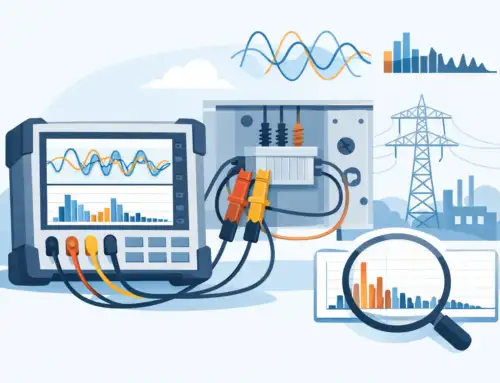
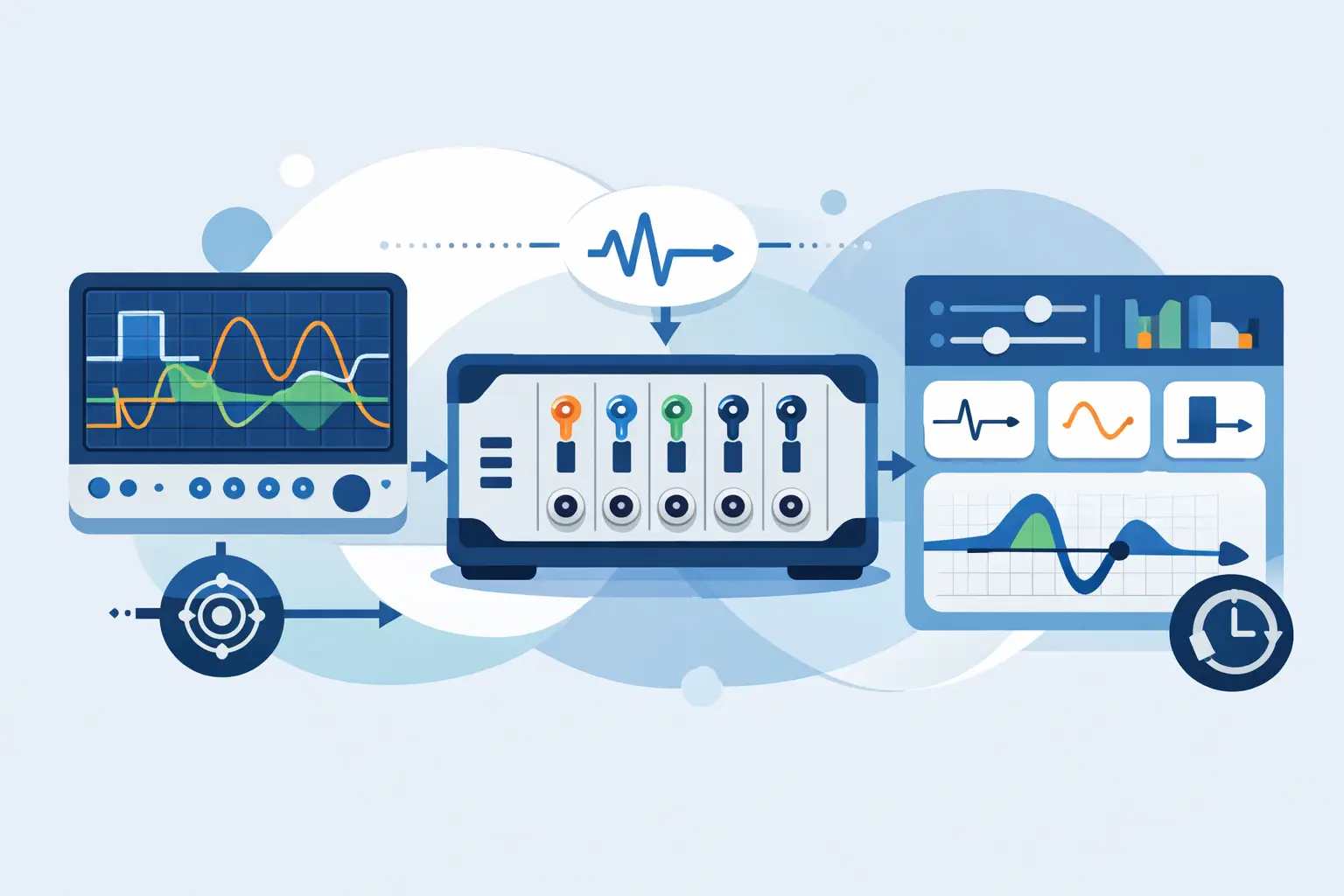
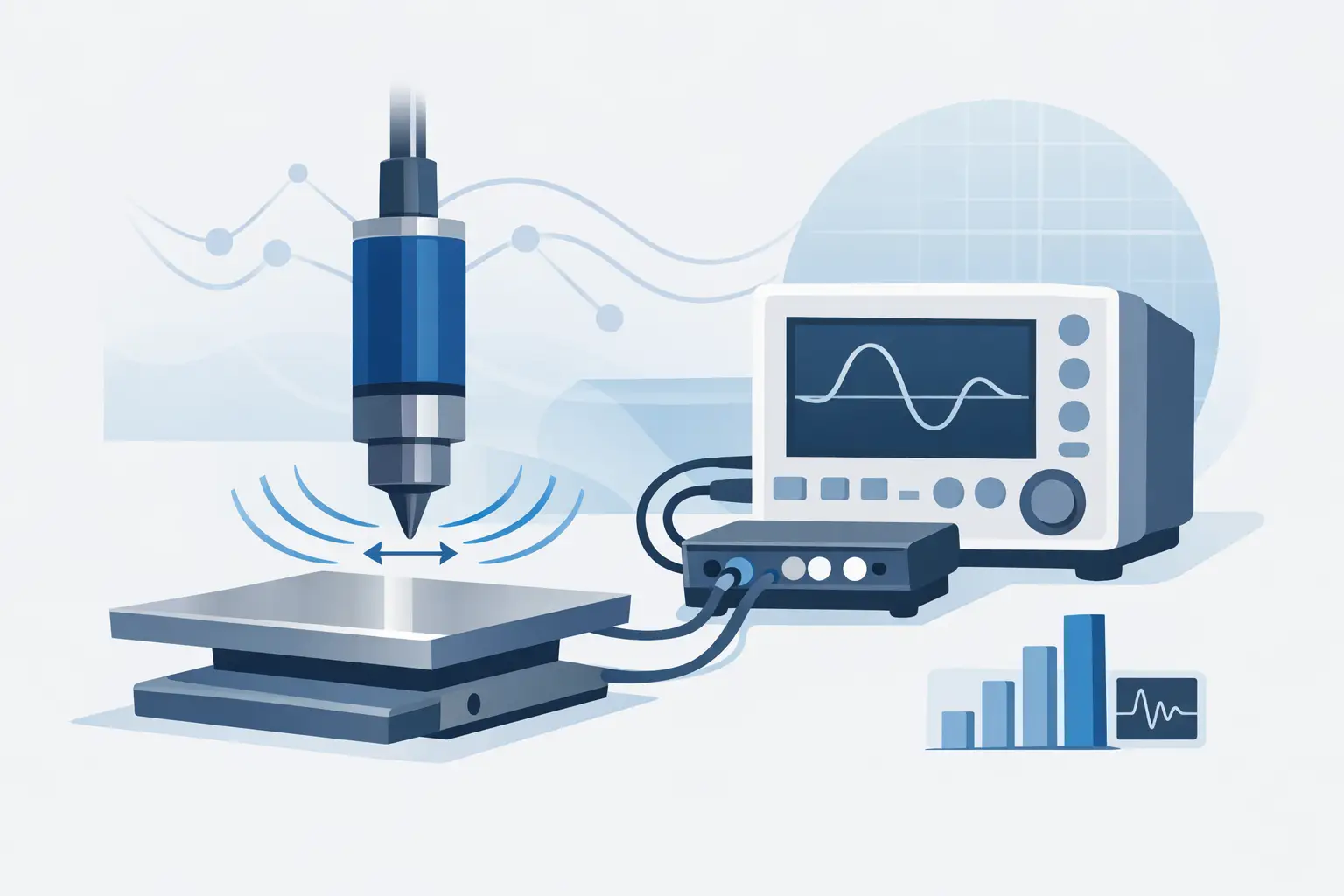
This is where high-quality instrumentation becomes essential. Adaptive decisions are only as credible as the measurements behind them. A system needs adequate sampling performance, repeatability, measurement range, and synchronization to distinguish a genuine product condition from transient noise, a poor connection, or an instrument setup issue.
The same principle applies to artificial intelligence and statistical models. These tools may help identify patterns across large test populations, such as a slow shift in hipot leakage current by supplier lot or production shift. They should support investigation and preventive action, not replace the approved pass/fail criteria or an engineer’s judgment.
Electrical Safety Automation Must Preserve Physical Safety
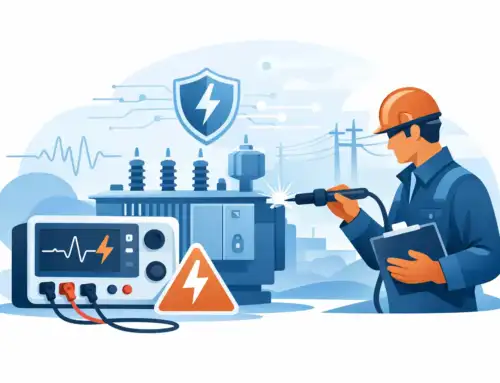
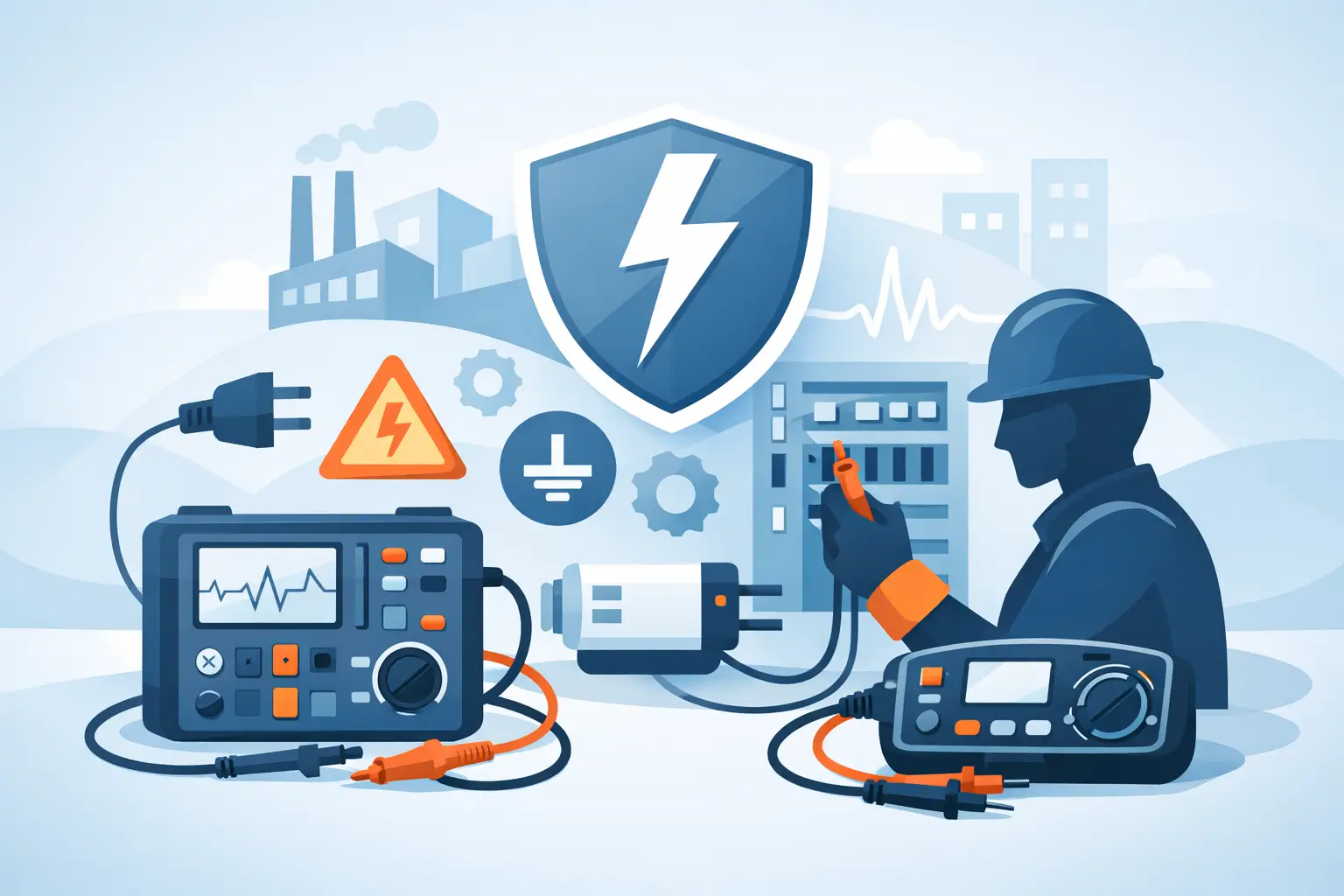
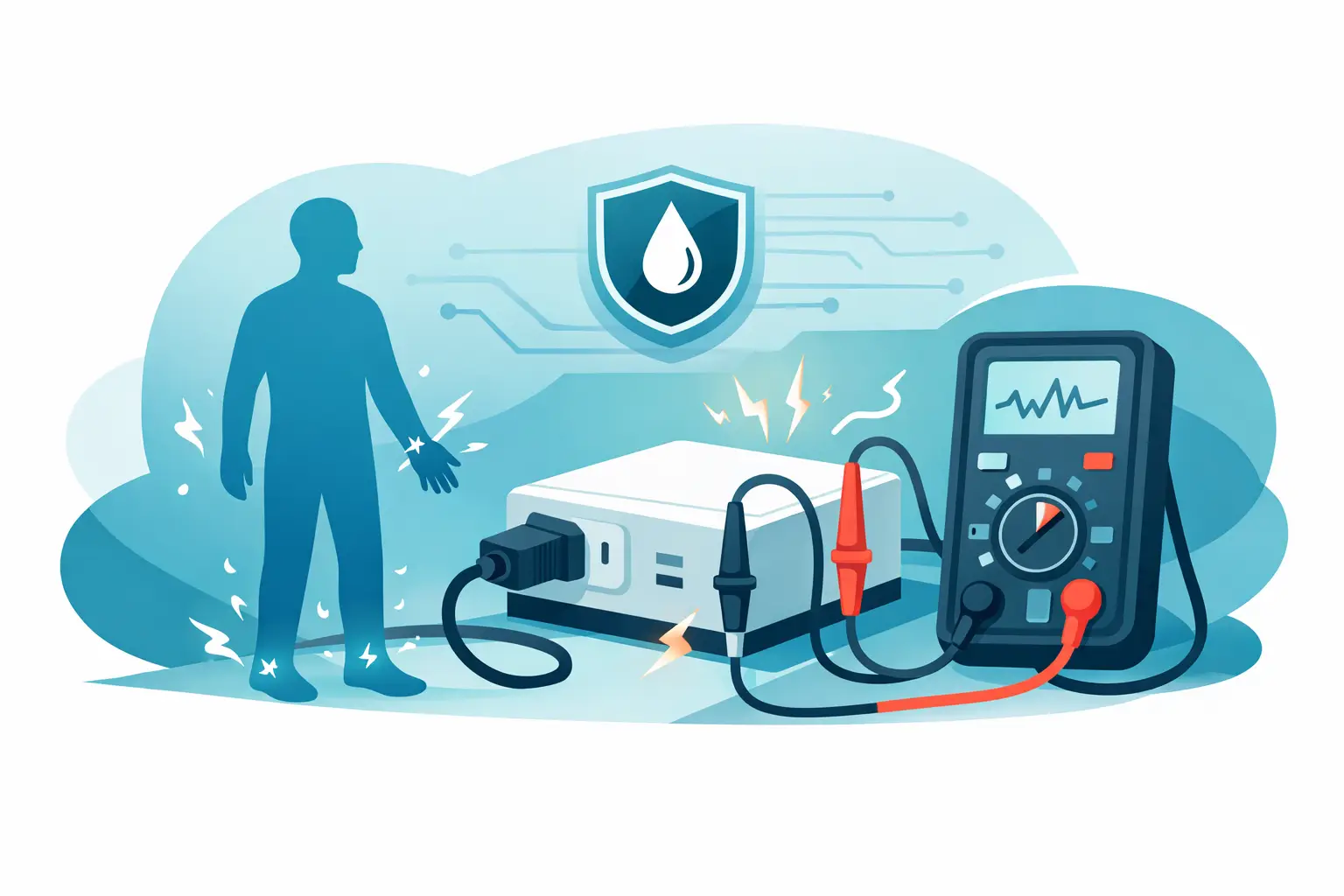
Remote dashboards, networked test cells, and centralized data platforms can improve operational control, but they do not reduce the hazards associated with high-voltage testing. As automated compliance environments expand, safety architecture must remain explicit.
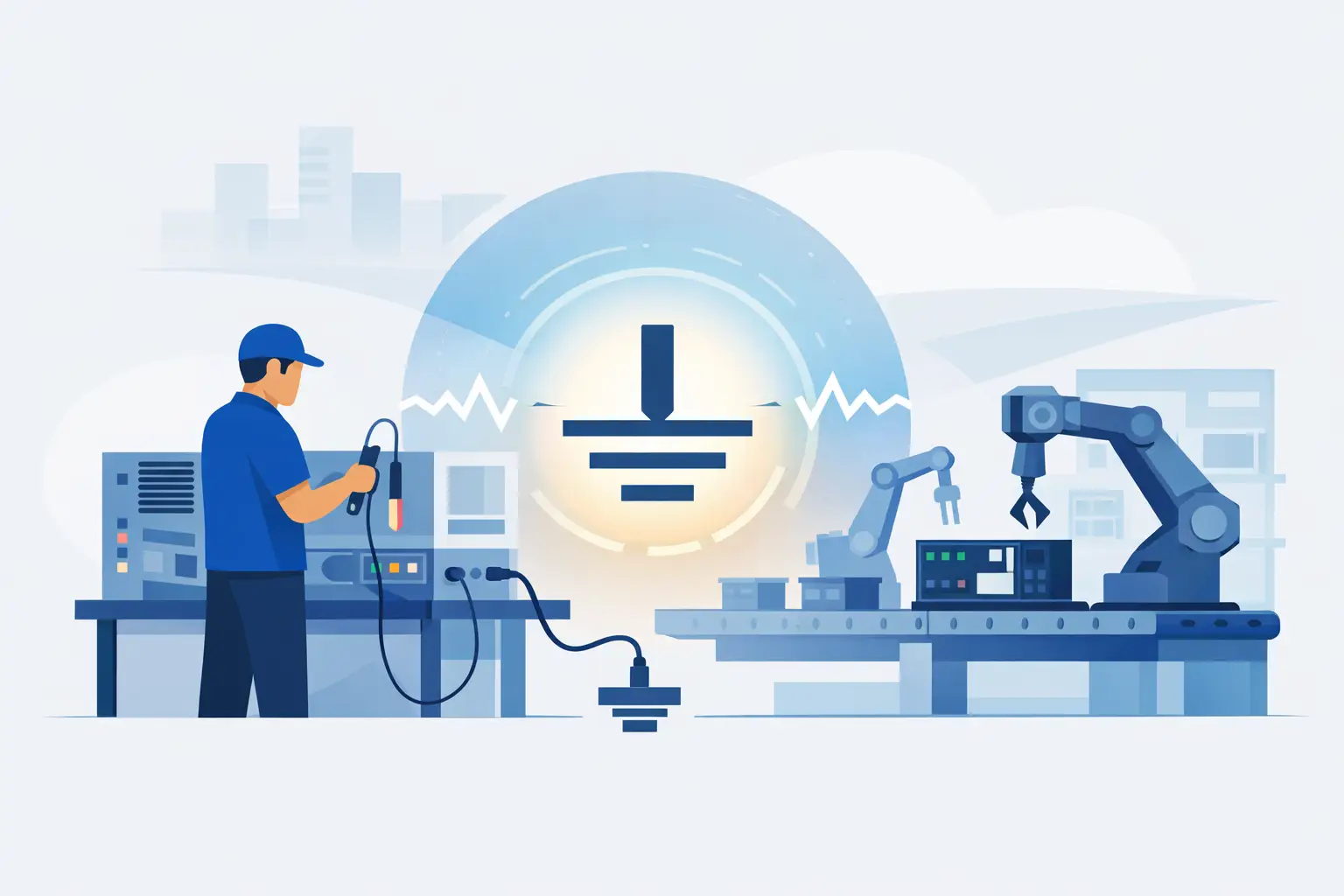
Interlocks, emergency-stop functions, test-area access controls, warning indicators, safe discharge verification, and fail-safe behavior need to be designed into the system. Test software should recognize the state of safety-critical hardware and prevent a test from starting when the required interlock chain is open. A network command should not bypass local safety controls.
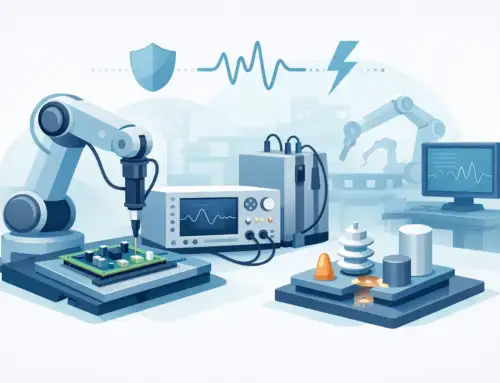
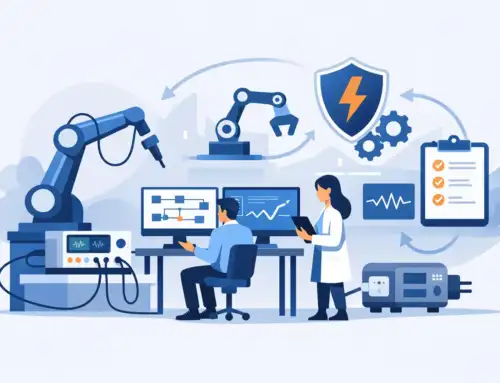
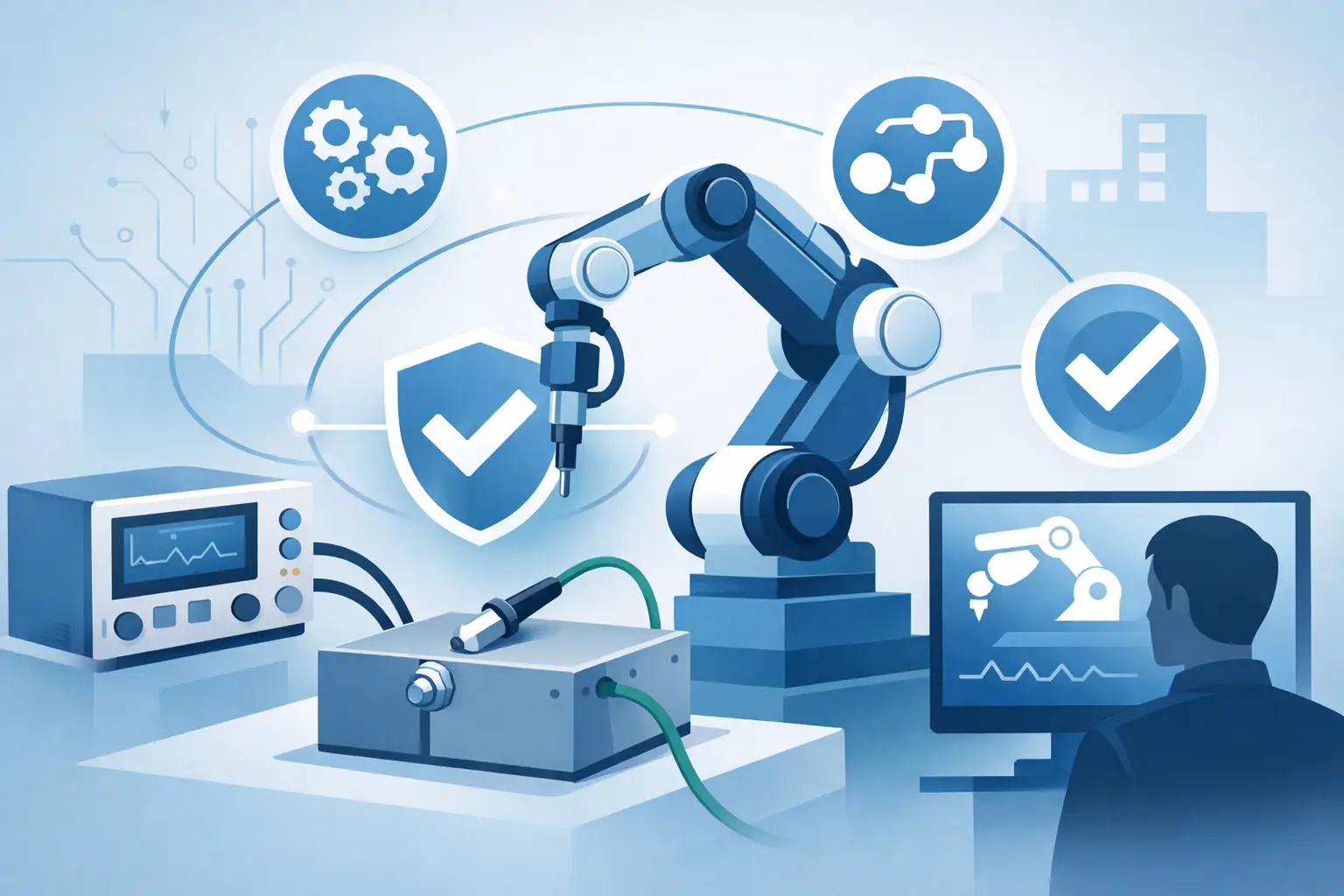
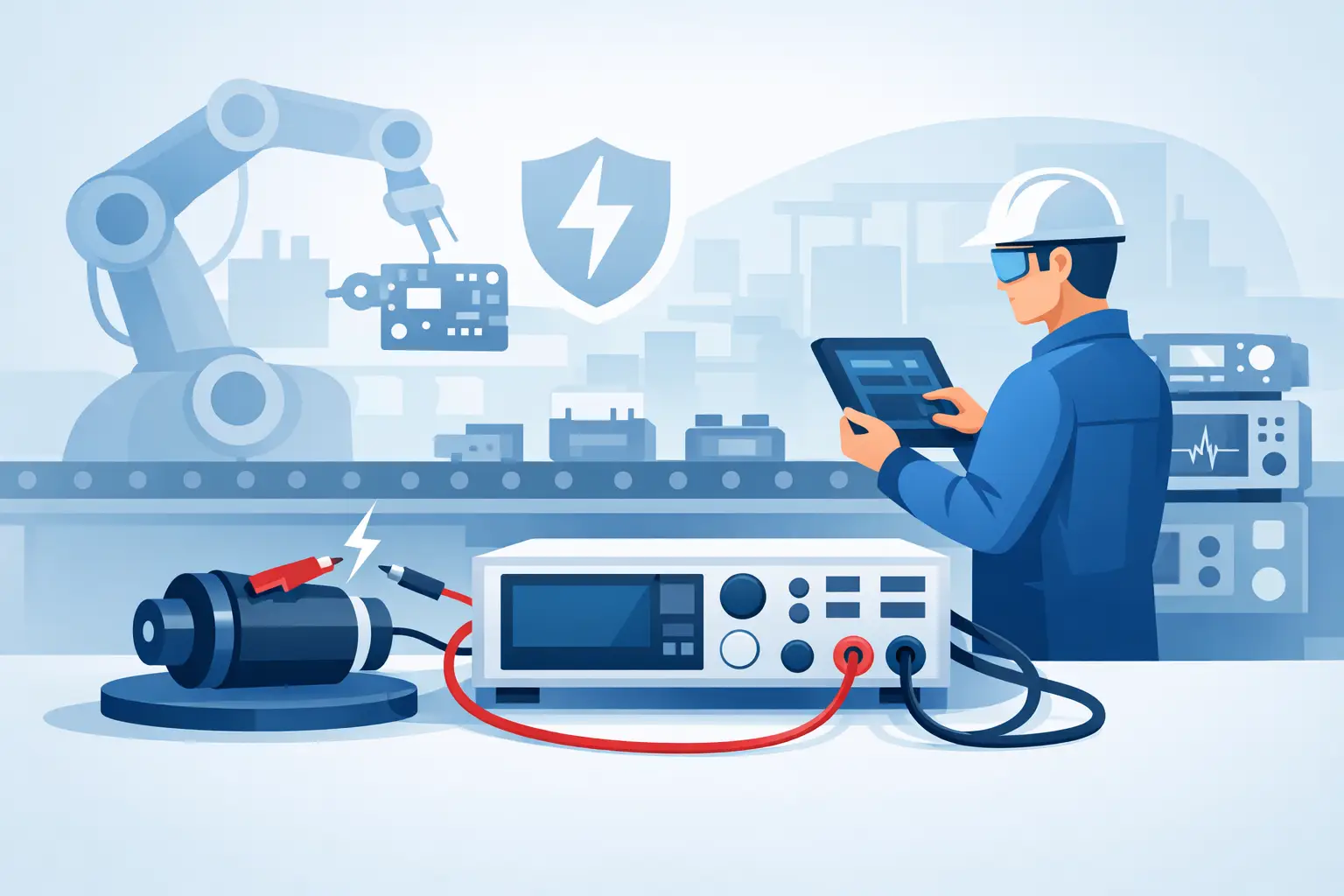
This is particularly relevant when test stations are integrated with robotics, automated fixture handling, or remote supervision. Remote access may be appropriate for configuration review, data analysis, and technical support. Energizing a high-voltage test circuit remains a controlled physical operation that requires validated safeguards at the cell.
Data Integrity Will Become a Test Requirement
In many facilities, the technical challenge is no longer collecting data. It is ensuring that the data remains attributable, legible, contemporaneous, original or reliably reproduced, and accurate throughout its retention period.
Automated systems will increasingly use time-stamped records, role-based access, audit trails, electronic approvals, and protected storage to address these expectations. The level of control should match the application. A development lab may need flexible access and detailed engineering data, while a production line manufacturing safety-critical assemblies may require tightly restricted programs and formal electronic records.
Data retention also needs to be designed around real use cases. Quality teams may need lot-level reporting. Service organizations may need a unit’s historical measurements. Engineering may need raw captures to investigate a failure mechanism. Storing only a pass/fail bit limits what the organization can learn later.
For this reason, test architectures are moving toward a digital thread that connects design verification, manufacturing test, calibration, nonconformance handling, and field diagnostics. The practical value is shorter root-cause investigations and better feedback to design and process engineering.
Open Integration Will Influence Instrument Selection
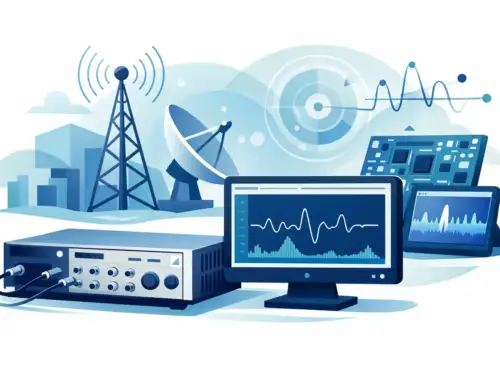
A compliance test system should not become an isolated island. Manufacturers need instruments and software that can exchange data with factory systems while preserving measurement integrity. Common requirements include programmable interfaces, software development kits, controlled result export, user management, and support for both legacy and modern automation environments.
However, integration should be evaluated as an engineering requirement, not a procurement checkbox. An interface that can send a command is not necessarily sufficient for a production system that must confirm configuration, capture fault states, synchronize multiple instruments, and preserve traceable records.
The best architecture depends on throughput, product complexity, regulatory exposure, existing systems, and the expected life of the station. A low-volume engineering cell may benefit from a flexible, scriptable setup. A high-volume line may justify dedicated fixtures, controlled test executives, and automated material handling. Both can be effective when the measurement strategy and documentation are appropriate to the risk.
The Engineer Remains Accountable
Automation will take over more repetitive actions: program selection, fixture verification, data capture, routing, report generation, and trend detection. It will not remove the need for engineering responsibility.
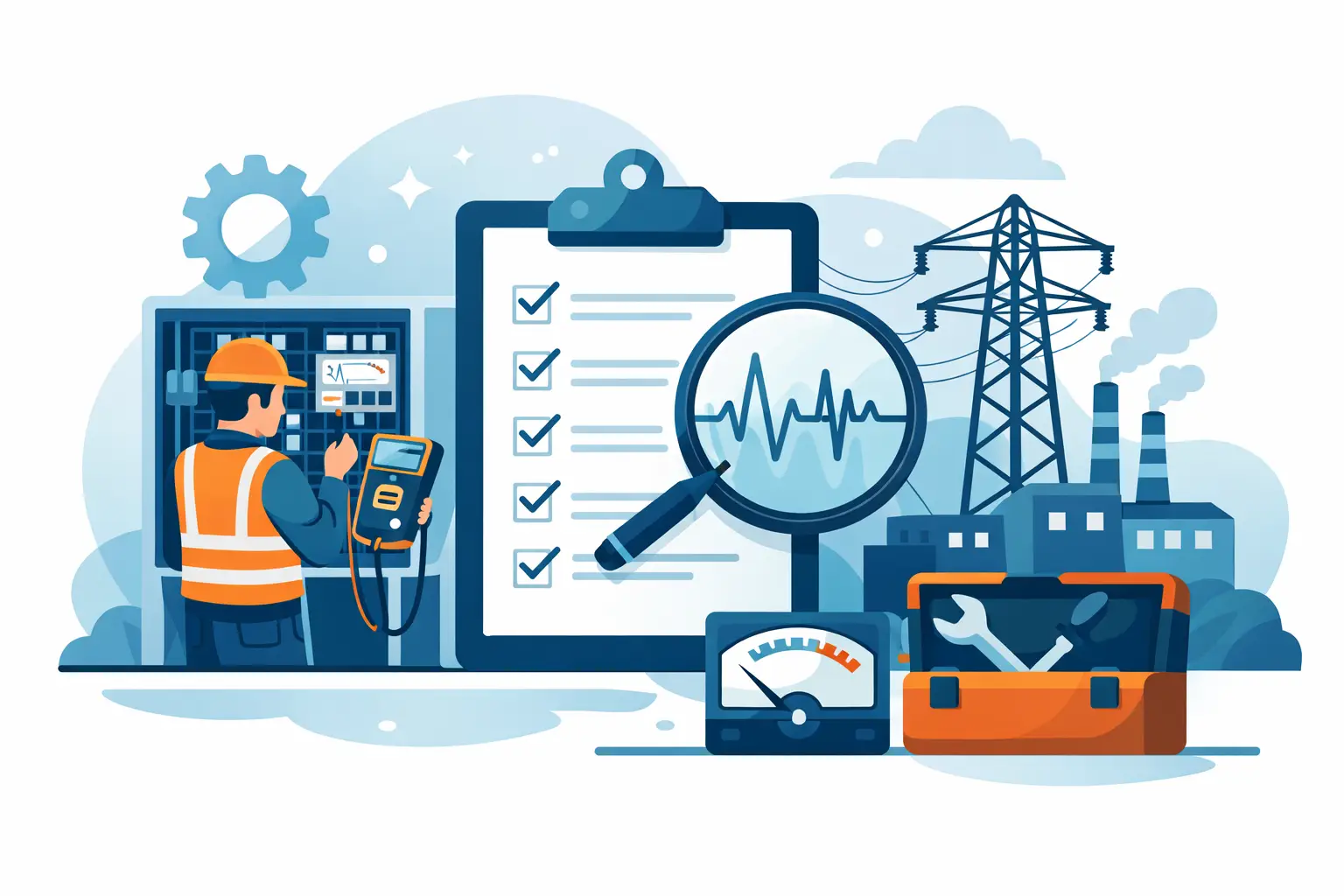
Engineers will still define the test method, establish measurement capability, interpret standards, approve limits, investigate anomalies, and decide when a trend requires corrective action. Quality teams will still need to assess whether the electronic record supports the product claim. Calibration teams will still need to maintain traceability for the instruments producing those records.
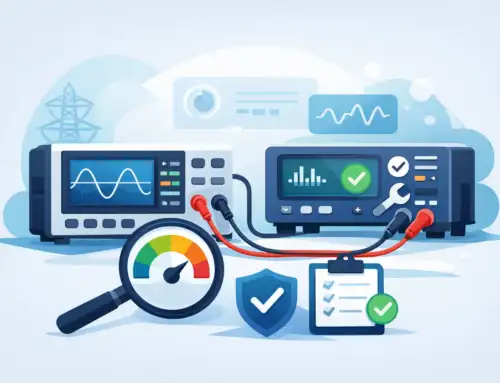
The strongest automated compliance systems do not hide these responsibilities behind software. They make them easier to perform, review, and defend. Organizations planning their next test-system upgrade should begin with a simple question: if a customer, auditor, or failure-analysis team asked why this unit passed, could the system provide a complete and credible answer?