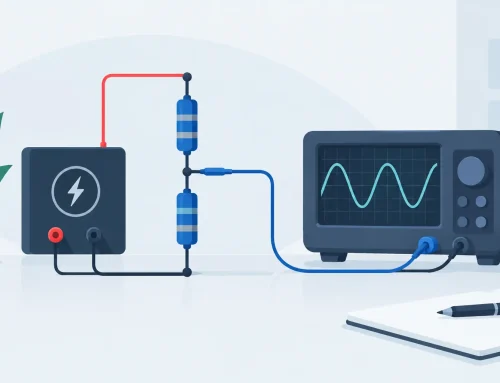
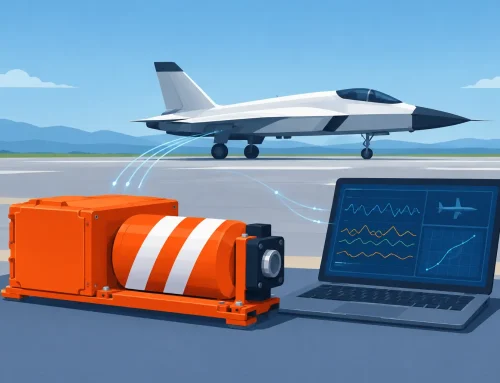
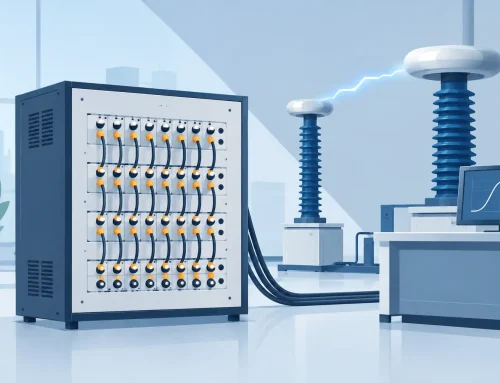
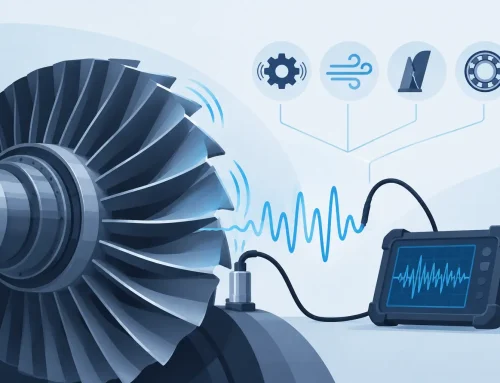
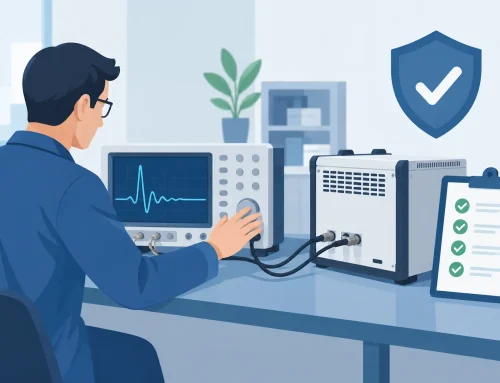
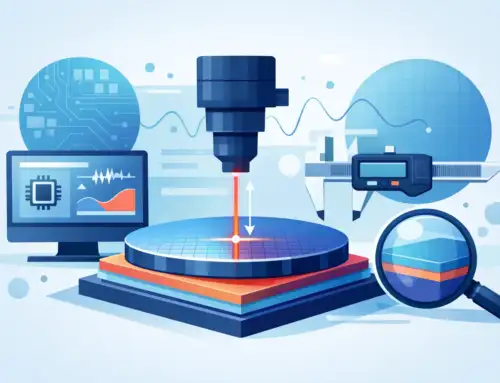
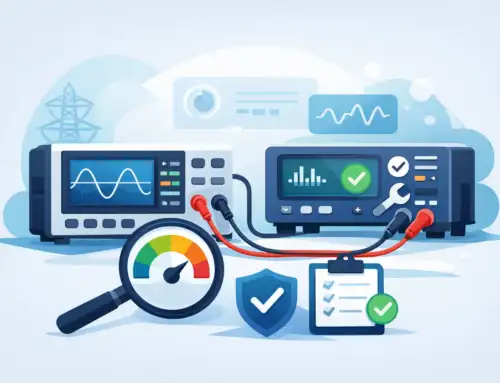
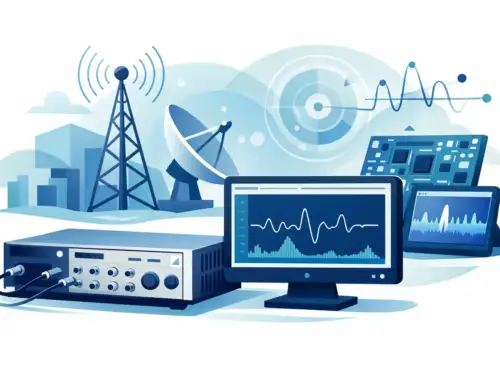
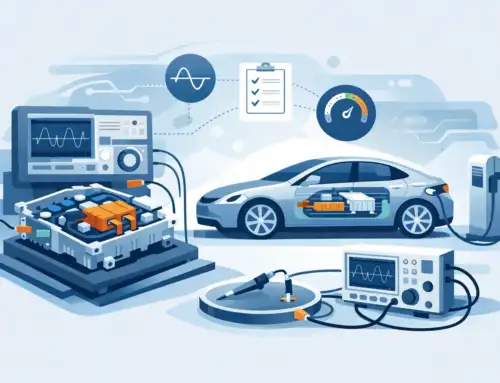
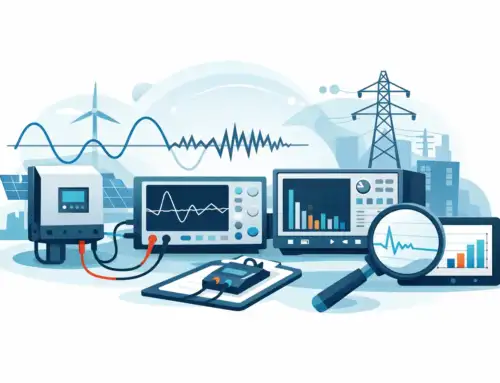
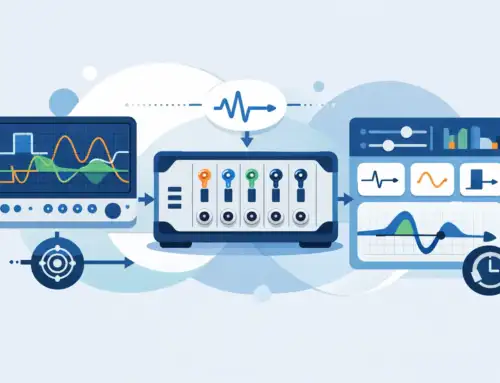
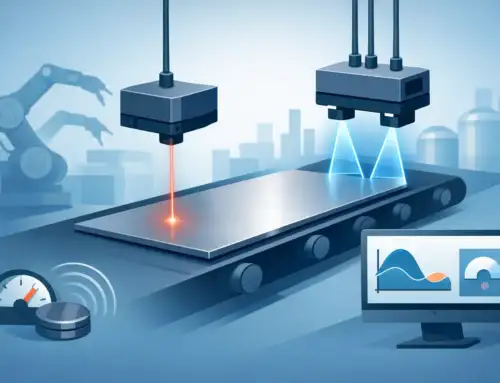
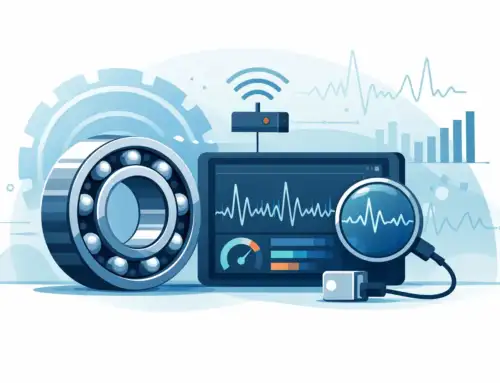
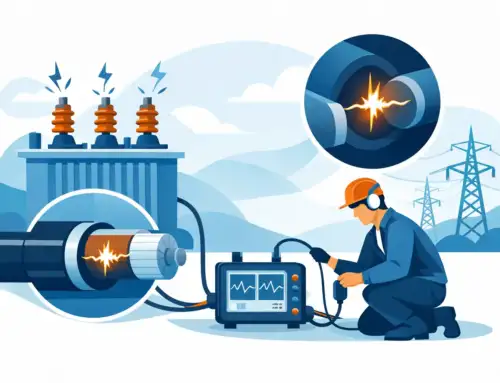
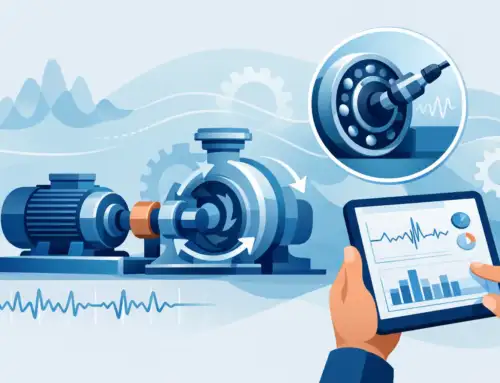
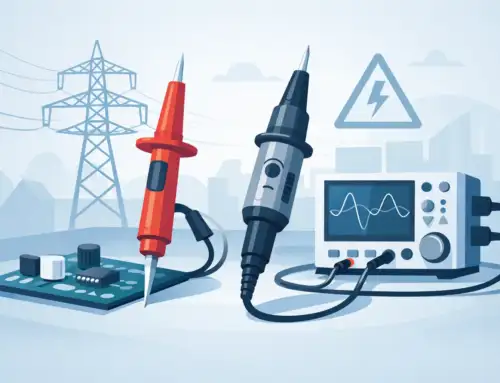
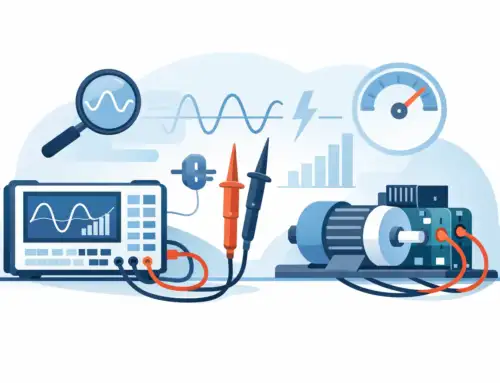
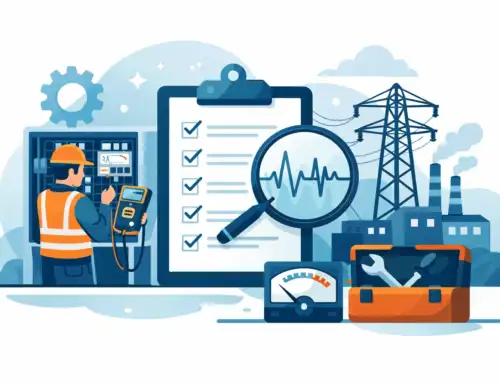
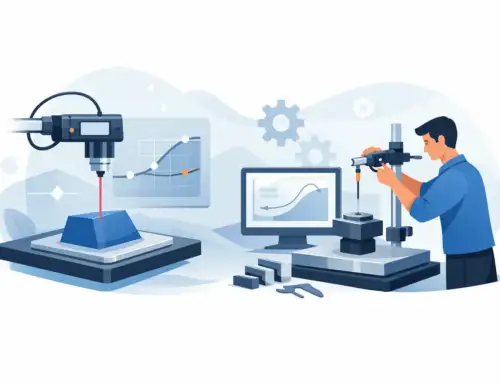
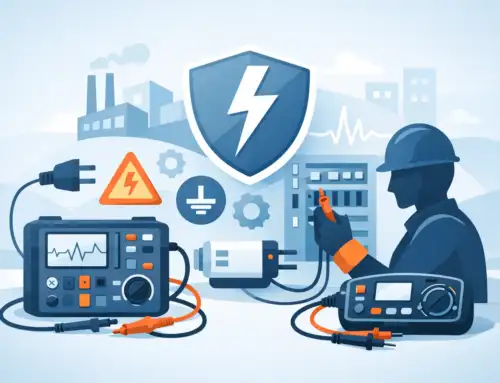
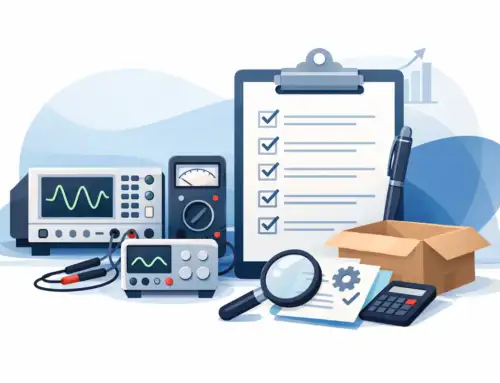
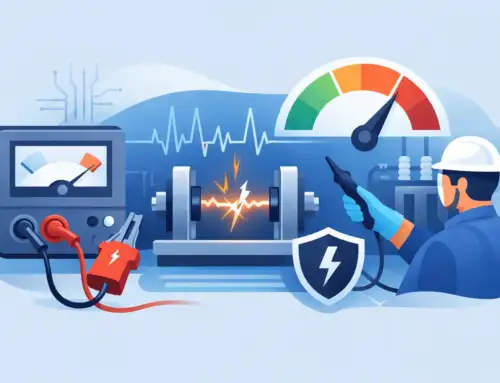
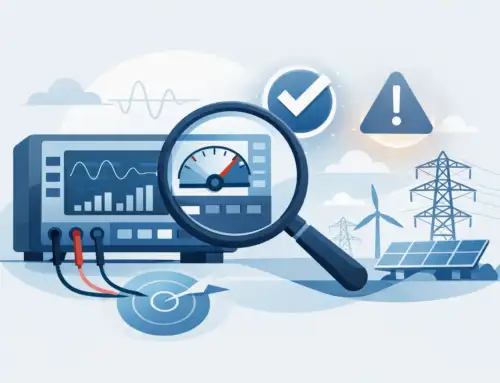
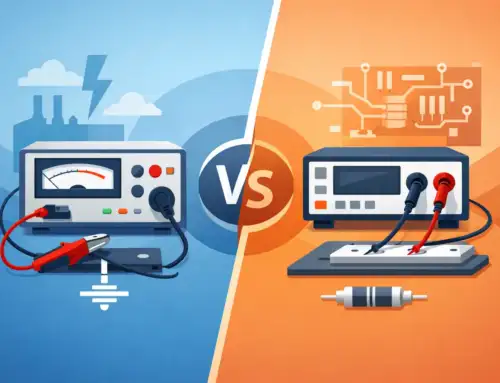
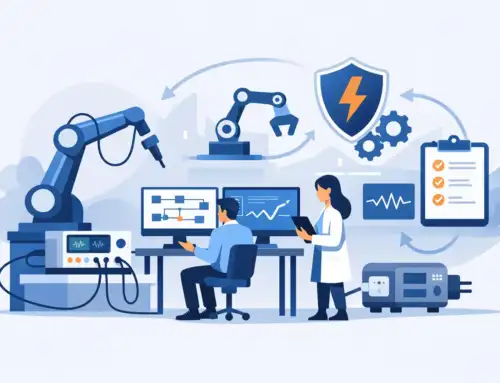
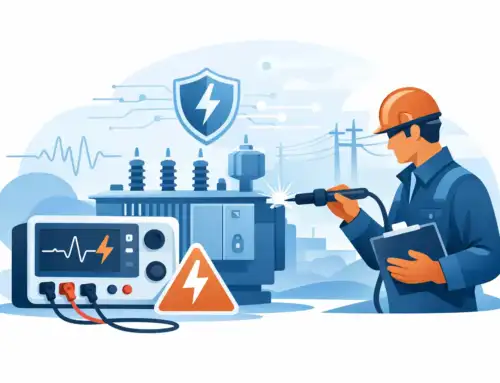
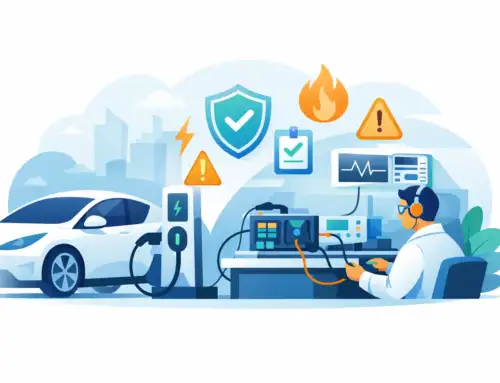
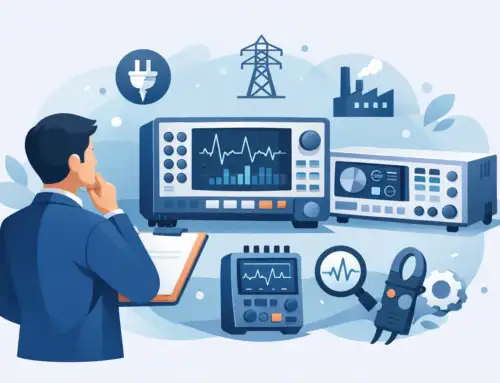
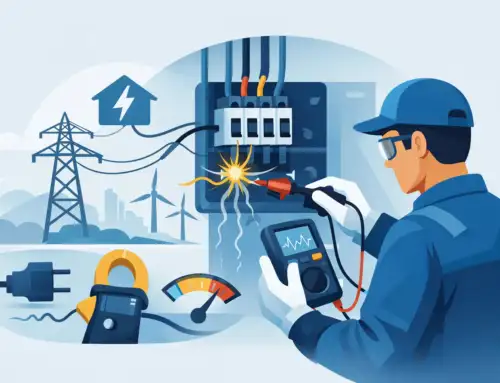
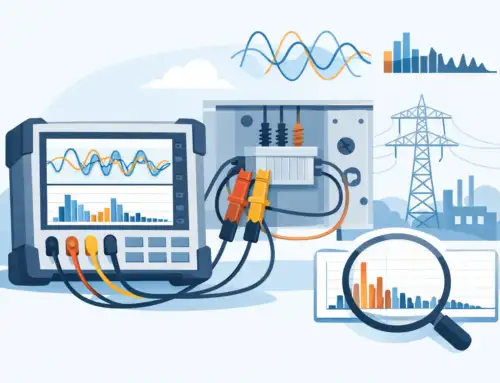
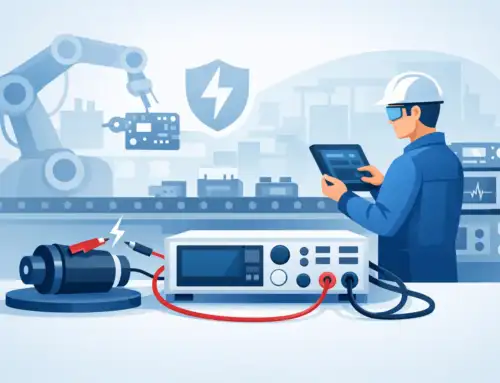
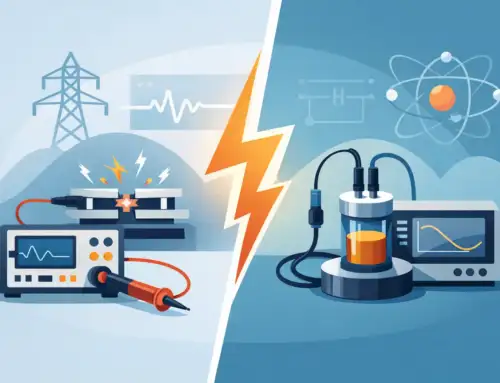
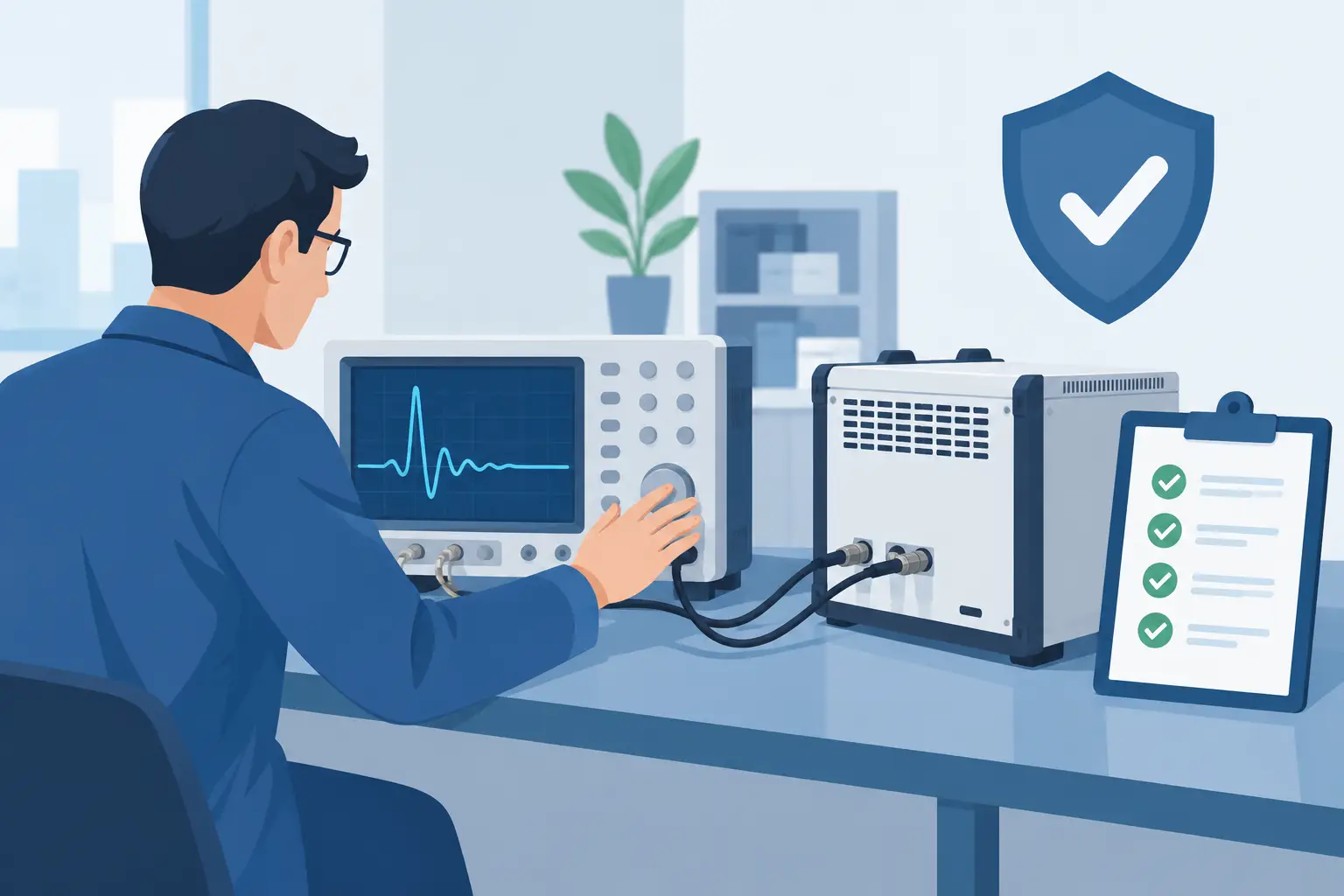
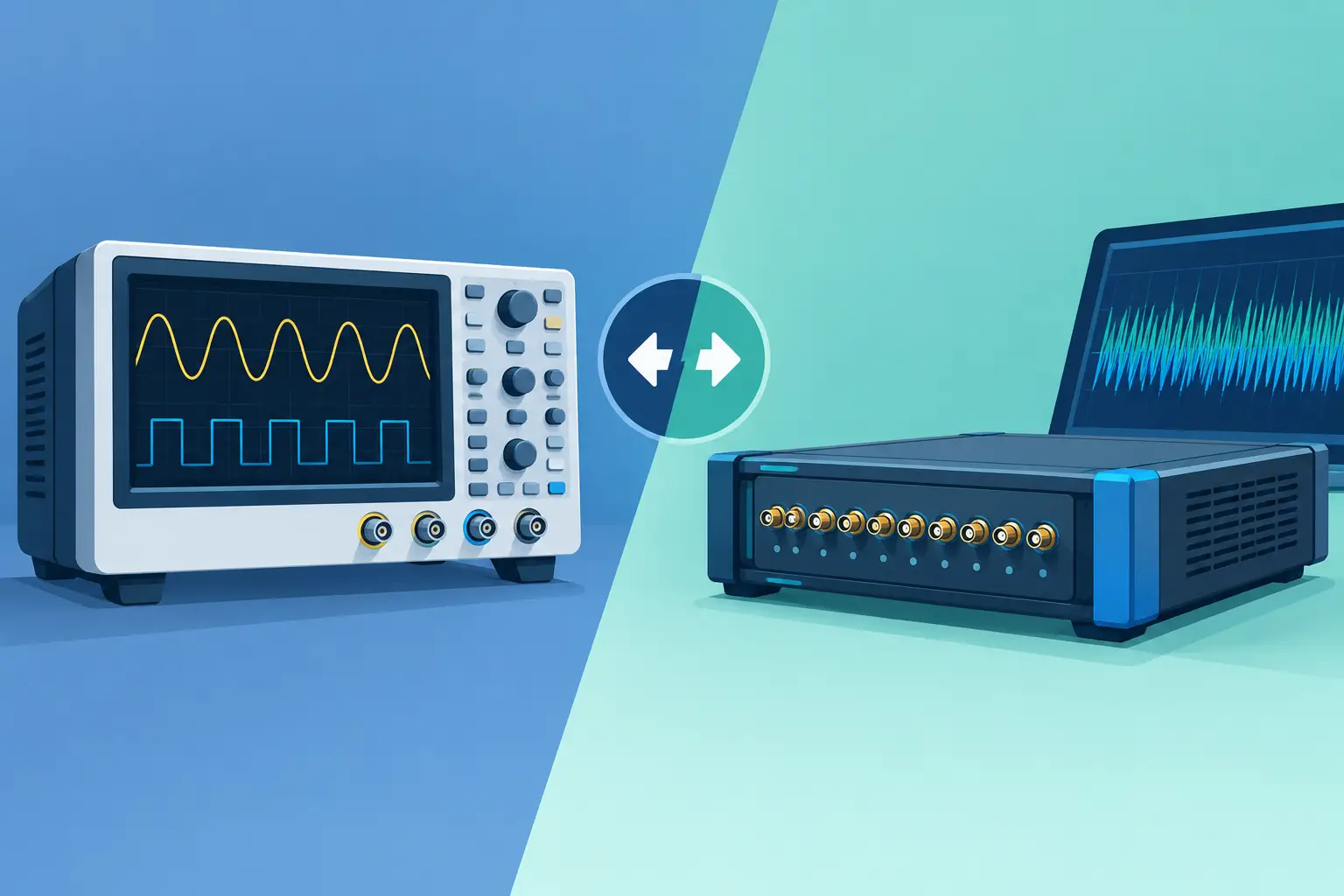
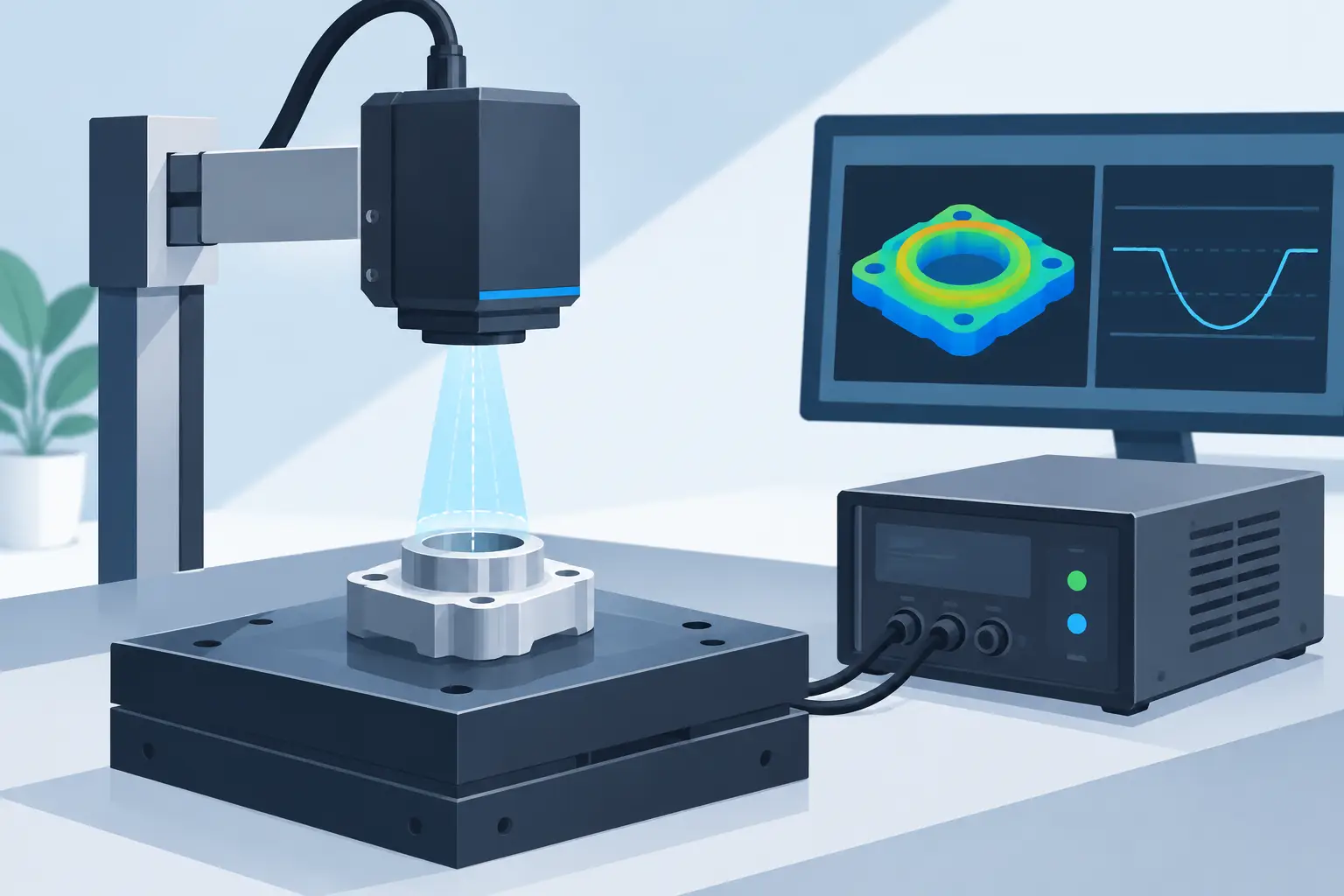
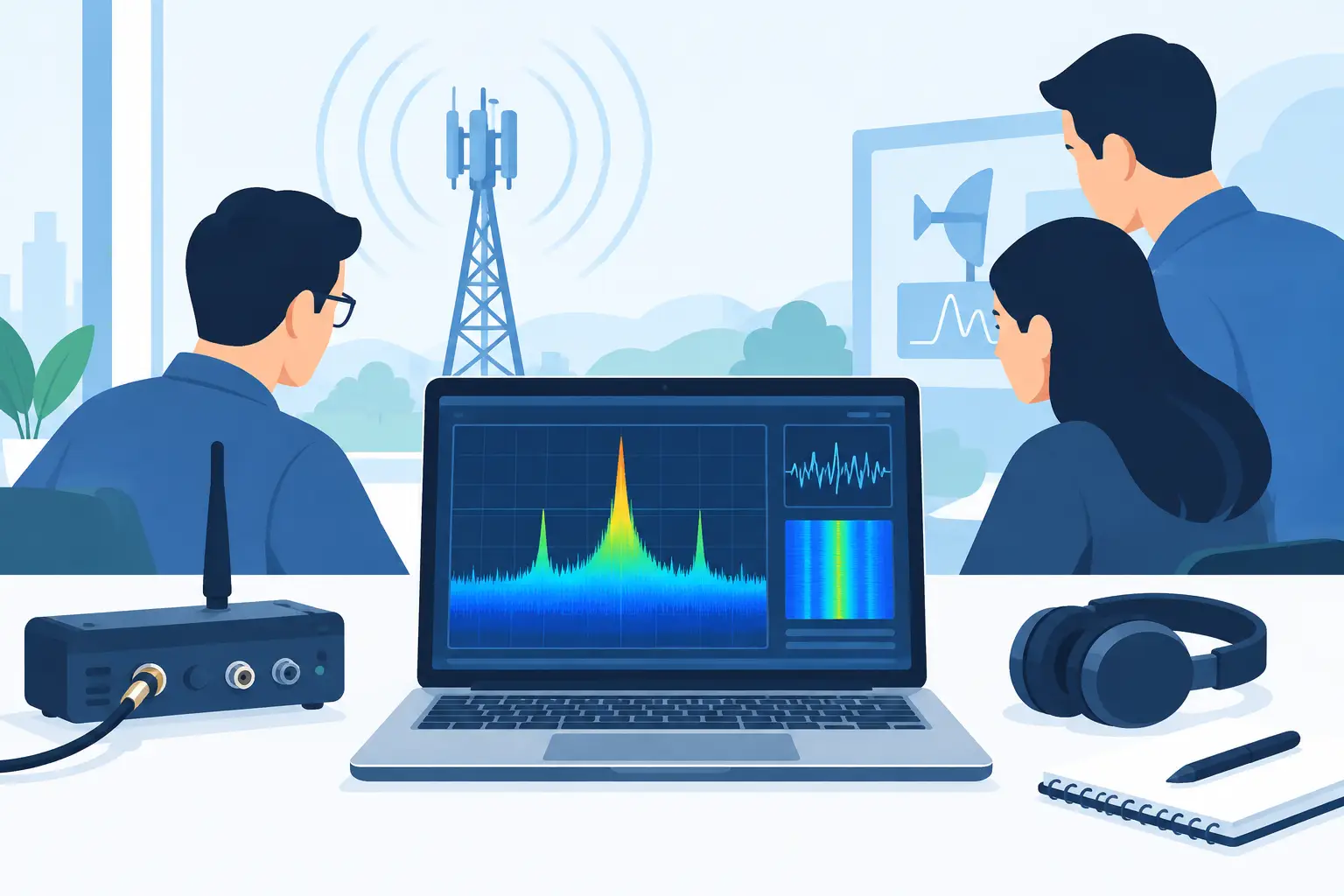
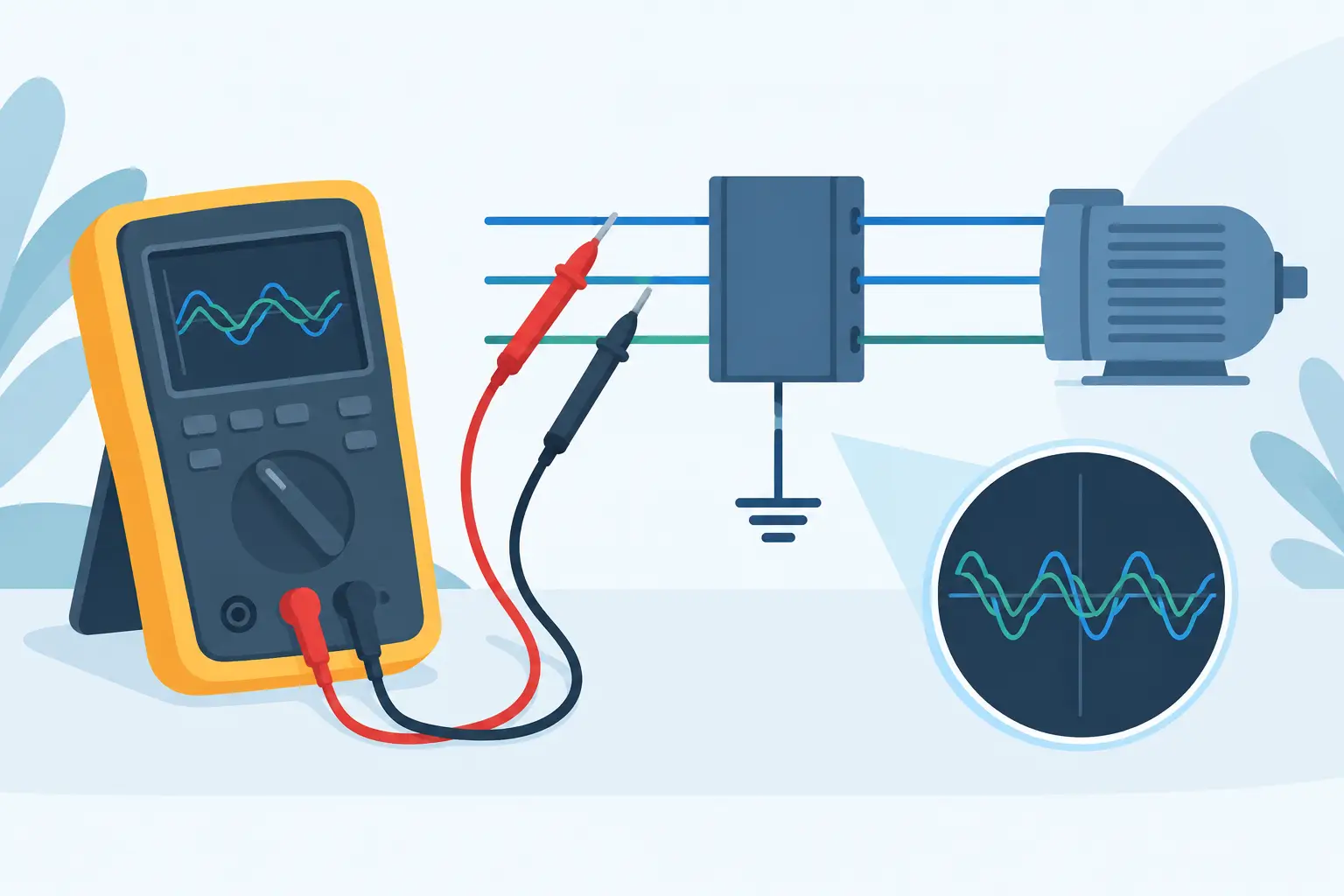
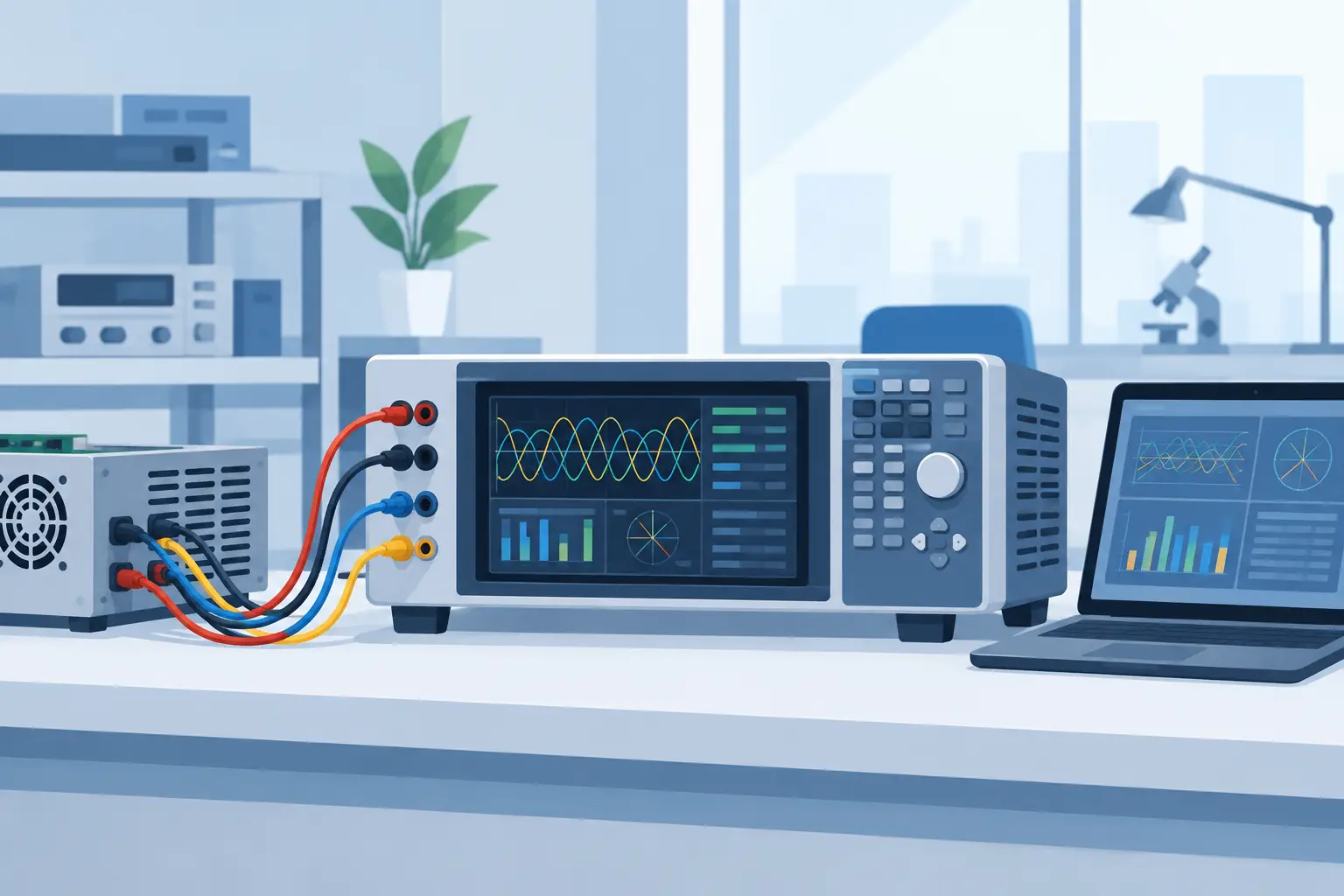
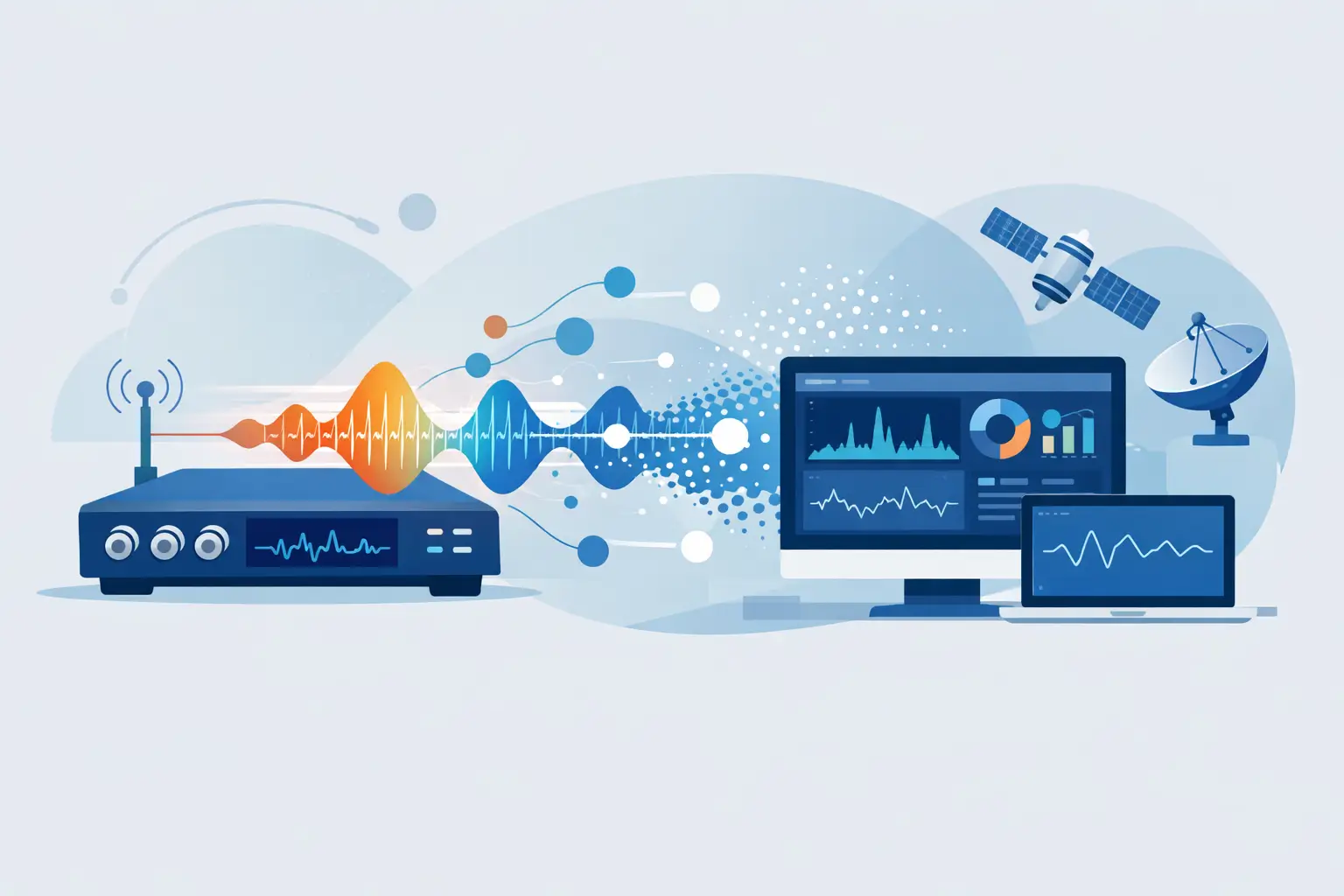
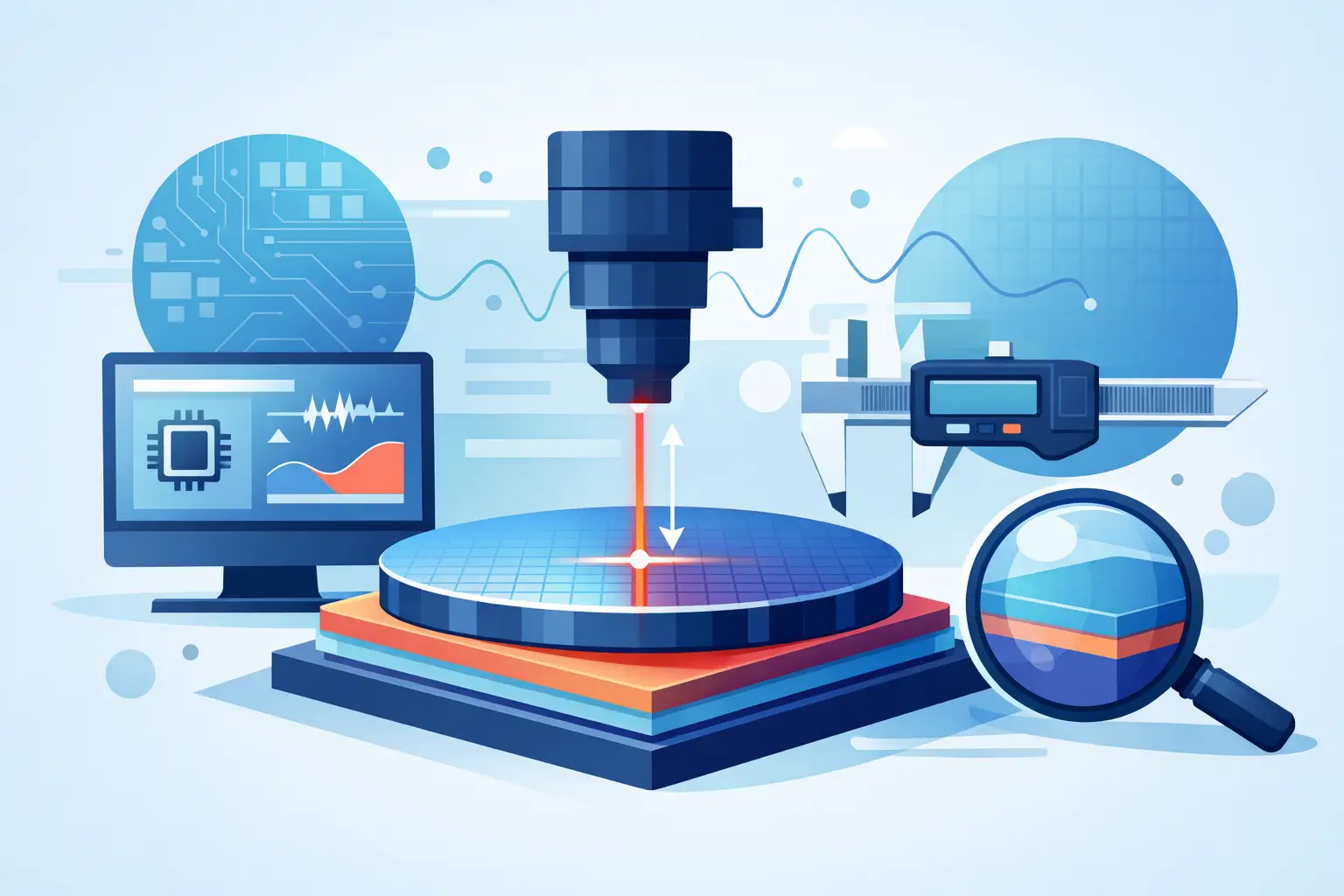
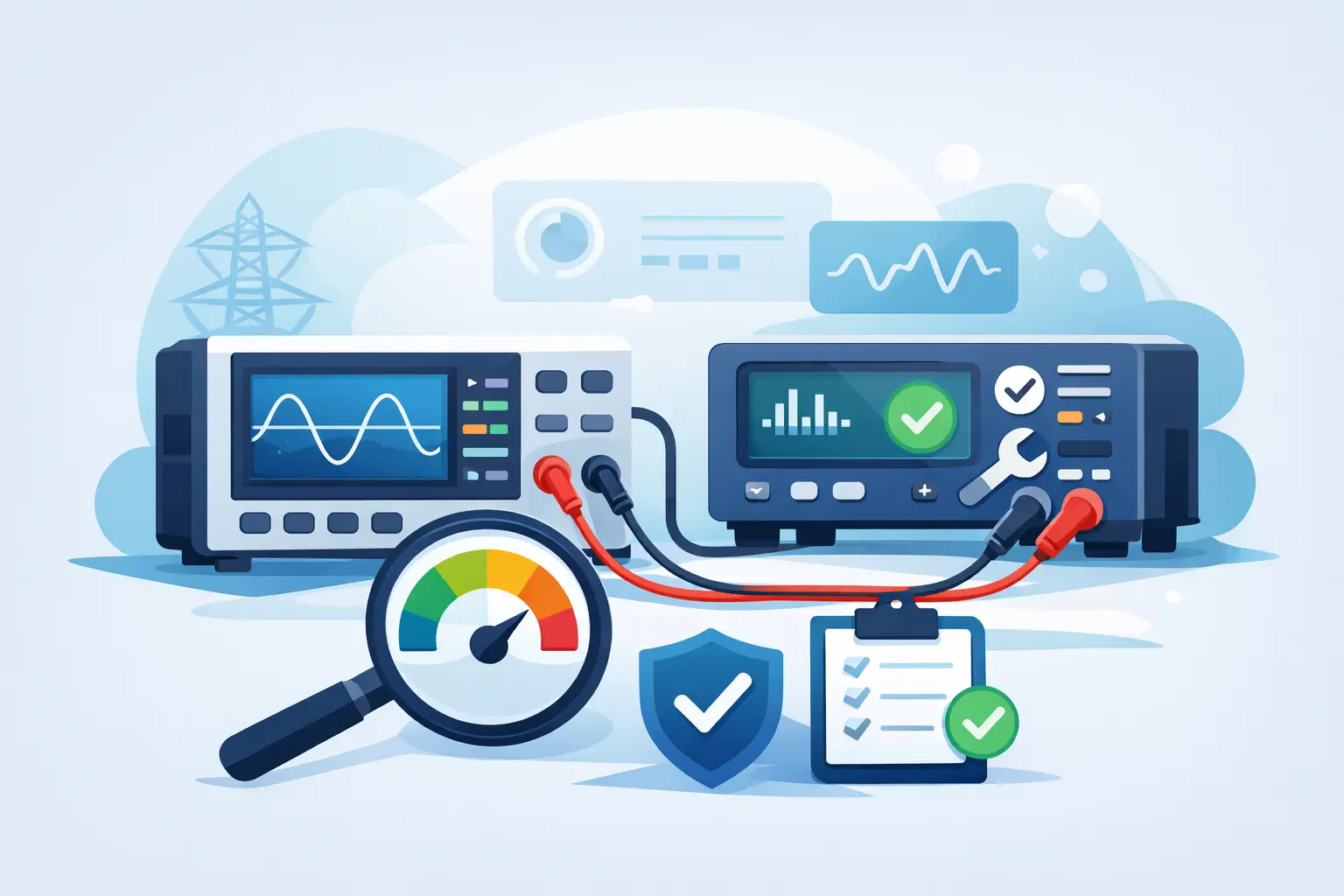
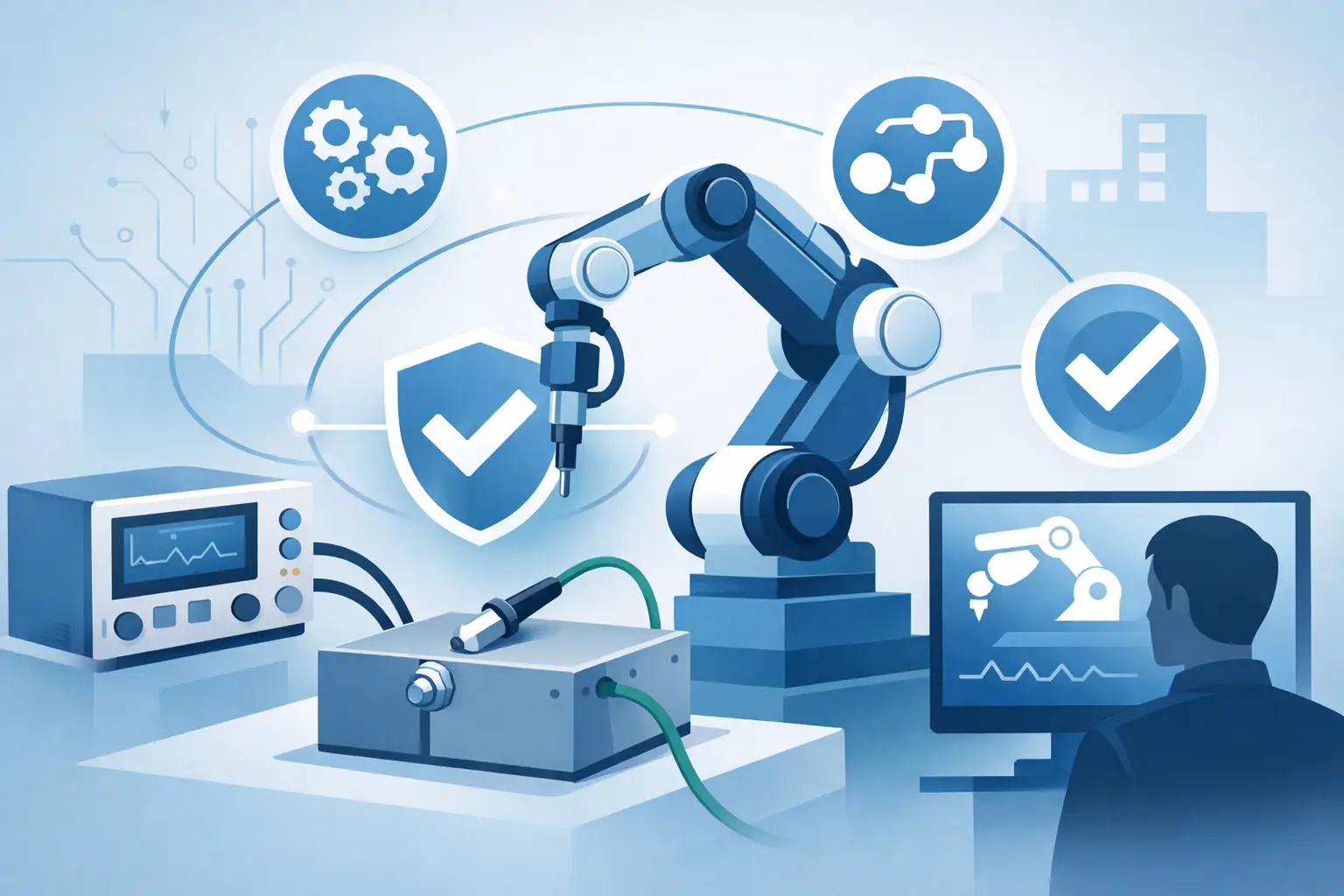
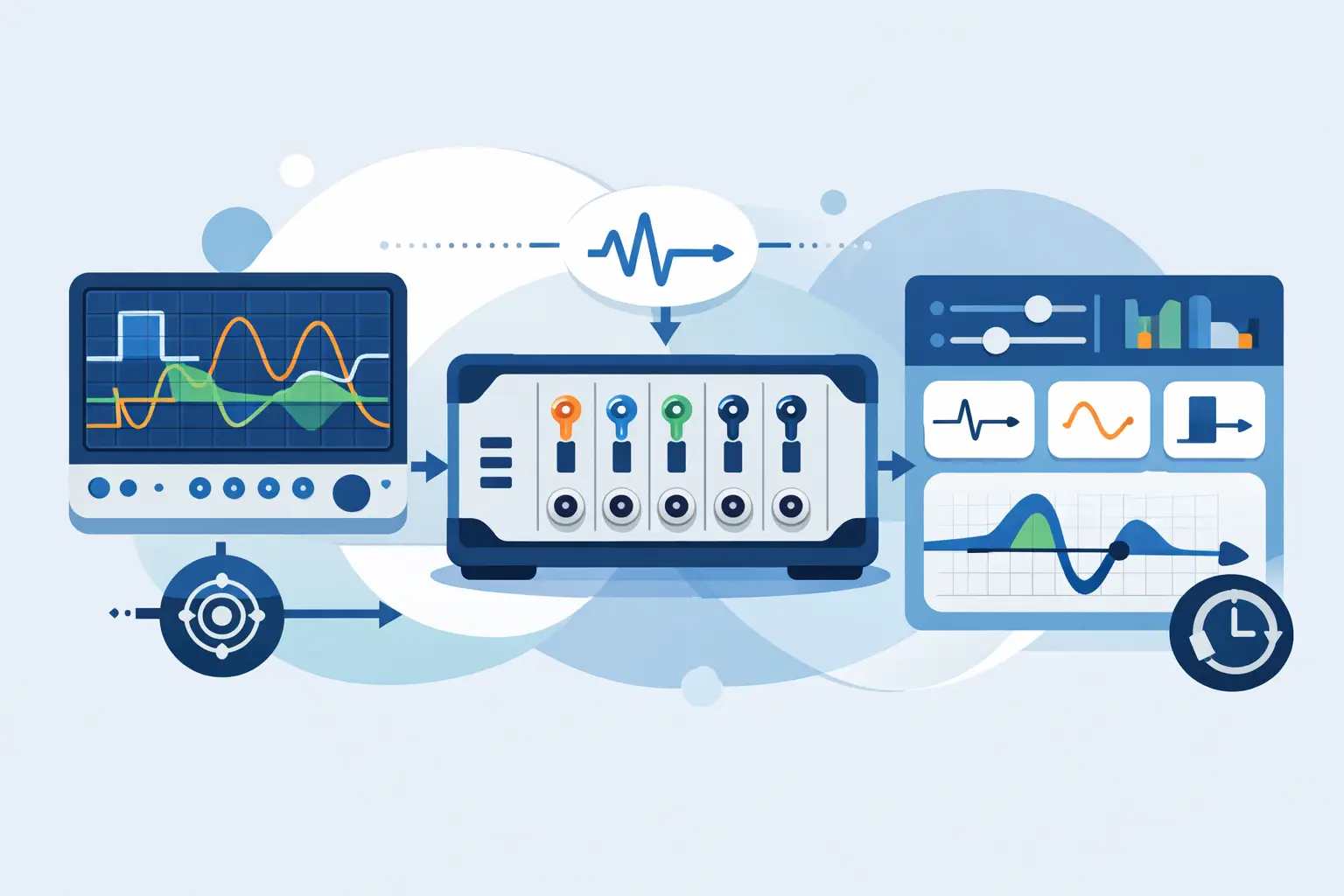
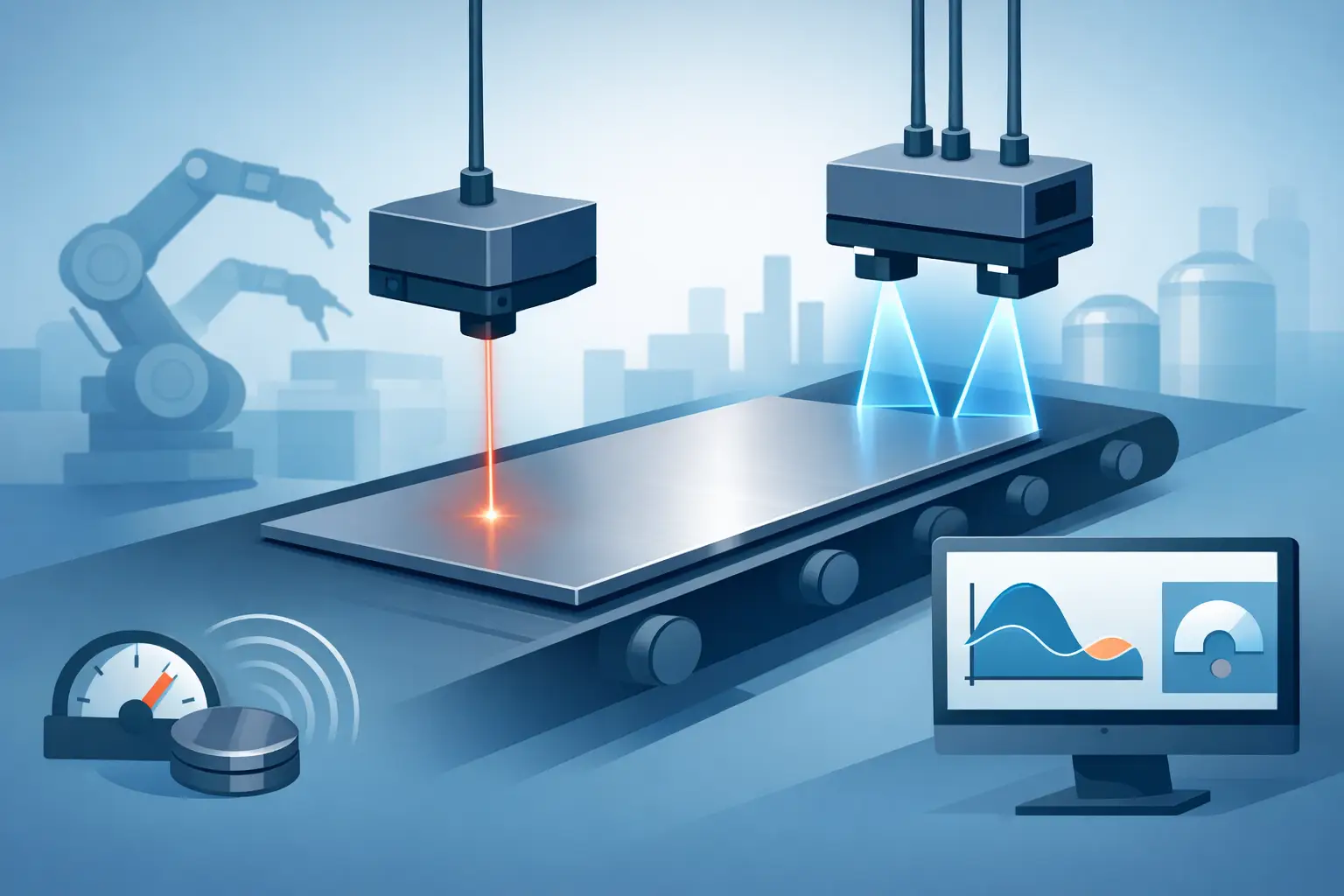
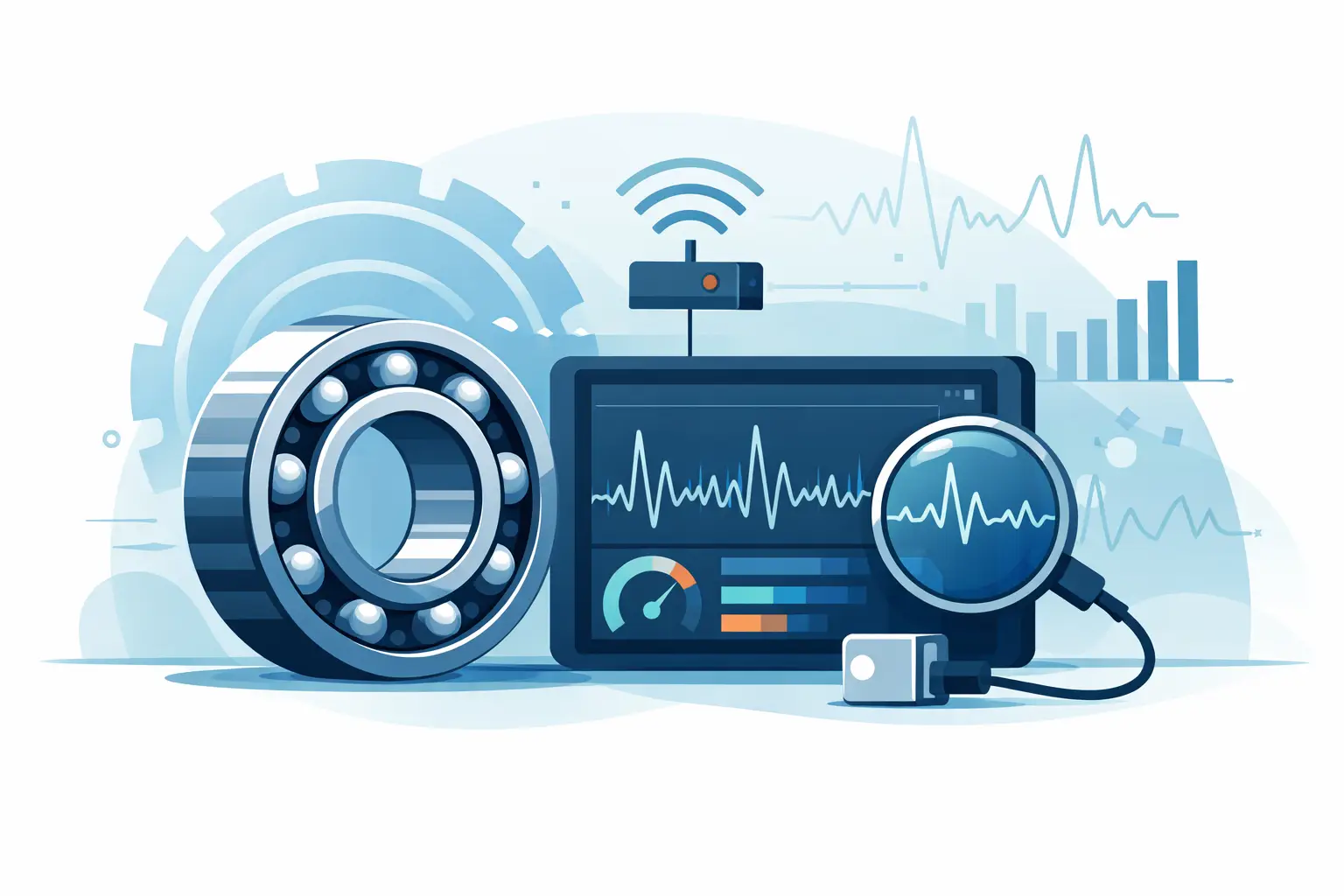
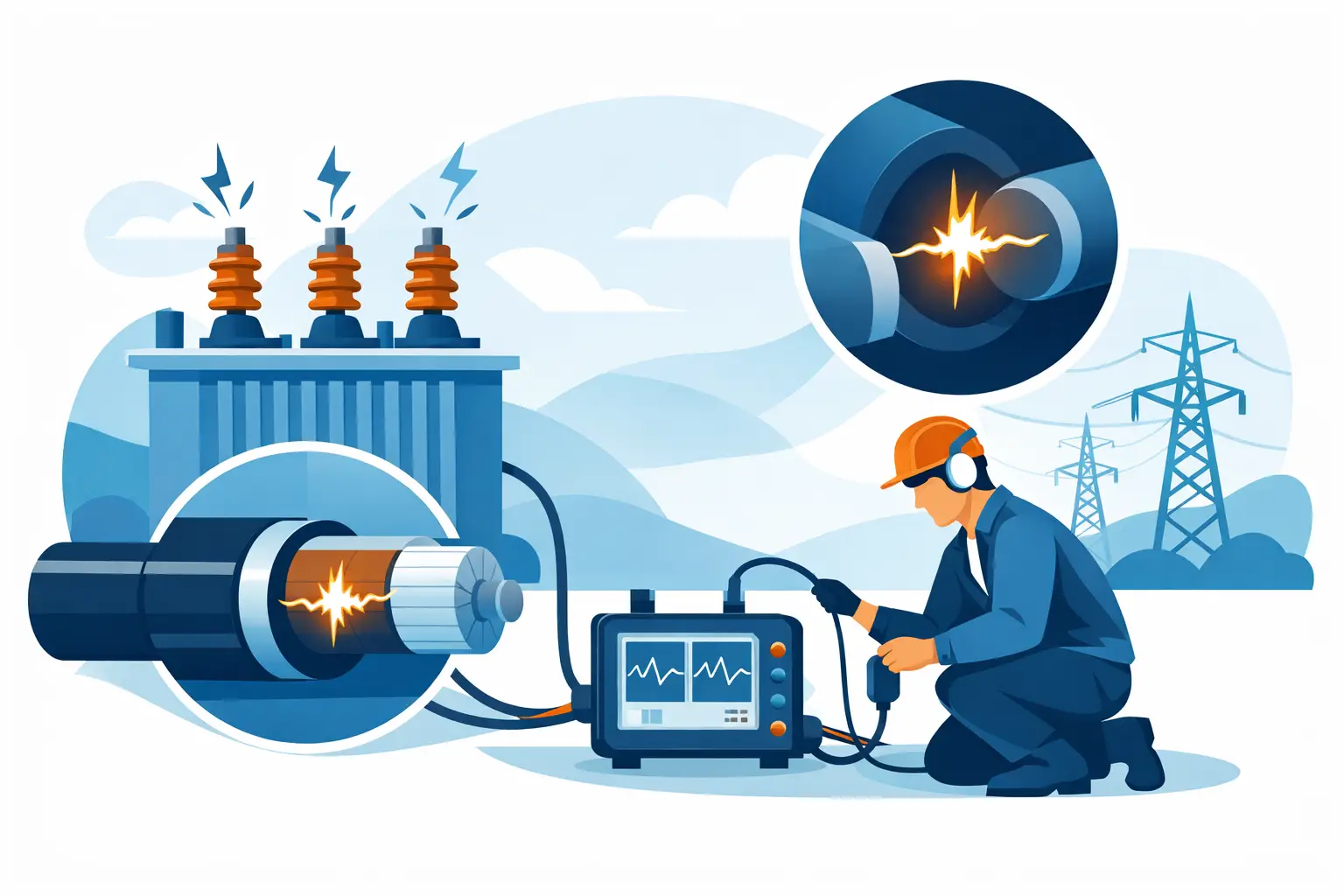
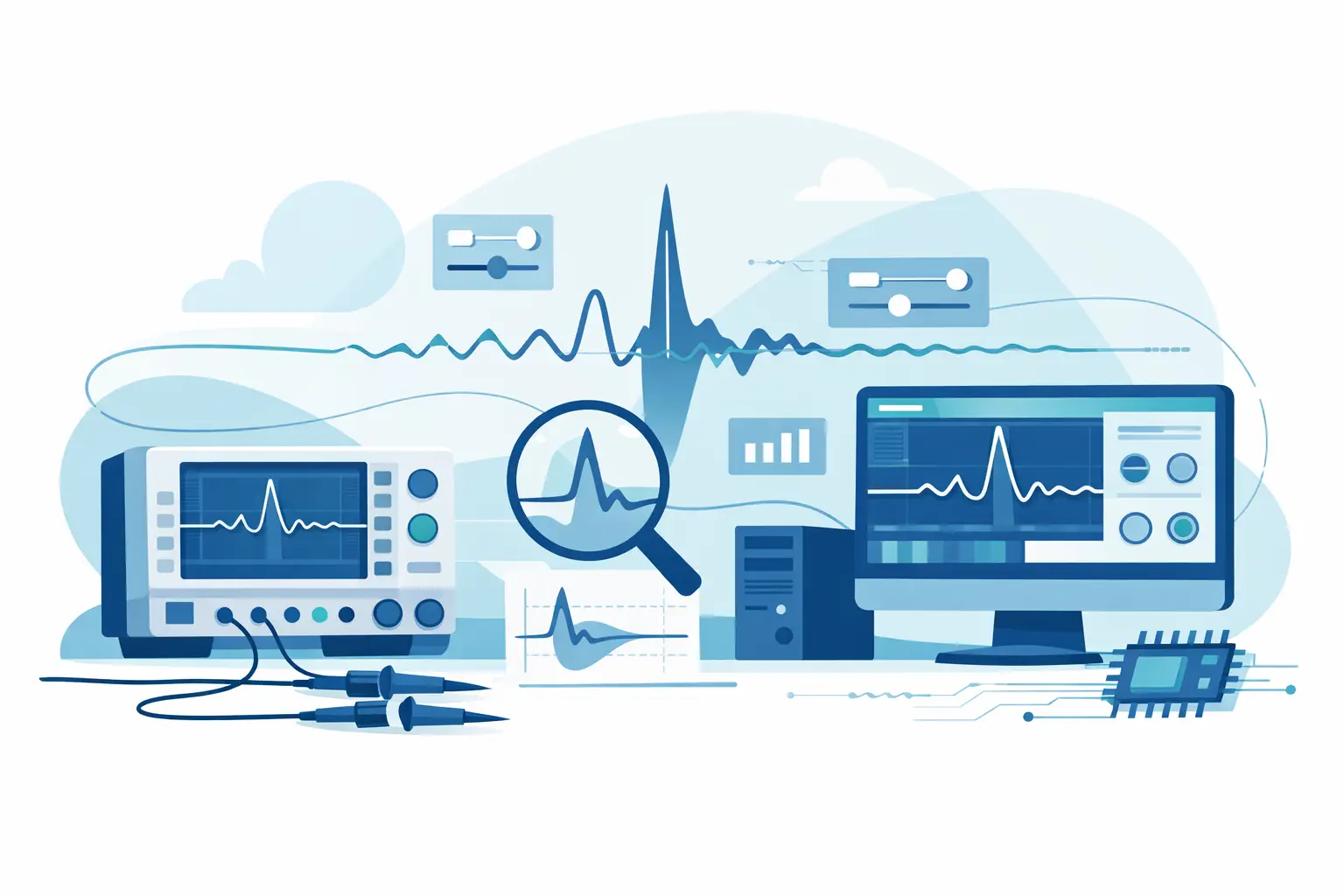
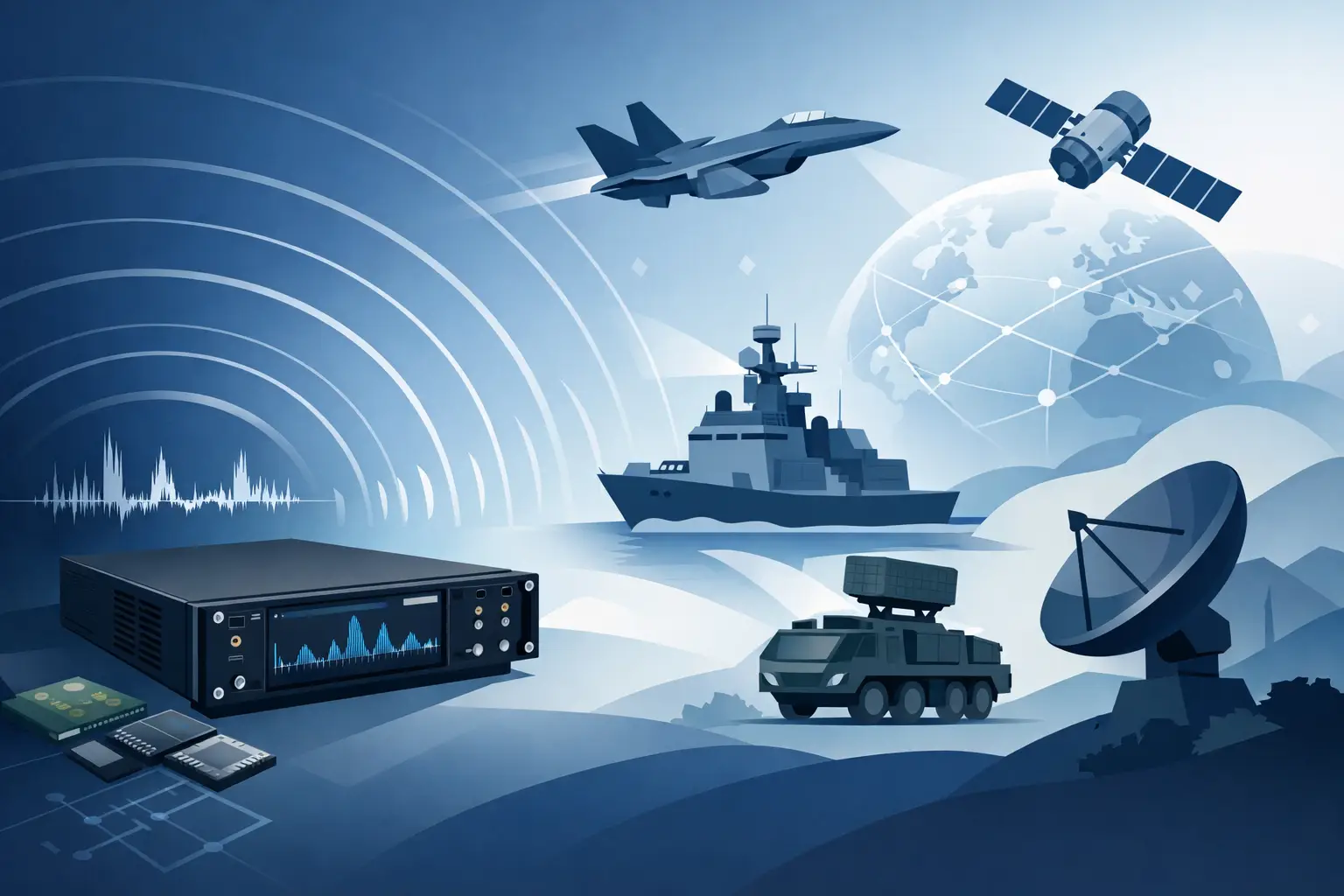
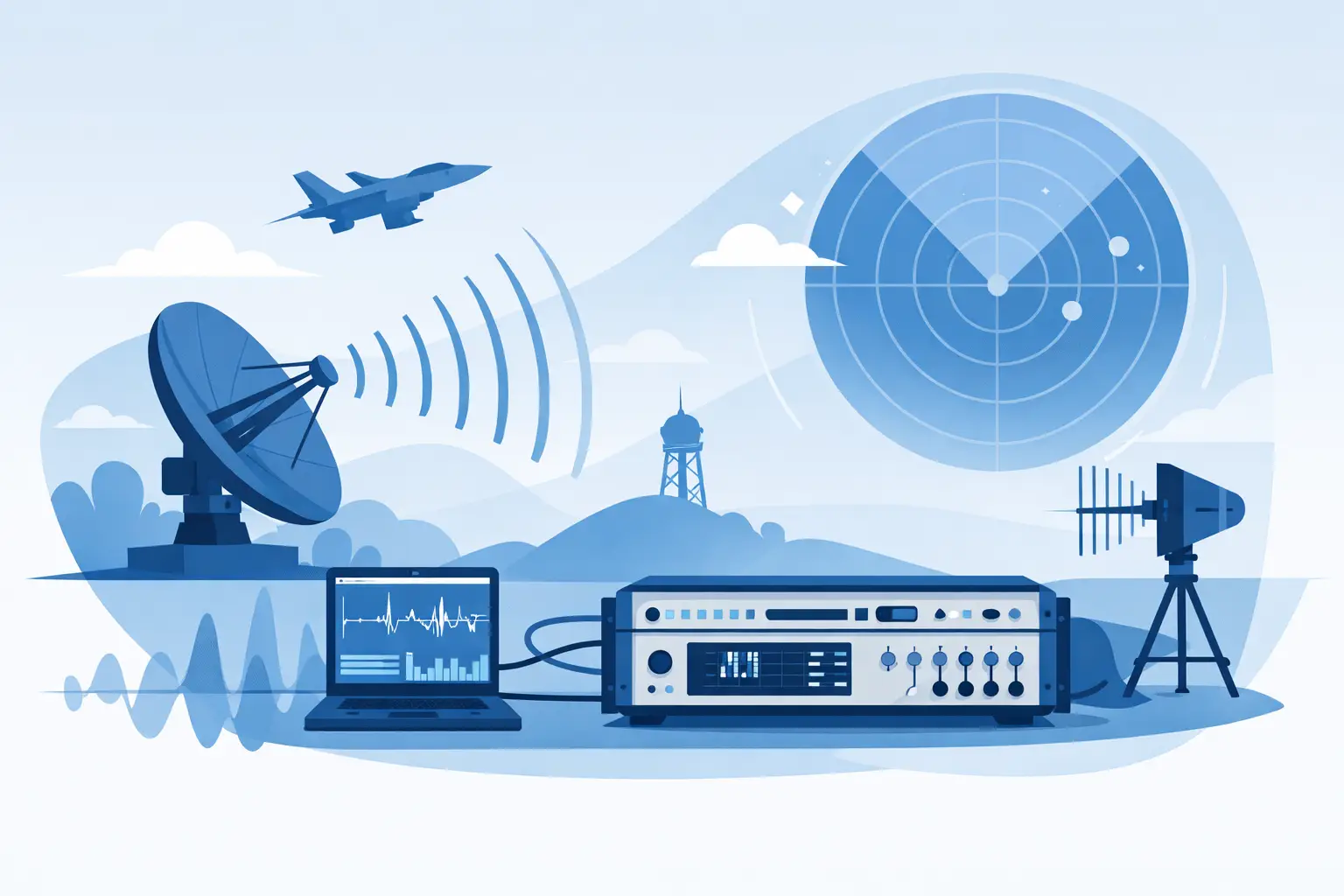
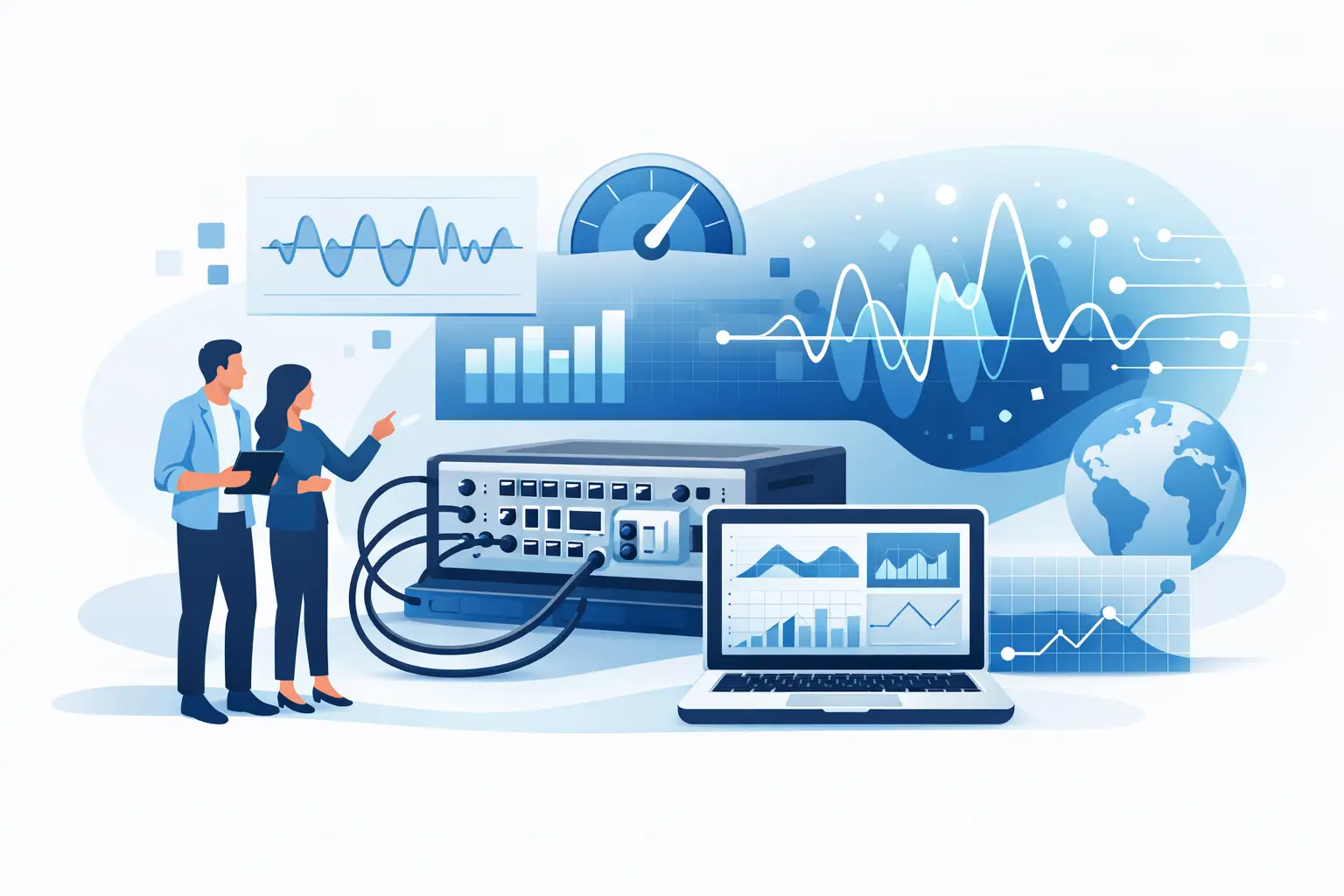
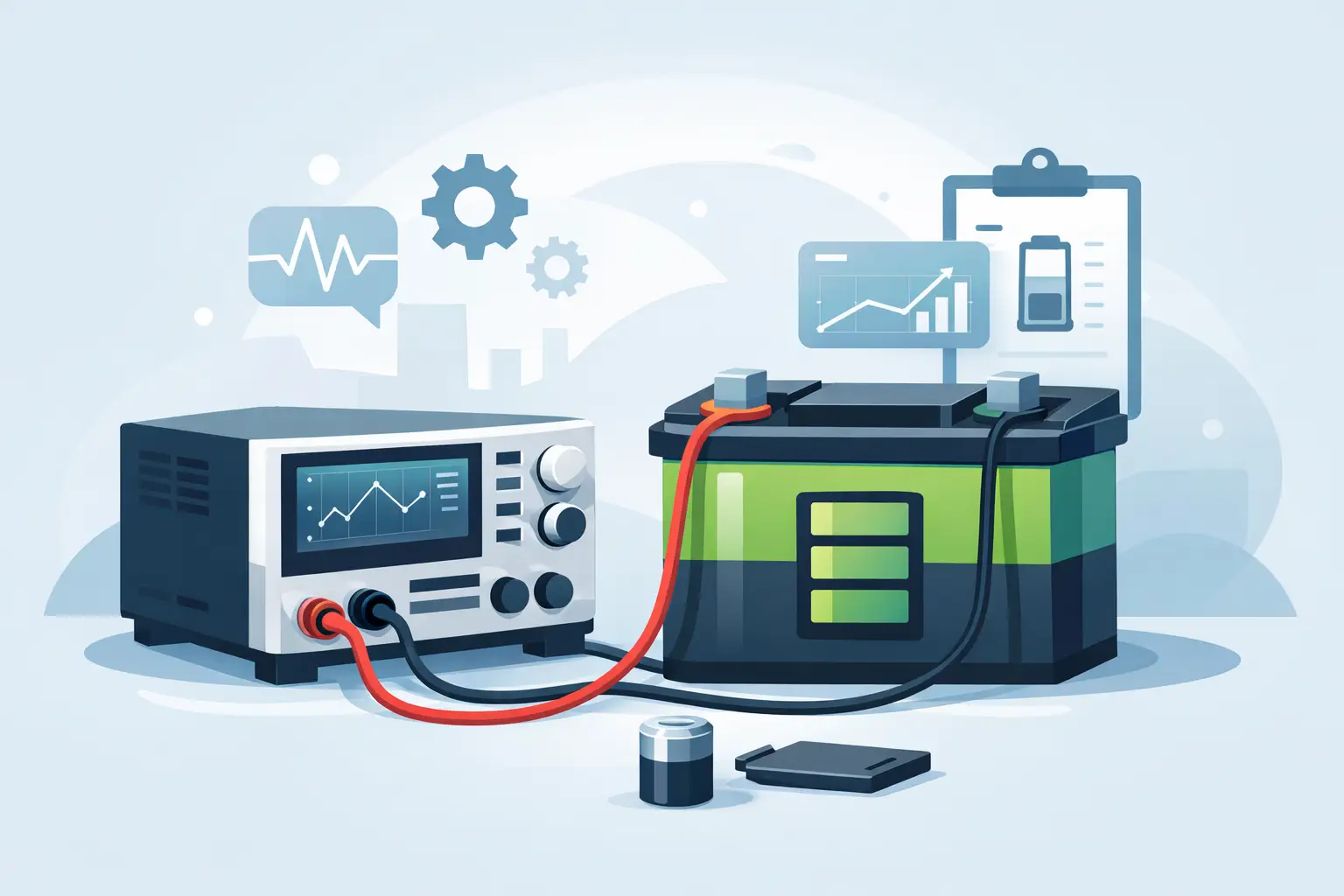
A high speed digitizer review should begin with the signal, not the product brochure. A digitizer that appears well specified on sample rate alone can still miss short transients, distort fast edges, lose critical pretrigger context, or create an unmanageable data pipeline. For aerospace diagnostics, EV power testing, RF recording, semiconductor characterization, and laboratory R&D, the useful question is whether the complete acquisition system preserves the event engineers need to analyze.
What a High Speed Digitizer Review Must Measure
A high-speed digitizer converts an analog waveform into data that can be stored, displayed, processed, and acted upon. Its value depends on more than converting quickly. The instrument must capture the correct portion of the waveform at sufficient fidelity, maintain timing integrity across channels, and transfer data reliably into the host environment.
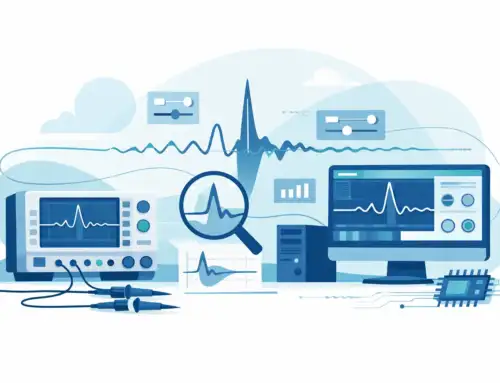
A technically sound review therefore evaluates the signal path from input connector to analysis software. This includes analog bandwidth, sample rate, vertical resolution, input range, noise, memory depth, triggering behavior, clocking, interface throughput, and software support. These specifications interact. Selecting one in isolation often produces a system that looks capable on paper but performs poorly in the actual test sequence.
For example, an application may require a 2 GS/s sampling rate to characterize a fast transient. If the event occurs intermittently over a long observation interval, however, deep onboard memory and an effective trigger may be more decisive than adding more sample rate. Conversely, an instrument with large memory cannot recover detail that was filtered out by inadequate analog bandwidth.
Start With Bandwidth and Sampling Rate
Bandwidth defines the frequency content the analog front end can pass with acceptable attenuation. Sample rate determines how often the incoming signal is measured. They are related but not interchangeable.
The Nyquist criterion states that a sample rate must exceed twice the highest frequency of interest for basic reconstruction of a band-limited waveform. In practical test work, twice is rarely enough for confident characterization. Engineers evaluating rise time, overshoot, ringing, pulse shape, or spectral components generally need sample rates well above the minimum theoretical threshold. Higher sampling density provides more waveform points and supports more credible timing and amplitude analysis.
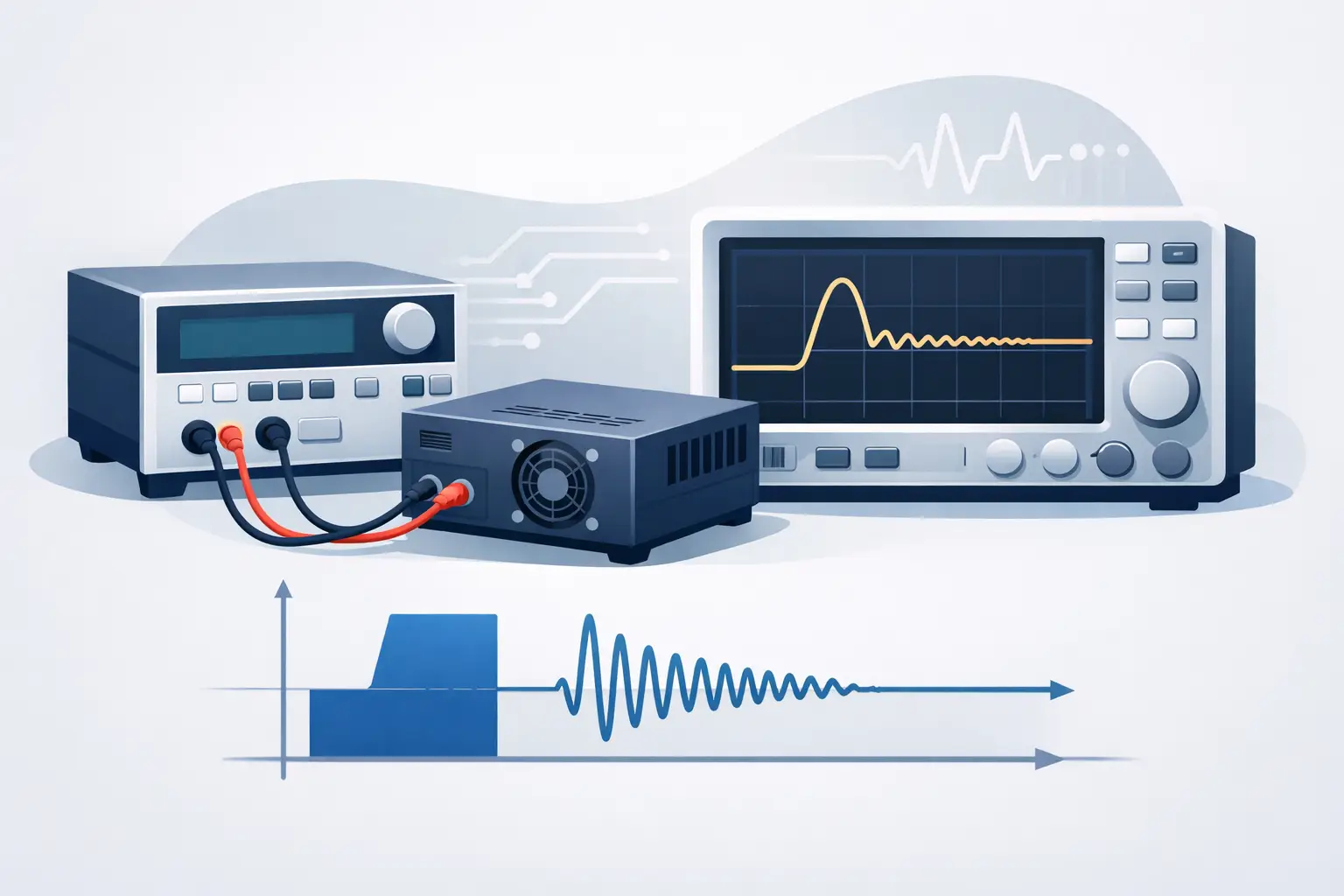
A useful first estimate for edge-focused measurements is based on rise time. A digitizer must have enough analog bandwidth to resolve the transition under test rather than impose its own slower response. The system rise time is influenced by both the source and the instrument, so an apparently fast digitizer can still limit the measured result.
There is also a cost to excessive bandwidth. Wider bandwidth admits more noise, which can reduce the effective resolution available for low-level signals. The appropriate choice depends on the highest meaningful content in the signal, not every frequency that may exist in the environment.
Do Not Confuse Sample Rate With Real-Time Performance
Some specifications describe equivalent-time sampling, interleaving modes, or rates available only under restricted channel configurations. In a high speed digitizer review, verify the sample rate available with all required channels active, at the intended resolution, and with the desired memory depth. This matters when correlating gate-drive behavior, current, voltage, control signals, and sensor outputs during a single event.
Multi-channel acquisition should also be assessed for channel-to-channel skew and timing stability. A few nanoseconds of uncertainty can materially affect propagation-delay, phase, and switching-loss calculations.
Memory Depth Determines How Much Context You Keep
Memory depth sets the acquisition record length. At a given sample rate, deeper memory captures a longer time window. This is essential when a test must capture a short failure within a much longer operational sequence.
Consider an intermittent power-conversion fault. The switching transition may occur on a nanosecond or microsecond scale, while the condition that precedes it develops over milliseconds. A short record can show the failure but omit the operating context that explains it. Deep memory enables high-resolution capture before, during, and after the trigger.
Review the digitizer’s memory architecture rather than reading the maximum memory figure as a standalone benefit. Confirm whether memory is allocated per channel, shared across channels, reduced at higher sample rates, or restricted in segmented acquisition modes. Segmented memory can be particularly effective for repeated pulse trains and burst events because it stores selected events without filling memory with inactive intervals.
Triggering Is Often the Deciding Specification
A digitizer cannot analyze an event it fails to identify. Trigger capabilities should receive the same scrutiny as bandwidth and conversion rate, particularly in fault analysis and automated test.
Basic edge triggering may be adequate for stable, repetitive signals. Complex applications often require pulse-width, level, window, pattern, external, or software-controlled triggering. Pretrigger capture is equally important. Without it, the system records only what occurred after the trigger and may exclude the conditions that caused the event.
Trigger latency, trigger jitter, rearm time, and dead time also deserve attention. In high-repetition environments, dead time can cause missed events. In time-correlated measurements, trigger uncertainty limits the accuracy of timing analysis even if the sample rate is high.
For distributed systems, evaluate external reference-clock and trigger I/O options. A digitizer may need to synchronize with a stimulus source, another acquisition chassis, a device-under-test controller, or a facility timing reference. Deterministic synchronization is not an accessory feature in these cases. It is part of the measurement requirement.
Resolution, Noise, and Dynamic Range Need Application Context
Higher nominal bit depth does not automatically translate to better usable measurements. Effective number of bits is reduced by noise, distortion, clock jitter, front-end behavior, and the selected input range. A 16-bit converter operating with a poorly matched range can deliver less useful detail than expected.
Review the available input ranges and coupling options against the signal amplitude. A small signal measured on an excessively large range uses only a portion of the converter’s codes, reducing practical resolution. But selecting too narrow a range risks clipping transient peaks, which can invalidate the capture.
Noise performance matters especially in sensor measurements, vibration analysis, low-level RF or IF recording, and characterization work where small waveform changes are significant. Look for published noise metrics under operating conditions that resemble the intended use. If possible, assess baseline noise, spurious content, and repeatability with the actual source impedance and cabling arrangement.
Clock quality is another limit on dynamic performance. Sampling-clock jitter becomes increasingly consequential as input frequency rises. For high-frequency sinusoidal or RF-related measurements, a clean internal clock or an appropriate external reference can have a larger effect on measurement fidelity than a modest increase in nominal bit depth.
Evaluate Data Transfer and Software as Part of the Instrument
An acquisition system that captures data faster than it can transfer or process it may be appropriate for single-shot diagnostics but unsuitable for continuous monitoring. Interface selection – PCIe, PXIe, Ethernet, or another architecture – should align with the required sustained throughput, host topology, and deployment constraints.
Ask whether the specified transfer rate is sustained or burst-based, and whether it applies while all channels are active. Determine how the system handles buffer overruns, dropped records, timestamps, and continuous streaming. These details are critical for production test and long-duration recording, where missing data may be indistinguishable from a passing condition unless the software reports it clearly.
Software should support the team’s actual workflow. Engineers may need an interactive acquisition interface for setup and troubleshooting, while automated systems require a stable API, documented SDK, examples, and support for common development environments. Data formats also matter. Proprietary formats can be acceptable when analysis tools are mature, but export, metadata retention, and long-term accessibility should be considered for regulated or traceable test programs.
Vitrek’s GaGe high-speed digitizer portfolio illustrates the value of treating hardware, acquisition software, and developer support as one measurement platform rather than separate purchasing decisions.
Check the Integration Details That Create Measurement Error
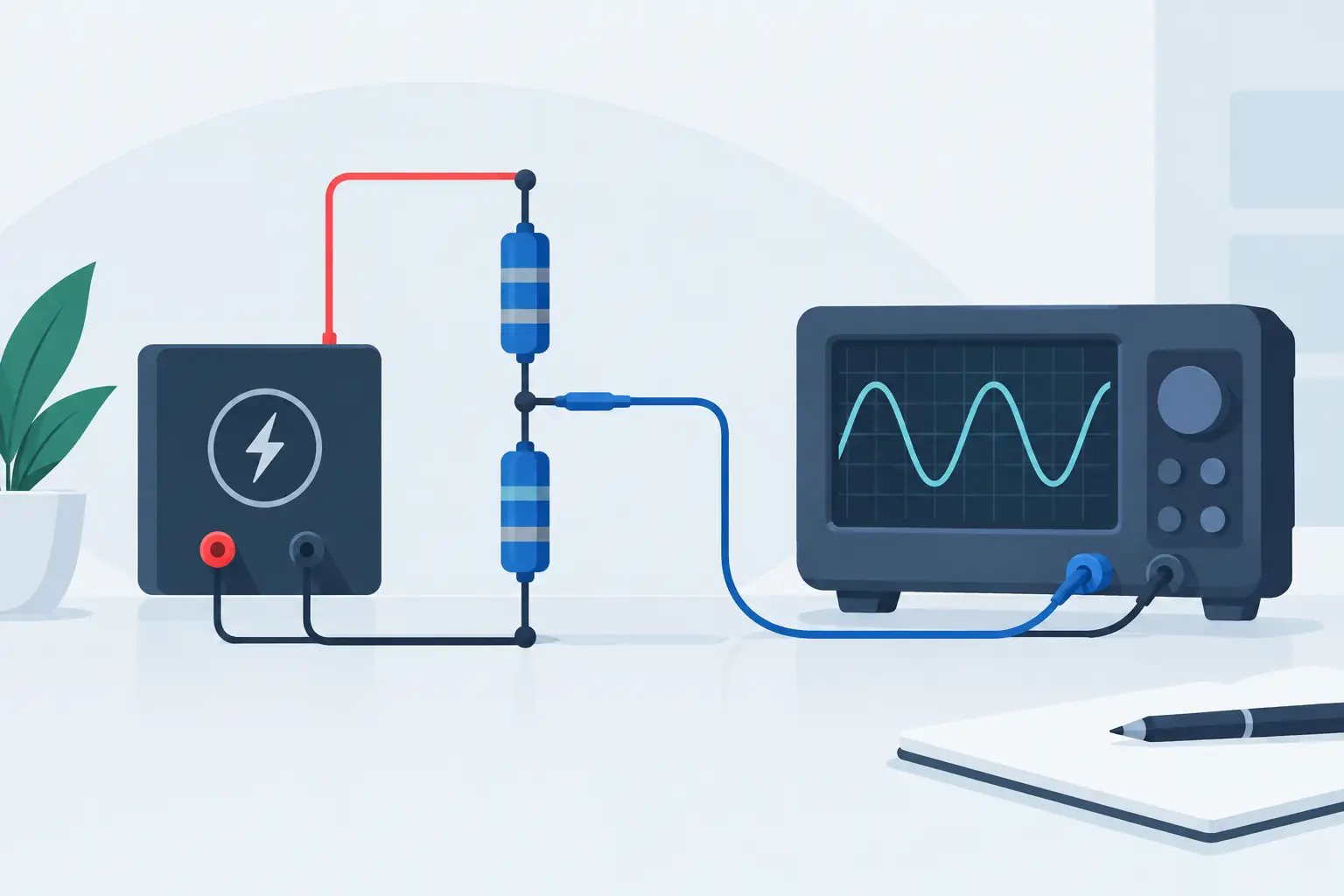
A digitizer is only one element in the measurement chain. Input impedance, connector type, probe or cable quality, grounding, isolation requirements, and fixture design can dominate results at high frequencies. A 50-ohm signal path, for instance, should be terminated correctly to avoid reflections that resemble real ringing or overshoot.
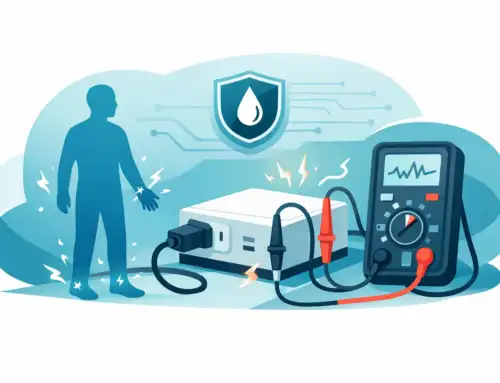
For high-voltage and power-electronics work, the digitizer may require properly rated differential probes, attenuators, or isolated front-end components. Safety and common-mode limits must be verified before connecting the instrument. Fast switching systems also demand careful attention to grounding and electromagnetic interference. A clean-looking waveform that changes when a cable is moved is not yet a dependable measurement.
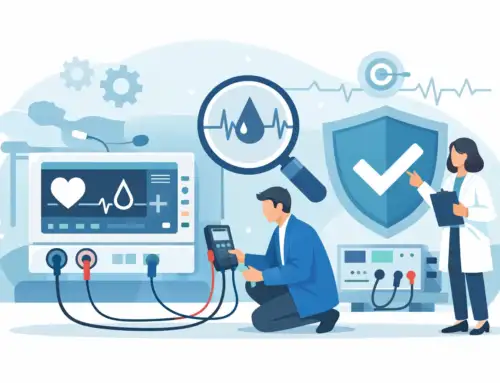
Calibration status and traceability should be part of the review for quality-controlled environments. Confirm calibration intervals, adjustment procedures, service availability, and the documentation needed for internal quality systems or customer audits. Repeatable measurement depends on a known instrument state, not just a favorable initial demonstration.
A Practical Review Decision
The strongest high speed digitizer review does not declare one specification universally best. It identifies the constraint that most threatens the measurement: insufficient bandwidth, lost pretrigger data, inadequate synchronization, excessive noise, poor sustained throughput, or weak automation support.
Build the evaluation around representative signals and failure modes, not ideal waveforms. Capture the shortest event, the longest observation window, the highest expected amplitude, the smallest meaningful signal, and the fastest required repetition rate. When a digitizer performs credibly across those conditions, it becomes more than a fast converter. It becomes dependable evidence for engineering decisions.