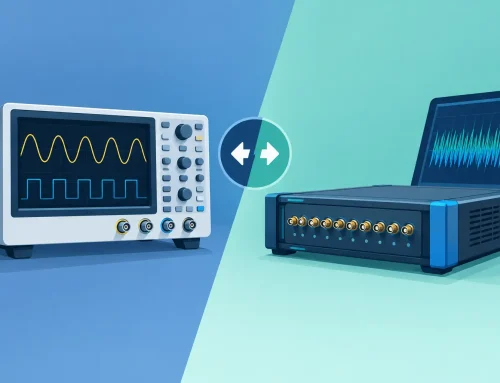
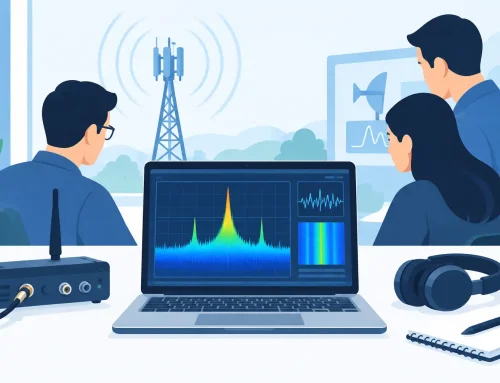
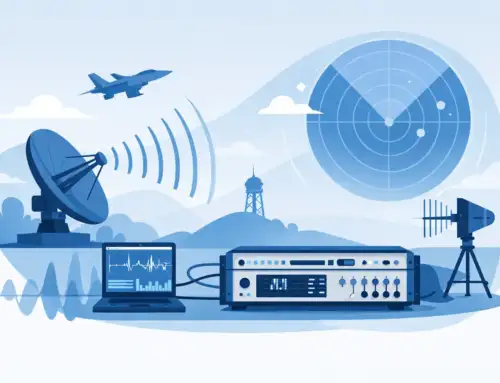
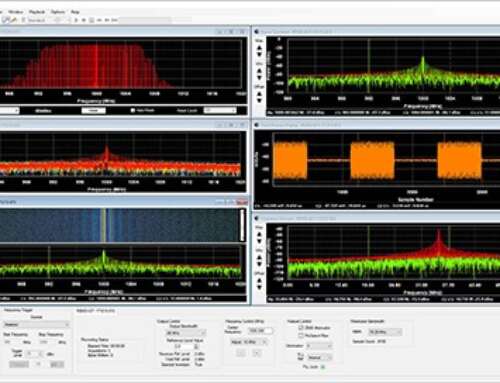
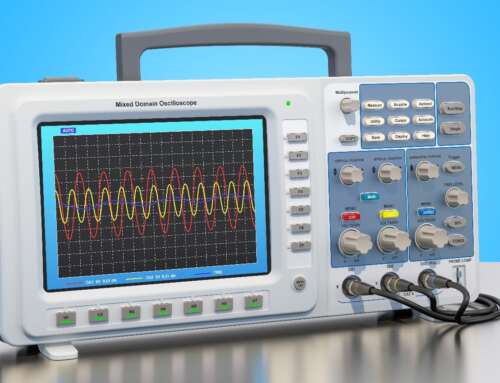
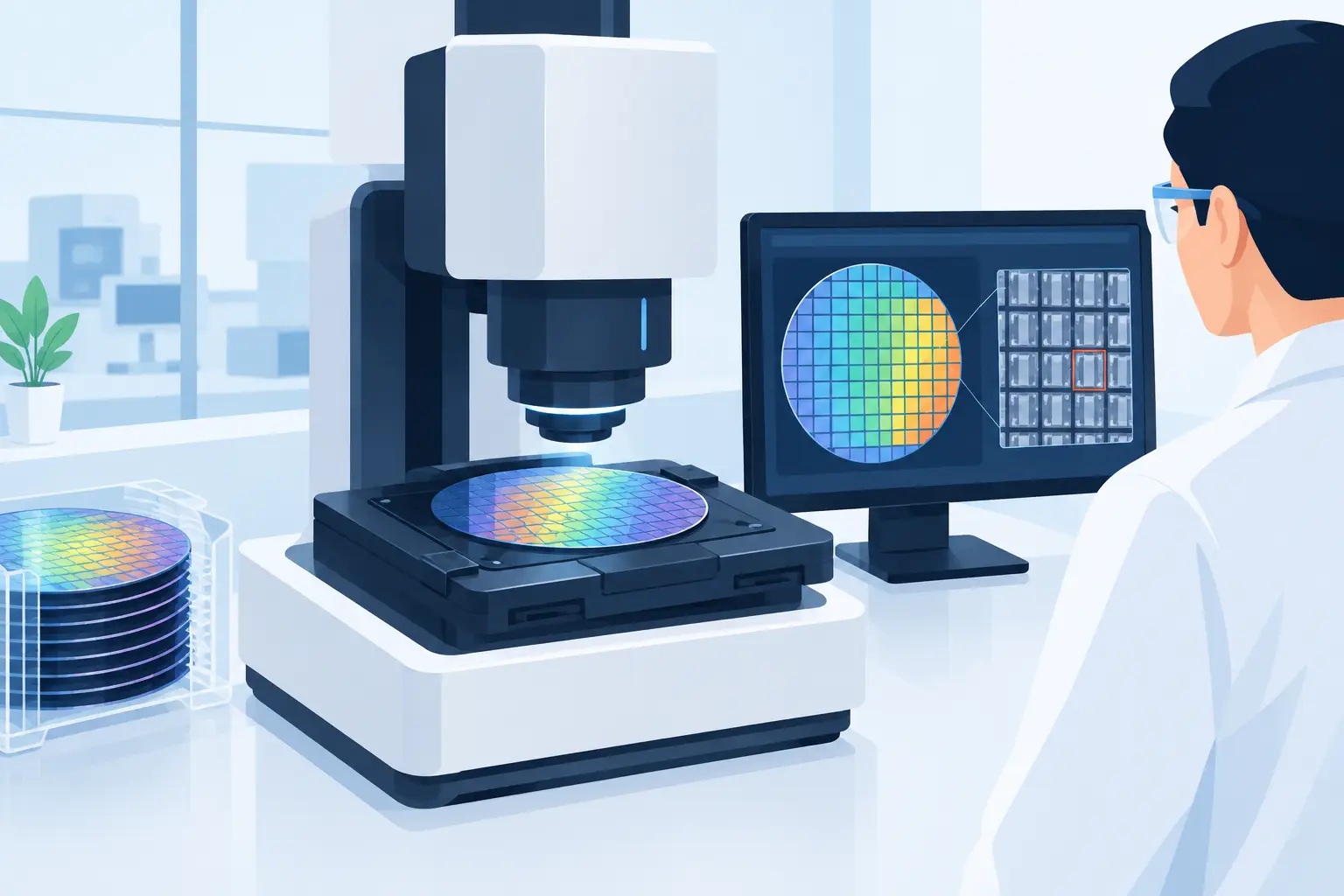
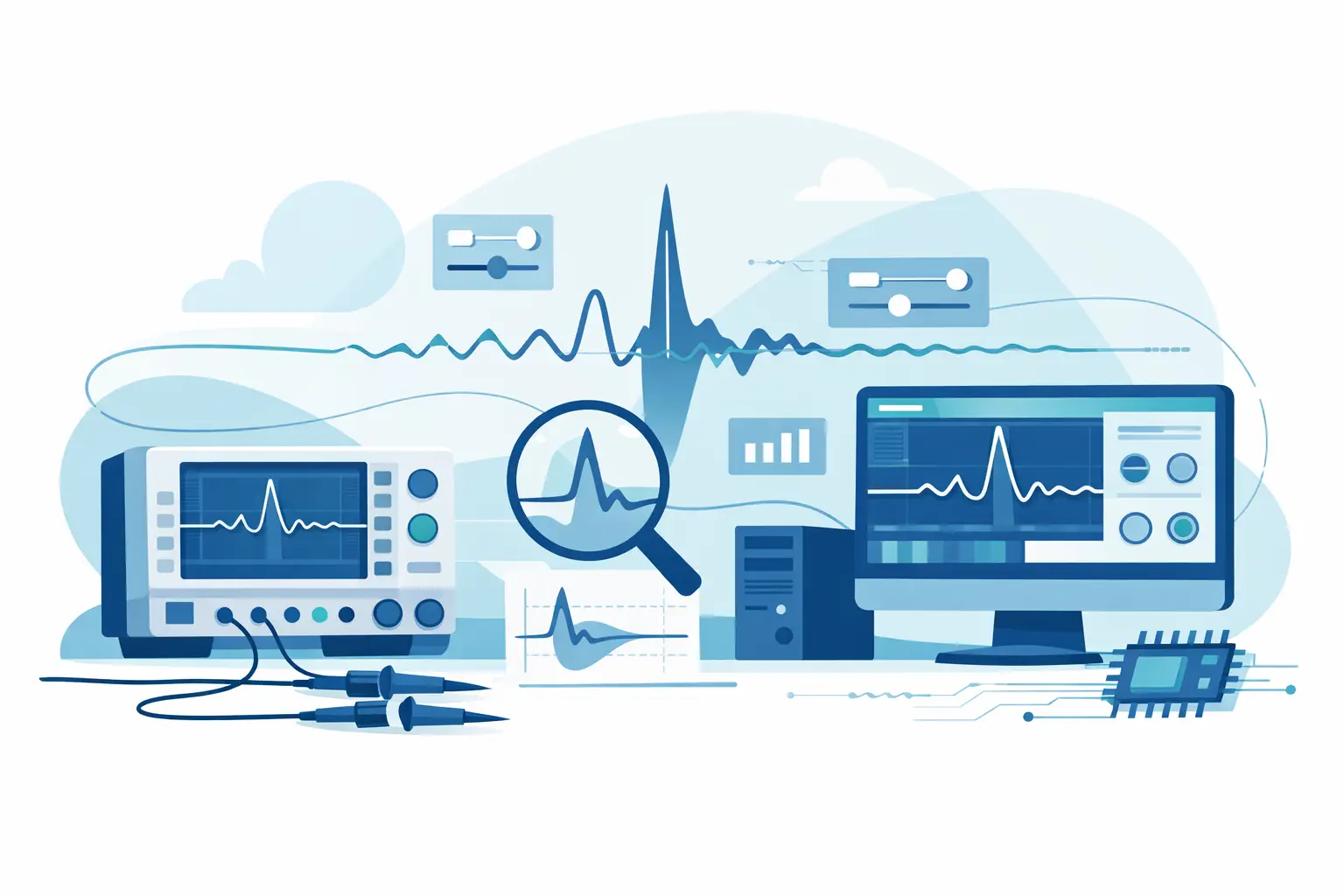
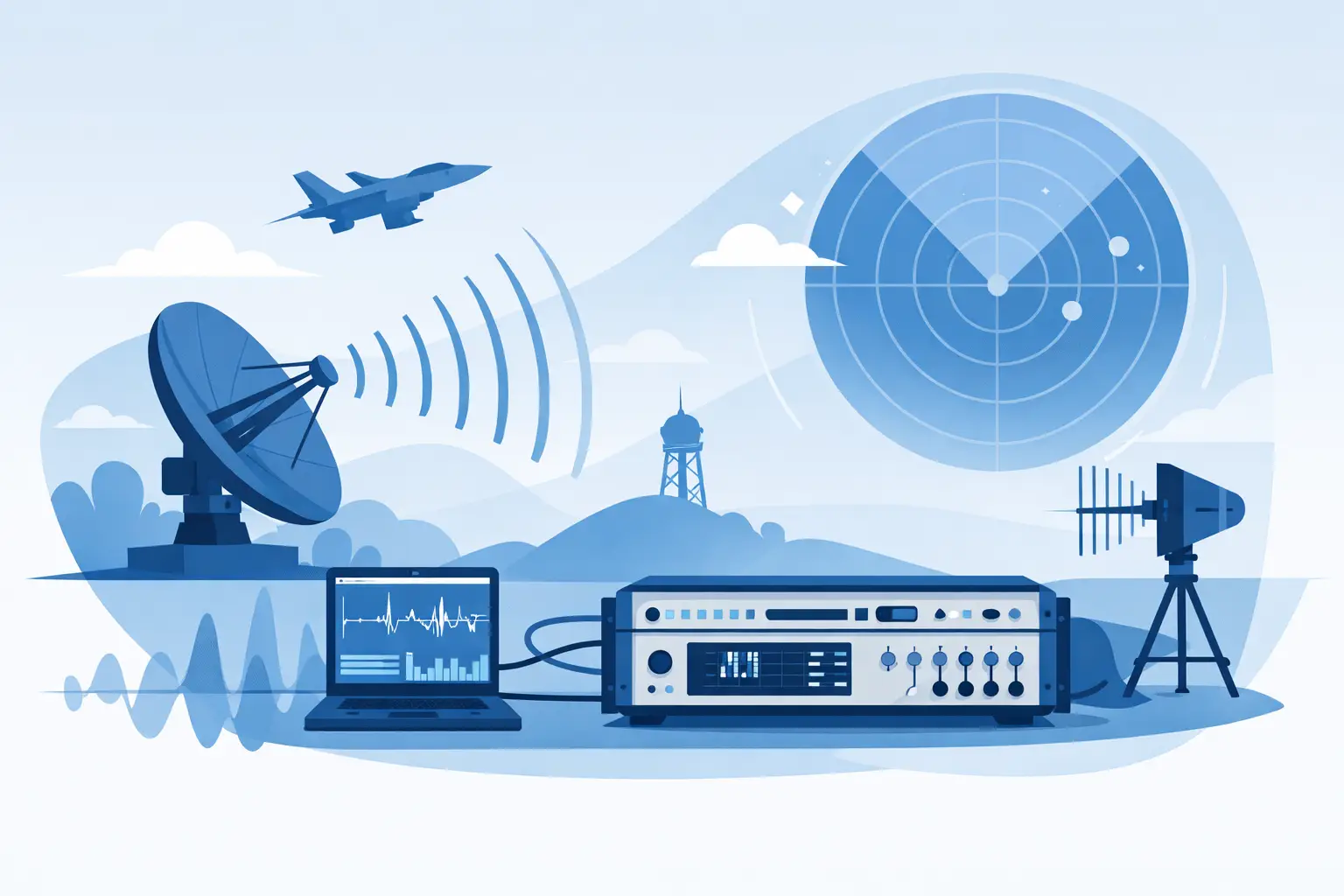
A missed transient can invalidate far more than a waveform capture. In radar test, electronic surveillance, communications analysis, or high-energy physics research, the recorded signal may be the only evidence available to explain an event, verify a design margin, or reproduce a failure. RF digitizers are selected for that moment: converting real-world RF and IF energy into time-correlated digital data that engineers can inspect, process, and retain with confidence.
The specification table matters, but it does not tell the whole story. A system with an impressive sample rate can still be a poor fit if its analog bandwidth excludes the signal of interest, its trigger cannot isolate the event, or its storage path cannot sustain the required acquisition time. Productive digitizer selection begins with the measurement objective, then works backward through the signal chain.
What RF Digitizers Do in a Measurement System
An RF digitizer samples an analog signal and represents it as a series of digital values. Those samples can be displayed as waveforms, transformed into frequency-domain information, used in demodulation or pulse analysis, or transferred to a host computer for custom processing. In practical RF and IF recording systems, the digitizer is commonly paired with front-end filtering, amplification, attenuation, frequency conversion, timing references, and acquisition software.
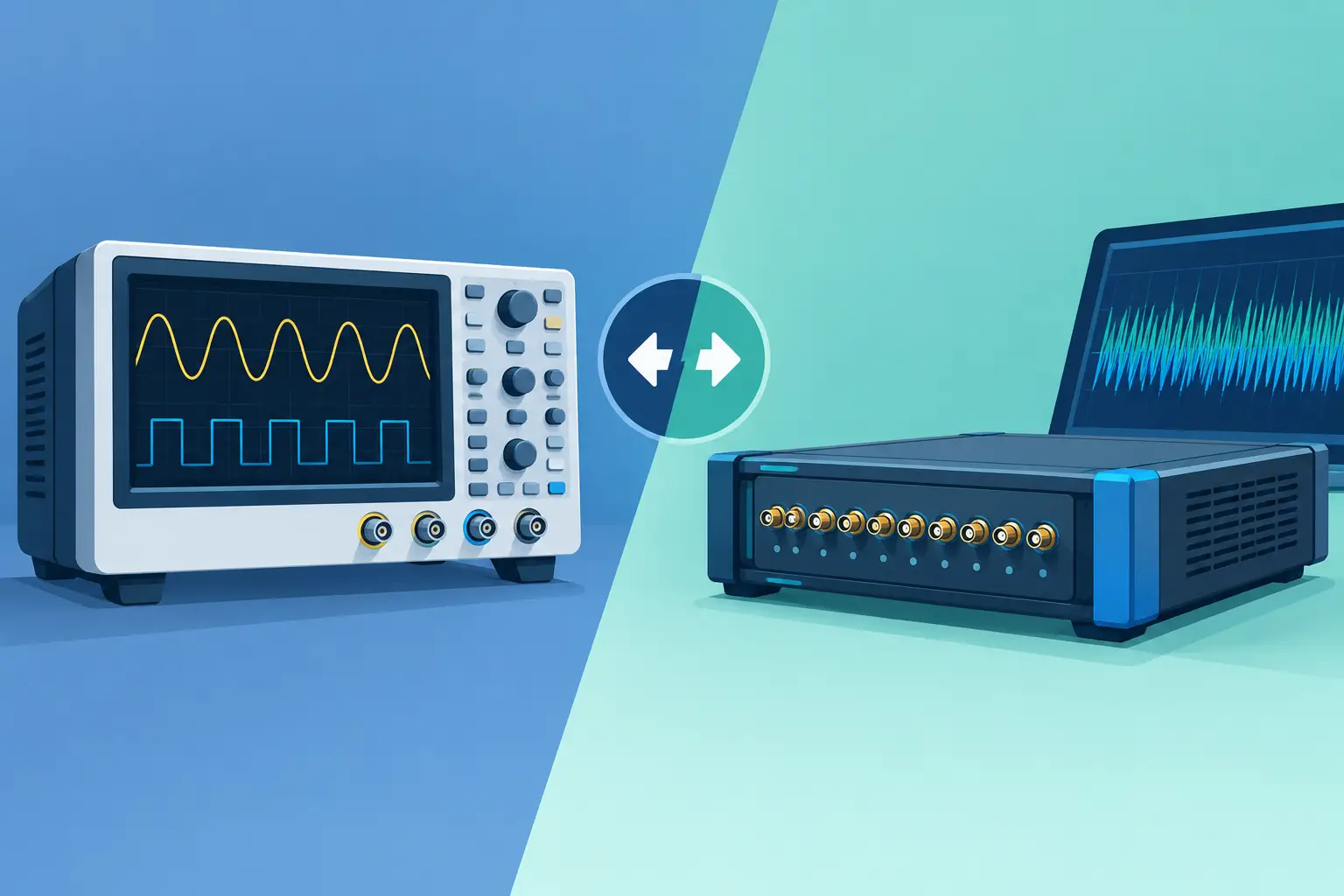
Direct RF sampling is attractive when the converter and analog front end support the required frequency range and bandwidth. It can reduce mixer stages and preserve a simpler signal path. In other applications, downconversion to an intermediate frequency is the better engineering choice. It may provide more selective filtering, lower data rates, improved dynamic-range management, or a practical way to observe signals beyond the useful input range of the digitizer.
Neither architecture is automatically superior. The correct choice depends on the frequency plan, instantaneous bandwidth, interfering signals, phase-coherence requirements, and the amount of data the system must capture. For many test teams, the real question is not whether to digitize RF directly, but where in the signal chain digitization produces the lowest uncertainty and most useful data.
RF Digitizers: The Specifications That Change Results
Analog bandwidth is not sample rate
Sample rate receives considerable attention because it is easy to compare. Yet the digitizer’s analog input bandwidth determines the frequency content that can physically reach the converter with acceptable amplitude and phase response. A high sample rate does not compensate for an inadequate front end.
Nyquist criteria provide a starting point: the sampling frequency must be more than twice the highest frequency component in a baseband signal. Real acquisition systems require more careful planning. Anti-alias filtering needs transition band, signal energy may occupy a band rather than begin at DC, and oversampling may simplify filtering or improve signal-processing options. For bandpass signals, undersampling can be valid when frequency placement and filtering are deliberately engineered. It is not a substitute for understanding aliases.
Engineers should define the required instantaneous bandwidth separately from center frequency. A narrowband signal at a high RF frequency may be handled through frequency conversion and moderate-rate acquisition. A wideband pulse, chirp, or complex modulation may require substantially more converter speed, memory bandwidth, and downstream processing capacity.
Vertical resolution must be evaluated with noise and spurs
Nominal bit depth describes the number of available code levels. It does not, by itself, define usable measurement resolution. Effective number of bits, signal-to-noise ratio, spurious-free dynamic range, total harmonic distortion, and aperture jitter influence whether small signal features can be distinguished from noise or distortion.
A digitizer must also tolerate expected input levels without clipping. This becomes challenging when low-level signals occur near strong carriers, reflected energy, switching transients, or adjacent-channel interferers. Gain settings, input range, analog attenuation, and front-end filtering must be considered as a system. Maximizing the displayed waveform size is not always the same as maximizing measurement integrity.
Clock quality is equally relevant for phase-sensitive work. Sampling-clock jitter creates uncertainty that worsens as input frequency rises. For coherent multi-channel acquisition, channels also need stable alignment to a common reference. If a test requires phase comparison, direction finding, beamforming, or time-difference measurements, channel-to-channel timing specifications deserve the same scrutiny as amplitude accuracy.
Triggering determines what gets captured
Continuous acquisition is useful when storage capacity permits, but many RF events are intermittent or unpredictable. Trigger performance determines whether the system captures the relevant interval and how much pre-trigger context is retained.
A suitable trigger strategy may use an analog threshold, digital pattern, external timing event, pulse qualifier, or a software-derived condition. Trigger latency and time stamp accuracy matter when correlating RF behavior with switching activity, control commands, vibration, power events, or other test instrumentation. A trigger that occurs reliably but too late may miss the pulse leading edge, settling behavior, or precursor event needed for root-cause analysis.
For pulsed RF applications, assess minimum detectable pulse width, rearm time, trigger holdoff, and the relationship between trigger path bandwidth and the signal being observed. A slow or poorly matched trigger path can make a fast event appear inconsistent when the acquisition timing is the actual limitation.
Data Throughput Is a System-Level Requirement
Wideband capture generates data quickly. A simple estimate illustrates the issue: sample rate multiplied by bytes per sample, channel count, and recording duration. A multi-channel acquisition at high sample rates can produce gigabytes of data in seconds, especially when long records and continuous streaming are required.
Onboard memory supports burst capture at the highest practical rate. Streaming architectures extend recording duration by transferring samples to host memory or dedicated storage. The best approach depends on whether the application needs a short, highly resolved event record or hours of monitoring. Long-duration recording also introduces operational questions: Can the host sustain the transfer rate? Is storage fast enough? How will files be indexed, reviewed, and retained? Can the analysis workflow keep pace with acquisition?
Decimation, digital downconversion, and triggered recording can reduce the data burden when full-rate raw samples are unnecessary. These methods are valuable, but they impose a trade-off. Reducing data before storage can remove information that may later become relevant. For failure investigation and development work, preserving sufficient raw data and metadata often has greater value than minimizing file size.
Build the Acquisition Plan Before Selecting Hardware
A disciplined requirements review prevents digitizer specifications from being evaluated in isolation. Start by characterizing the signal: its frequency range, occupied bandwidth, expected amplitude, modulation or pulse structure, repetition rate, and allowed measurement uncertainty. Then define the event to be captured and the time interval that must be retained before and after it.
Next, identify environmental and integration constraints. Aerospace and defense programs may require synchronization to external references, repeatable multi-channel timing, controlled configuration management, and extended product support. Production test may place greater emphasis on cycle time, automated pass-fail analysis, calibration traceability, and integration with existing software. Research teams may prioritize open software interfaces and access to raw data for algorithm development.
The acquisition software and SDK are part of the instrument decision. Engineers need reliable control of sampling parameters, triggers, calibration data, data transfer, and error reporting. Software should make it practical to automate repetitive tests while preserving the ability to inspect raw captures when results are questioned. A system that produces accurate data but cannot fit the laboratory’s workflow creates avoidable risk.
Calibration, Traceability, and Repeatability
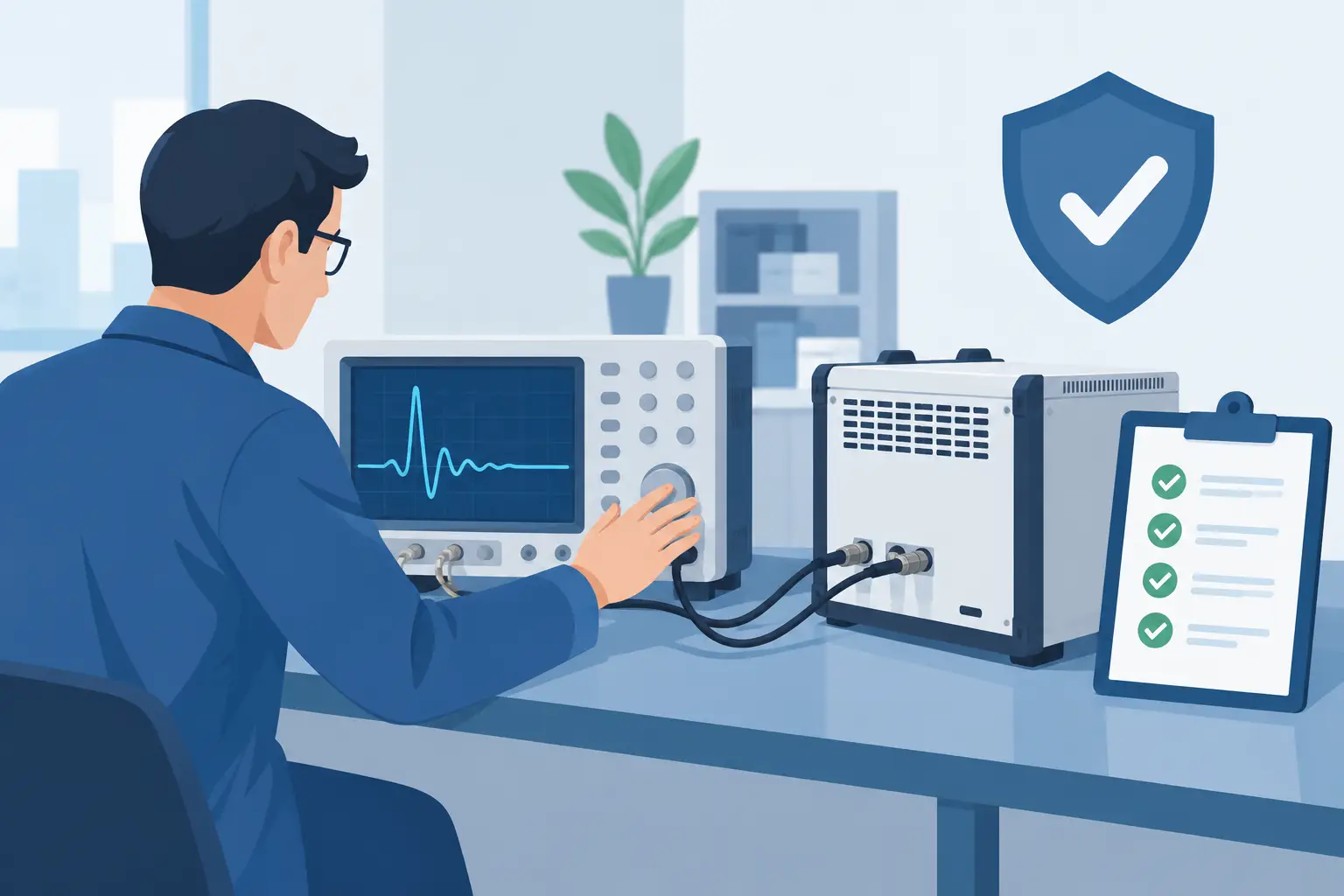
For regulated, production, and mission-critical environments, data quality extends beyond the converter architecture. Calibration establishes the relationship between the instrument reading and a known reference under defined conditions. Traceable calibration records, documented test procedures, and controlled operating conditions support repeatable decisions over the instrument lifecycle.
This is particularly relevant when digitized RF data is used to validate compliance, characterize a critical subsystem, or compare results between laboratories. Cable loss, adapters, external attenuators, clock references, and front-end components contribute their own uncertainty. The measurement system should be treated as a complete chain, with verification at the point where the signal enters the system.
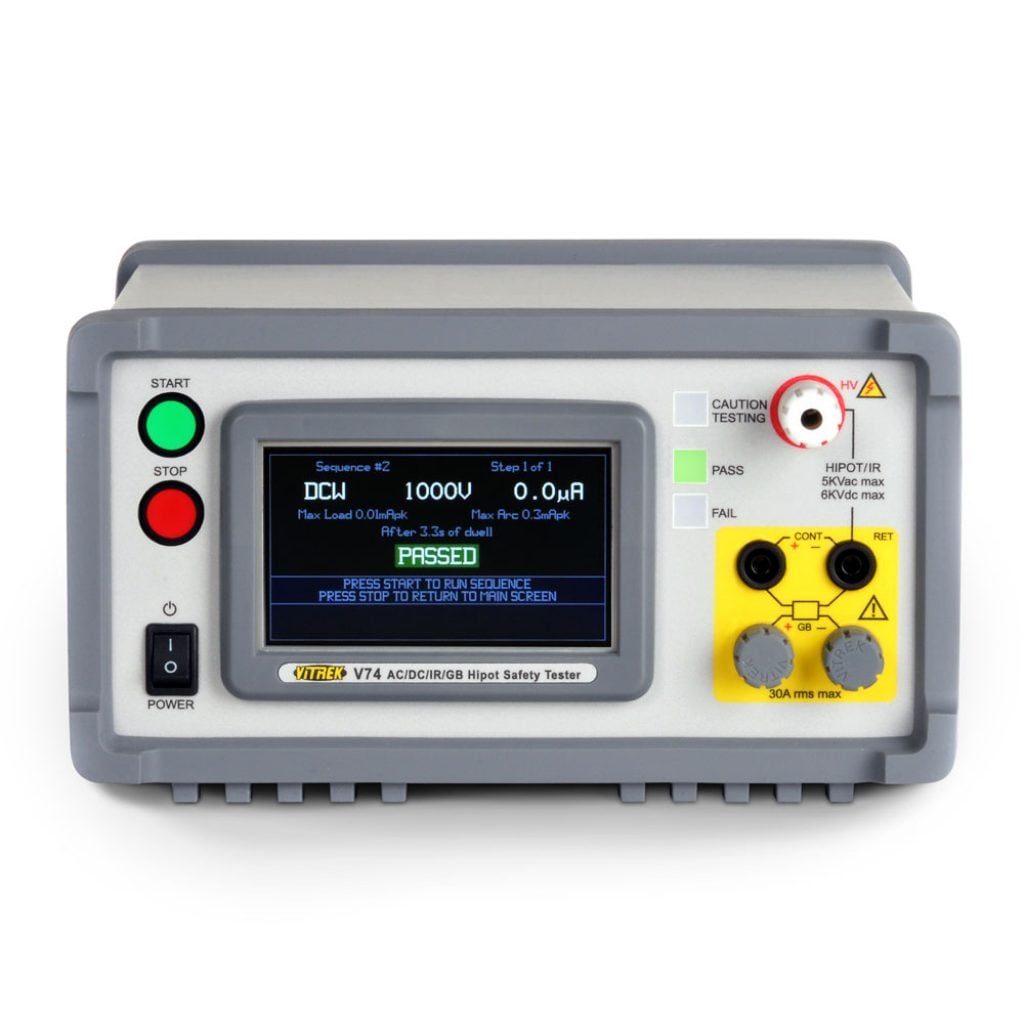
Vitrek’s high-speed digitizer and RF/IF recording expertise reflects this system-level view: capture hardware, timing, software, and application support must operate as a coordinated measurement platform rather than a collection of isolated specifications.
A well-chosen digitizer does more than create a detailed waveform. It gives engineers a repeatable record of the event they need to explain, validate, or improve – with enough timing, amplitude, and contextual information to support a defensible technical decision.