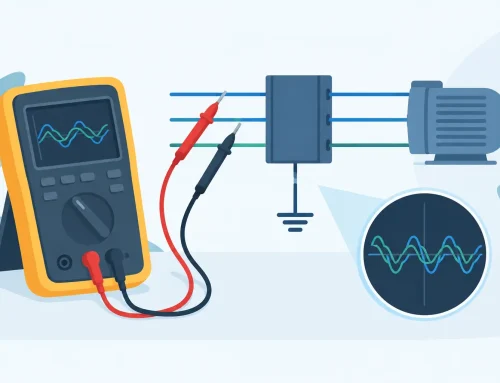
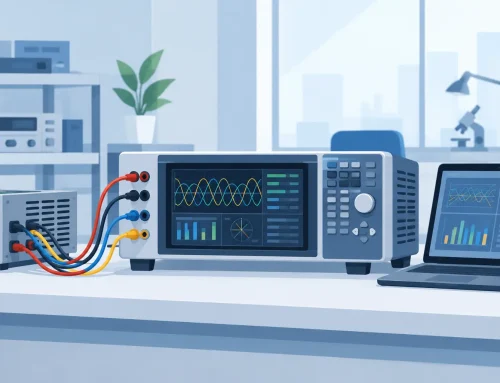
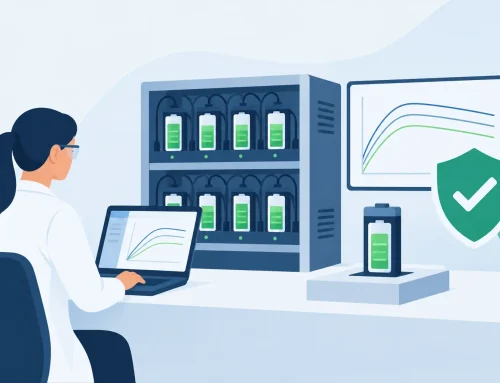
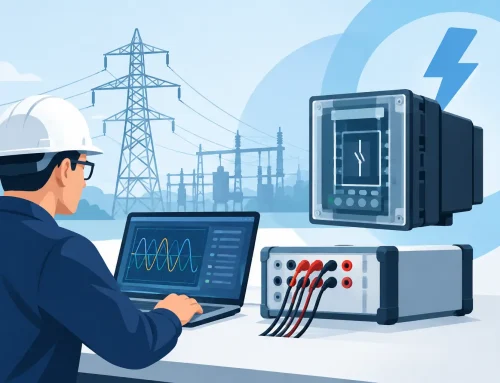
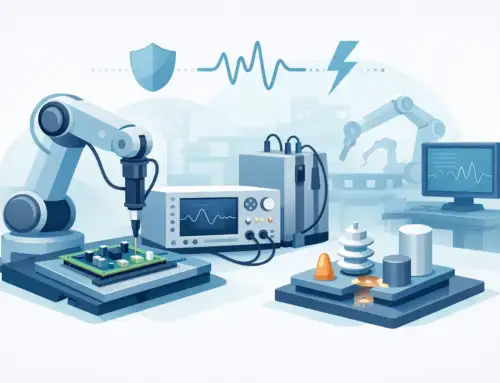
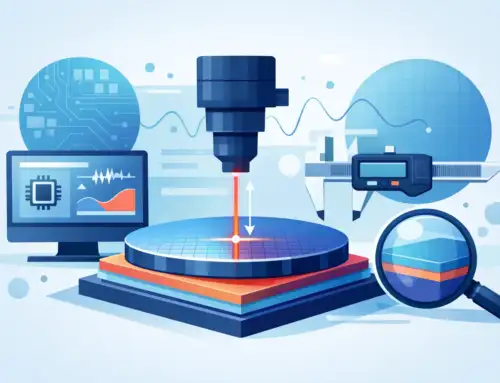
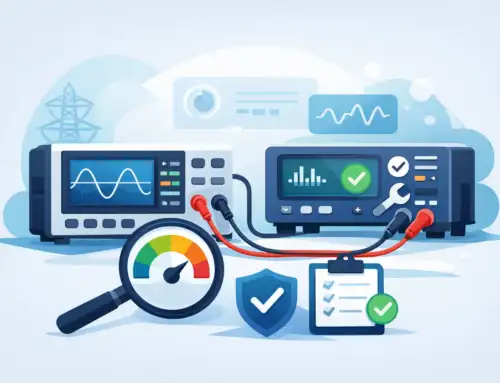
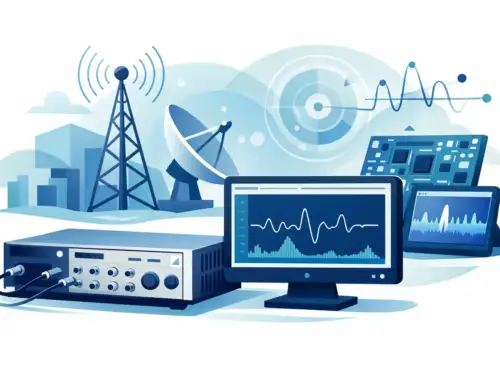
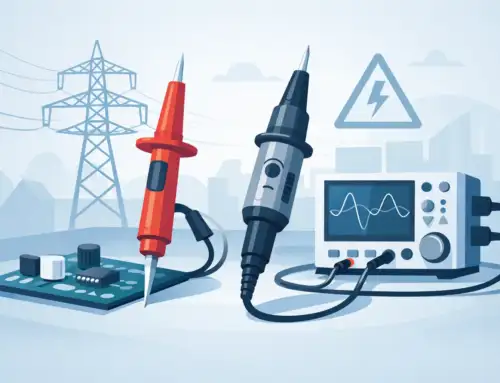
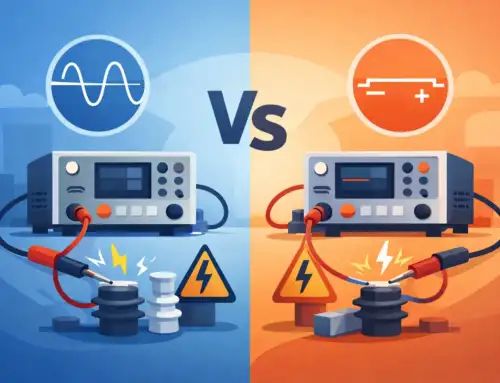
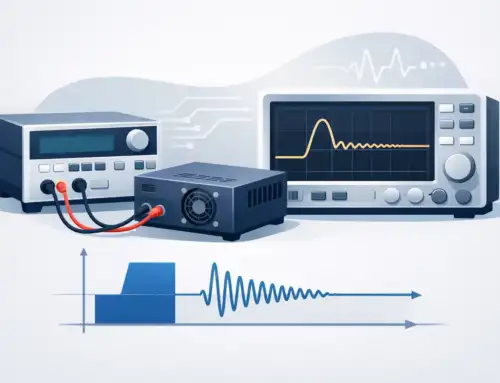
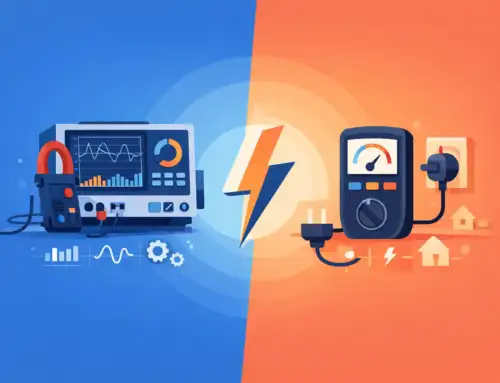
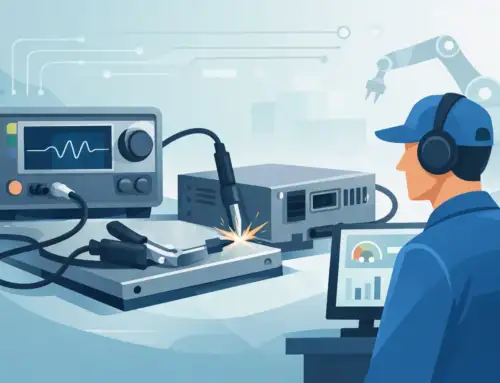
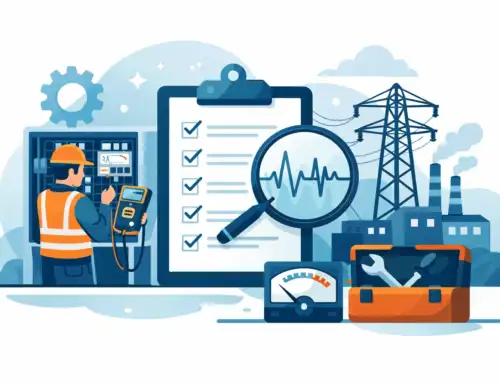
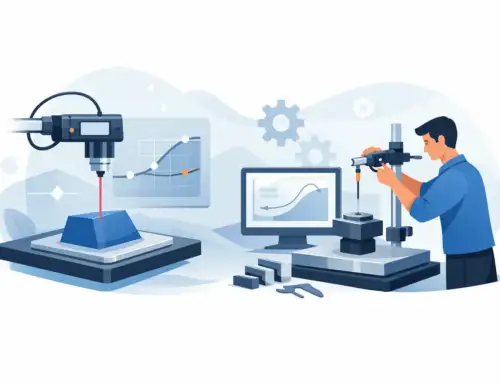
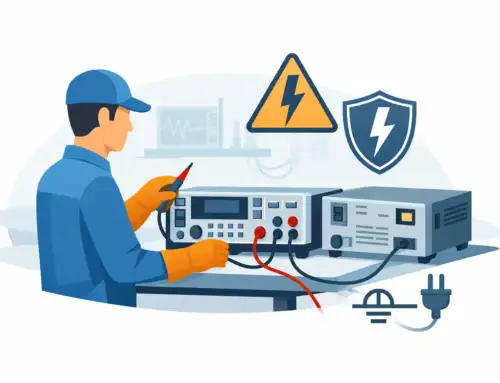
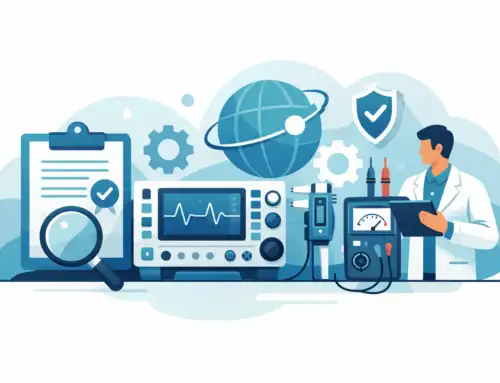
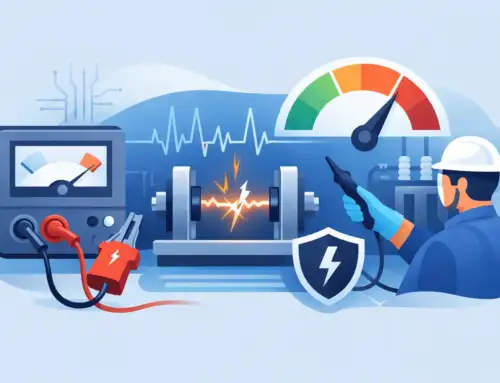
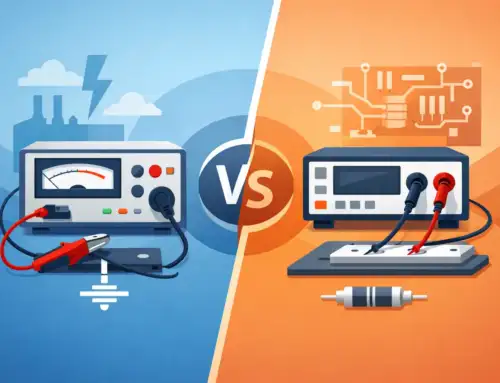
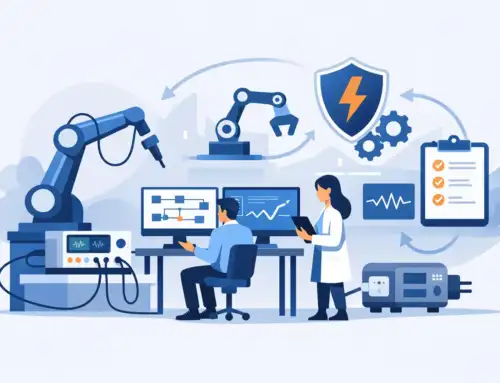
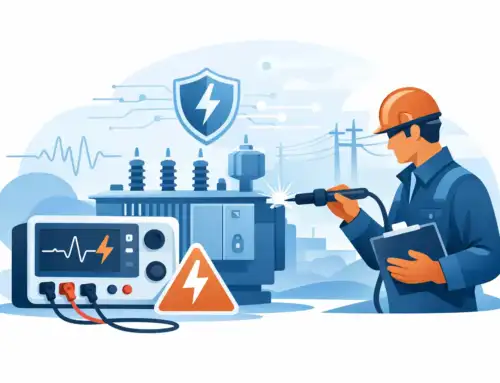
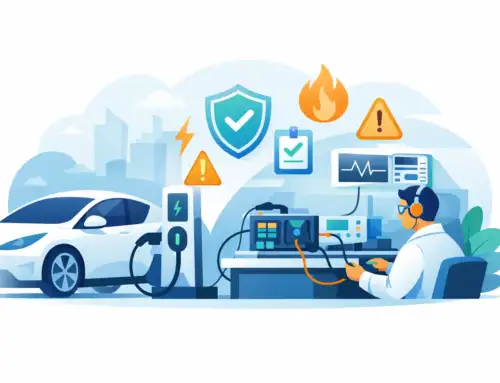
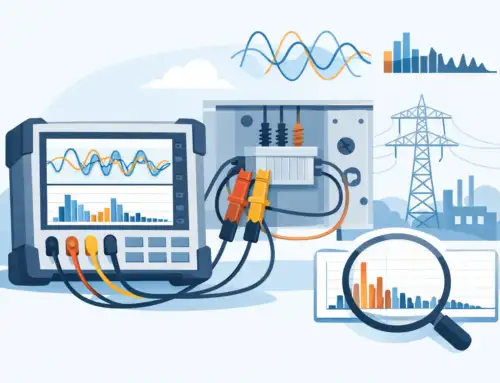
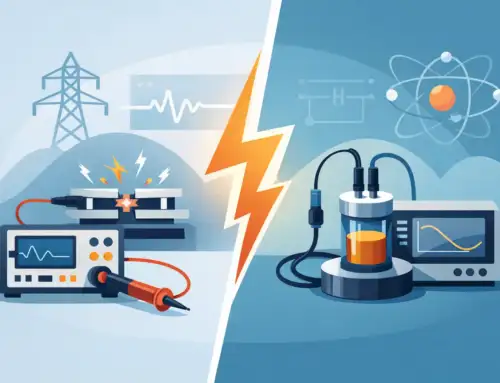
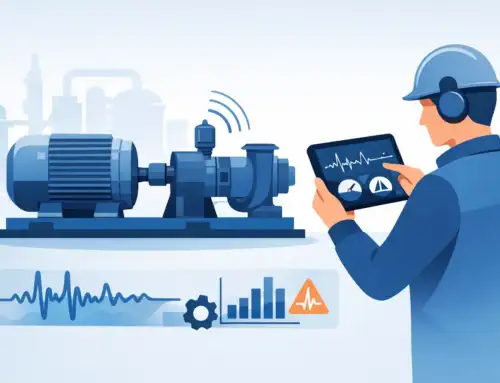
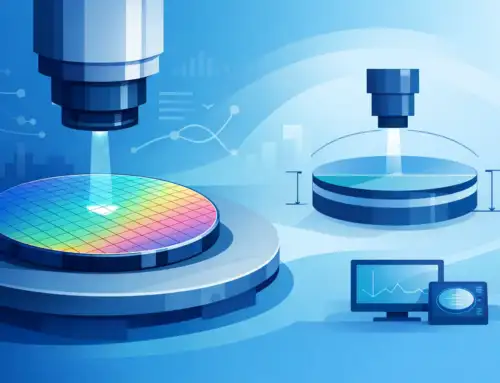
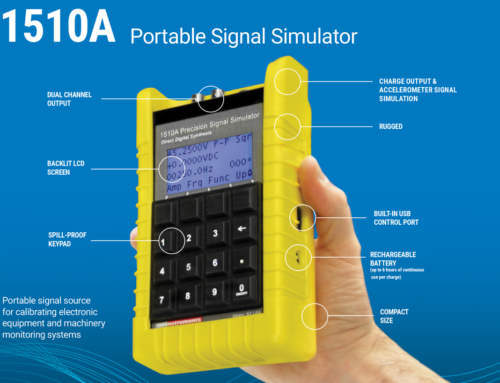
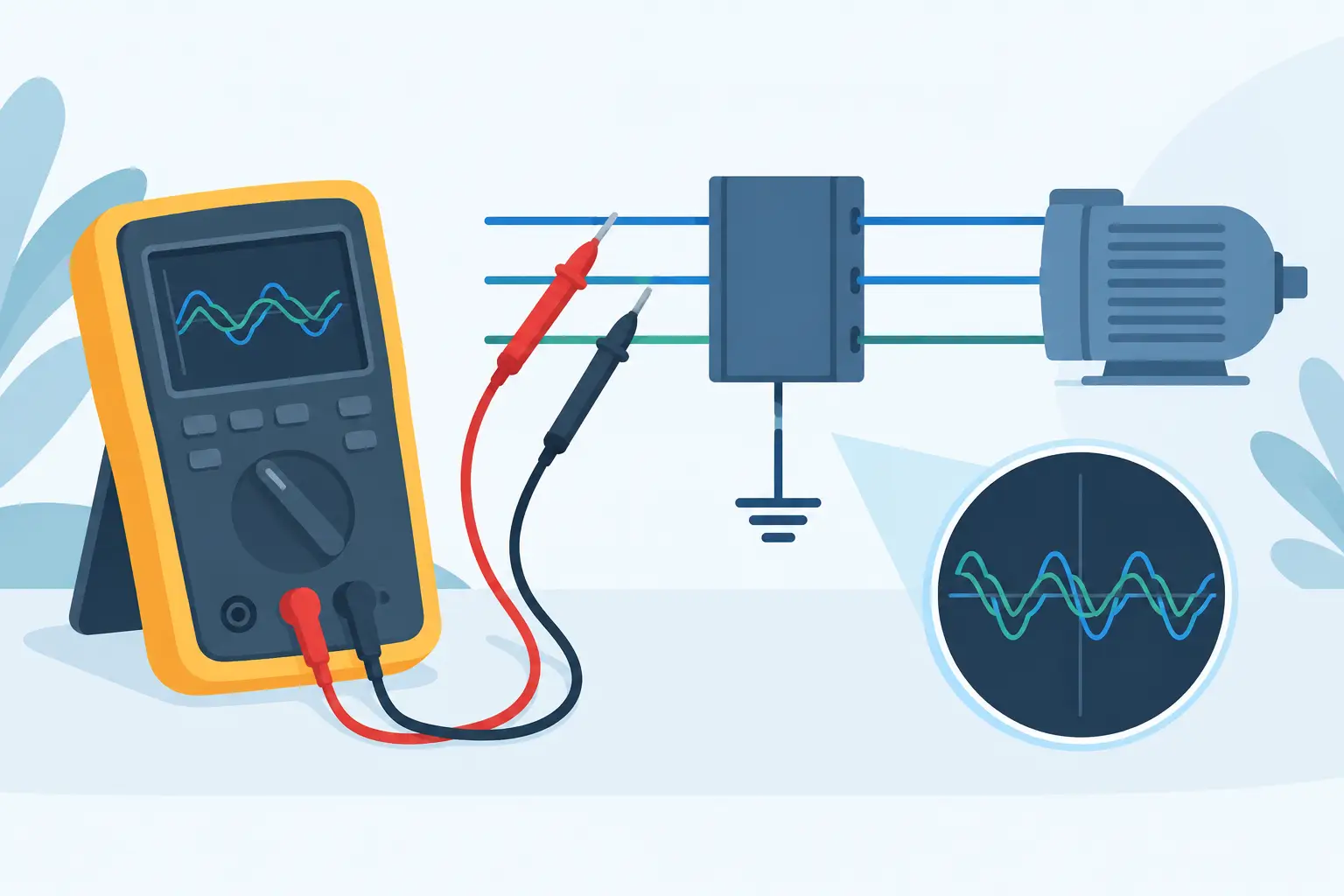
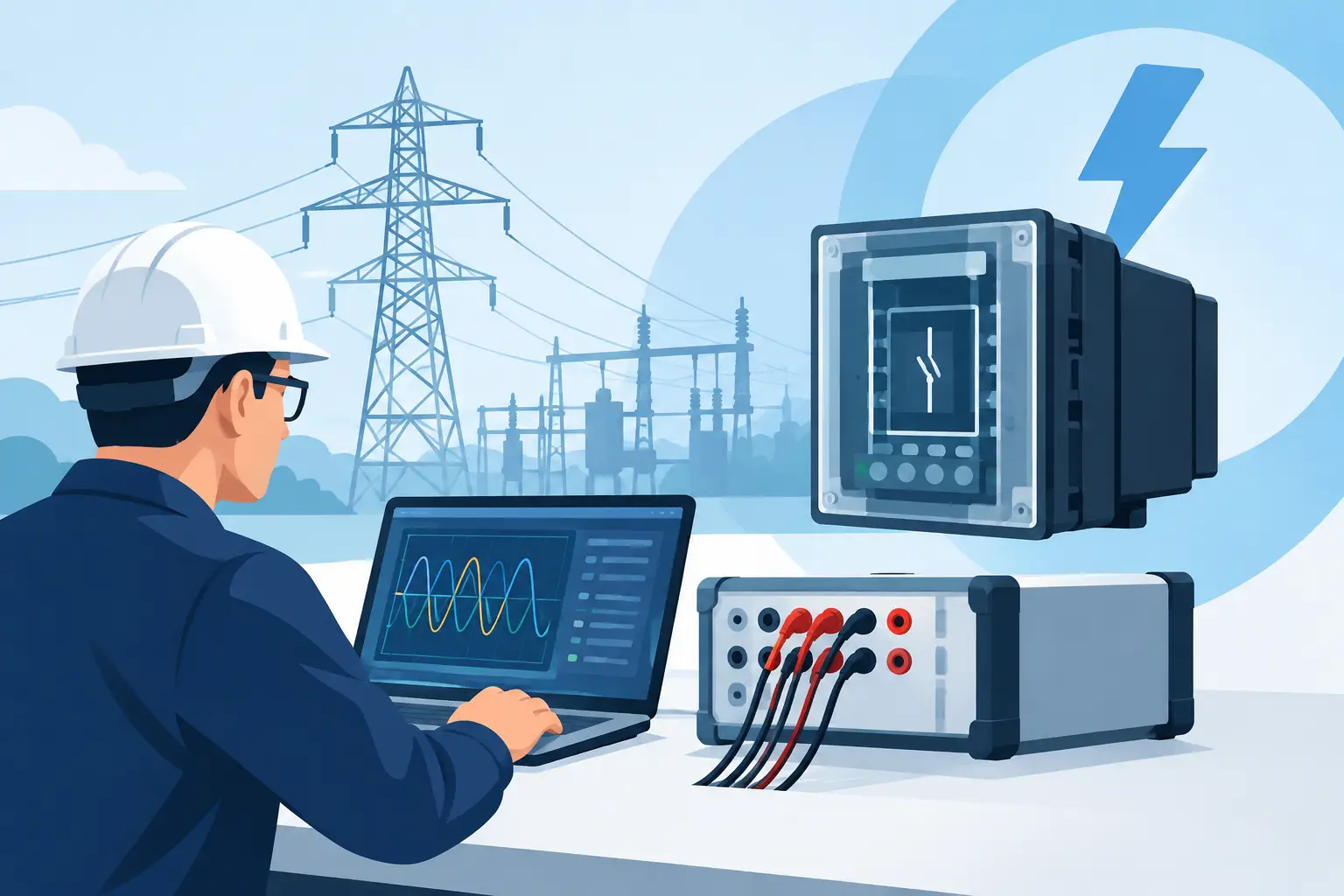
A production test cell can pass every unit on Monday and begin generating questionable results on Tuesday after a fixture change, firmware update, or unrecognized instrument drift. In regulated and performance-critical manufacturing, test automation platforms must do more than execute a sequence. They must control measurement conditions, preserve traceability, prevent unsafe actions, and make the resulting data credible months or years later.
The right platform is therefore not simply the one with the most polished user interface or the shortest demonstration script. It is the system architecture that connects instruments, switching, fixtures, software, operator controls, and data records into a repeatable process. For aerospace, EV, medical device, semiconductor, defense, and high-reliability electronics programs, that distinction directly affects yield, certification evidence, and the cost of diagnosing field failures.
What Test Automation Platforms Actually Do
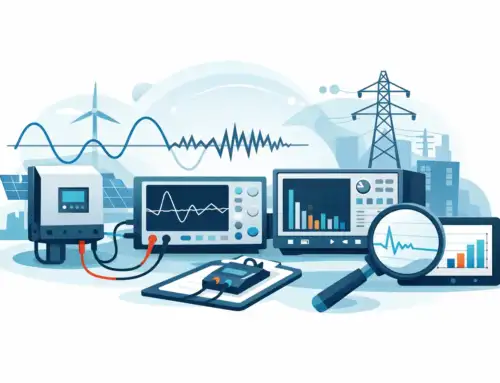
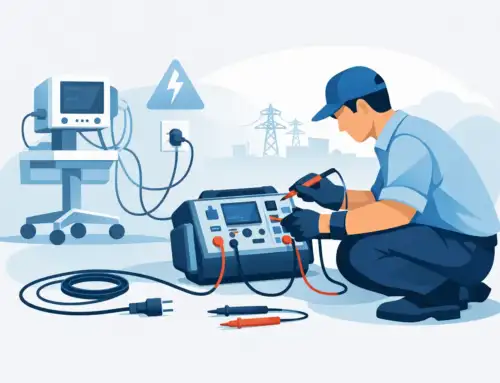
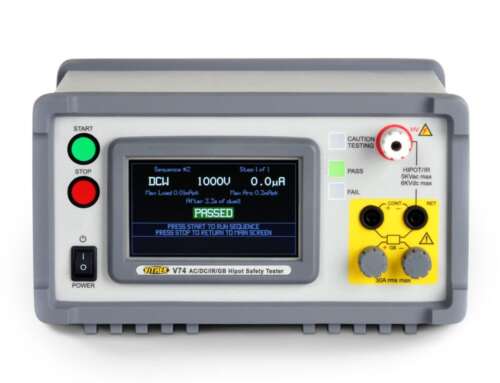
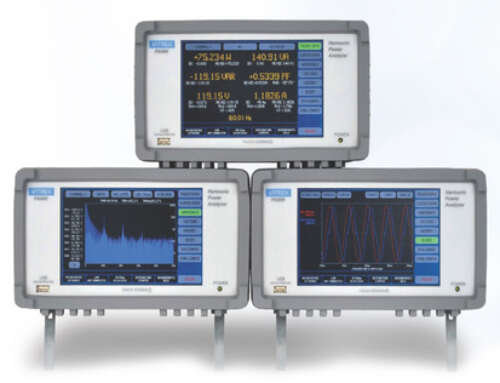
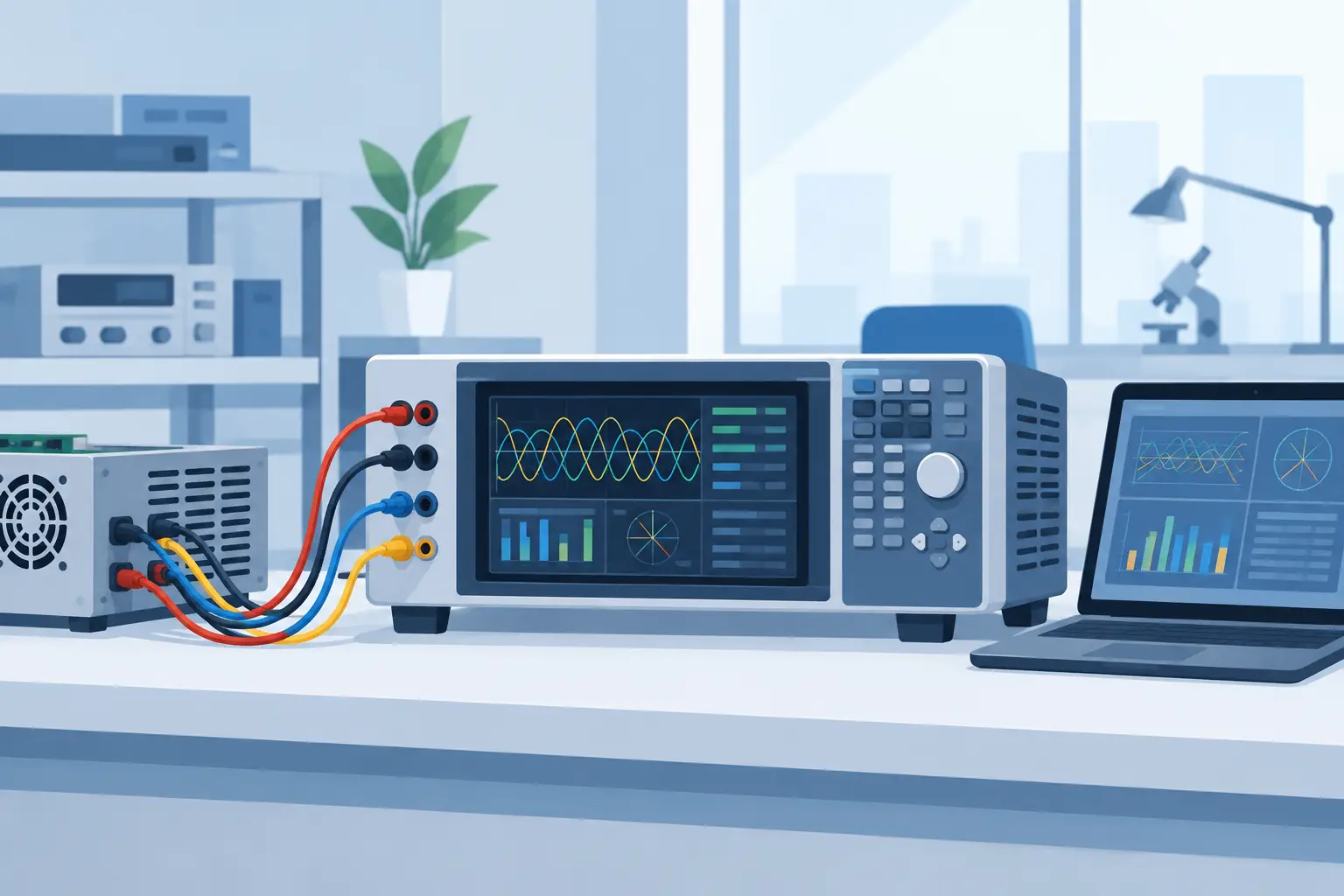
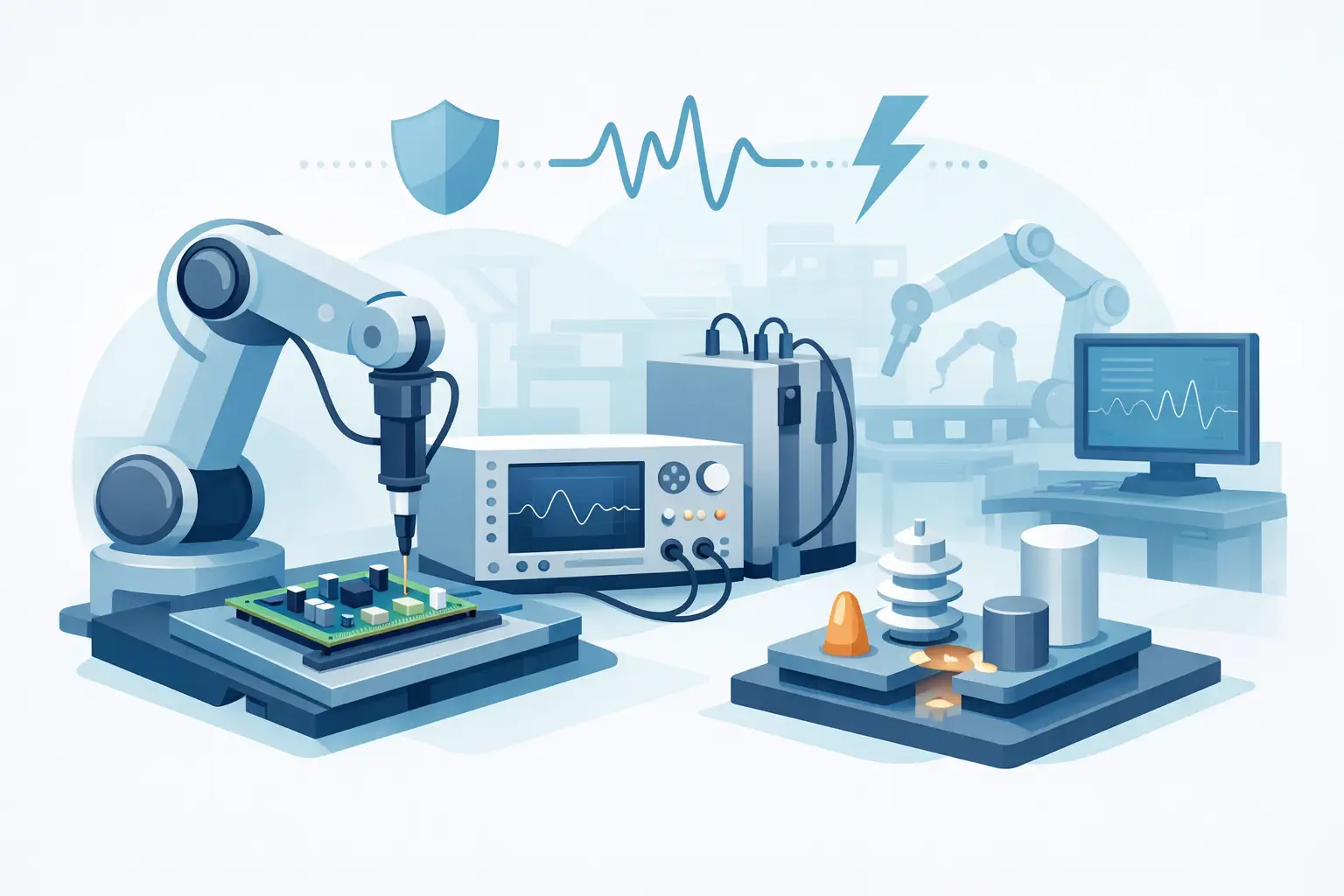
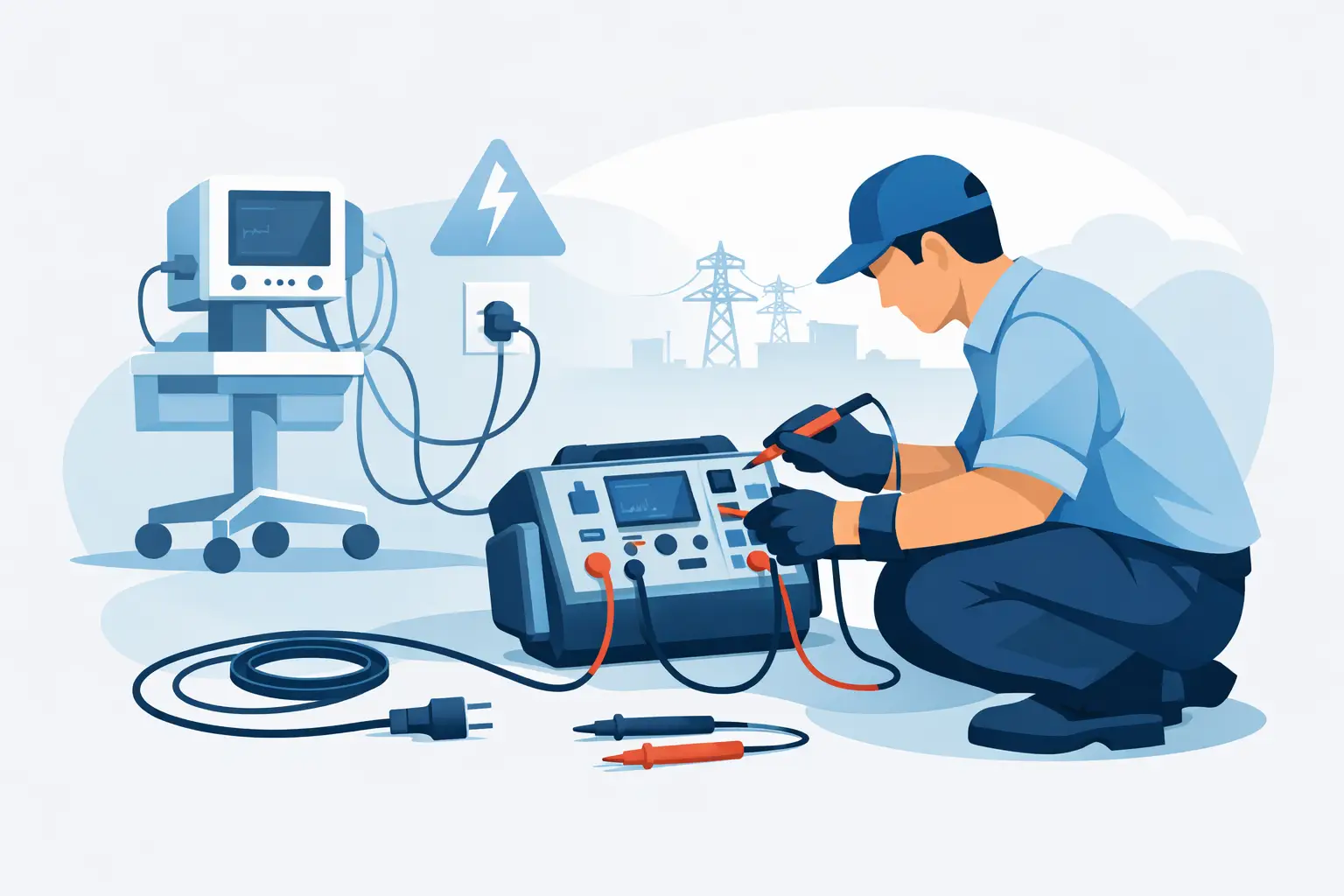
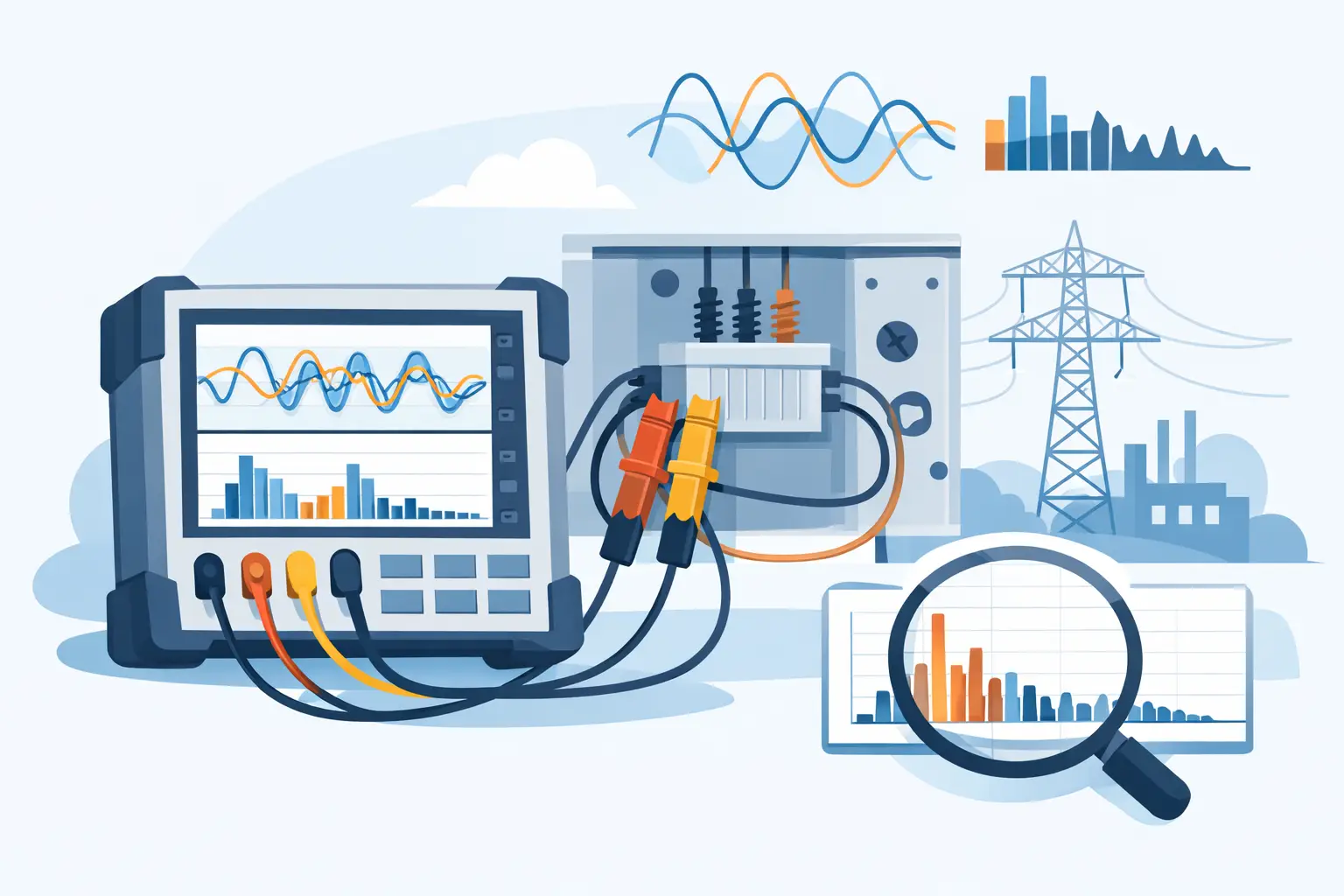
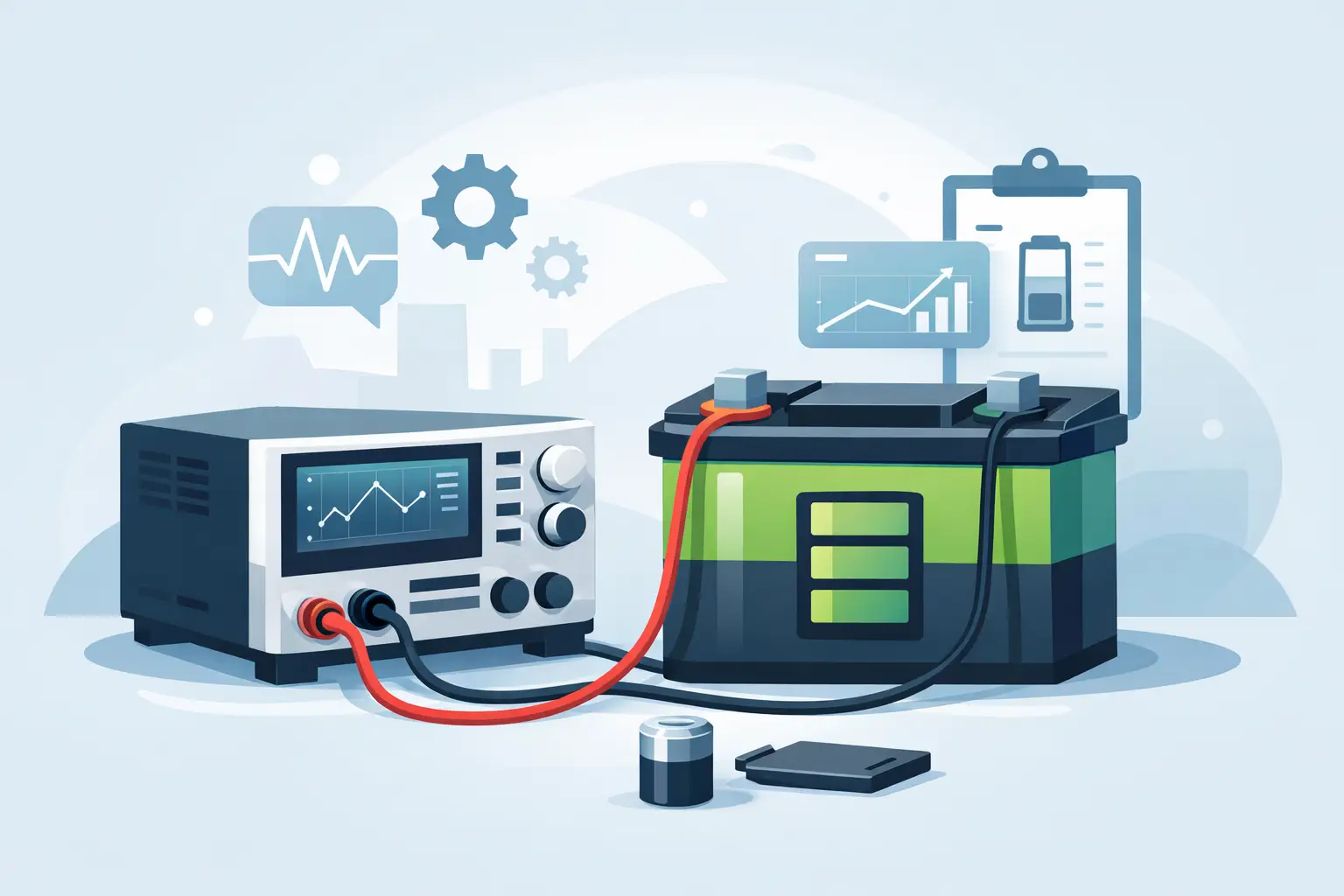
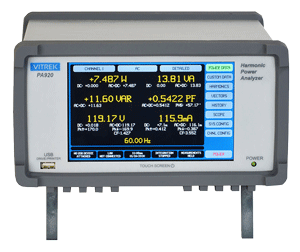
A test automation platform coordinates the actions required to verify a product against defined electrical, mechanical, functional, or safety requirements. It may command a hipot tester to apply a dielectric withstand voltage, configure a precision power analyzer, route signals through a switching system, collect waveform data from a digitizer, and record pass/fail results against a serial number.
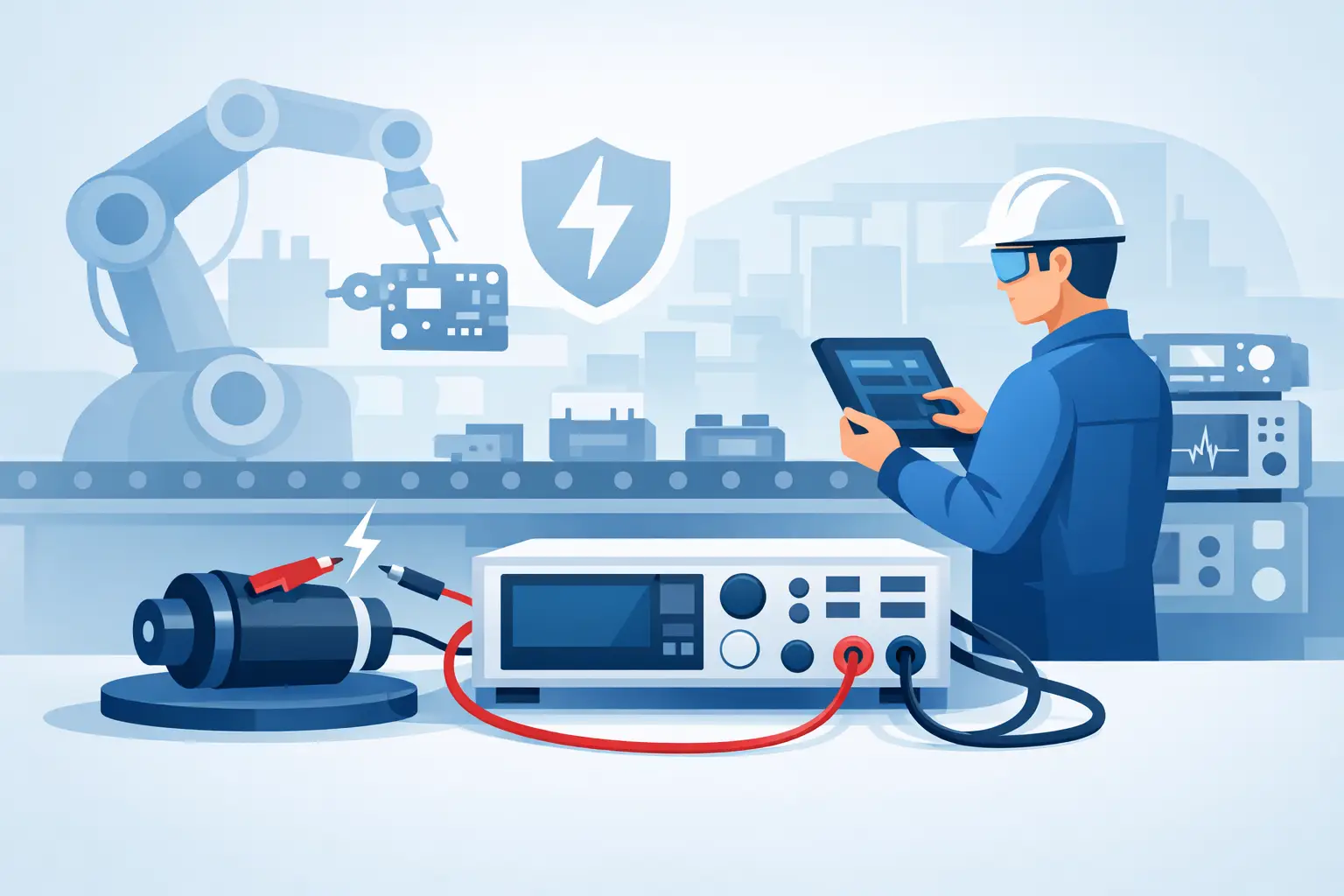
That description sounds straightforward, but production systems operate under constraints that bench testing can often tolerate. Test limits must be protected from unauthorized changes. Timing must remain predictable. Instruments must be within calibration. Operators need clear instructions without access to engineering-only settings. Safety interlocks must work even when an application crashes or a network connection is lost.
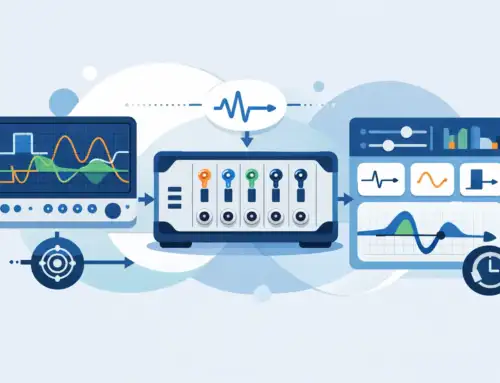
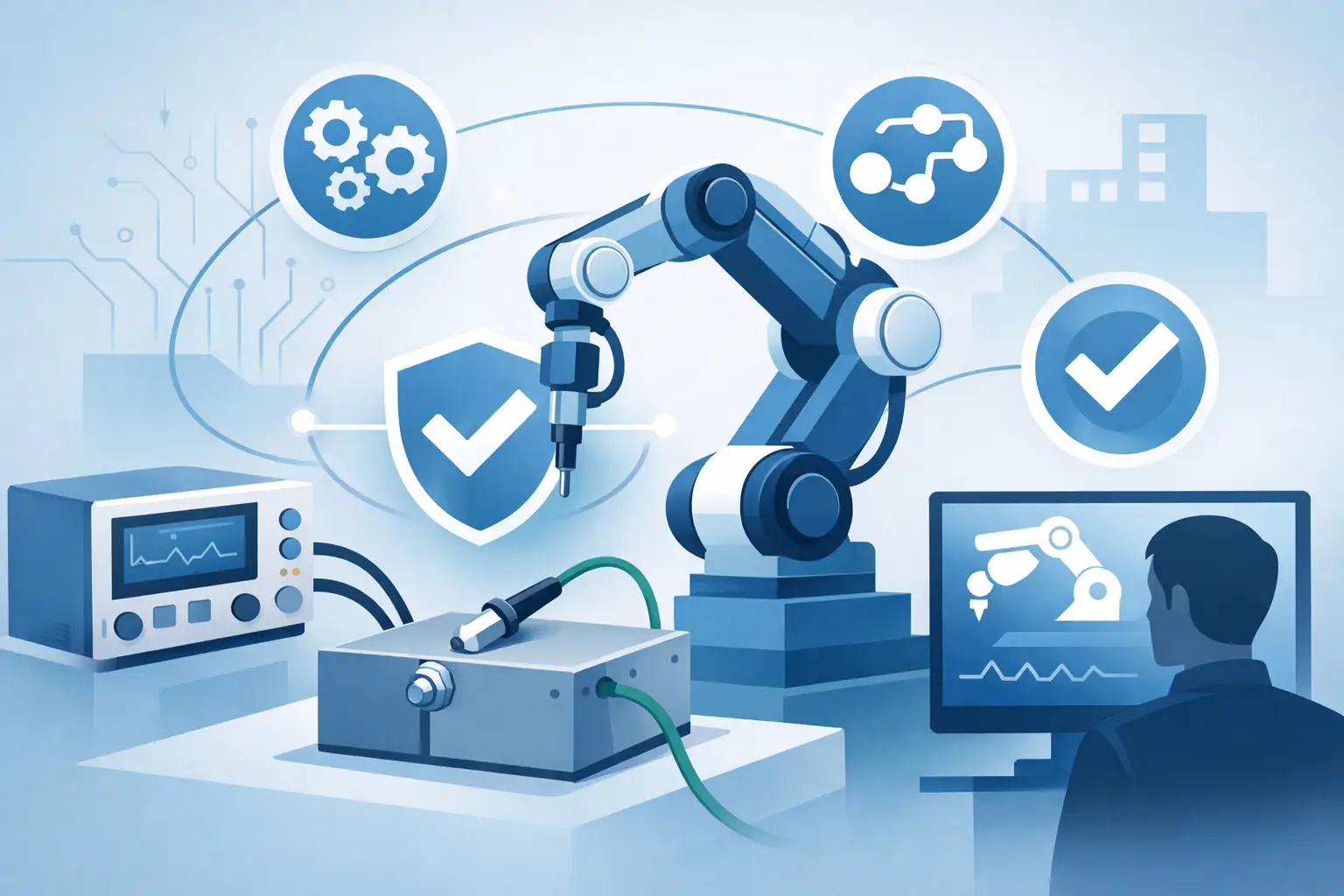
A capable platform separates these responsibilities rather than placing them all in a single fragile script. The application layer manages the test flow and operator experience. Instrument drivers handle communication and configuration. Independent hardware protections manage high voltage, emergency stop functions, guards, and interlocks. A data layer retains measurements, limits, configuration revisions, and audit information.
Start With the Measurement, Not the Software
Teams often begin a platform search by asking which language, framework, or user interface will be easiest to deploy. Those questions matter, but measurement requirements should lead the evaluation. The automation software cannot recover accuracy, bandwidth, isolation, or signal integrity that the selected hardware does not provide.
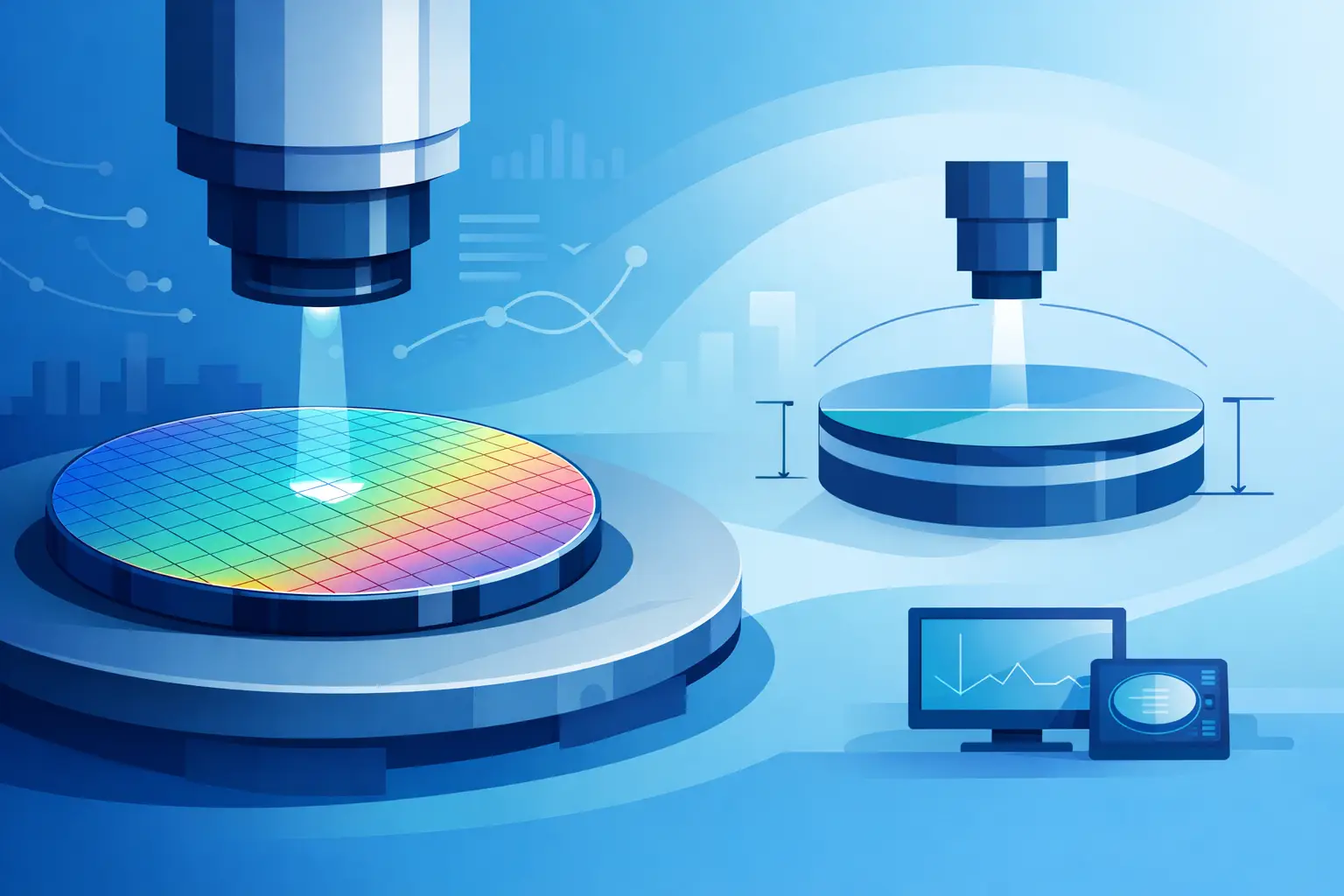
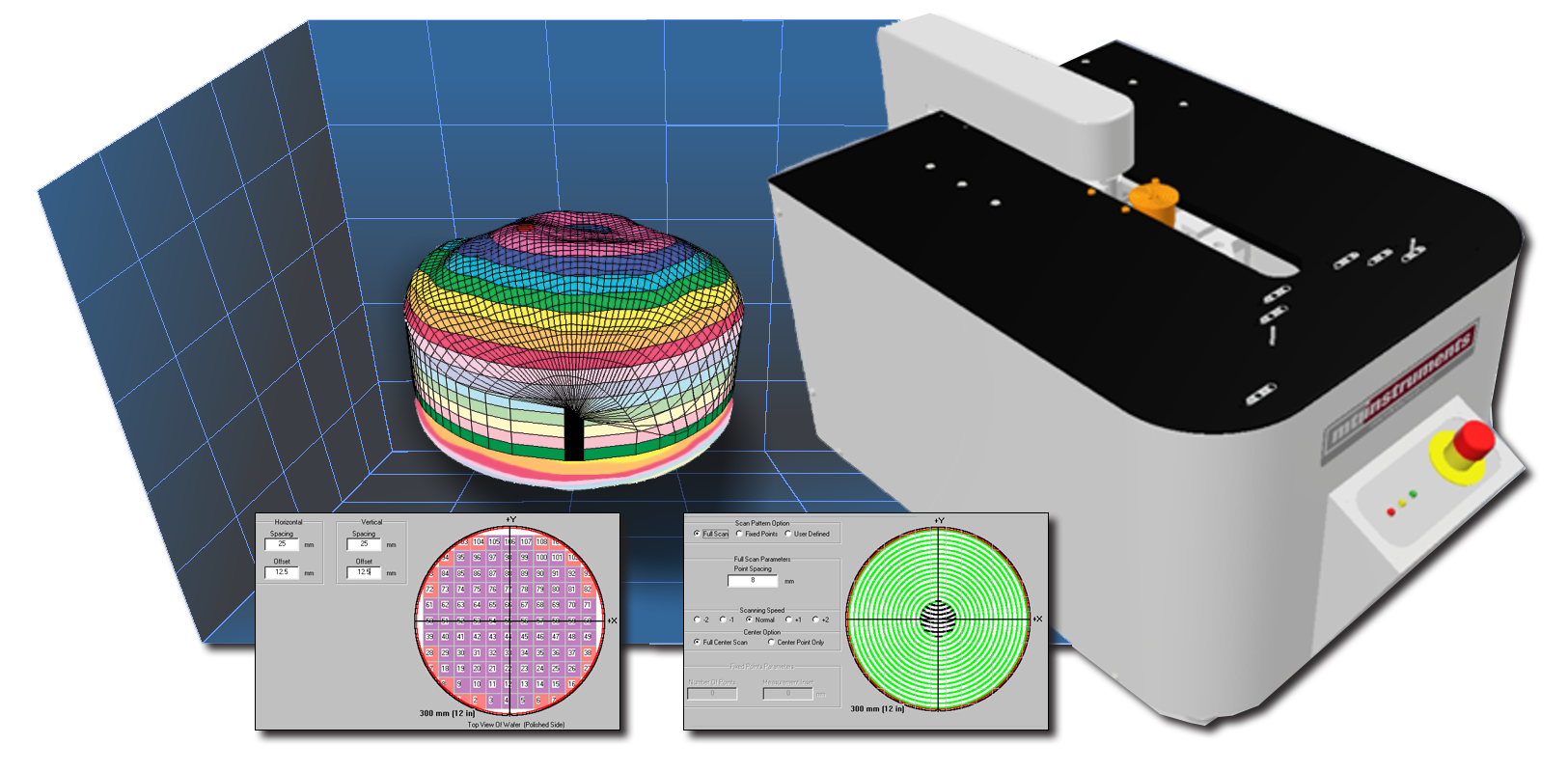
Define the physical quantities that determine product acceptance. This may include AC and DC voltage, leakage current, insulation resistance, power efficiency, transient response, vibration, displacement, RF signal characteristics, or semiconductor wafer parameters. For each value, establish the required range, uncertainty, sampling rate, settling time, and allowable environmental variation.
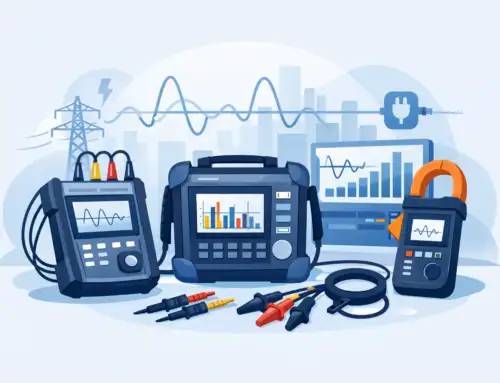
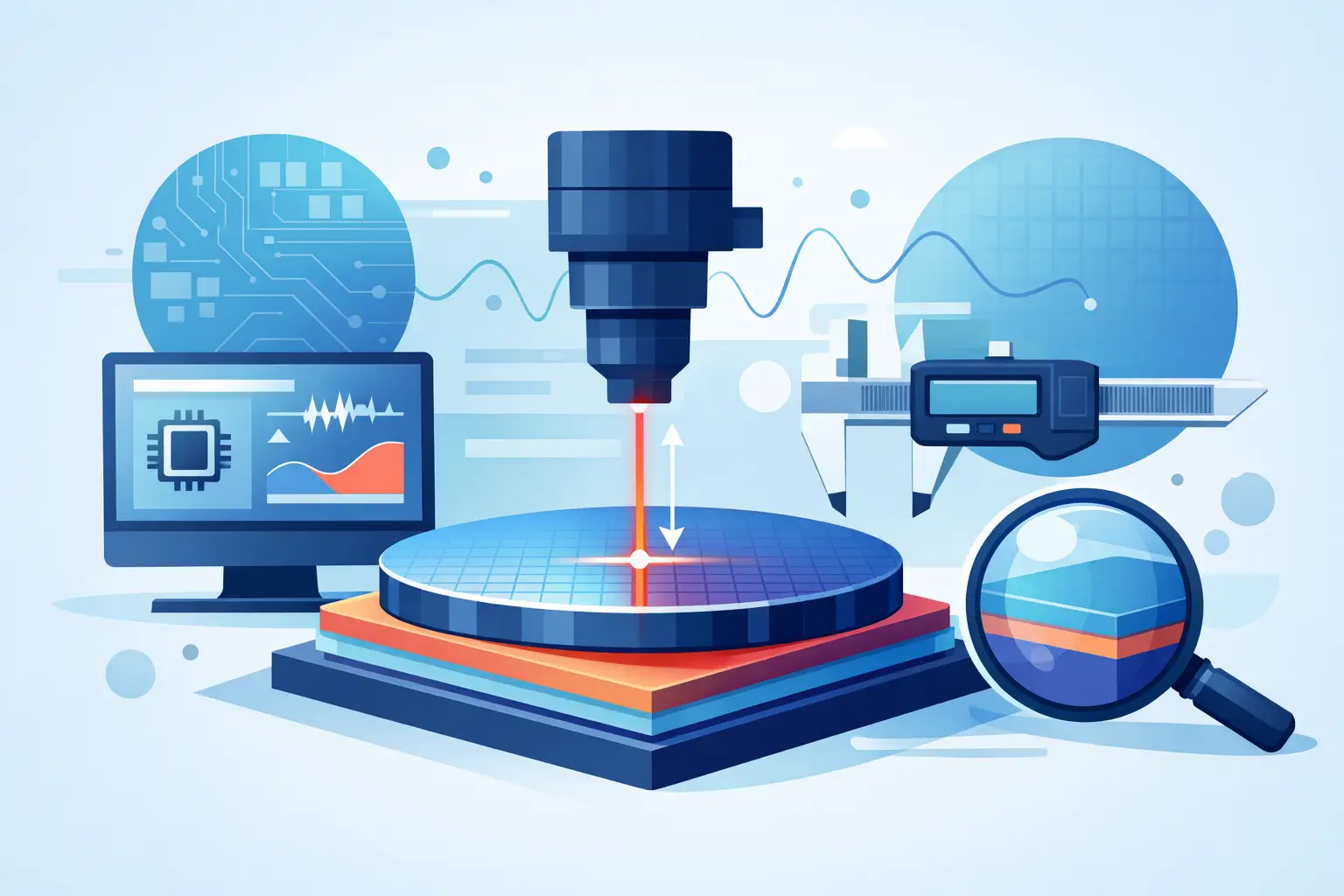
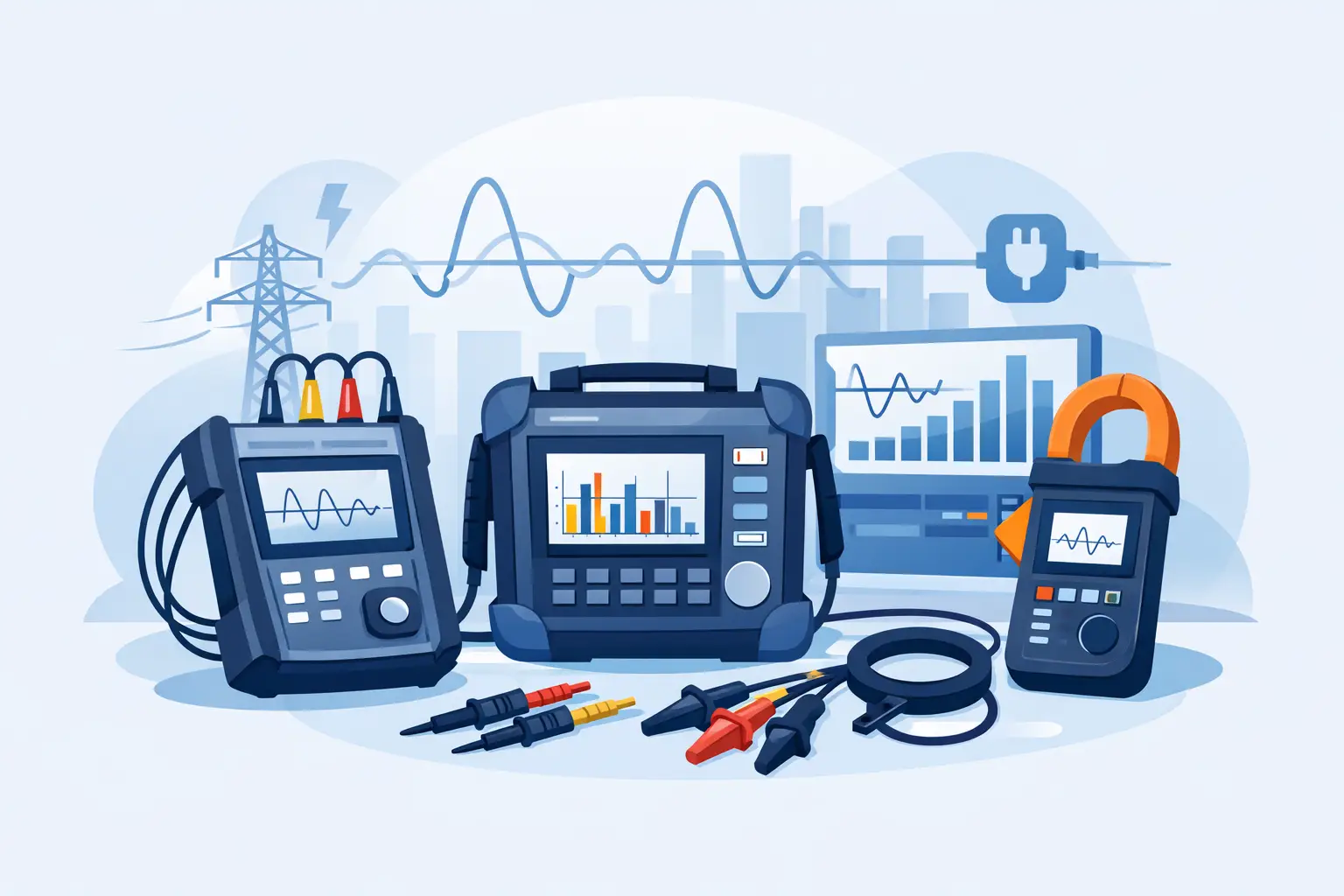
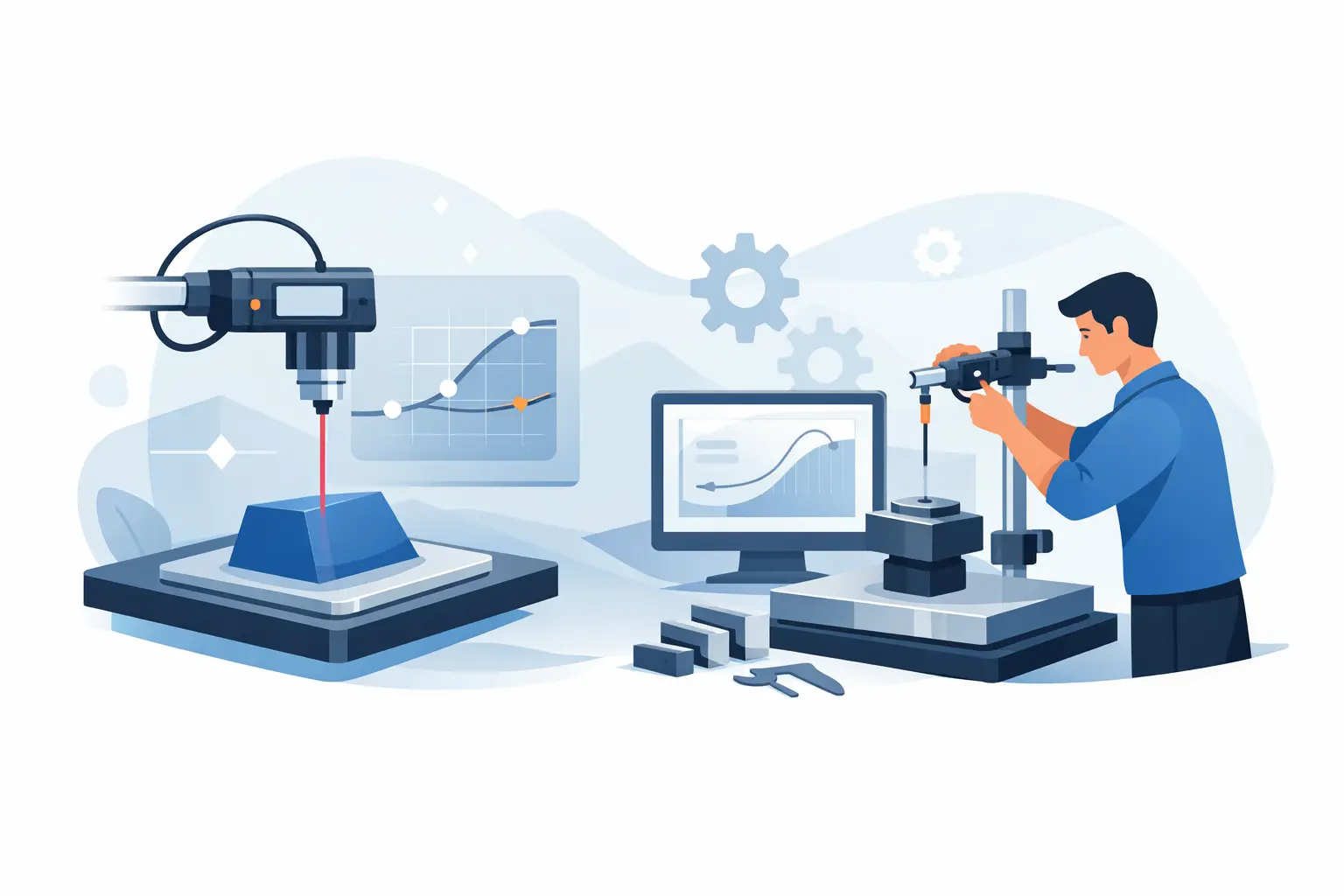
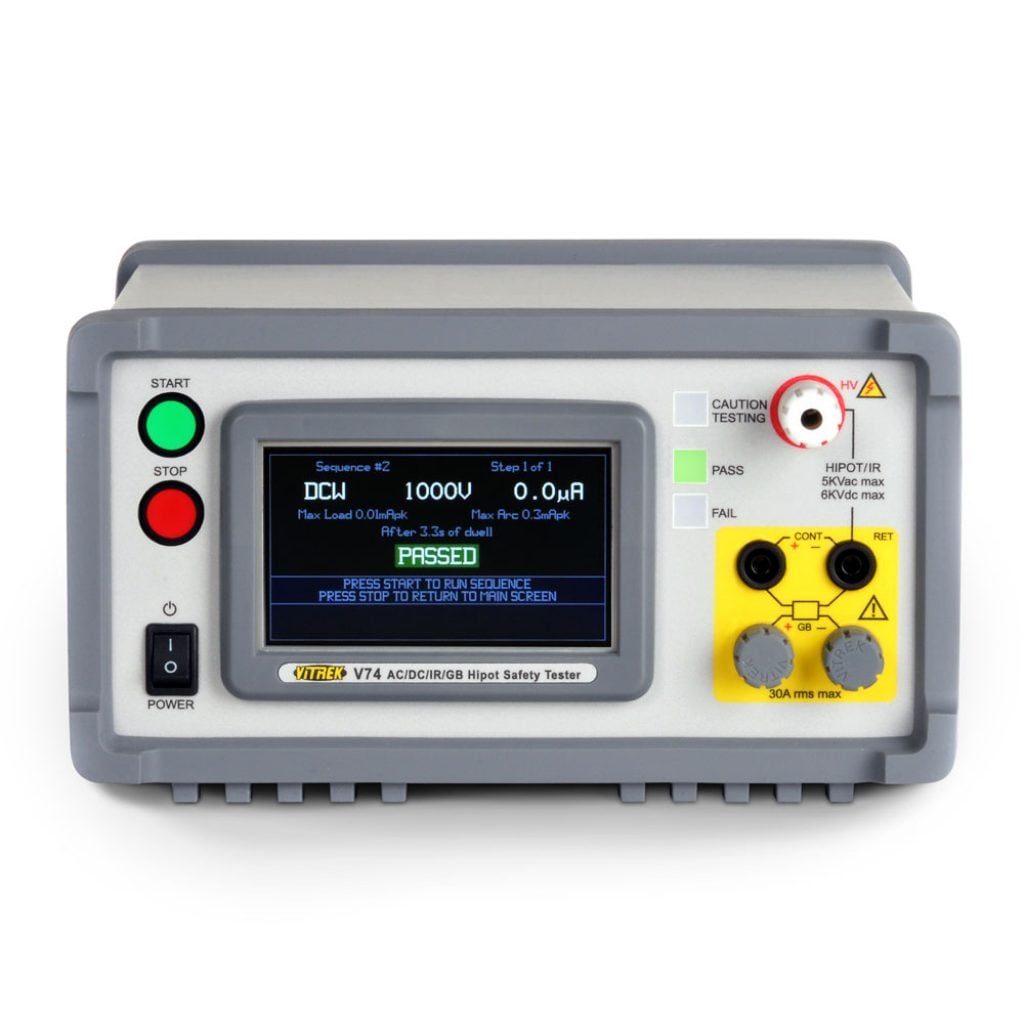
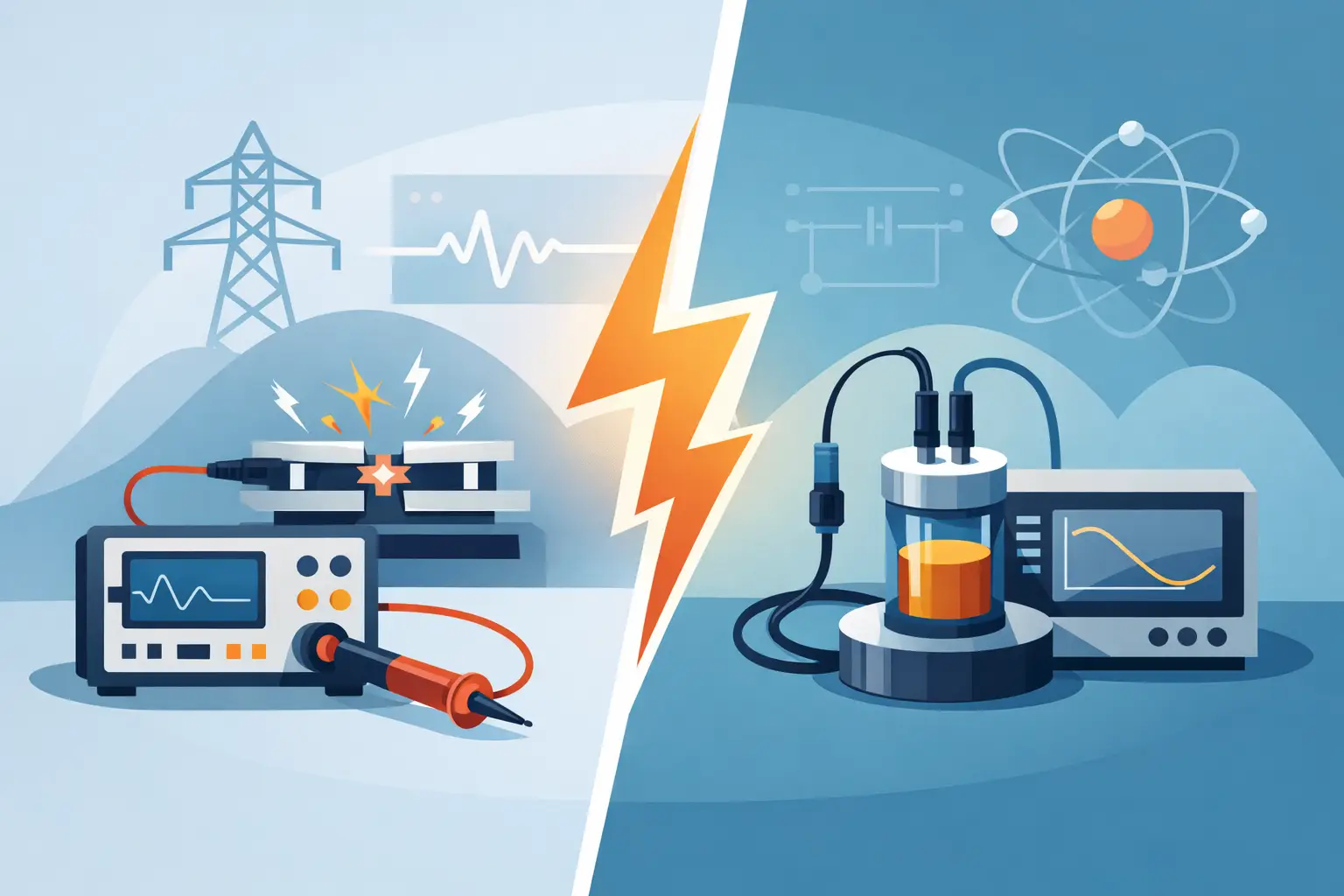
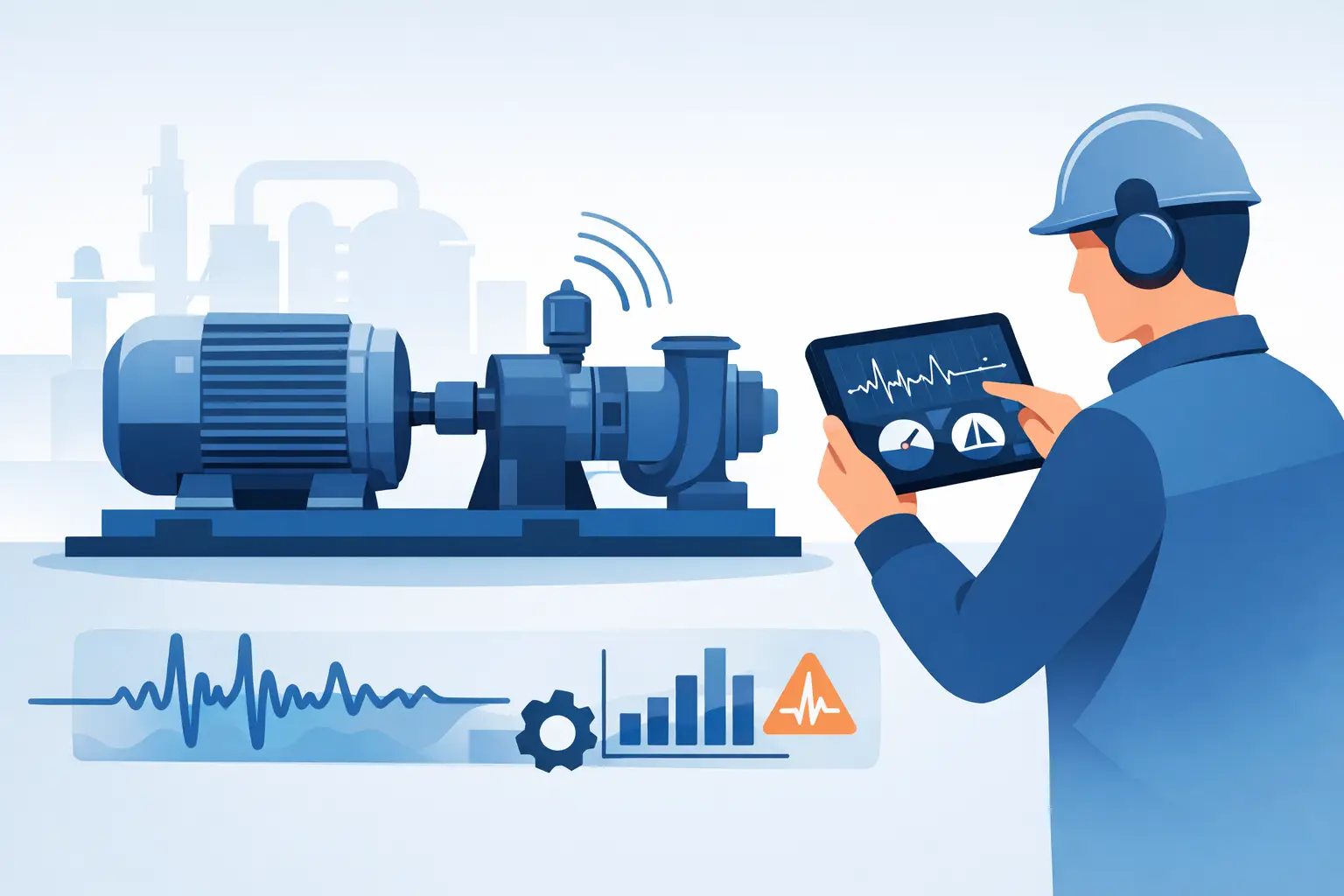
The test method also determines whether a general-purpose instrument is adequate. A power conversion test may require synchronized voltage and current channels with sufficient bandwidth to capture switching behavior accurately. An electrical safety test requires controlled high-voltage application, current limits, discharge capability, and interlocked operation. A dimensional inspection process may need non-contact sensing with repeatability that is meaningfully better than the tolerance being verified.
Measurement uncertainty deserves explicit attention. If a specification limit is close to the combined uncertainty of the instrument, fixture, cabling, and method, an automated pass/fail decision can create false rejects or false accepts. Automating an uncertain measurement only produces uncertain decisions faster.
Build Around a Test Architecture That Can Be Maintained
The practical value of test automation platforms is measured over years of product revisions, component substitutions, technician turnover, and changing compliance requirements. A maintainable architecture makes it possible to update one part of the system without unintentionally changing another.
Instrument control and synchronization
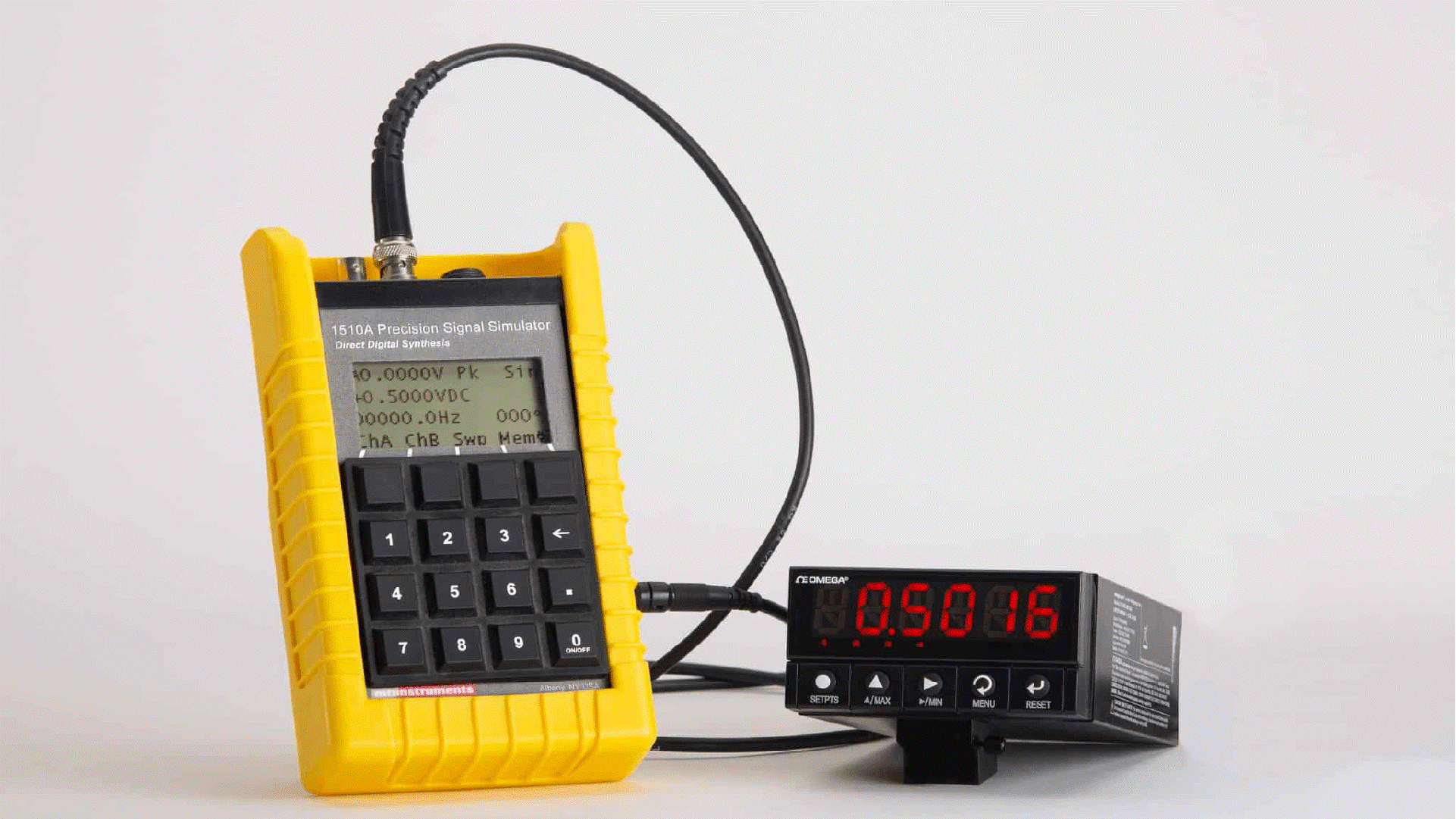
Choose instrumentation with documented remote interfaces, stable command sets, and drivers that expose the settings needed for the application. Common interfaces such as Ethernet, USB, PXI, LXI, GPIB, and serial communications may all have a place, but interface selection should reflect distance, isolation, throughput, and long-term support needs.
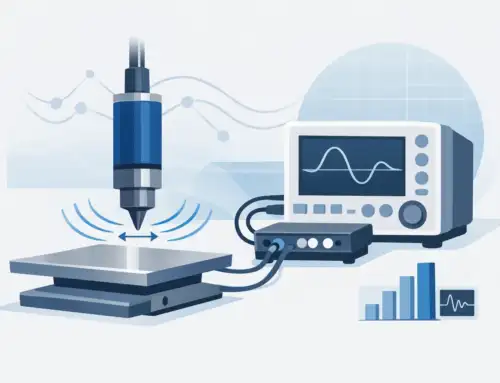
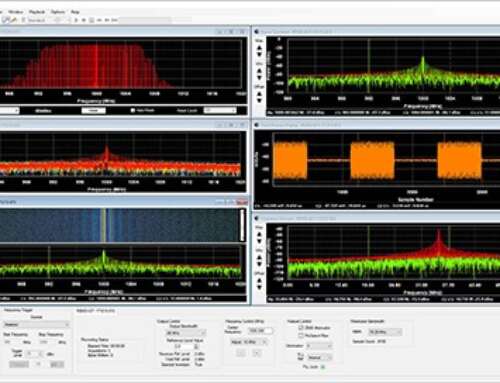
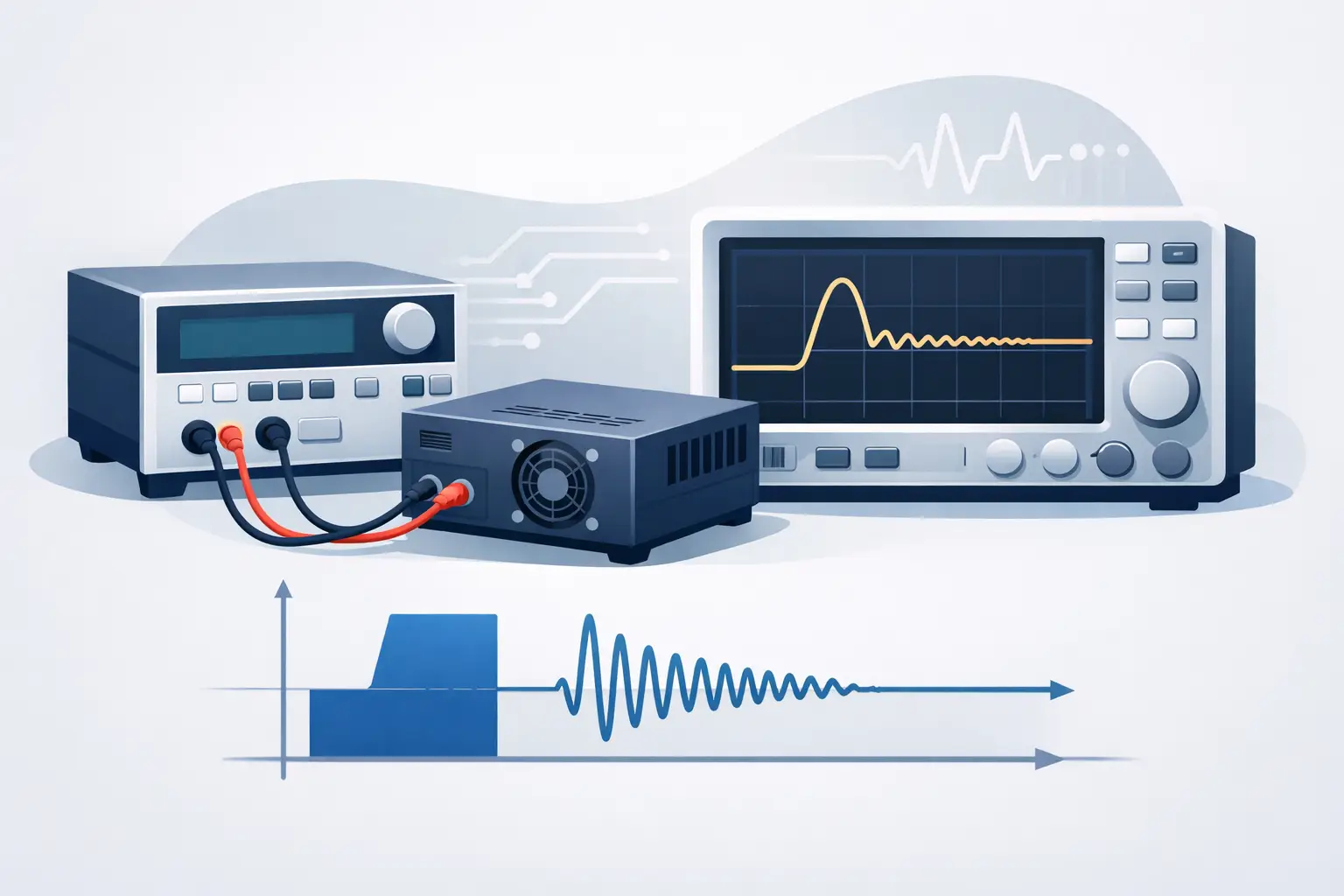
Synchronization is frequently underestimated. When test results depend on the relationship between multiple channels or instruments, command timing over a network may not be sufficient. Hardware triggers, shared clocks, deterministic acquisition, and time-aligned records may be required. This is especially relevant for transient power measurements, high-speed data capture, vibration analysis, and fault-event diagnostics.
Fixtures, switching, and protection
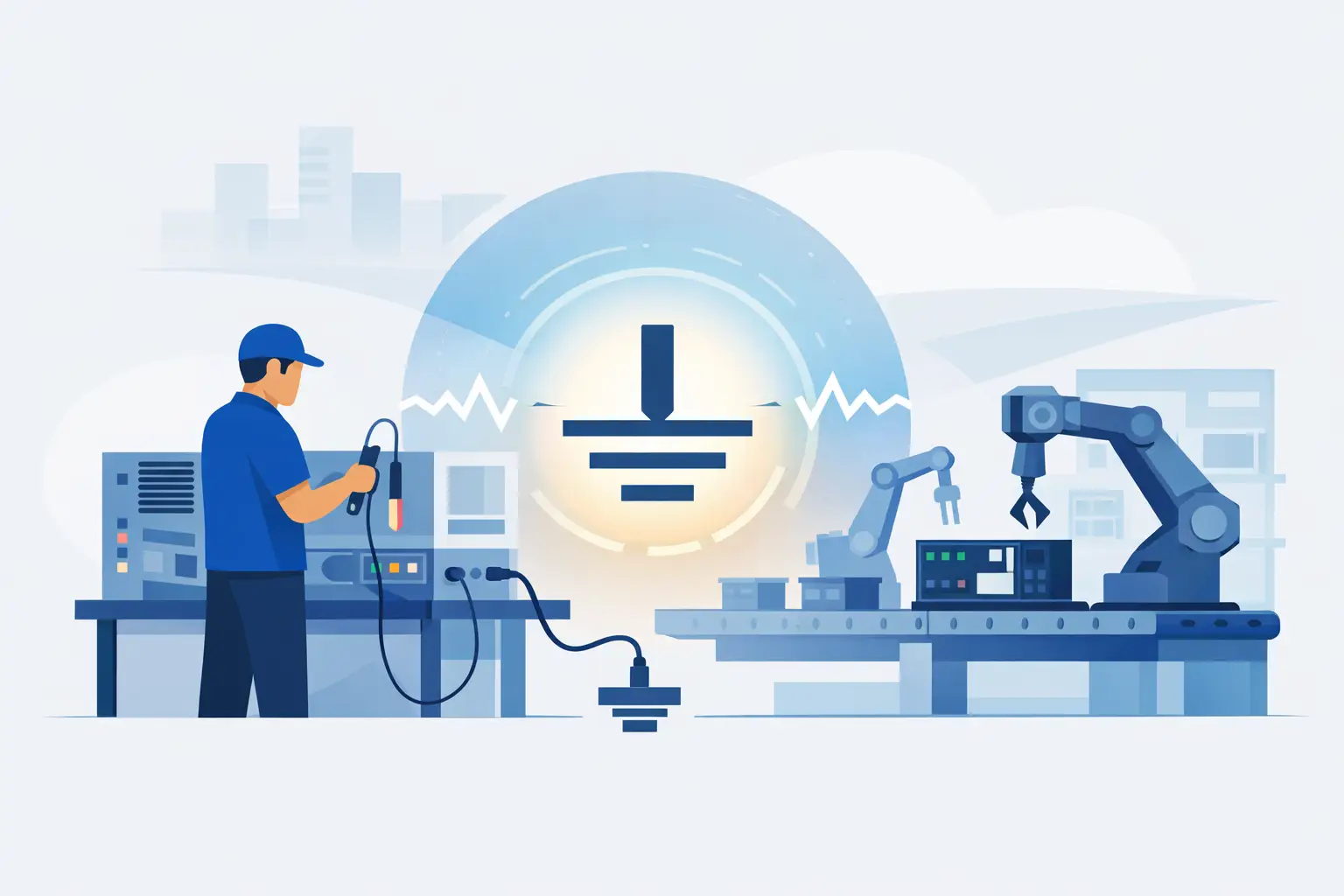
A test platform is only as repeatable as its interface to the unit under test. Fixture design should control connector engagement, contact force, shielding, grounding, and operator access. Contact resistance checks or continuity verification can identify a poor fixture connection before it is mistaken for a product failure.
Switching improves throughput and reduces manual reconnection, but it introduces its own error sources. Relay resistance, leakage, bandwidth, voltage rating, thermal effects, and switching life must be considered. High-voltage paths require appropriate spacing, guarding, discharge provisions, and a safety design that does not depend exclusively on software logic.
Software structure and revision control
Test sequences should be modular. A reusable measurement routine for a DC supply, insulation resistance check, or power analyzer setup is easier to validate than duplicated code scattered through multiple product programs. Parameters such as limits, delays, instrument ranges, and fixture identifiers should be versioned and associated with the results record.
This approach makes change control practical. When a limit changes, the organization can identify which revision was used, who approved it, and which units were tested under it. For quality organizations, this is far more useful than a spreadsheet containing only a timestamp and a final pass/fail status.
Data Integrity Is Part of the Test Result
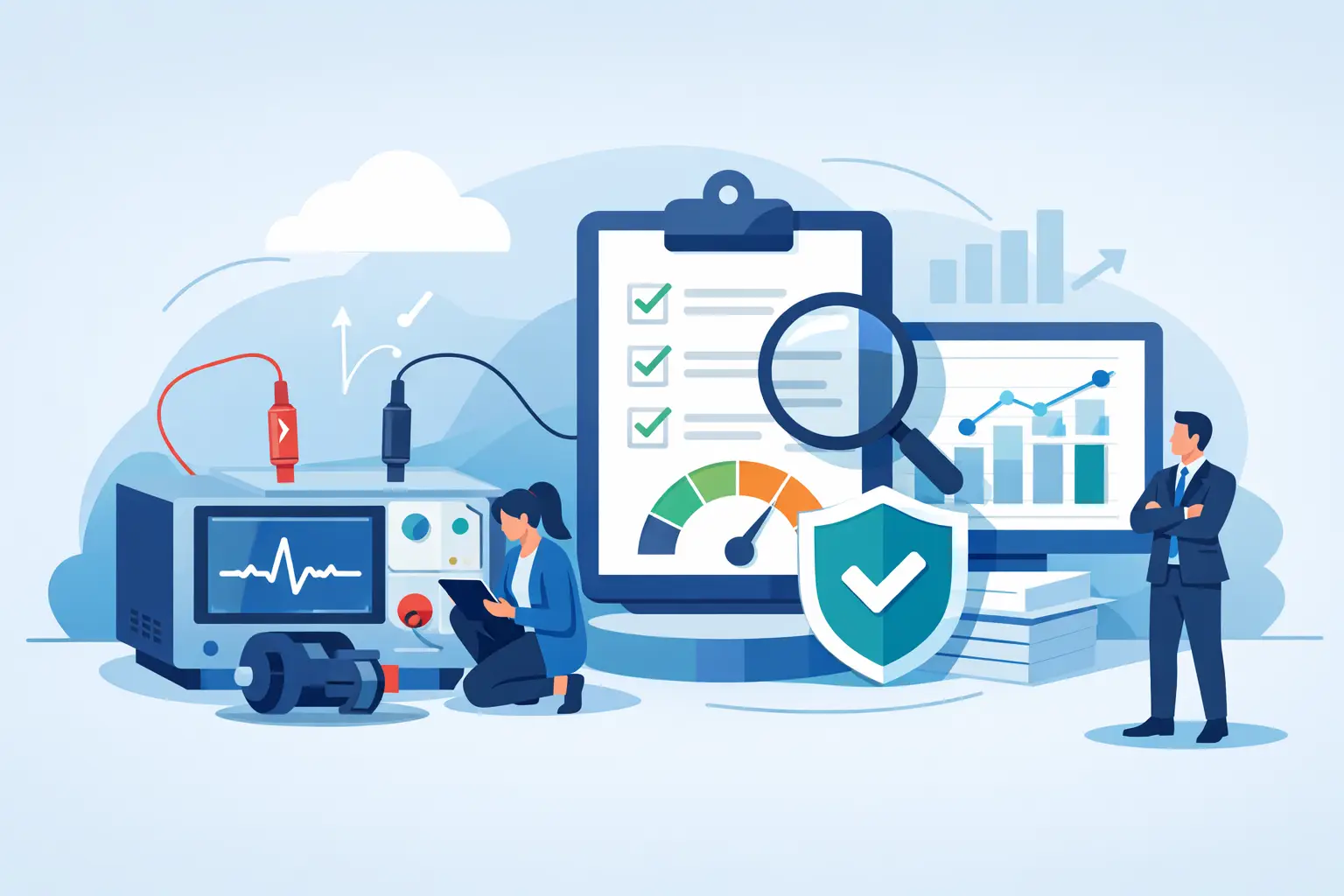
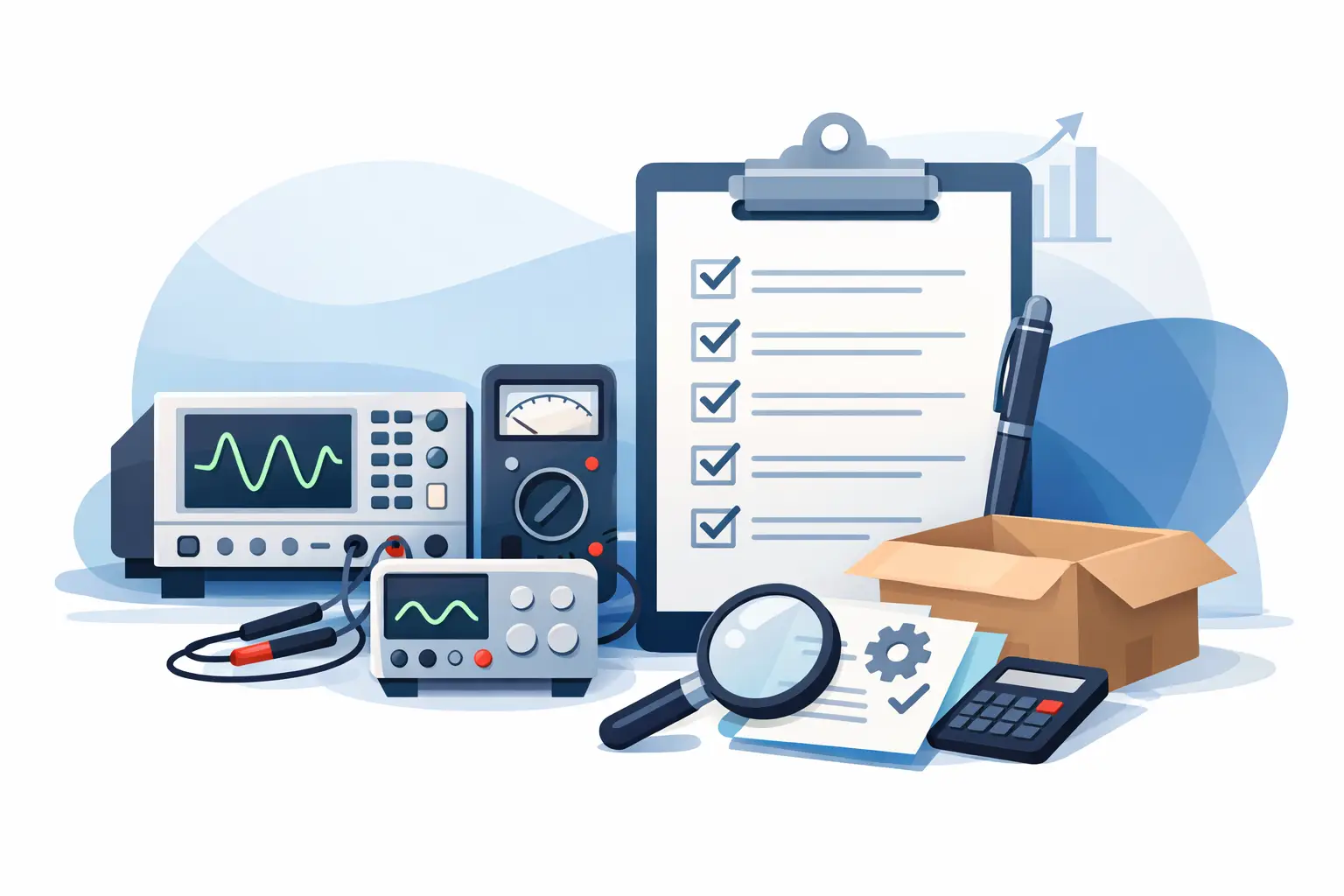
A passing unit without contextual data is difficult to defend. The platform should record more than the final disposition. Depending on the application, useful records include serial number, operator or station identity, test program revision, instrument identification, calibration status, raw measurements, limits, environmental conditions, failure codes, and repair or retest history.
Not every process needs to store every waveform or full-resolution acquisition. High-volume manufacturing may require a tiered approach: retain summary values for all units, preserve detailed traces for failures, and archive diagnostic datasets according to a defined sampling plan. The appropriate policy depends on storage costs, risk, customer requirements, and the time needed to investigate a potential issue.
Data should also support action, not just retention. Statistical analysis can reveal gradual drift in a power supply, fixture wear, lot-to-lot component variation, or a station whose results differ from comparable stations. These patterns are often visible before they create a significant yield loss.
Evaluate Compliance, Calibration, and Safety Early
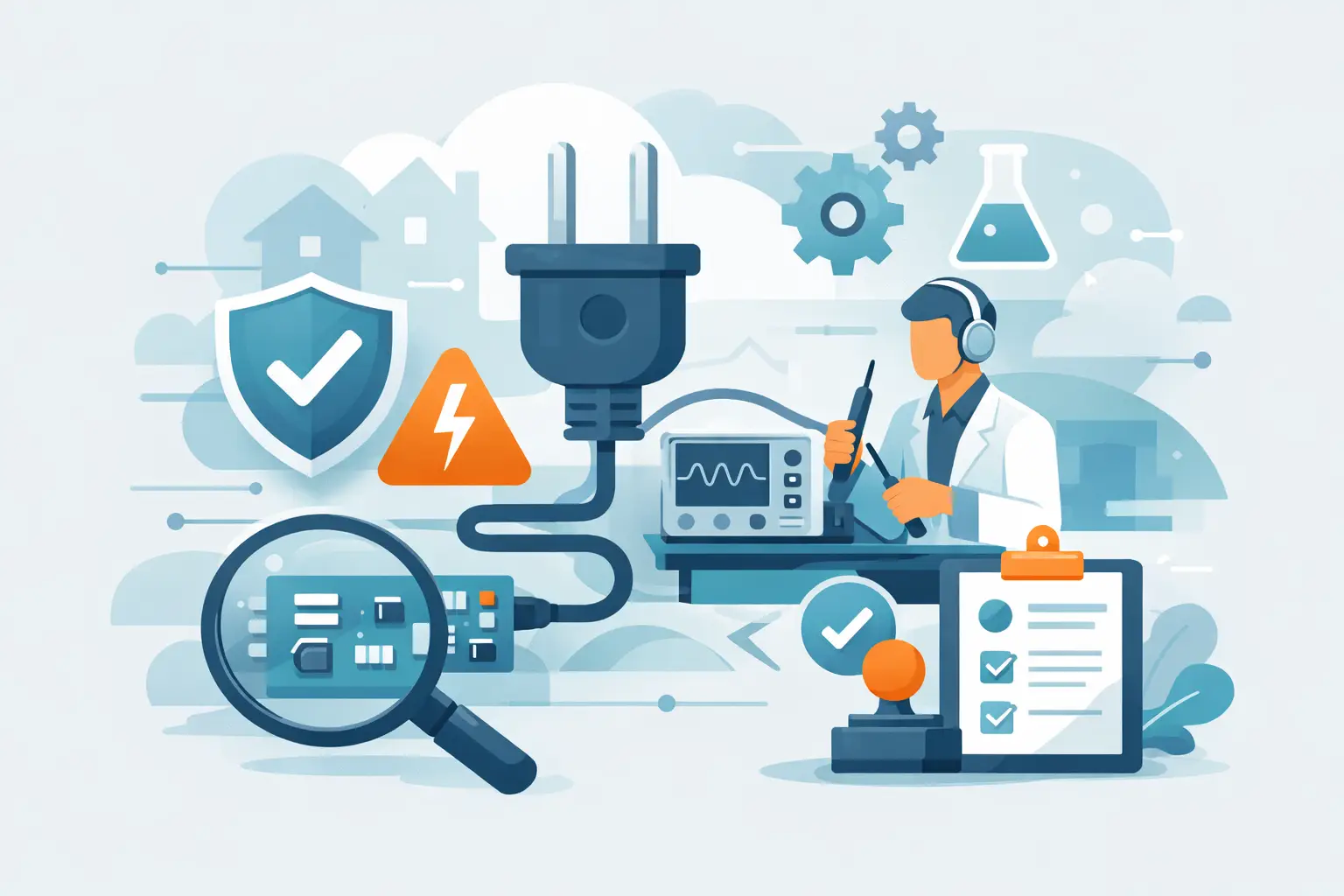
In many programs, compliance requirements are treated as documentation tasks after the test station has been designed. That approach creates avoidable redesign work. The platform should be evaluated against applicable product standards, quality procedures, electrical safety requirements, cybersecurity expectations, and customer-specific traceability rules from the beginning.
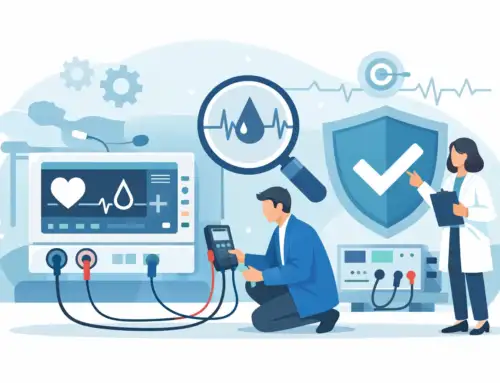
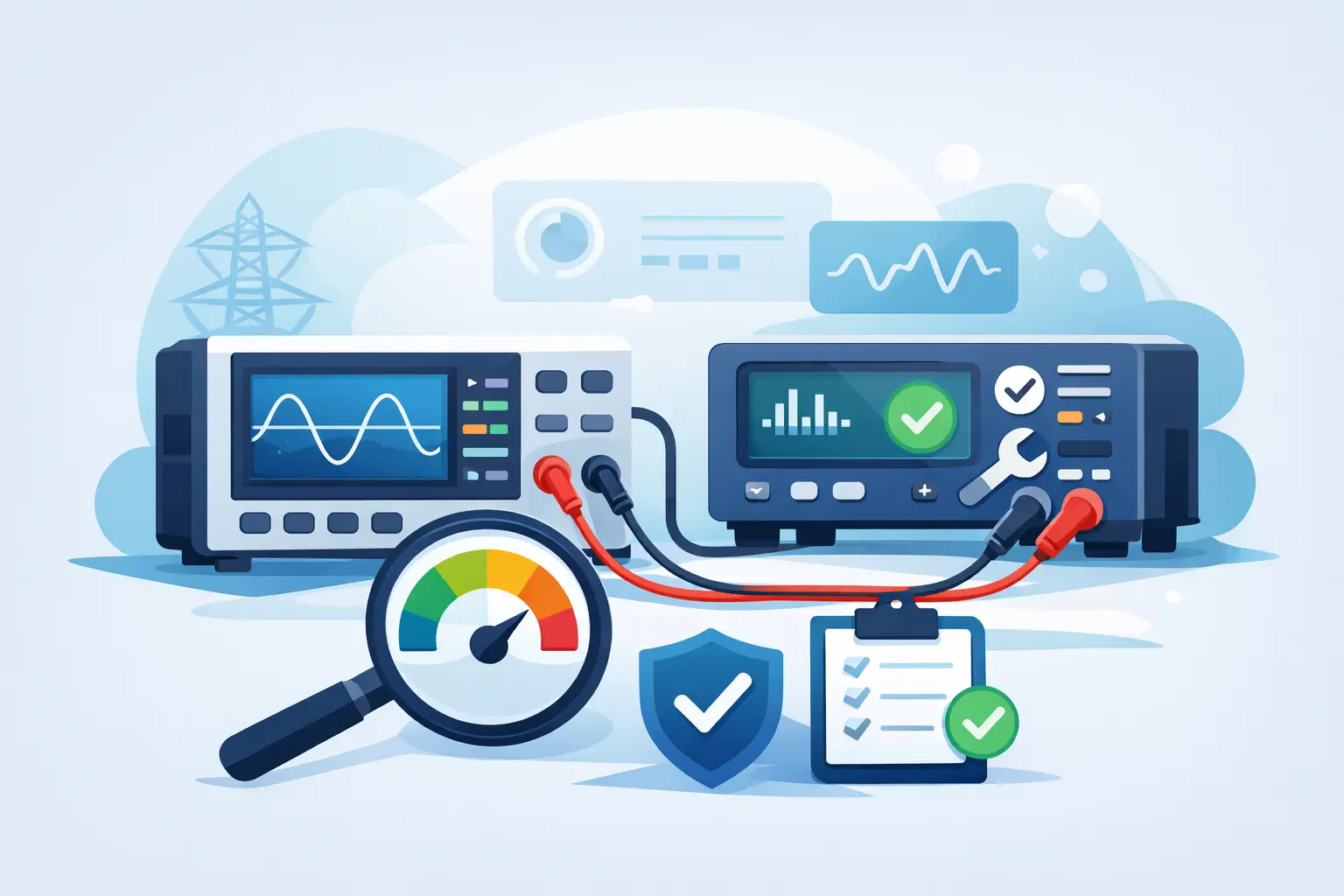
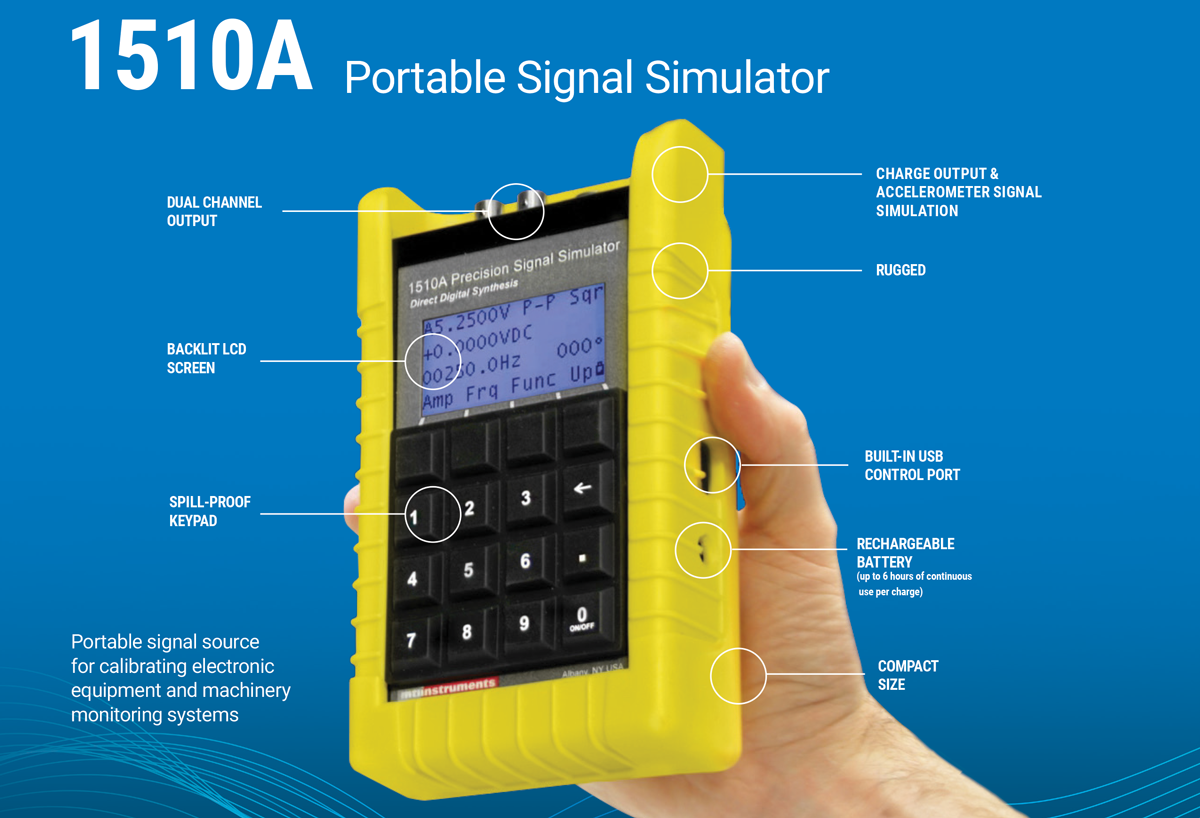
Calibration traceability is particularly important where decisions depend on precision measurements or safety limits. The organization needs a clear method for identifying each instrument, managing calibration intervals, responding to out-of-tolerance findings, and preventing use of equipment with expired status. ISO-accredited calibration services and well-maintained calibration records strengthen confidence in the measurement chain.
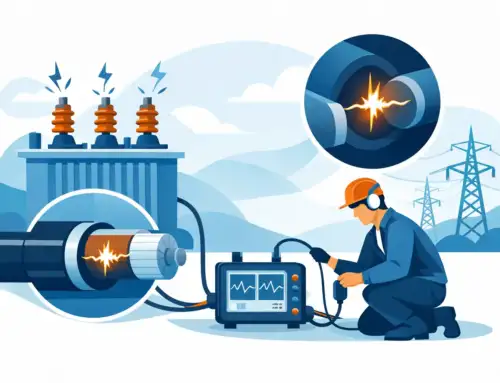
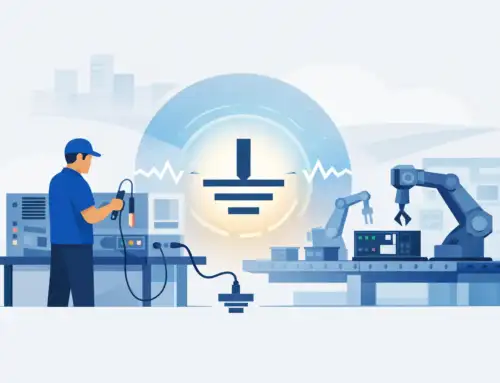
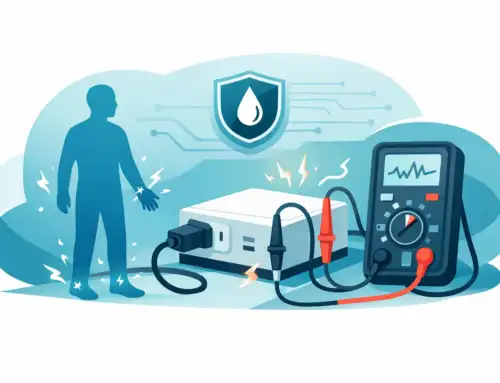
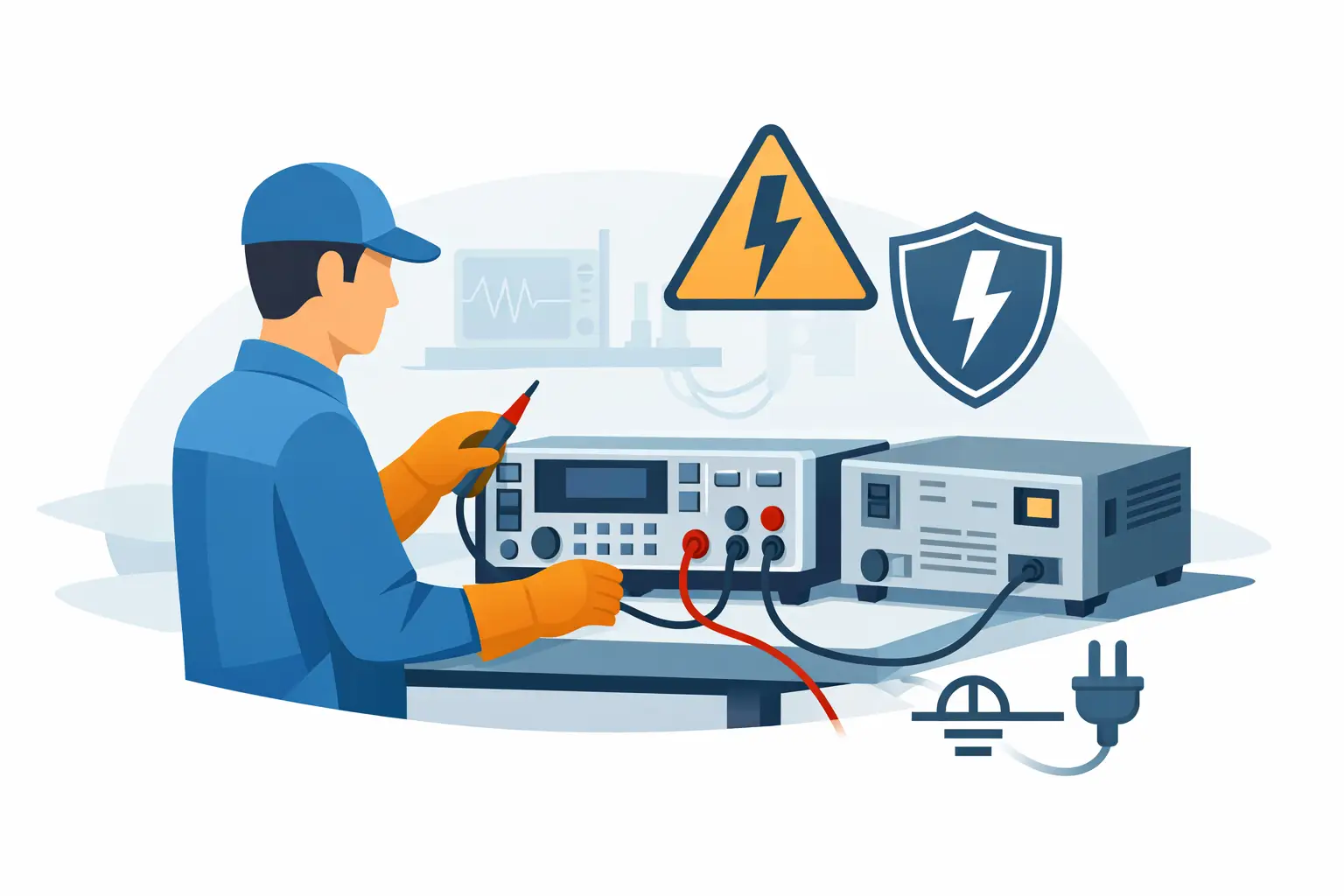
For high-voltage and high-energy testing, risk assessment should shape the station layout and operating procedure. Consider accessible conductors, stored energy, automatic discharge, enclosure integrity, two-hand controls where appropriate, emergency stops, warning indicators, and the behavior of the system after power loss. A productive station that exposes operators to uncontrolled hazards is not an acceptable automation outcome.
Selecting Test Automation Platforms: Questions That Expose Fit
Vendor demonstrations tend to emphasize nominal operation. A more useful evaluation tests the platform against the conditions that create downtime and questionable data. Ask how the system handles an instrument communication failure midway through a sequence, an interrupted test, a calibration expiration, a revised limit, or a failed safety interlock.
Evaluate whether engineers can add a new test step without rewriting the entire application, and whether operators can run authorized procedures without modifying protected settings. Confirm how raw data is retained, exported, reviewed, and secured. If the program requires multiple stations, determine how the system keeps configurations aligned and how it identifies station-specific differences.
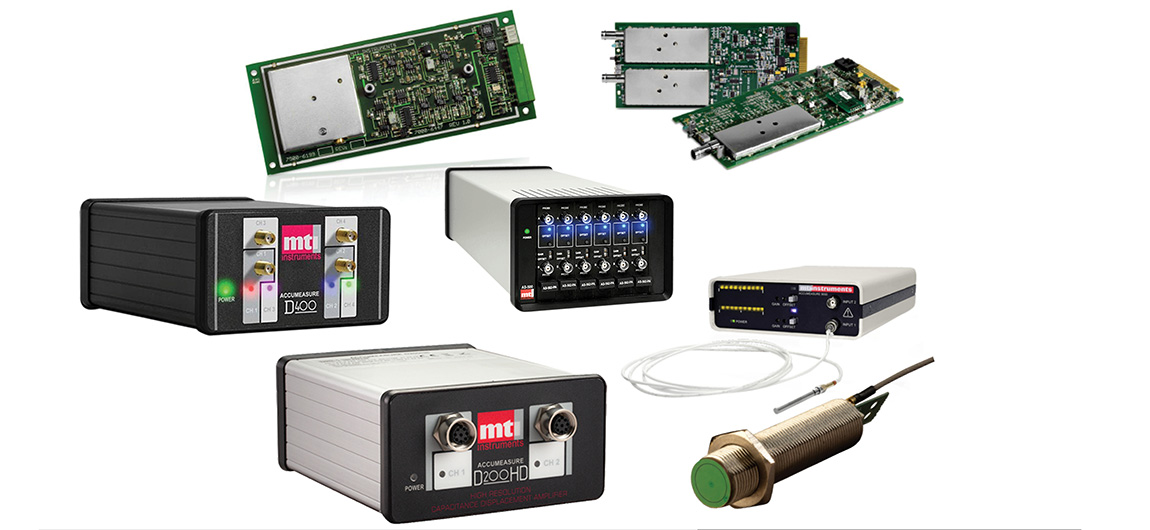
Hardware availability and serviceability are equally relevant. A platform built around instruments with uncertain lifecycle support can become a production risk, even if the initial implementation is successful. For specialized measurement applications, a supplier with application expertise, calibration support, and a defined product support path can reduce integration and maintenance exposure.
Match the Platform to the Production Reality
A laboratory-oriented framework may be appropriate for a low-volume R&D fixture where engineers frequently adjust sequences and inspect detailed data. A tightly controlled production architecture is better suited to repetitive manufacturing where cycle time, operator guidance, test coverage, and traceability are primary concerns. Neither approach is universally superior.
The most effective systems are designed around the consequences of a wrong decision. When a failed test delays a production line, the platform should help isolate the cause quickly. When a passed test supports a safety-critical shipment, the platform should provide evidence that the measurement, configuration, and safety conditions were valid. Designing for those moments creates a test system that remains useful long after the initial deployment.