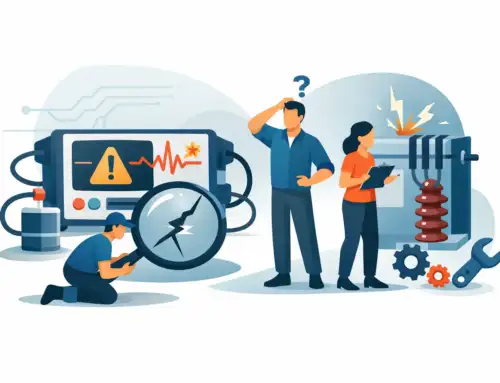
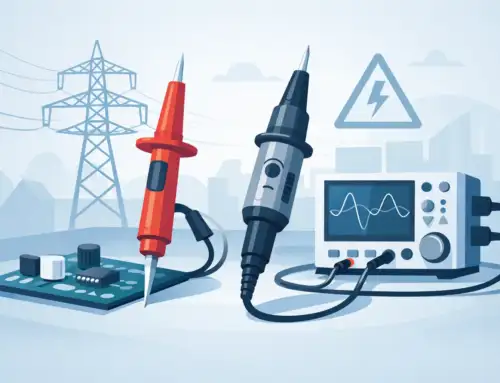
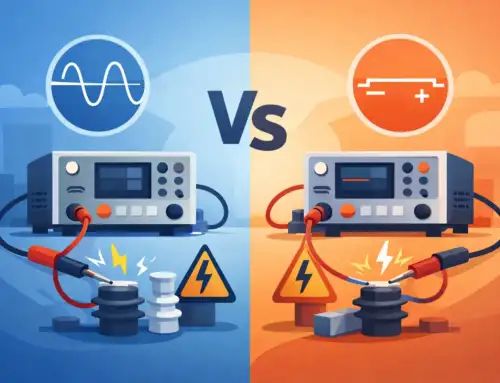
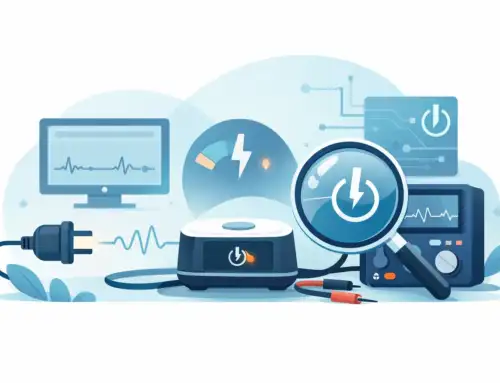
A defibrillator can pass a basic power-on check and still present an unacceptable risk. Its safety depends on more than stored energy and a visible ECG trace: patient-connected circuits, high-voltage output paths, protective earth integrity, enclosure insulation, controls, and accessories must perform predictably under defined conditions. A medical defibrillator safety test therefore needs to separate electrical safety verification from energy-delivery performance while preserving traceable evidence for design validation, production release, or service.
The test plan should start with the device’s intended use and applicable standards, not with a generic analyzer sequence. An external manual defibrillator, AED, wearable defibrillator, and integrated defibrillation function in a patient monitor can have materially different requirements, accessories, applied-part classifications, and operating modes.
Define the Medical Defibrillator Safety Test Scope
For defibrillators, IEC 60601-1 provides the general framework for basic safety and essential performance, while IEC 60601-2-4 addresses particular requirements for cardiac defibrillators. Other standards and regulatory expectations may apply depending on the product configuration, market, and whether the work is design verification, production testing, incoming inspection, preventive maintenance, or post-repair evaluation.
That distinction matters. Type testing establishes that a design meets requirements under specified worst-case conditions. Production testing confirms that each manufactured unit has been assembled correctly and that no safety-critical defect was introduced. Recurrent testing in a clinical or biomedical engineering setting has a different purpose again: identifying deterioration, damage, or repair-related faults without necessarily repeating every type-test condition.
A complete protocol identifies the unit under test, software and hardware revision, test equipment, calibration status, environmental conditions, test configuration, applicable standard edition, acceptance limits, and operator safety controls. Without that context, a measured leakage current or delivered-energy value is difficult to interpret and even harder to defend during an audit or failure investigation.
Separate Electrical Safety From Defibrillation Performance
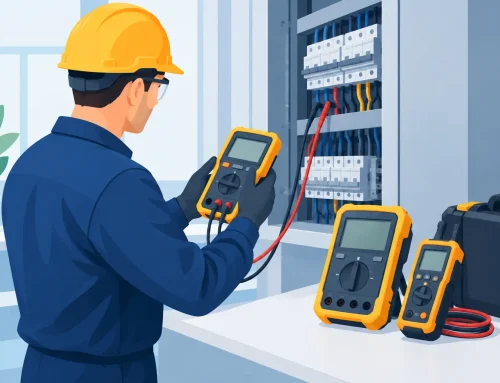
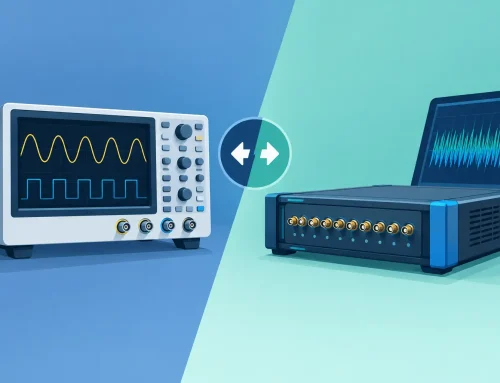
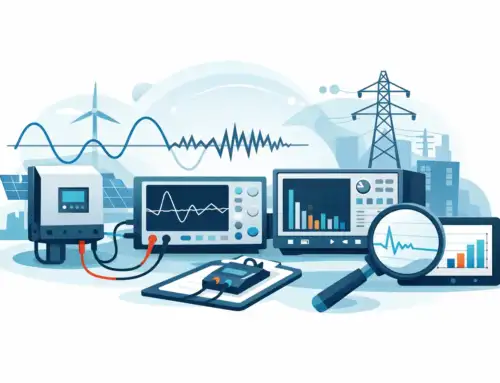
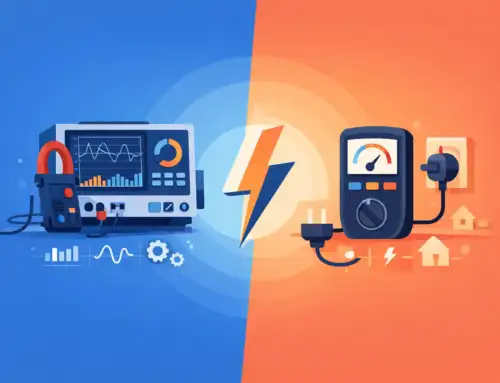
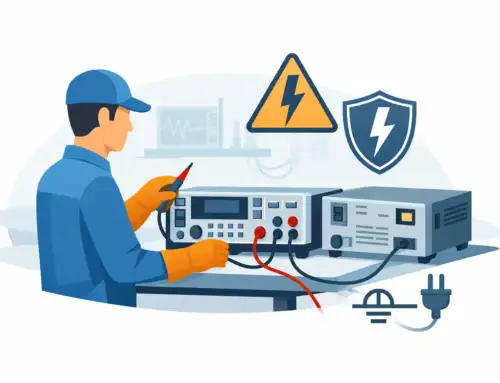
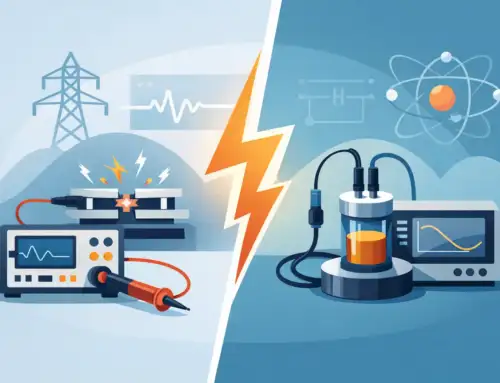
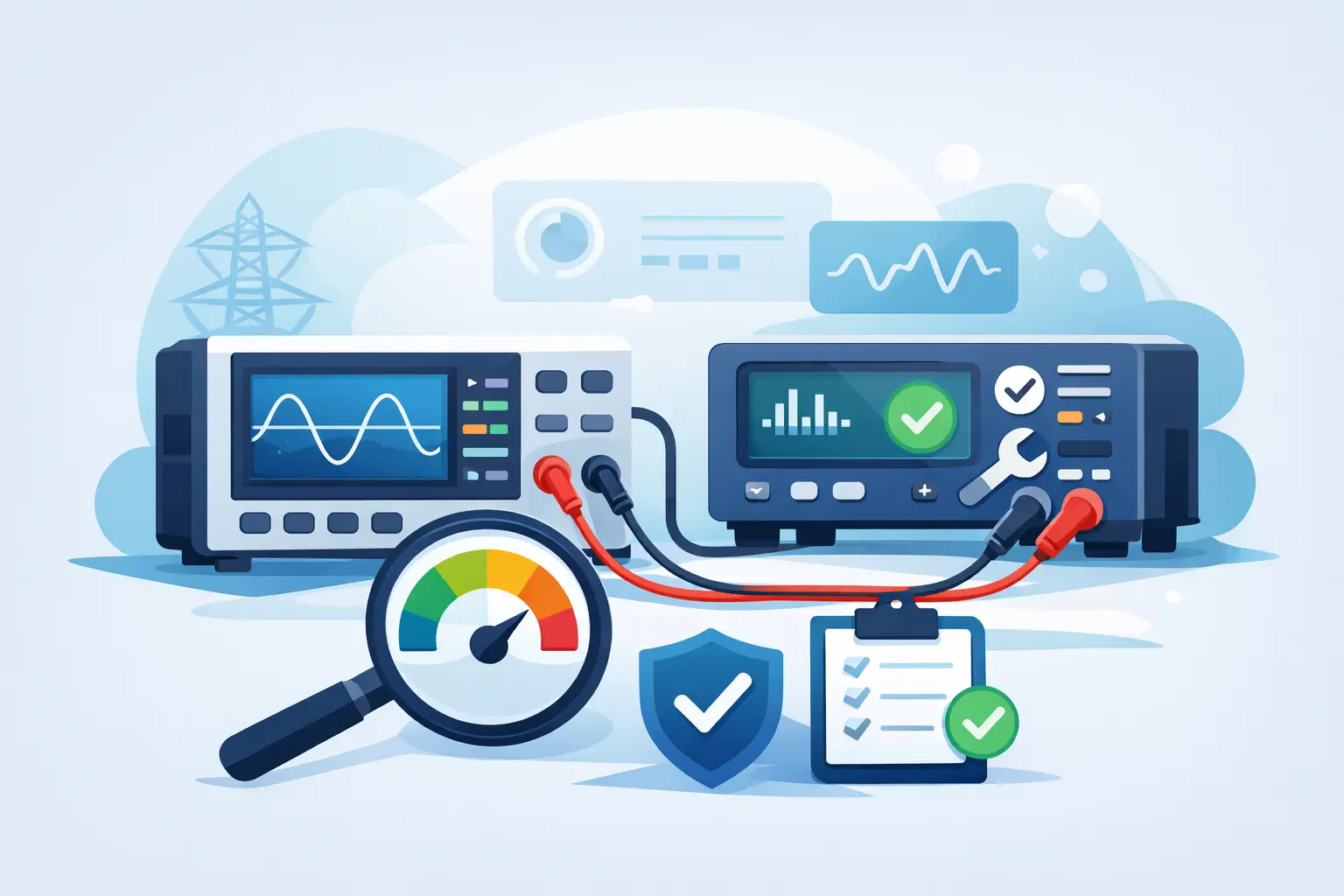
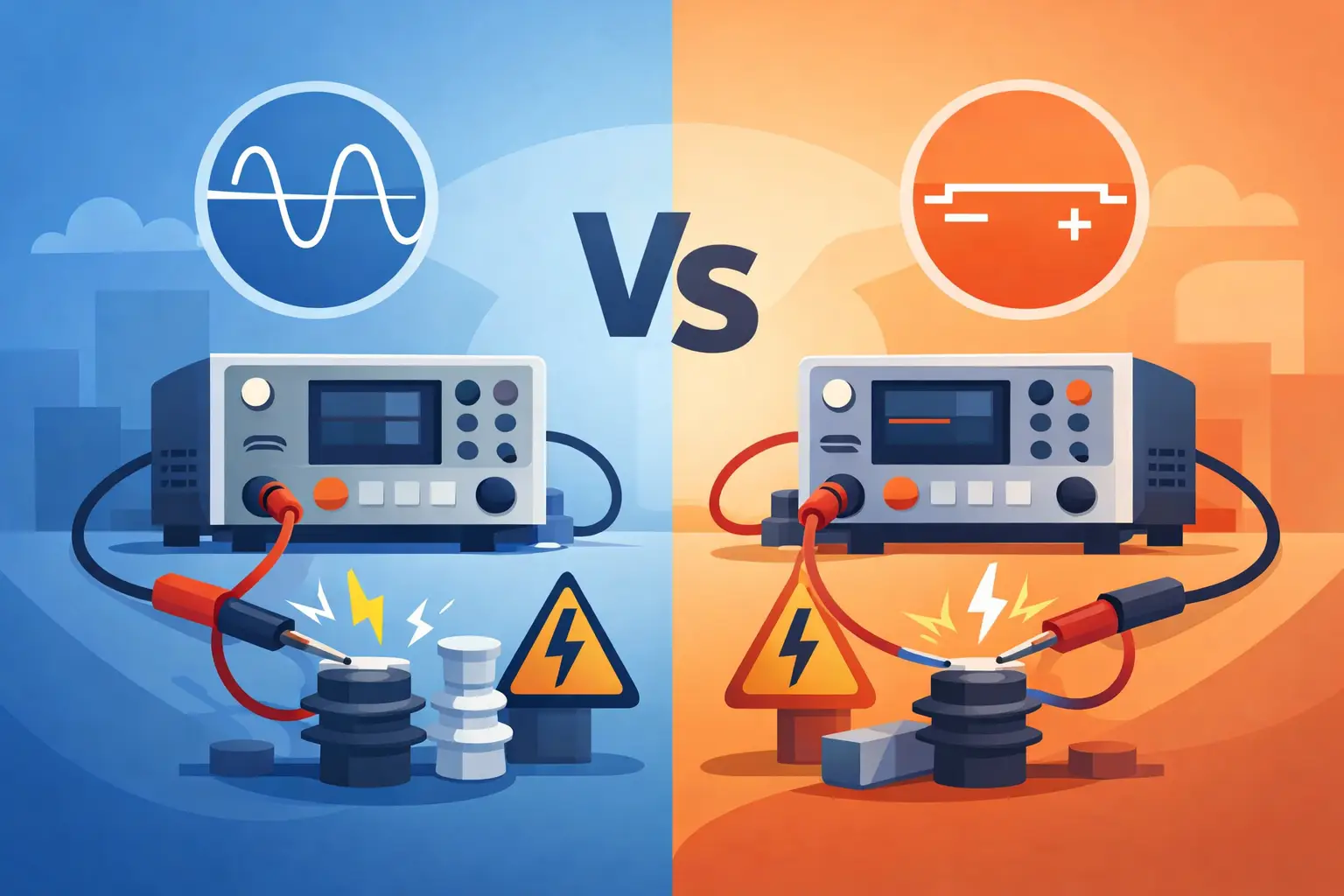
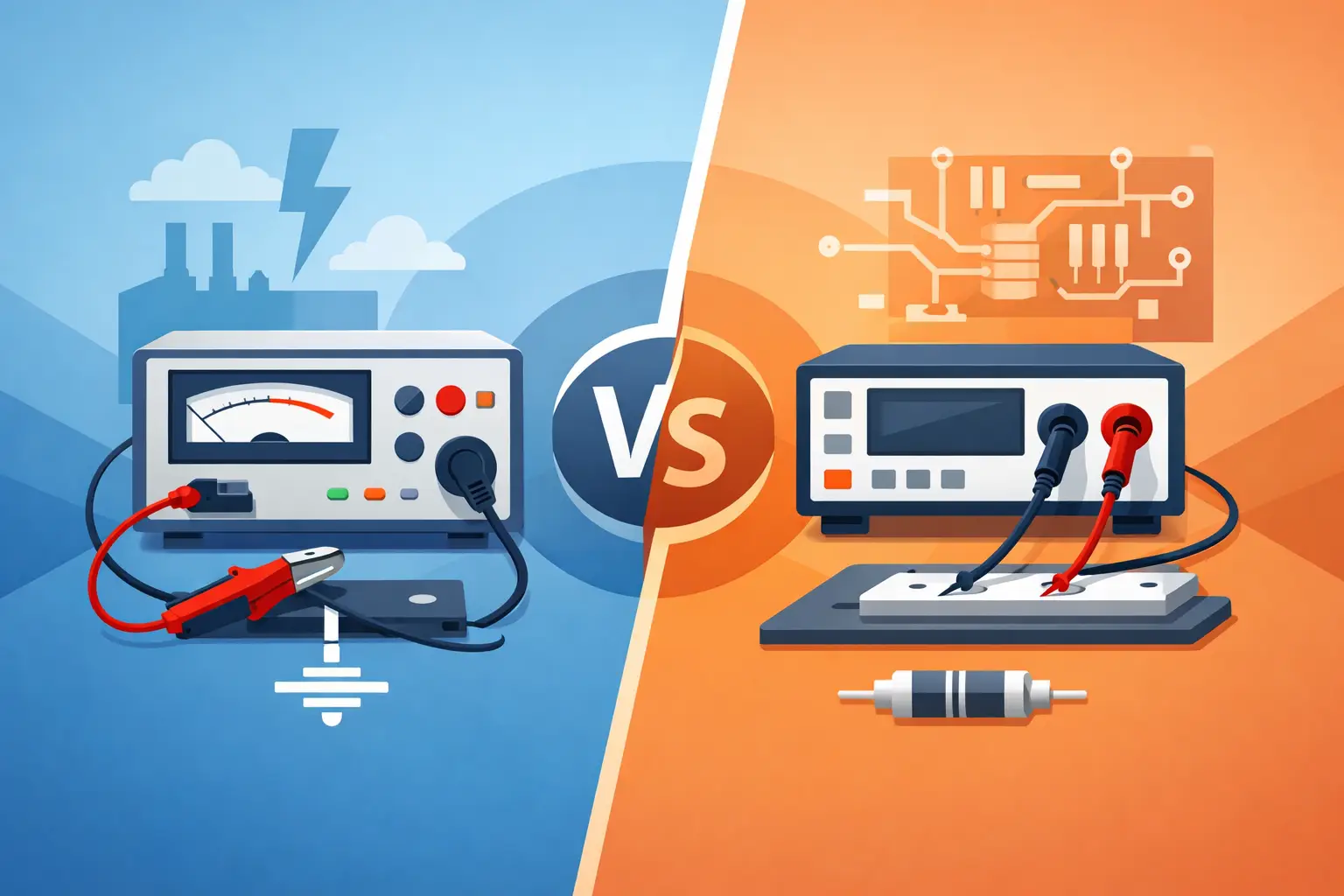
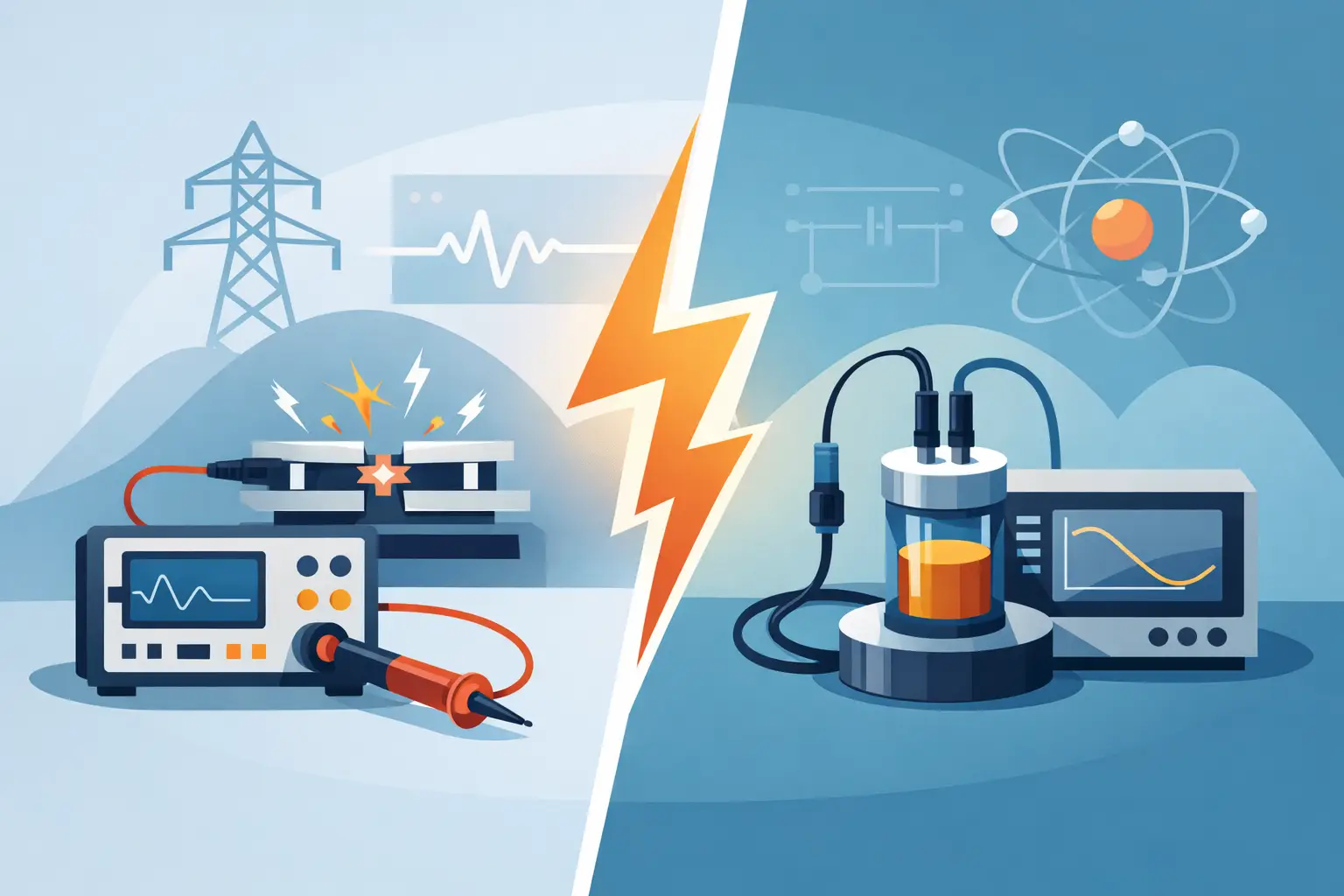
Electrical safety testing and defibrillator output testing are related, but they are not interchangeable. An electrical safety analyzer evaluates conditions such as protective-earth continuity, insulation integrity, dielectric withstand capability, and leakage current. A defibrillator analyzer or appropriately rated energy measurement system evaluates delivered energy, charge time, waveform characteristics, synchronization behavior, and related functional performance.
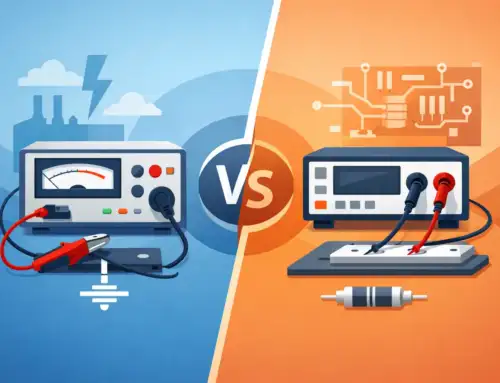
Using one instrument in place of the other creates blind spots. A hipot result does not confirm that the selected energy setting is delivered within specification. Likewise, a successful discharge into an energy analyzer does not demonstrate that enclosure leakage, patient leakage, or mains isolation meets the required limits.
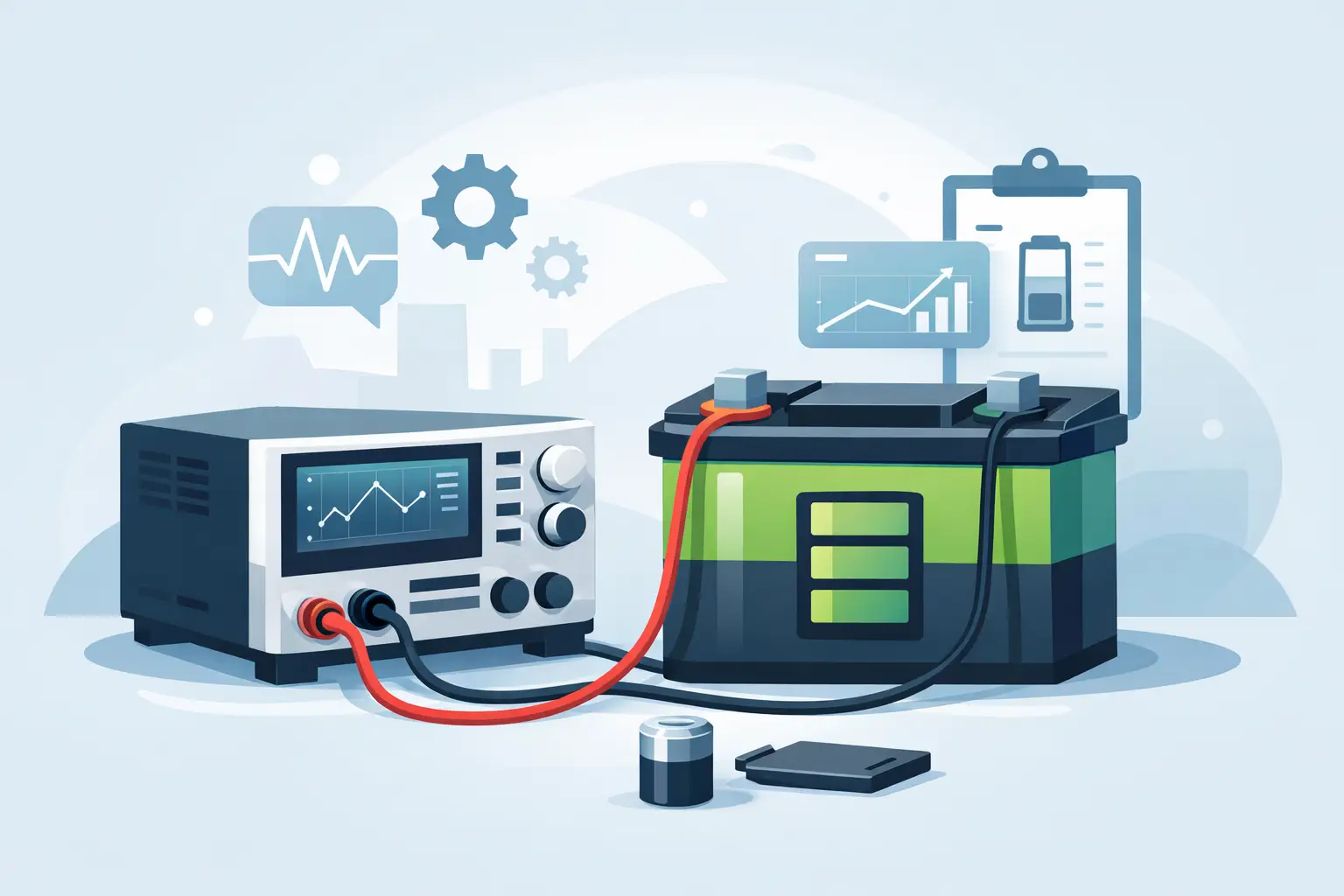
The test sequence should also account for device architecture. A battery-powered AED with an external charger may require separate assessment of the charger, charging contacts, mains-connected circuits, and battery-operated modes. A hospital defibrillator with monitoring and pacing functions may include additional patient leads and applied-part paths that affect the electrical safety setup.
Verify the High-Voltage Output Path
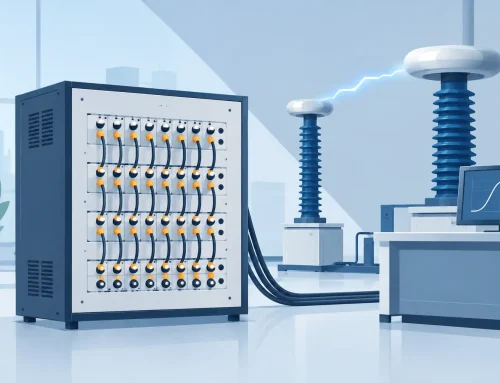
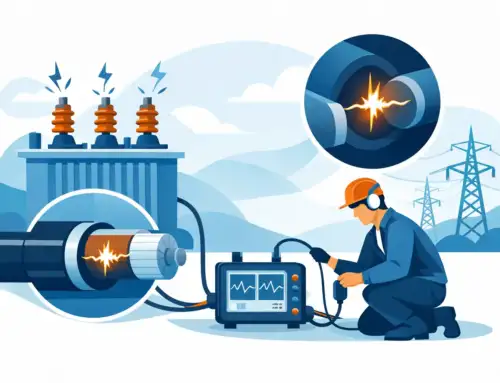
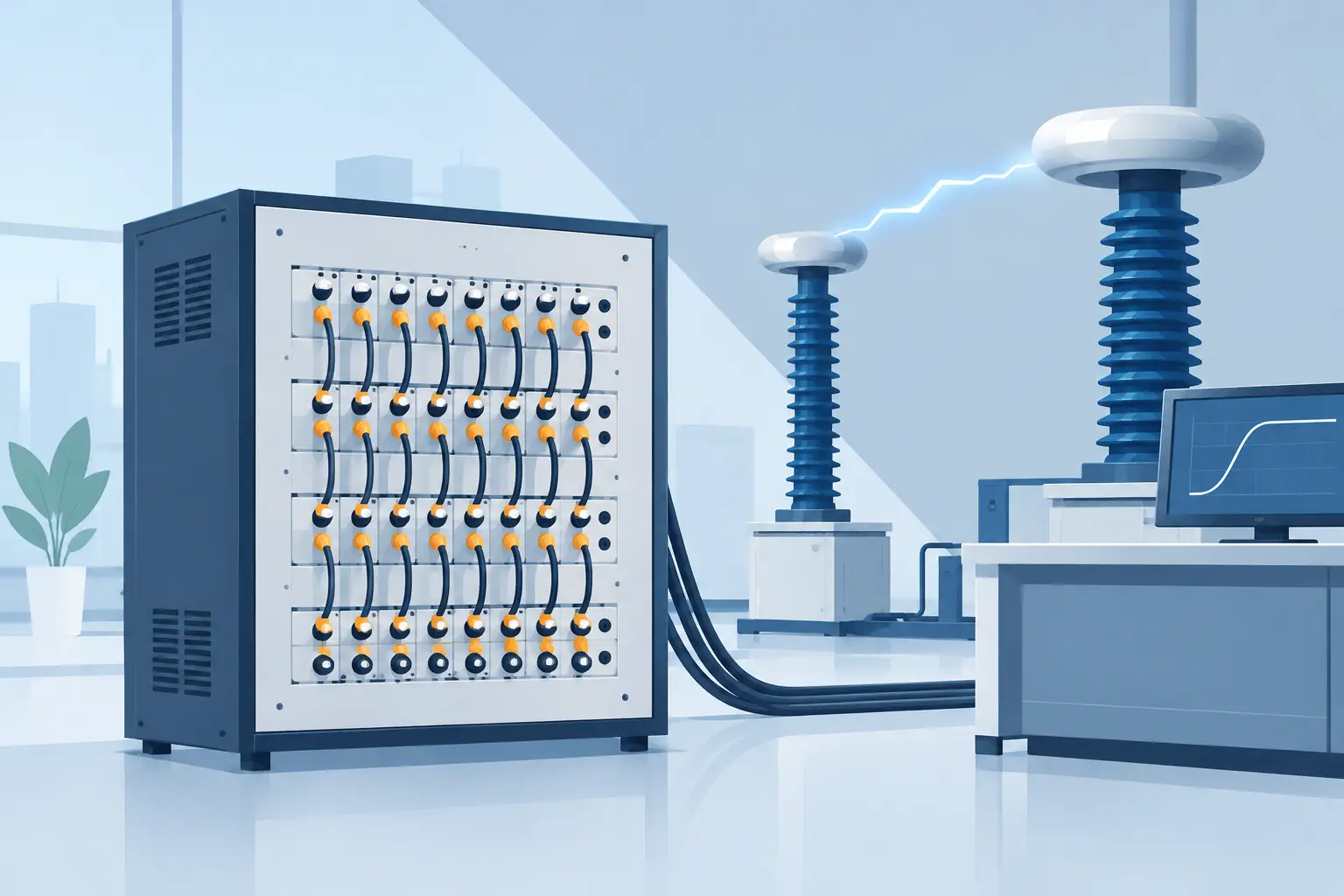
Defibrillator output verification requires equipment designed to absorb and measure high-energy pulses safely. The load, input rating, connectors, and cabling must be rated for the maximum energy and voltage the device can deliver. Operators should never improvise a load, substitute general-purpose measurement inputs, or handle paddles or electrode connectors during a charged or discharge-capable state.
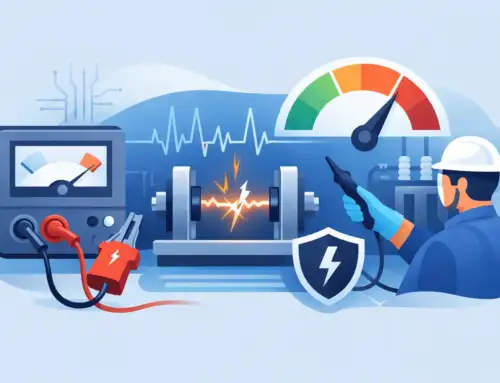
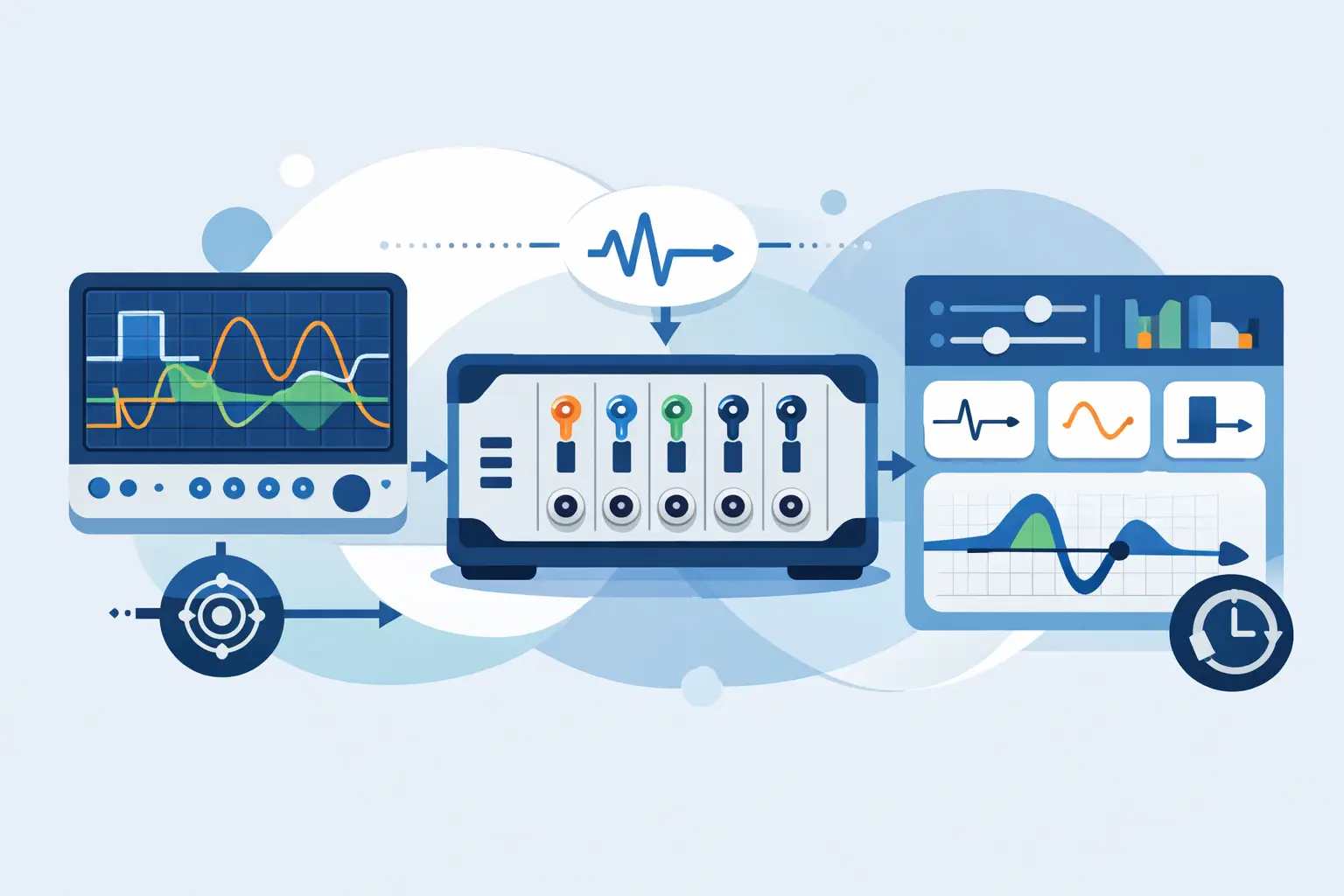
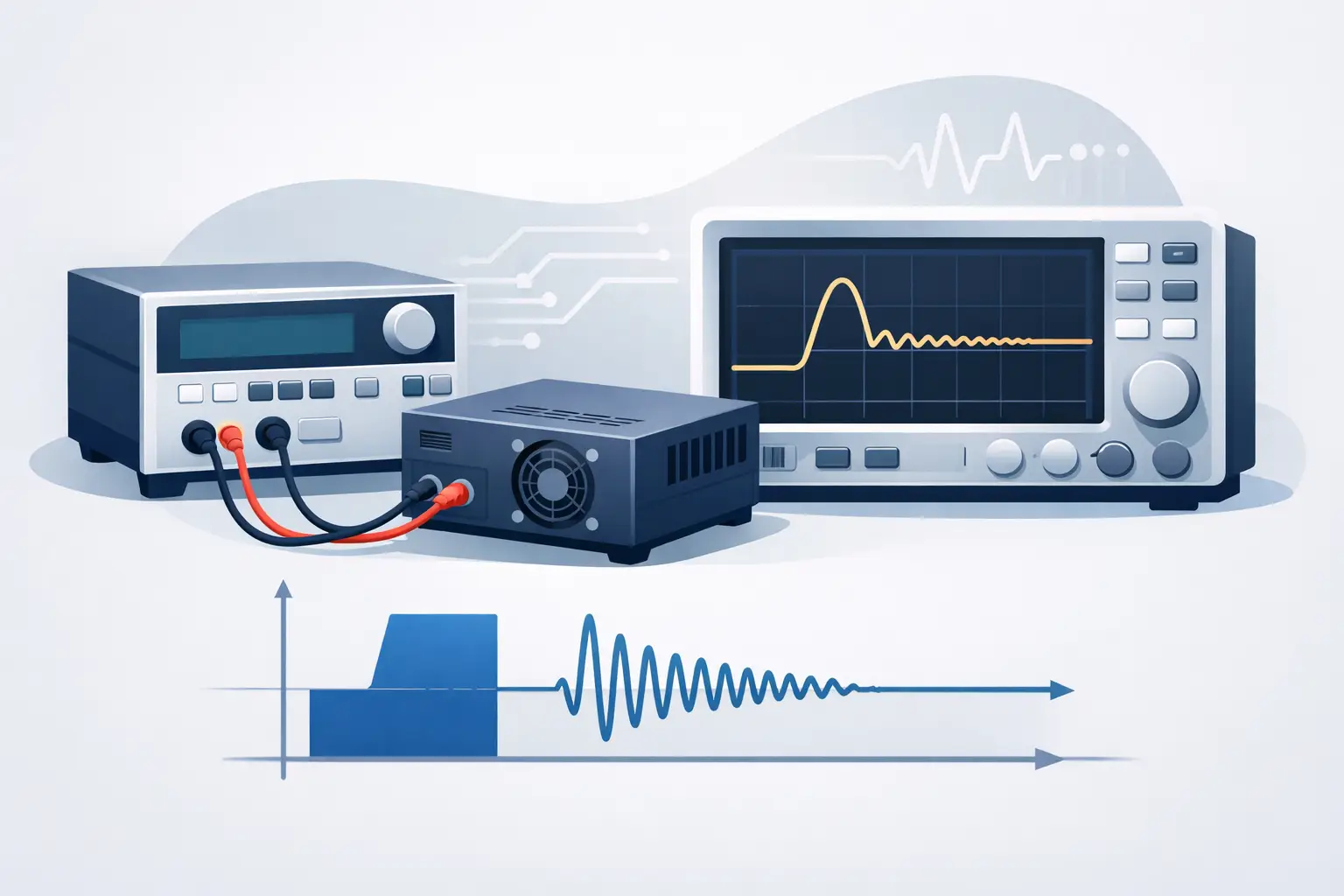
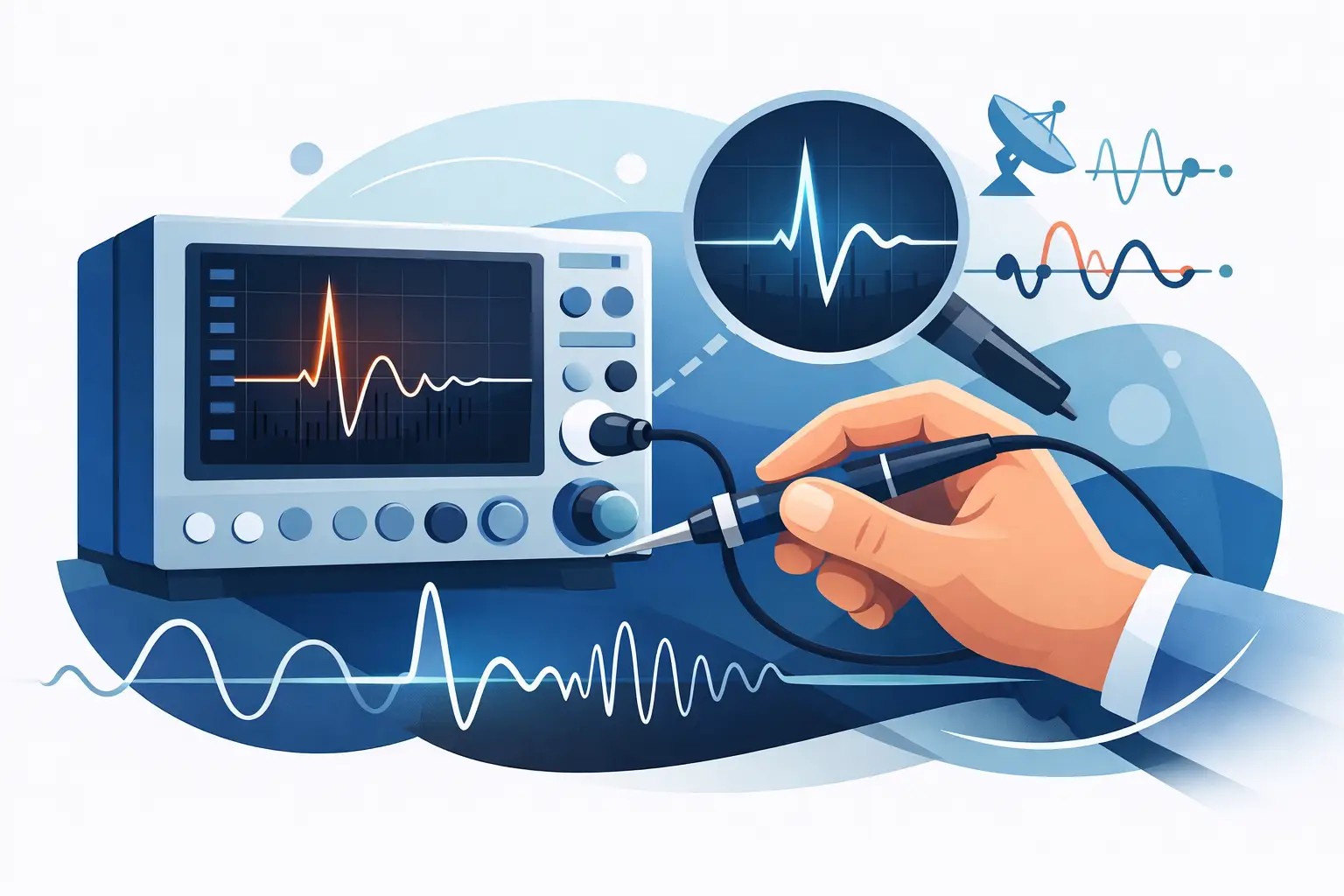
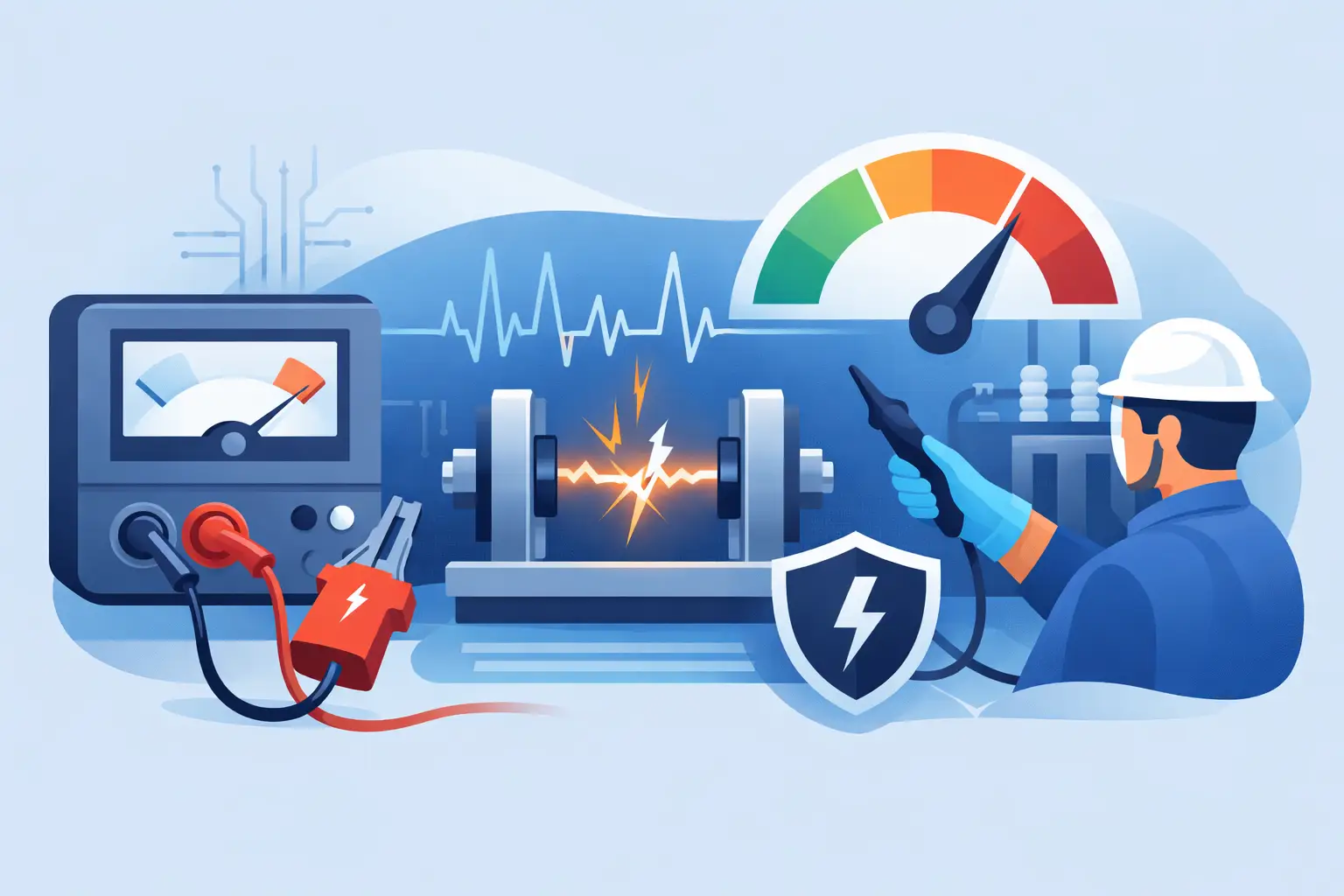
For each prescribed energy setting and applicable operating mode, verify delivered energy into the specified load. Depending on the device design and standard requirements, the protocol may also evaluate charge time, maximum available energy, charge indication, disarm behavior, automatic discharge, and synchronized cardioversion timing. Waveform capture can identify faults that a single energy number may miss, including abnormal pulse duration, polarity behavior, or decay characteristics.
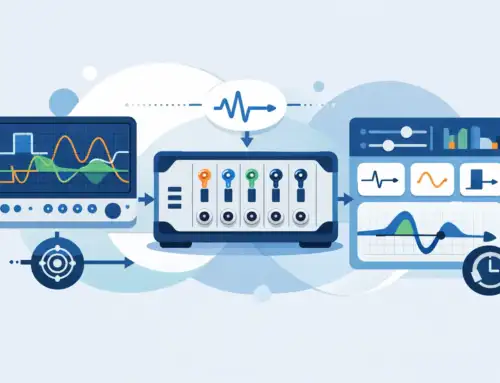
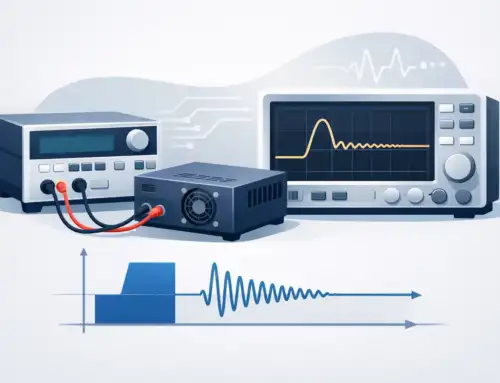
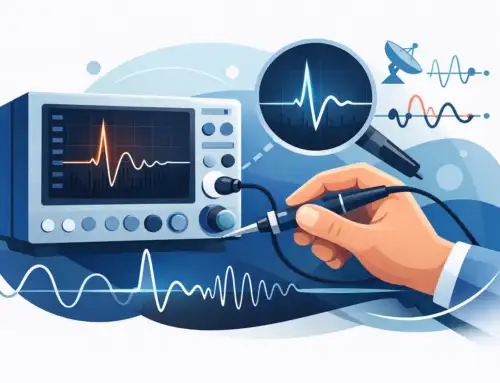
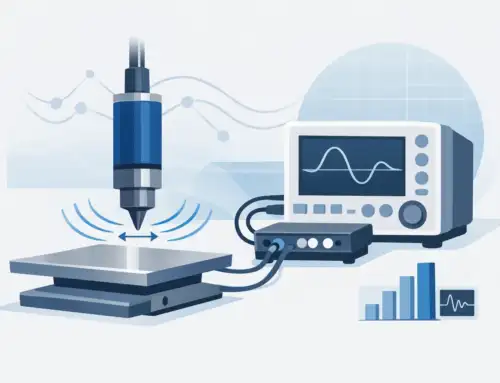
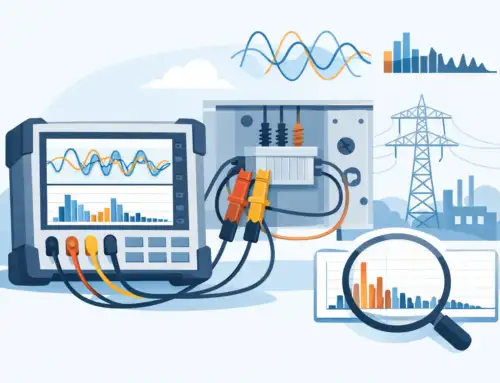
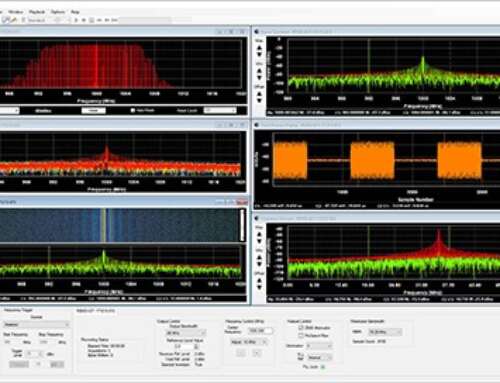
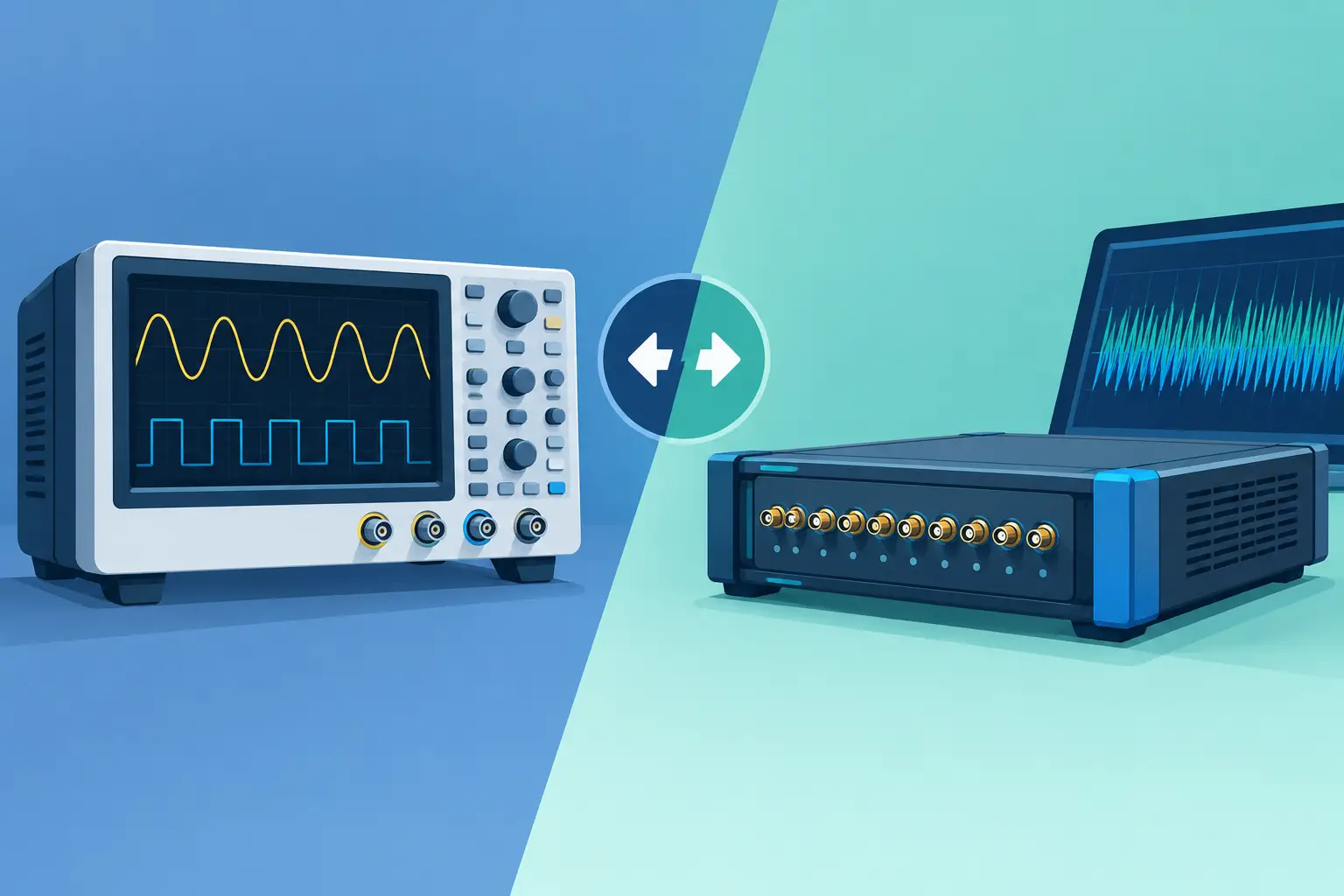
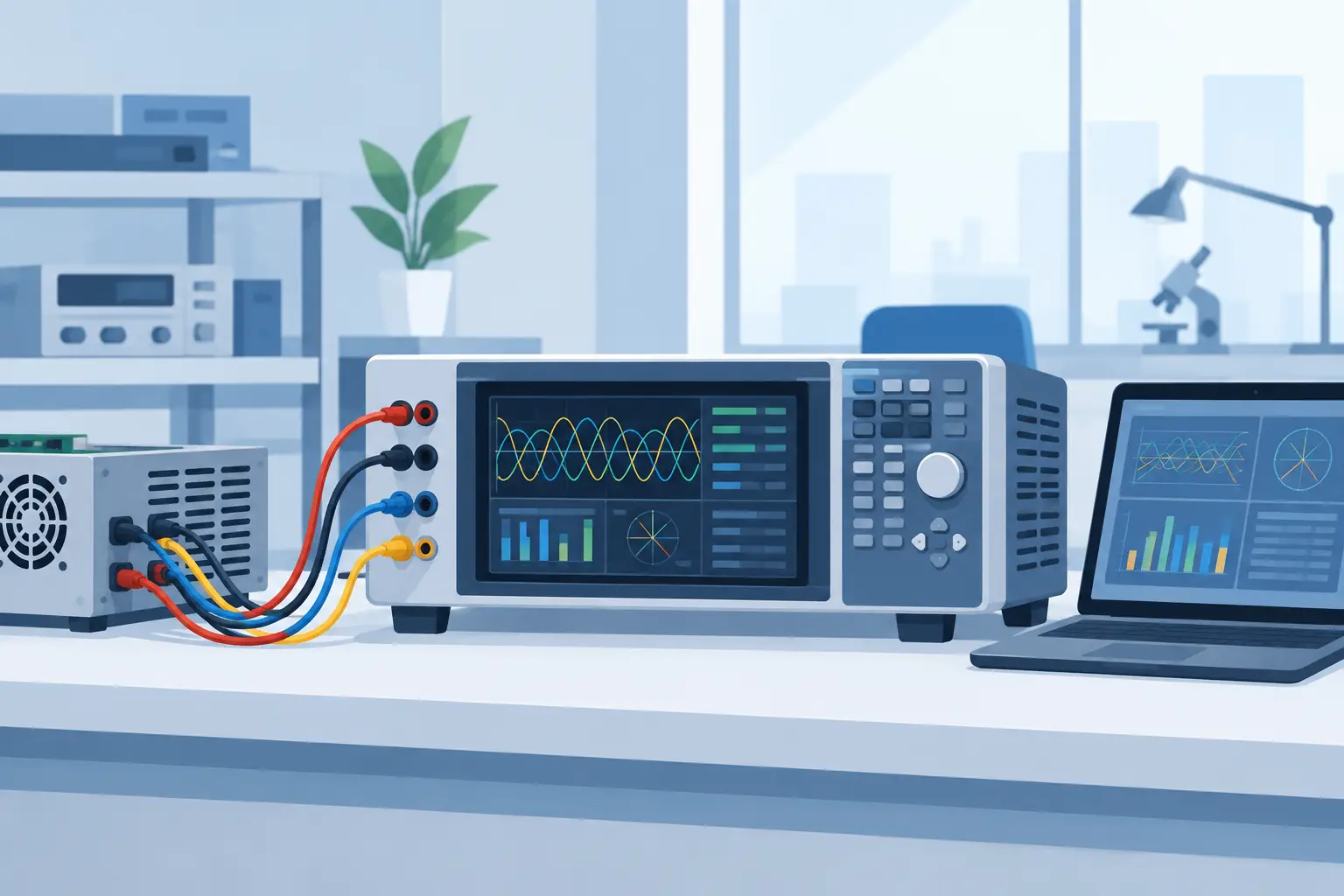
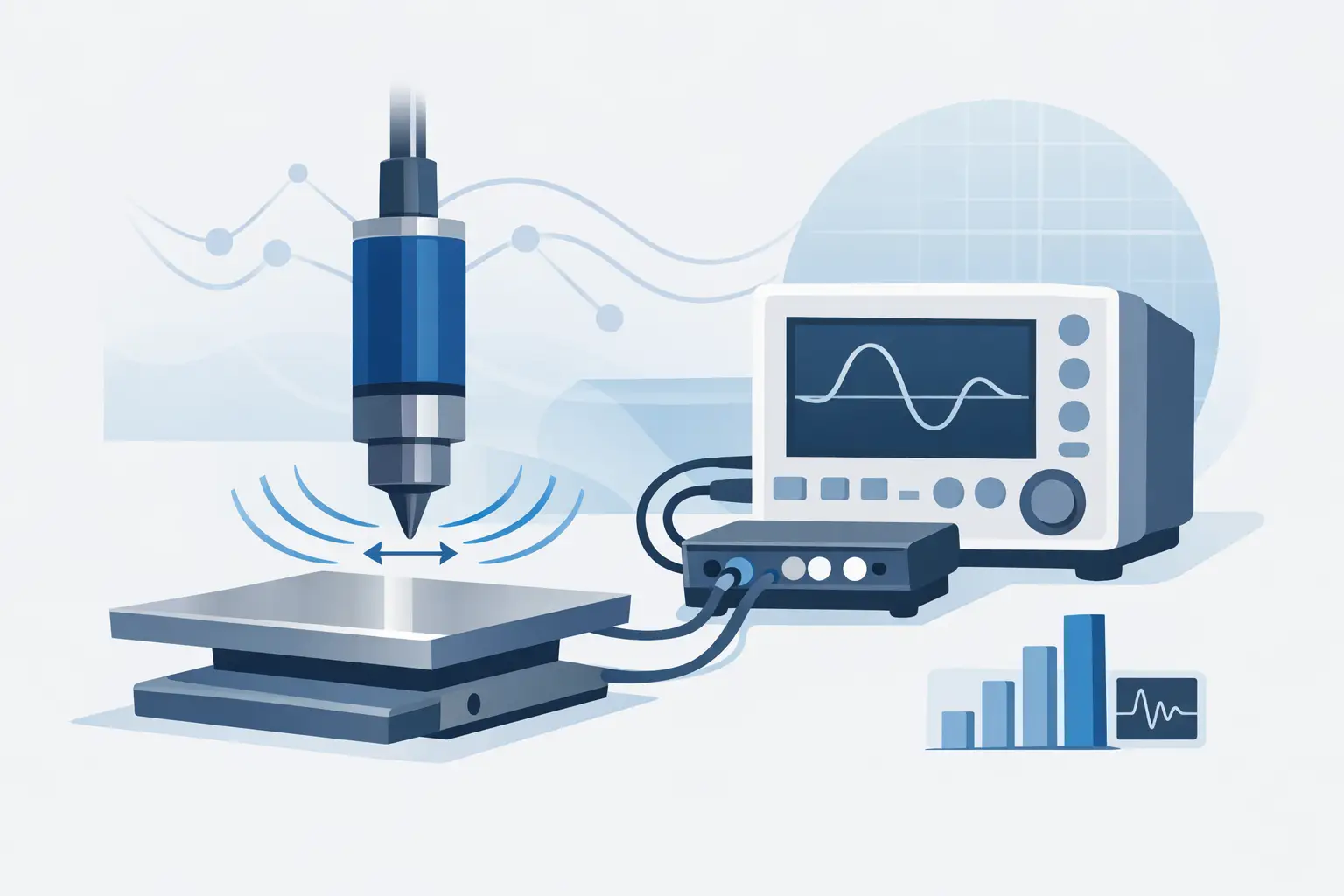
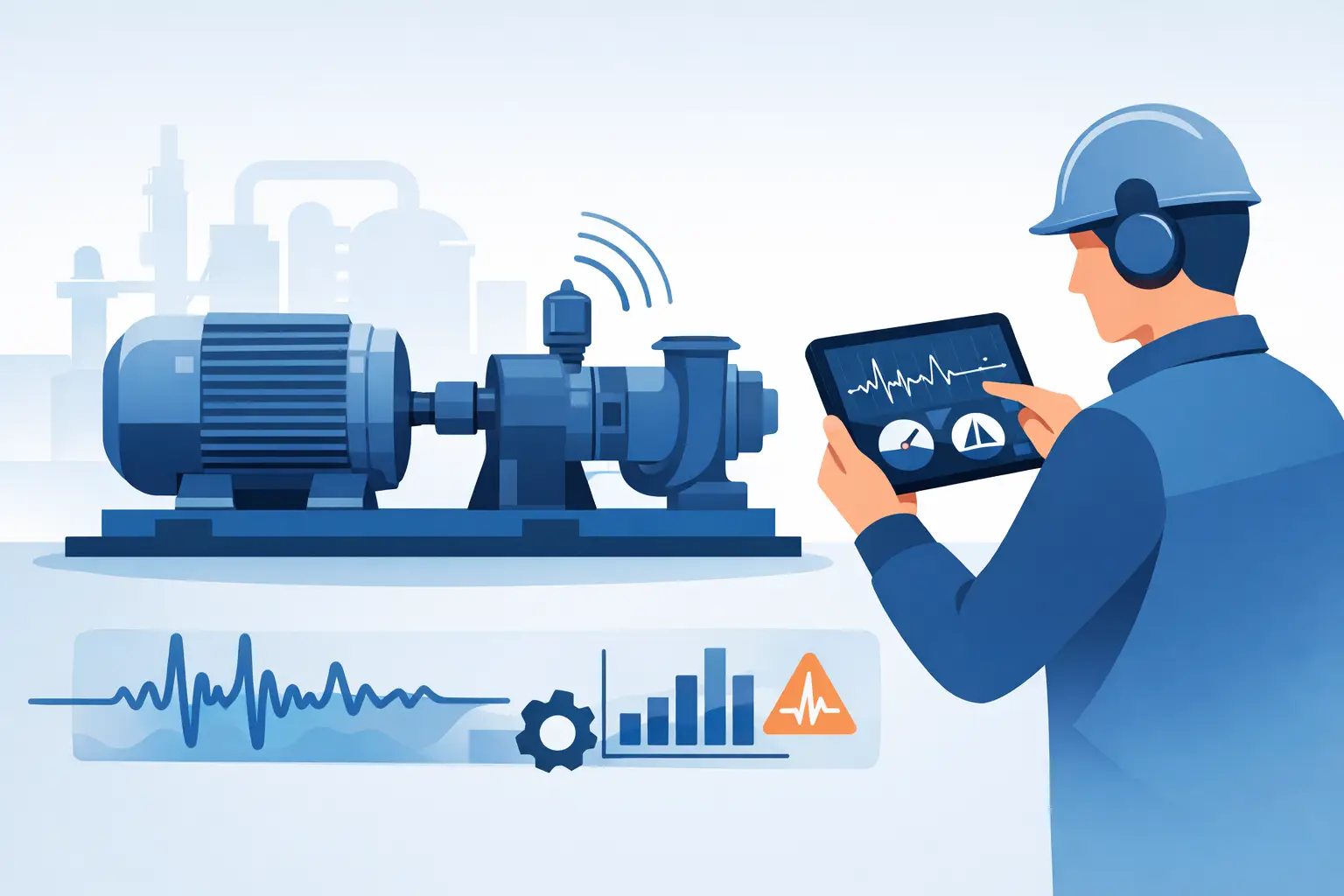
A high-voltage test system with adequate bandwidth, input range, and sampling capability provides more useful evidence than a pass/fail indication alone. Captured waveforms allow engineering teams to compare pulse shape across production lots, investigate intermittent switching faults, and establish trends before a unit fails a final limit.
Test Leakage and Isolation in Representative States
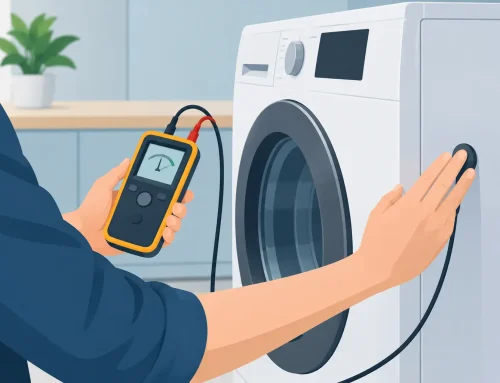
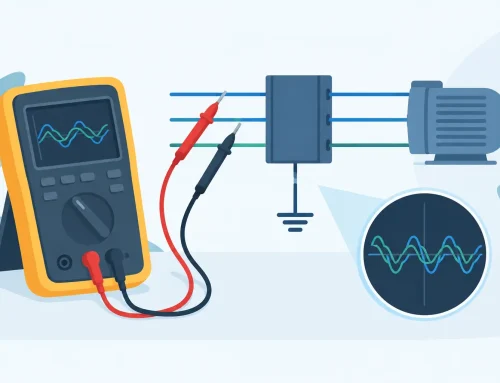
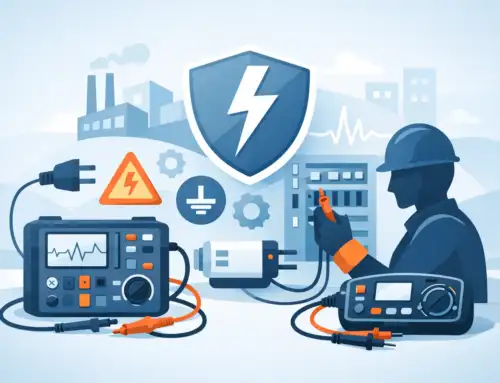
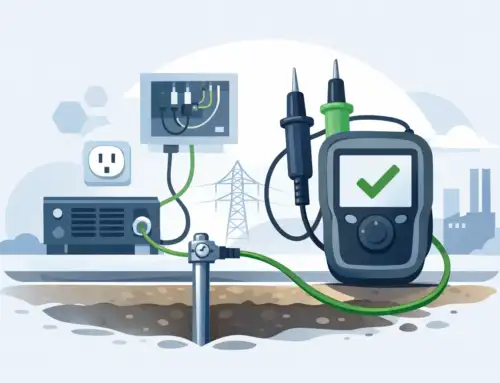
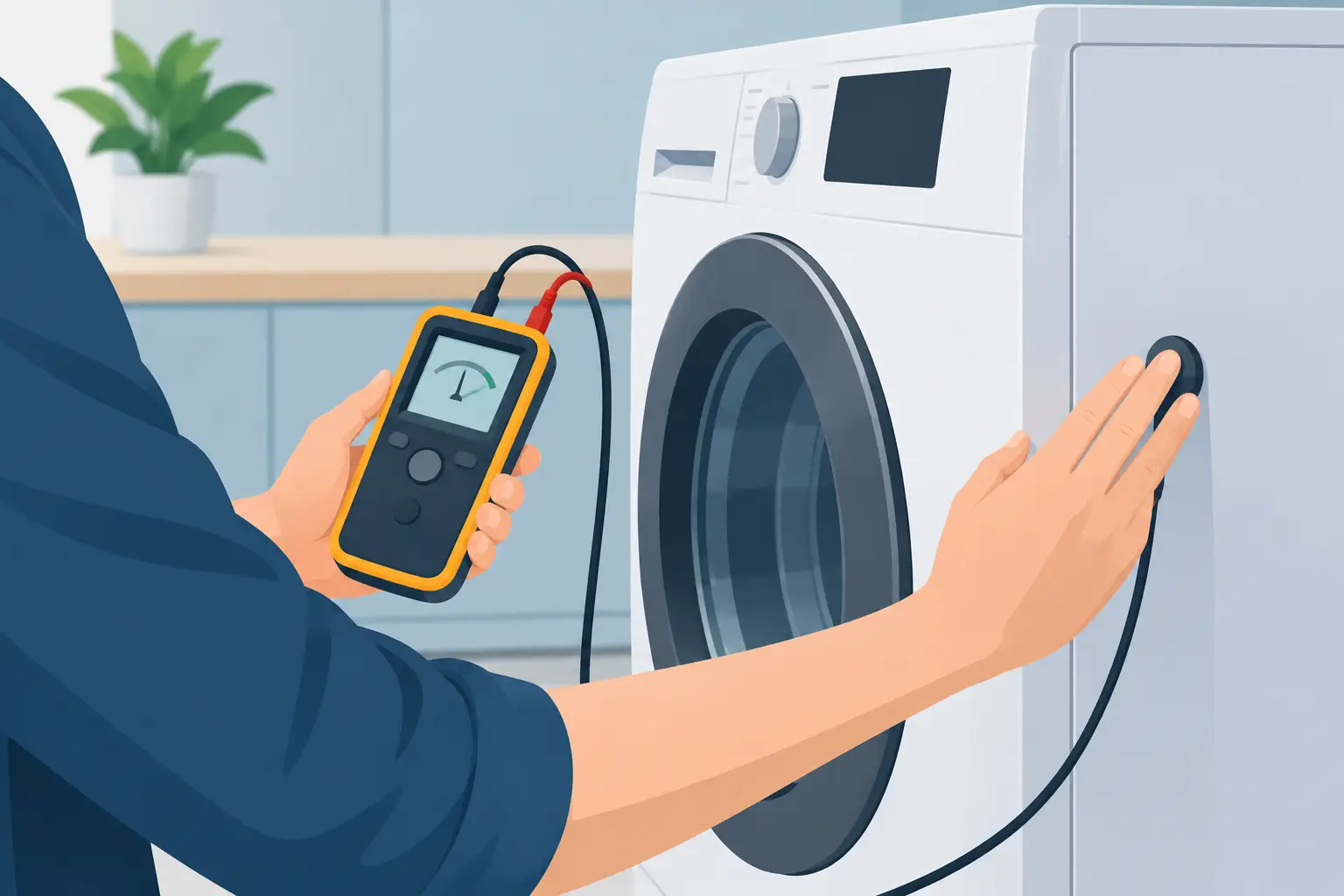
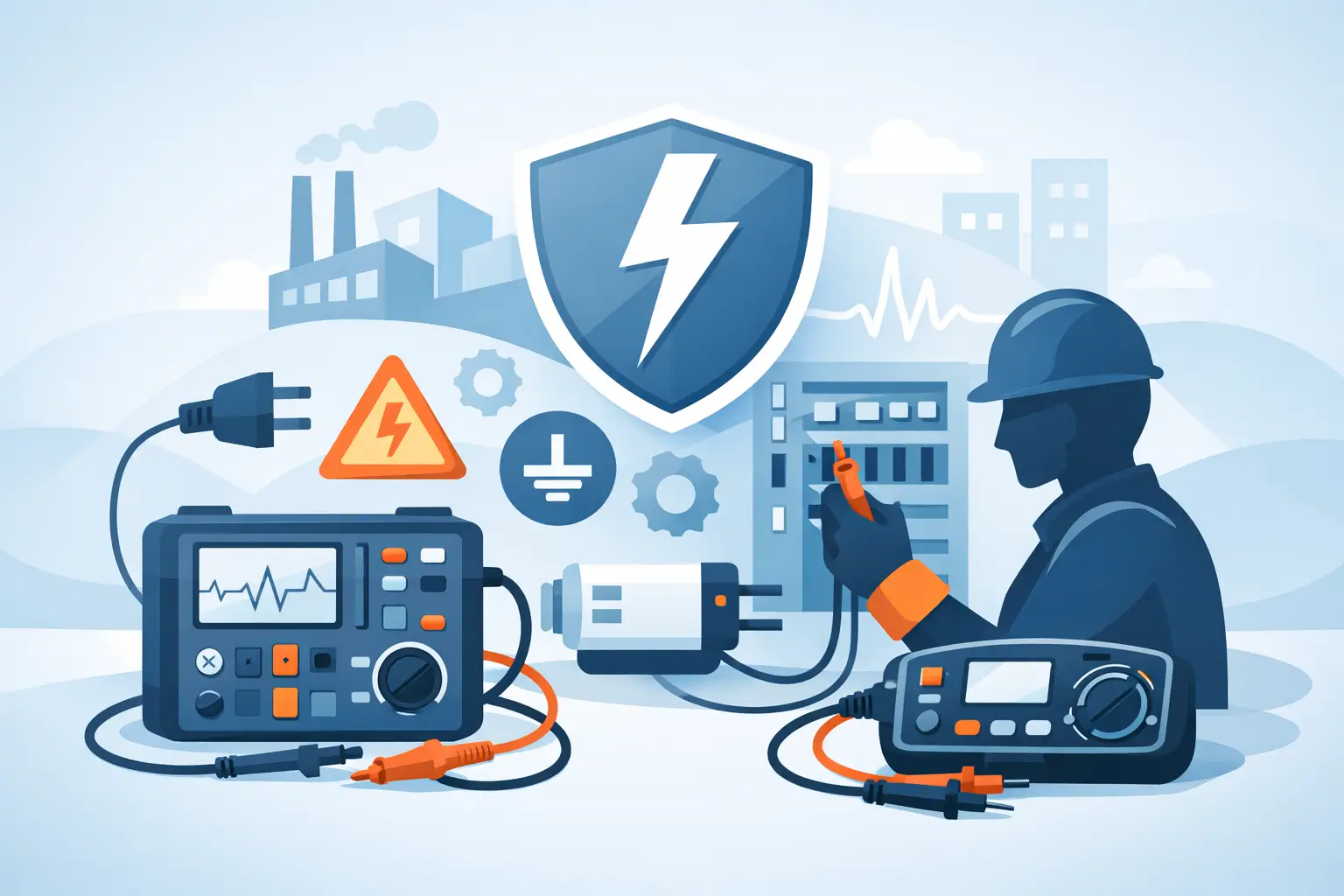
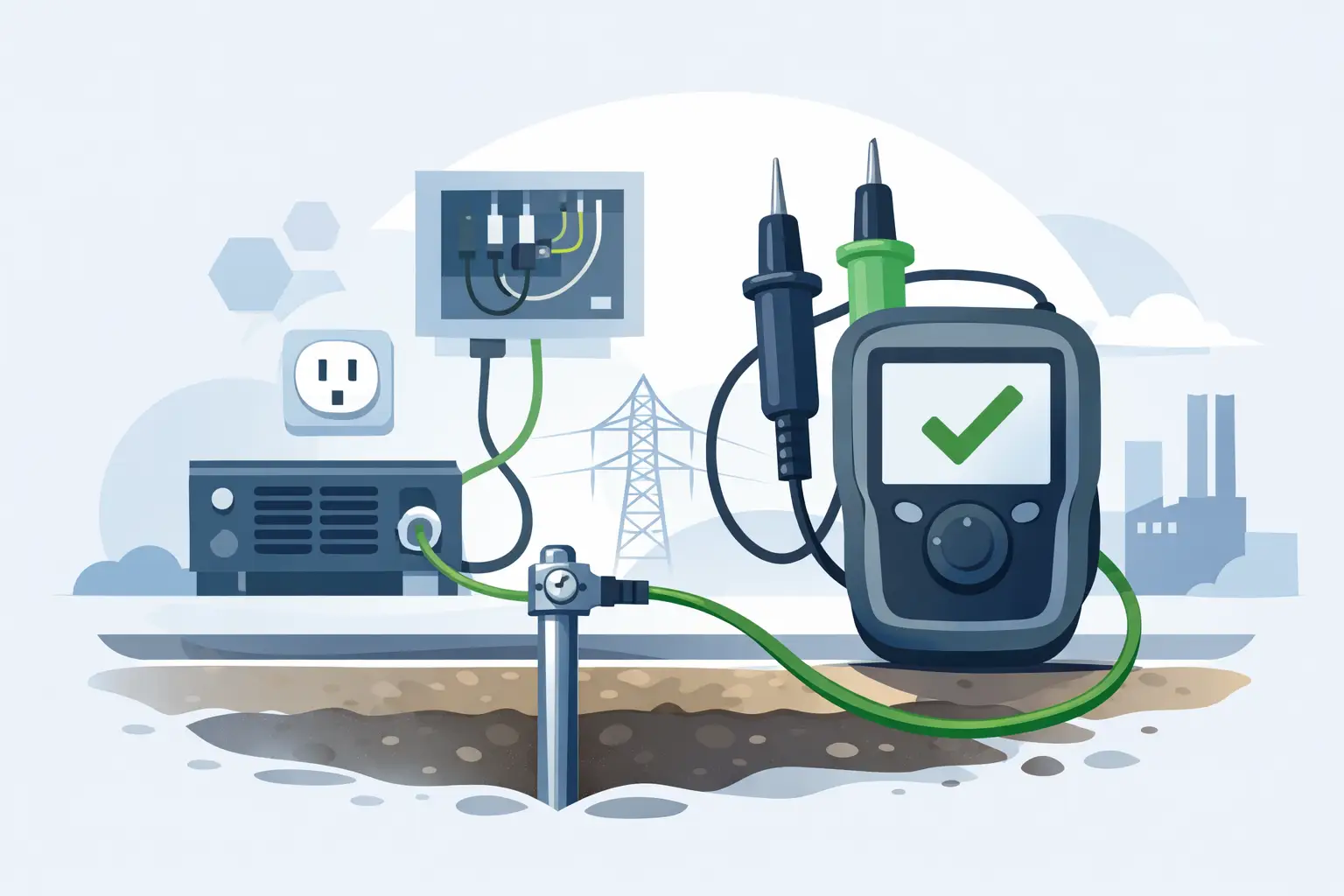
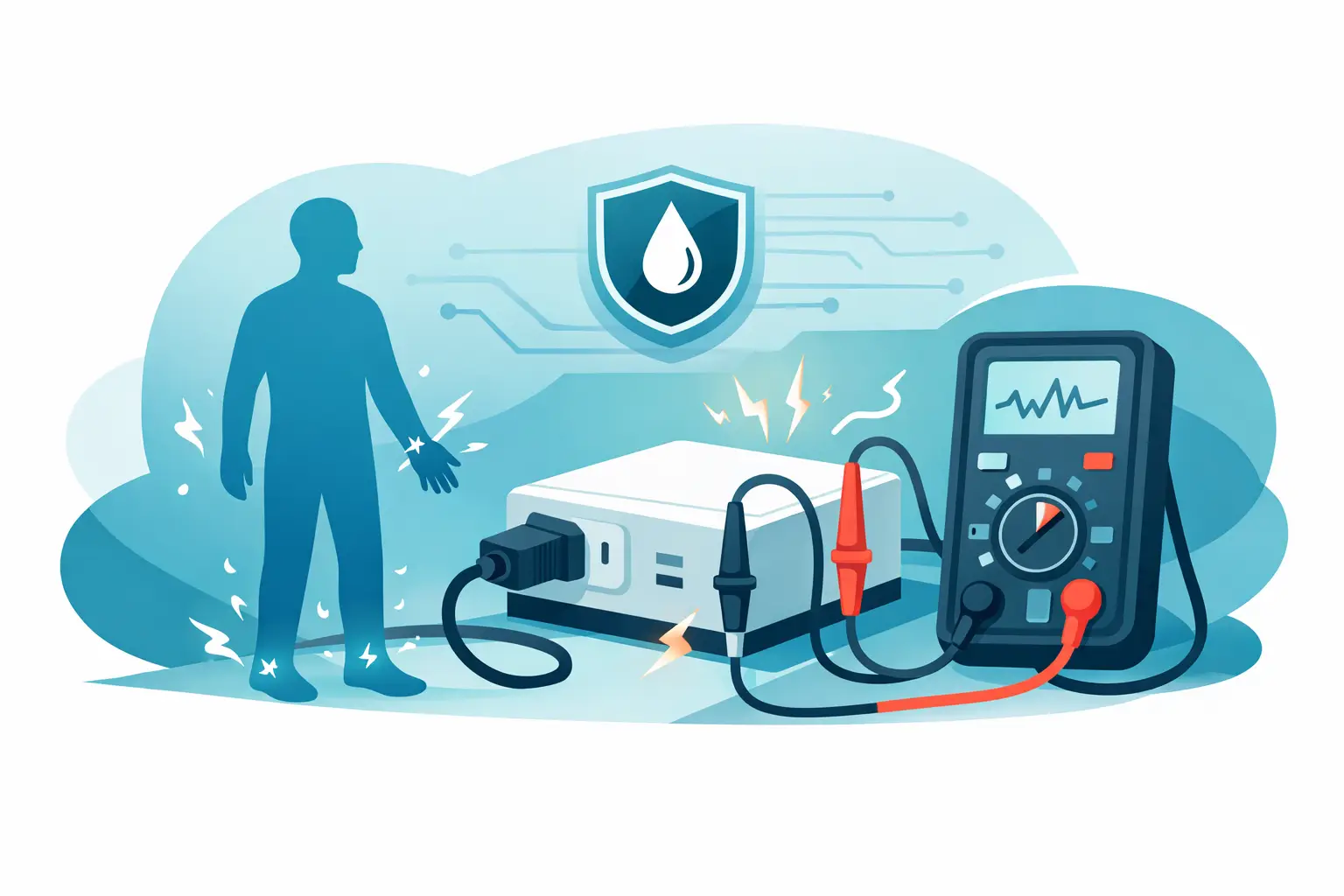
Leakage current results depend on the selected measurement network, supply configuration, applied-part configuration, polarity, and normal or single-fault condition. The protocol must define these conditions rather than treating leakage as one universal measurement. Protective-earth continuity should likewise be evaluated using the prescribed test current, test points, and acceptance criteria for the applicable standard.
Patient-connected circuits deserve particular attention. Defibrillators may use ECG electrodes, therapy pads, paddles, monitoring accessories, or interfaces connected to other equipment. The test configuration should represent the combinations that create credible exposure paths, including accessories and ports that may be present during therapy or monitoring.
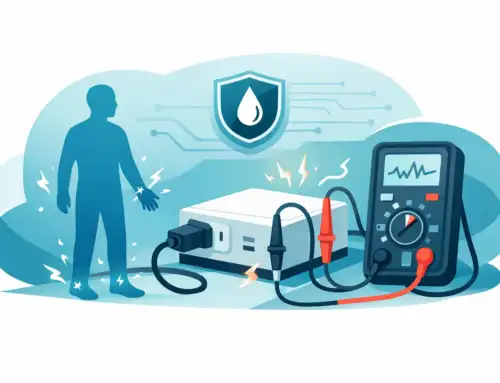
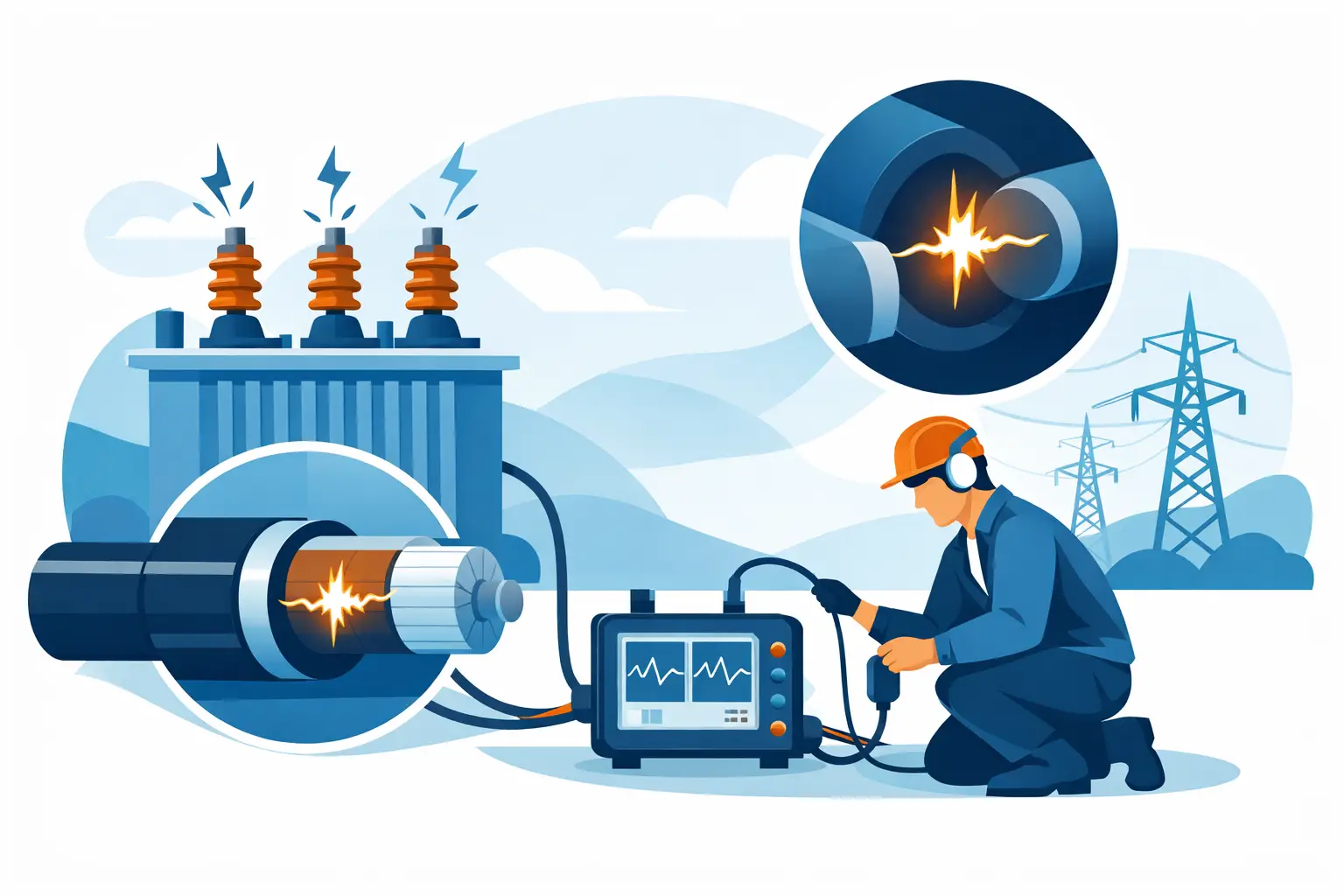
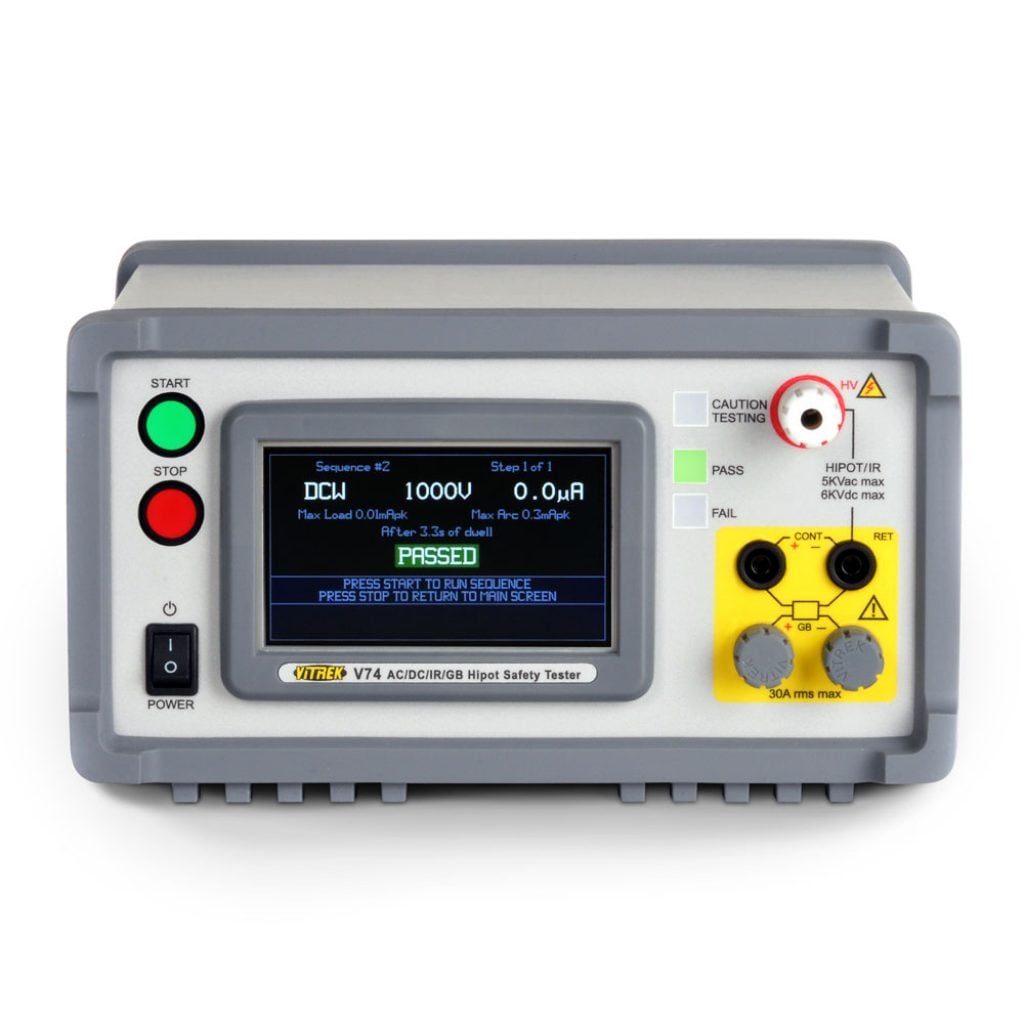
Dielectric withstand testing can reveal inadequate clearance, contamination, insulation damage, or assembly defects, but test voltage and duration must be selected carefully. Applying an arbitrary high voltage can damage sensitive circuits or create an invalid result. Follow the product specification and governing standard, and use a controlled instrument with current limits, ramping capability, clear failure indication, and repeatable settings.
Control the Test Environment and Operator Risk
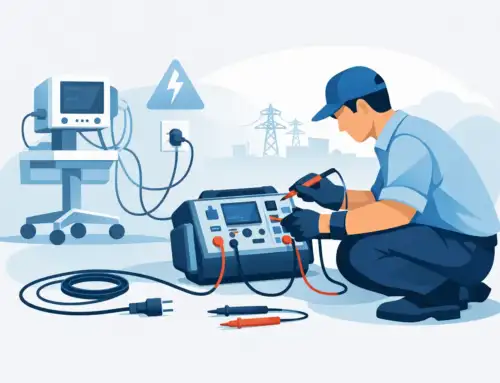
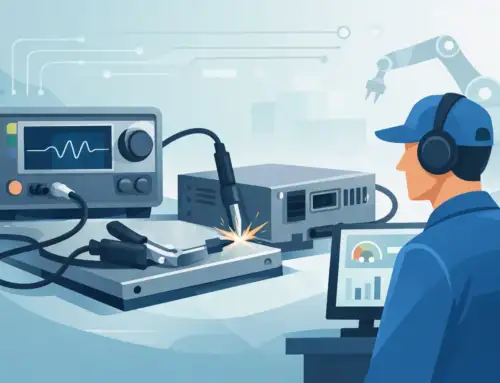
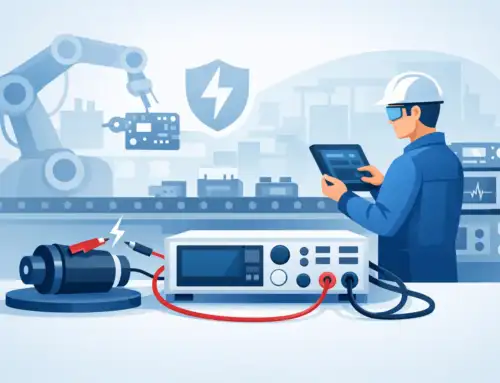
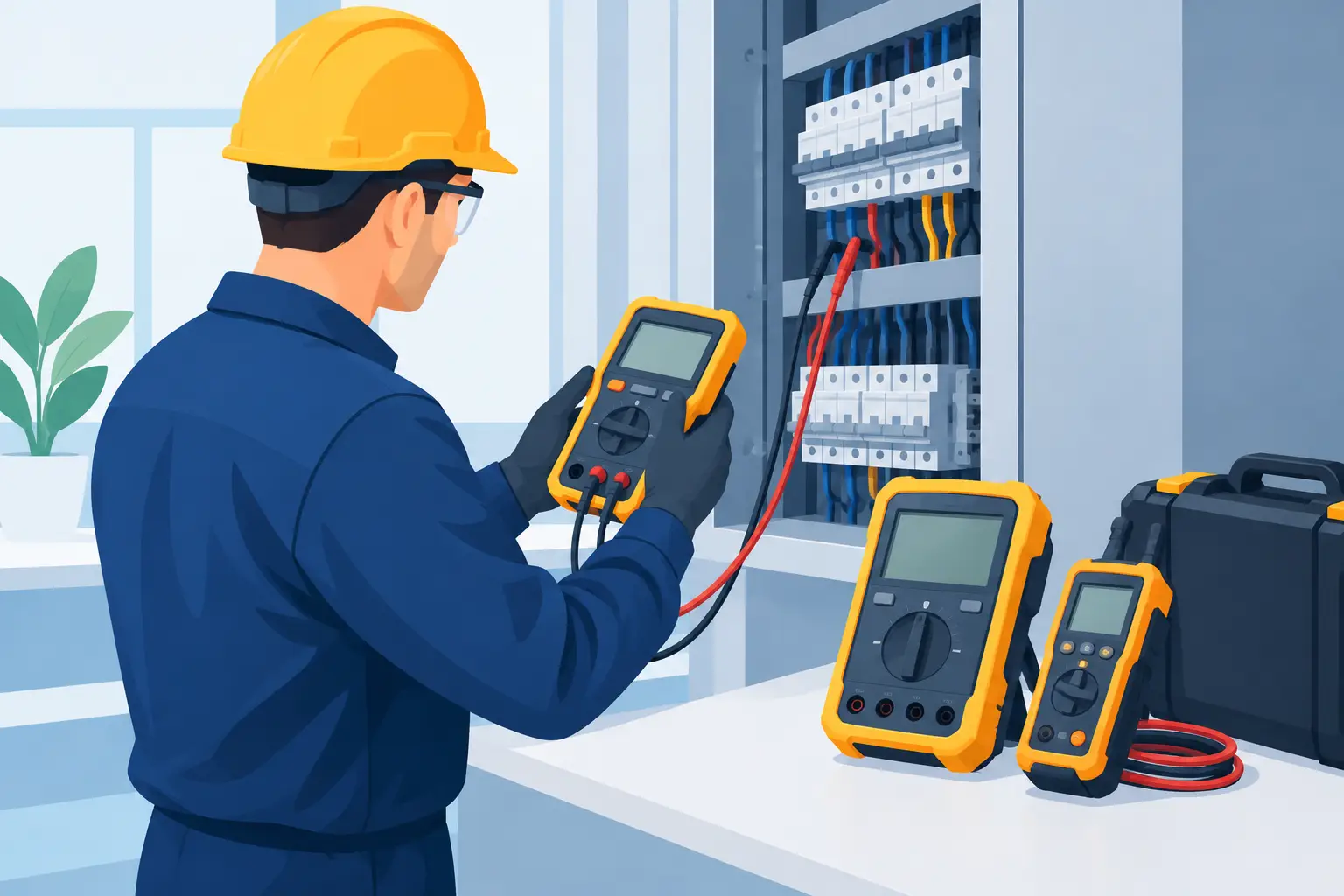
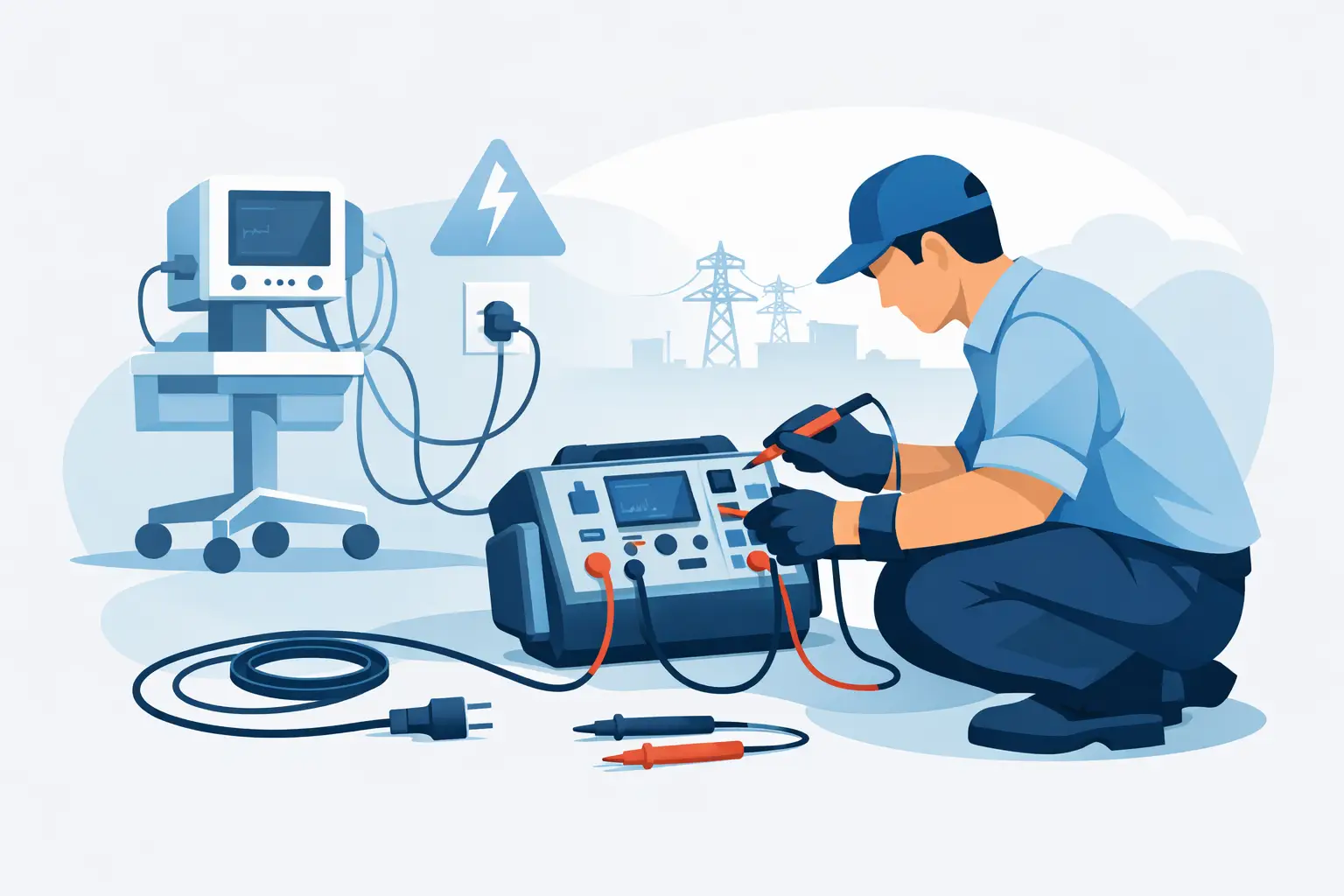
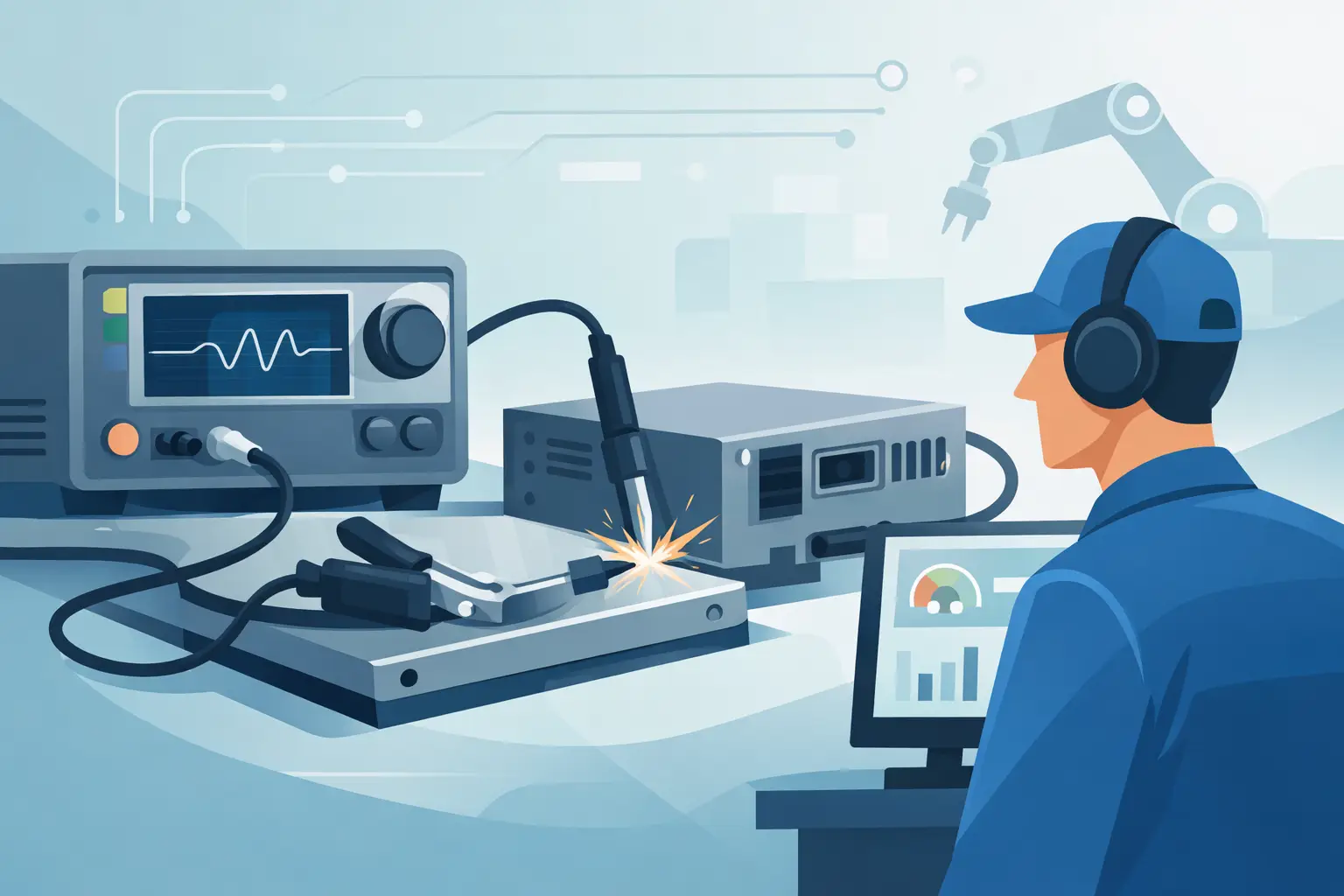
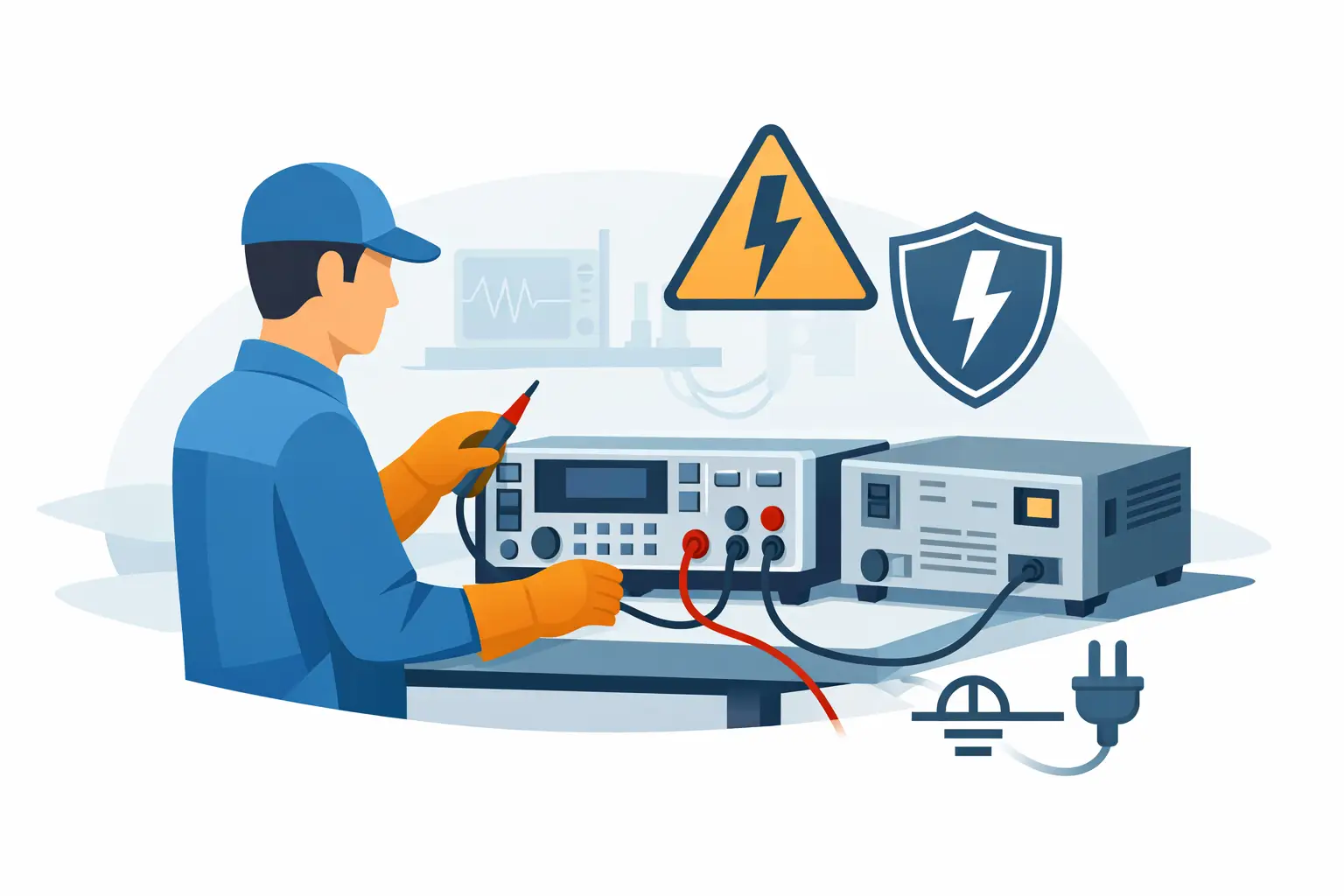
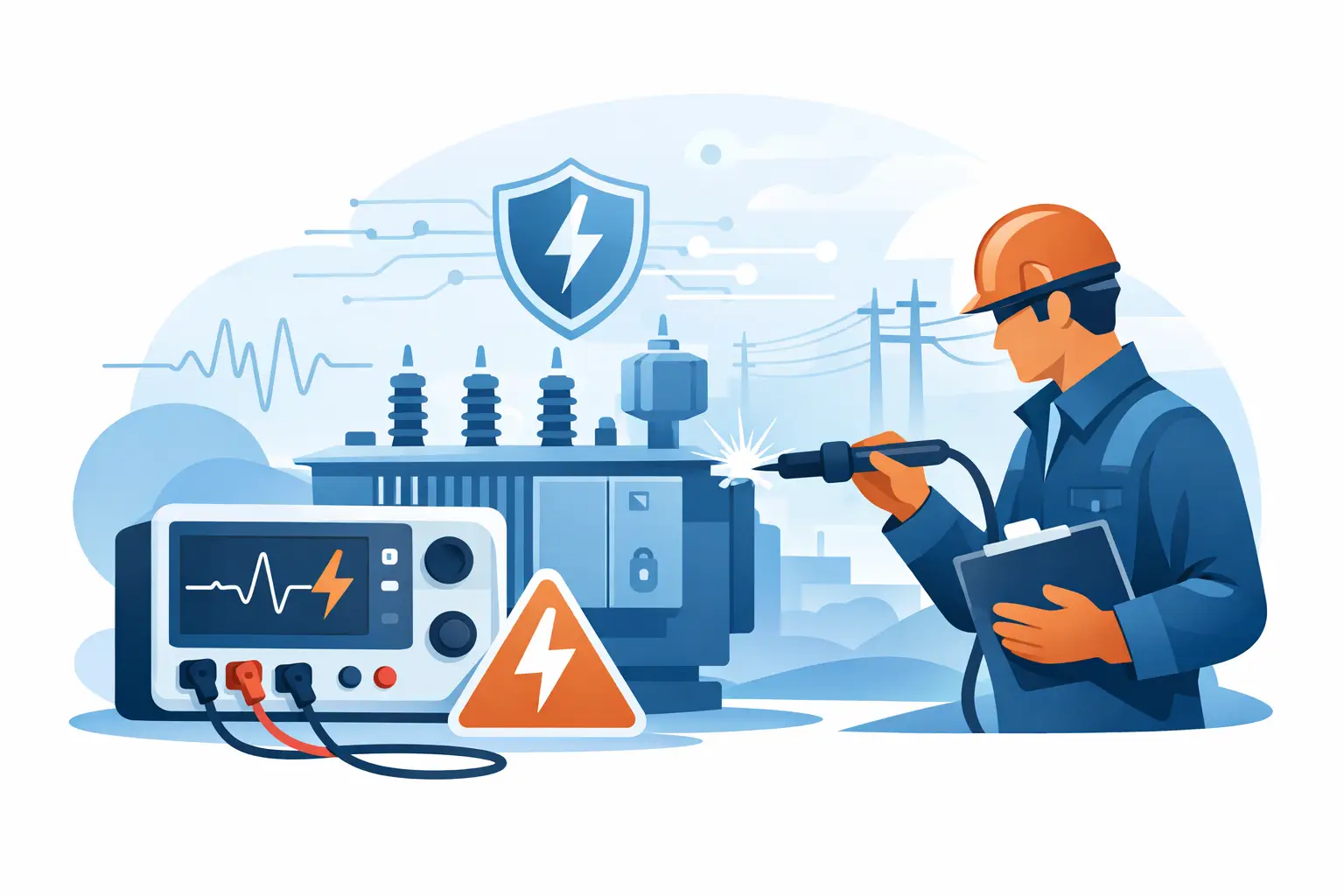
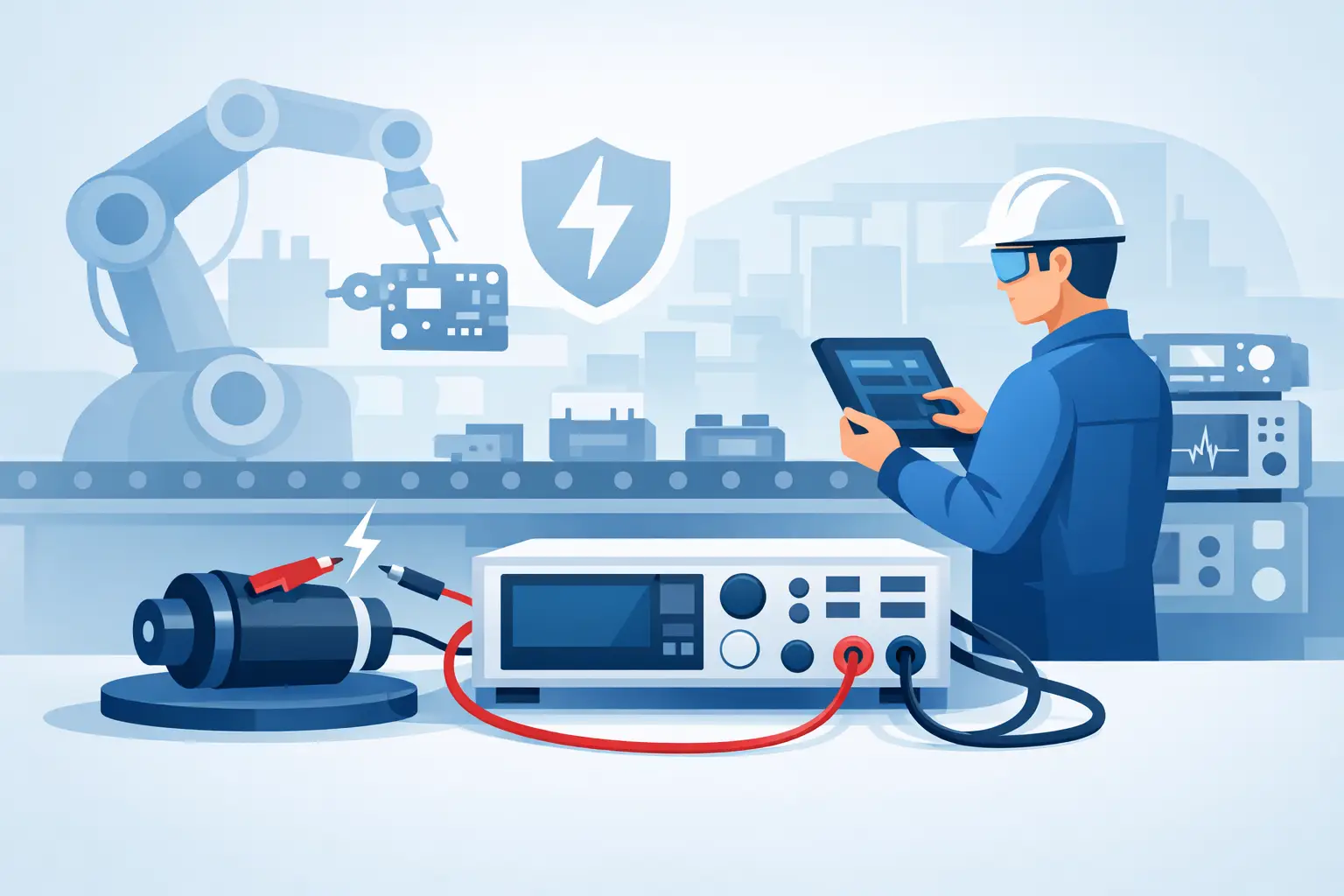
A defibrillator safety station should be engineered as a controlled high-voltage work area, not assembled temporarily at a bench. Clearly marked connections, guarded discharge interfaces, emergency-stop provisions where appropriate, and defined access boundaries reduce the opportunity for operator error.
Before testing, confirm that the energy analyzer or load is connected, that the device is in the intended mode, and that all required patient connections are routed to their specified fixtures. After a failed or interrupted charge cycle, follow the device procedure for disarming and verifying stored-energy removal. A device may retain hazardous energy after a test sequence appears complete.
Test automation can improve repeatability, particularly in production environments, but it does not eliminate the need for interlocks and fail-safe logic. Automated fixtures should prevent an output discharge unless the correct load path is verified. They should also record the selected test recipe, serial number, measured values, operator identity when required, and instrument status.
Use Measurement Systems That Support the Required Uncertainty
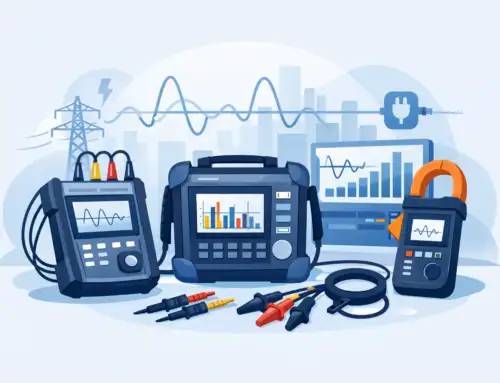
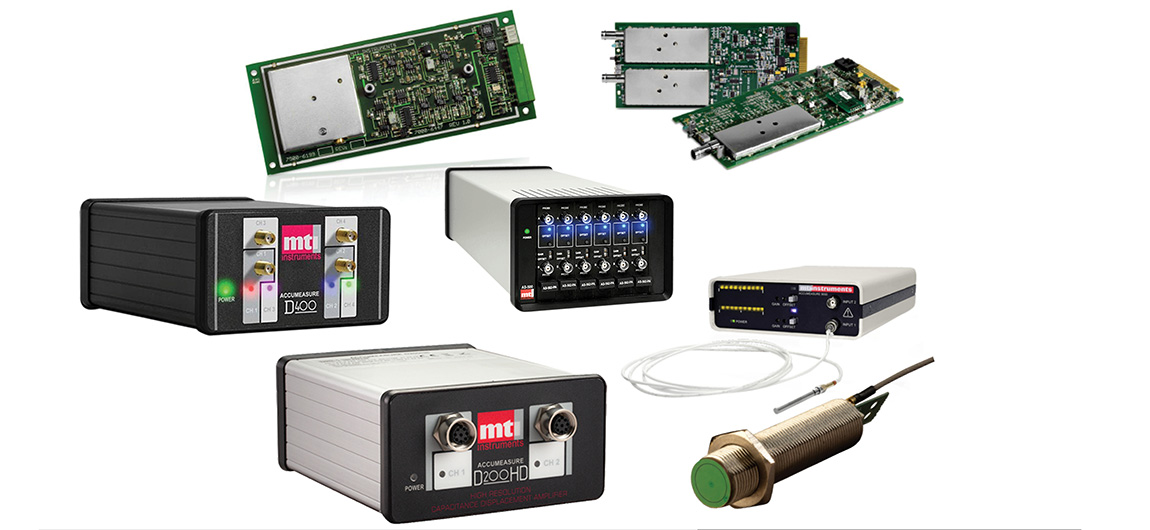
The value of a test result depends on confidence in the measurement system. For energy and waveform measurements, consider instrument accuracy, bandwidth, sampling rate, load tolerance, trigger repeatability, and the effect of cabling and fixture parasitics. For electrical safety measurements, consider test-source capability, measurement resolution, settling time, and the instrument’s ability to execute the intended standard-specific sequence.
Calibration traceability is equally practical. If a unit fails near a specification limit, the test team needs to know whether the condition is a product defect, a fixture issue, a changed accessory, or a measurement-system error. Current calibration records, controlled fixtures, and documented verification checks shorten that investigation.
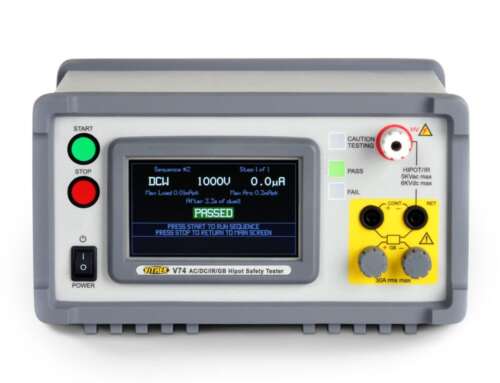
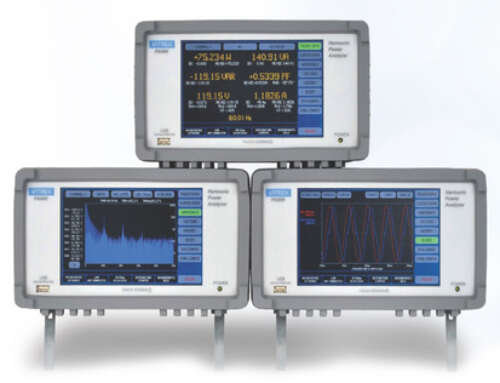
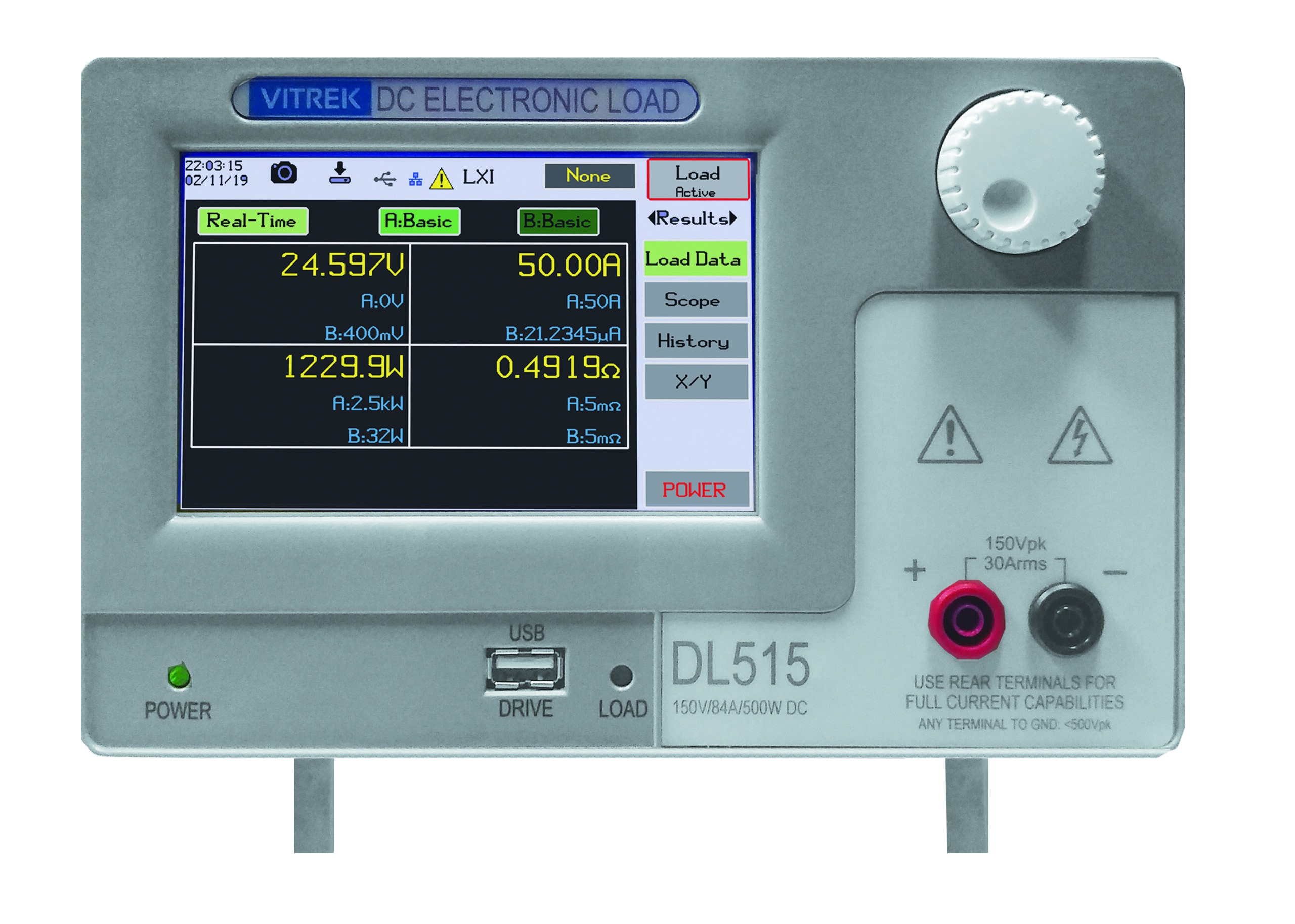
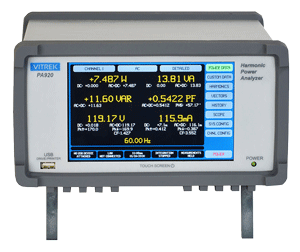
Vitrek high-voltage measurement and electrical safety test solutions can support controlled, repeatable verification where a standard test sequence must be combined with engineering-grade measurement data. The right configuration still depends on the defibrillator’s voltage range, output architecture, production volume, and required level of automation.
Build Records That Make Results Actionable
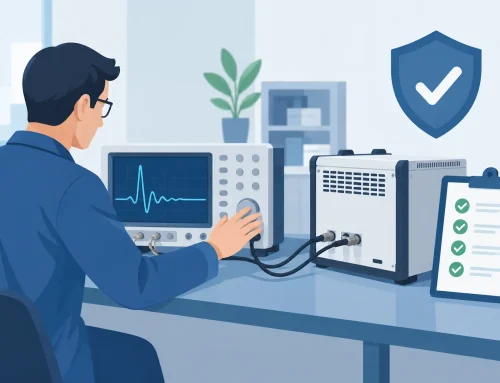
A pass/fail result alone rarely provides enough value for a safety-critical medical device. Store the measured value, limit, test condition, instrument configuration, firmware revision, serial number, and timestamp. For output tests, retain waveform data or a defined waveform summary when it is relevant to the product requirement.
When a failure occurs, isolate the result before retesting. Repeated testing without a documented disposition can conceal intermittent faults or expose a compromised unit to further stress. A disciplined process distinguishes a test-system anomaly from a product nonconformance and preserves the evidence needed for corrective action.
The most effective medical defibrillator safety test is not simply the fastest sequence that produces a green indicator. It is the controlled process that shows, with defensible measurements, that the unit can deliver therapy as intended while protecting the patient, operator, and service team.