
Introduction
Modern aircraft engines are no longer dependent solely on discrete analog sensors for critical performance data. Increasingly, vibration amplitudes, phase information, and engine speed are transmitted digitally through aircraft data buses such as ARINC 429 and ARINC 664 Part 7 (AFDX).
Yet in many MRO environments, balancing systems continue to rely on accelerometers and tachometer pickups—introducing additional setup time, cabling complexity, and potential variability in measurements. This disconnect between available digital data and traditional measurement approaches creates inefficiencies, particularly for facilities servicing multiple aircraft platforms.
For organizations supporting a diverse fleet, the opportunity is clear: leverage the aircraft’s native digital data to streamline balancing workflows without sacrificing accuracy or flexibility.
Across modern fleets, digital engine data is already available through standardized buses:
- CFMI LEAP (A320neo / 737 MAX) — ARINC 429
- Pratt & Whitney PW1500G (A220) — ARINC 429
- GE GEnx (787) — AFDX
- Rolls-Royce Trent XWB (A350) — AFDX
The Challenge
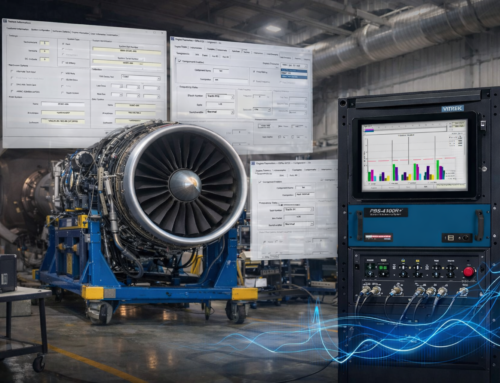
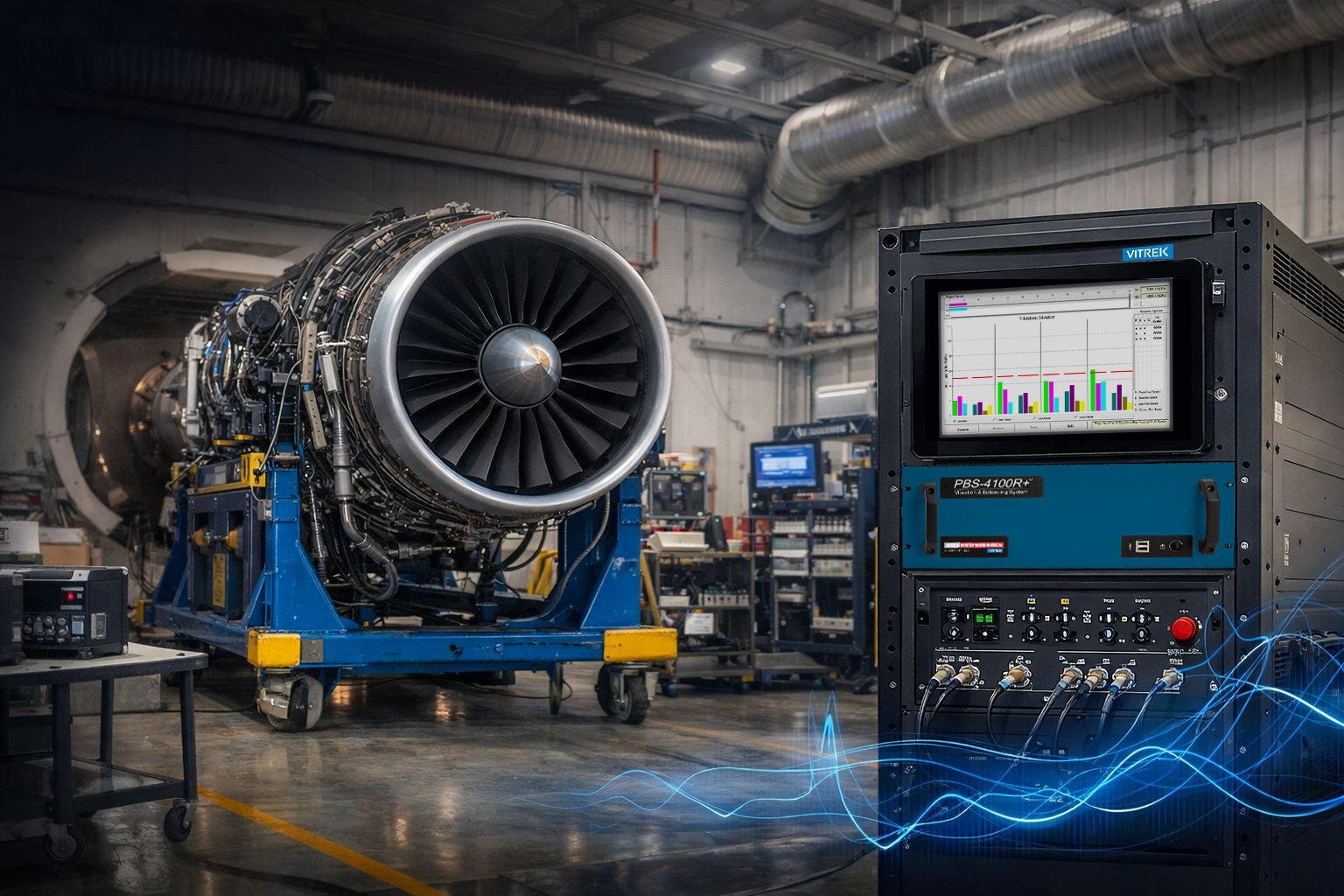
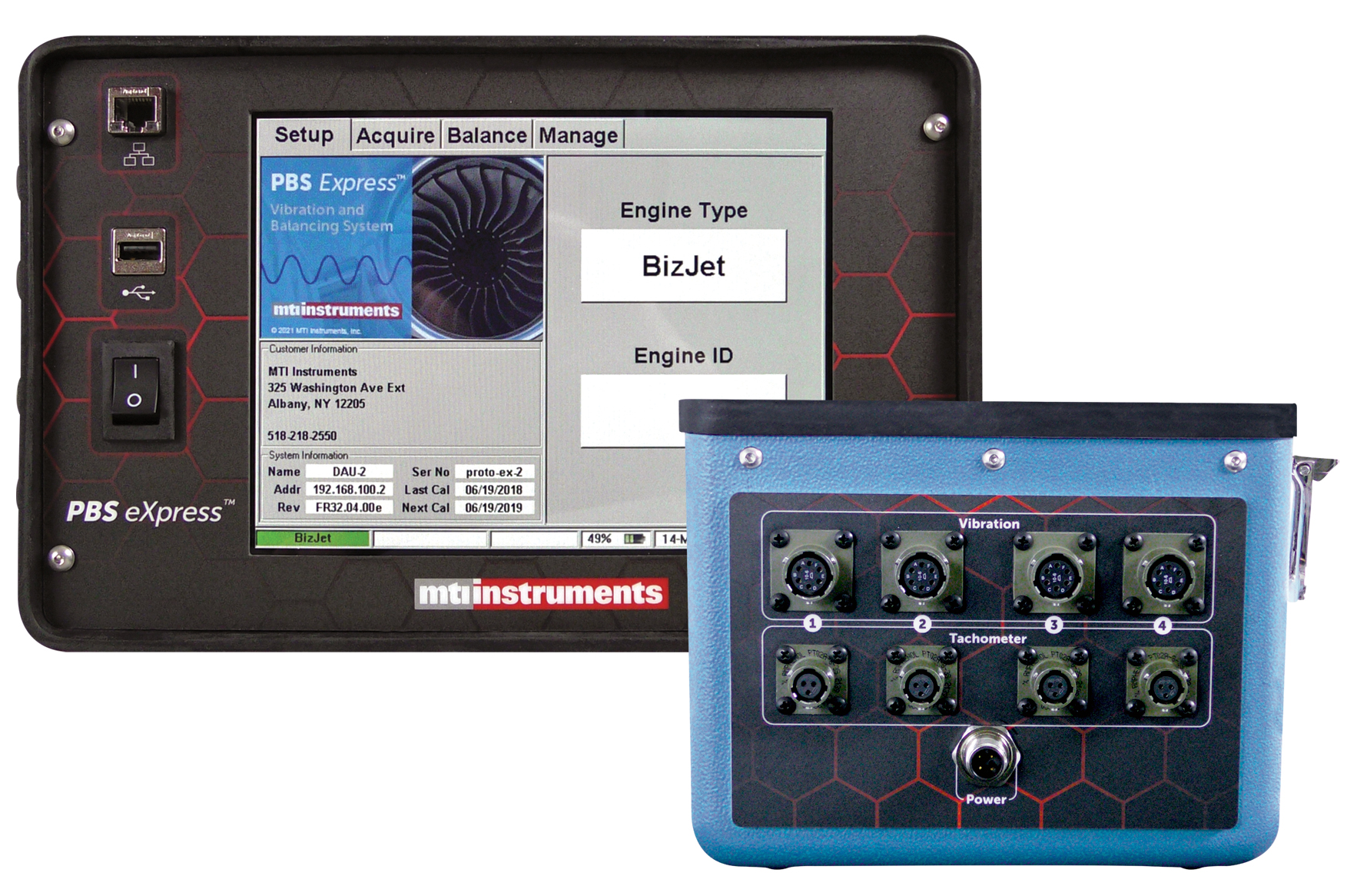
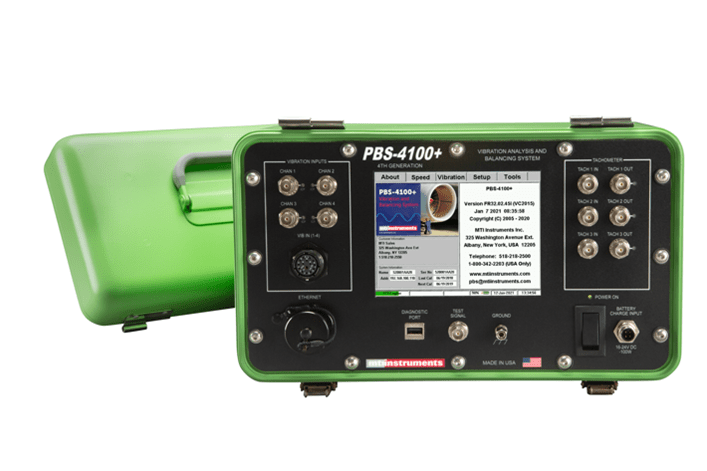
A large global engine MRO facility sought to modernize its balancing process using the PBS 4100 platform. While the system delivered proven
accuracy with analog inputs, the customer recognized that newer aircraft were already generating the required vibration and speed data internally.
The challenge was not simply accessing this data—it was doing so across multiple OEM platforms while preserving operational flexibility. The solution needed to support different communication protocols, allow simultaneous use of analog and digital inputs, and avoid disrupting established technician workflows.
Without this capability, technicians were forced to continue installing sensors even when equivalent data was already available onboard,
increasing turnaround time and labor requirements.
Vitrek Solution
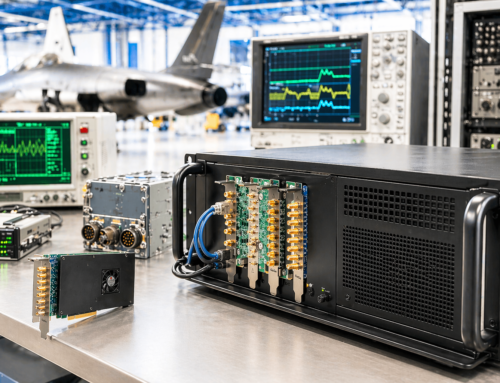
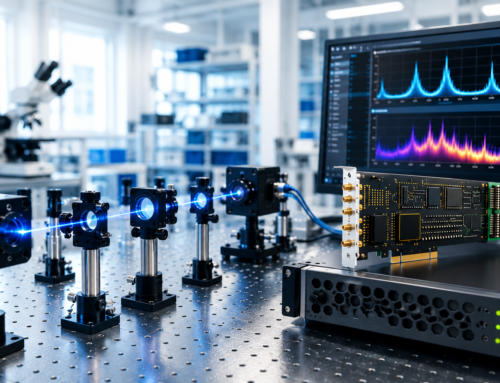
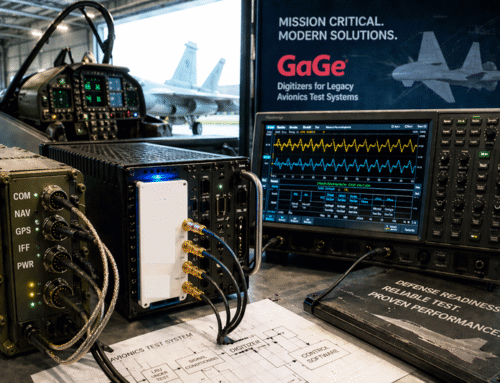
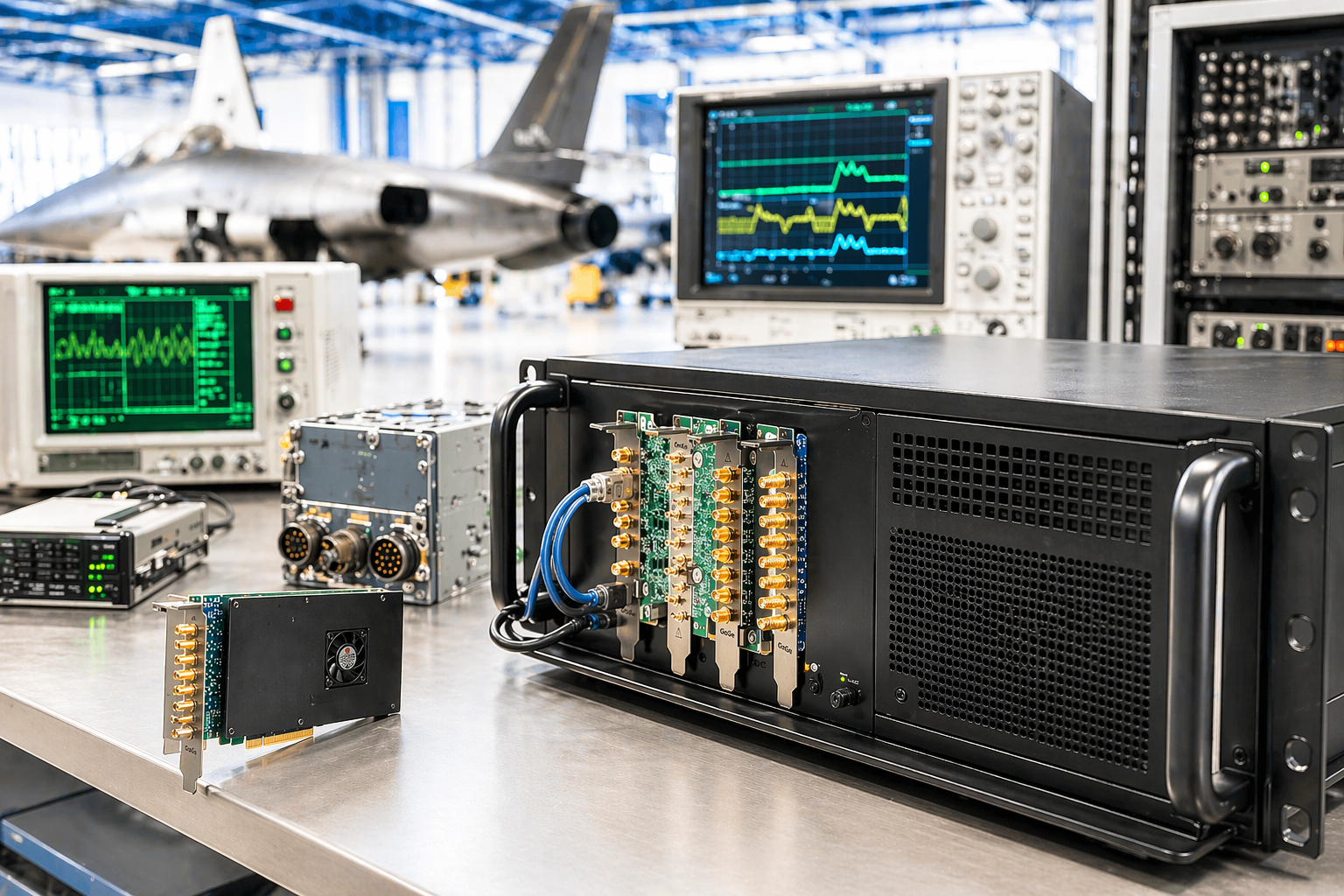
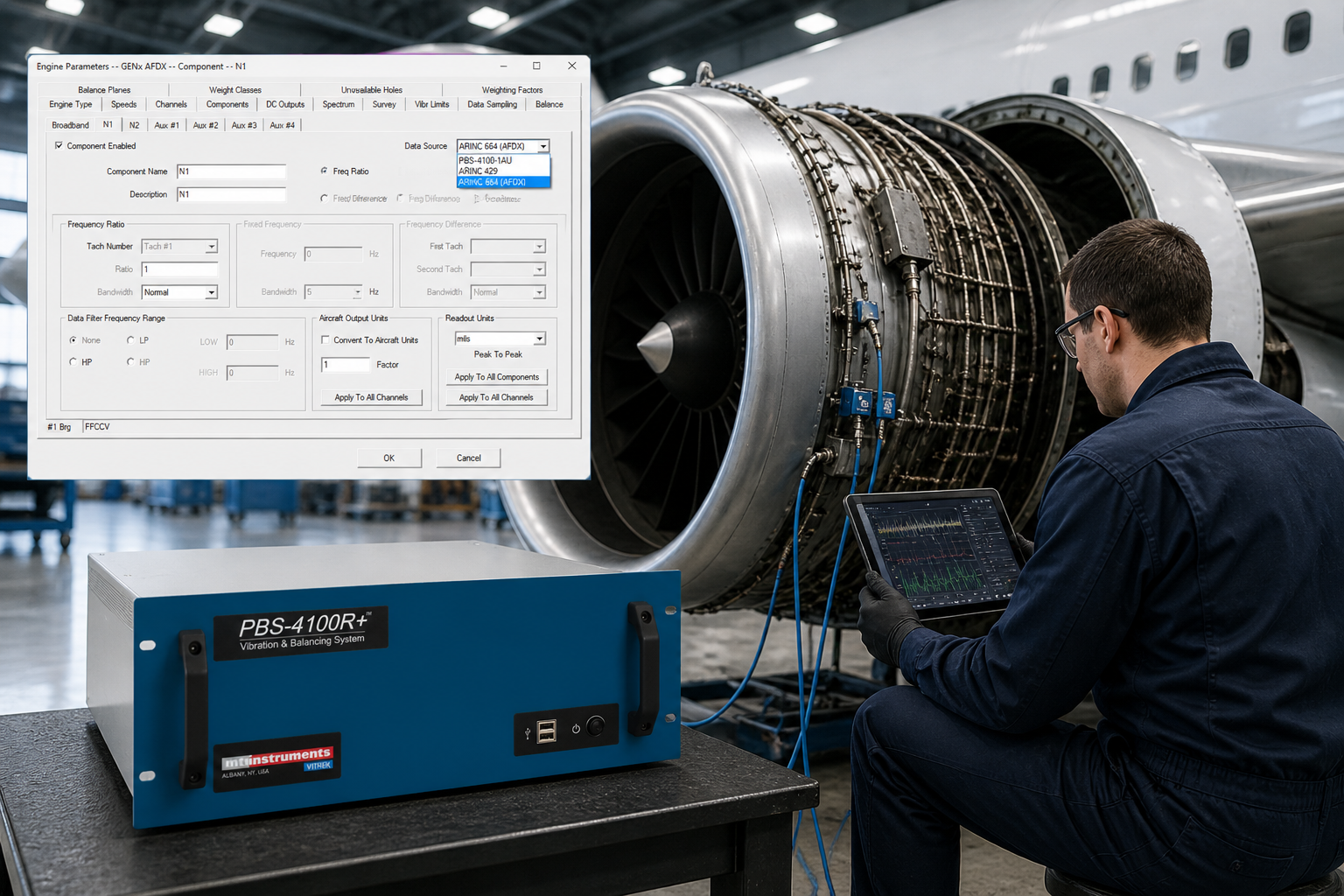
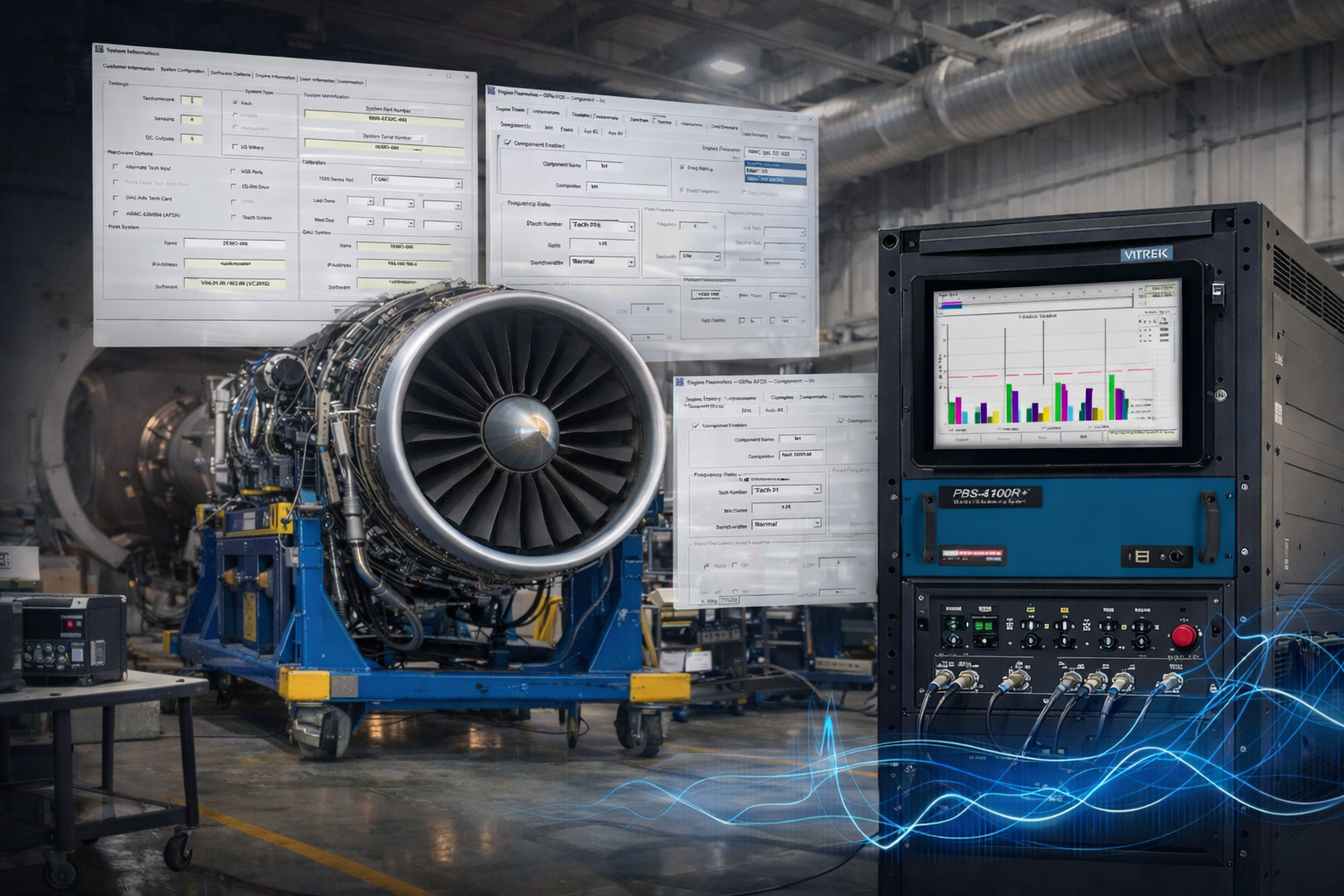
Vitrek engineers expanded the PBS 4100 R+ platform to directly interface with aircraft digital data buses using commercial off-the-shelf (COTS) ARINC hardware. This approach allows the system to retrieve engine data from either traditional analog acquisition channels or digital bus interfaces—independently or simultaneously.
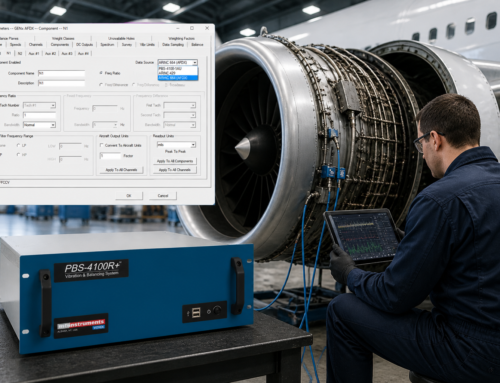
Each digital interface is configured through a flexible software framework that defines communication parameters, data word mapping, and parsing logic. This enables the system to adapt to different aircraft and engine configurations without requiring custom redevelopment for each platform.
Importantly, these enhancements were implemented without altering the familiar WinPBS and DDI user environments. Technicians can access and work with digital data using the same workflows they already know, minimizing training and ensuring rapid adoption.
Results
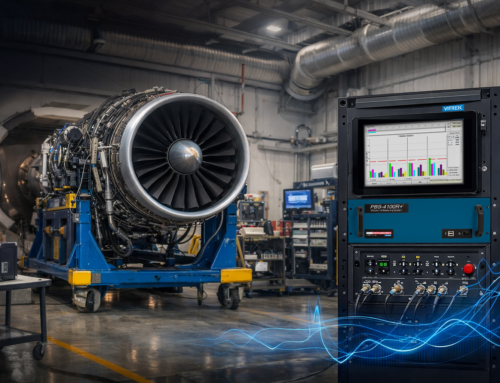
By enabling direct access to aircraft data buses, the PBS 4100 platform significantly streamlines engine balancing operations in multi-platform environments. Technicians can reduce reliance on external sensors, shorten setup time, and maintain flexibility when different measurement approaches are required.
Key outcomes include:
- Direct acquisition of vibration and speed data from ARINC 429 and AFDX buses
- Reduced setup complexity and faster deployment in MRO environments
- Simultaneous use of digital and analog inputs for maximum flexibility
- Rapid integration across major engine platforms including PW1500G, GEnx, and LEAP families
- Consistent user experience with no changes to existing PBS workflows
Why Go Digital for Engine Balancing?
Access what the aircraft already knows.
Modern engines continuously generate high-quality vibration and speed data—eliminating the need for redundant measurement hardware in many cases.
Reduce setup time and variability.
Minimize sensor placement, wiring, and calibration steps that can introduce delays or inconsistencies.
Support mixed fleets with one system.
Handle multiple aircraft platforms and data protocols without changing core workflows.
Stay flexible.
Use digital data when available, and fall back to analog inputs when needed—within the same test setup.
Conclusion
The evolution of aircraft engine data systems presents a clear opportunity for MRO facilities to improve efficiency and simplify operations. By integrating direct access to ARINC-based digital data, the PBS 4100 platform enables a more streamlined and adaptable approach to engine balancing.
Rather than replacing existing methods, this hybrid capability enhances them—allowing technicians to choose the most efficient data source for each application. The result is faster turnaround, reduced complexity, and a future-ready solution aligned with the next generation of commercial aircraft.