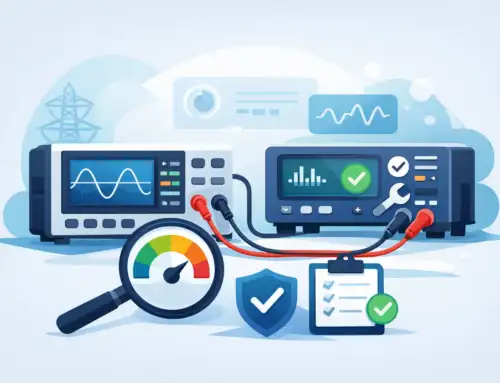
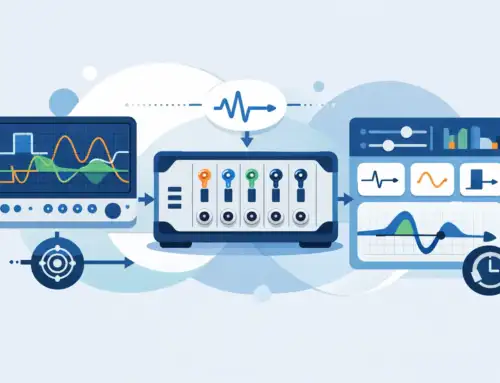
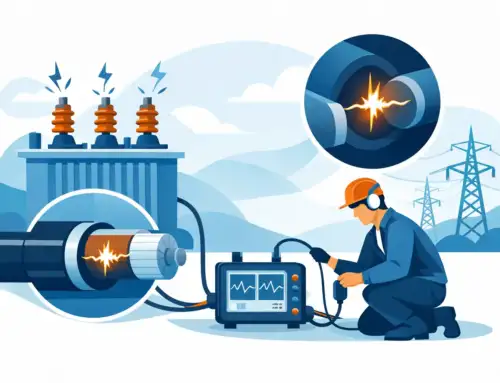
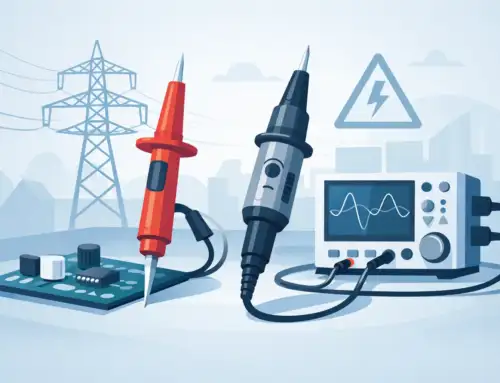
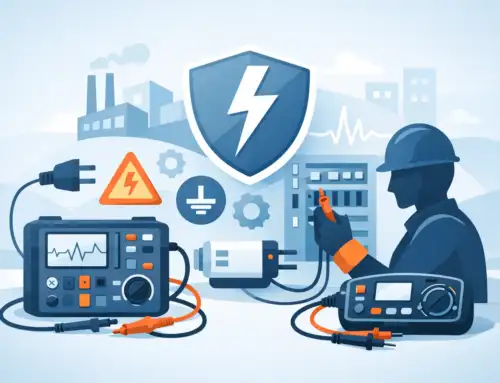
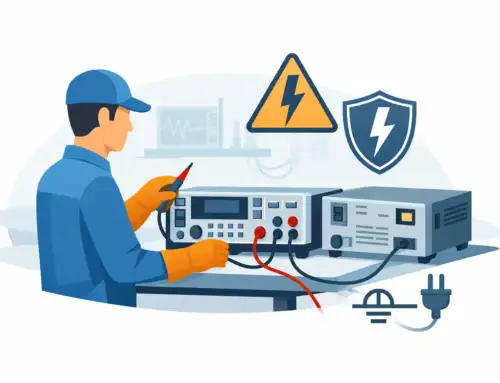
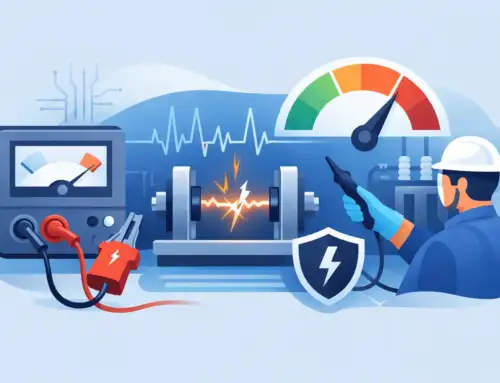
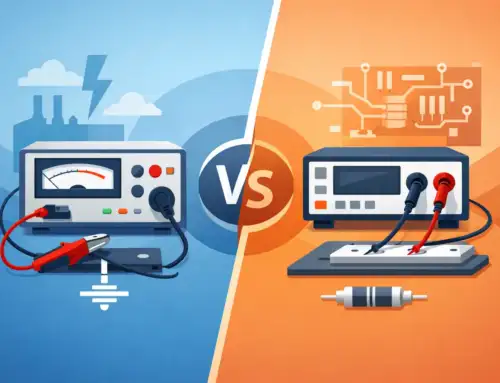
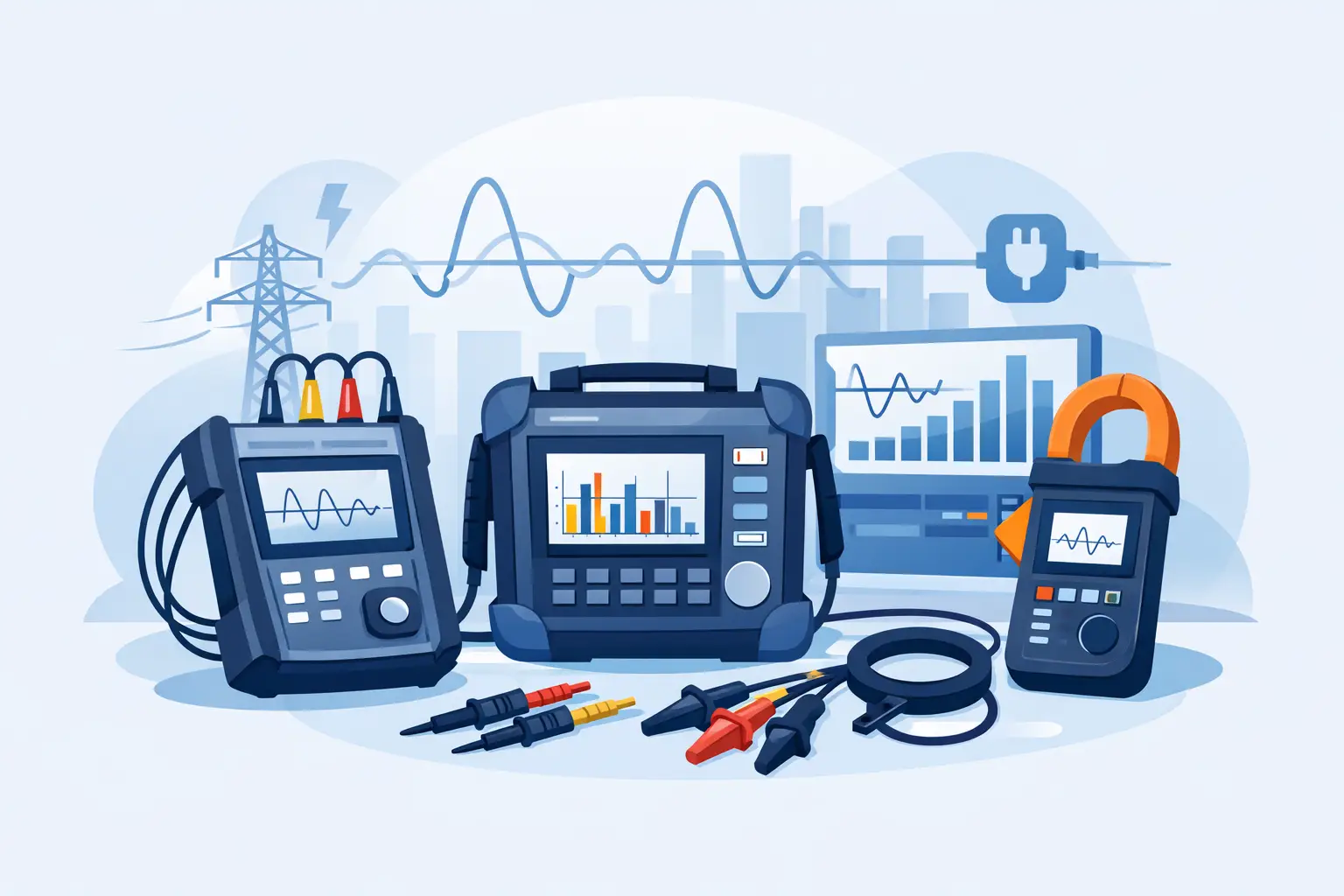
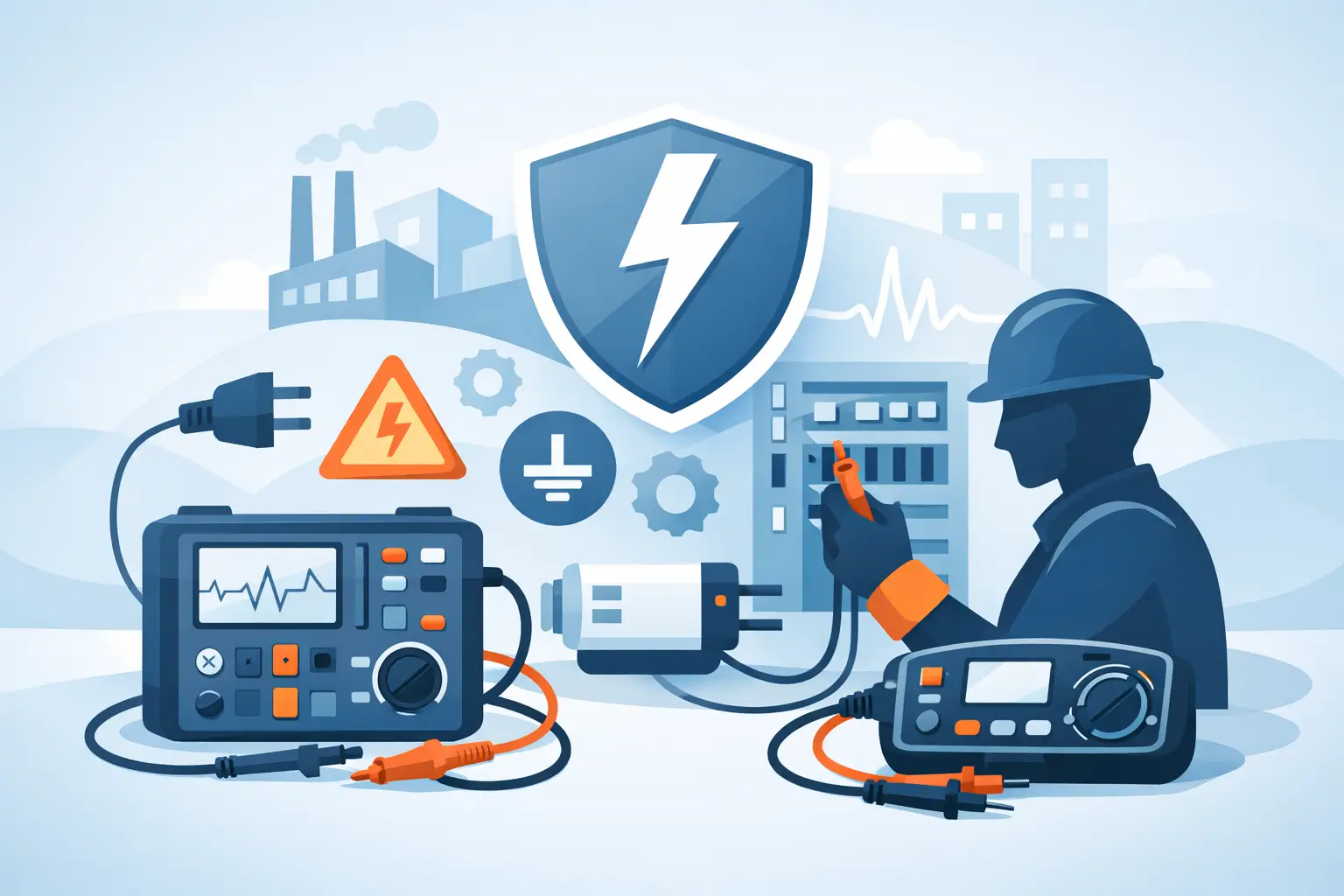
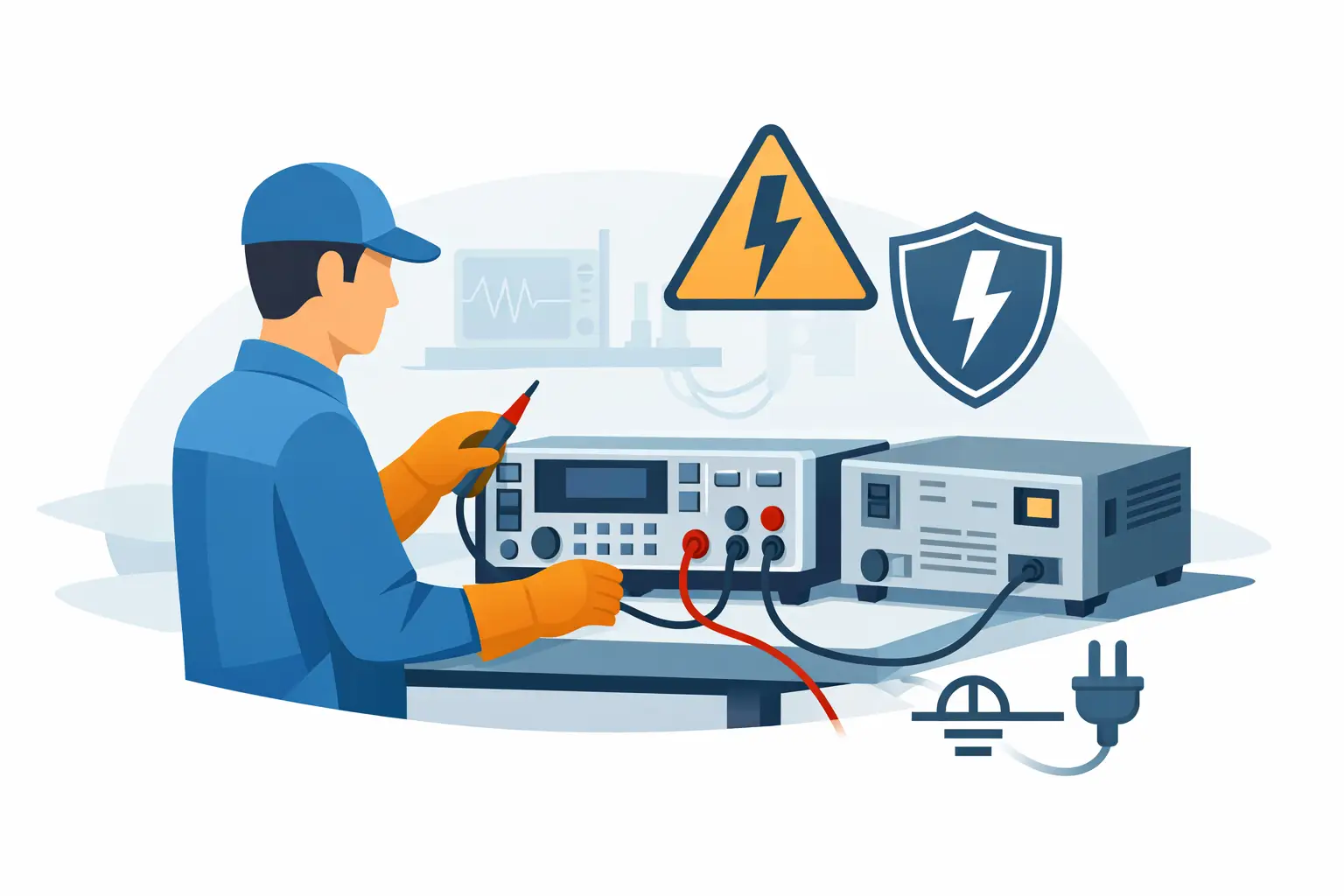
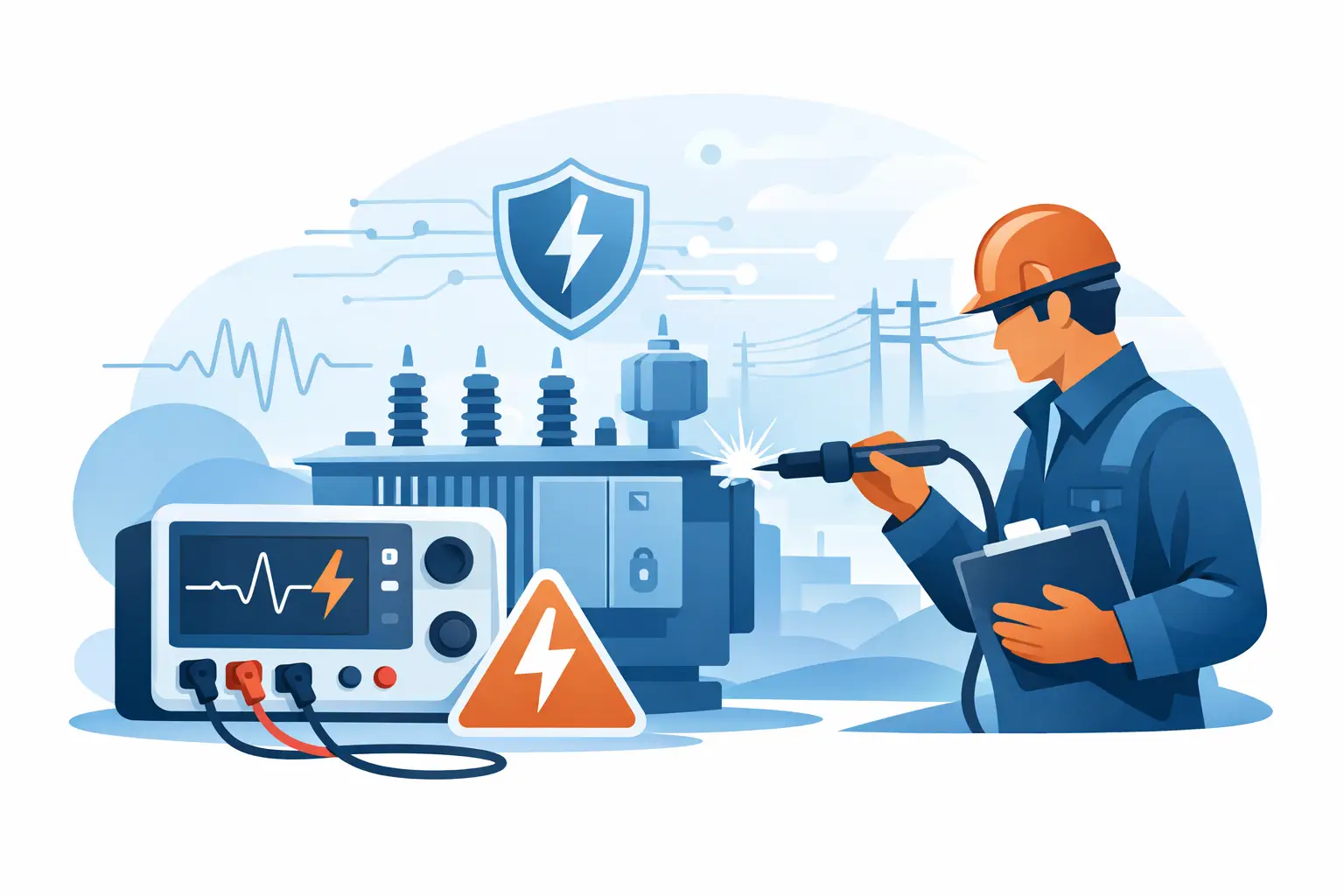
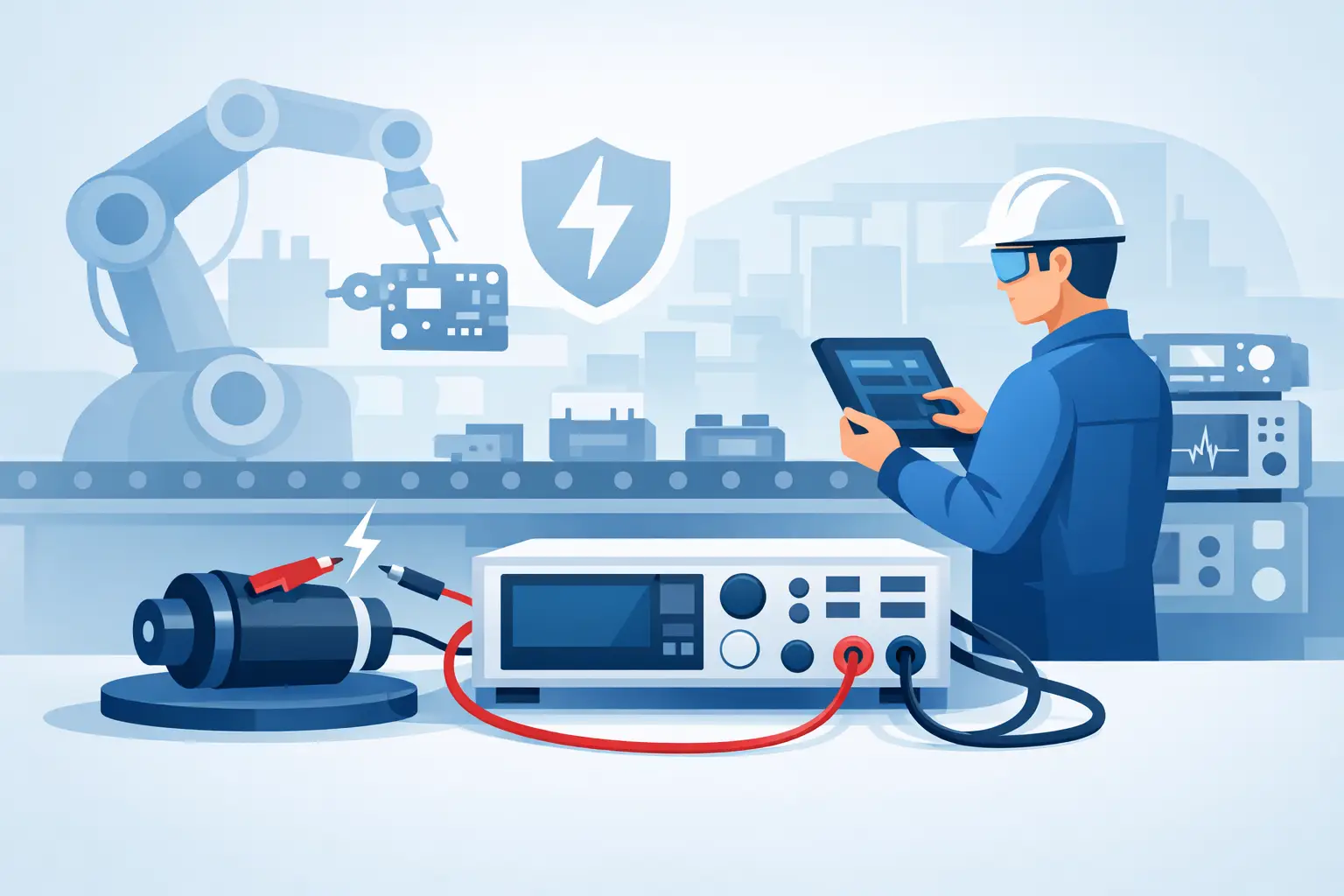
A failed dielectric withstand test late in production is rarely just a test-station problem. It can stop a shipment, trigger an investigation into fixture integrity or operator process, and create questions about the validity of prior results. A useful electrical safety analyzer review must therefore examine more than a unit’s maximum output voltage or a short list of available tests. The right instrument must produce defensible measurements at the required throughput, under the standards and operating conditions that apply to the product.
For engineers, test managers, and quality teams, the decision is fundamentally about controlling electrical risk while maintaining measurement integrity. That requires a careful look at test capability, accuracy, automation, data handling, operator safeguards, and the support structure behind the instrument.
What an Electrical Safety Analyzer Must Verify
Electrical safety testing confirms that insulation systems, protective earth connections, and accessible conductive surfaces perform as intended. The specific test sequence depends on the product, applicable standard, rated voltage, insulation class, and intended use. Medical devices, EV components, appliances, aerospace assemblies, and industrial power equipment may share certain test methods, but their limits, dwell times, current thresholds, and documentation requirements can differ substantially.
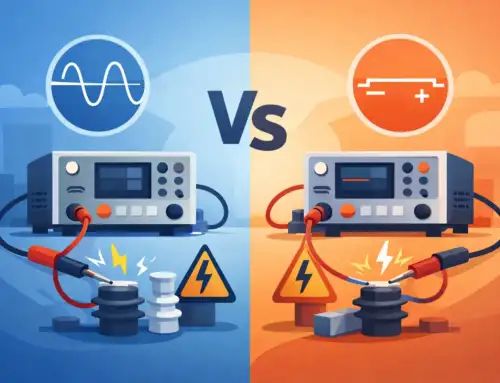
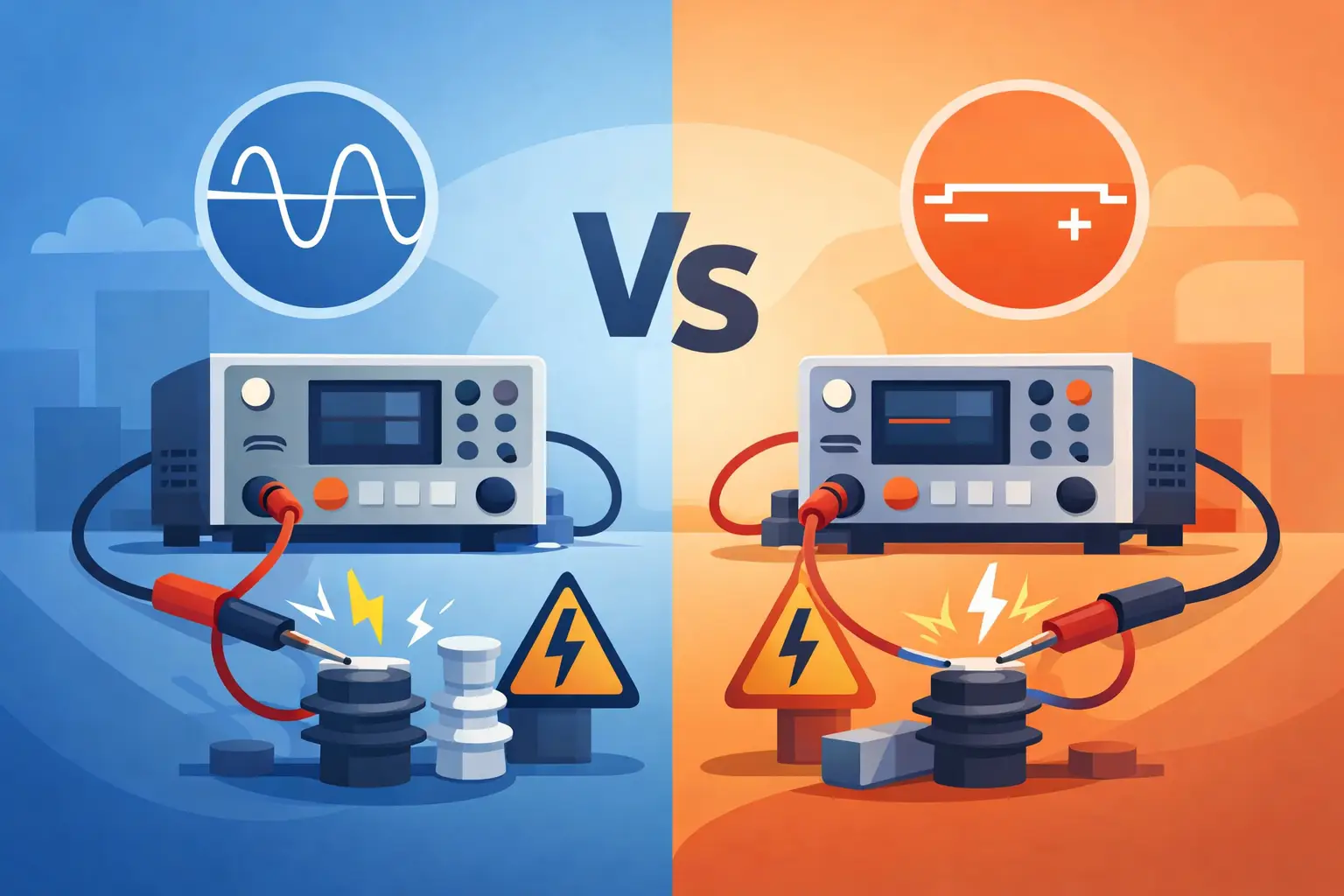
A capable analyzer may support AC hipot, DC hipot, insulation resistance, ground bond or protective earth continuity, and line leakage or touch current testing. Some applications require only one or two of these functions. Others require a sequenced, multi-test procedure with controlled transitions and unambiguous pass/fail decisions.
The distinction matters because a high-voltage source alone is not necessarily an electrical safety test system. A test system must also measure the relevant response with appropriate resolution and accuracy, detect faults reliably, manage test timing, and protect the operator when a fault occurs. In a production environment, it also needs to deliver those functions repeatably across shifts, fixtures, and product variants.
Electrical Safety Analyzer Review Criteria That Matter
Test range is only the starting point
Voltage range, current range, and insulation resistance range should be matched to the actual product requirements with reasonable operating margin. More range is not automatically better if it comes at the expense of resolution in the region where acceptance limits are set.
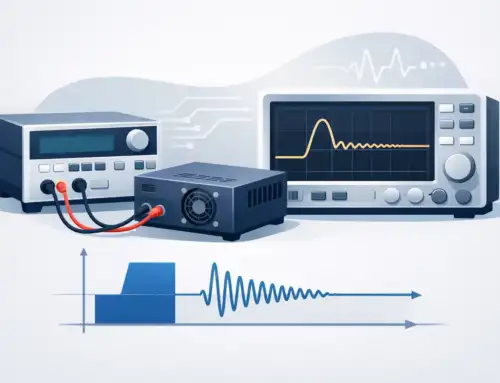
For hipot testing, evaluate the programmable voltage range, ramp control, dwell control, arc detection behavior, and leakage-current measurement range. For ground bond testing, inspect the available test current, measurement method, lead compensation capability, and low-resistance resolution. For insulation resistance, confirm that the test voltage, resistance range, settling behavior, and timing align with the governing procedure.
A review should also ask how the analyzer behaves near a limit. If a product’s allowable leakage current is close to the instrument’s measurement threshold, repeatability and noise performance become more consequential than headline range. The same principle applies to low-resistance protective earth measurements, where fixture contact resistance can obscure the condition being evaluated.
Accuracy must include the measurement system
Published accuracy specifications are essential, but they are not the full uncertainty story. The result seen by the operator reflects the instrument, test leads, fixture, connections, product capacitance, environmental conditions, and test method. A well-specified analyzer cannot compensate for an uncontrolled fixture or a poor grounding strategy.
Review the stated accuracy at the operating points that matter, not simply at full scale. Look for clear specifications covering voltage, current, resistance, timing, and frequency where applicable. Resolution, repeatability, and calibration interval should also be considered. In regulated or high-consequence applications, calibration traceability and documented uncertainty support can be as important as the measurement specification itself.
This is where engineering teams should separate a basic go/no-go tester from an instrument suitable for validation, qualification, and formal production records. Both can have a place, but they do not provide the same level of evidence.
Test sequencing determines production value
For a single manual test at a bench, straightforward front-panel operation may be sufficient. For production, a stored test program is often the more important feature. Programs reduce variation by applying a defined sequence of voltage ramps, dwell periods, limits, and transitions for each product configuration.
Assess how many programs and steps can be stored, how clearly programs are identified, and how revisions are controlled. The analyzer should make it difficult to select the wrong procedure and easy to confirm which procedure produced a given result. If several models share a test cell, barcode selection, external control, or a manufacturing execution system interface may be justified.
Automation should be evaluated as a process-control tool, not merely a convenience feature. Remote control, digital I/O, PLC integration, and software interfaces can support fixture actuation, interlocks, result collection, and cycle-time reduction. However, greater integration also introduces validation work. A complex automated station is worthwhile when it reduces operator-dependent variation or increases throughput enough to justify the engineering effort.
Operator safety is part of the instrument design
Electrical safety testing deliberately applies potentially hazardous voltages. The analyzer must support a complete safety architecture that includes clear status indication, emergency stop provisions, interlocked enclosures where needed, properly rated fixtures and leads, discharge behavior, and documented operating procedures.
A review should examine the instrument’s interlock capability, remote enable function, test indicator visibility, fault response, and post-test discharge provisions. Capacitive products deserve special attention because stored energy can remain after the programmed test interval. The station design must account for that energy, not assume that a pass result means the device is immediately safe to handle.
The test team should also consider human factors. Large, unambiguous pass/fail indicators, clear prompts, controlled start methods, and locked test programs reduce the chance that a rushed operator bypasses a necessary step. These details affect both safety and data quality.
Data, Traceability, and Audit Readiness
A pass/fail light may be adequate for troubleshooting, but it is rarely adequate for a mature quality system. When a customer, auditor, or internal failure-analysis team asks what happened to a particular serial number, the organization should be able to retrieve the test record, program revision, limits, timestamp, and result.
Determine whether the analyzer can provide measured values, not only final status. Consider how records are exported, retained, and associated with a product identifier. Network connectivity, USB transfer, serial communications, and software APIs can all be useful, but the correct choice depends on the plant’s data architecture and cybersecurity controls.
Traceability also extends to the instrument itself. Calibration records, controlled test programs, documented fixture verification, and periodic system checks form the evidence chain behind a result. ISO-accredited calibration services and disciplined configuration management can help maintain that chain when test equipment is deployed across multiple sites.
The Trade-Off Between Flexibility and Simplicity
An analyzer with extensive programming, interfaces, and measurement options can serve multiple applications and accommodate changing requirements. That flexibility is valuable in R&D, engineering validation, and mixed-model manufacturing. It may be unnecessary for a dedicated station performing one stable test sequence thousands of times per day.
Conversely, selecting the simplest instrument based solely on initial price can create hidden cost when requirements expand. A new product family may need a different test voltage, more detailed data capture, additional test steps, or connection to production controls. Retrofitting a limited platform can be more disruptive than selecting a system with practical growth capacity from the outset.
The most effective approach is to define the intended operating model before comparing instruments. Identify the applicable standards, test limits, product capacitance, fixture concept, daily volume, operator interaction, required records, and expected integration path. Then compare analyzers against those conditions rather than against a generic feature checklist.
Questions to Ask During an Evaluation
A productive evaluation should include the actual unit under test whenever possible. Run representative products, including known-good units and controlled fault conditions where safe and appropriate. Observe not just whether the analyzer detects the fault, but how consistently it detects it and how clearly it communicates the result.
Ask the supplier to clarify measurement accuracy at your setpoints, recommended fixture practices, calibration options, service response, software support, and expected lifecycle availability. For complex applications, application expertise has practical value. A supplier that understands leakage paths, capacitive loading, grounding, switching, and standards-driven test development can help prevent costly station redesigns.
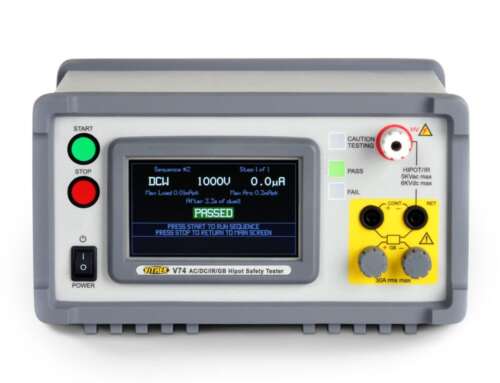
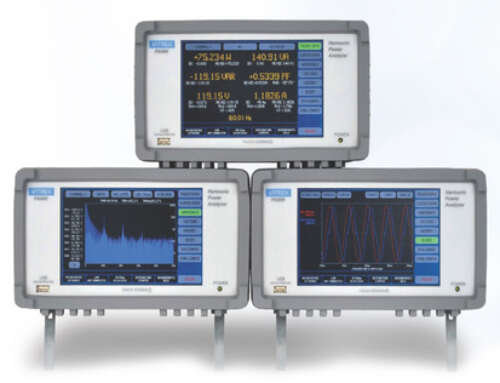
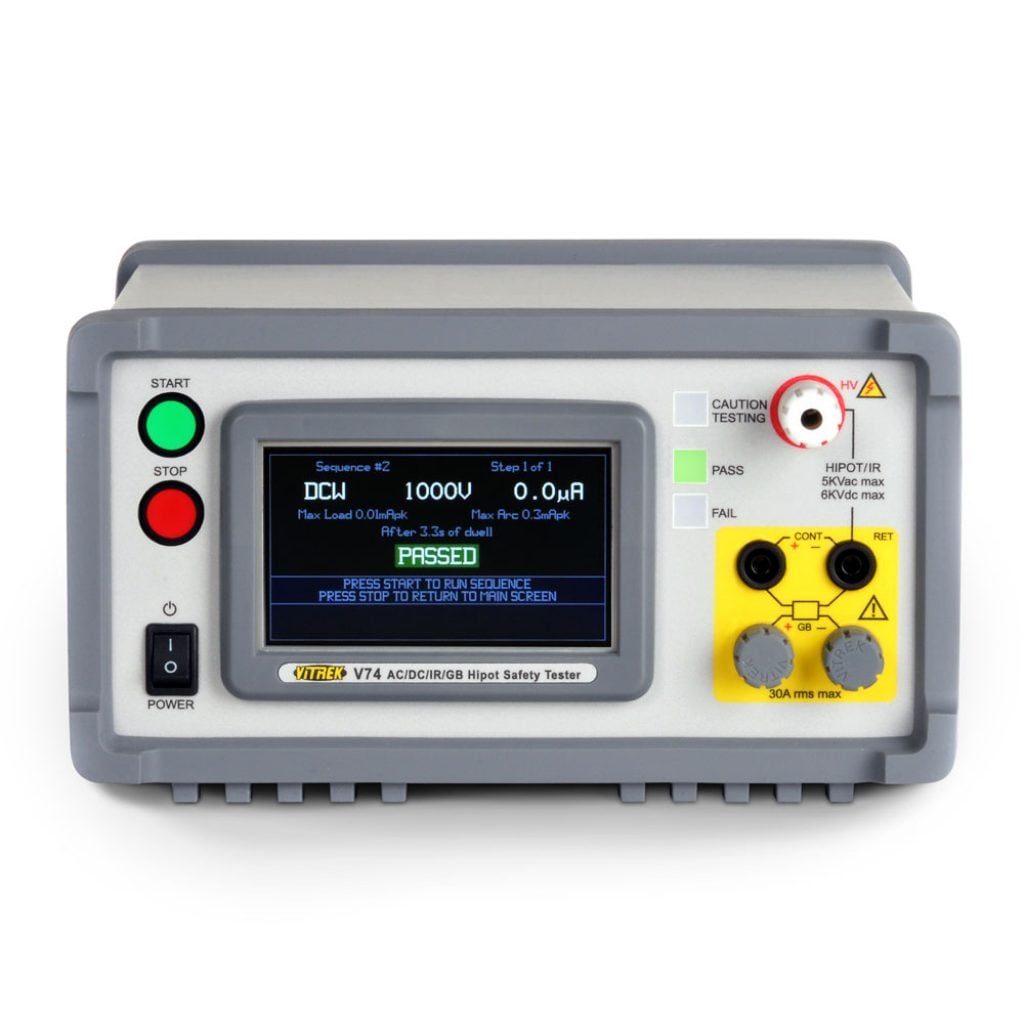
Vitrek’s electrical safety test platforms are designed for applications where programmable testing, measurement confidence, and production integration must work together. For buyers evaluating any system, the central question remains the same: can the analyzer generate repeatable, traceable safety results without creating new process or operator risks?
The right choice is the one that fits the product and the process with enough measurement margin to remain credible when a result is challenged. That is the standard worth applying long after the purchase decision is complete.