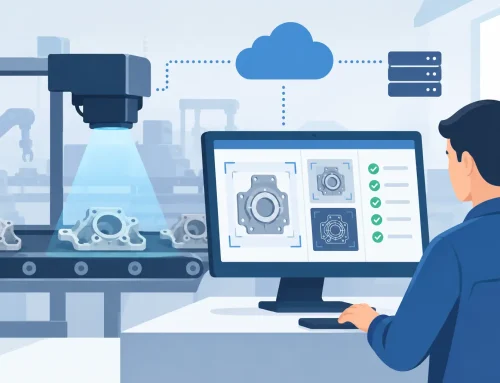
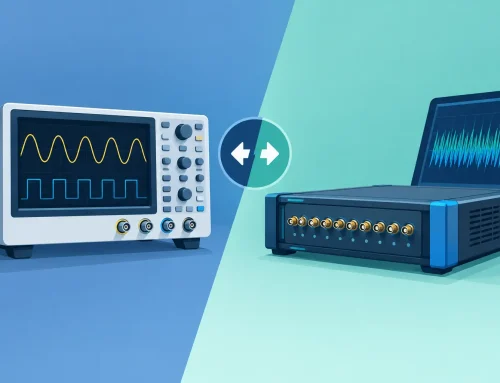
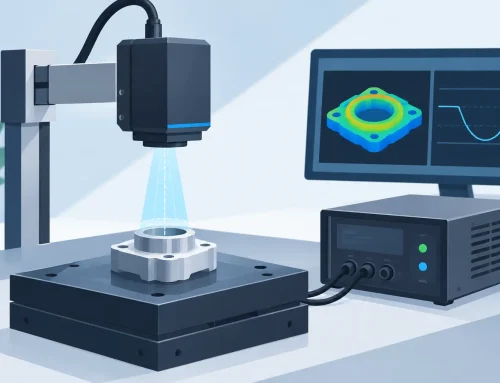
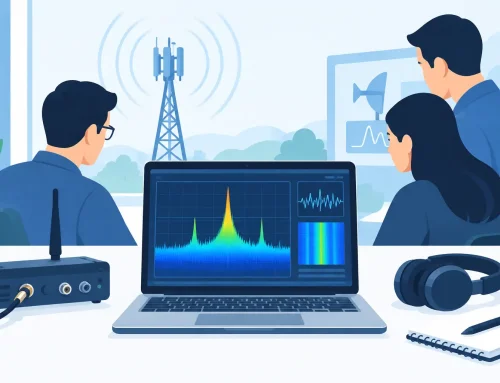
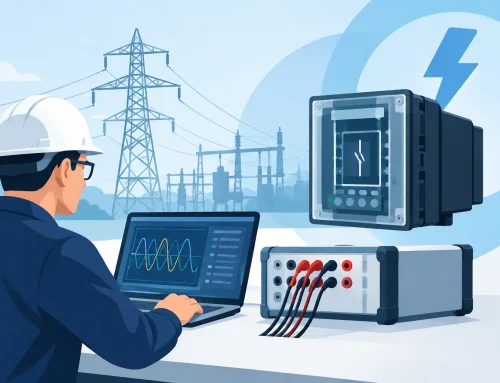
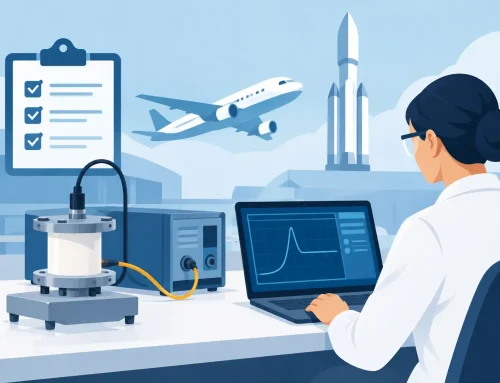
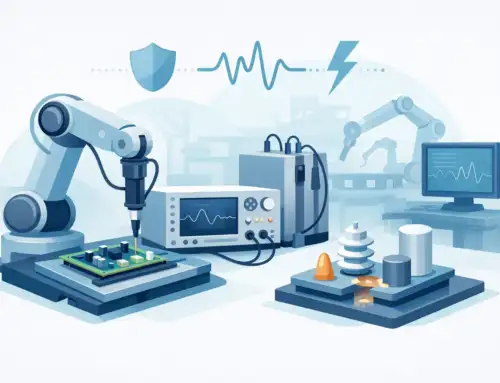
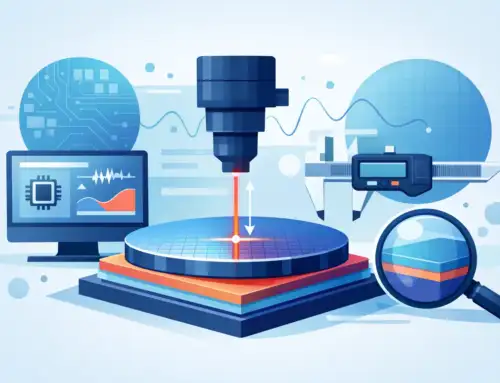
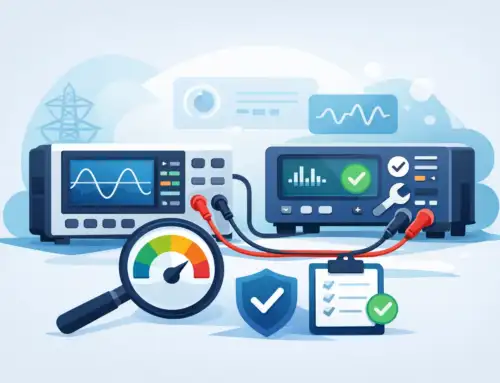
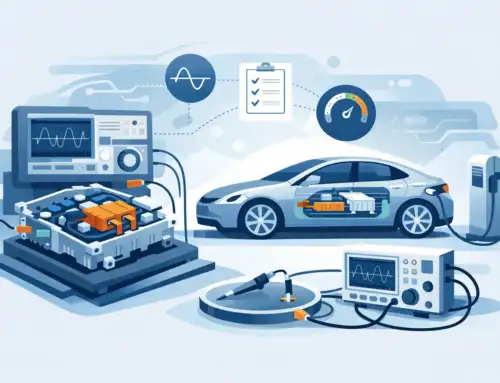
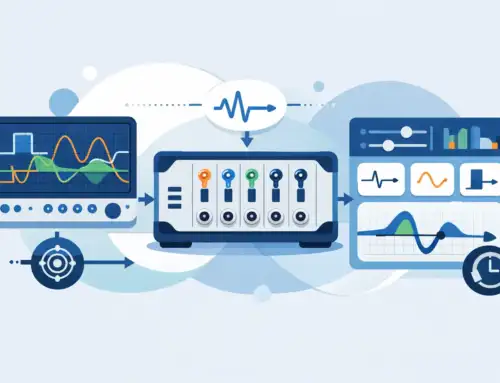
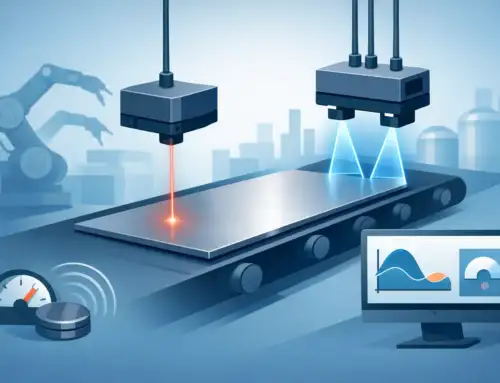
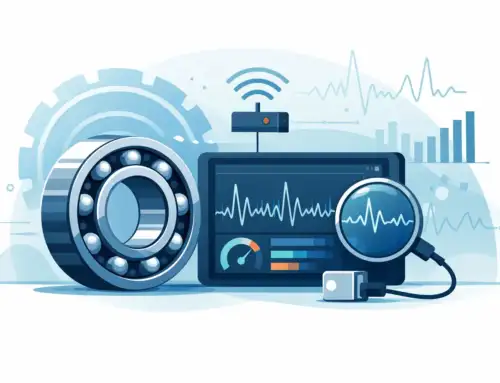
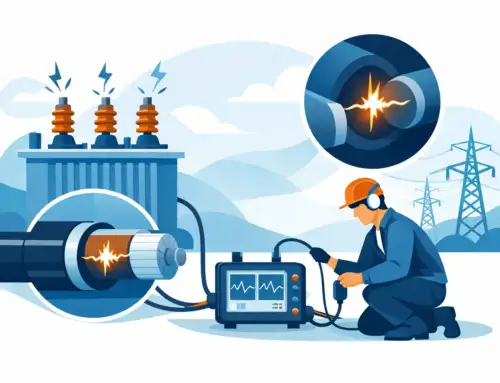
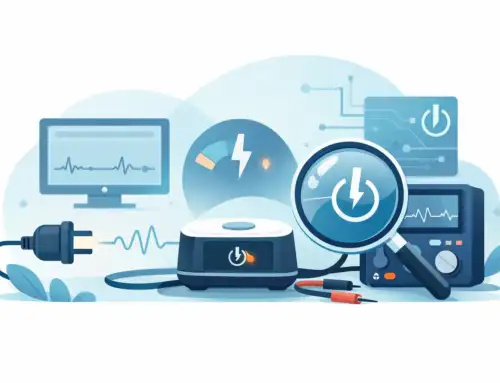
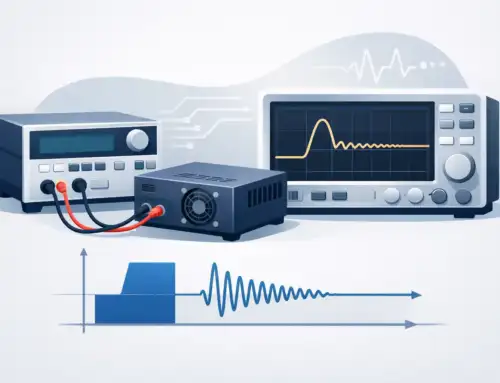
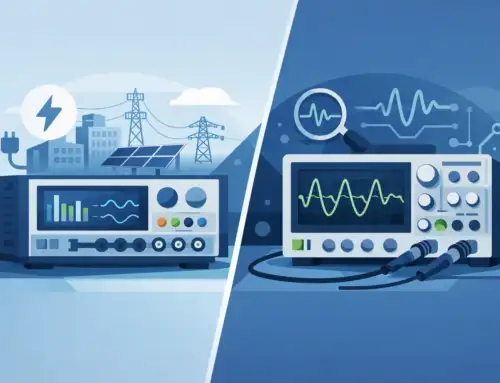
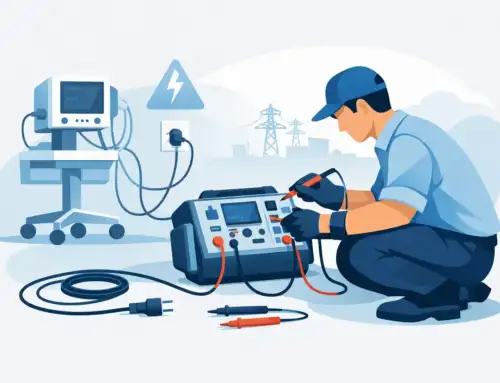
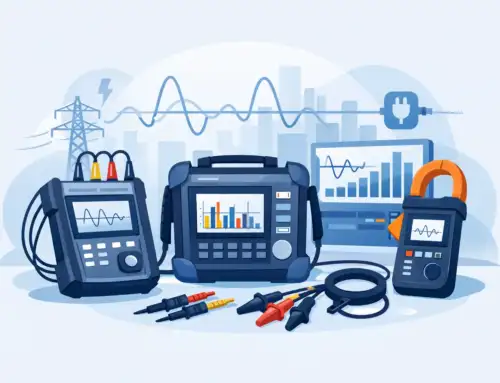
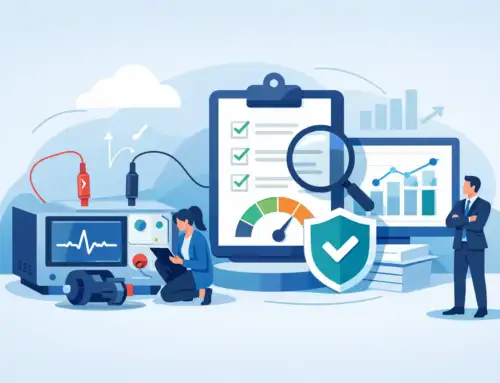
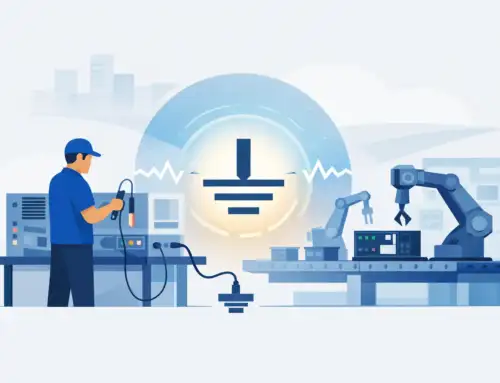
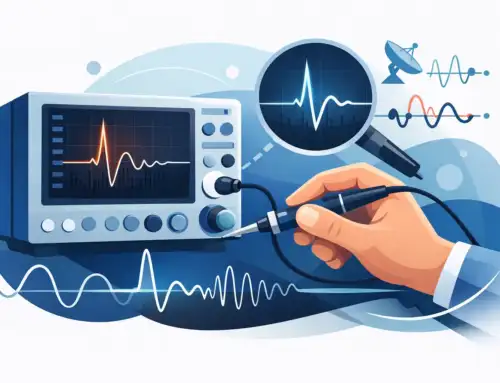
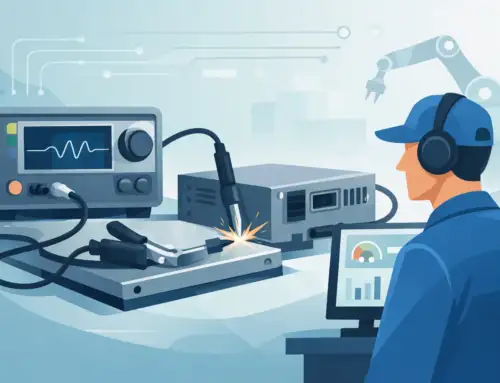
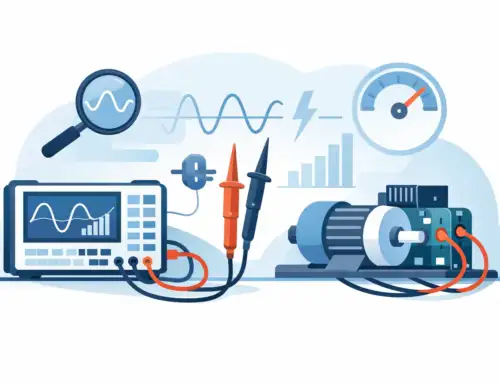
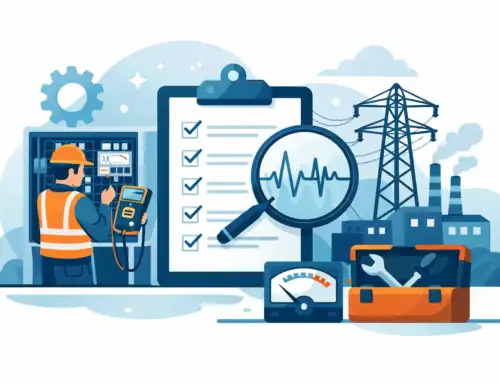
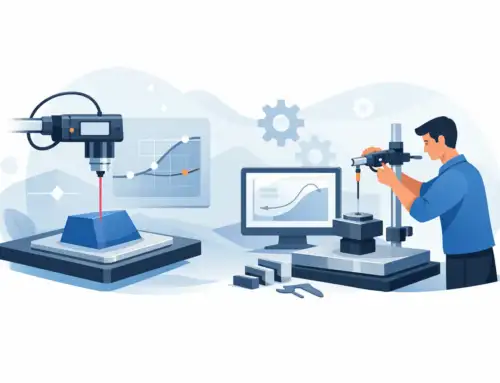
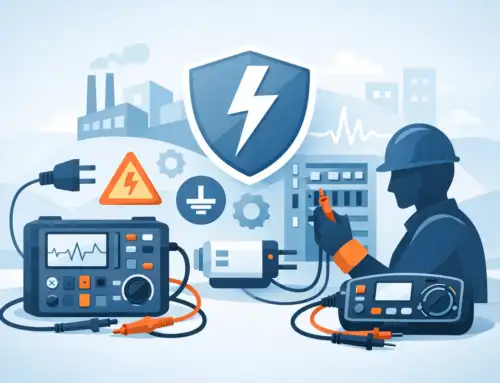
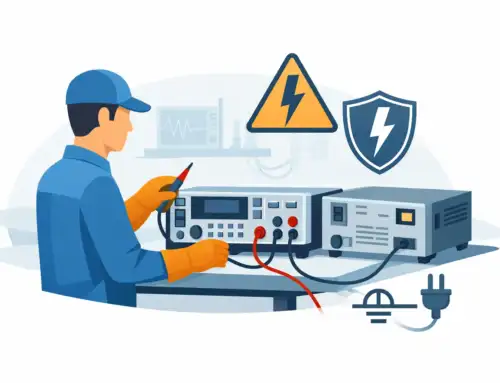
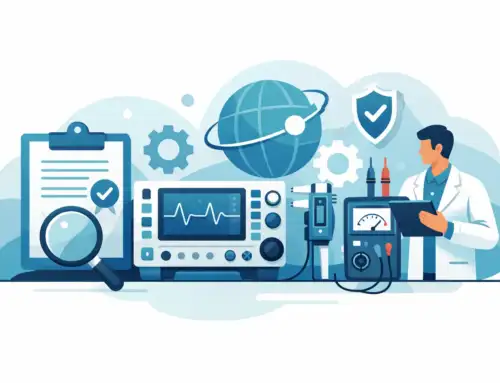
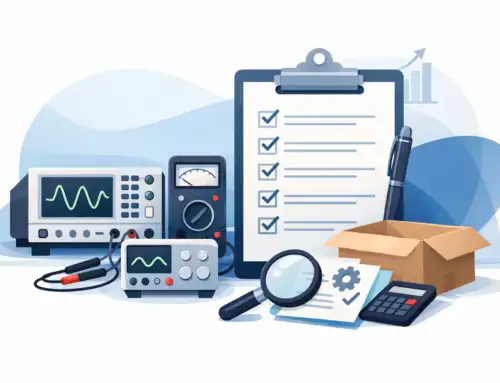
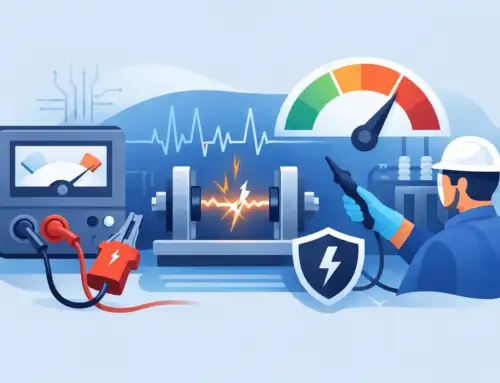
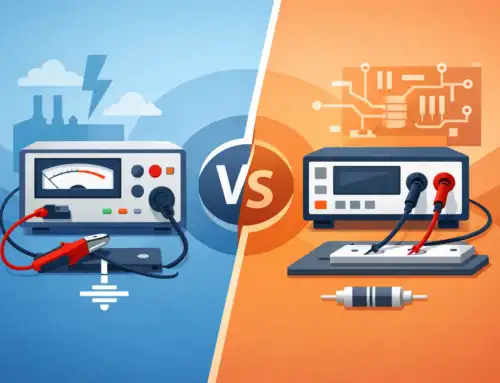
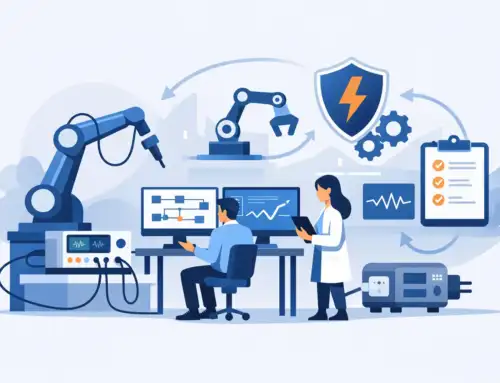
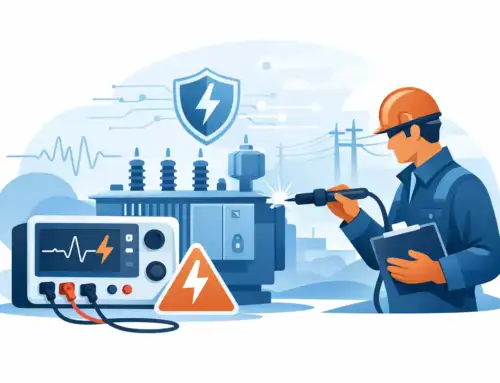
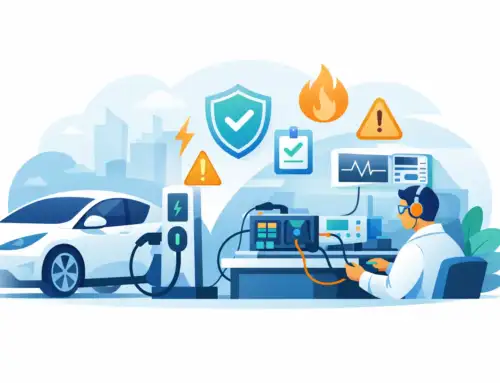
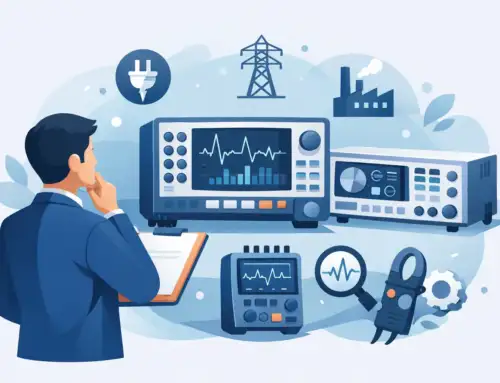
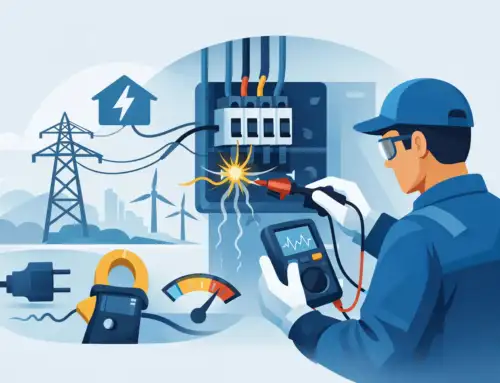
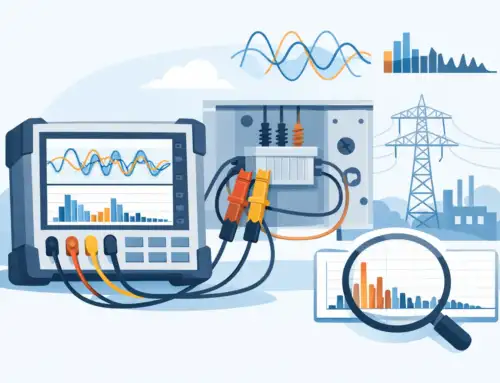
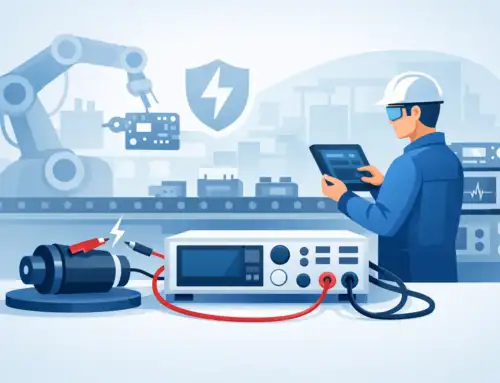
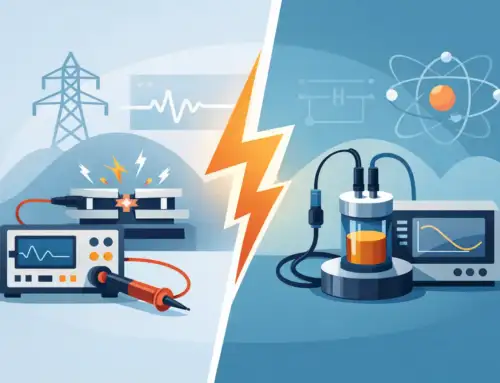
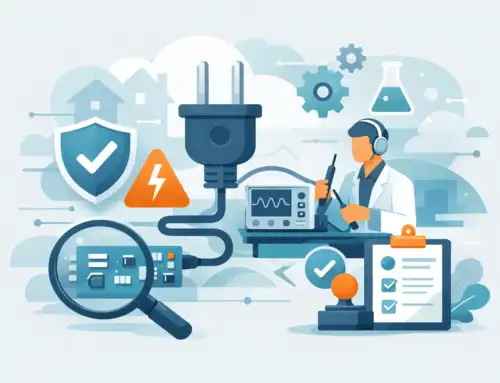
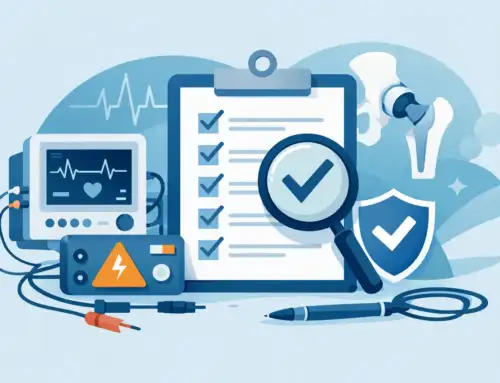
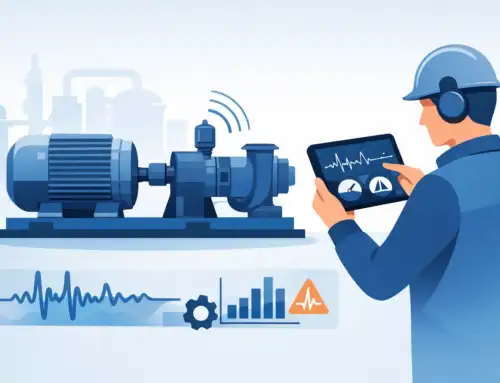
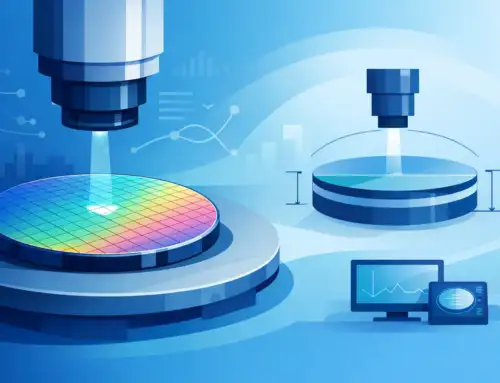
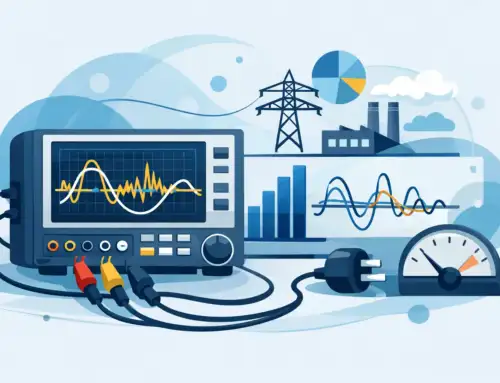
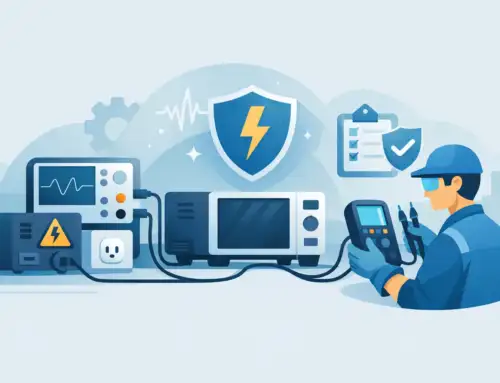
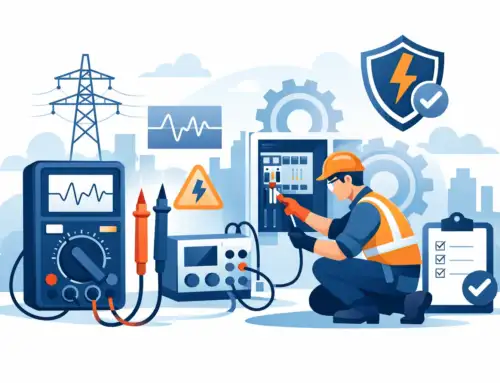
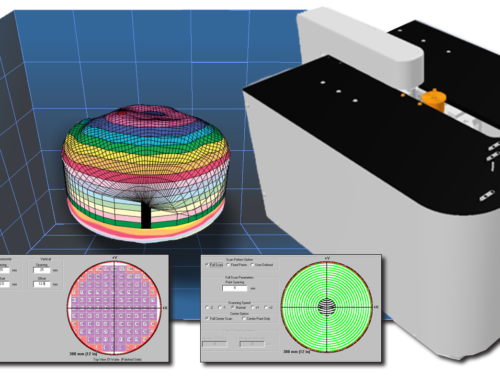
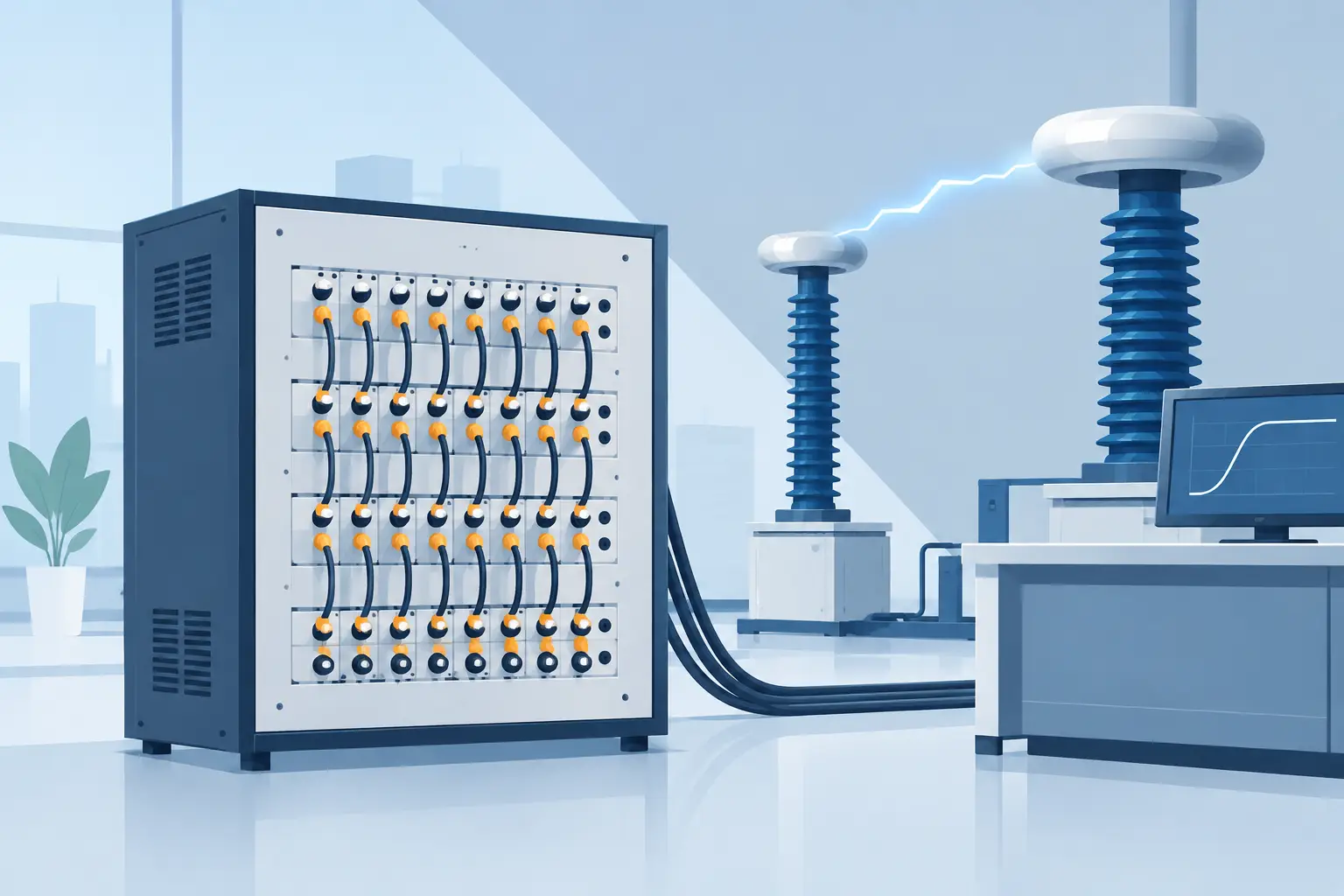
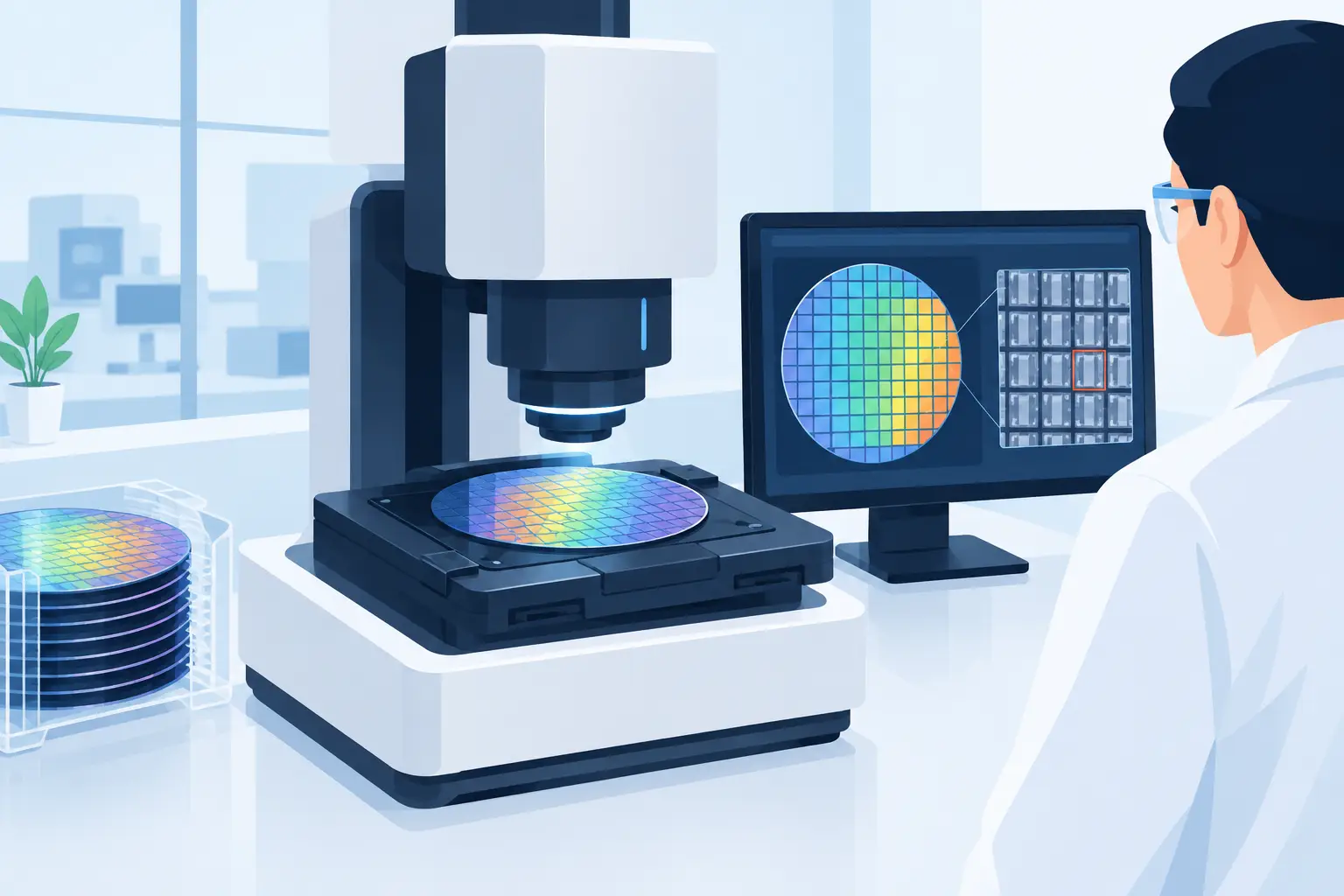
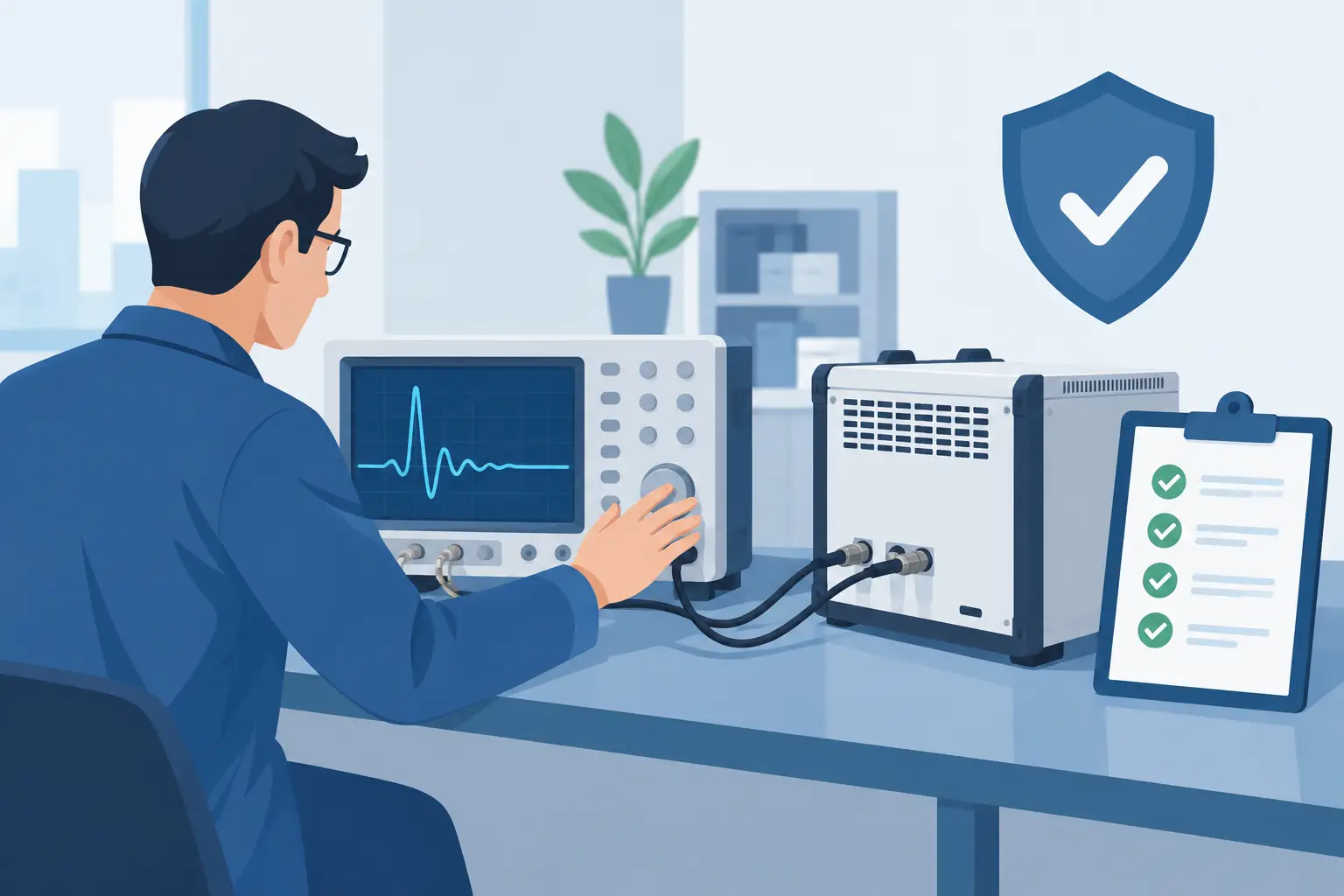
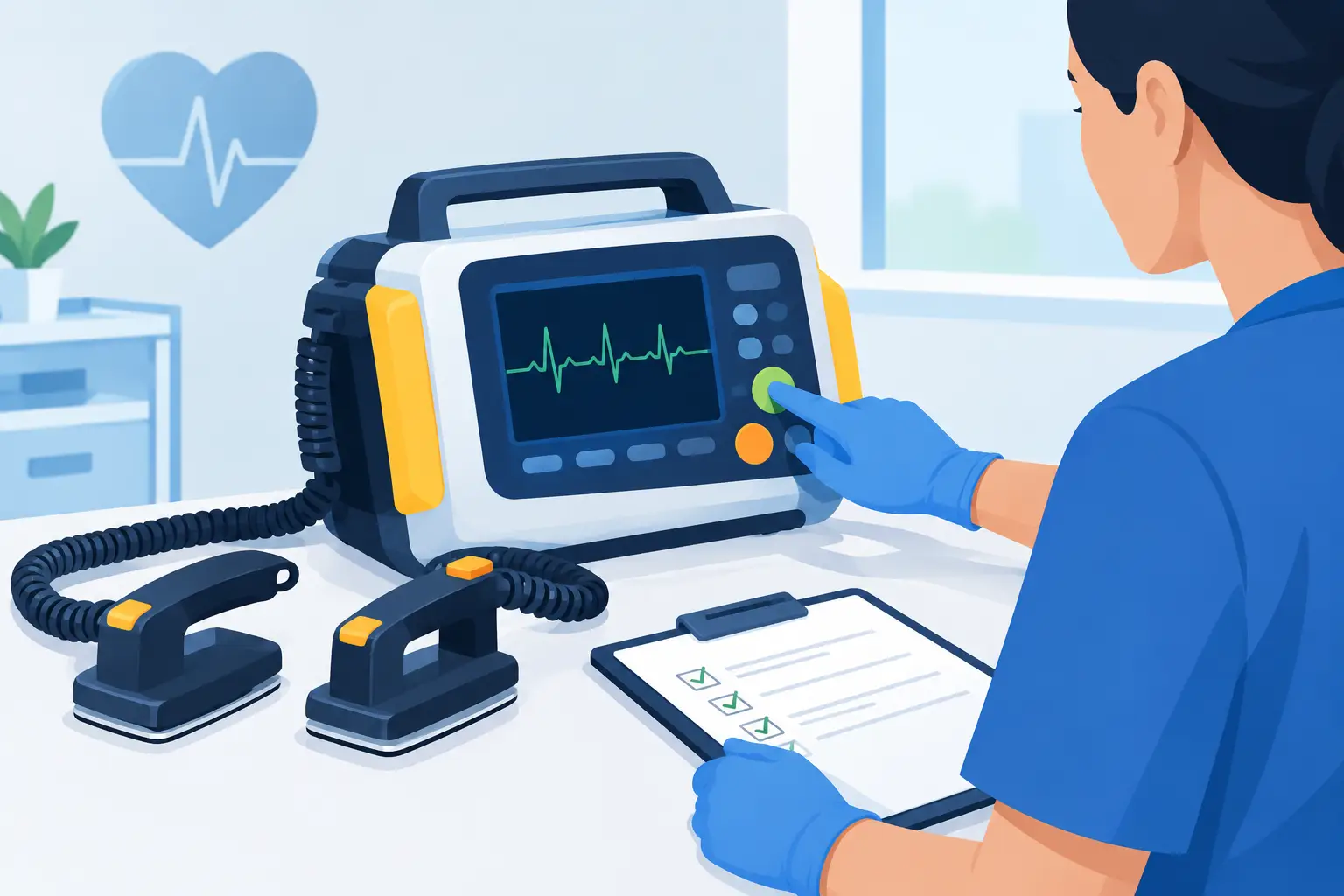
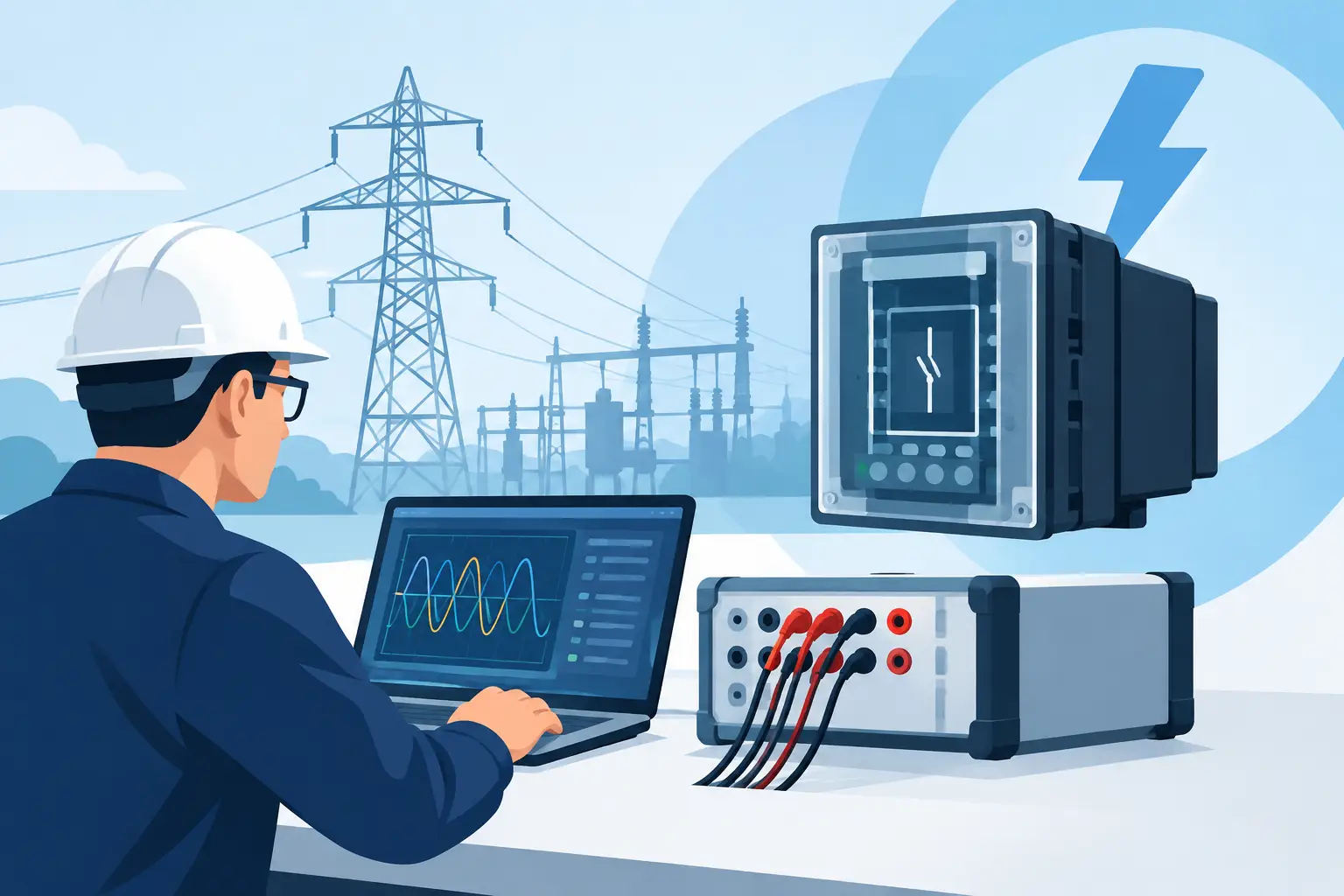
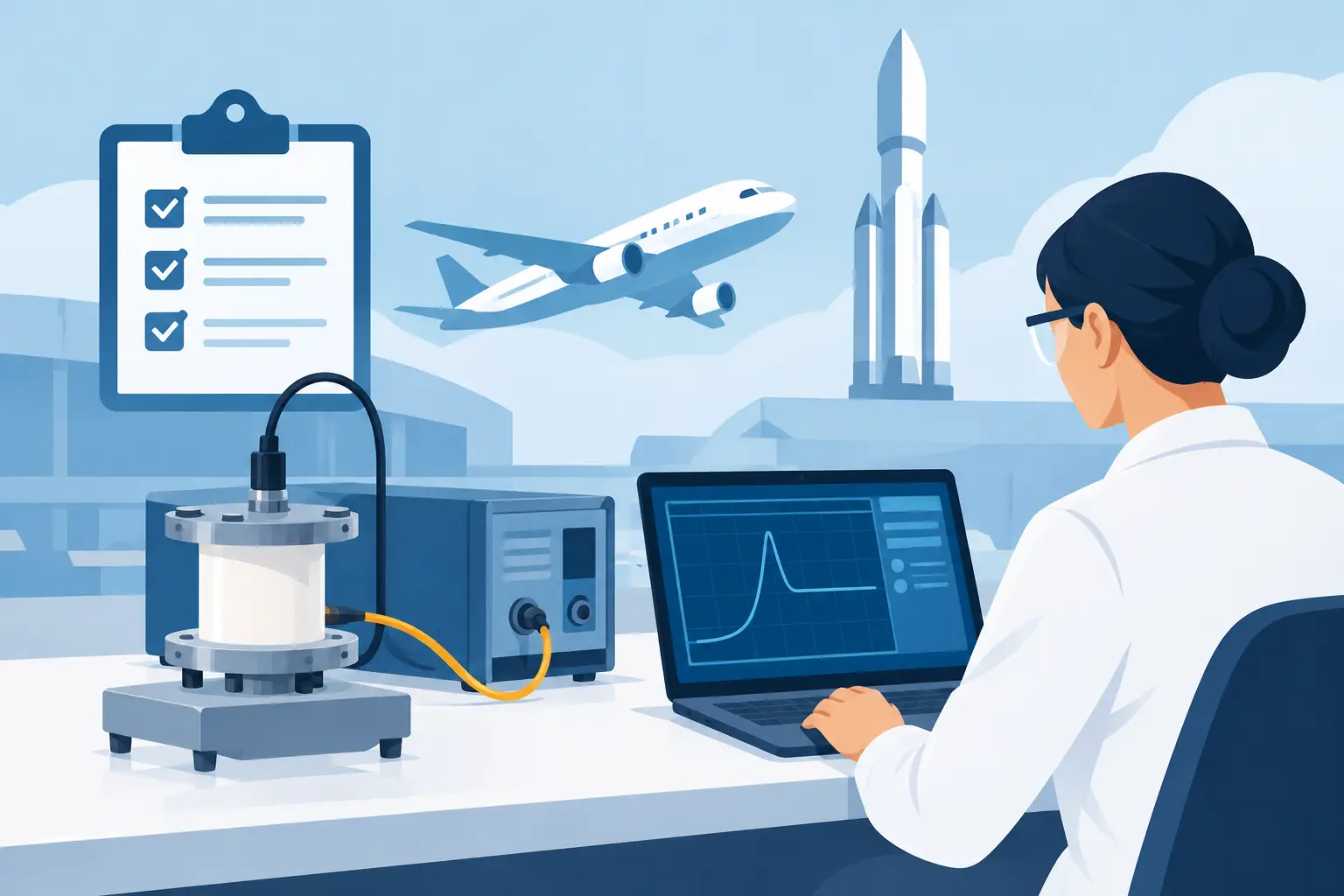
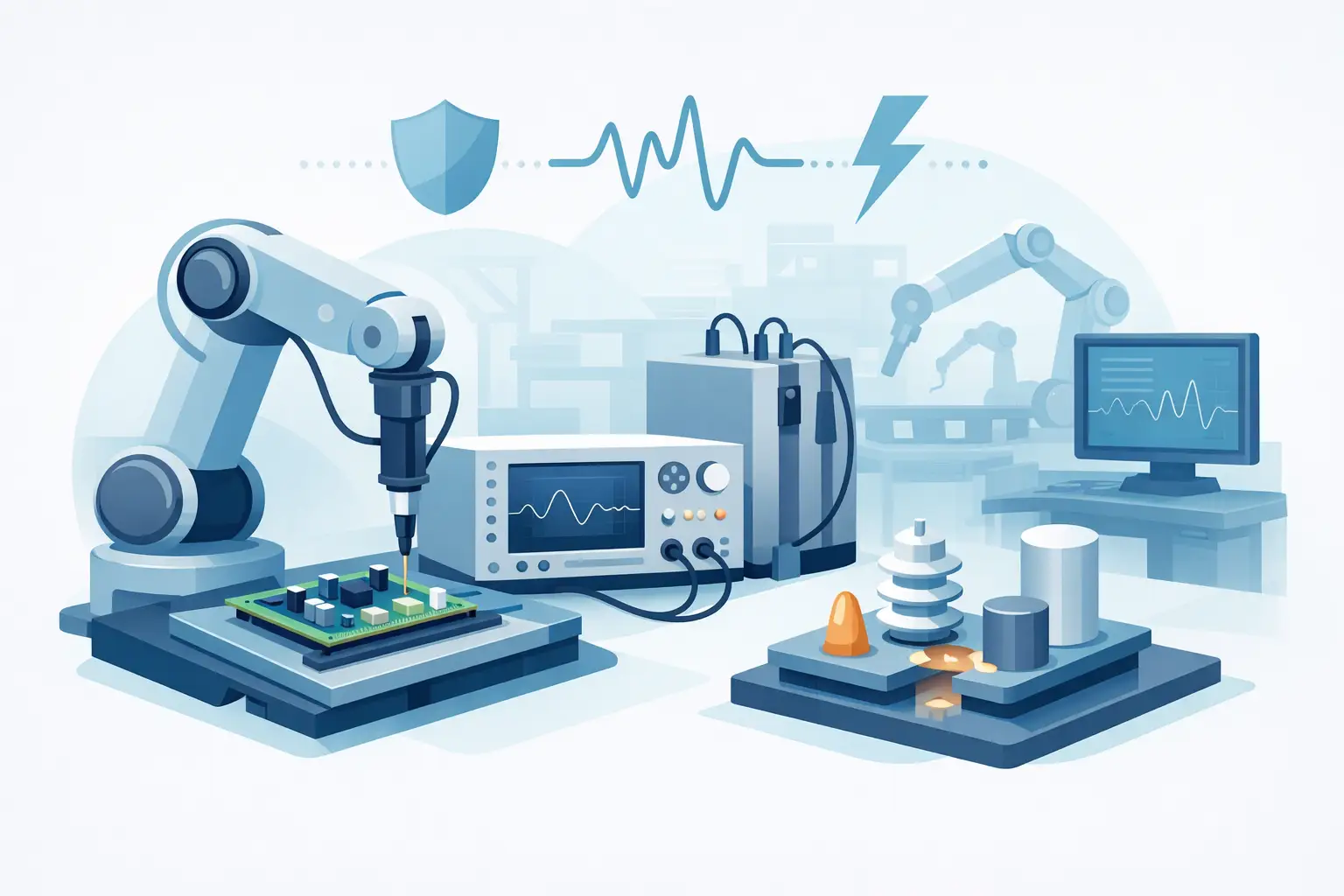
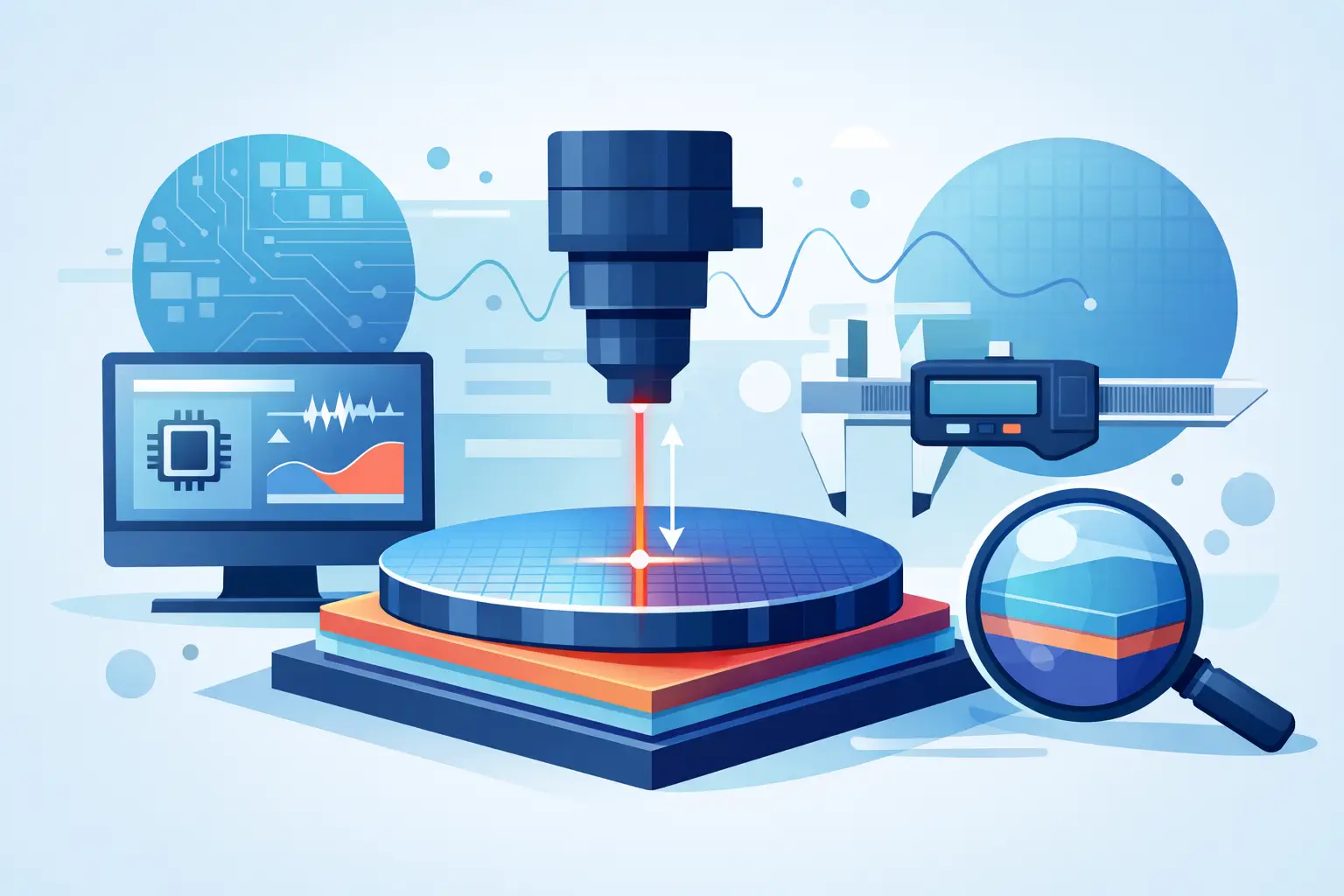
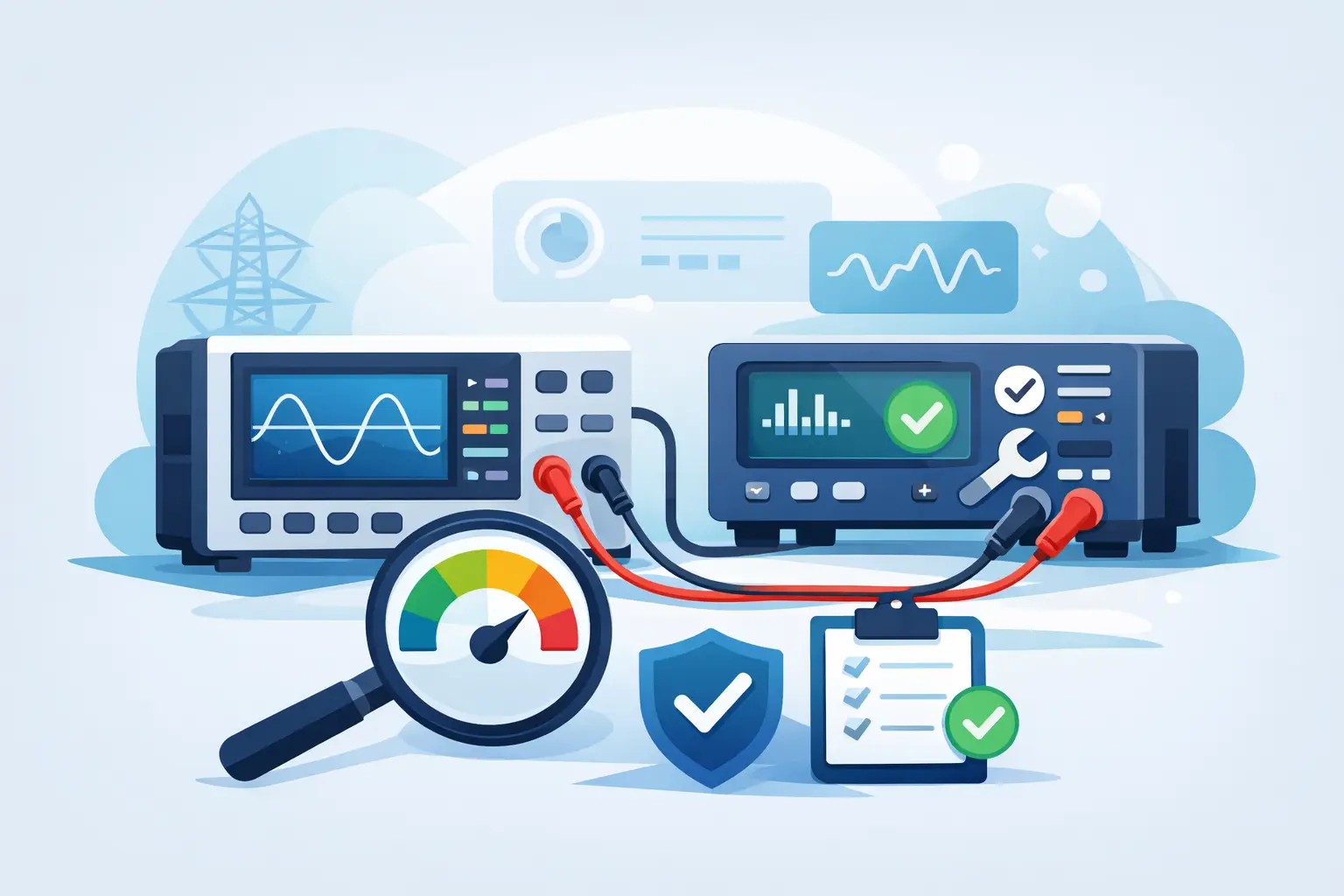
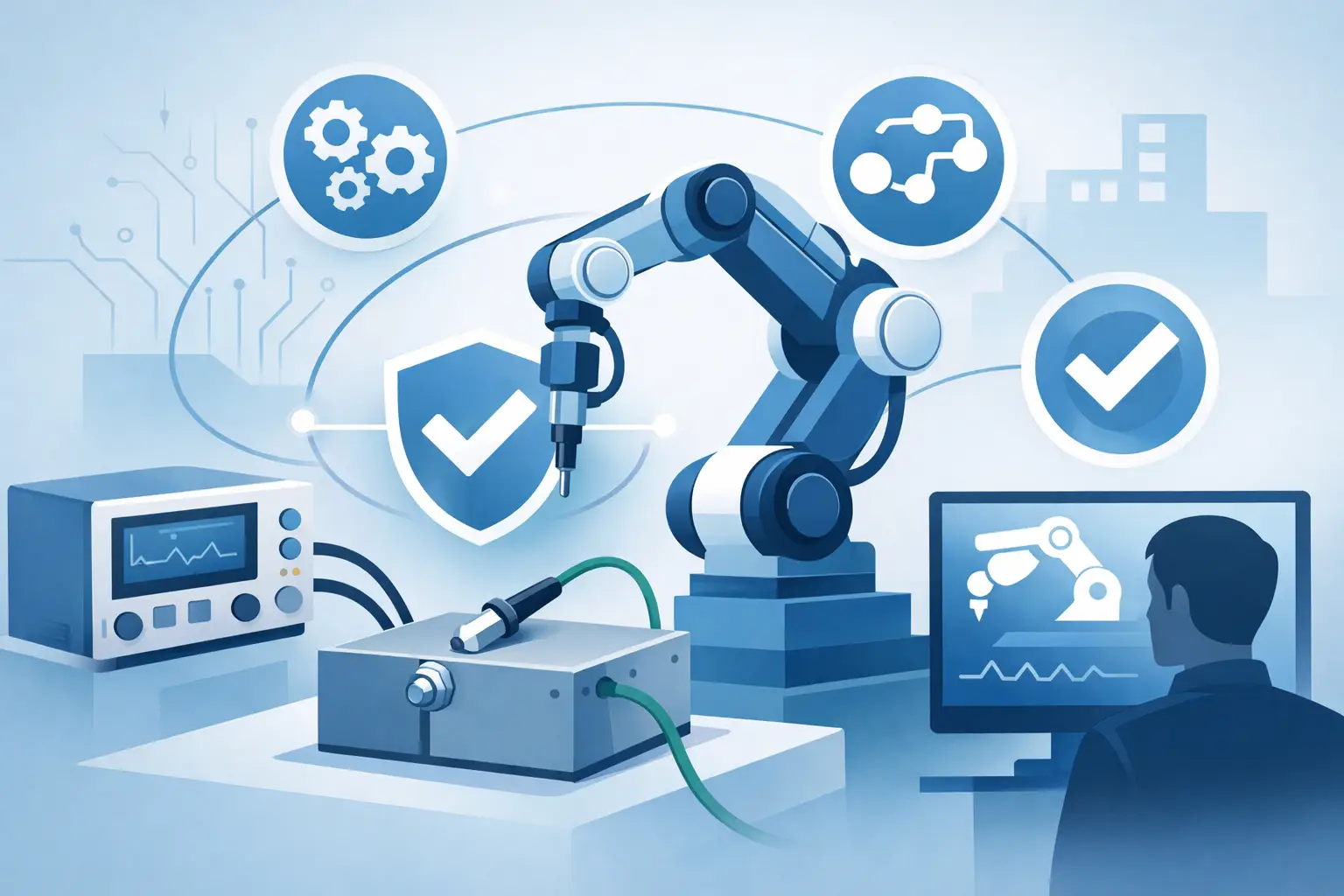
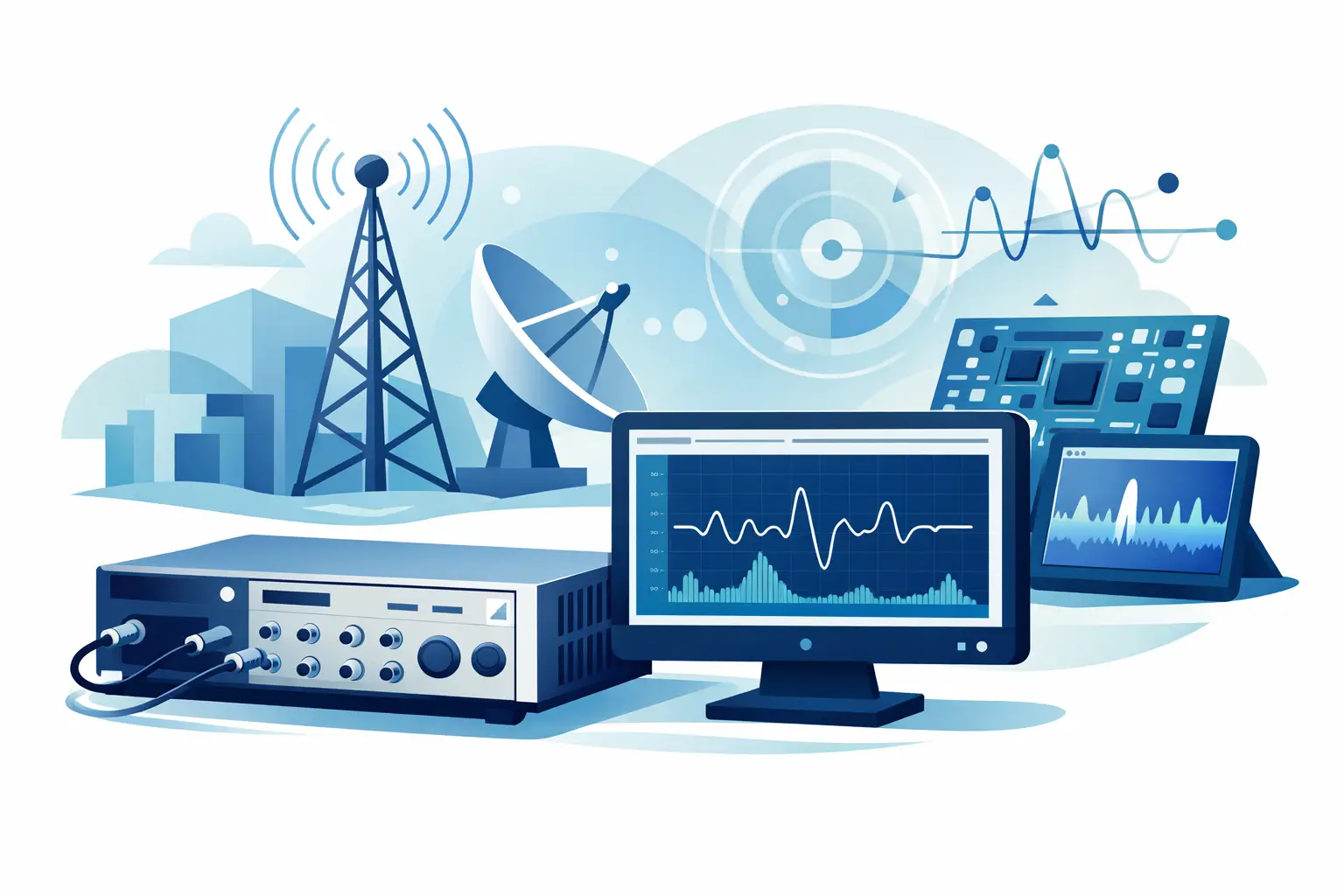
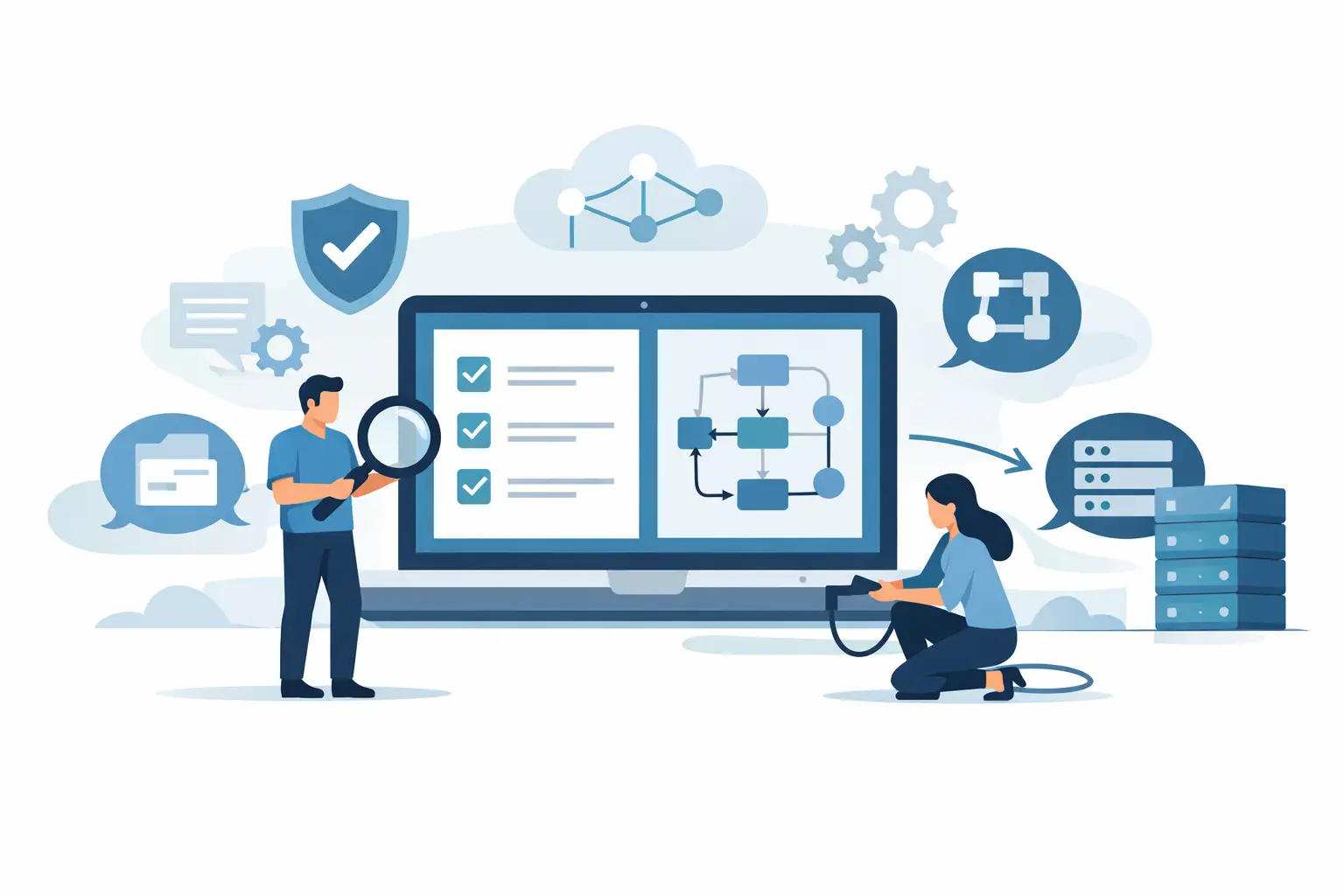
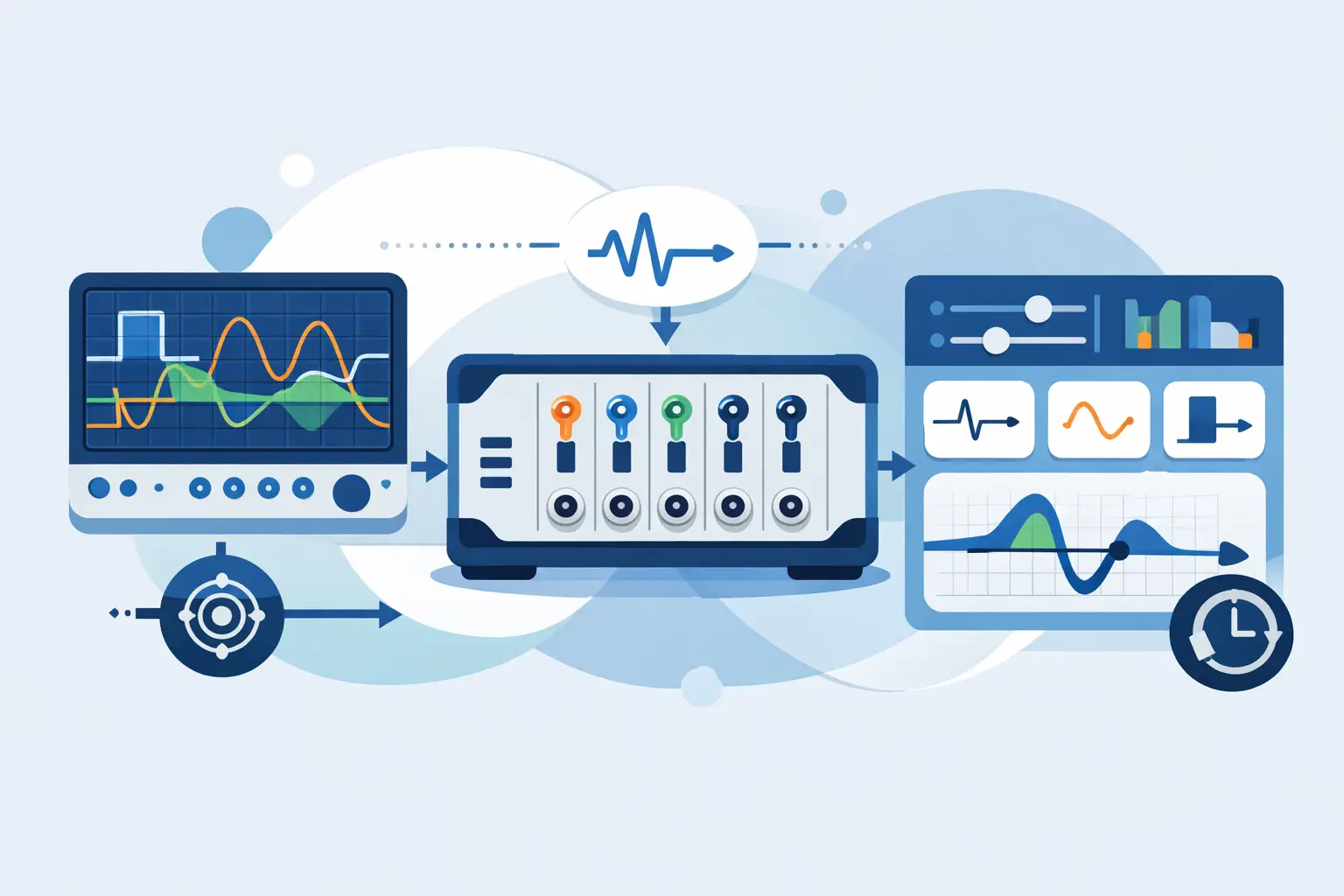
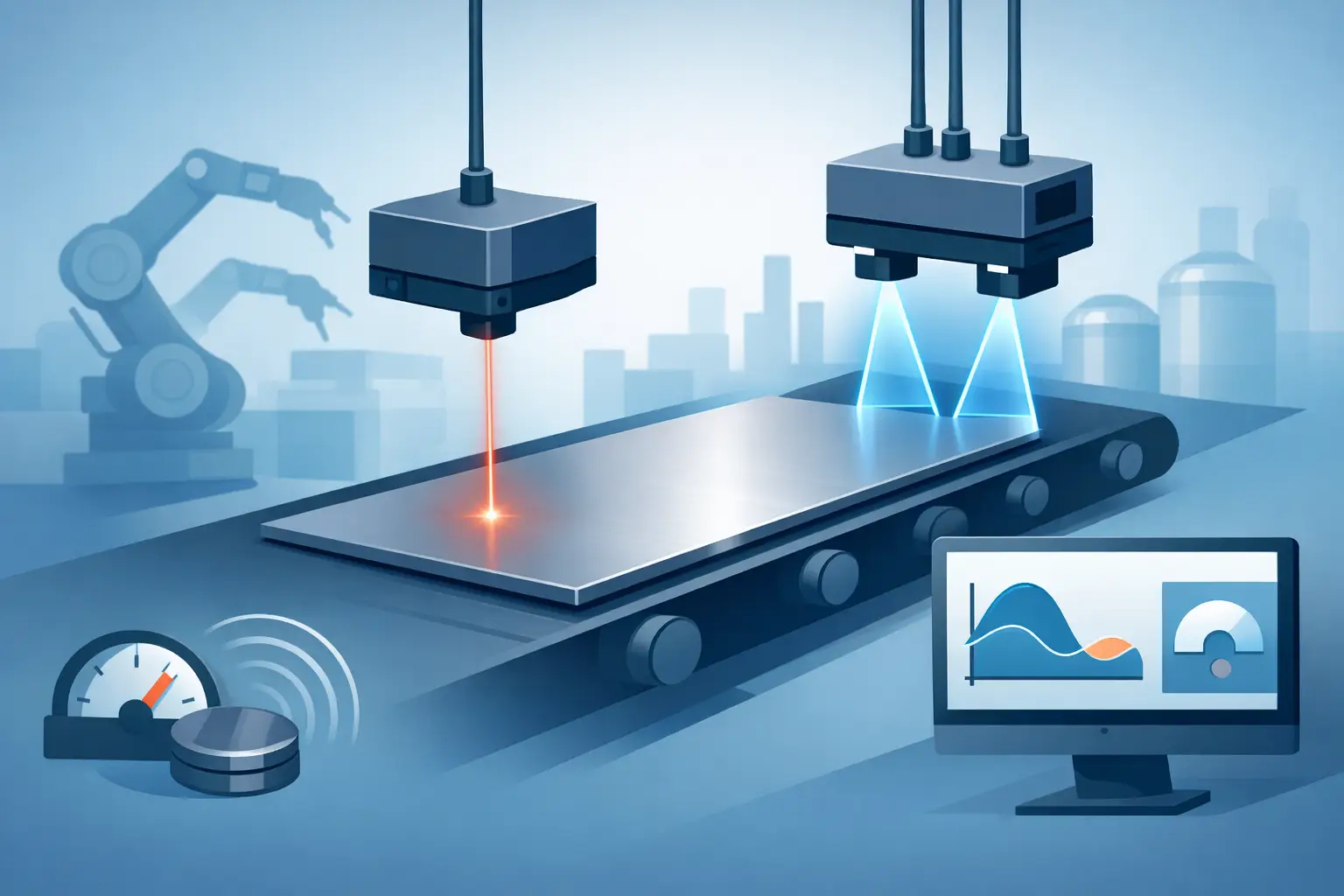
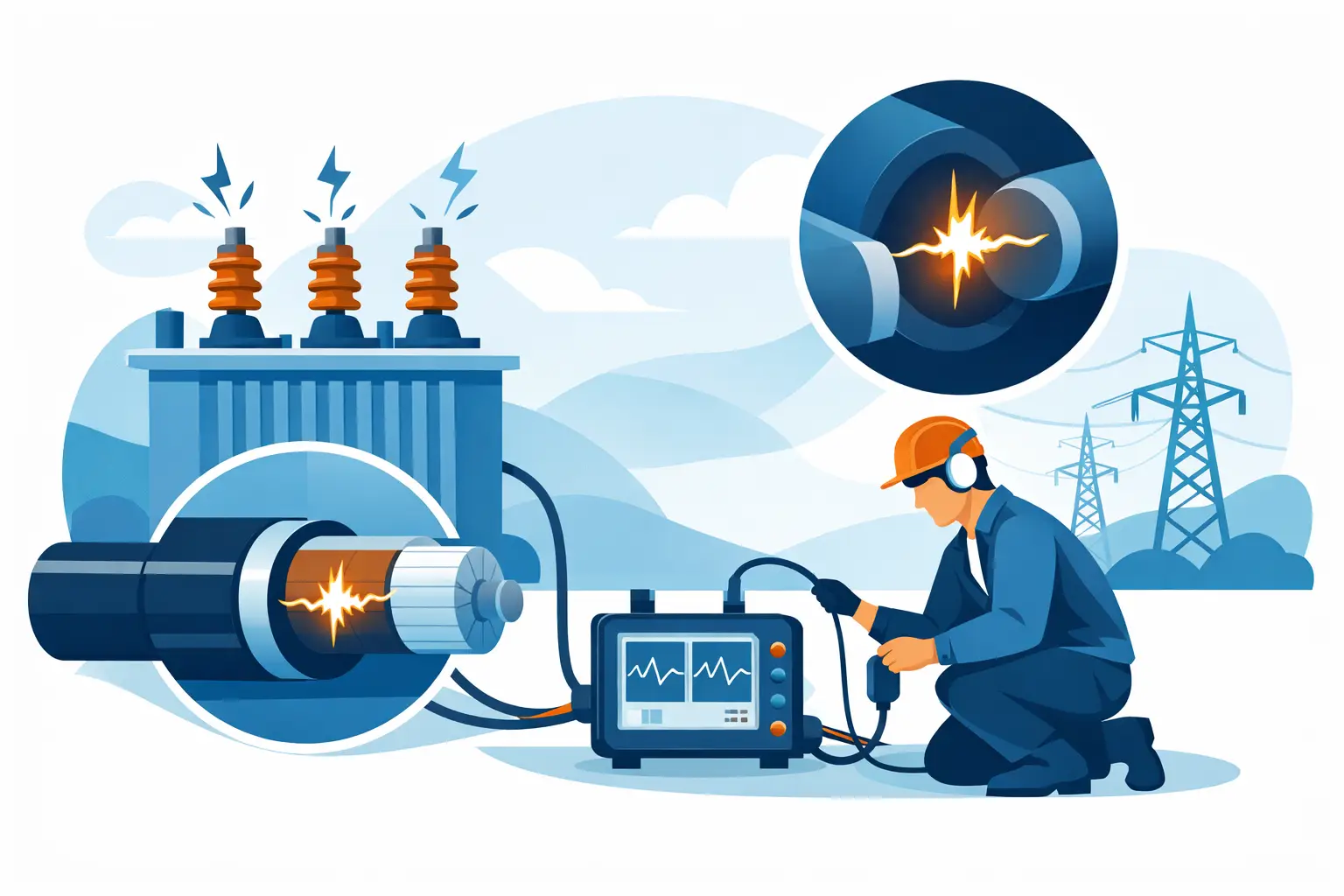
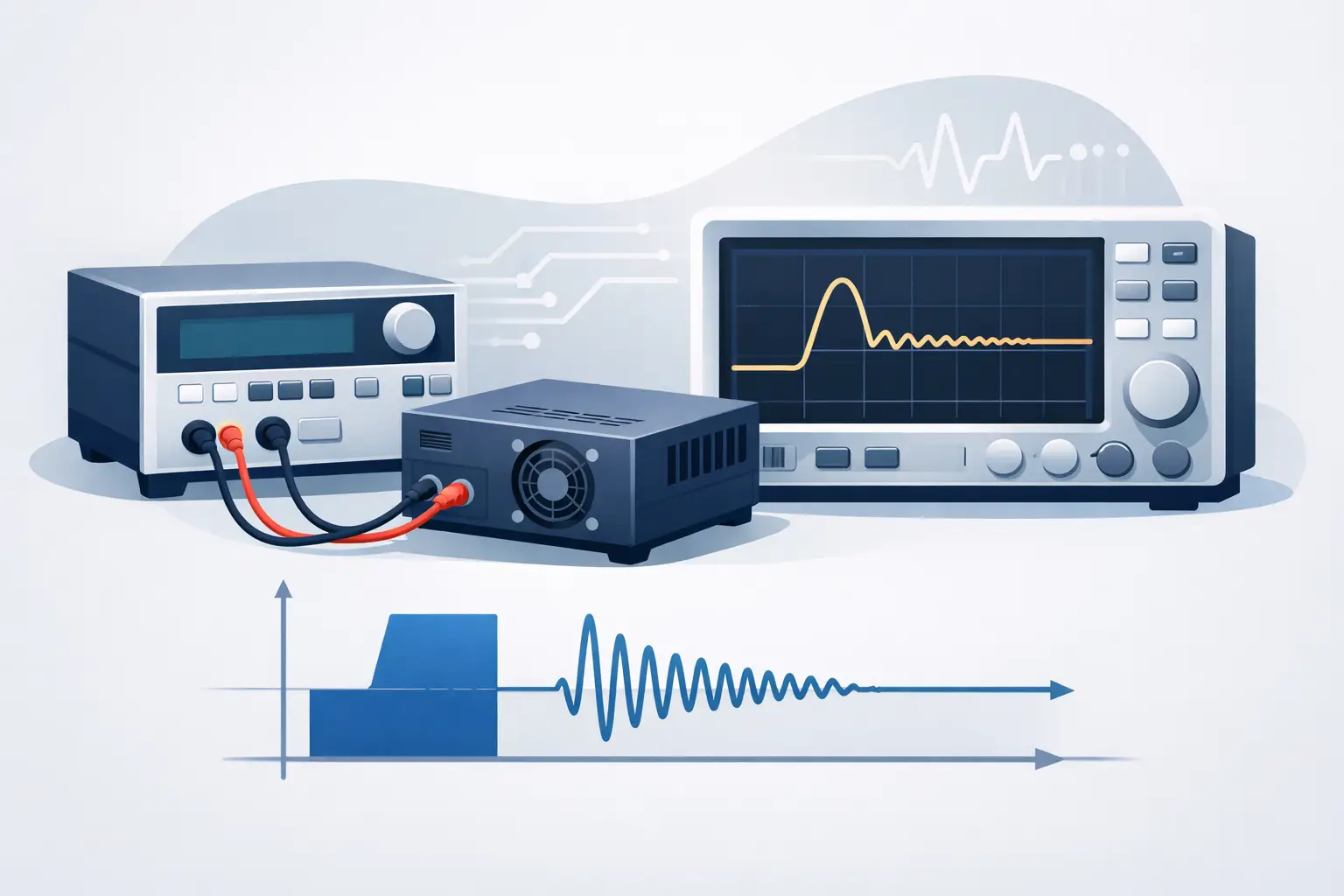
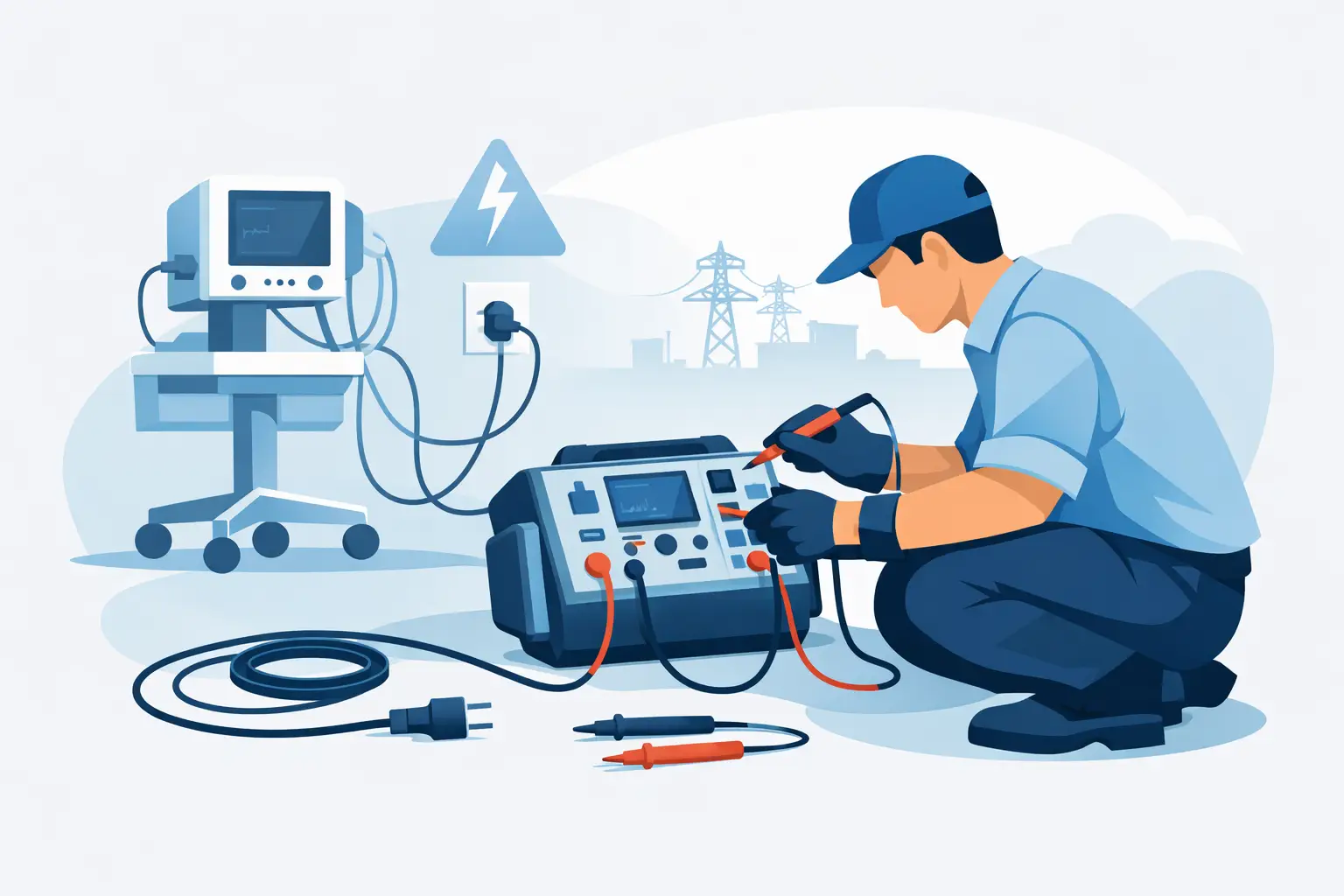
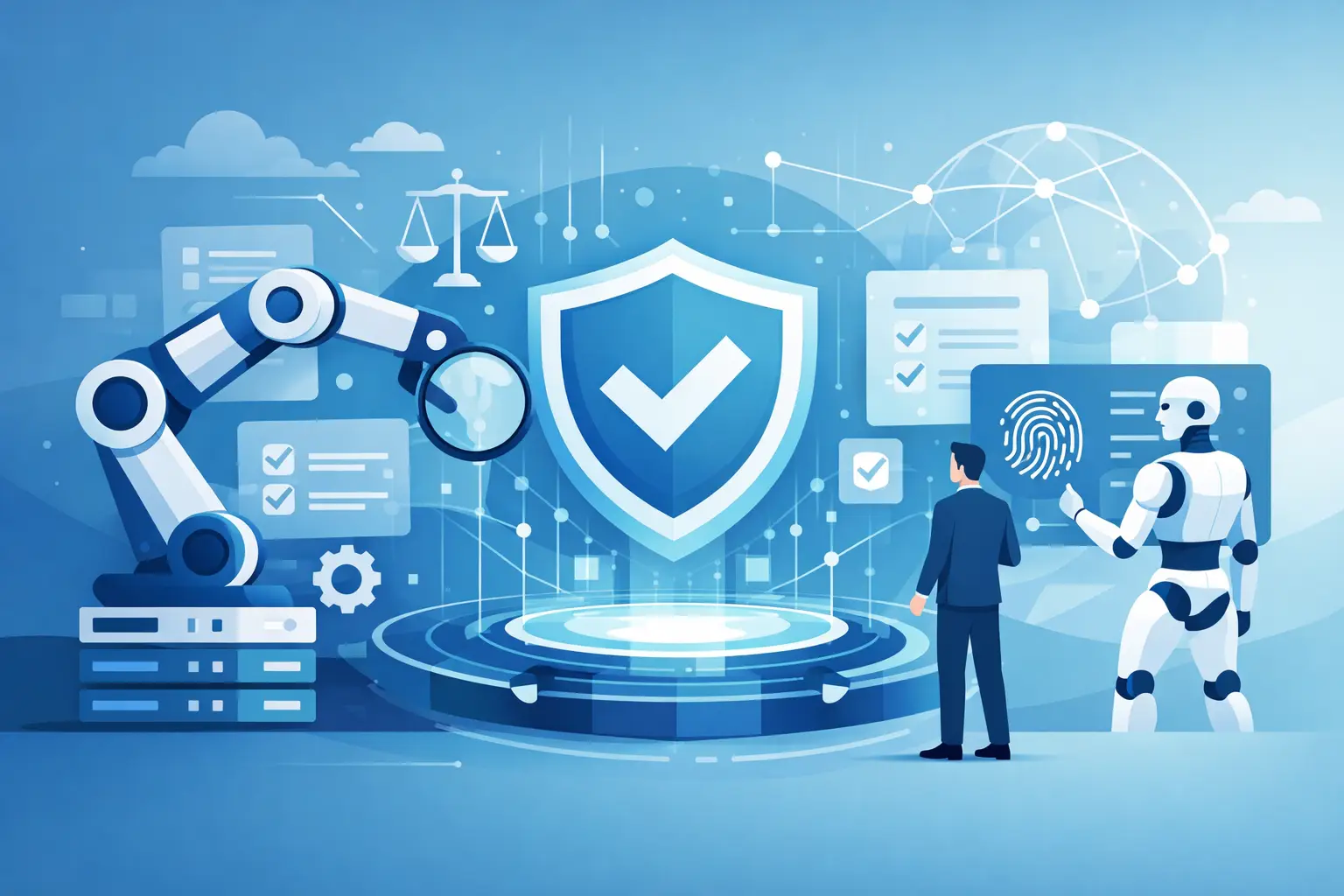
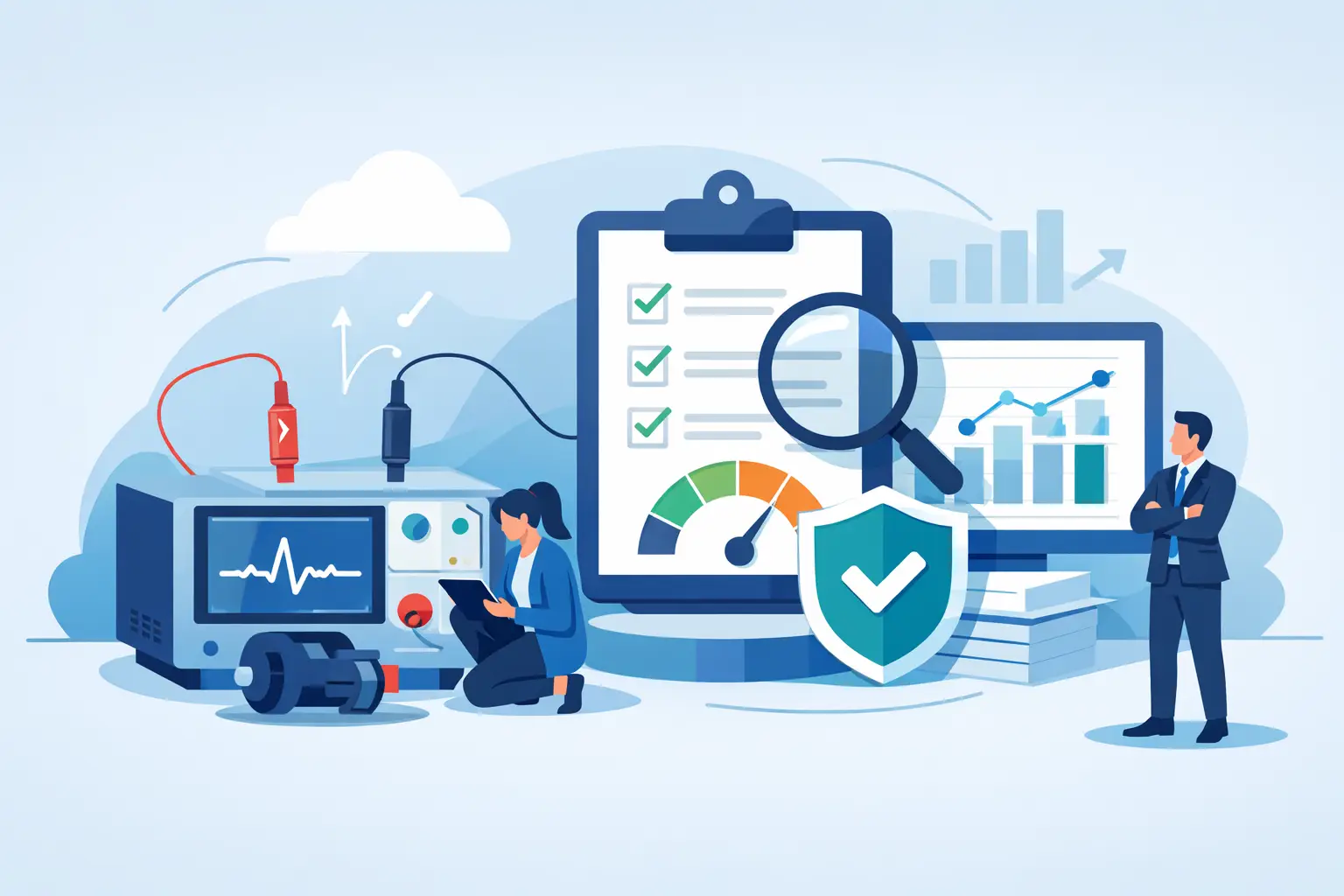
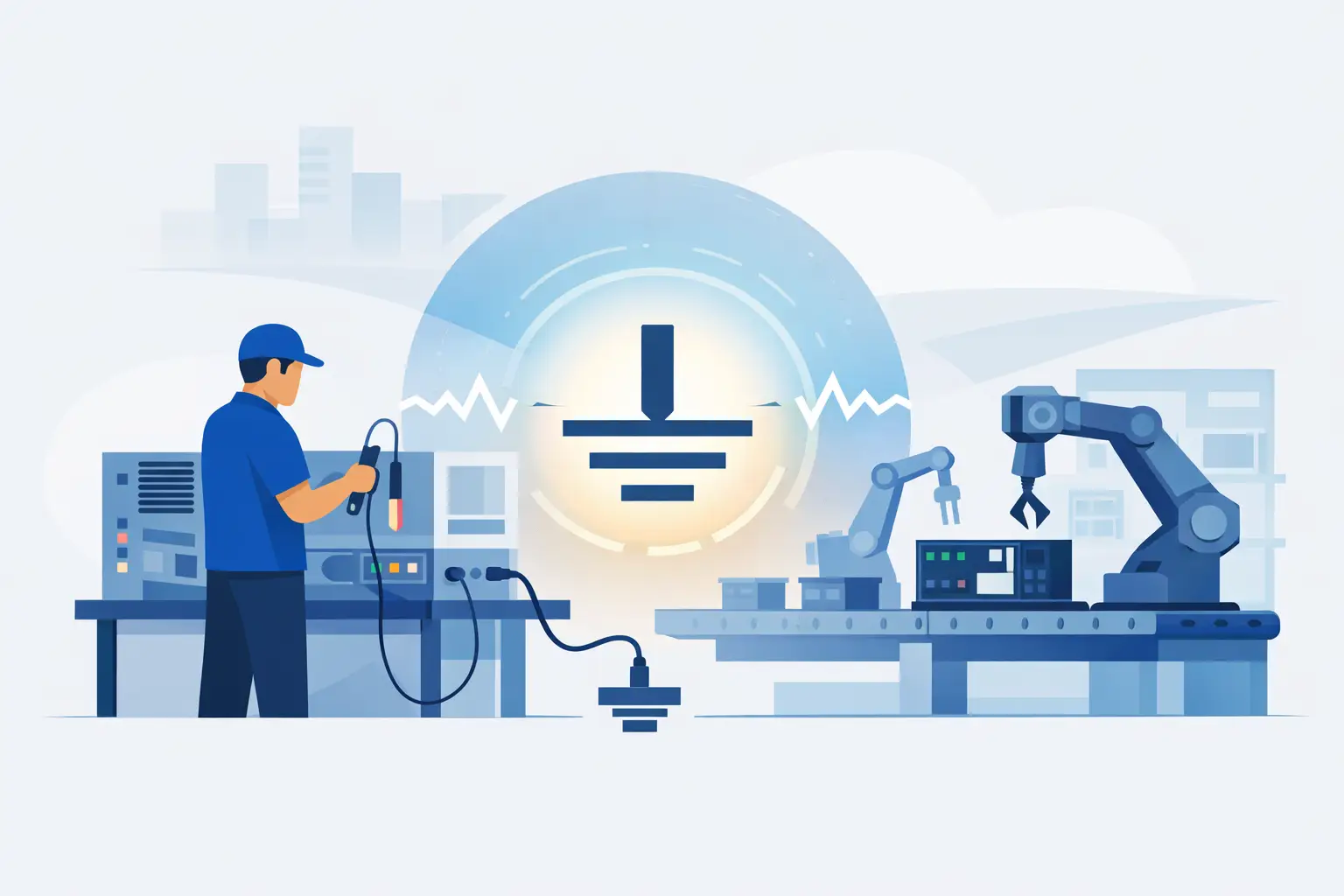
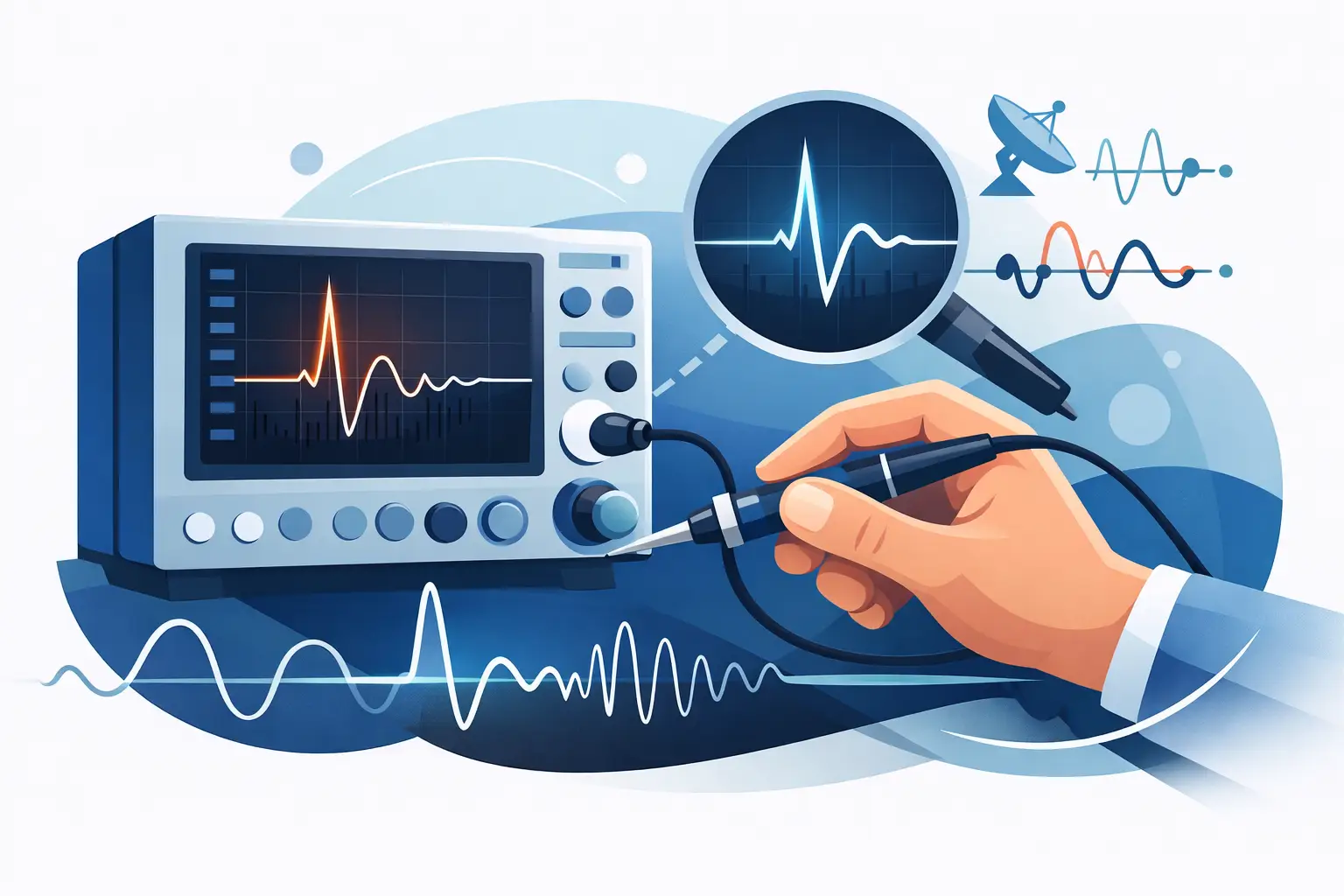
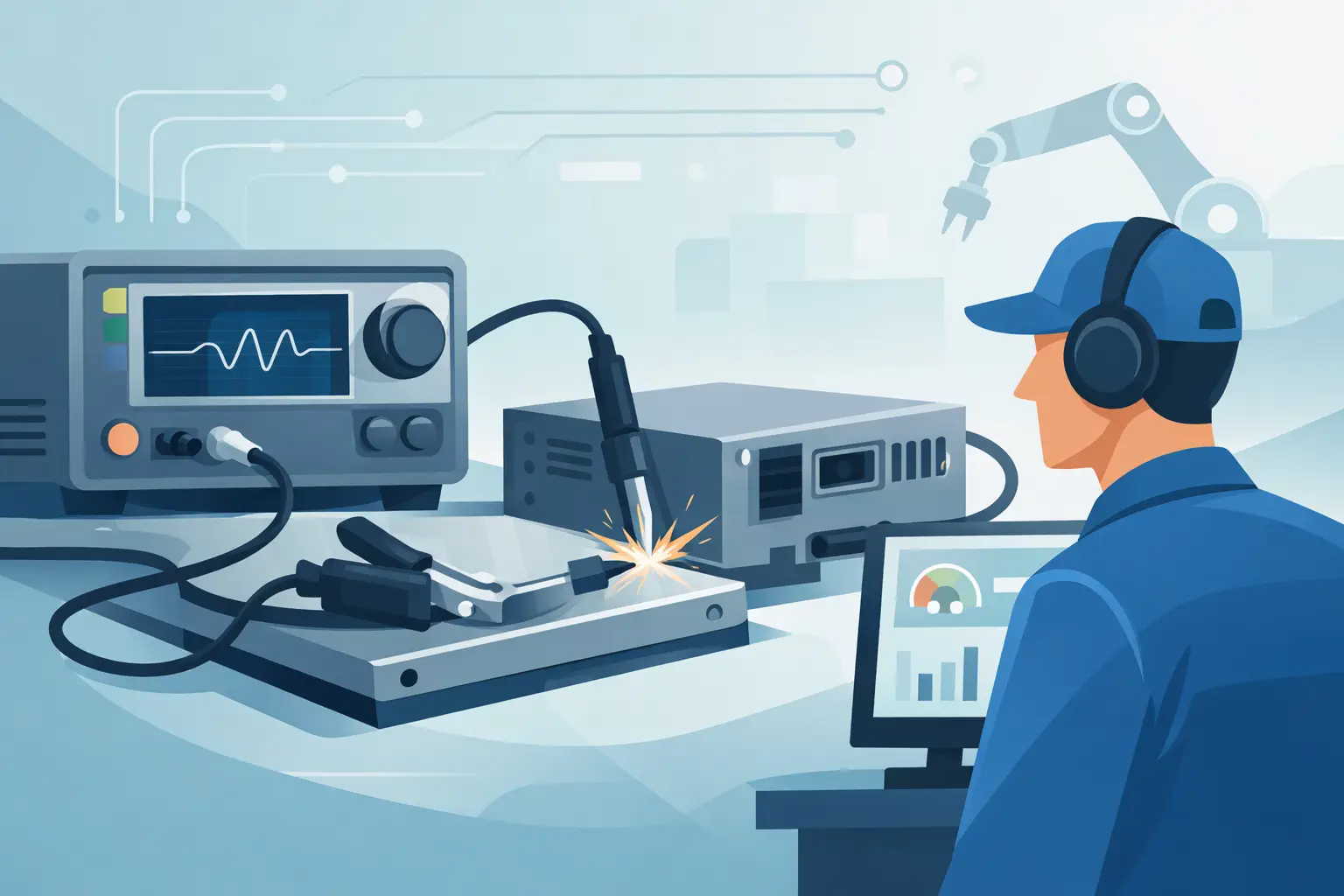
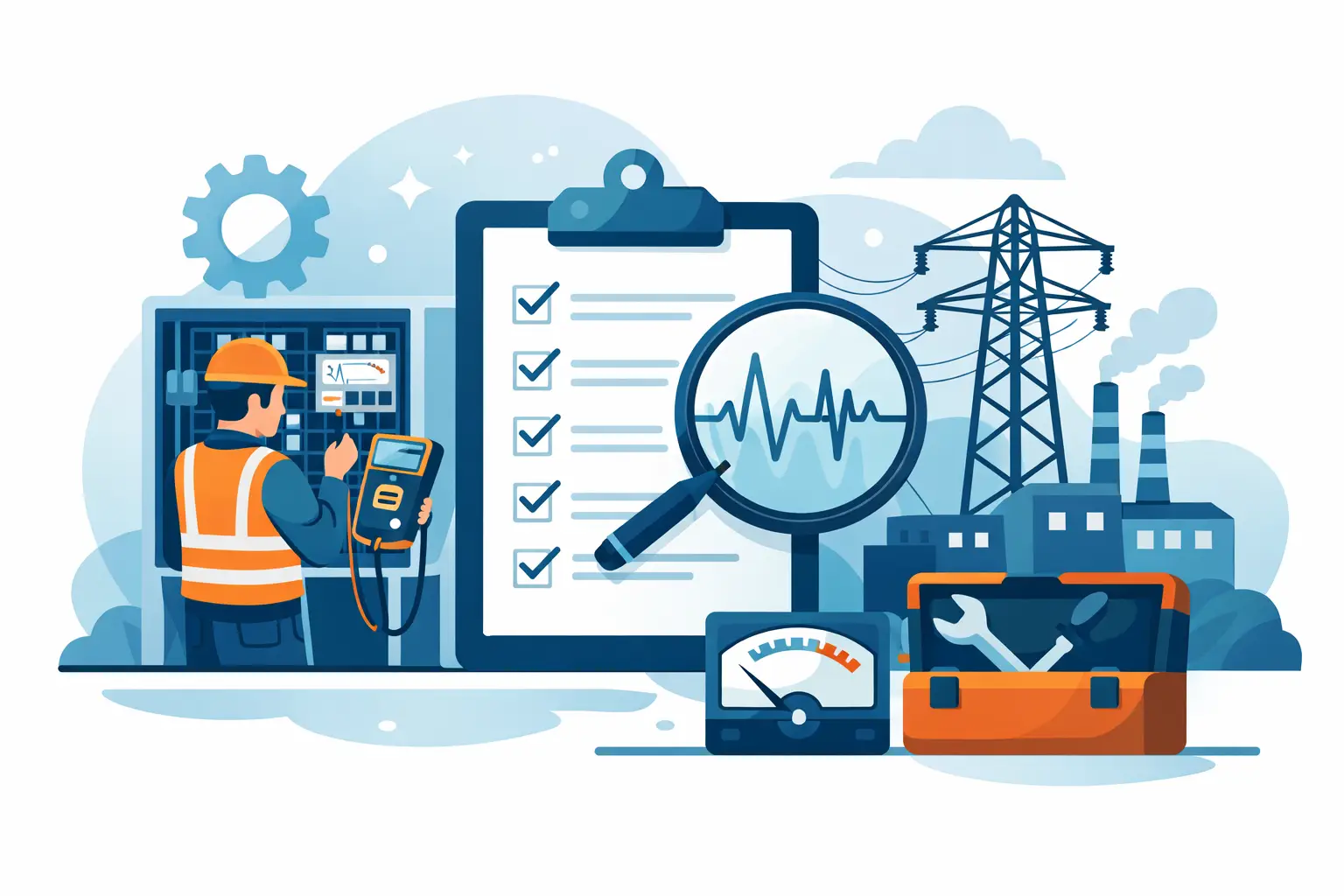
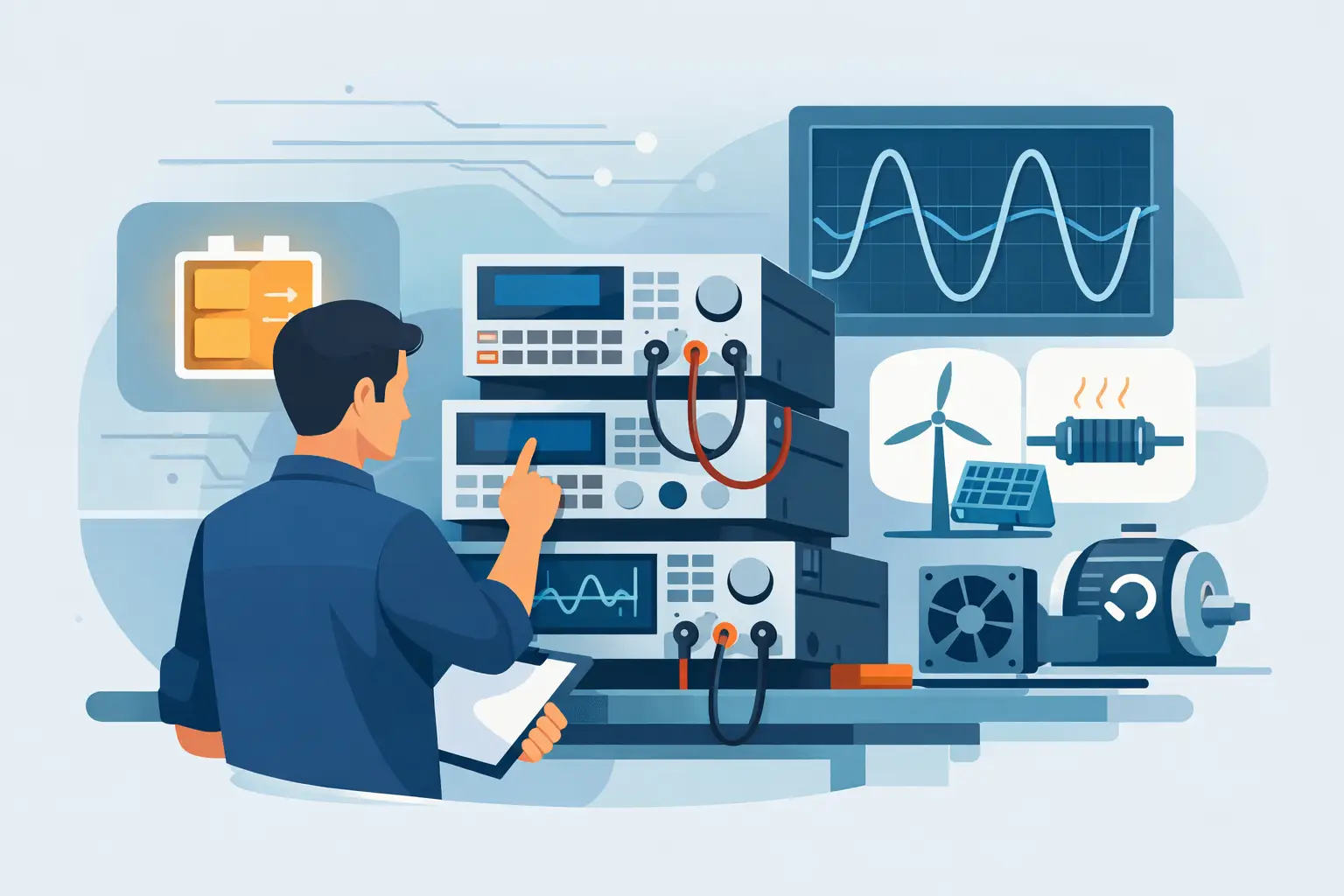
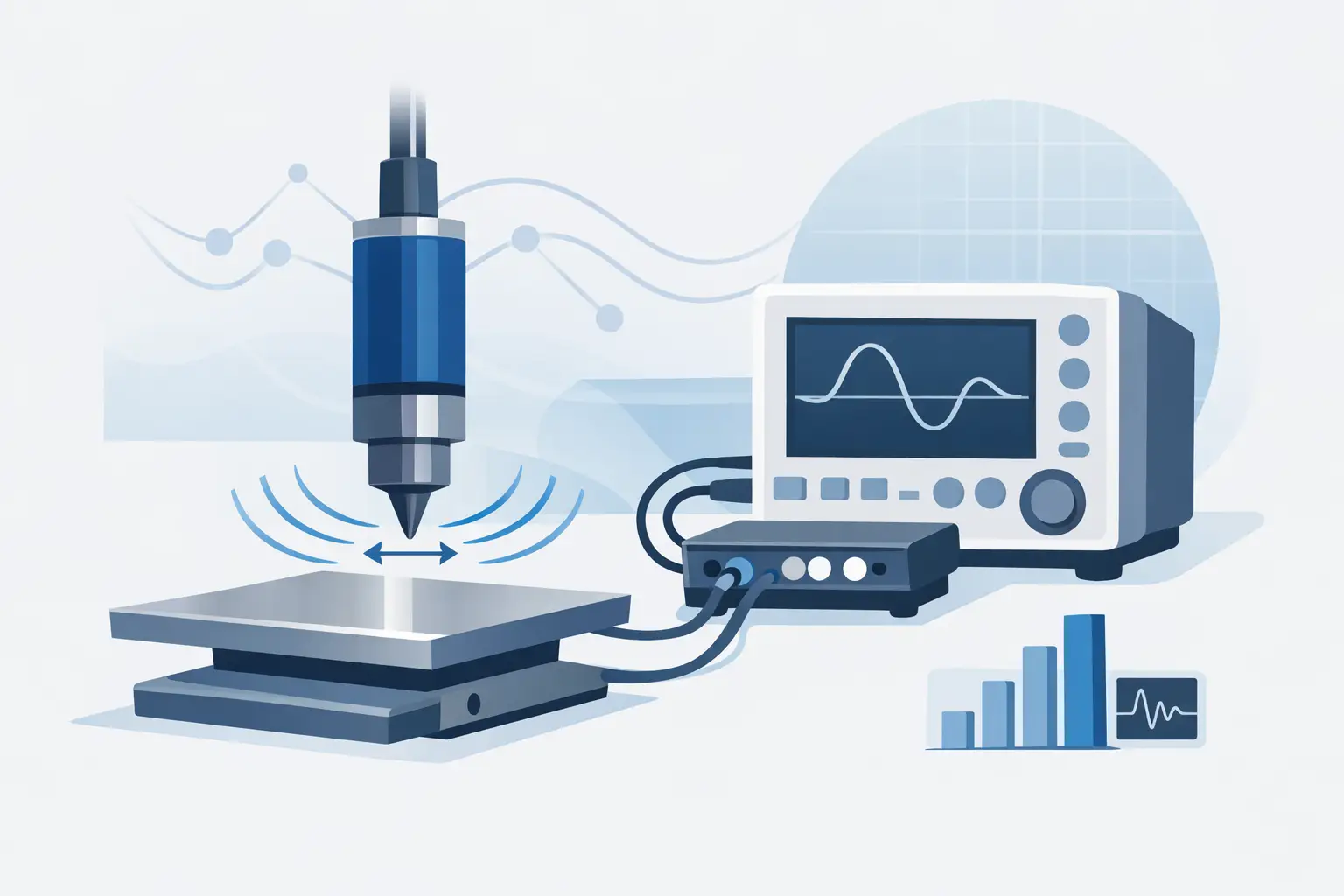
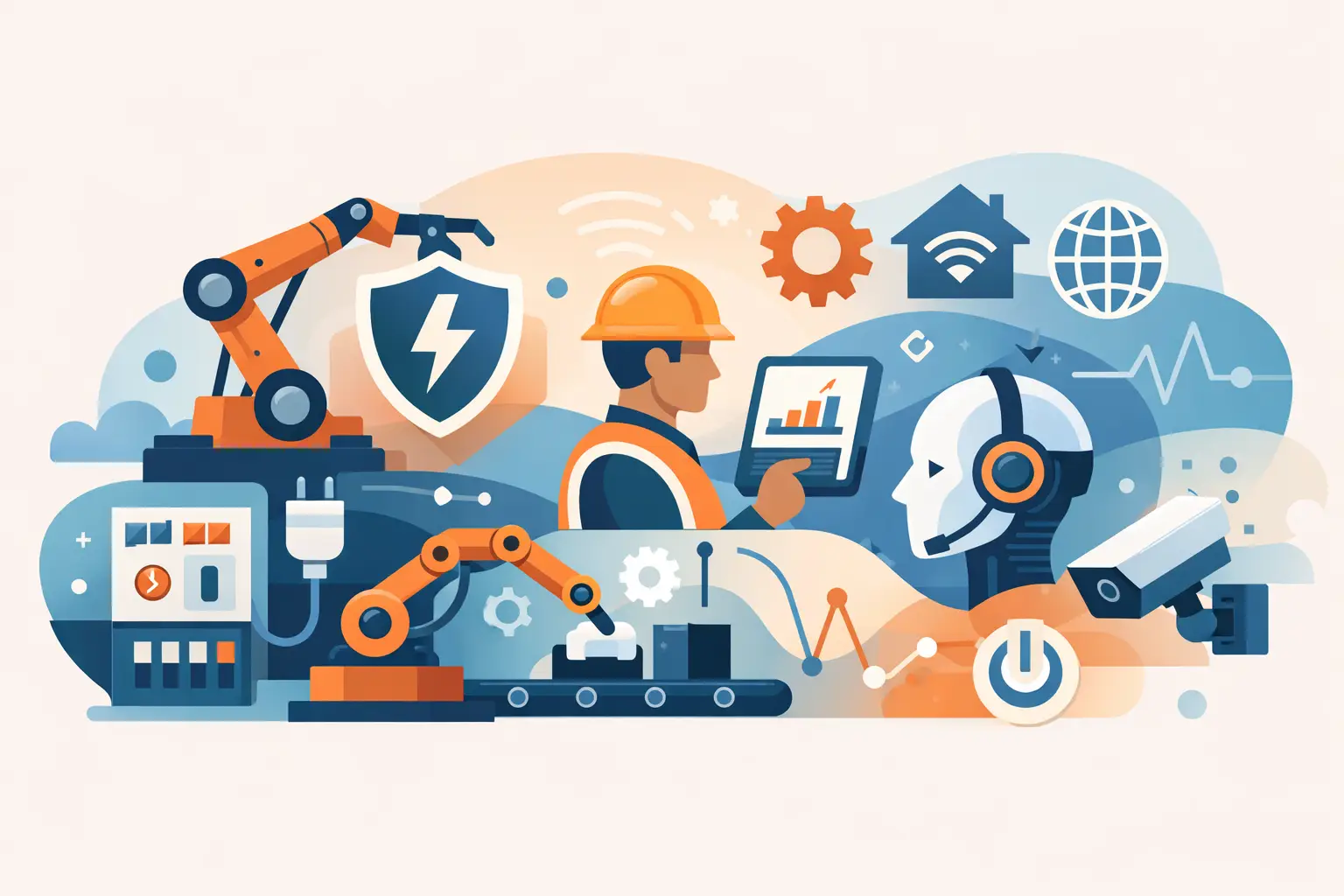
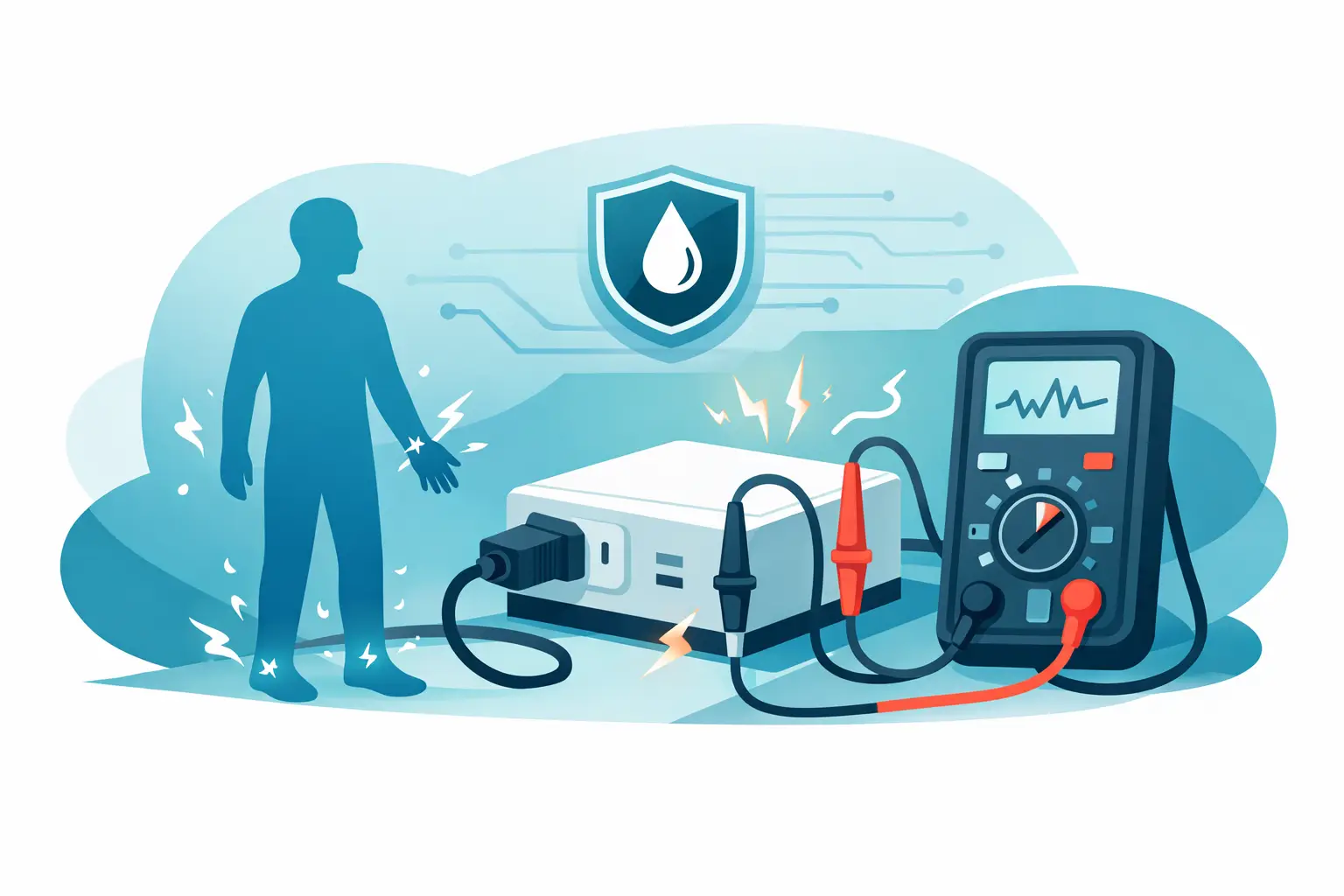
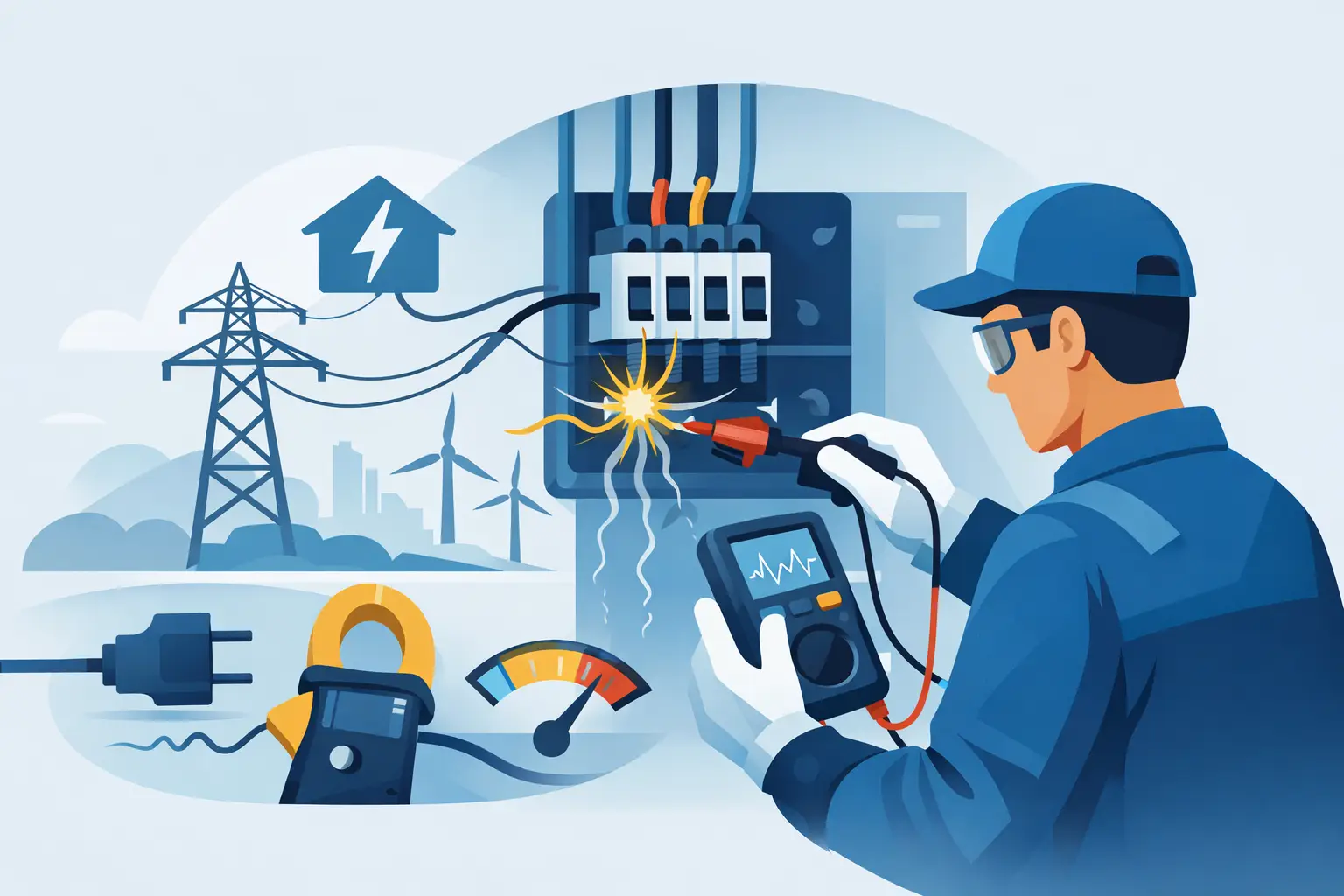
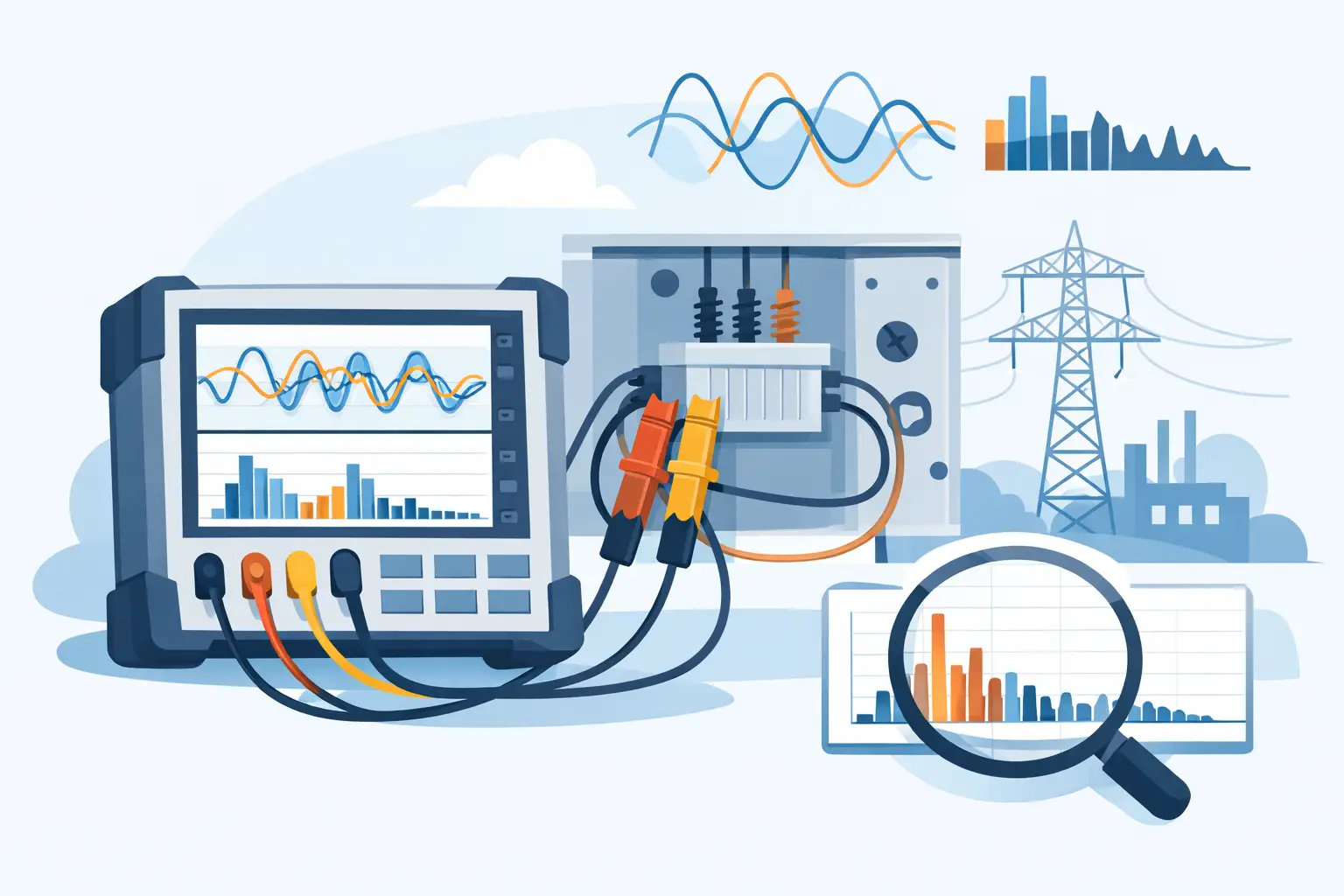
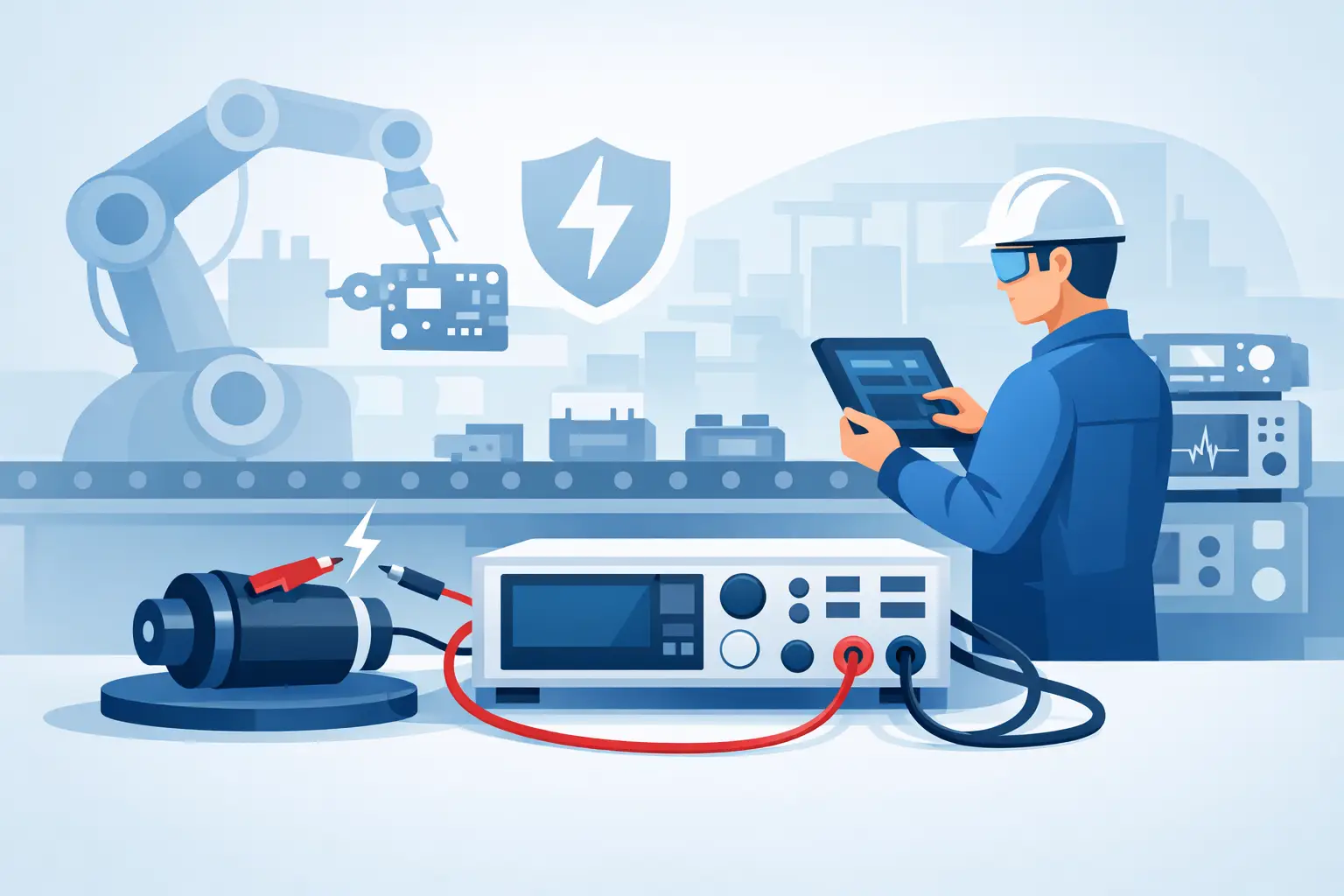
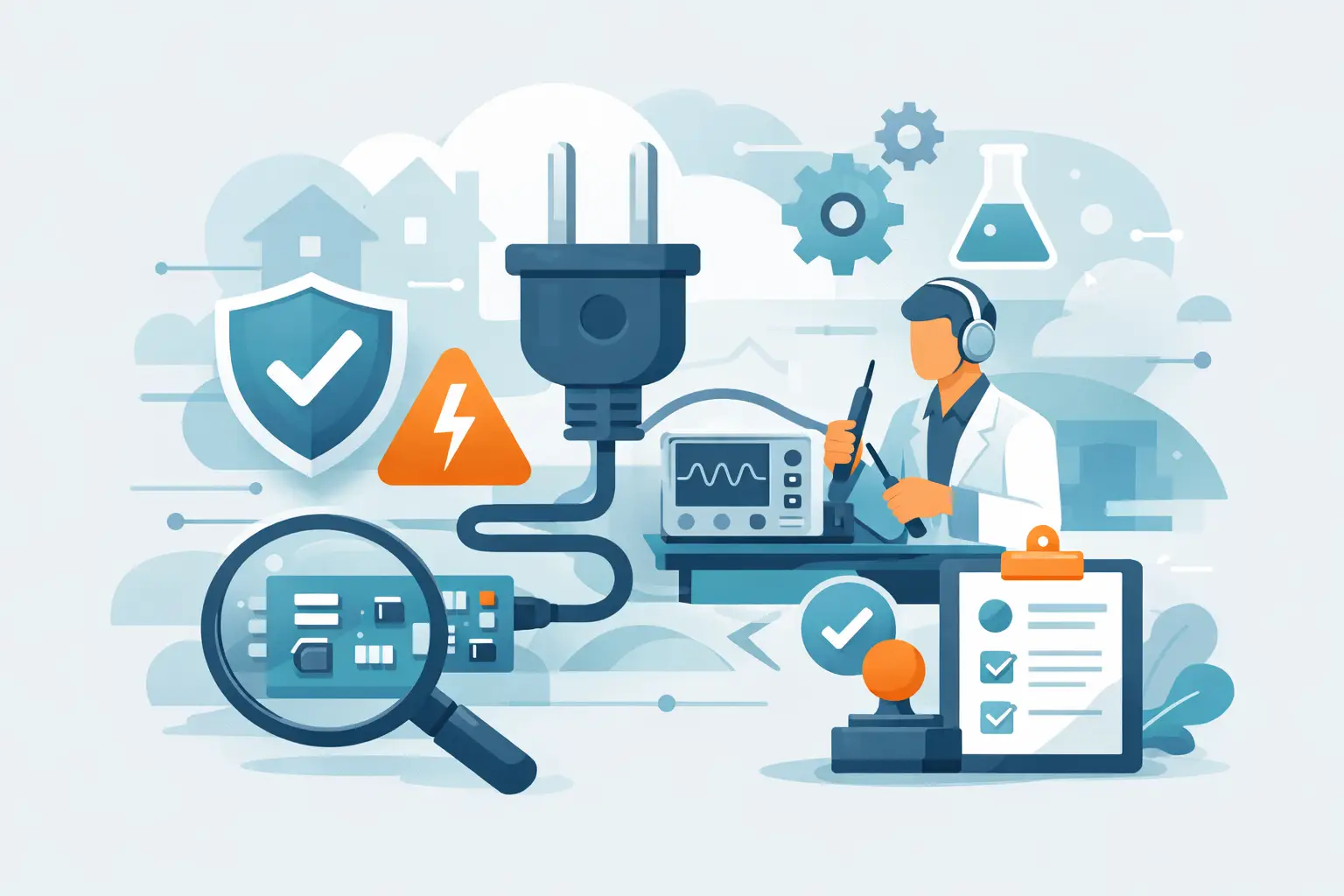
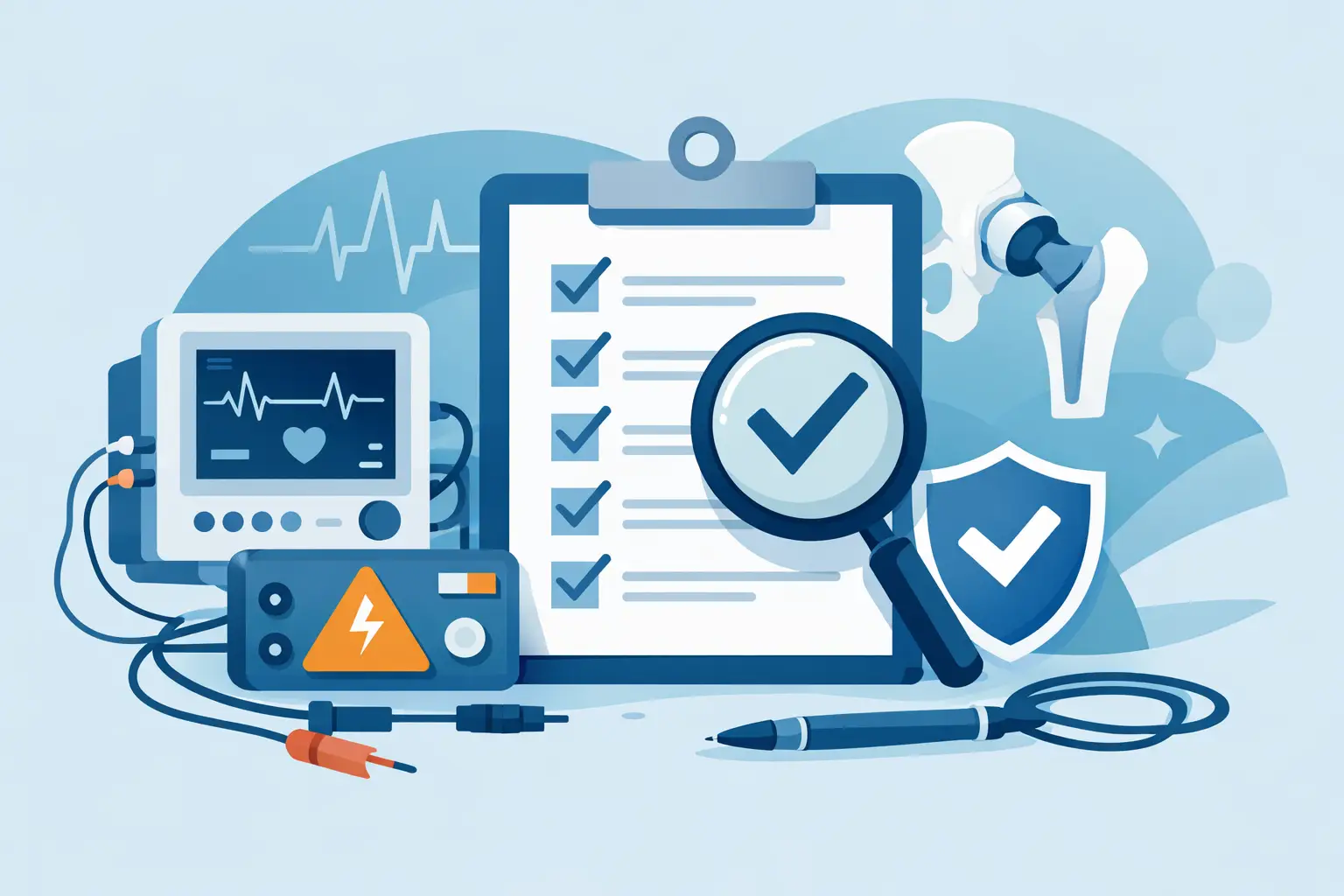
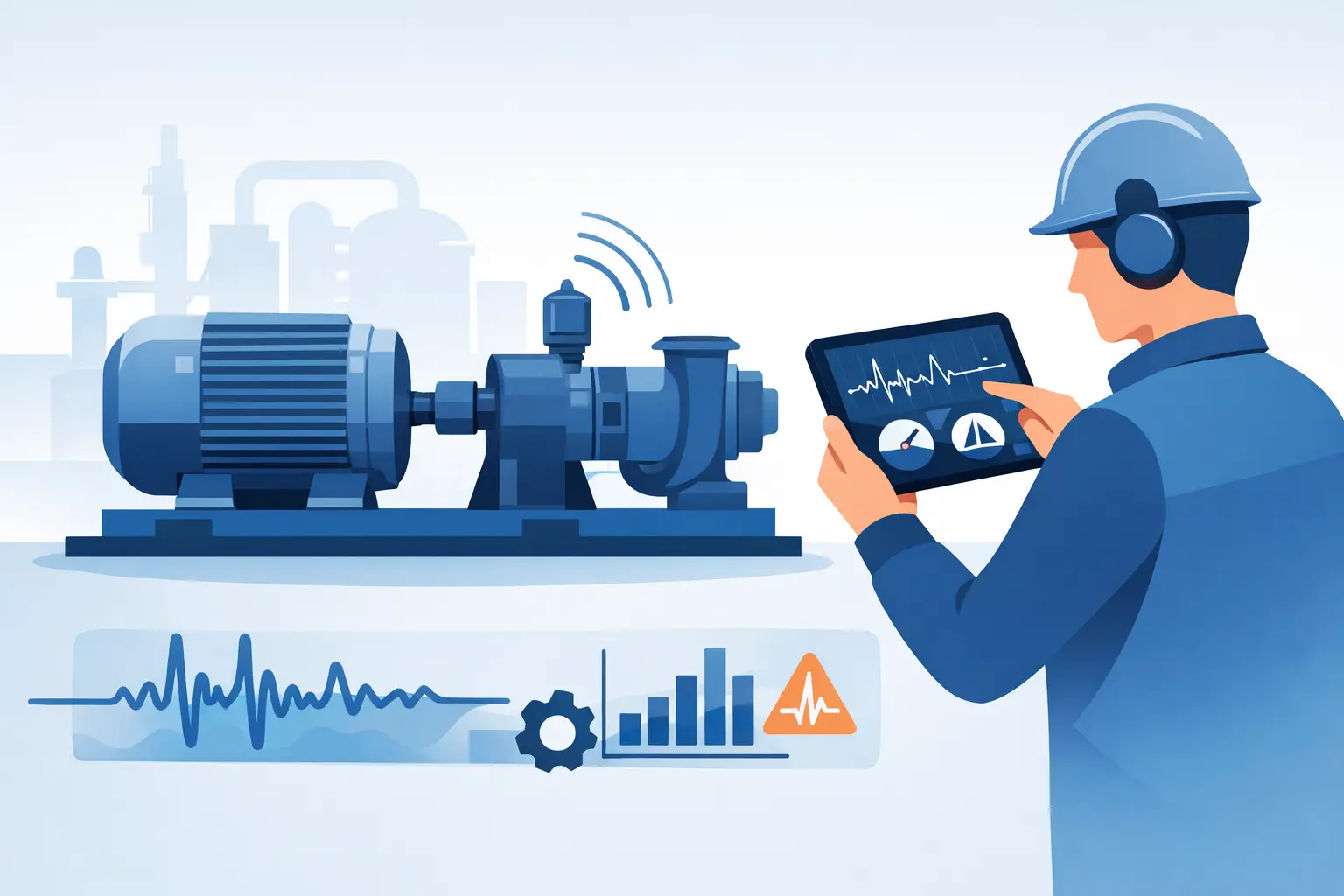
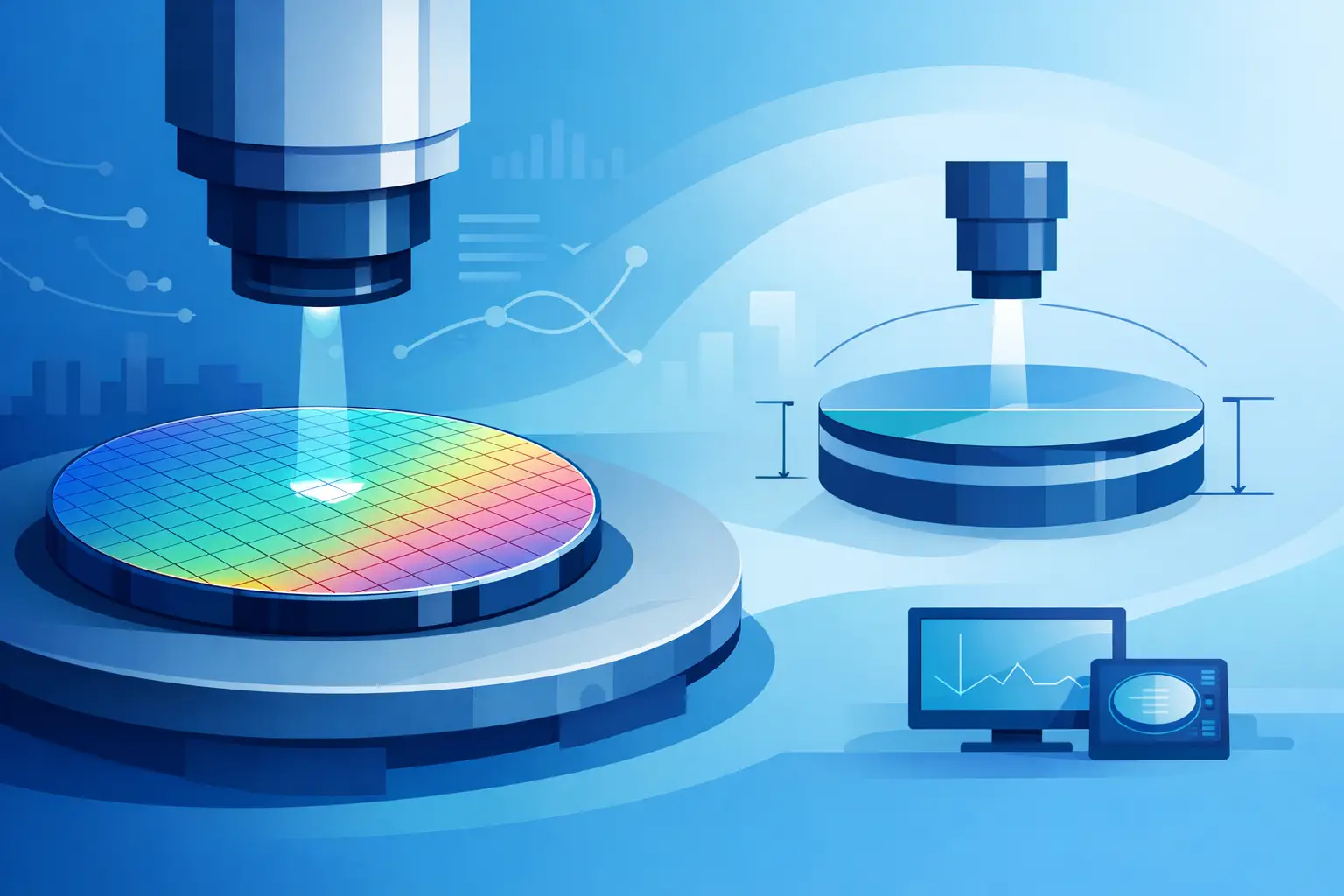
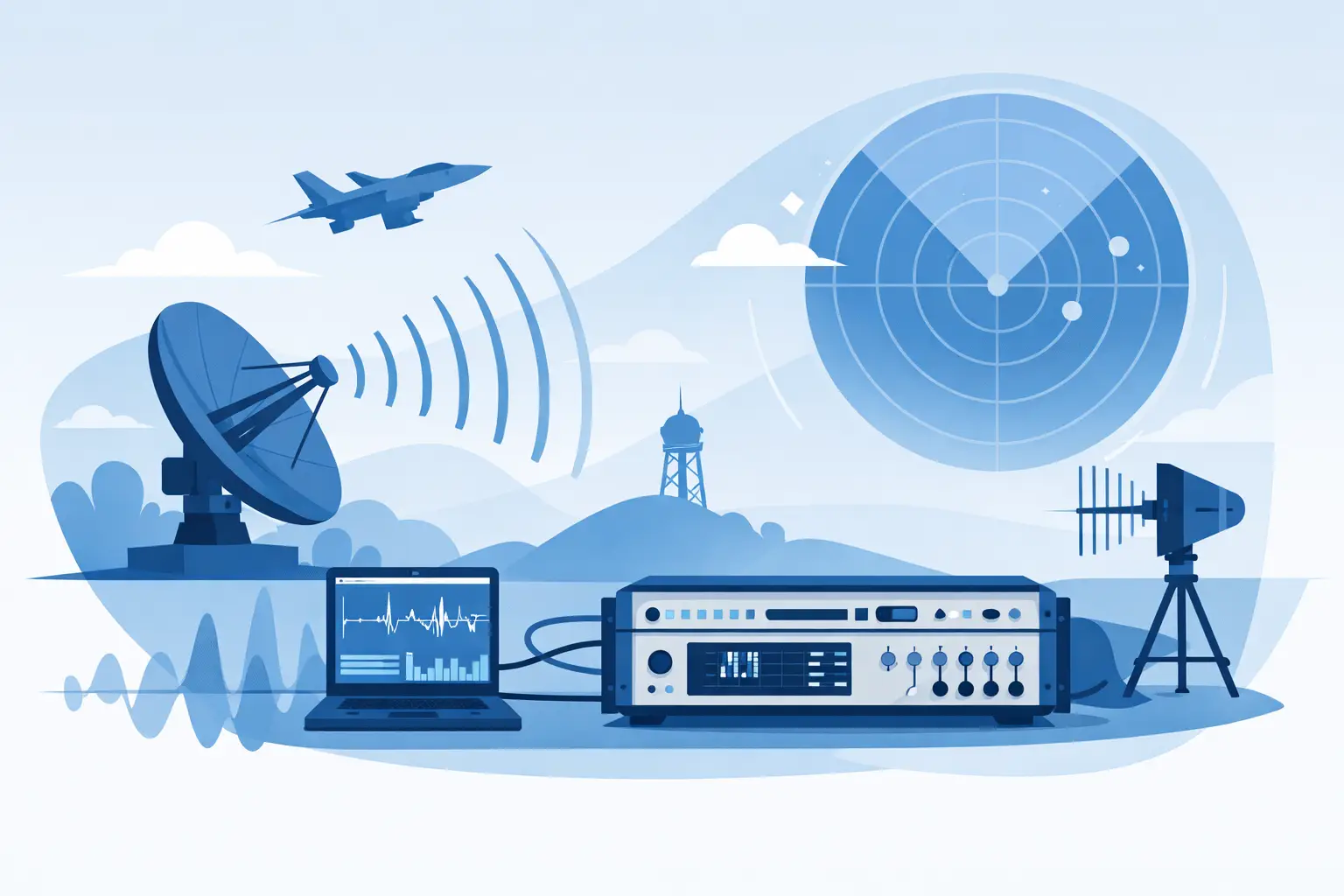
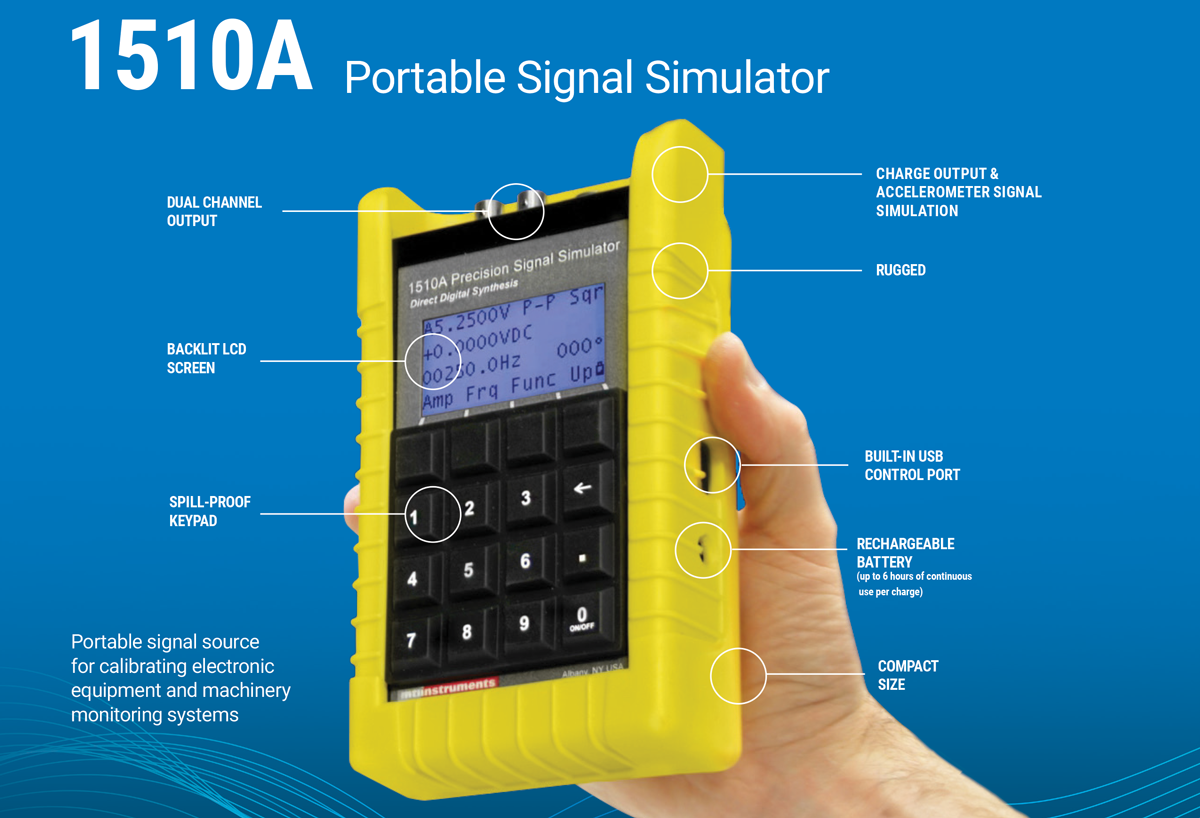
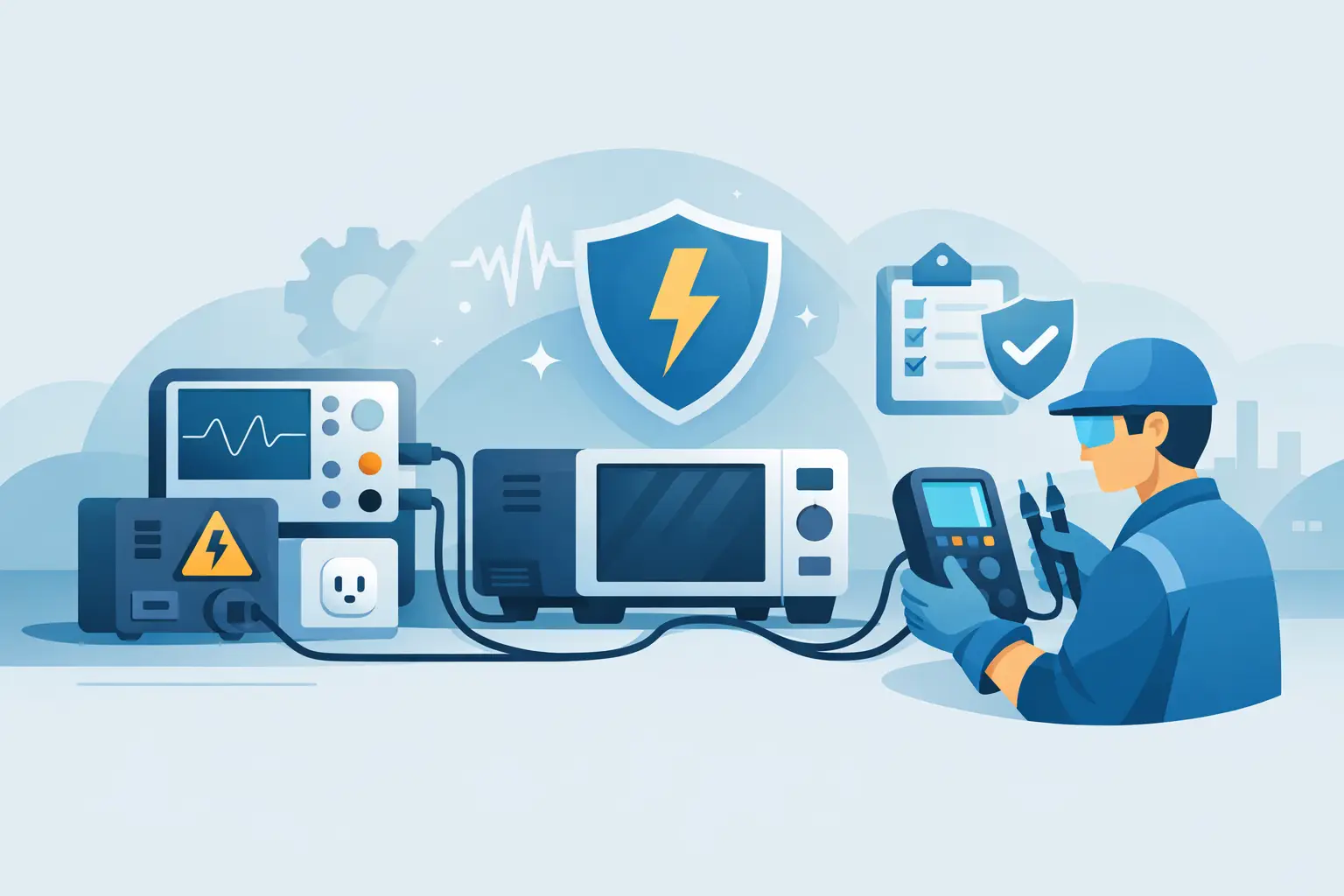
A production line can execute a hipot test in seconds, but the compliance decision lasts far longer. It may support a product release, a customer audit, a certification file, or an investigation years after shipment. The future automated compliance testing model is therefore not defined simply by faster equipment. It is defined by whether every result can be tied to a controlled method, a calibrated instrument, a specific unit under test, and a defensible disposition.
For manufacturers of EV components, medical devices, aerospace assemblies, industrial electronics, and safety-critical power products, automation is moving from a throughput initiative to a measurement-integrity initiative. The systems that deliver the most value will combine automated execution with disciplined test engineering, traceable records, and meaningful exception handling.
Why Automation Is Changing Compliance Testing
Traditional compliance testing often depends on skilled operators to configure instruments, connect fixtures, enter identifying information, interpret limits, and record outcomes. That approach can be appropriate for low-volume development work or unusual diagnostic tasks. At production scale, however, it introduces avoidable variation. A missed test step, an incorrect test program, or a handwritten serial number can weaken the value of an otherwise accurate measurement.
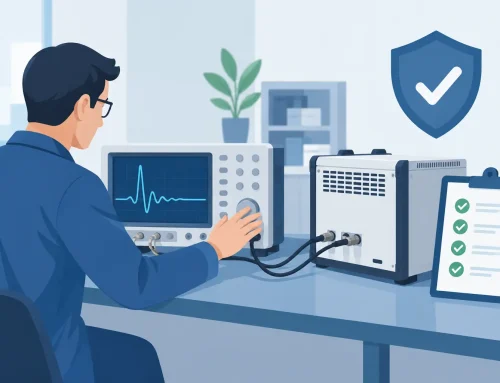
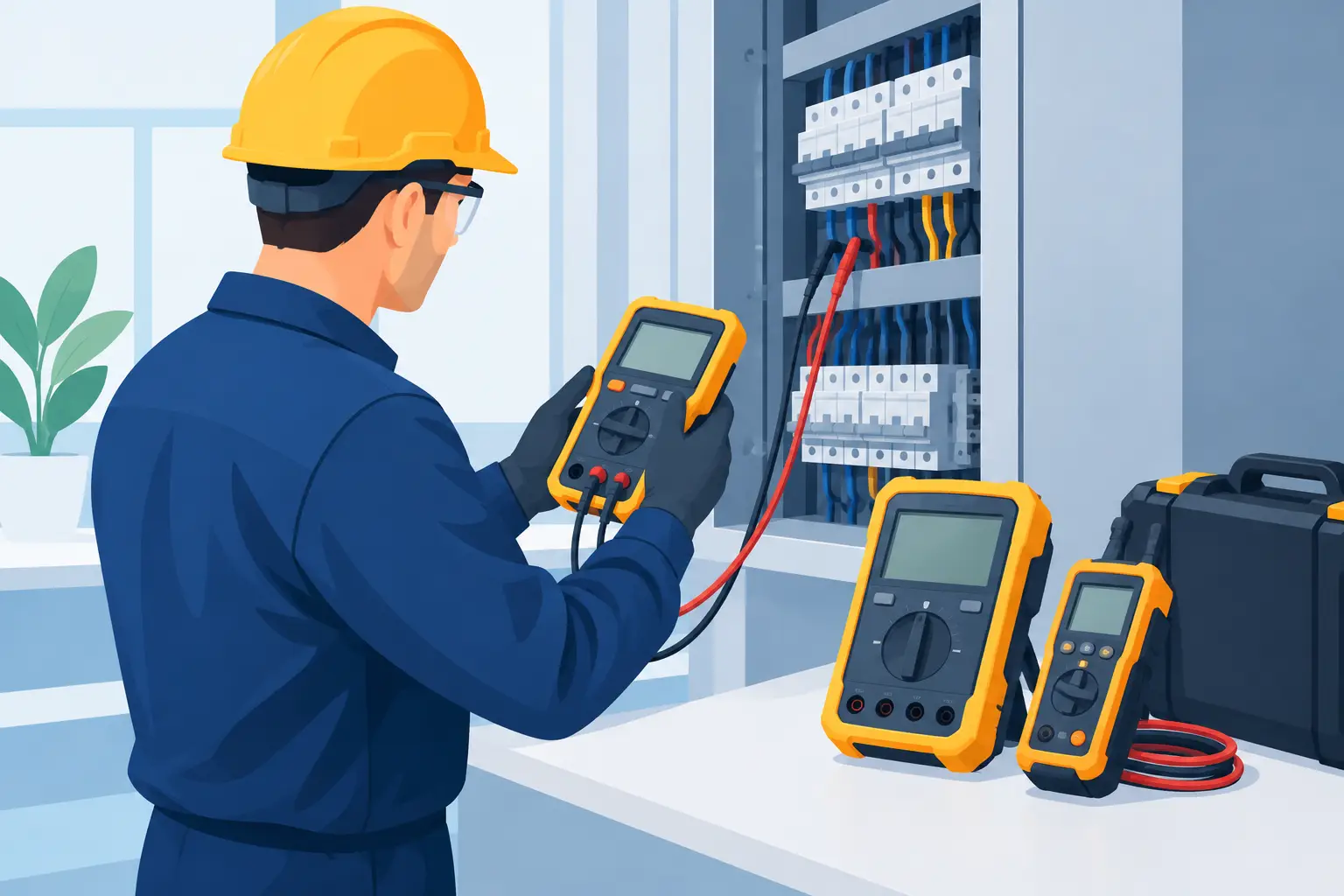
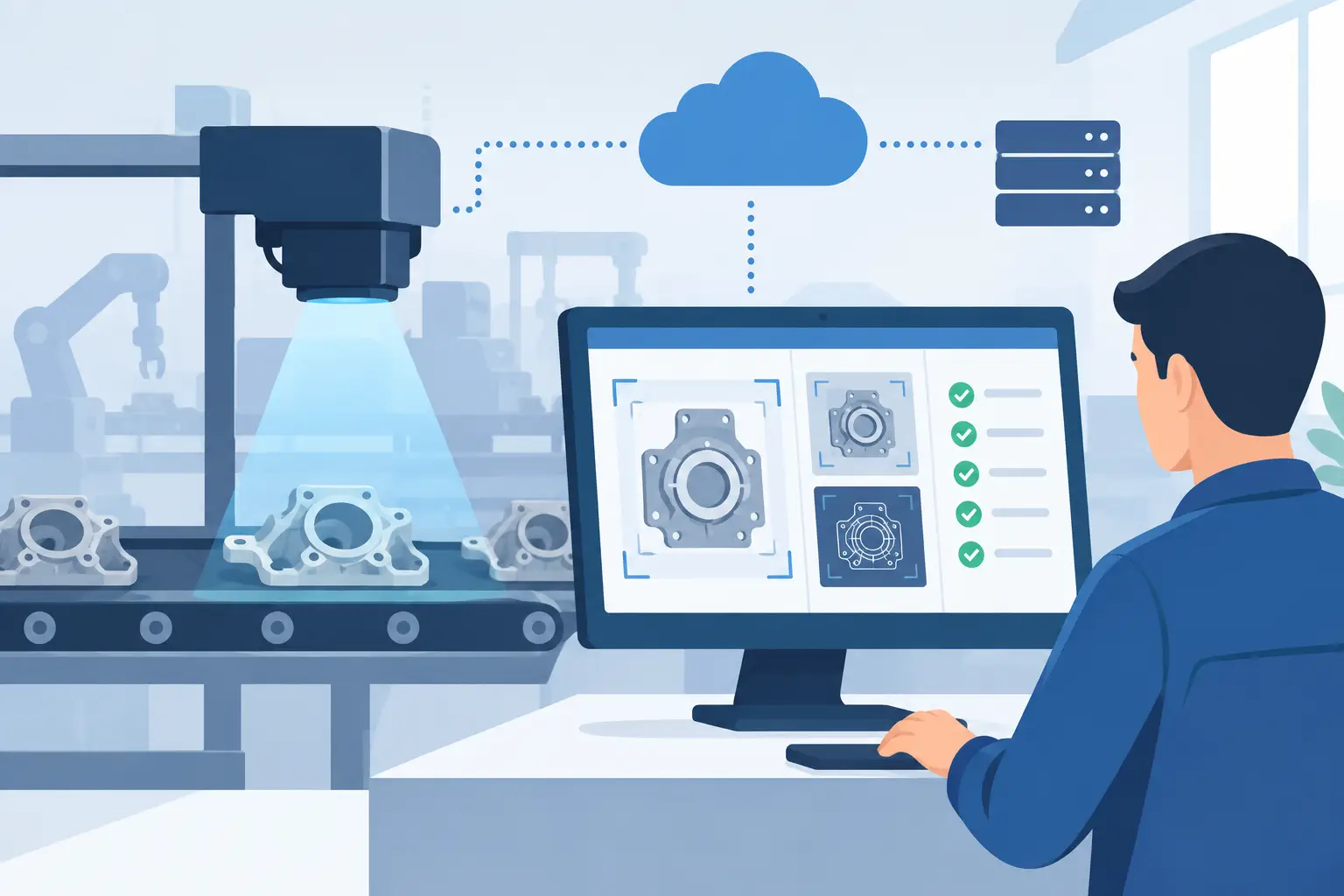
Automated systems address these risks by controlling the sequence. A fixture can confirm that a unit is present, a barcode reader can associate it with the correct test recipe, and a controller can apply voltage, measure leakage current, verify ground bond continuity, or perform insulation resistance testing according to approved limits. The resulting record can include measured values, pass/fail status, timestamps, operator identity, program revision, and instrument status.
This matters because compliance is rarely satisfied by a pass indication alone. Quality teams, certification bodies, and customers may need evidence that the correct test was performed under the correct conditions. Automation makes that evidence more consistent, provided that the system itself is properly designed and maintained.
The Future of Automated Compliance Testing Is Closed-Loop
The next stage of automated compliance testing is closed-loop operation. Instead of treating a test station as an isolated endpoint, manufacturers are connecting it to production data, engineering controls, calibration systems, and quality workflows. A measured result becomes useful only when its context is retained.
Consider an electric drive assembly. Electrical safety testing may include dielectric withstand, insulation resistance, and protective earth continuity. A connected test system can retrieve the approved test configuration based on the assembly variant, capture results at each station, and prevent a unit from advancing when required tests are incomplete or out of tolerance. If a result trends toward a limit, the same data can alert engineering before a large population of failures appears.
Closed-loop operation does not require every facility to pursue a fully connected factory architecture at once. A high-mix, low-volume aerospace line may prioritize controlled test programs and secure result storage. A high-volume appliance or EV supplier may need database integration, automated material handling, and real-time station status. The right level of integration depends on production volume, product risk, regulatory obligations, and the cost of containment.
Data Traceability Must Extend Beyond Pass/Fail
Pass/fail results are easy to store but often insufficient for process improvement. The future lies in retaining the underlying measurements, test conditions, and configuration details needed to interpret a change over time.
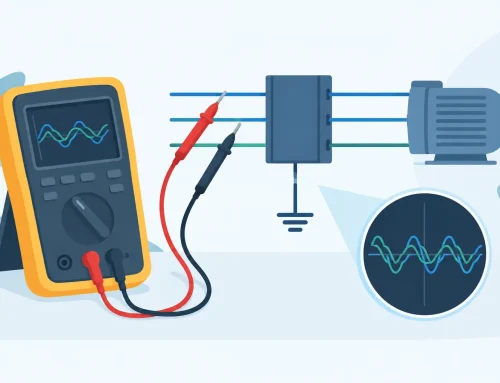
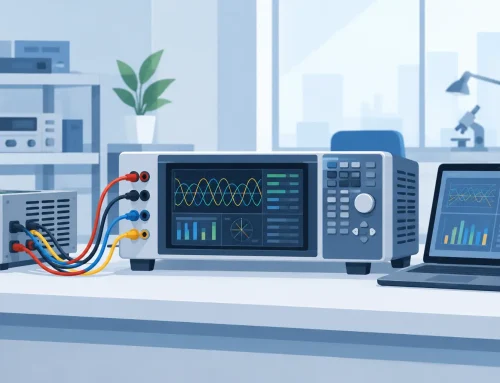
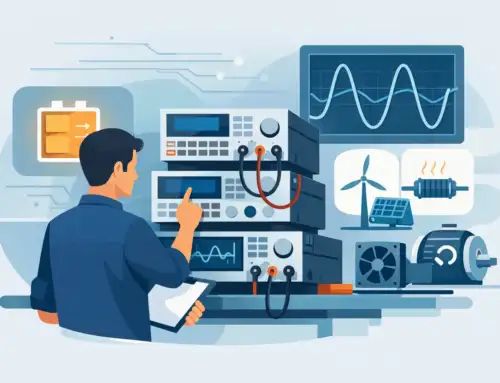
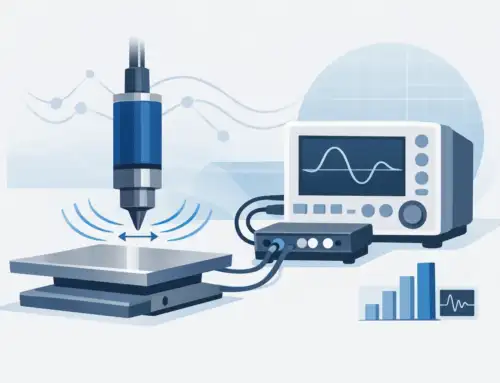
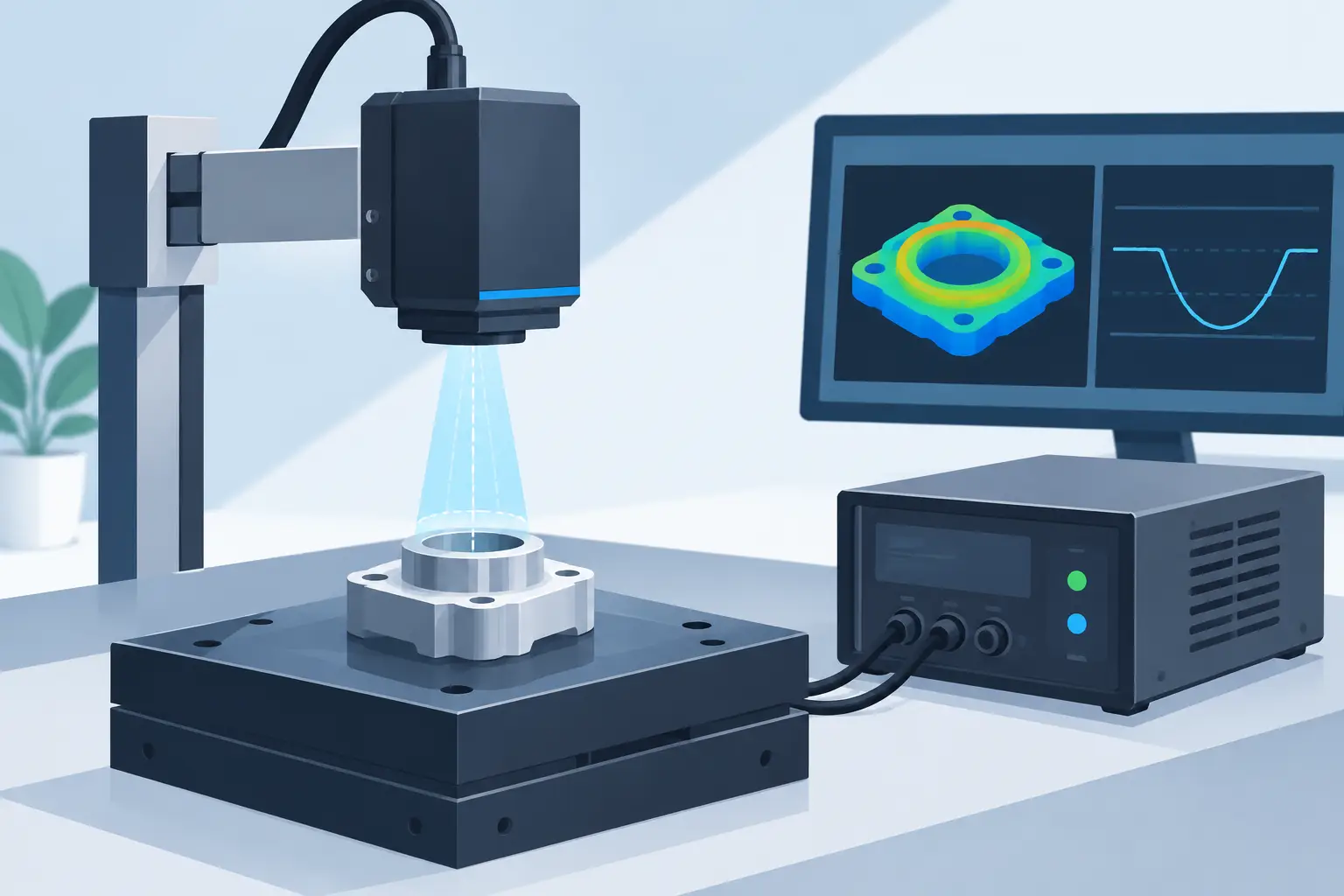
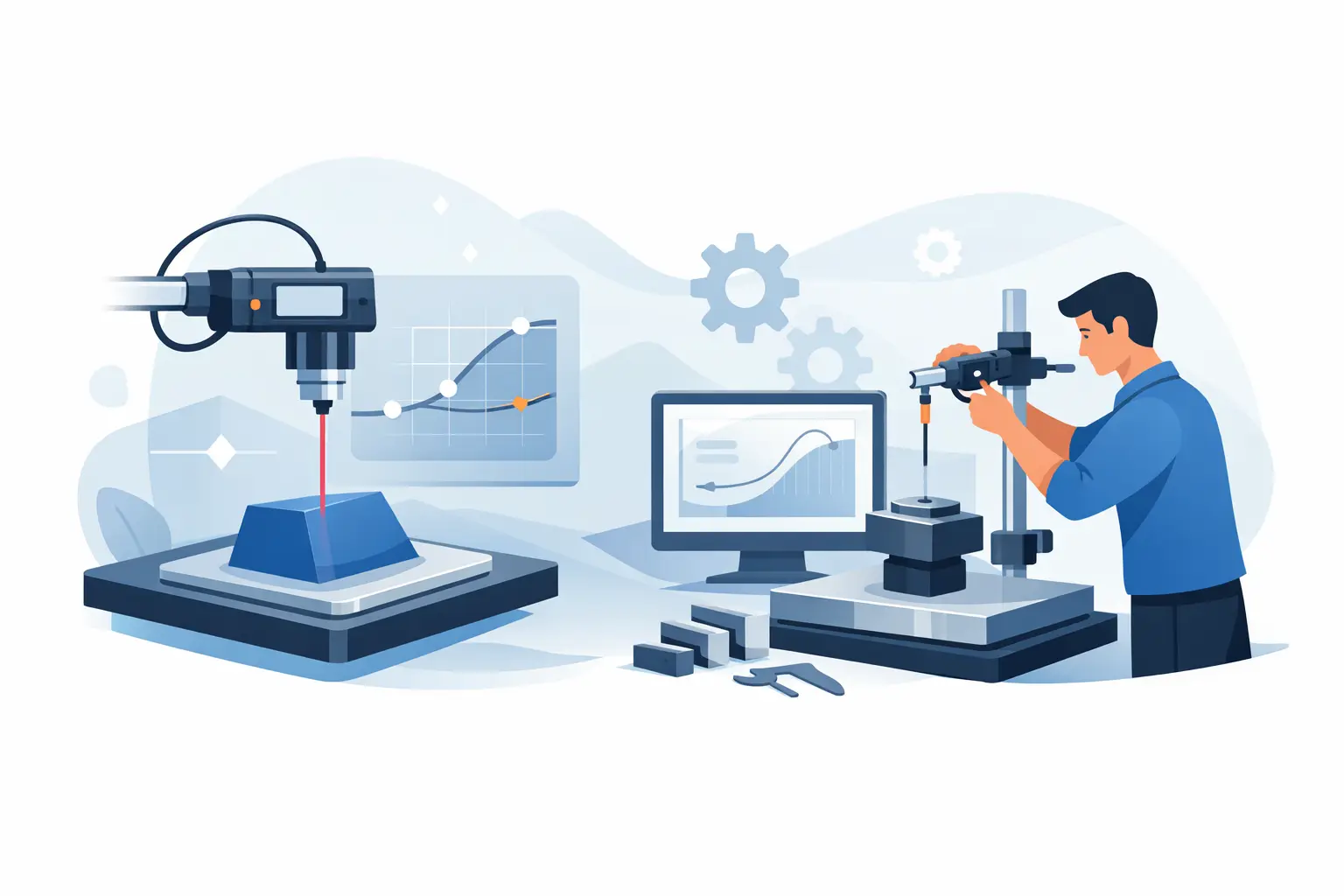
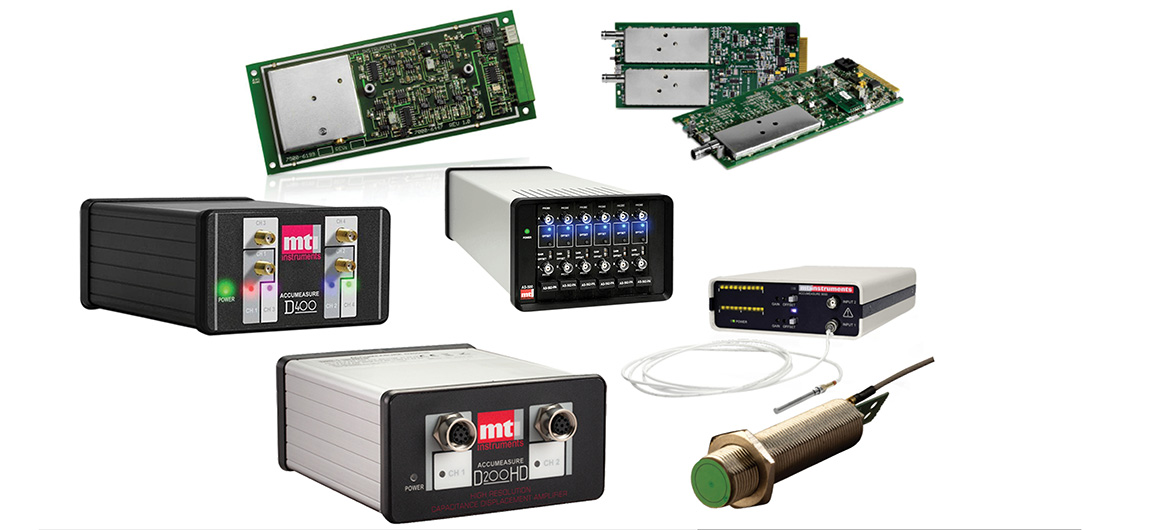
For a hipot test, that can include applied voltage, current limit, dwell time, ramp profile, measured leakage, test frequency, and fixture or channel identification. For precision power testing, it may include voltage, current, power, harmonics, waveform conditions, and acquisition parameters. For dimensional or motion-related verification, the essential record may include sensor setup, measurement rate, environmental conditions, and uncertainty-relevant parameters.
This level of detail supports several practical outcomes. Engineers can distinguish a genuine product shift from a changed test method. Quality teams can identify recurring failures by supplier lot, production shift, or fixture position. Calibration teams can assess whether a drift in results aligns with an instrument service interval. When an audit occurs, the organization has more than a spreadsheet of green checks.
Measurement Integrity Still Starts With the Instrument
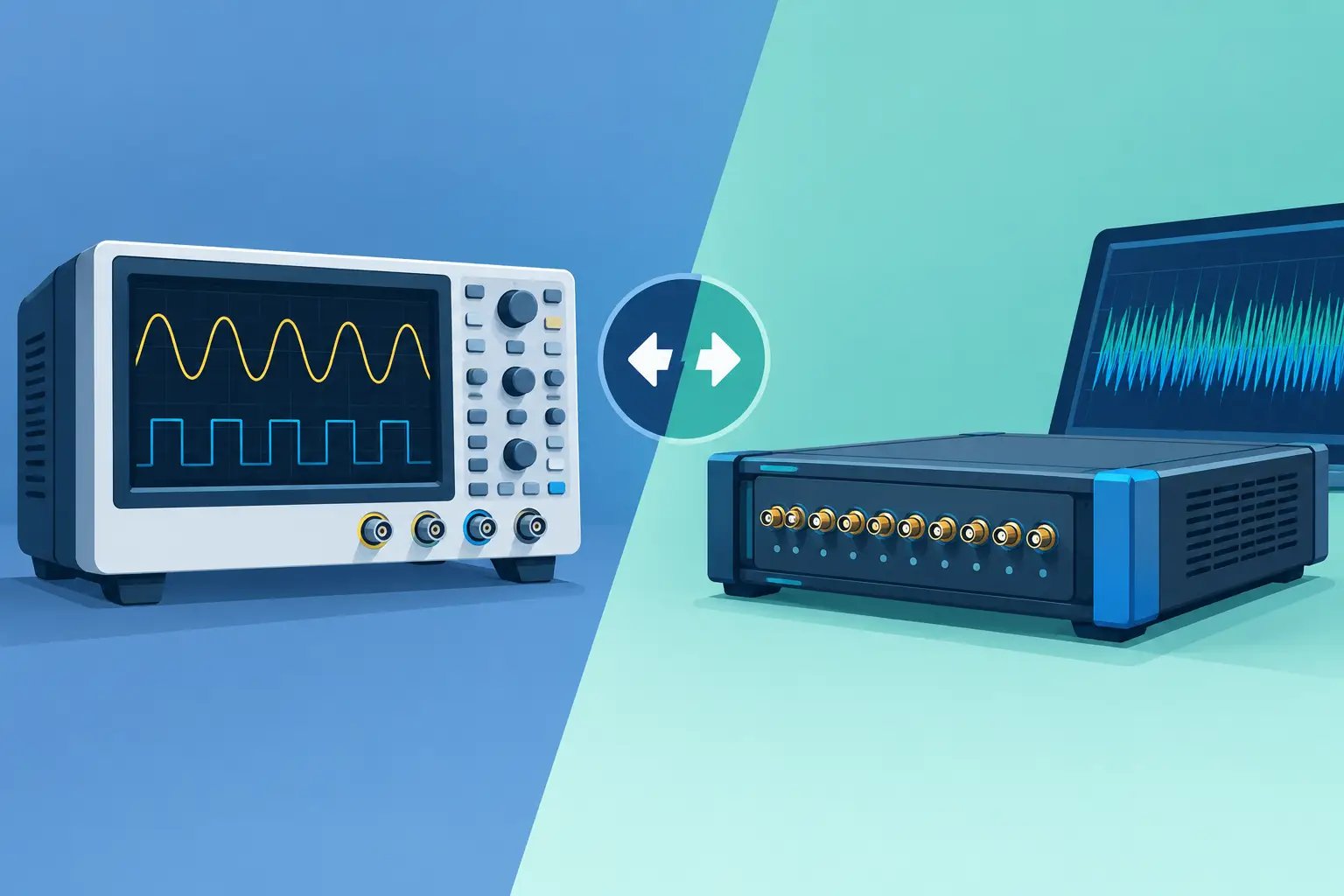
Software orchestration cannot compensate for poor measurement performance. Automated compliance testing is only as reliable as the instruments, switching hardware, fixtures, and interconnects that produce the data.
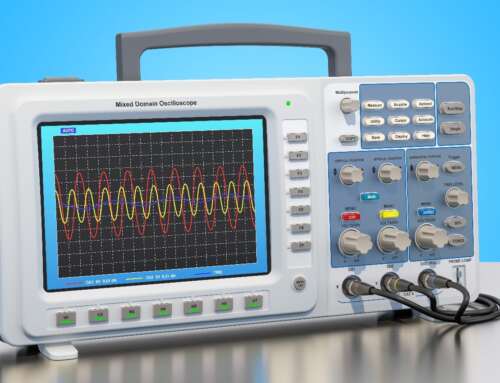
Test engineers should begin with the required standard and the product’s actual risk profile. Voltage range, current resolution, test timing, discharge behavior, measurement uncertainty, and safety interlocks all affect system suitability. In high-voltage applications, fixture design and cable routing can influence repeatability and operator safety. In high-speed acquisition applications, bandwidth, sampling rate, triggering, and synchronization may determine whether intermittent events are visible at all.
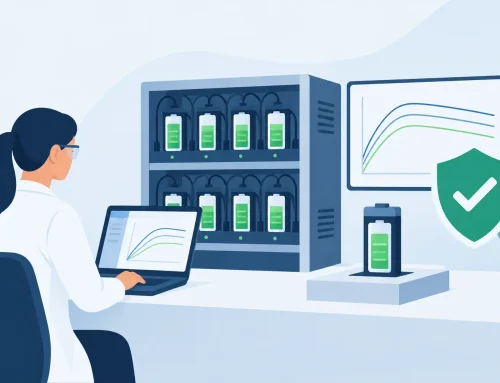
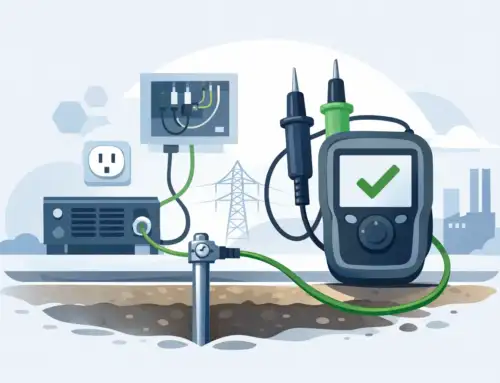
Calibration traceability is equally important. A station may repeat the same value every day, yet still be wrong if its measurement chain is not verified against appropriate standards. Organizations should define calibration intervals based on instrument specifications, use conditions, environmental exposure, historical stability, and the consequences of an incorrect result. The calibration record should be connected to the instrument identity used in the production test record.
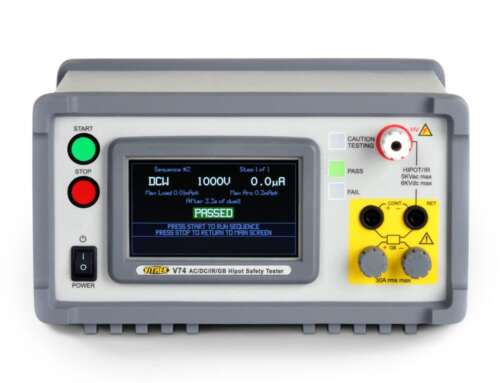
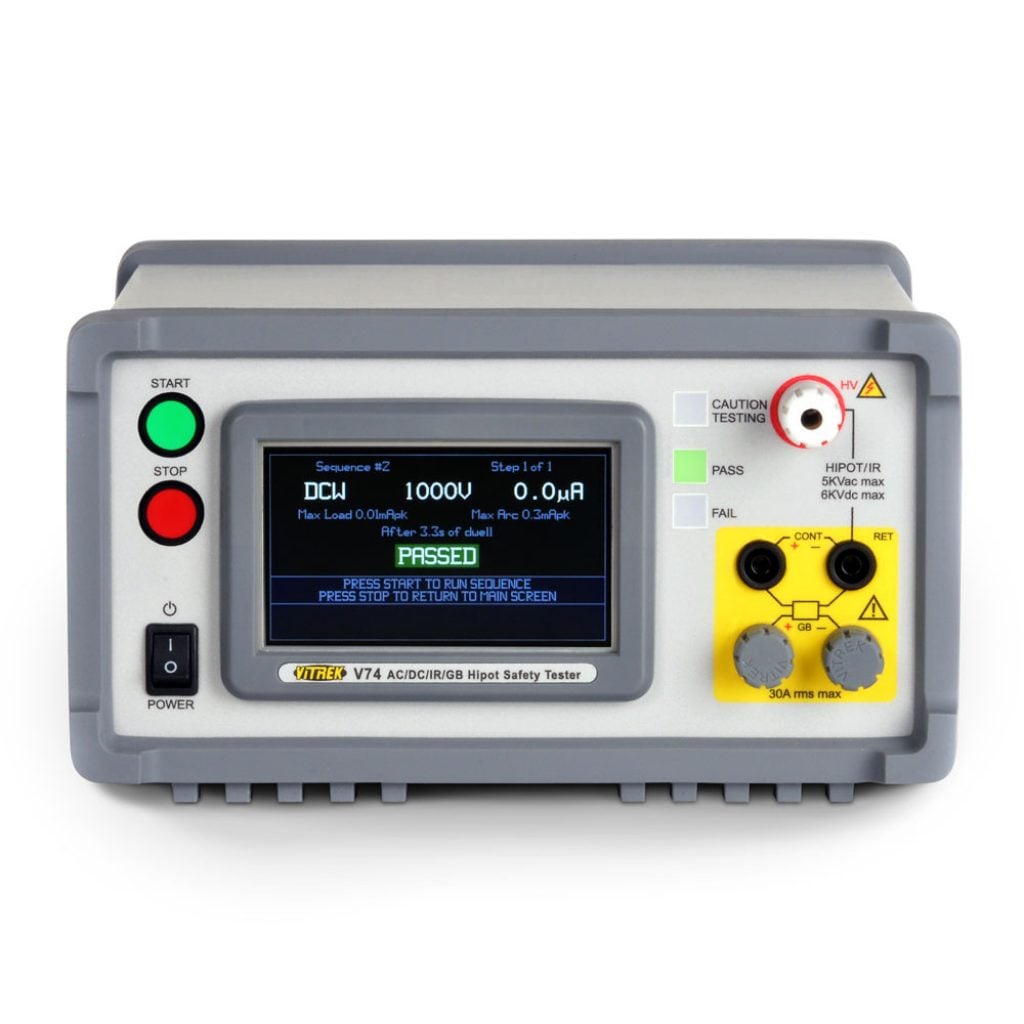
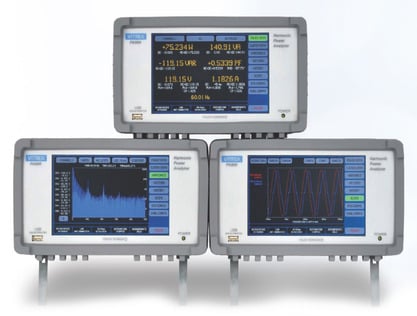
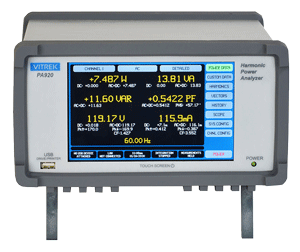
Vitrek test and measurement platforms are designed for applications where electrical safety, precision measurement, and data integrity must operate together. That engineering focus becomes increasingly relevant as compliance stations take on more automated responsibility.
Test Software Must Be Treated as a Controlled Asset
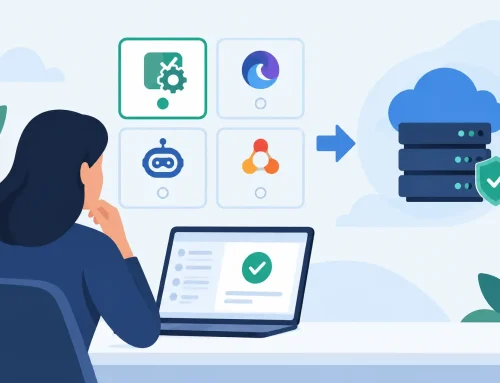
As test systems become programmable, software configuration becomes part of the compliance method. A test recipe is not merely a convenience file. It defines what the station will do, what limits it will enforce, and what evidence it will create.
Controlled test software should include revision management, role-based access, change approval, and a clear path for returning to a prior validated version. When a limit changes, teams need to know why it changed, who approved it, which products were affected, and when the new version entered service. These practices are especially valuable in regulated medical, aerospace, defense, and automotive environments, but they also reduce operational risk in general industrial production.
Validation should cover more than nominal passing units. It should confirm that the system detects known failures, handles interrupted tests predictably, rejects invalid configurations, and records exceptions without losing traceability. If a network connection is unavailable, the station needs a defined behavior for local data retention, retry logic, and production disposition. Automation without exception planning simply moves uncertainty into a harder-to-see location.
AI Will Assist Engineers, Not Replace Test Discipline
Machine learning and statistical analysis will increasingly help organizations identify patterns in compliance data. They can flag drift, classify recurring failure signatures, correlate results with environmental or process variables, and help prioritize root-cause investigations. These are meaningful gains, particularly where thousands of results are generated per shift.
But AI should not be assigned the authority to redefine a compliance limit or override a safety-critical decision without validated controls. A model can identify an unusual leakage-current distribution; it cannot establish that a changed distribution is acceptable unless the governing requirements, engineering rationale, and approval process support that decision.
The most effective use of these tools is advisory. Let analytics surface the weak signal early, then let qualified engineers determine whether the issue is material variation, a fixture problem, instrument drift, a test-program change, or a real product defect.
Building an Automation Roadmap That Holds Up
A practical roadmap starts by identifying the tests with the greatest combination of volume, risk, manual effort, and documentation burden. Electrical safety tests are often strong candidates because they are repeatable, safety-sensitive, and frequently required at multiple stages of manufacturing. Other candidates include power-performance verification, data acquisition for transient diagnostics, and automated dimensional measurement where manual readings constrain throughput.
Before purchasing or integrating equipment, define the required evidence. Specify the unit identifier, parameters, limits, measurement resolution, data retention period, calibration linkage, user controls, and failure-handling workflow. Then assess the full station rather than the instrument alone. Fixtures, switching, safety controls, software interfaces, operator ergonomics, and service access each influence long-term performance.
The future of automated compliance testing will favor manufacturers that can prove not only that a product passed, but how it was tested, with what equipment, under which approved conditions, and with results that remain credible long after the line has moved on.