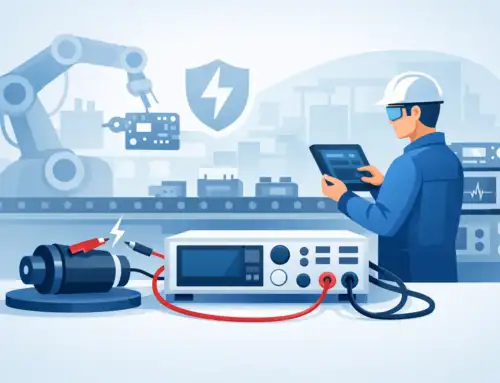
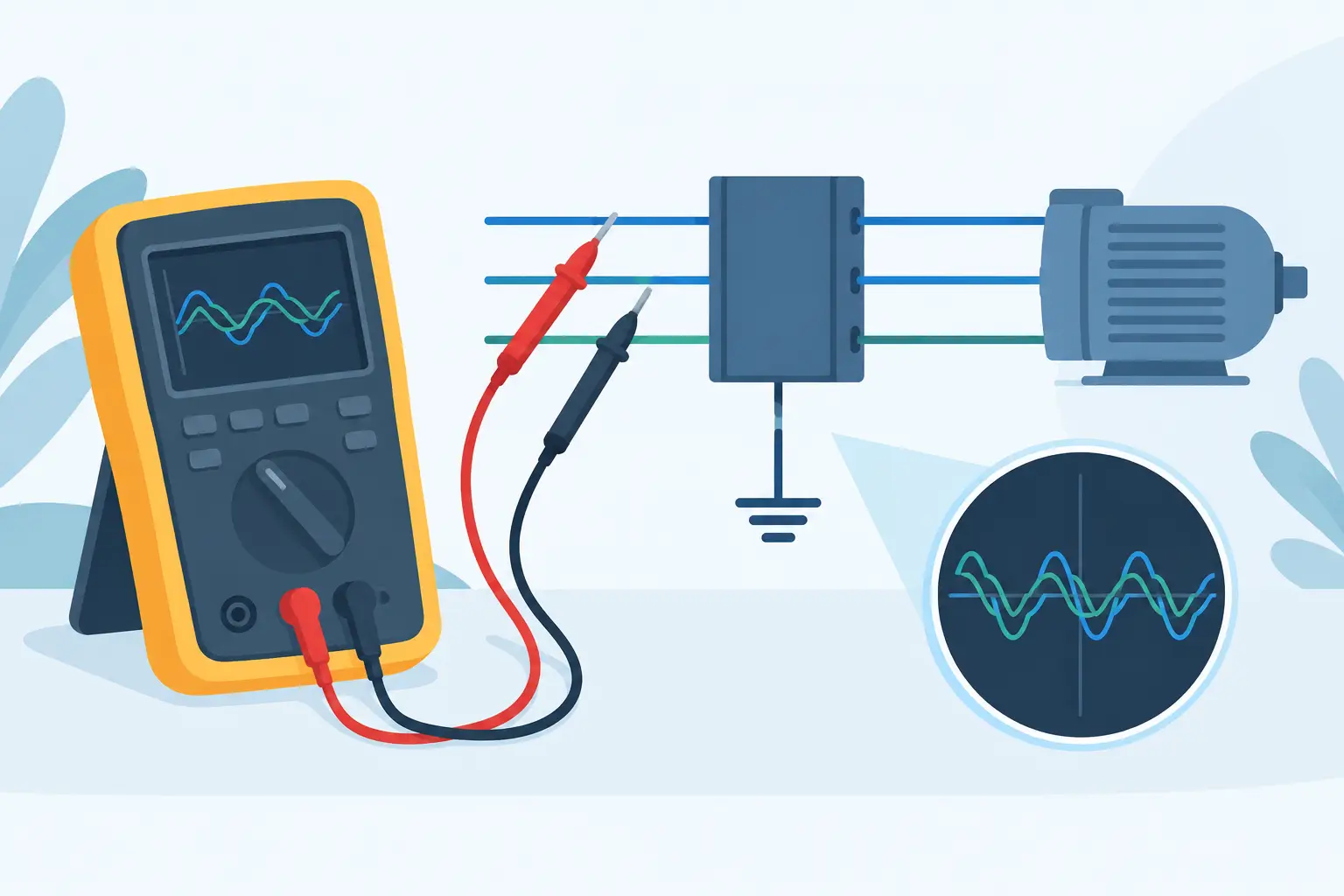
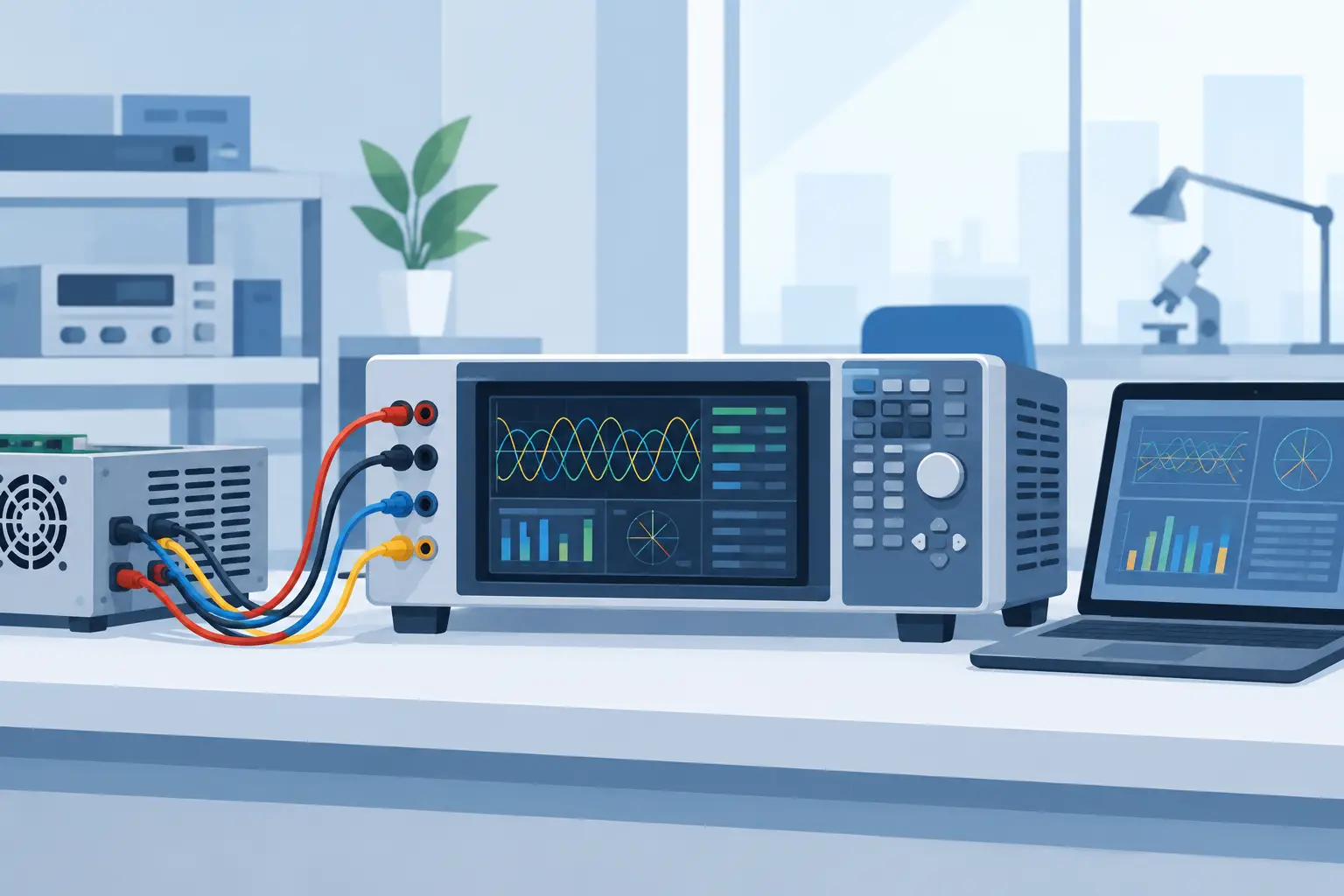
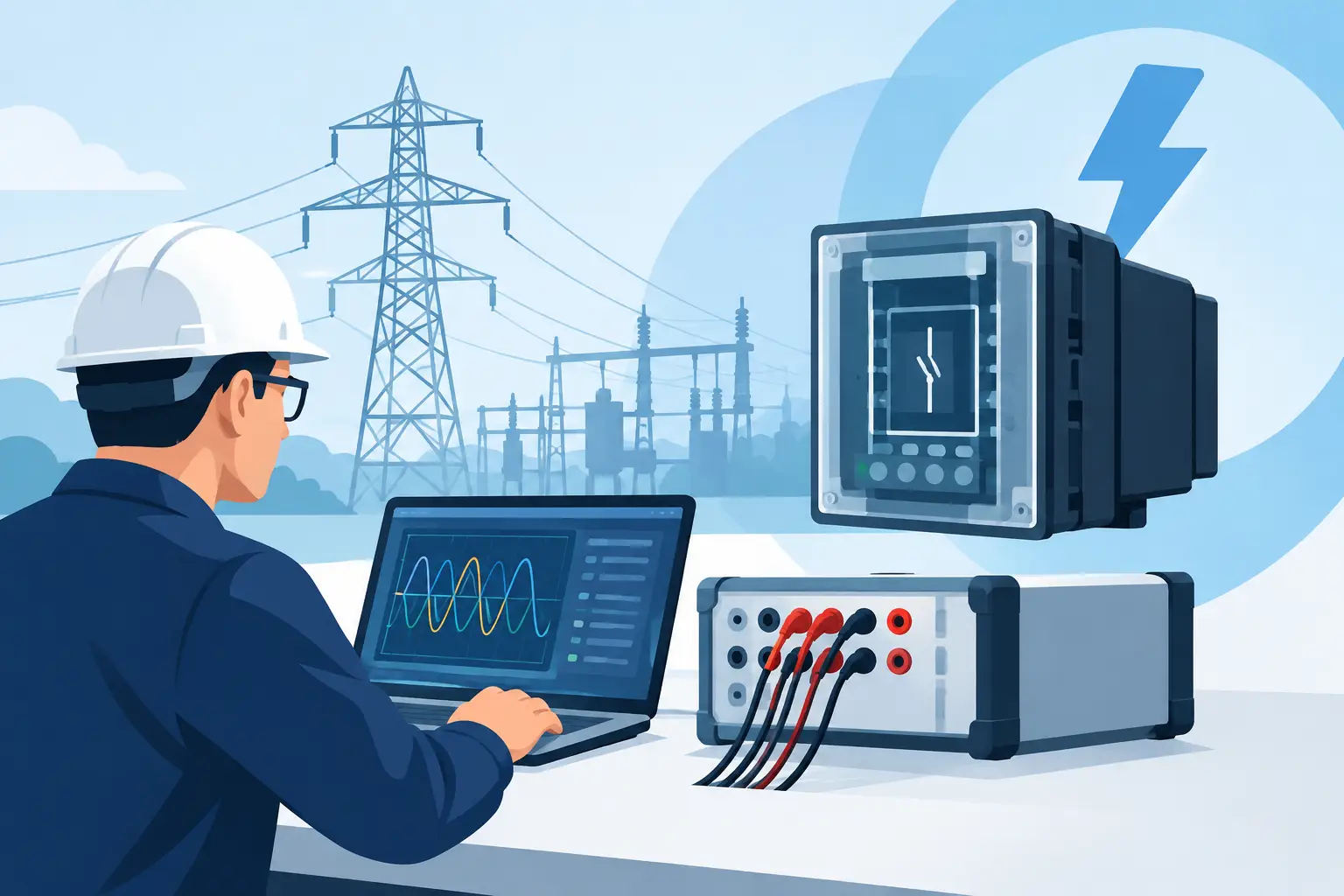
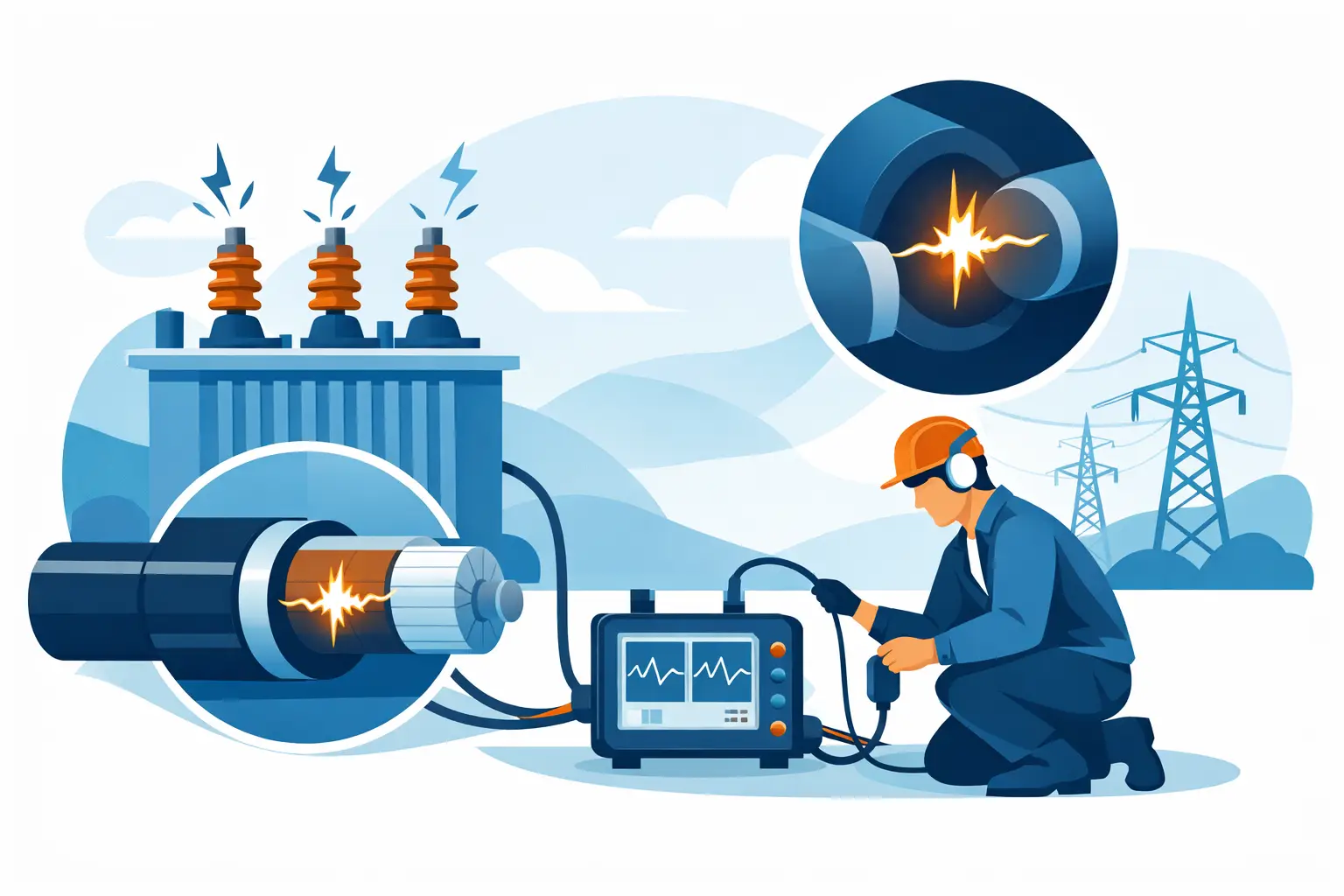
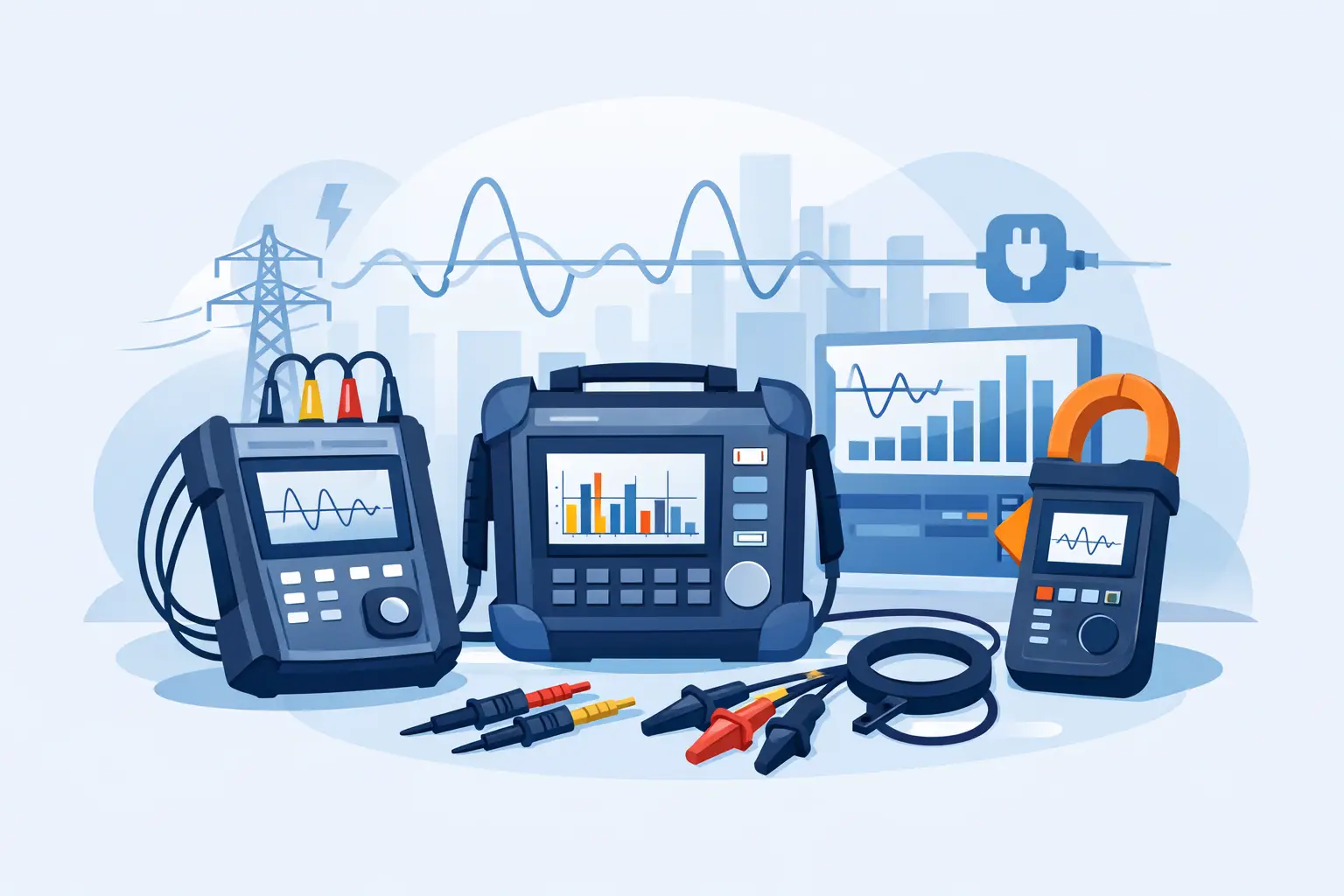
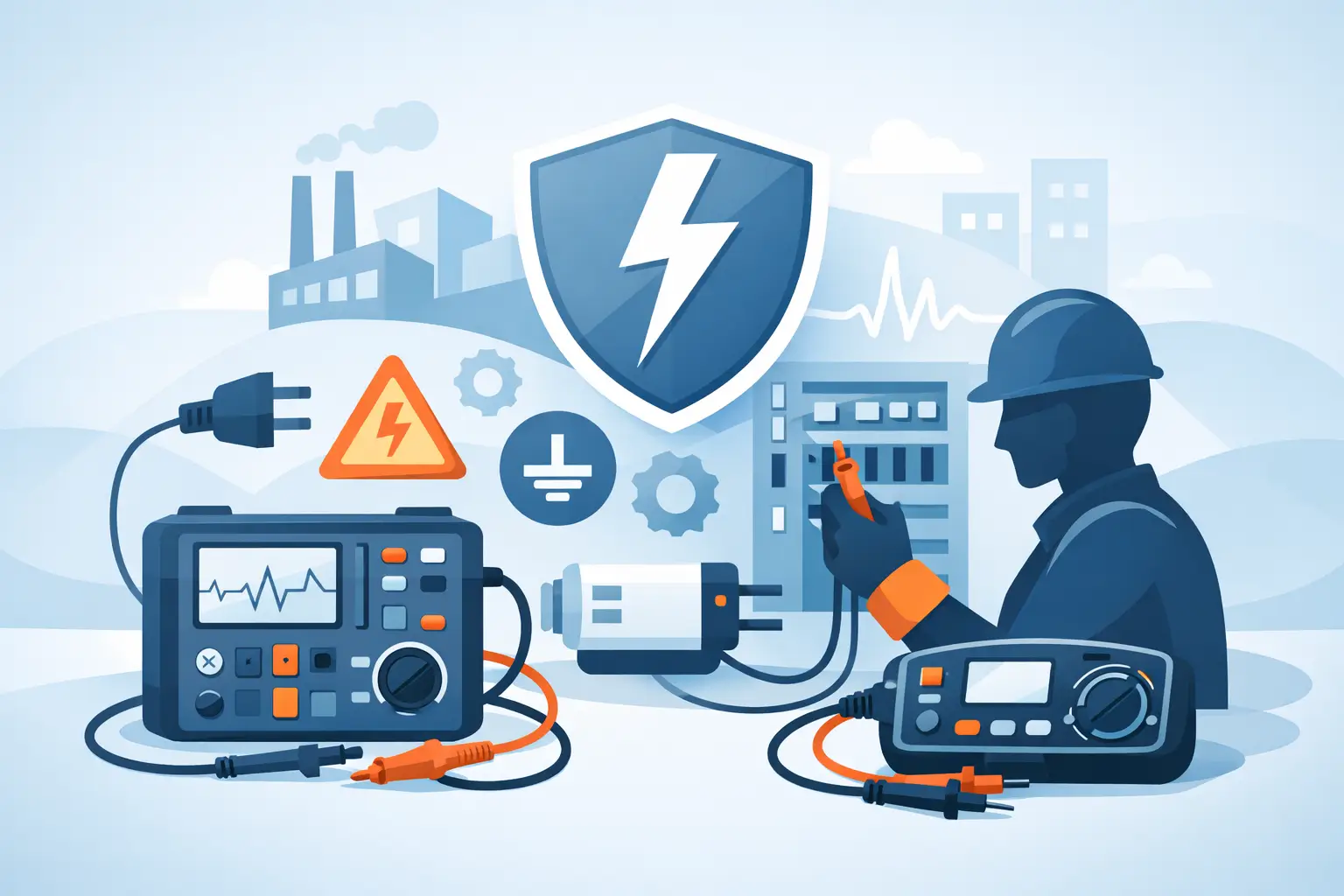
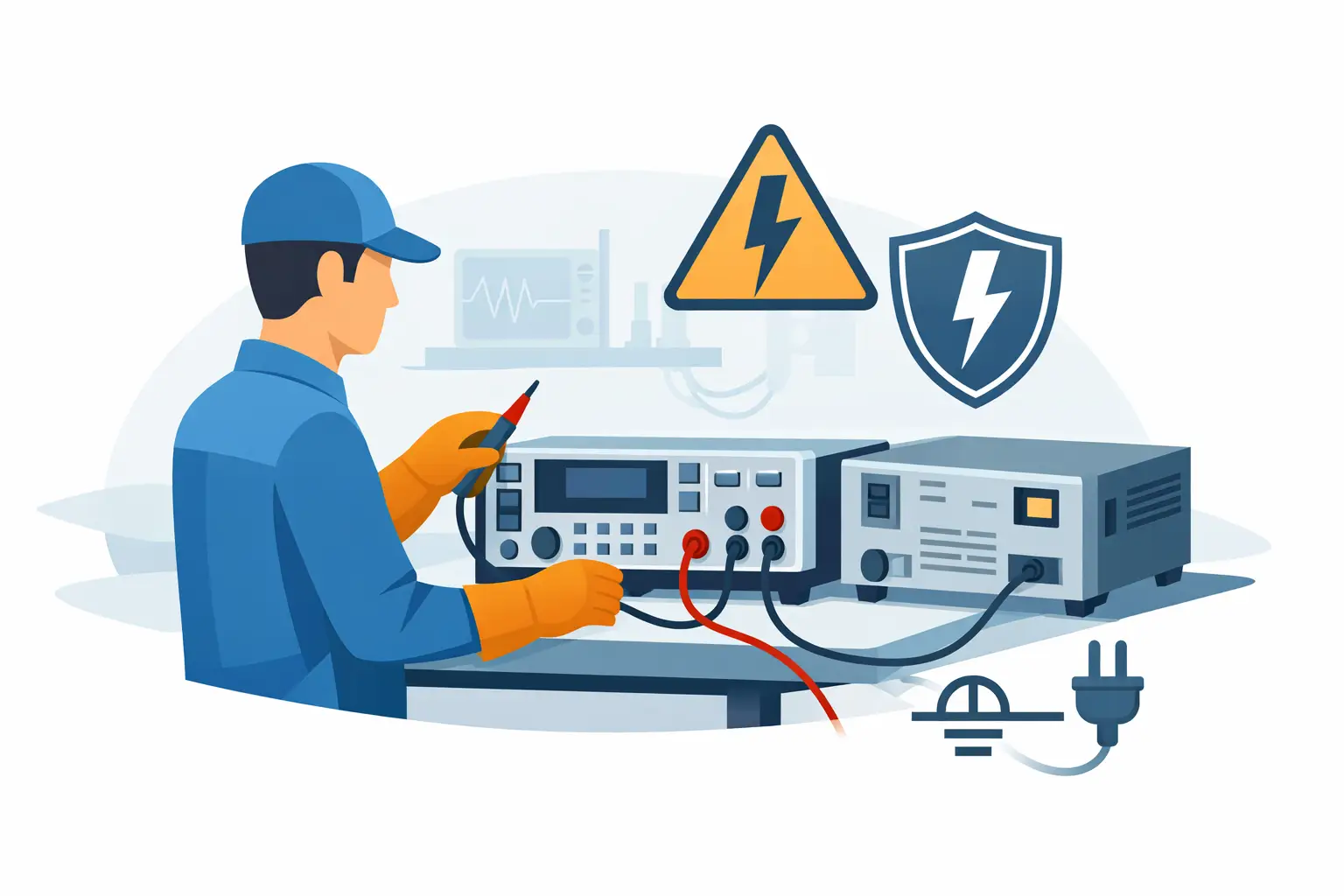
A motor that passes a quick resistance check can still be one moisture event, damaged lead, or contaminated winding away from an unplanned outage. Insulation resistance testing provides the condition data that ordinary continuity measurements cannot. The best insulation testers for maintenance are therefore not simply the units with the highest test voltage or largest display. They are instruments matched to the asset, the working environment, the applicable safety practices, and the records needed to make a defensible maintenance decision.
For maintenance teams responsible for rotating equipment, switchgear, cable systems, transformers, and production assets, the right tester must produce repeatable measurements without creating unnecessary risk or administrative burden. Selection should begin with the test requirement, not a catalog comparison.
Why “Best” Depends on the Maintenance Task
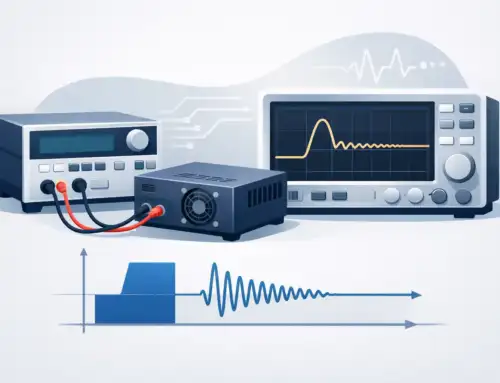
An insulation tester applies a controlled DC voltage and measures the resulting leakage current to calculate insulation resistance. That sounds straightforward, but the measurement can be affected by temperature, humidity, surface contamination, cable capacitance, charging current, and the condition of the equipment under test.
A handheld tester that is appropriate for troubleshooting 480 V motor circuits may not provide the voltage range, guard terminal capability, timed-test functions, or data storage needed for medium-voltage assets. Conversely, a high-voltage instrument intended for large generators or long cable runs can be unnecessary for routine facility electrical maintenance. Higher voltage is not automatically better. Applying an unsuitable test voltage can conflict with an equipment manufacturer’s recommendations, produce misleading results, or damage sensitive connected electronics.
The best choice also depends on whether the program is primarily corrective or predictive. A technician locating an acute fault needs a fast, clear reading and practical safety features. A reliability program trending motor or cable condition over several years needs stable test parameters, timestamps, environmental context, and a consistent method across personnel and sites.
Best Insulation Testers for Maintenance: Selection Criteria
A useful evaluation starts with four linked requirements: voltage suitability, measurement performance, personnel safety, and workflow fit. Ignoring any one of them can turn a capable instrument into a weak maintenance investment.
Select the Correct Test-Voltage Range
Test voltage should align with the rated voltage and insulation system of the asset, along with applicable manufacturer guidance and site procedures. Maintenance programs commonly use lower test voltages for control circuits, electronic-adjacent equipment, and low-voltage distribution assets, while higher-voltage machines, cables, and transformers may require 1 kV, 5 kV, or 10 kV testing capability.
A selectable-voltage tester is valuable when one team supports diverse assets. It allows technicians to standardize on a single platform while avoiding improvised test methods. For specialized high-voltage work, however, dedicated equipment may be the better choice because it can offer higher resistance ranges, controlled ramping, more stable output, and timed diagnostic functions.
Before specifying a tester, document the highest asset voltage to be tested, the required test voltages, and any asset classes that must be excluded. This prevents a common error: buying a tester based on the plant’s highest distribution voltage rather than the equipment the maintenance team will actually test.
Look Beyond the Maximum Resistance Reading
A headline resistance range is only one performance characteristic. Resolution at the values that matter, accuracy across the specified range, output-voltage regulation, and measurement stability are often more useful indicators of field performance.
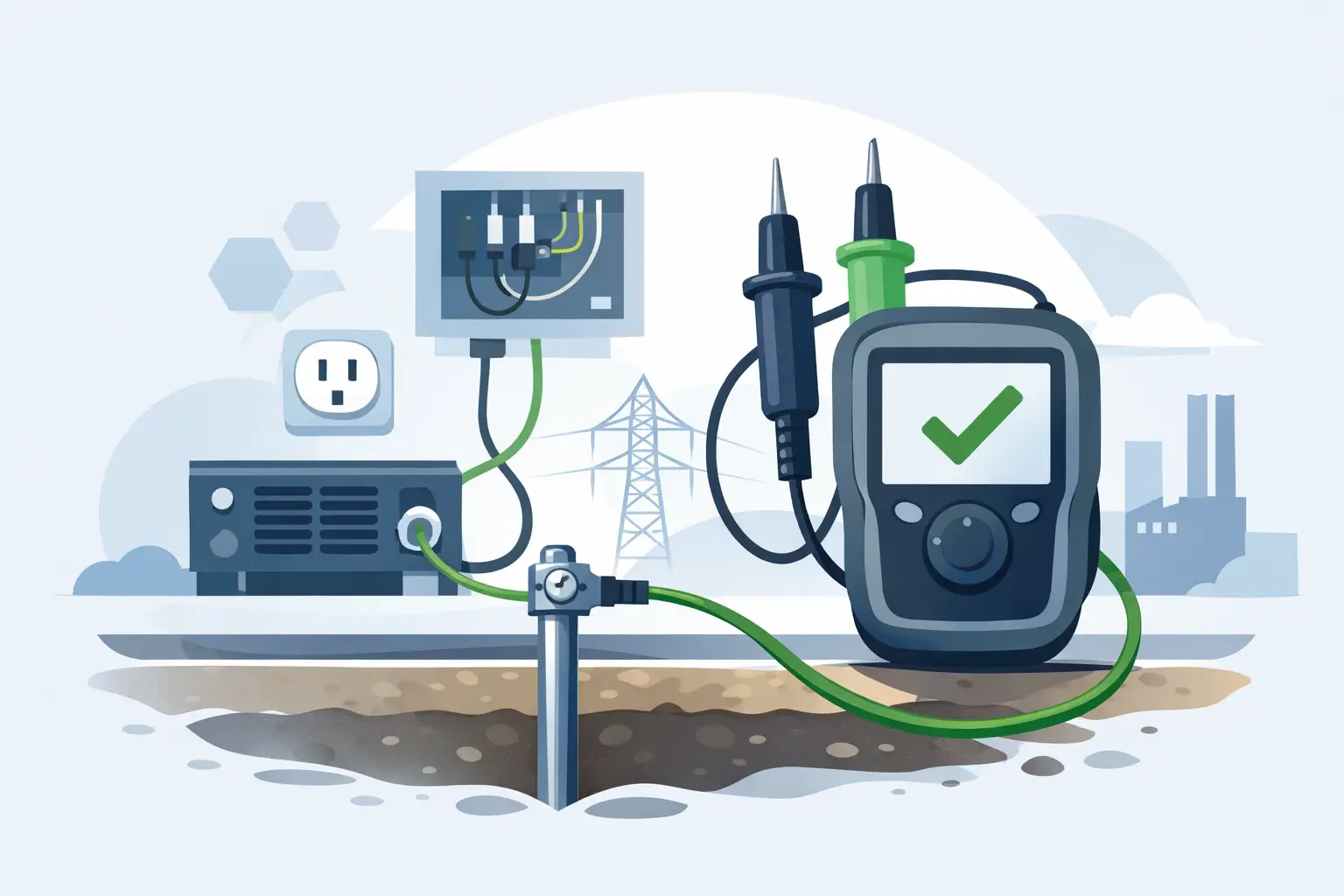
For example, a reading in the gigaohm range can appear reassuring, but its value is limited if test voltage is not maintained or if surface leakage dominates the measurement. Guard terminals can help distinguish surface leakage from leakage through the insulation bulk. This is particularly useful on large bushings, contaminated terminal boards, and cable terminations where external contamination can distort the result.
Timed tests are also significant for assets with substantial insulation mass. A one-minute insulation resistance value provides a snapshot. Dielectric absorption ratio and polarization index testing compare resistance values over time, offering more diagnostic context for certain rotating machines and other equipment with appropriate insulation systems. These tests must be interpreted carefully. A ratio is not a universal pass-fail rule, and values can be affected by modern insulation materials, temperature, prior operation, and test procedure.
Treat Safety Functions as Core Requirements
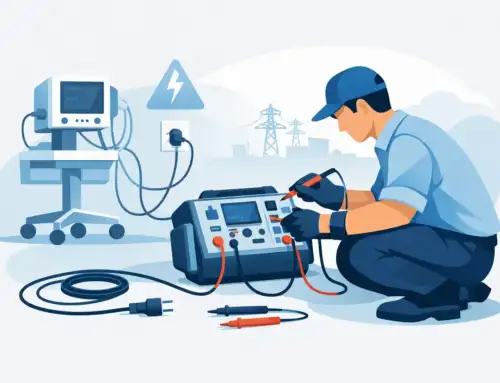
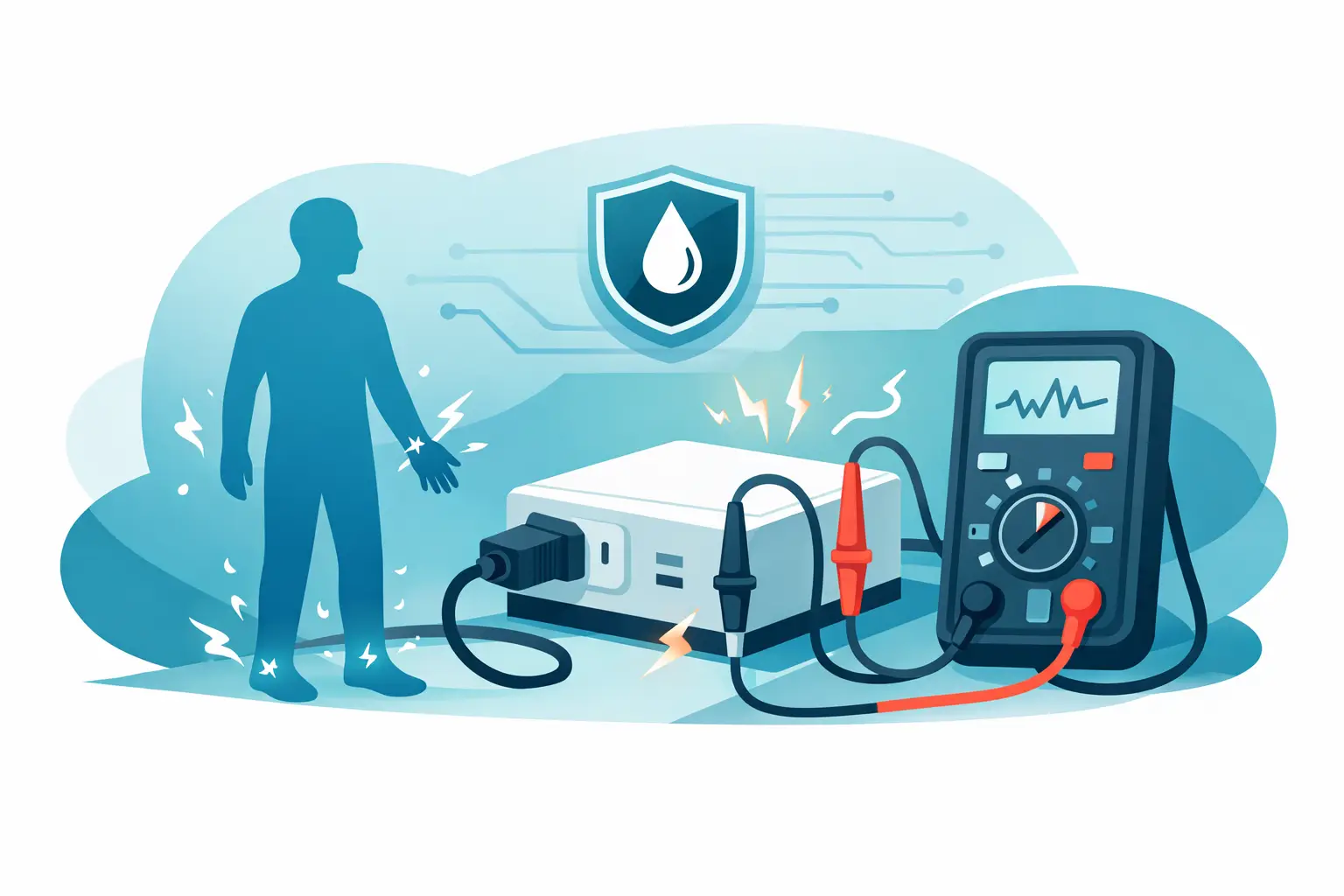
Insulation testing introduces potentially hazardous DC voltage and can leave stored charge on capacitive equipment. A suitable tester should support safe work practices through features such as live-circuit detection, automatic discharge, visible high-voltage indication, and appropriately rated test leads.
Verify the instrument’s measurement category and voltage rating against the installation environment, not merely the asset nameplate. Testing a de-energized motor in a controlled shop and working near industrial distribution equipment create different exposure conditions. The complete test system matters: leads, clips, probes, adapters, barriers, personal protective equipment, lockout/tagout procedures, and technician training all contribute to safe execution.
Automatic discharge deserves particular attention when testing long cables, large motors, transformers, or assemblies with appreciable capacitance. The technician should confirm the asset is discharged before touching conductors, even when the instrument provides automatic discharge. Procedure and verification remain essential.
Make Data Useful After the Test Is Complete
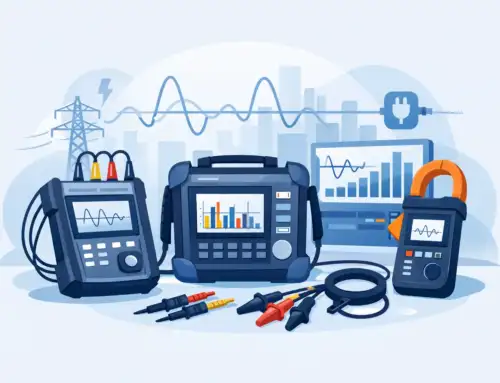
A tester that delivers a technically valid number but leaves no usable record limits the value of a condition-monitoring program. Maintenance teams benefit from instruments that can store results with asset identification, test voltage, duration, date, and relevant notes. Where available, wireless or software-enabled transfer can reduce transcription errors and improve reporting consistency.
Data logging is not necessary for every task. For infrequent troubleshooting, a straightforward handheld meter and disciplined manual documentation may be entirely adequate. For fleets of motors, multiple facilities, regulated equipment, or reliability-centered maintenance programs, onboard memory and structured reporting quickly become operational requirements.
Calibration traceability should be considered at the same time. If readings are used to support compliance records, release decisions, or long-term trends, the organization needs defined calibration intervals, documented verification practices, and a service path that fits its quality system.
Match the Tester to the Asset Class
Maintenance departments often benefit from more than one tester class. The goal is not to create an oversized instrument inventory. It is to prevent one general-purpose meter from being forced into every application.
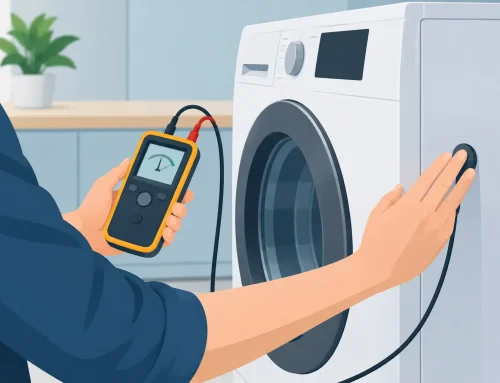
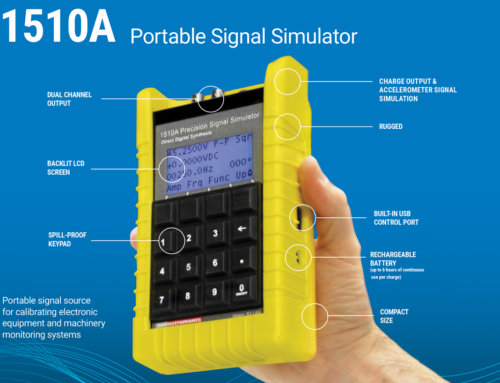
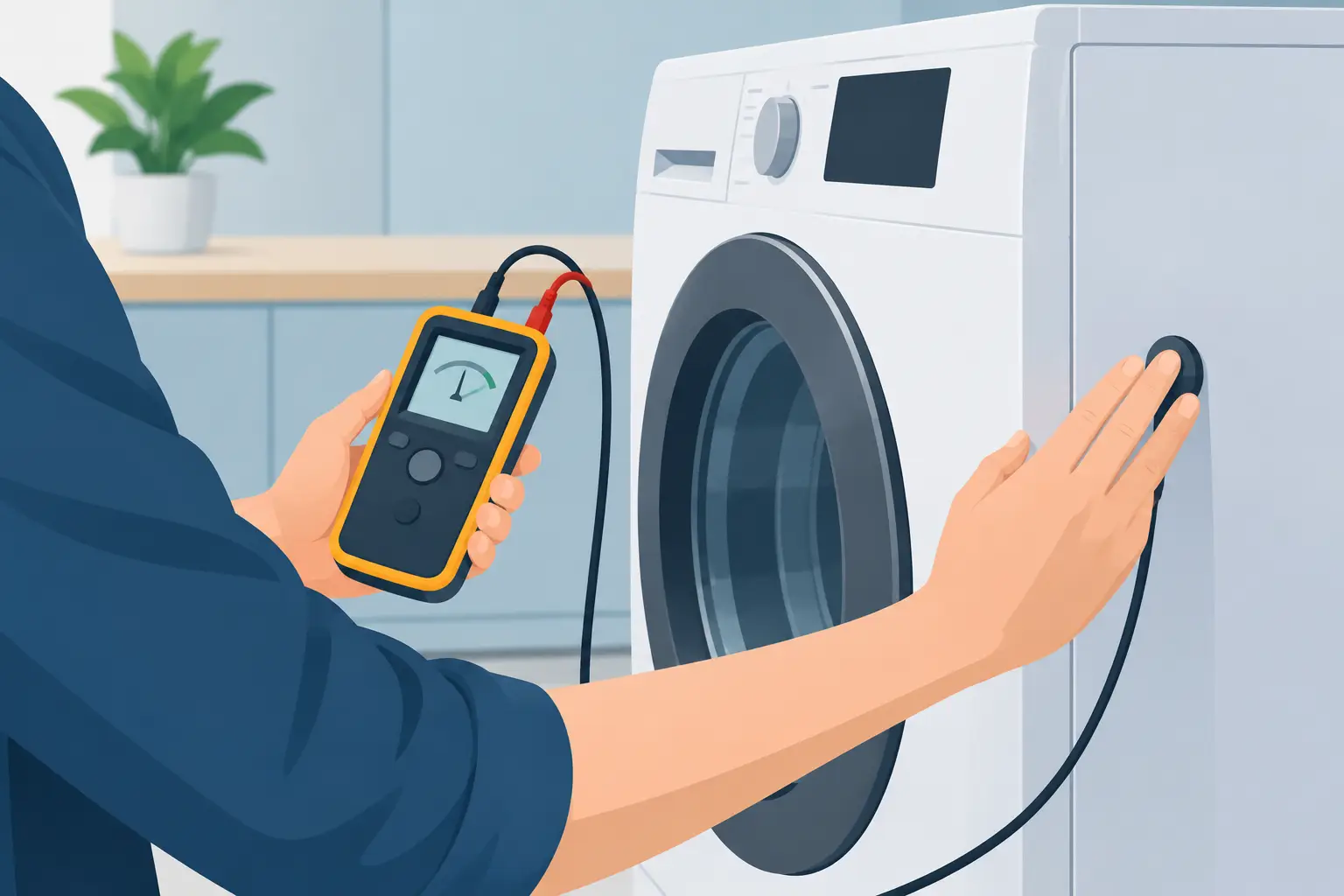
For low-voltage motors, pumps, control panels, and facility circuits, a portable selectable-voltage insulation tester with clear pass/fail indication, live-voltage detection, and dependable discharge capability is typically the practical baseline. Ease of use matters because the instrument may be used by electricians and technicians with different levels of diagnostic specialization.
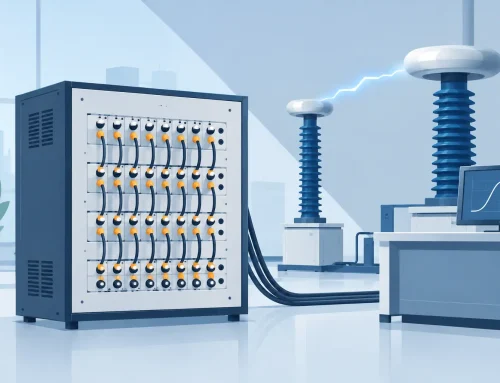
For medium-voltage motors, generators, transformer windings, and long feeder cables, a 5 kV or 10 kV instrument may be warranted. These applications often call for timed tests, higher resistance ranges, stable output, external guarding, and comprehensive result storage. The testing procedure should define temperature correction and acceptance criteria before results are compared across time.
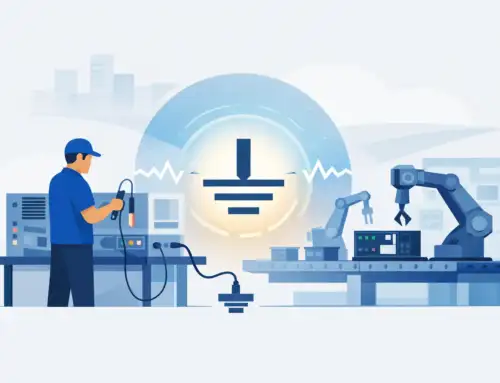
For electronics-heavy systems, variable-frequency drives, PLC-connected equipment, and assemblies containing semiconductors or surge-protection components, isolation is critical. The best tester in this setting may be the one that supports the required low-voltage test and makes it easy to avoid exposing sensitive components. A high test-voltage result has no value if the test setup damages downstream electronics.
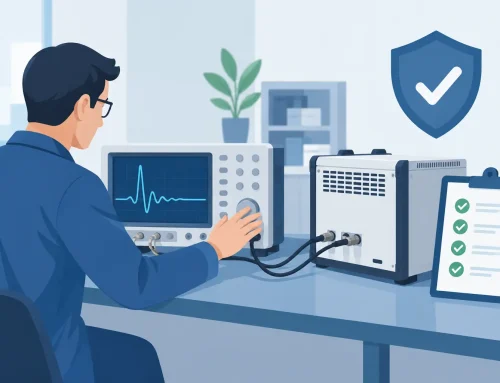
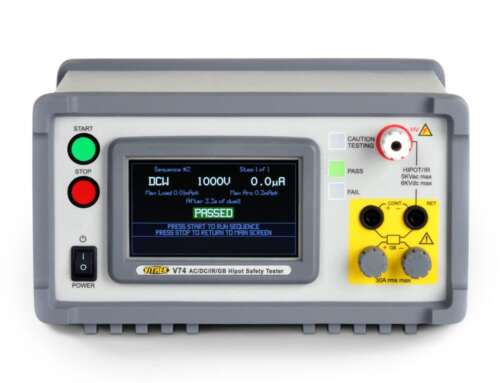
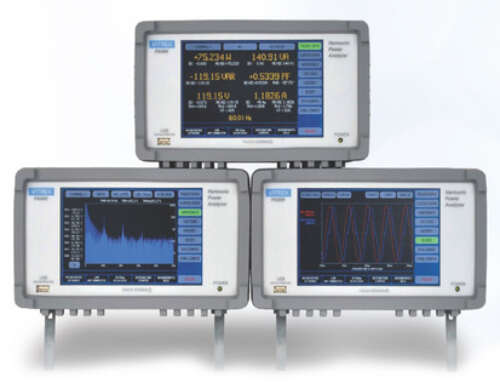
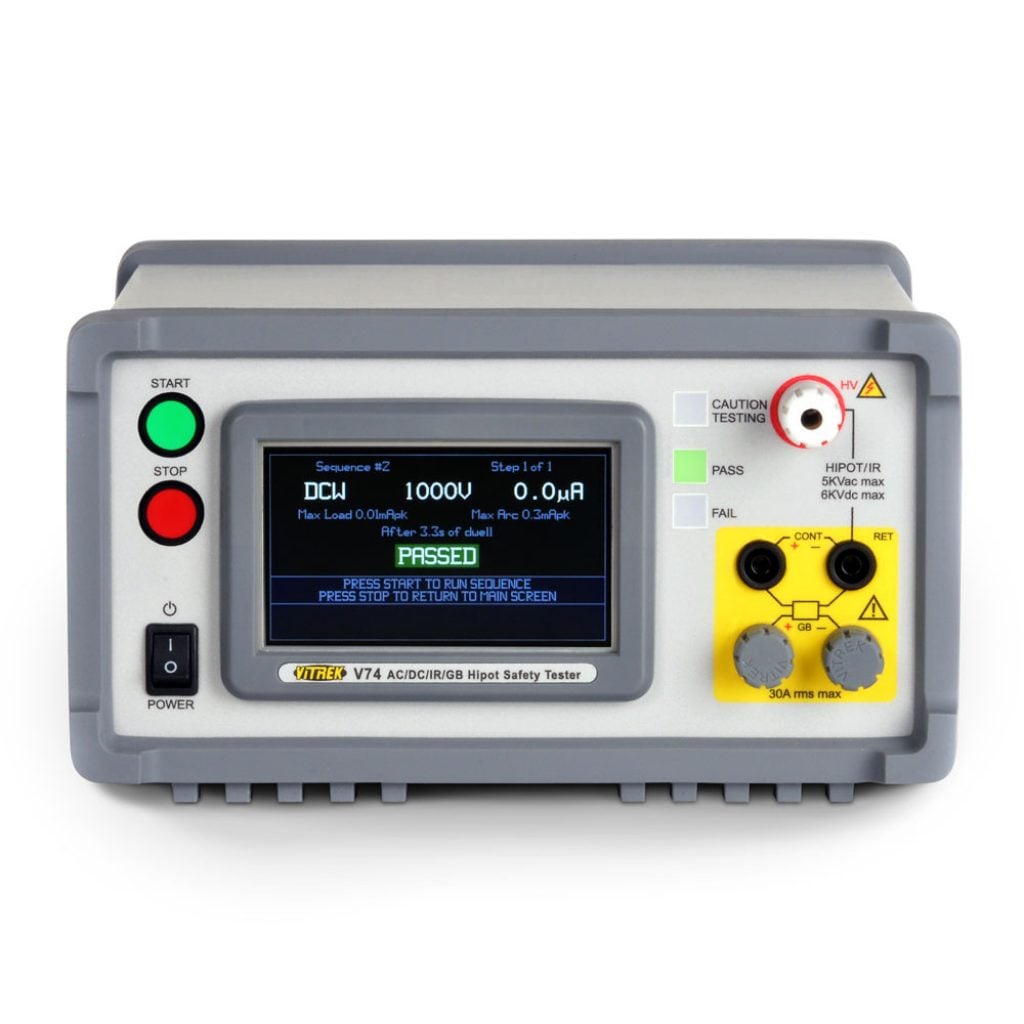
For production test and quality assurance, benchtop or integrated electrical safety systems may be more appropriate than handheld maintenance tools. These environments often require controlled sequences, interlocks, repeatable fixtures, traceable data capture, and integration with manufacturing records. Companies such as Vitrek address this level of electrical safety and insulation-resistance testing where repeatability and compliance documentation are central requirements.
Build a Repeatable Test Method
Instrument selection cannot compensate for inconsistent technique. Before trending insulation resistance, maintenance leaders should establish a standard method for each asset family. Define isolation requirements, test voltage, test duration, lead placement, guard-terminal use, temperature measurement, acceptable discharge time, and the data fields technicians must record.
Environmental conditions matter. Insulation resistance generally changes with temperature, and moisture can substantially reduce readings. A single result taken after washdown, outdoor exposure, or prolonged shutdown should not automatically trigger replacement. Compare it with historical readings gathered under similar conditions, inspect the asset, and use complementary tests when the risk justifies them.
Trend direction is usually more valuable than a single high number. A gradual decline across comparable tests may reveal contamination, thermal aging, moisture ingress, or developing mechanical damage before a hard failure occurs. A sudden shift may point to a changed test setup, a disconnected component, or a genuine defect. The record must contain enough context to distinguish among those possibilities.
Questions to Ask Before Purchase
Technical procurement should ask vendors to demonstrate the measurement workflow using representative assets or simulated loads. Confirm how the tester behaves when it encounters live voltage, how discharge is indicated, whether the displayed voltage is regulated under load, and what data can be exported without proprietary manual work.
Also ask practical service questions: Are calibration services traceable? Are replacement leads and accessories available? Can the instrument withstand the temperature, contamination, and handling conditions of the intended work area? Is training available for timed tests and guarded measurements? These details often determine whether the tester is trusted in the field or left in a cabinet.
The right insulation tester gives technicians more than a resistance value. It gives them a repeatable, safe way to decide whether equipment can remain in service, needs further investigation, or should be removed before a minor insulation weakness becomes a production or safety event.