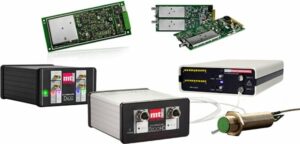
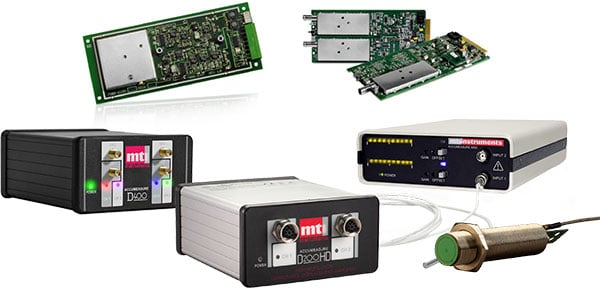
Non-contact displacement sensors are designed to detect or measure physical properties such as linear displacement, thickness, proximity, and distance without physically touching the target. By emitting various forms of energy, such as capacitance, fiber optic, or laser triangulation, these sensors capture highly accurate readings without physically touching the object. This contrasts with traditional contact sensors, which rely on direct mechanical contact to gauge displacement or other physical properties.
Benefits of Non-Contact vs. Contact Displacement Sensors
Compared to contact sensors, non-contact displacement sensors offer faster response times, higher sampling rates, and minimal interference with the object being measured. They are especially advantageous in non-contact linear displacement measurement tasks, where precision and speed are critical. Contact-based sensors, by contrast, can slow down processes, introduce mechanical wear, or alter the target’s motion—especially in high-precision industrial settings.
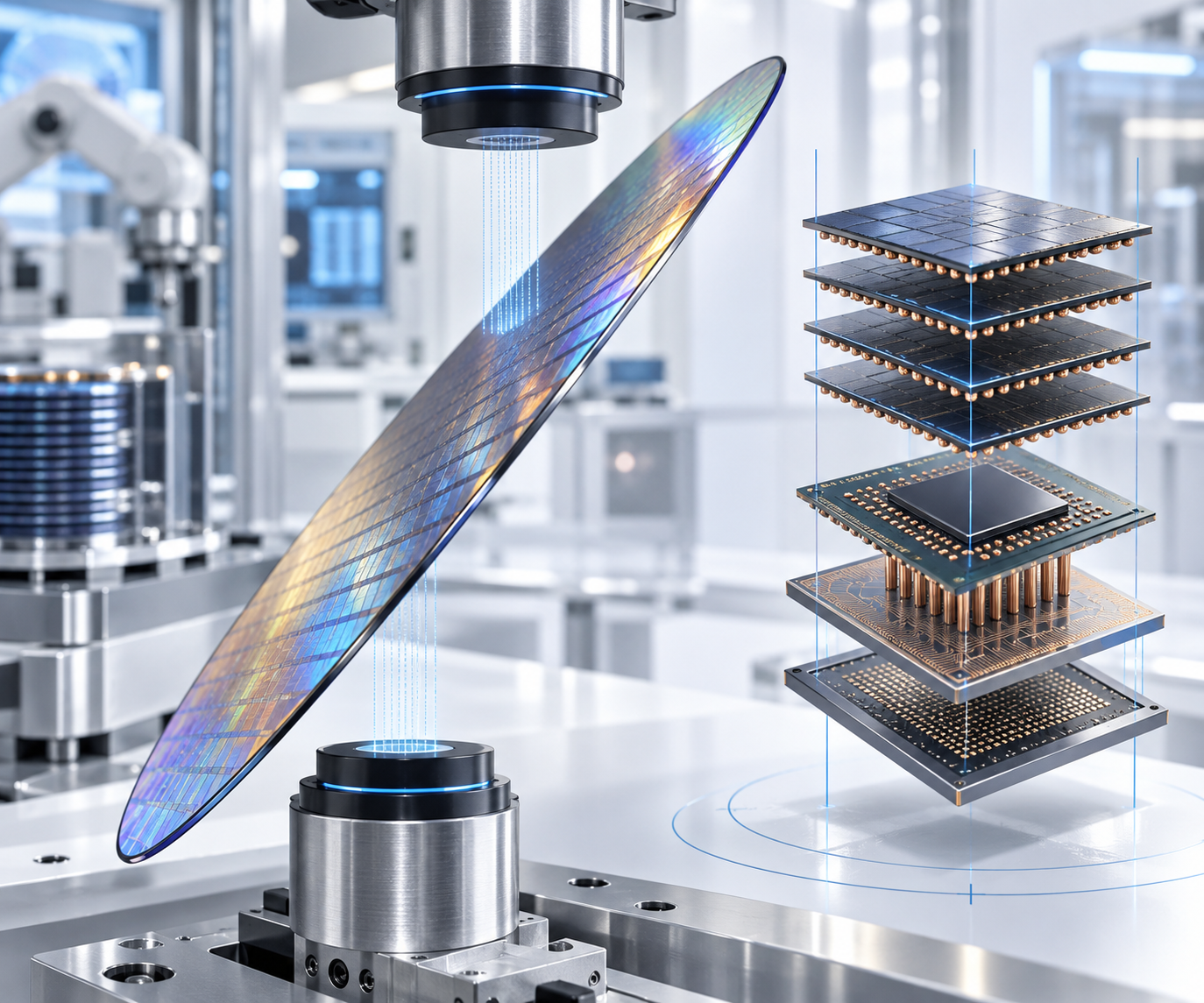
While contact sensors may be more suitable in dirty or obstructed environments, non-contact systems are often the preferred choice for cleanroom, semiconductor, and aerospace applications.
Types of Non-Contact Displacement Sensors
Capacitance Displacement Sensors
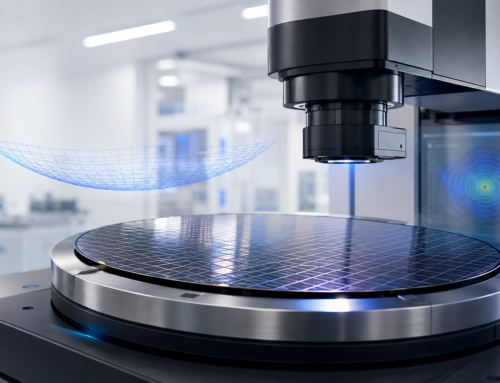
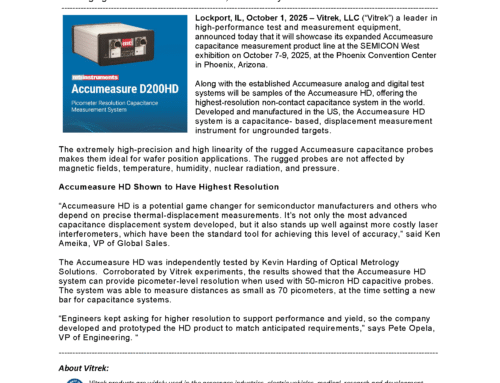
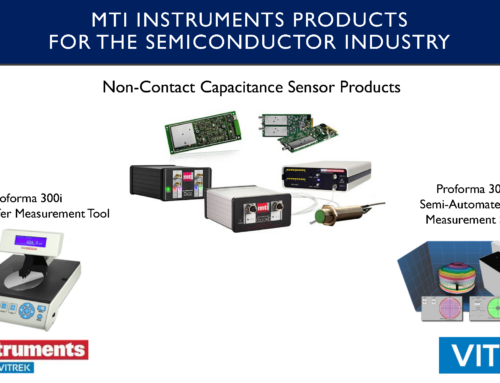
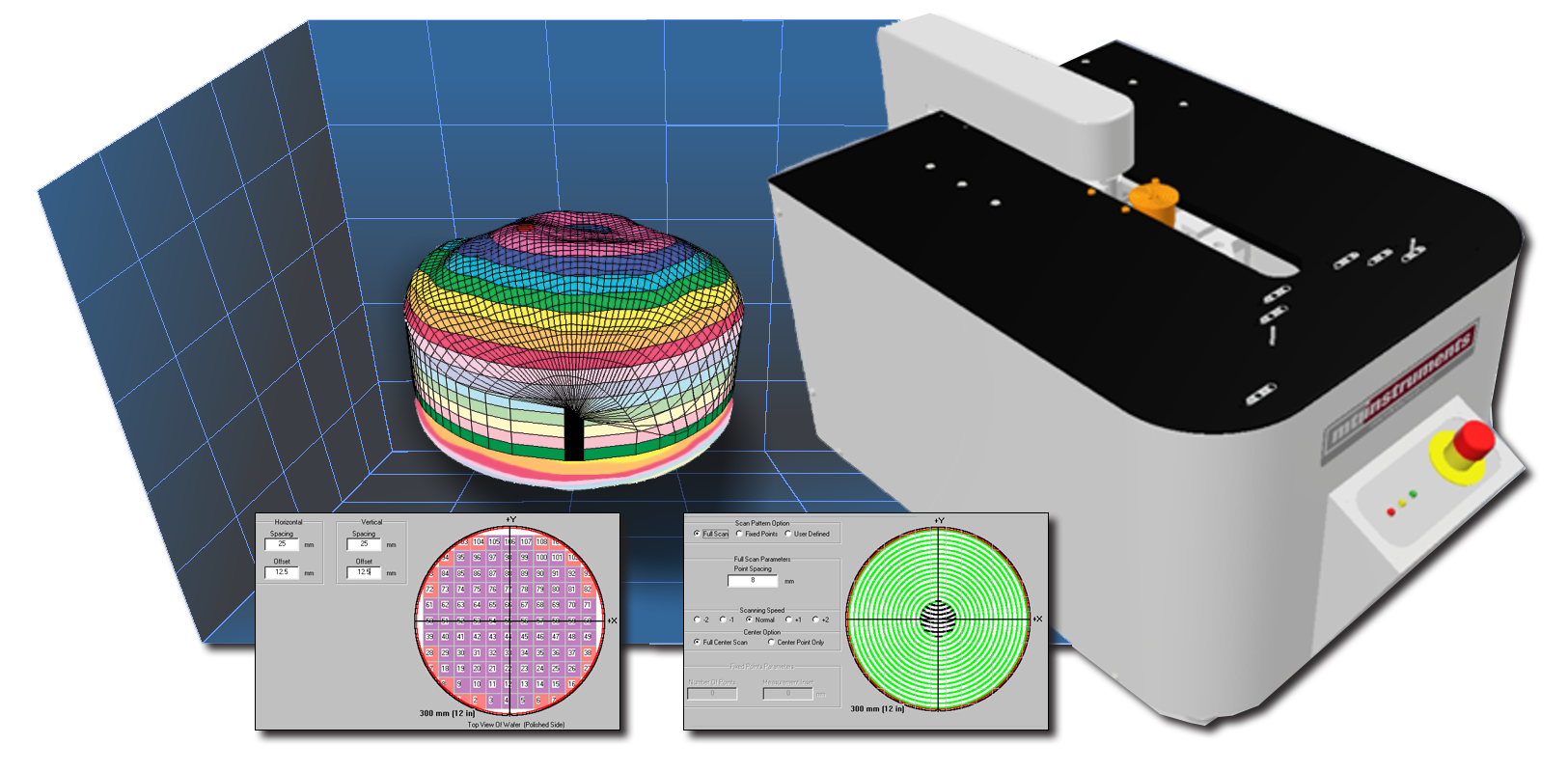
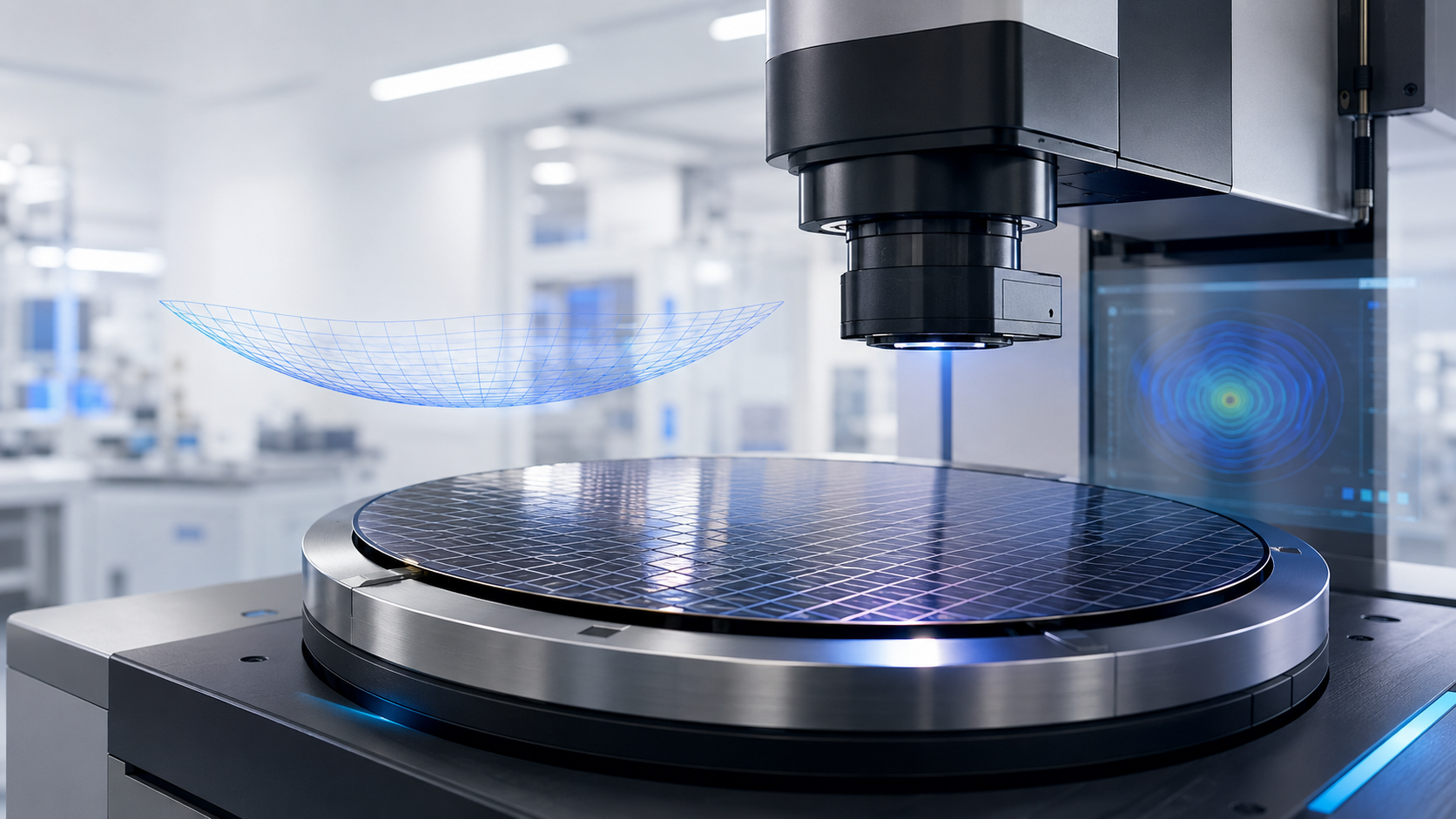
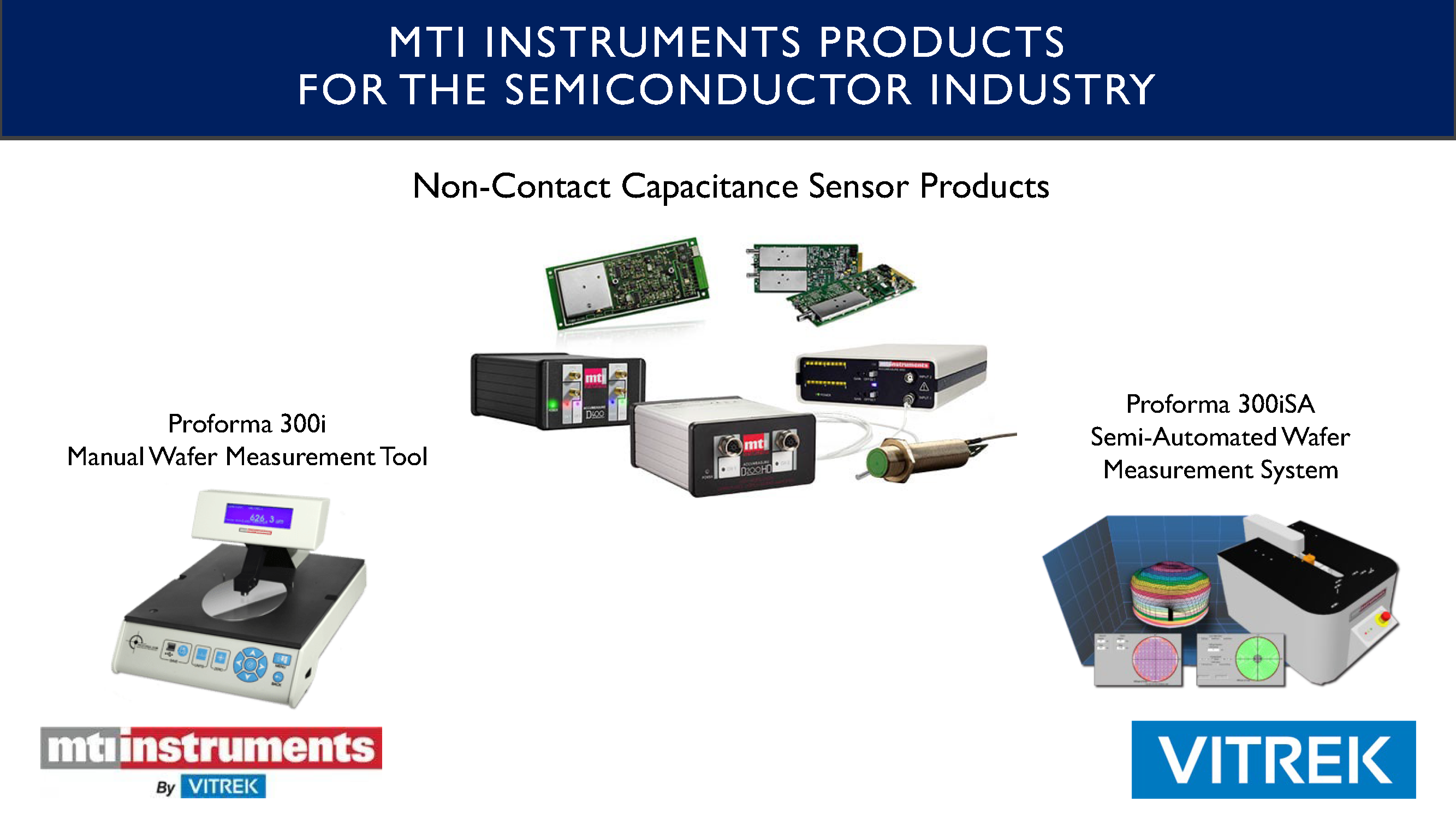
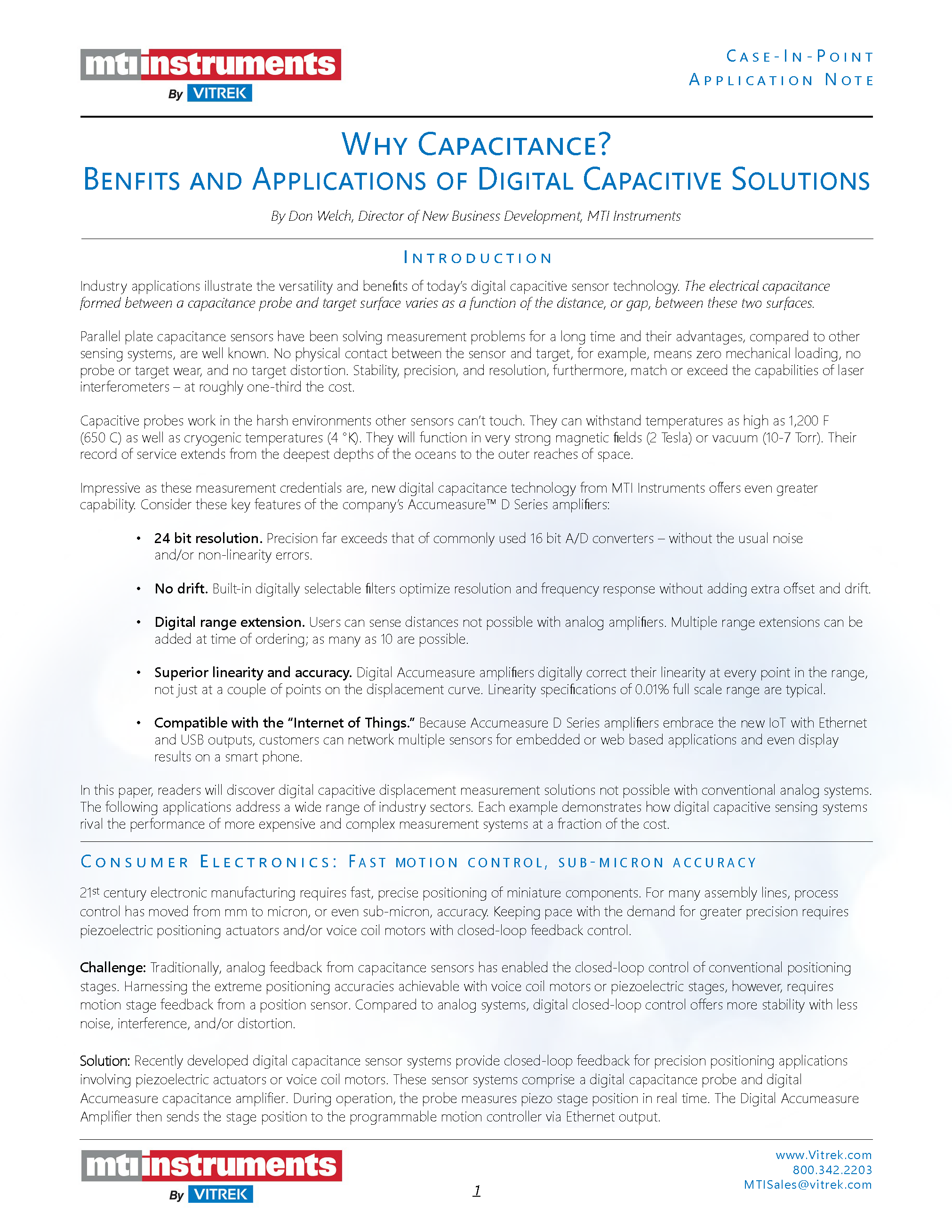
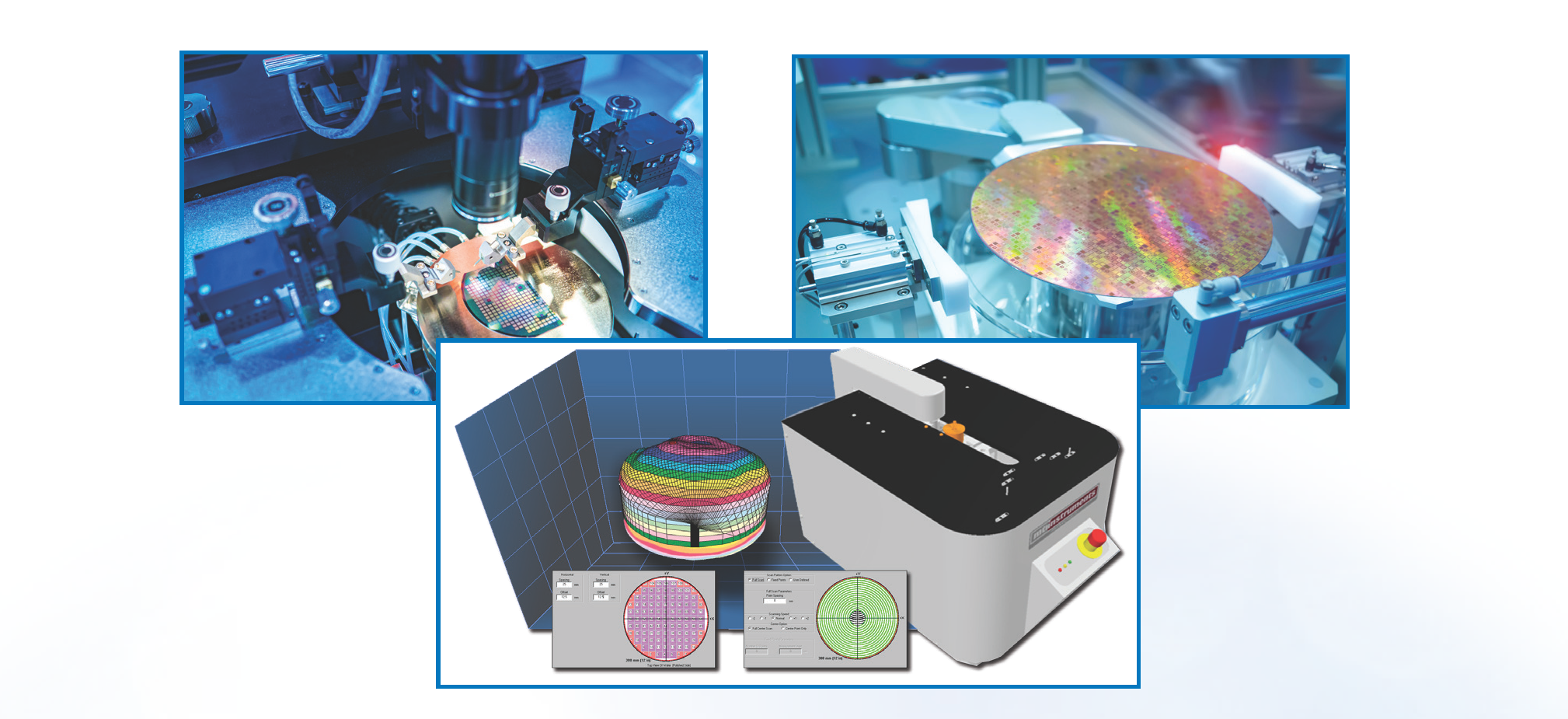
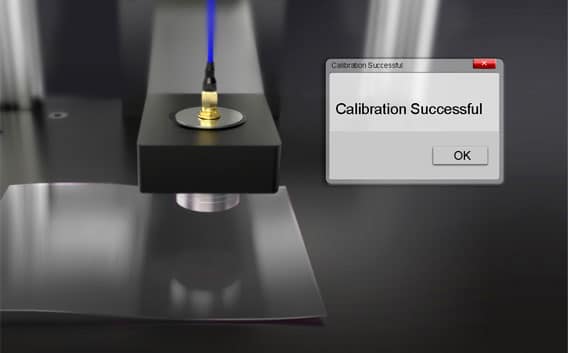
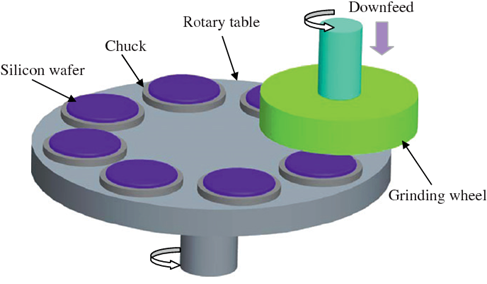
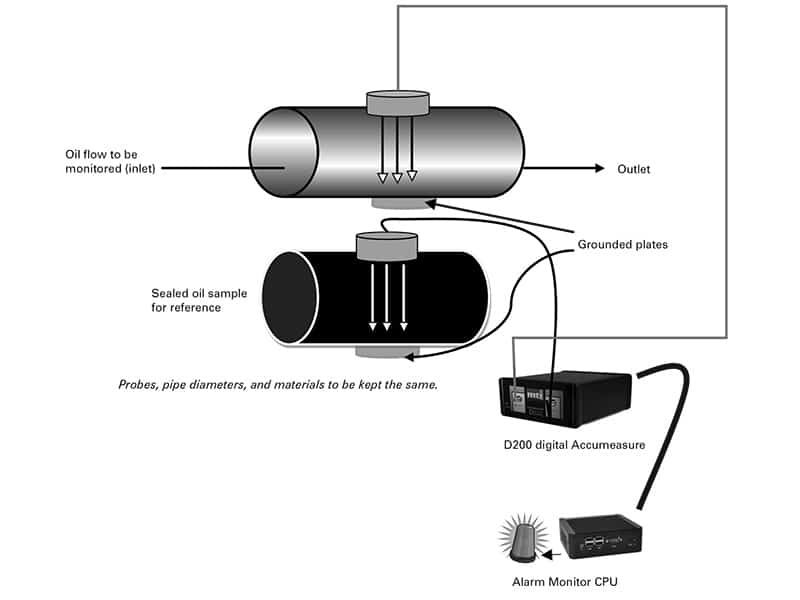
Capacitance sensors measure changes in capacitance caused by the displacement of a target object. These non-contact linear displacement sensors are known for their ultra-high resolution and resistance to external factors like magnetic fields, temperature shifts, and nuclear radiation. Capacitance displacement measurement is ideal for semiconductor wafer positioning, nanotechnology, and metrology-grade testing environments.
Fiber Optic Displacement Sensors
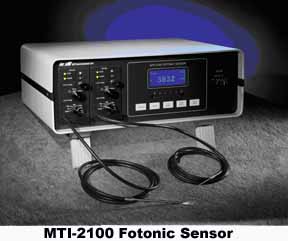
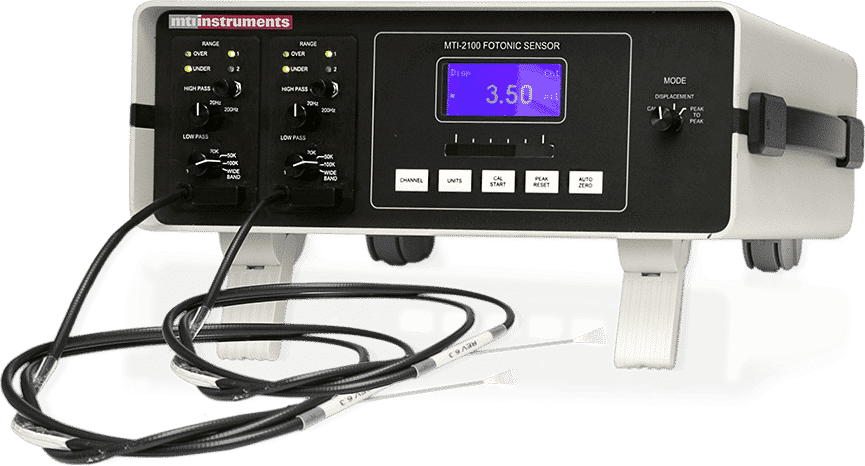
Fiber optic sensors transmit and receive light through fiber optic cables and are highly effective in complex geometries or tight spaces. These sensors provide non-contact displacement measurement with high sensitivity and immunity to EMI (electromagnetic interference). Fiber optic displacement sensors work well with materials like metal, glass, composites, or ceramics and are often used to detect high-frequency motion or vibration in harsh industrial environments.
Laser Triangulation Displacement Sensors
Laser triangulation sensors project a laser beam onto the target and analyze the reflected light to determine position. These sensors are particularly effective for non-contact displacement sensing in fast-moving applications or where long standoff distances are required. They provide reliable performance for dynamic targets and are commonly used in automotive, electronics, and precision manufacturing industries.
Find the Right Non-Contact Displacement Sensor
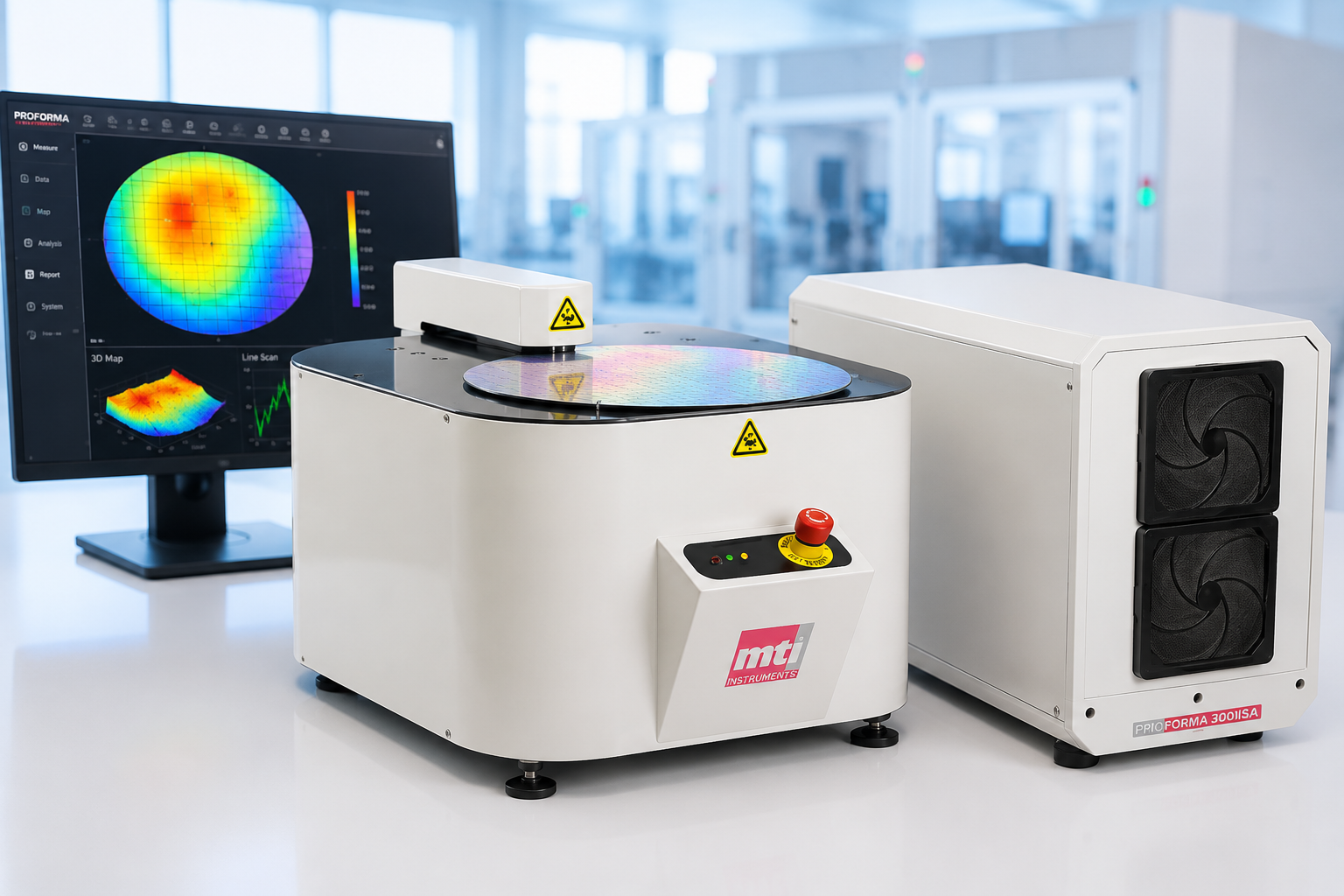
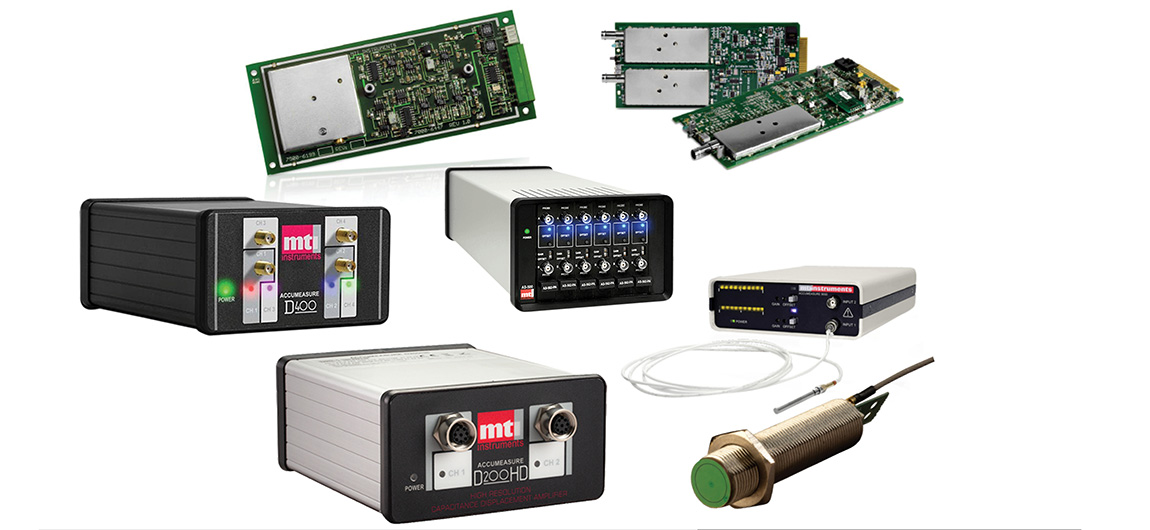
At MTI Instruments in Lockport, IL we specialize in high-performance non-contact displacement sensors for critical measurement tasks across aerospace, semiconductor, industrial, and research sectors. Our portfolio includes advanced capacitance sensors, fiber optic displacement solutions, and laser triangulation sensors—each engineered for non-contact linear displacement measurement with exceptional accuracy and resolution.
Need help choosing the right sensor? Contact us to discuss your application or request more information about MTI’s non-contact sensor technologies.